Spring Is Coming: These 10 Houseplant Tasks Help Oregon Plants Adjust
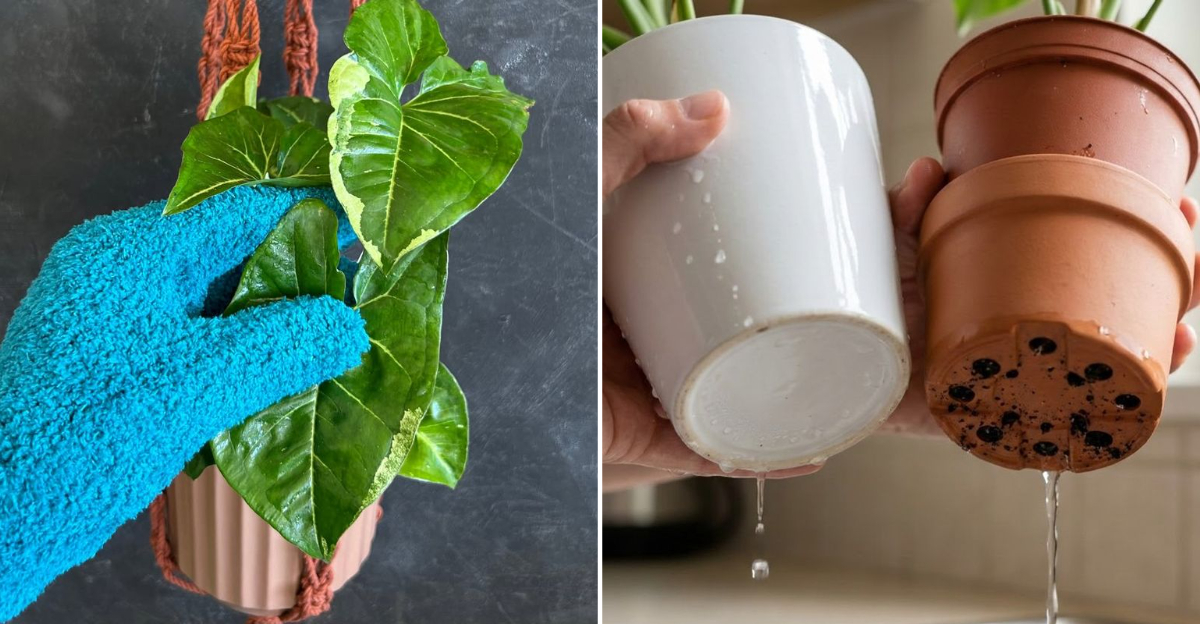
Spring doesn’t arrive all at once in Oregon, it tiptoes in. One day the light looks different, the next your houseplants seem a little more awake.
Maybe you notice a fresh leaf unfurling, or you realize that plant you ignored all winter is suddenly leaning toward the window. It’s a small shift, but it feels good, doesn’t it?
After months of low light and slower growth, your plants are adjusting right along with you. This is the season when they start asking for a bit more attention, not in a demanding way, just gentle reminders that change is coming.
A little extra water here, a turn toward the sun there. Nothing complicated, just thoughtful care.
Spring is also a great time to reset. Dusty leaves, tired soil, cramped roots, winter can quietly pile these things up.
Taking a few simple steps now can help your plants ease into the growing season without stress. And the best part?
You don’t need to do everything at once. Small tasks make a real difference.
If you enjoy watching your plants respond and grow, this is the moment to lean in. These ten easy houseplant tasks are designed to help your plants adjust smoothly to spring, so you can enjoy healthier growth and fewer surprises as the season unfolds.
Wash Away Winter Dust
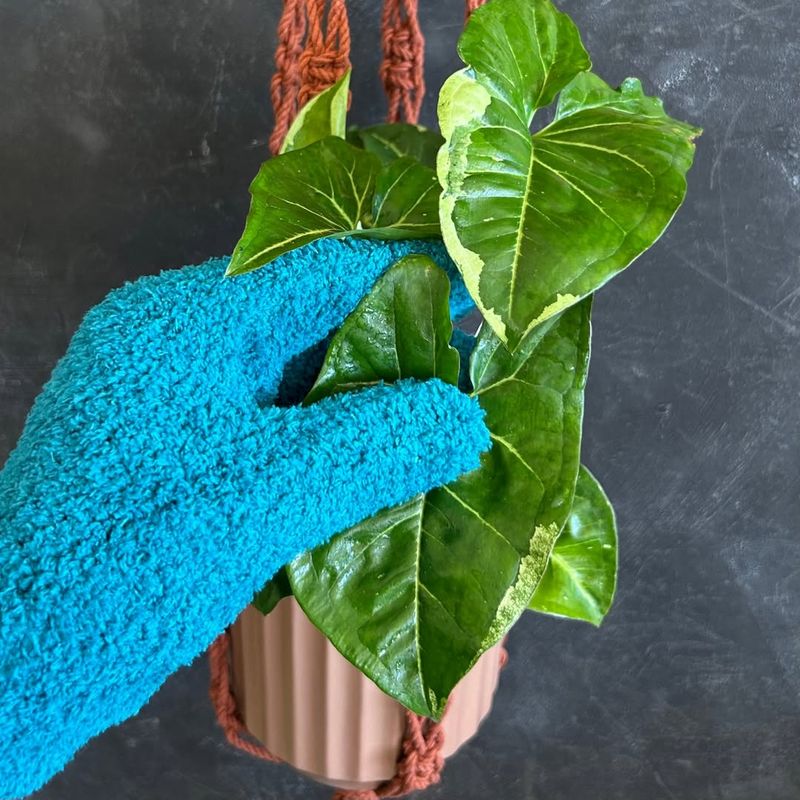
Months of indoor living leave a film on your plant leaves that you might not even see at first glance. Dust blocks sunlight and makes it harder for plants to breathe through their pores.
A gentle wipe-down or shower brings them back to life and prepares them for the brighter days ahead.
Grab a soft cloth dampened with room-temperature water and gently clean each leaf, top and bottom. For plants with lots of small leaves, take them to the sink or shower and give them a lukewarm rinse instead.
Support the soil with your hand so it doesn’t wash away, and let the water run gently over the foliage.
This simple step does more than make your plants look pretty. Clean leaves can photosynthesize better, which means more energy for new growth.
Plus, you’ll spot any pests or problems hiding under the grime, giving you a chance to fix issues before they get worse.
Make this a monthly habit once spring arrives, especially for plants near windows where dust builds up faster. Your ferns, pothos, and rubber plants will look brighter and perkier almost immediately.
It’s one of those small efforts that pays off big time in plant health and appearance.
Check Every Pot For Drainage
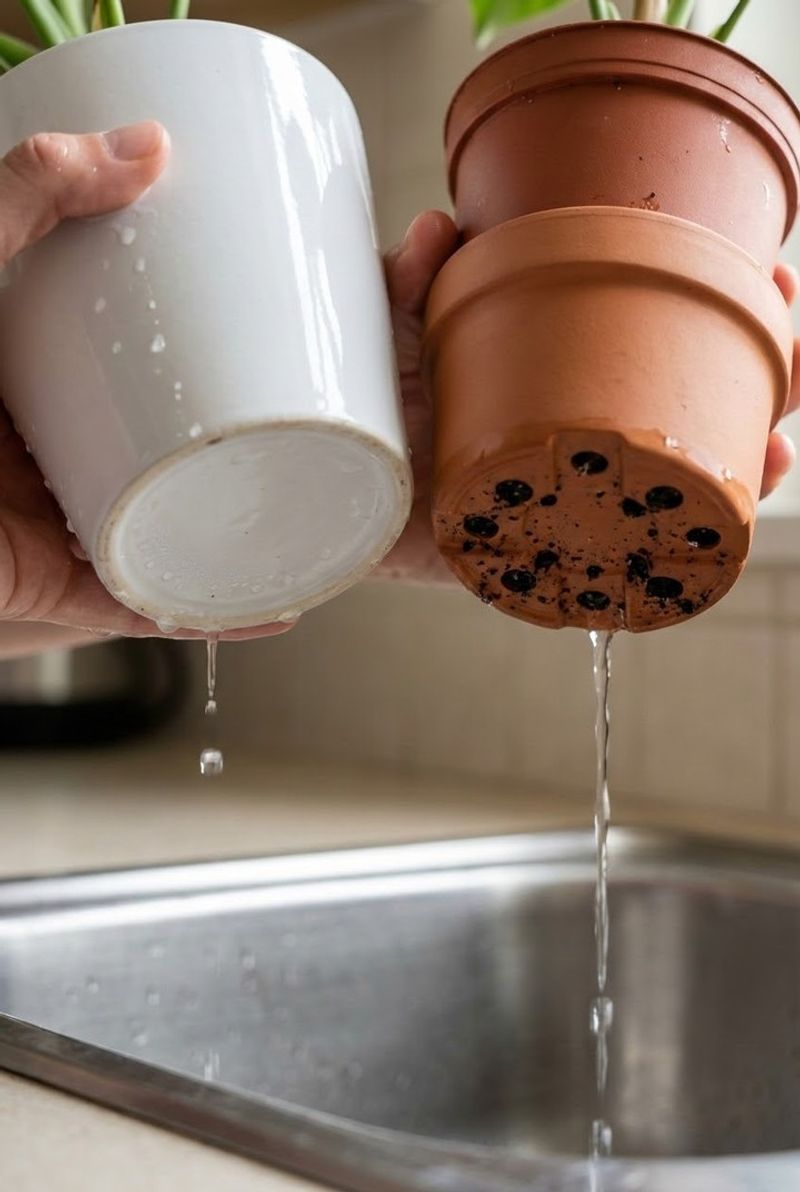
Winter watering is light and infrequent, so drainage holes might not seem like a big deal when plants barely drink. Spring changes everything.
As temperatures warm up and daylight increases, your plants will start gulping water much faster, and poor drainage becomes a serious problem.
Flip each pot over and make sure water can escape freely through the holes at the bottom. If you find a pot without drainage, consider repotting into something that allows excess moisture to leave.
Your Oregon Garden Changes Every Week. Your Plan Should Too.
Gardening in Oregon changes quickly throughout the season. Every Friday you’ll receive a simple weekly plan showing exactly what to plant, prune, fertilize, harvest, and protect so you never miss the right timing.
Blocked or missing drainage leads to soggy soil, root rot, and a very unhappy plant.
Also check the saucers under your pots. Empty any standing water that collects after you water, because roots sitting in moisture for too long will suffocate.
Oregon’s damp spring air already adds humidity, so you don’t want wet soil adding to the problem.
Some decorative pots look amazing but lack holes, and that’s okay if you use them as outer containers. Just place a plastic nursery pot with drainage inside the pretty one, and remove it when watering.
This trick gives you style without sacrificing plant health, which is exactly what you need as spring growth kicks in.
Gradually Increase Watering Frequency
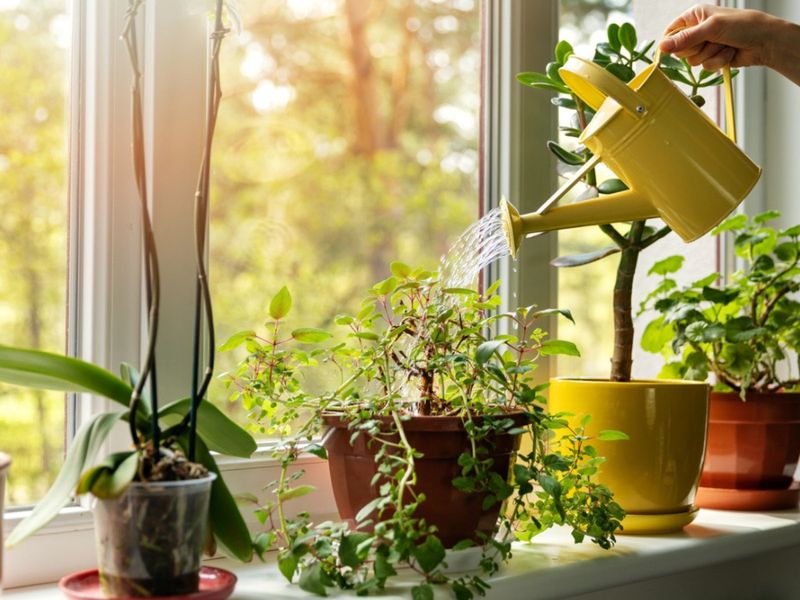
Your houseplants spent winter months barely sipping moisture, and you probably watered them half as often as you did in summer. Spring signals a shift, but you can’t just flip a switch and drench them right away.
Plants need time to adjust their root activity and leaf production before they can handle more water.
Start by checking soil moisture more often instead of following a strict schedule. Stick your finger about two inches down into the soil.
If it feels dry at that depth, it’s time to water. As the weeks progress and you notice new growth appearing, you’ll find the soil dries out faster than before.
Increase watering gradually over several weeks rather than all at once. Maybe you watered every ten days in winter, so try every eight days for a couple of weeks, then every six.
Watch how your plants respond and adjust accordingly, because every home and plant is different.
Oregon’s spring rain might make your house more humid, which can slow down how fast soil dries. Pay attention to your specific conditions rather than following generic advice.
Overwatering in spring is just as harmful as underwatering, so take your time and observe carefully as you make changes.
Resume Feeding With Diluted Fertilizer

Most houseplants go dormant or semi-dormant during winter, which means they don’t need much food. Fertilizing during that slow period can actually harm them by forcing growth when they’re not ready.
Spring wakes up their appetite, and they’ll need nutrients to fuel all that fresh new growth.
Wait until you see clear signs of active growth before you start feeding again. Look for new leaves unfurling, stems lengthening, or fresh shoots popping up from the soil.
Once you spot these signals, it’s safe to reintroduce fertilizer to your routine.
Start with a diluted solution, about half the strength recommended on the package. This gentle approach prevents fertilizer burn and gives roots time to adjust after months of no feeding.
Use a balanced liquid fertilizer or one formulated for houseplants, and apply it every two to four weeks as growth continues.
Different plants have different needs, so research your specific varieties if you’re unsure. Succulents and cacti need very little fertilizer, while fast growers like pothos and philodendrons appreciate regular feeding.
Keep track of when you fertilize so you don’t accidentally overdo it, which can cause brown leaf tips and other problems.
Rotate Plants For Even Light Exposure
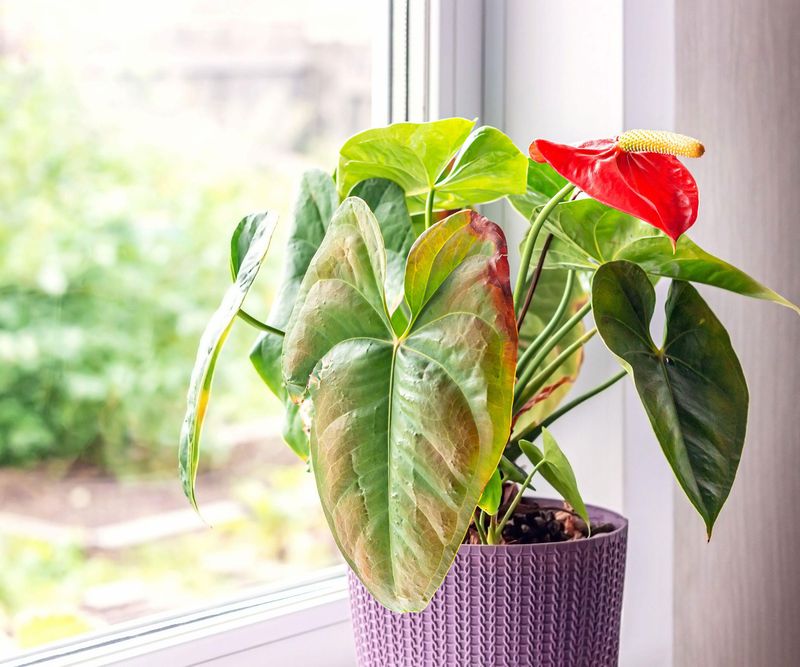
Windows in Oregon don’t always offer consistent light, especially during winter when clouds dominate the sky for weeks at a time. Plants naturally grow toward the brightest light source, which can leave them lopsided and unbalanced if you never turn them.
Spring brings more sun, making rotation even more important.
Give each plant a quarter turn every week or two so all sides get equal time facing the window. This encourages symmetrical growth and prevents stems from stretching awkwardly in one direction.
It also helps lower leaves get enough light instead of being shaded out by the top growth.
Mark the pot with a piece of tape or a marker so you remember which side faced the window last time. Or just make it a habit every time you water.
Either way works as long as you stay consistent throughout the growing season.
Plants near south-facing windows might need more frequent rotation because they get the strongest light. North-facing windows offer gentler, more even light, so those plants might not need turning as often.
Pay attention to how each plant grows and adjust your rotation schedule based on what you observe over time.
Inspect For Pests That Thrive In Spring
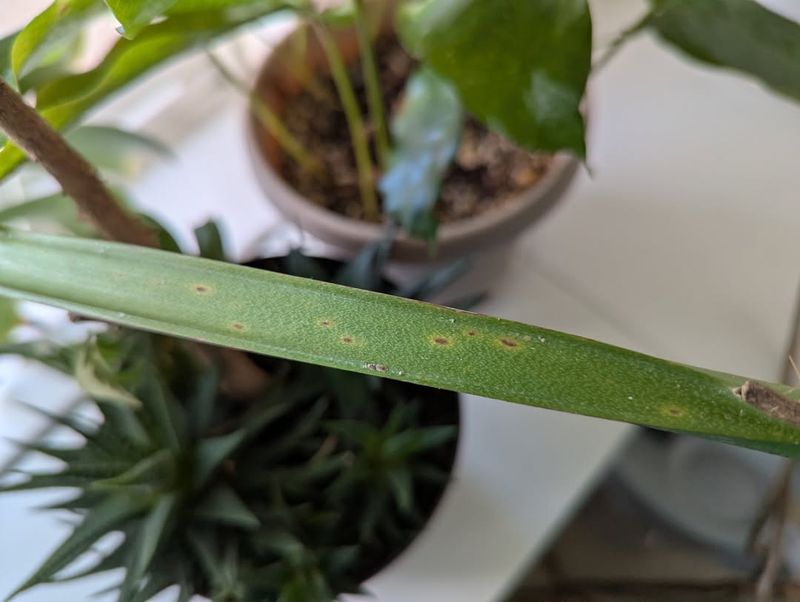
Warmer temperatures and increased humidity create ideal conditions for pests to multiply quickly. Spider mites, aphids, and fungus gnats all love spring, and they can go from a minor annoyance to a major infestation in just a few weeks if you’re not paying attention.
Look closely at the undersides of leaves, along stems, and around new growth where pests like to hide. Check for tiny webs, sticky residue, discolored spots, or actual bugs crawling around.
Catching problems early makes them much easier to handle than waiting until your plant is covered.
If you spot pests, isolate the affected plant immediately so the problem doesn’t spread to your other houseplants. Wipe down leaves with soapy water, rinse well, and consider using neem oil or insecticidal soap for tougher cases.
Repeat treatments every few days until the pests are completely gone.
Prevention works better than treatment, so keep your plants healthy with proper watering, good air circulation, and regular cleaning. Stressed plants attract pests more easily than vigorous ones.
Spring is also a good time to introduce sticky traps near your plants to catch flying pests before they become a bigger issue.
Prune Away Damaged Or Leggy Growth

Winter often leaves plants looking a bit scraggly, with brown tips, yellowed leaves, or long stems that stretched toward distant light. Spring is the perfect time to clean up that mess and encourage fresh, compact growth.
Pruning might seem scary, but most houseplants bounce back stronger after a good trim.
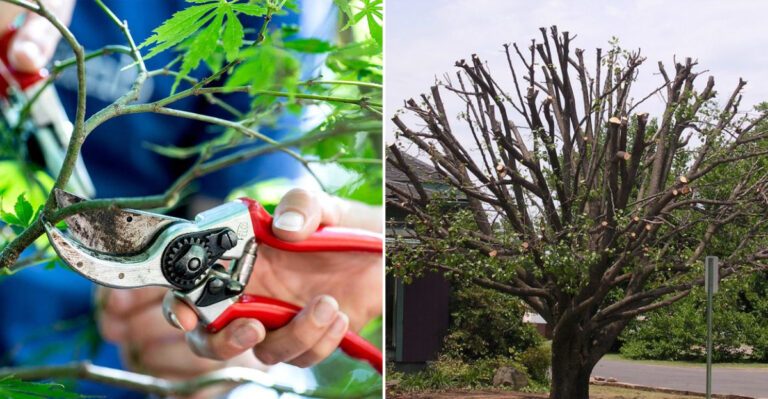
Use clean, sharp scissors or pruning shears to snip off any damaged, discolored, or unhealthy-looking leaves. Cut stems back to just above a leaf node, which is where new growth will emerge.
Removing leggy stems encourages the plant to branch out and become fuller instead of tall and sparse.
Don’t be afraid to take off more than you think you should. Most common houseplants can handle fairly aggressive pruning and will respond by pushing out multiple new shoots.
Just avoid removing more than about a third of the plant at once, which can stress it too much.
Dispose of the clippings in your compost or trash, not near your other plants, in case they carry pests or diseases. Wipe your cutting tools with rubbing alcohol between plants to prevent spreading problems.
Spring pruning sets the stage for lush, healthy growth throughout the rest of the year.
Repot Root-Bound Plants Into Fresh Soil
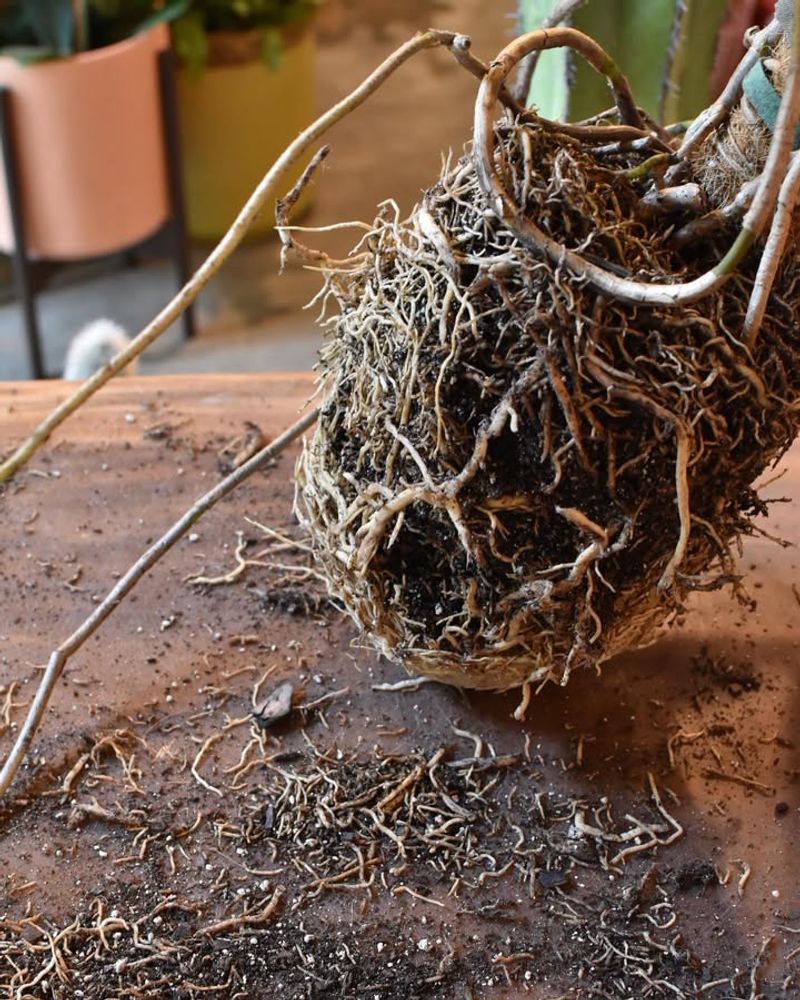
Plants that have been in the same pot for a year or more might be running out of room for their roots to grow. Root-bound plants struggle to absorb water and nutrients, which limits their ability to take advantage of spring’s growth conditions.
Repotting gives them fresh soil and more space to spread out.
Gently remove the plant from its current pot and look at the roots. If they’re circling tightly around the outside of the soil ball or poking out of the drainage holes, it’s time for a bigger home.
Choose a pot that’s one to two inches larger in diameter than the old one.
Loosen the roots gently with your fingers and trim any that look mushy, brown, or unhealthy. Fill the new pot with fresh, high-quality potting mix appropriate for your plant type.
Position the plant at the same depth it was before, fill in around the sides, and water thoroughly.
Spring is the ideal time for repotting because plants are entering their active growth phase and will recover quickly from the stress. Avoid repotting in fall or winter when plants are resting.
After repotting, give your plant a few days to settle in before resuming regular care routines.
Move Plants Closer To Windows
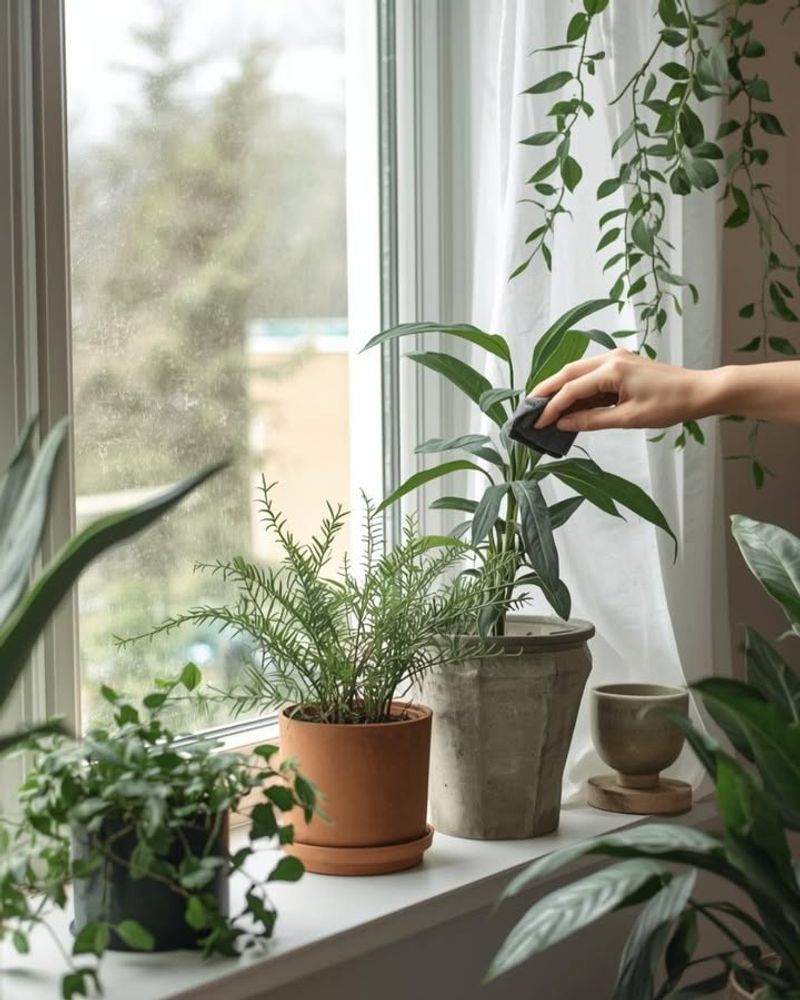
You might have moved plants away from cold windows during winter to protect them from drafts and low temperatures. Spring brings warmer weather and longer days, which means your plants can handle being closer to natural light again.
More light equals more growth, so take advantage of Oregon’s brightening days.
Start by moving plants gradually over a week or two rather than all at once. Sudden changes in light intensity can shock plants and cause leaf burn or stress.
Shift them a few feet closer to the window every few days until they’re in their ideal spring spot.
Watch for signs that they’re getting too much light, like bleached or scorched leaves. If that happens, move them back a bit.
Most houseplants prefer bright, indirect light rather than harsh direct sun, especially during the strongest part of the afternoon.
South and west-facing windows offer the most intense light, while north and east-facing ones provide gentler conditions. Match your plants to the right window based on their specific needs.
Succulents and cacti love strong light, while ferns and pothos do better with softer, filtered sun. Spring is your chance to optimize placement for the entire growing season.
Adjust Humidity Levels For Active Growth
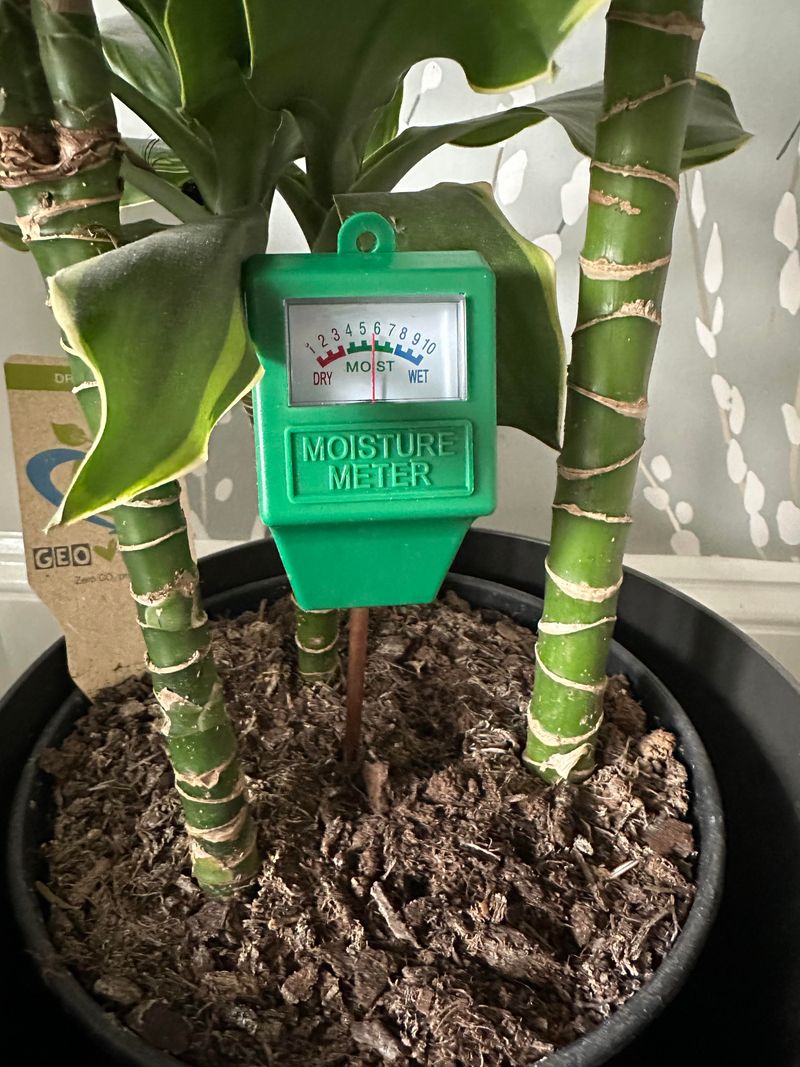
Indoor heating during winter creates dry air that many tropical houseplants struggle with. Spring brings naturally higher humidity to Oregon, but indoor conditions can still vary depending on your home.
As plants start growing actively, they need adequate moisture in the air to support healthy leaf development and prevent brown edges.
Check your home’s humidity with an inexpensive hygrometer, which you can find at most garden centers. Most houseplants thrive with humidity between 40 and 60 percent.
If your home runs drier than that, consider adding a humidifier near your plant collection or grouping plants together so they create their own humid microclimate.
Misting plants sounds helpful but doesn’t actually raise humidity for more than a few minutes. Instead, place pots on trays filled with pebbles and water, making sure the pot bottoms sit above the water line.
As the water evaporates, it increases moisture in the air around your plants.
Bathrooms and kitchens naturally have higher humidity from showers and cooking, making them great spots for moisture-loving plants like ferns and calatheas. Spring is a good time to rearrange your collection based on each plant’s humidity preferences.
Proper humidity prevents crispy leaf tips and helps plants grow more vigorously as the season progresses.