9 Trees You Should Never Plant Too Close To Your New York Home
Planting trees around your New York home can feel like a smart way to add shade, beauty, and curb appeal. But what many homeowners don’t realize is that where you plant a tree can matter just as much as which tree you choose.
Some trees grow much larger than expected, with roots that spread far and wide beneath the surface. Trees you should never plant too close to your New York home can slowly cause damage to foundations, sidewalks, and underground pipes without obvious warning at first.
A tree that looks small and harmless today can become a costly problem tomorrow. The wrong tree in the wrong spot can turn into years of repairs and frustration.
Many New York homeowners only discover these issues after damage has already begun. Knowing which trees need extra space helps you protect your home while still enjoying a beautiful, healthy landscape that lasts for years.
1. Weeping Willow
Weeping willows are undeniably beautiful with their graceful, drooping branches that sway in the breeze.
Many New York homeowners fall in love with their romantic appearance and fast growth rate. Unfortunately, these trees come with serious drawbacks when planted near houses.
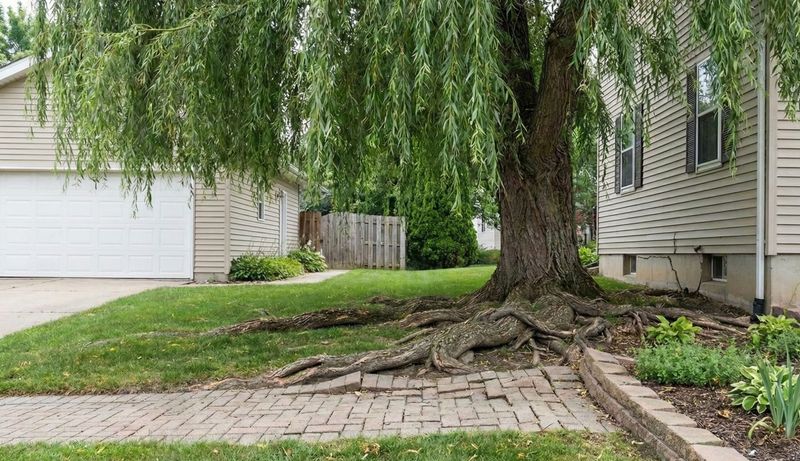
Their root systems are extremely aggressive and constantly search for water sources. These roots can infiltrate sewer lines, septic systems, and water pipes, causing blockages and expensive damage.
A weeping willow’s roots can extend two to three times beyond its canopy, meaning a tree planted thirty feet from your home can still reach your foundation.
The wood of weeping willows is also quite brittle and breaks easily during New York’s winter ice storms and summer thunderstorms. Falling branches can damage roofs, vehicles, and power lines.
These trees require constant cleanup as they shed twigs and leaves throughout the growing season.
Additionally, weeping willows need tremendous amounts of water to thrive, which can create soggy areas in your yard. They grow incredibly fast but have relatively short lifespans of only 30 to 50 years.
For New York homeowners seeking long-term landscaping solutions, weeping willows planted close to structures create more problems than their beauty is worth.
2. Silver Maple
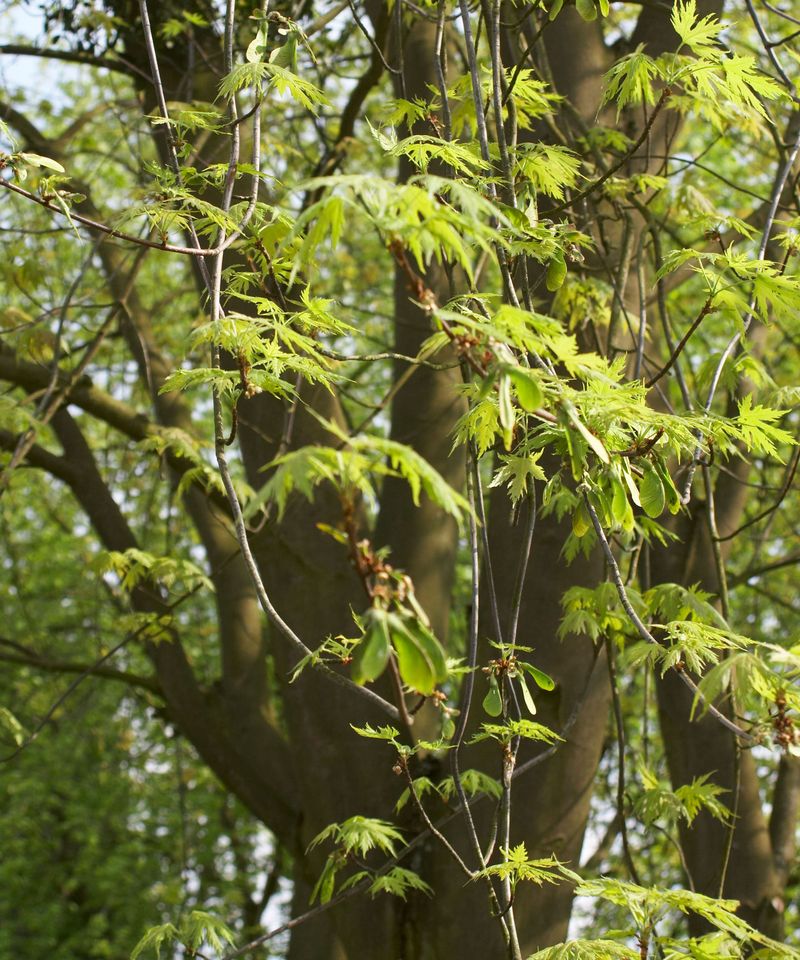
Silver maples grow at lightning speed, which makes them tempting for homeowners wanting quick shade in their New York yards.
However, this rapid growth comes at a significant cost. The wood develops weak branch connections that make the tree prone to breaking apart during storms.
Root systems on silver maples are shallow and widespread, often breaking through lawns and creating tripping hazards.
These surface roots can lift sidewalks, crack driveways, and damage underground utilities throughout New York neighborhoods. The roots seek moisture aggressively and will invade drainage systems and water lines without hesitation.
Silver maples also produce massive amounts of seeds twice per year, creating a mess that clogs gutters and sprouts everywhere in your garden beds. The tree’s shallow roots make it unstable in New York’s clay soils, especially during wet periods when the ground becomes saturated.
Branch breakage is common even without severe weather, as the wood is soft and splits easily under its own weight. Homeowners frequently find themselves cleaning up fallen limbs and dealing with property damage.
Your New York Garden Changes Every Week. Your Plan Should Too.
Gardening in New York changes quickly throughout the season. Every Friday you’ll receive a simple weekly plan showing exactly what to plant, prune, fertilize, harvest, and protect so you never miss the right timing.
While silver maples provide quick shade, their numerous problems make them unsuitable for planting anywhere near New York homes, foundations, or paved surfaces where their destructive roots can cause ongoing headaches.
3. Lombardy Poplar
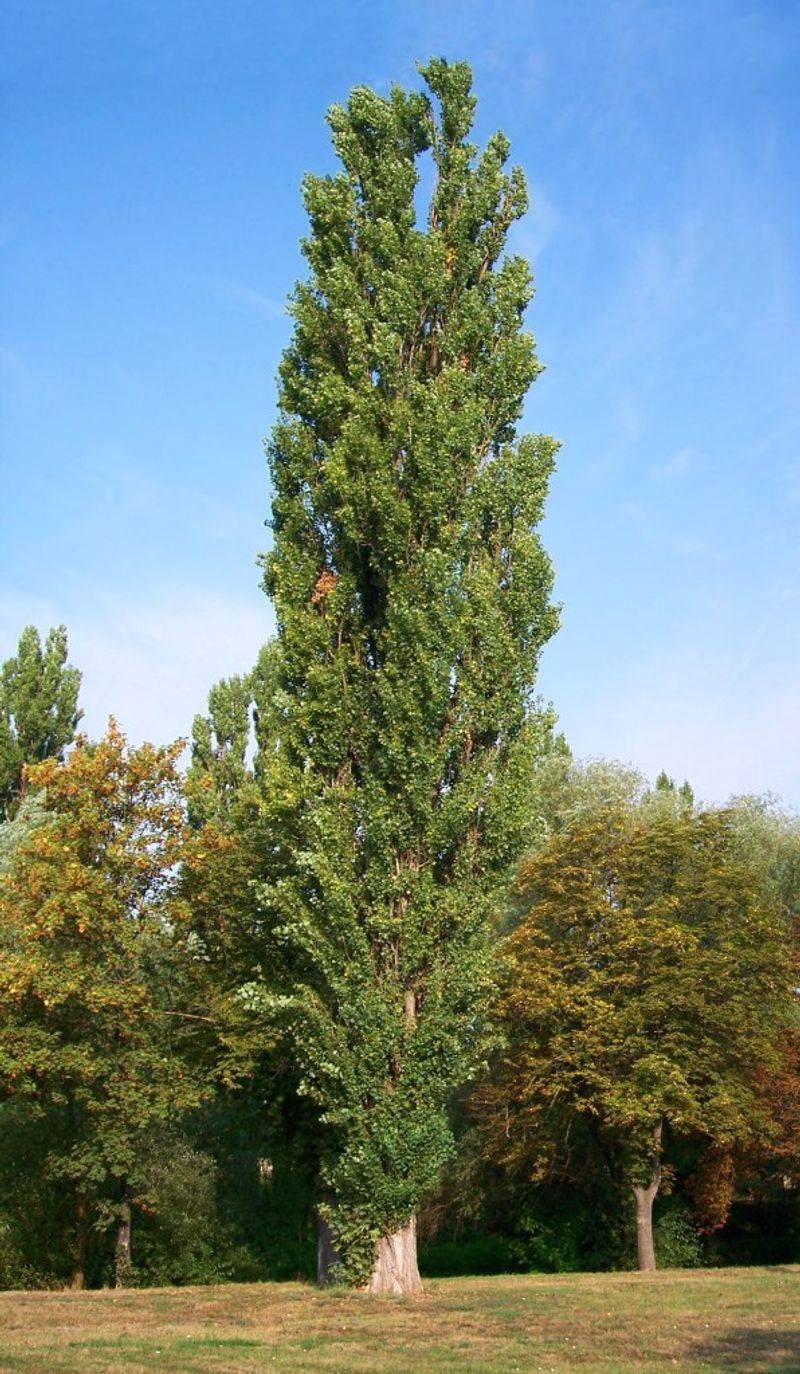
Lombardy poplars shoot upward with their distinctive columnar shape, reaching heights of 50 feet or more in just a few years.
New York homeowners often plant them as privacy screens or windbreaks along property lines. This decision usually leads to regret within a decade or two.
These fast-growing trees have extremely shallow root systems that spread horizontally in all directions. The roots invade lawns, gardens, and hardscapes, buckling sidewalks and cracking foundations.
Lombardy poplars are also highly susceptible to canker diseases that plague them throughout New York, causing branches to wither and eventually affecting the entire tree.
Their lifespan is disappointingly short, typically only 15 to 25 years, meaning they need replacement just when they reach maturity.
The trees produce cottony seeds that blow everywhere, creating allergic reactions and coating yards with fluffy debris. Branches break frequently because the wood is soft and weak.
Lombardy poplars also sucker profusely, sending up new shoots from their roots that invade nearby areas and require constant removal. In New York’s variable climate, these trees struggle with disease pressure and environmental stress.
Planting them close to homes guarantees foundation problems, clogged gutters from falling debris, and the eventual need for expensive removal when disease takes hold of the weakened trees.
4. Norway Maple

Norway maples were once widely planted throughout New York as street and shade trees because of their dense canopy and tolerance for urban conditions. Today, they’re recognized as invasive species that outcompete native trees and create problems for homeowners.
The root system grows aggressively both deep and wide, making it nearly impossible to grow grass or other plants beneath the tree. These surface roots buckle sidewalks, penetrate sewer lines, and can compromise building foundations when planted too close.
Norway maples produce thousands of winged seeds that germinate readily, invading gardens and natural areas.
Their extremely dense shade prevents sunlight from reaching the ground, creating bare patches in lawns and limiting your landscaping options. The shallow roots also compete intensely with nearby plants for water and nutrients.
In New York neighborhoods, these trees have escaped cultivation and now dominate woodlands, pushing out native species.
Norway maples also exude chemicals that inhibit the growth of other plants, a process called allelopathy. This makes gardening beneath or near them extremely difficult.
Their leaves are among the last to drop in fall, often holding on into early winter and requiring extended cleanup periods.
For New York homeowners, planting Norway maples near structures means dealing with invasive roots, ecological damage, and difficult growing conditions that limit your property’s potential.
5. Bradford Pear
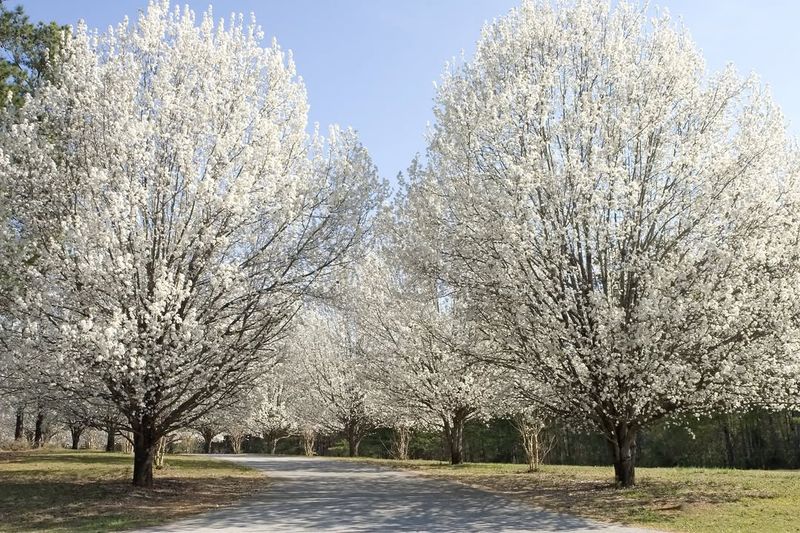
Bradford pears explode with beautiful white blossoms each spring, creating stunning displays that attract many New York homeowners. Unfortunately, their good looks hide serious structural weaknesses that become apparent as the trees mature.
The branching structure of Bradford pears is inherently flawed, with narrow angles that make branches prone to splitting.
New York’s ice storms and heavy snow loads cause these trees to break apart spectacularly, often splitting down the middle. By the time they reach 15 to 20 years old, most Bradford pears have suffered significant storm damage.
These trees also produce thorny shoots and have become invasive across New York, spreading into natural areas and forming dense thickets. The spring flowers, while pretty, emit an unpleasant odor that many people find offensive.
Bradford pears grow quickly but have weak wood that cannot support the tree’s own weight as it matures.
When planted near homes, falling branches can damage roofs, vehicles, windows, and siding during storms. The cleanup after a major branch failure is extensive and dangerous.
Root systems, while not as aggressive as some species, can still interfere with foundations and underground utilities.
For New York homeowners, the temporary beauty of Bradford pears is overshadowed by their inevitable structural failure and the property damage that results from planting them too close to houses.
6. White Mulberry
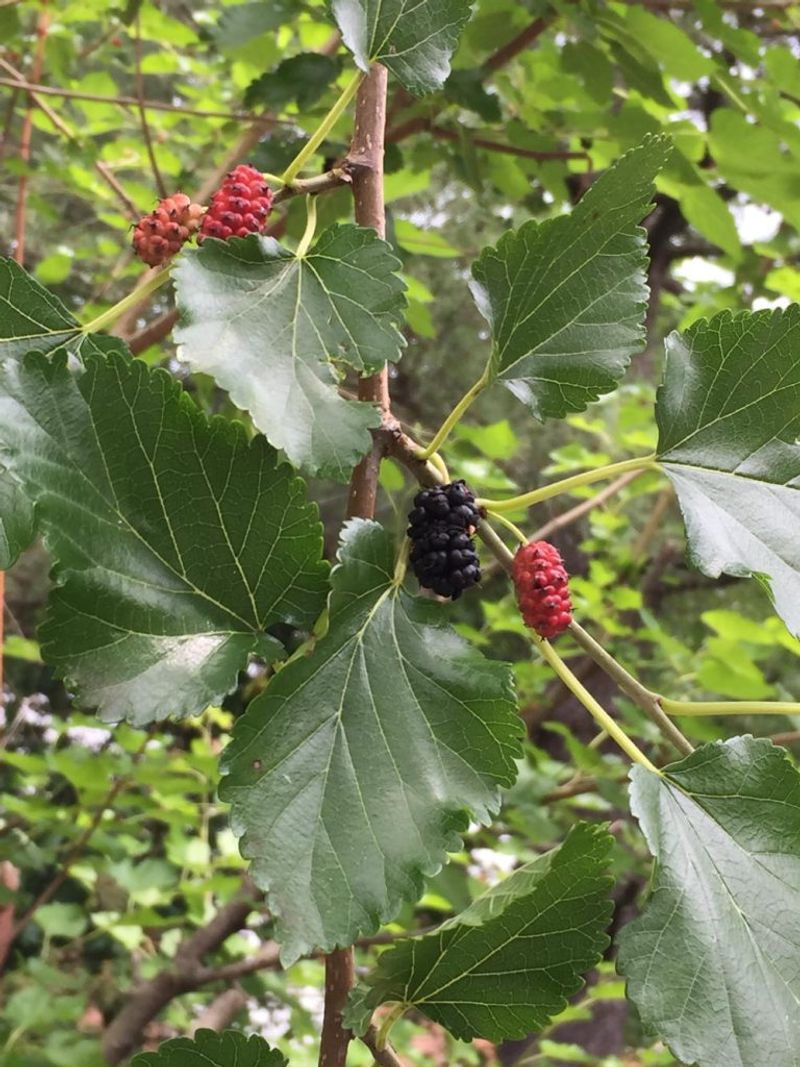
White mulberry trees produce abundant fruit that attracts wildlife and creates memorable childhood experiences for some. However, these trees present numerous challenges when planted anywhere near New York homes and hardscapes.
The berries drop continuously throughout late spring and early summer, staining driveways, sidewalks, patios, and anything else beneath the canopy. These purple stains are difficult to remove and attract bees, wasps, and other insects.
Birds feast on the berries and then leave droppings everywhere, compounding the mess.
White mulberries have aggressive root systems that spread widely and can damage foundations, sewer lines, and septic systems. They’re also considered invasive in New York, hybridizing with native red mulberries and threatening the native species.
The trees produce copious amounts of pollen that triggers allergies in many people.
White mulberries grow quickly but have relatively weak wood that breaks during storms. Their shallow roots can lift paved surfaces and make mowing difficult as they emerge through lawns.
The constant fruit drop means sticky shoes, stained concrete, and attracted pests throughout the growing season. In New York’s suburban and urban areas, white mulberries create maintenance nightmares.
Their invasive tendencies and messy habits make them completely unsuitable for planting near homes where their fruit will create staining problems and their roots will damage infrastructure and foundations.
7. Cottonwood
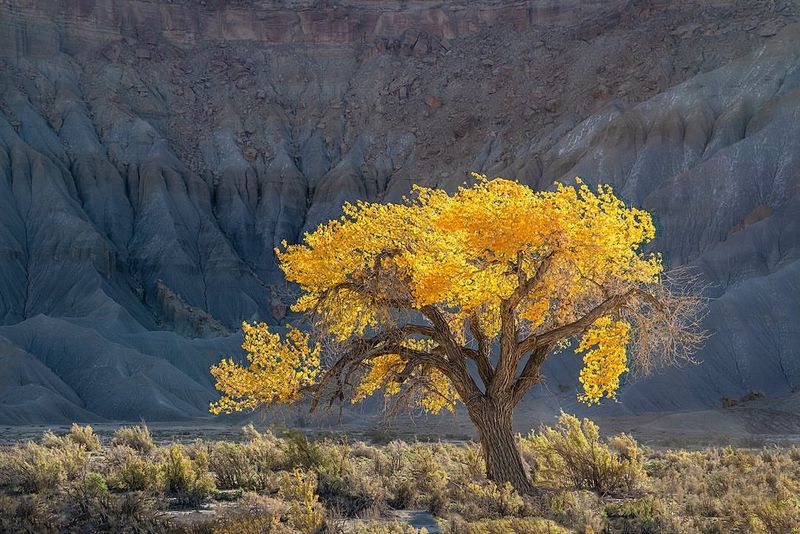
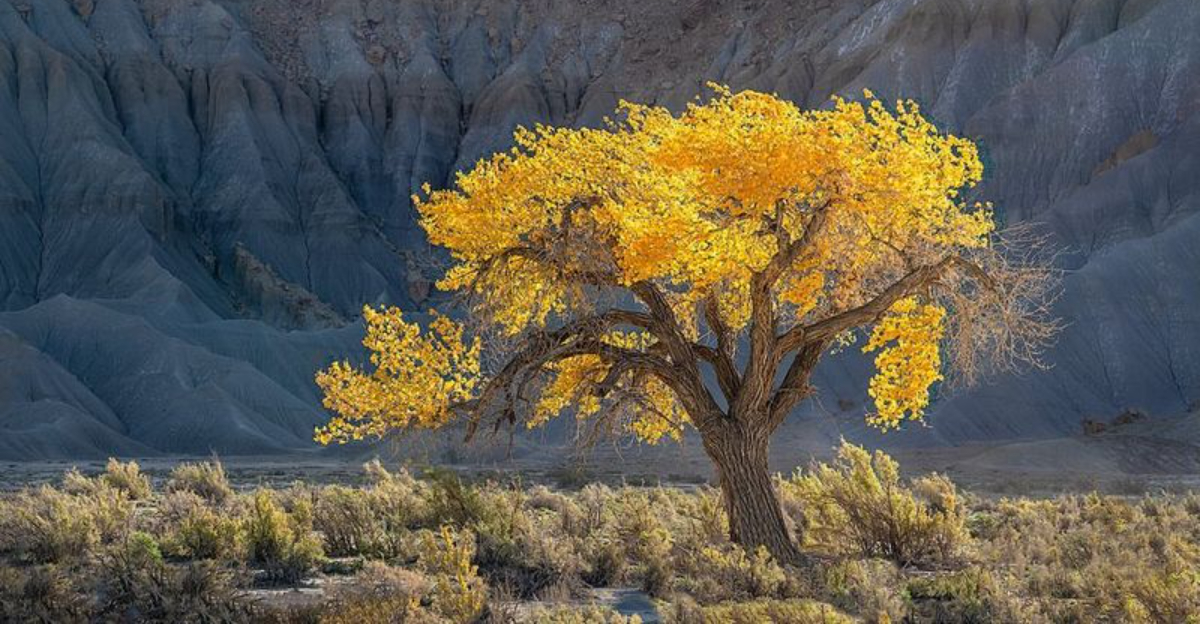
Cottonwood trees tower over the landscape, reaching impressive heights of 80 feet or more in New York’s climate. Their size alone makes them problematic near residential structures, but their issues extend far beyond their massive dimensions.
Each spring, cottonwoods release enormous quantities of cottony seeds that blanket everything within several hundred feet. This fluffy material clogs air conditioning units, fills gutters, creates fire hazards, and triggers allergic reactions in sensitive individuals.
The cotton accumulates in drifts like snow, requiring constant cleanup.
Cottonwood roots are among the most aggressive of any tree species, spreading far beyond the canopy and seeking water sources relentlessly. These roots invade sewer lines, septic systems, and water pipes, causing blockages and expensive repairs.
They also lift sidewalks, crack foundations, and damage underground utilities throughout New York neighborhoods.
The trees drop branches regularly, even without storms, as their brittle wood breaks easily. Large limbs falling on homes can cause catastrophic damage.
Cottonwoods also have high water requirements and grow primarily in moist areas, but their roots will seek water wherever they can find it.
In New York, planting cottonwoods near homes guarantees years of cleanup, foundation problems, plumbing issues, and the constant threat of falling branches damaging your property during the tree’s relatively short lifespan.
8. Ash Trees
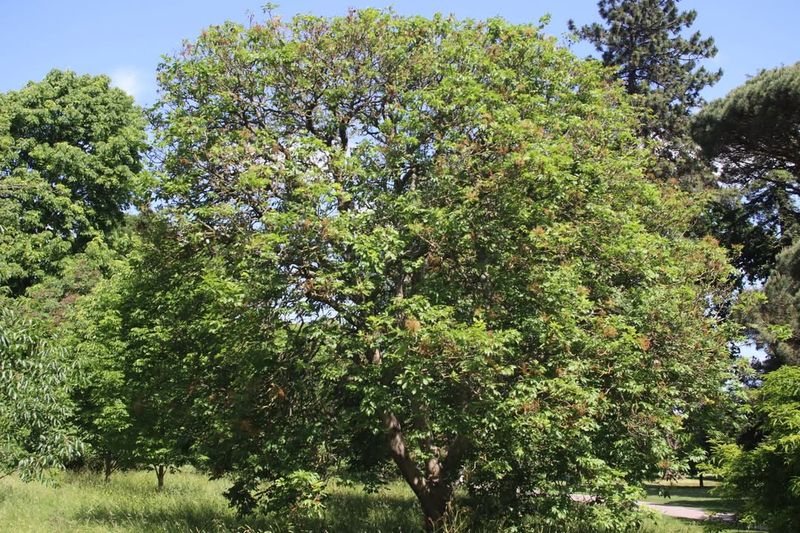
Ash trees were once among the most popular shade trees planted throughout New York, valued for their attractive form and reliable growth. Then came the emerald ash borer, an invasive beetle that has devastated ash populations across the state.
This destructive insect has rendered ash trees a risky choice for any New York property. Infected trees decline rapidly, becoming hazardous as they weaken and drop branches.
Treating ash trees for emerald ash borer requires expensive annual applications of insecticides, which many homeowners cannot afford or choose not to pursue.
Even healthy ash trees have root systems that can interfere with foundations, sidewalks, and underground utilities when planted too close to structures. The roots spread widely and can lift paved surfaces as they grow.
Ash trees also produce numerous seeds that sprout readily throughout gardens and lawns.
With the ongoing emerald ash borer infestation across New York, planting new ash trees near homes is particularly unwise. The trees will likely become infested within years, requiring removal before reaching maturity.
Removing large ash trees near houses is expensive and dangerous, especially once they’ve become weakened by beetle damage.
The combination of invasive pest pressure, aggressive roots, and the near certainty of premature removal makes ash trees completely unsuitable for planting anywhere near New York homes or other valuable structures on your property.
9. Black Walnut

Black walnut trees produce valuable timber and edible nuts, which makes them appealing to some New York homeowners. However, these trees are among the most problematic species to plant near houses and gardens.
Black walnuts produce a chemical called juglone that is toxic to many common plants, including tomatoes, peppers, azaleas, rhododendrons, and numerous other species. This chemical leaches from the roots, leaves, and nut hulls, creating a zone around the tree where many plants simply cannot survive.
Gardening near black walnuts becomes extremely limited and frustrating.
The nuts themselves create hazards and mess. They’re large, hard, and fall with enough force to dent cars and injure people.
The thick hulls stain everything they touch with dark brown marks that are nearly impossible to remove. Mowing over fallen walnuts can damage lawn equipment.
Black walnut roots spread aggressively and can damage foundations, driveways, and underground utilities. The trees also attract wildlife that may become nuisances around New York homes.
Squirrels hoard the nuts in gutters, attics, and other inconvenient locations. The large size black walnuts eventually reach, combined with their allelopathic effects and messy nuts, makes them completely unsuitable for planting near houses.
In New York’s residential settings, black walnuts limit your landscaping options and create ongoing maintenance challenges that far outweigh their benefits.