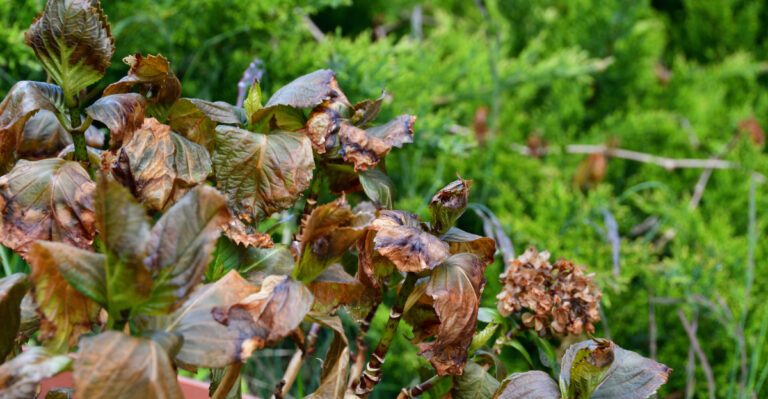
7 Outdoor Garden Mistakes Oregon Gardeners Repeat Every January And February

January and February can feel like the quiet months in an Oregon garden. The beds look still, tools are tucked away, and it’s tempting to think there’s nothing to do but wait for spring.
But these slow weeks are often when small habits sneak in, the kind that seem harmless at the time and quietly cause trouble later.
Maybe you’ve gone outside on a mild winter day and decided to tidy just a little. Or you’ve ignored soggy soil because everything looks dormant anyway.
It all feels reasonable. After all, the weather is unpredictable, and gardening in winter doesn’t exactly come with clear rules.
Oregon’s mix of rain, brief cold snaps, and cloudy stretches can make it hard to know what actually helps and what hurts.
The tricky part is that many winter mistakes don’t show up right away. Plants won’t complain until weeks or even months later, when growth is weak, blooms are disappointing, or something fails to come back at all.
That’s when the frustration sets in.
If you’ve ever wondered why certain problems seem to repeat every year, you’re not alone. Many Oregon gardeners make the same winter missteps without realizing it.
The good news? Once you know what to watch for, these mistakes are easy to avoid and your garden will thank you when spring finally arrives.
Walking On Waterlogged Soil
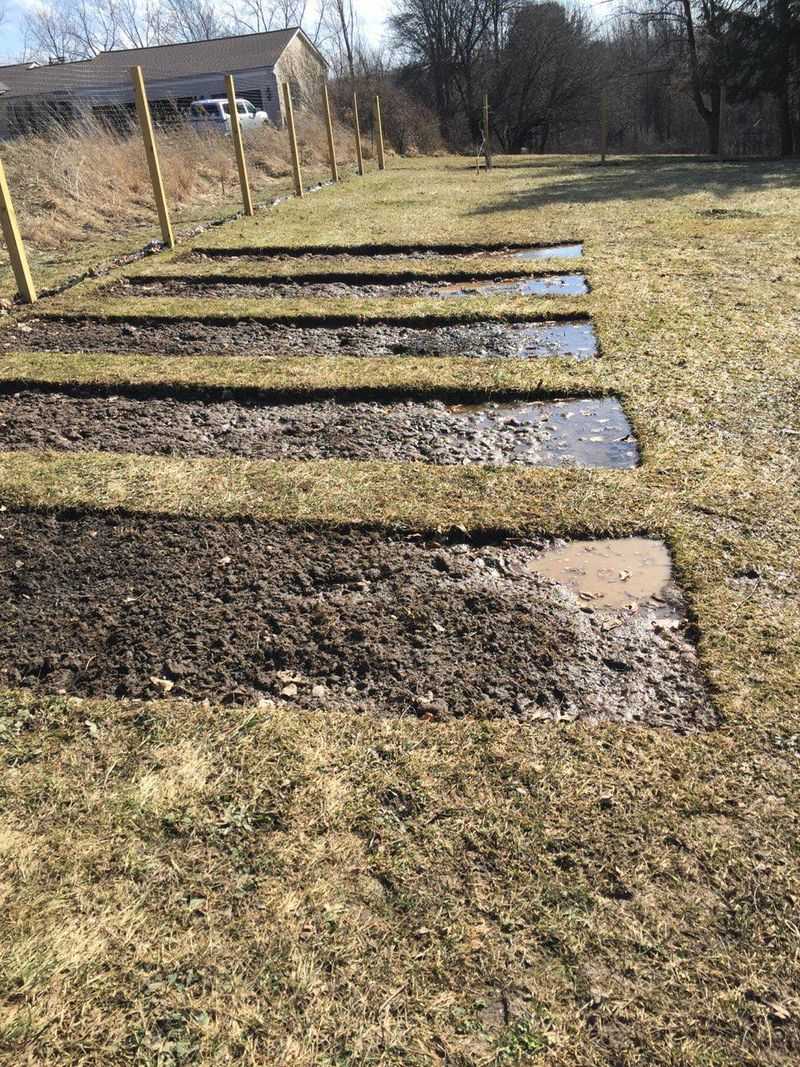
Oregon’s winter rains turn garden beds into saturated sponges. When you walk across wet soil, your weight squeezes out the air pockets that roots desperately need.
This creates compacted layers that block water drainage and make it nearly impossible for plants to spread their roots come spring.
Compacted soil forms hard clumps that take months to break apart naturally. Even light foot traffic on soggy ground causes damage that affects your entire growing season.
You might not notice the harm right away, but your tomatoes and peppers will struggle later when their roots hit that dense barrier.
Pathways and stepping stones solve this problem beautifully. Place boards or pavers in areas where you need to work during wet months.
If you must access a bed, use a wide plank to distribute your weight evenly across the surface.
Wait for drier days when possible. Check the soil by squeezing a handful.
If water drips out or it forms a tight ball, stay off that area. Your patience now pays off with fluffy, healthy soil later.
Garden beds recover slowly from compaction, so prevention truly is the best medicine for this common mistake.
Pruning At The Wrong Time
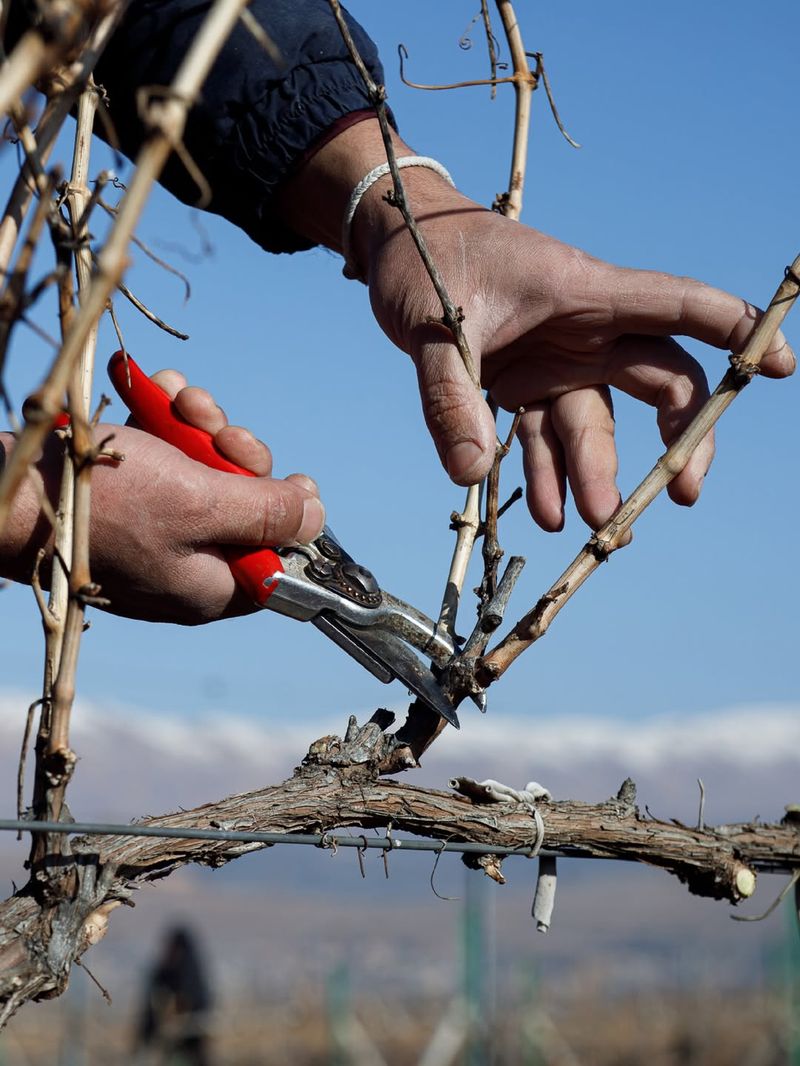
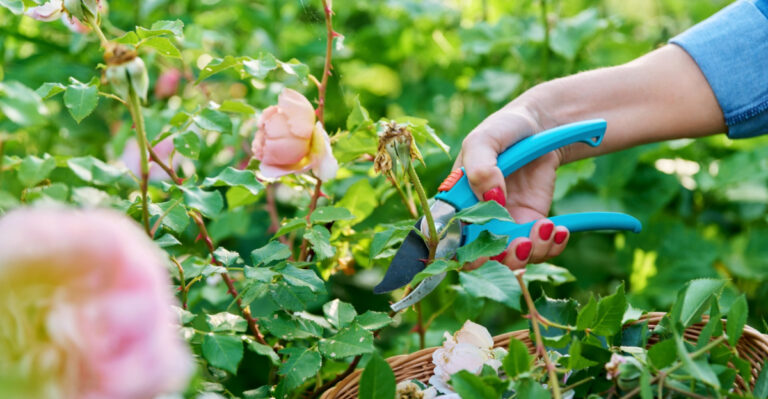
Pruning shears call out to gardeners during those rare sunny winter days. You spot overgrown branches and feel the urge to tidy things up right away.
But cutting at the wrong moment can expose plants to frost damage or encourage new growth that won’t survive the cold snaps still ahead.
Many flowering shrubs set their buds in fall for spring blooms. When you prune them in January or February, you cut off all those future flowers without realizing it.
Your Oregon Garden Changes Every Week. Your Plan Should Too.
Gardening in Oregon changes quickly throughout the season. Every Friday you’ll receive a simple weekly plan showing exactly what to plant, prune, fertilize, harvest, and protect so you never miss the right timing.
Lilacs, rhododendrons, and forsythia all fall into this category. One well-meaning trim can leave you with a green bush and zero blossoms.
Fruit trees have their own timing rules too. Stone fruits like plums and cherries should wait until late winter when disease pressure drops.
Apples and pears tolerate earlier pruning, but you still risk exposing fresh cuts to rain and fungal spores during Oregon’s wettest months.
Research each plant’s ideal pruning window before you make any cuts. Some plants actually prefer summer trimming after they bloom.
Others do best in late February when the worst weather has passed but growth hasn’t started yet. A simple calendar note for each species saves you from accidentally ruining months of bud development.
Forgetting About Drainage Issues
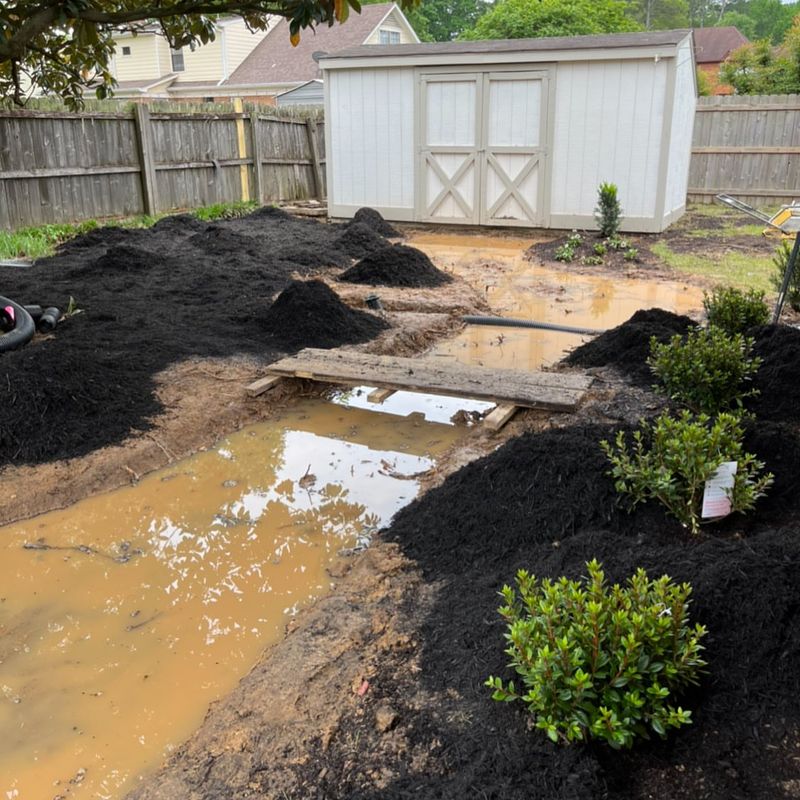
Puddles that linger for days after rain are trying to tell you something important. Poor drainage creates oxygen-starved conditions that suffocate plant roots and invite fungal problems.
Many gardeners ignore these warning signs in winter, then wonder why their plants look sickly come spring.
Oregon’s clay-heavy soil naturally holds water longer than sandy or loamy ground. When you add winter’s relentless rain to the mix, low spots become miniature swamps.
Roots sitting in waterlogged soil for weeks on end start to rot, and plants weaken before the growing season even begins.
Winter is actually the perfect time to spot and fix drainage problems. You can see exactly where water collects and how long it stays.
Raised beds, French drains, or strategic grading can redirect excess moisture away from plant roots.
Amending soil with compost also helps improve drainage over time. Work organic matter into problem areas during brief dry spells.
The improvement won’t happen overnight, but each year your soil structure gets better. Some gardeners install simple perforated pipe systems to carry water away from beds.
The effort you put in now prevents countless headaches later when you’re trying to establish new plants in soggy ground.
Neglecting Weed Prevention
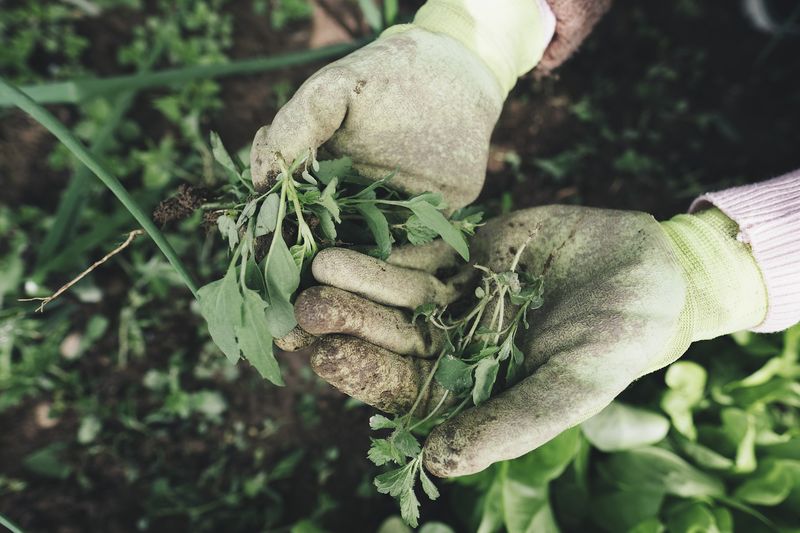
Chickweed, bittercress, and shotweed thrive in Oregon’s cool, wet winters. While you’re staying cozy indoors, these opportunistic plants are spreading across your beds and setting thousands of seeds.
By the time you notice them in spring, they’ve already claimed valuable territory.
Winter weeds often go unnoticed because they stay low to the ground and blend in with dormant garden plants. But underneath that innocent appearance, they’re building extensive root systems and preparing to explode with growth.
One small bittercress plant can shoot seeds several feet away, colonizing your entire garden in a single season.
A thick layer of mulch stops most weed seeds from sprouting in the first place. Apply two to three inches of arborist chips, straw, or compost around your perennials and in empty beds.
This barrier blocks light and makes it harder for seeds to reach the soil.
Hand-pulling weeds on dry days also keeps the problem manageable. Grab them before they flower and set seed.
Even a quick walk through your garden every couple of weeks makes a huge difference. Those few minutes of attention now save you hours of weeding later when the weather warms up and everything grows faster.
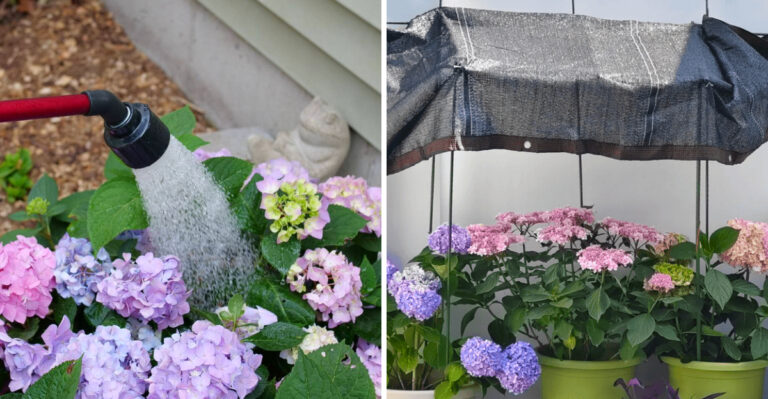
Overwatering Dormant Plants
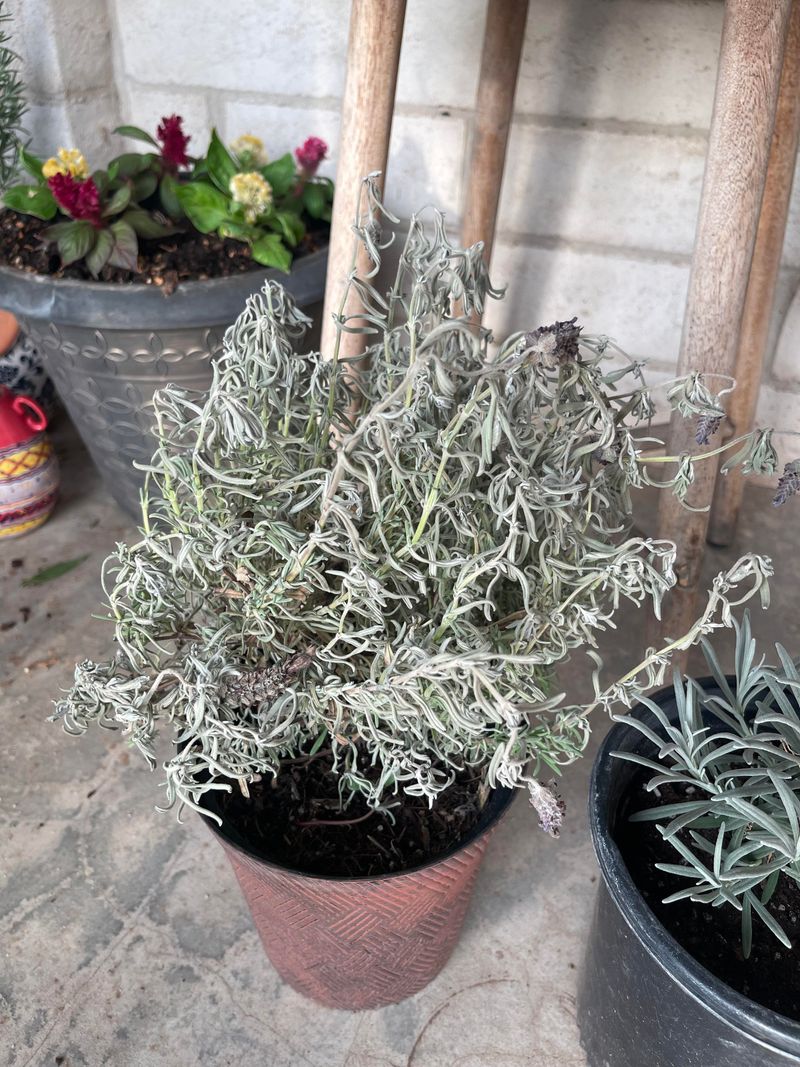
Dormant plants need far less water than actively growing ones. Their metabolism slows way down during winter months, and their roots absorb moisture at a fraction of summer rates.
Yet many gardeners stick to the same watering schedule year-round, drowning plants that are trying to rest.
Oregon’s winter rain usually provides more than enough moisture for outdoor plants. Adding extra water on top of that creates constantly soggy conditions.
Container plants and those under eaves might need occasional drinks, but in-ground beds rarely need supplemental watering between November and March.
Check soil moisture before you water anything. Stick your finger down a few inches to feel the actual moisture level rather than judging by the surface.
If it feels damp, skip the watering. Your plants will be fine waiting another week or two.
Overwatered dormant plants show subtle signs of stress. Leaves might yellow or drop off, and stems can develop soft spots.
These symptoms often get blamed on cold damage or disease, but too much water is the real culprit. Adjust your routine to match the season.
Your plants are resting and conserving energy. They don’t need you to push them into activity before they’re ready for it.
Starting Seeds Too Early Indoors
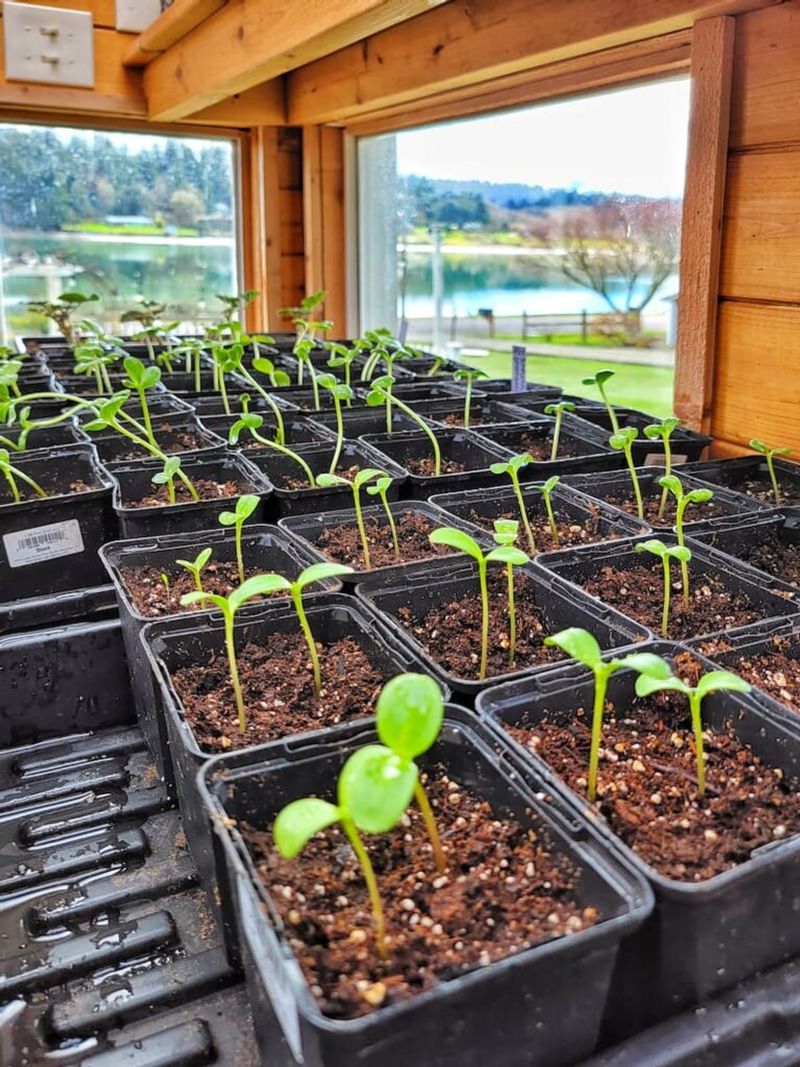
Seed catalogs arrive in January and tempt you with colorful photos and promises of fresh vegetables. The excitement makes you want to start everything immediately.
But tomatoes, peppers, and other warm-season crops planted too early become leggy, weak seedlings that struggle after transplanting.
Most vegetables only need six to eight weeks of indoor growth before they’re ready for the garden. Count backward from your average last frost date, which in much of Oregon falls in mid to late April.
Starting tomatoes in January means you’ll have massive plants by March with nowhere to put them.
Leggy seedlings stretch toward insufficient light and use up energy that should go into building strong roots and stems. By the time you can plant them outside, they’re stressed and take longer to recover than seedlings started at the proper time.
Timing matters more than you might think.
Create a simple planting calendar based on your specific location. Tomatoes and peppers do well started in mid-March for May planting.
Cool-season crops like broccoli and cabbage can start in late February. Mark your calendar and resist the urge to jump the gun.
Well-timed seedlings catch up quickly and often outperform early ones that spent too long indoors under imperfect conditions.
Ignoring Garden Tool Maintenance
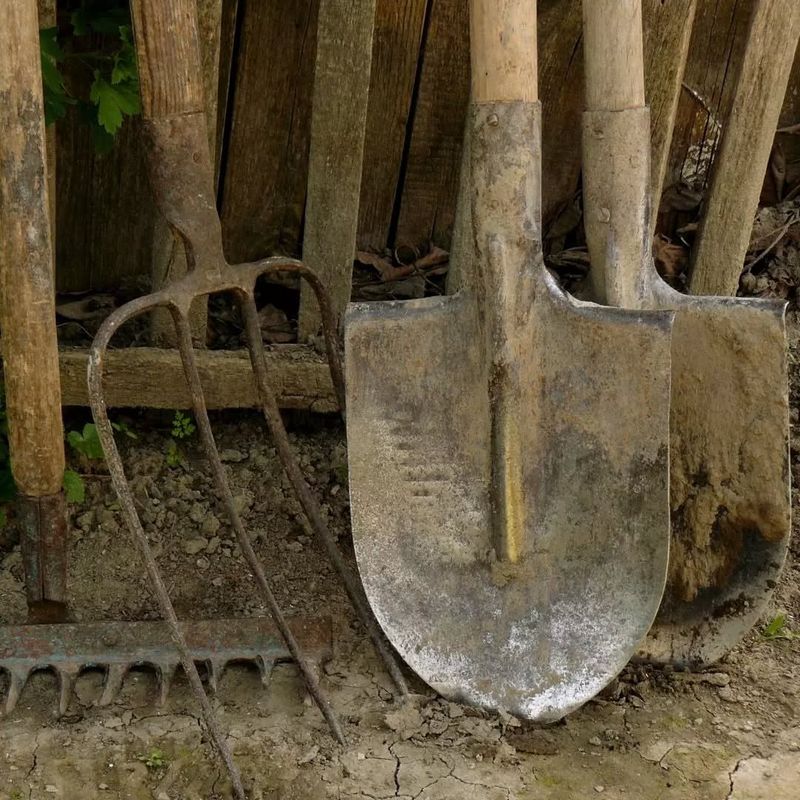
Garden tools sit in sheds and garages all winter, slowly rusting and dulling. Pruners get sticky with sap, shovels accumulate dirt, and metal surfaces oxidize in the damp air.
Come spring, you reach for your tools and find them in rough shape right when you need them most.
January and February offer perfect opportunities to clean and sharpen your equipment. Remove dried soil and plant residue with a wire brush.
Wipe metal surfaces with an oily rag to prevent rust. Sharpen blade edges with a file or sharpening stone so they cut cleanly rather than crushing plant tissue.
Dull pruners tear stems instead of making clean cuts. This creates entry points for disease and slows healing.
Sharp, clean tools make gardening easier and healthier for your plants. A little maintenance now extends the life of your equipment by years.
Check wooden handles for splinters and rough spots. Sand them smooth and rub in some linseed oil to prevent cracking.
Tighten loose bolts and replace worn parts before they break mid-task. Store tools in a dry location where air can circulate around them.
These simple steps keep your gear ready for action and save you money on replacements. Well-maintained tools make every garden task more pleasant and efficient.