Wisconsin Homeowners Guide To Protecting Birds In Their Backyards
Sharing your backyard with birds is one of the simple joys of living in Wisconsin. From cheerful spring songs to colorful visitors in winter, birds bring life and movement to your outdoor space.
But many homeowners don’t realize how everyday choices can either help or harm them. A few small changes can make a big difference.
What if your yard became a safe haven for birds all year long? Protecting birds doesn’t mean giving up your garden, it means working with nature. Your backyard can save lives, one bird at a time. And the good news?
You don’t need expensive gear or expert skills to get started. With Wisconsin’s changing seasons, birds face unique challenges that homeowners can help solve.
From windows and pets to feeders and native plants, learning what truly protects birds can transform your yard into a welcoming, safer place they’ll return to again and again.
1. Install Window Decals And Screens To Prevent Collisions
Birds flying at full speed into glass windows is one of the most common hazards facing our feathered friends in Wisconsin neighborhoods. When birds see reflections of trees, sky, or other natural elements in your windows, they perceive these reflections as safe flying routes.
This misperception leads to countless injuries each year across residential areas throughout the state. The solution is surprisingly simple and doesn’t require expensive renovations or complicated installations.
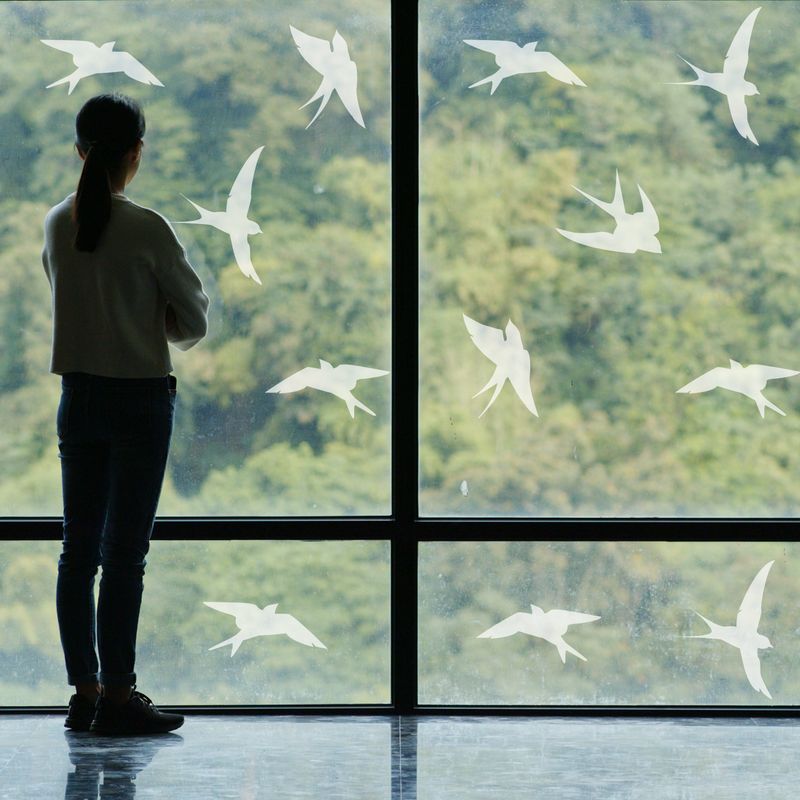
Window decals, strips, or specially designed tape can break up reflections and alert birds to the presence of glass. For best results, place these markers on the outside of windows and space them no more than two to four inches apart.
You can find decals in various designs, from simple dots to decorative patterns that complement your home’s appearance. Some Wisconsin homeowners prefer UV-reflective decals that are nearly invisible to humans but highly visible to birds.
External screens also provide excellent protection by creating a cushioned barrier that prevents serious harm. If you have large picture windows or sliding glass doors, consider adding netting a few inches away from the glass.
Another effective option is applying a light coating of soap or tempera paint in patterns across the outside surface. Remember to focus on windows near bird feeders, birdbaths, or areas where you frequently observe bird activity around your Wisconsin property.
2. Keep Cats Indoors Or Supervised When Outside
Outdoor cats pose one of the biggest threats to bird populations throughout Wisconsin, even when they’re well-fed pets rather than strays. Research shows that free-roaming cats harm billions of birds annually across North America, making this a critical concern for anyone interested in protecting local wildlife.
Your beloved family cat may seem harmless while lounging on the couch, but natural hunting instincts take over when given outdoor access. Even cats that don’t succeed in catching birds still cause significant stress that disrupts feeding, nesting, and other essential behaviors.
Keeping your cat exclusively indoors benefits both your pet and local bird populations in equal measure. Indoor cats typically live longer, healthier lives with fewer injuries, diseases, and conflicts with other animals.
Your Wisconsin Garden Changes Every Week. Your Plan Should Too.
Gardening in Wisconsin changes quickly throughout the season. Every Friday you’ll receive a simple weekly plan showing exactly what to plant, prune, fertilize, harvest, and protect so you never miss the right timing.
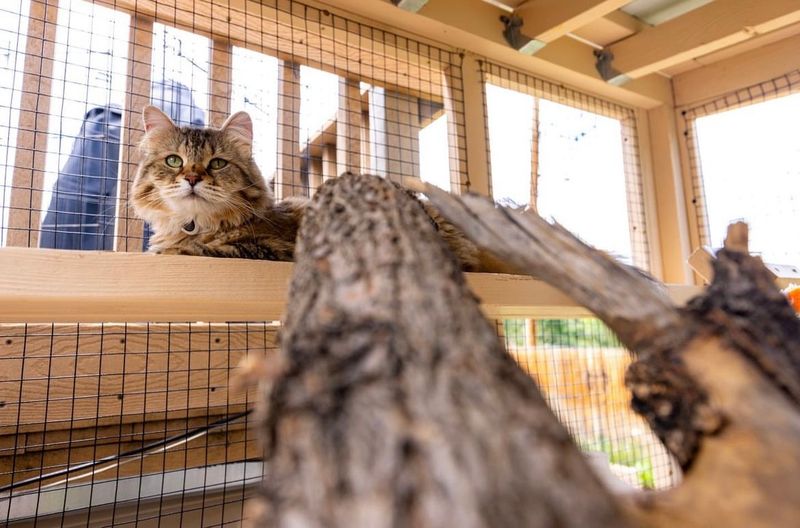
If your cat enjoys outdoor time, consider building a secure outdoor enclosure or catio that allows fresh air and sunshine without endangering birds. Walking your cat on a leash and harness in your Wisconsin yard provides supervised outdoor enrichment while keeping wildlife safe.
For cats that already spend time outdoors, transition them gradually to indoor life by creating engaging indoor environments. Provide climbing structures, window perches for bird-watching, interactive toys, and regular play sessions.
During peak bird activity periods in spring and early summer when fledglings are learning to fly, keeping cats inside becomes especially important for Wisconsin’s breeding bird populations.
3. Provide Clean Water Sources Year-Round
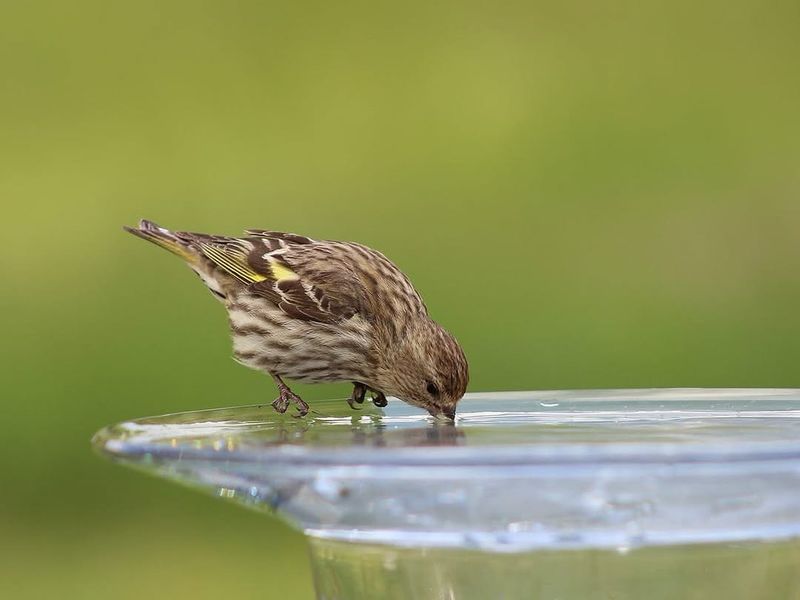
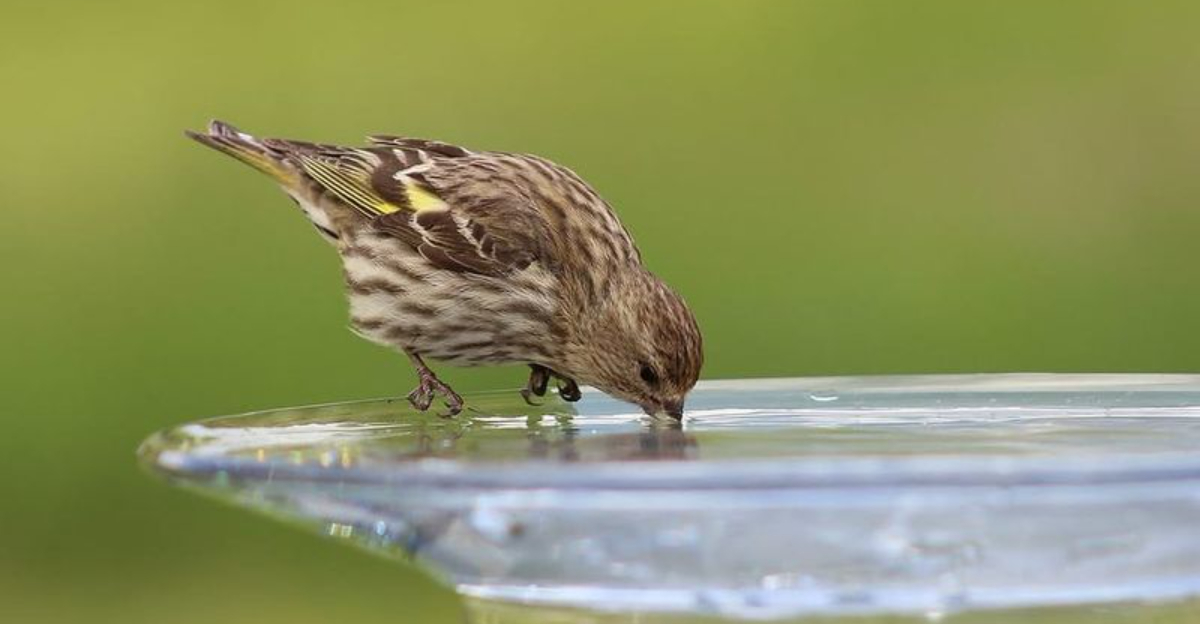
Access to fresh, clean water is just as essential for birds as food, yet many Wisconsin homeowners overlook this critical resource. Birds need water not only for drinking but also for bathing, which helps them maintain healthy feathers and regulate body temperature.
During Wisconsin’s harsh winters, finding unfrozen water becomes particularly challenging for resident bird species that brave the cold months. A reliable water source in your backyard can literally be a lifesaver during temperature extremes throughout the year.
Birdbaths are the most popular option, but placement and maintenance matter tremendously for bird safety and health. Position your birdbath in a location where birds can easily spot approaching predators, ideally with some nearby shrubs for quick escape routes.
The water depth should be no more than two inches, with a gently sloping basin that accommodates birds of different sizes. Change the water every two to three days to prevent mosquito breeding and bacterial growth that could harm visiting birds.
Wisconsin winters require special considerations to keep water accessible when temperatures drop below freezing. Heated birdbaths or birdbath heaters maintain open water without using excessive energy.
Some models feature thermostats that activate only when needed. Alternatively, you can place a small heater designed for outdoor use beneath a regular birdbath.
Remember to clean your water features regularly, removing algae, debris, and bird droppings to ensure your Wisconsin backyard remains a healthy haven for thirsty visitors.
4. Plant Native Trees, Shrubs, And Flowers
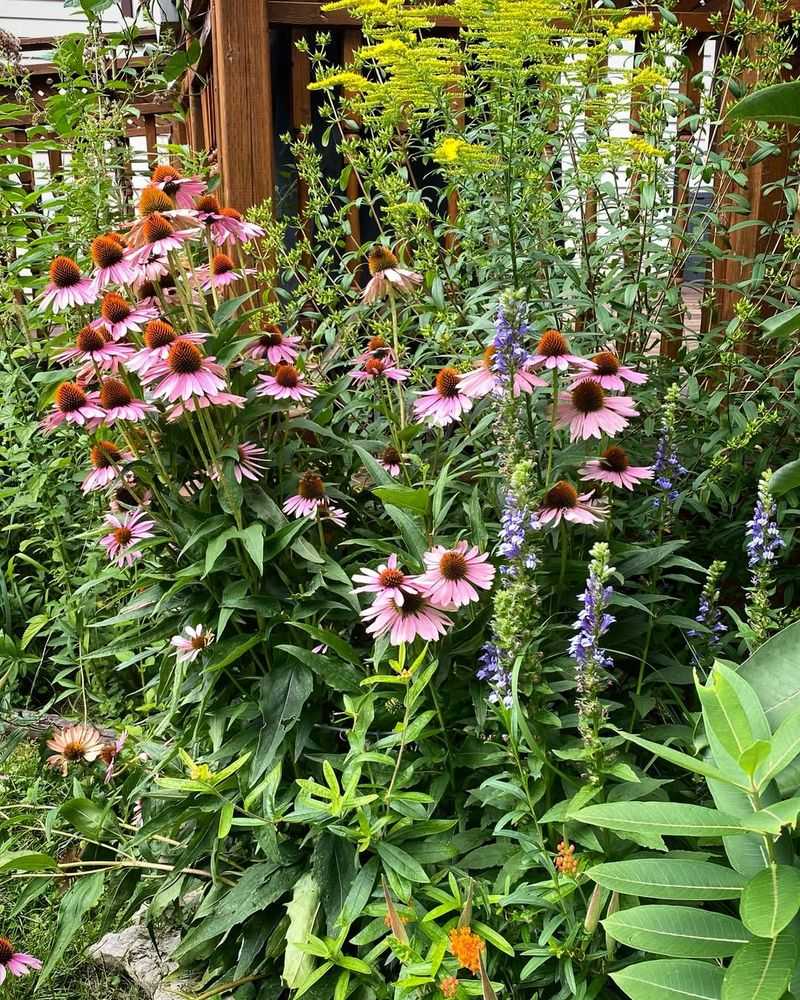
Creating a bird-friendly landscape starts with choosing plants that naturally occur in Wisconsin’s ecosystems and provide the resources birds have evolved to depend upon. Native plants support the insects, berries, seeds, and nectar that fuel different bird species throughout their life cycles.
When you replace non-native ornamentals with indigenous alternatives, you’re essentially building a buffet specifically designed for your local feathered residents.
Oak trees alone support over 500 species of caterpillars, which are essential protein sources for baby birds during nesting season.
Consider planting a variety of native species that provide food and shelter across multiple seasons in Wisconsin. Serviceberry, elderberry, and viburnum produce berries that birds devour in late summer and fall.
Coneflowers and black-eyed Susans offer seeds that finches and sparrows love during autumn and winter. Native grasses like little bluestem provide nesting materials and cover for ground-feeding species.
Evergreens such as white pine and eastern red cedar offer crucial winter shelter from Wisconsin’s biting winds and predators.
Avoid using pesticides and herbicides on your native plantings, as these chemicals harm both birds and the insects they depend upon. Allow some areas of your yard to remain a bit wild with leaf litter, dry branches, and seed heads standing through winter.
These natural features provide foraging opportunities and habitat for the entire food web that supports healthy bird populations. By gardening with native plants, Wisconsin homeowners create landscapes that are beautiful, low-maintenance, and genuinely beneficial to local ecosystems.
5. Offer Appropriate Food In Safe Feeder Locations
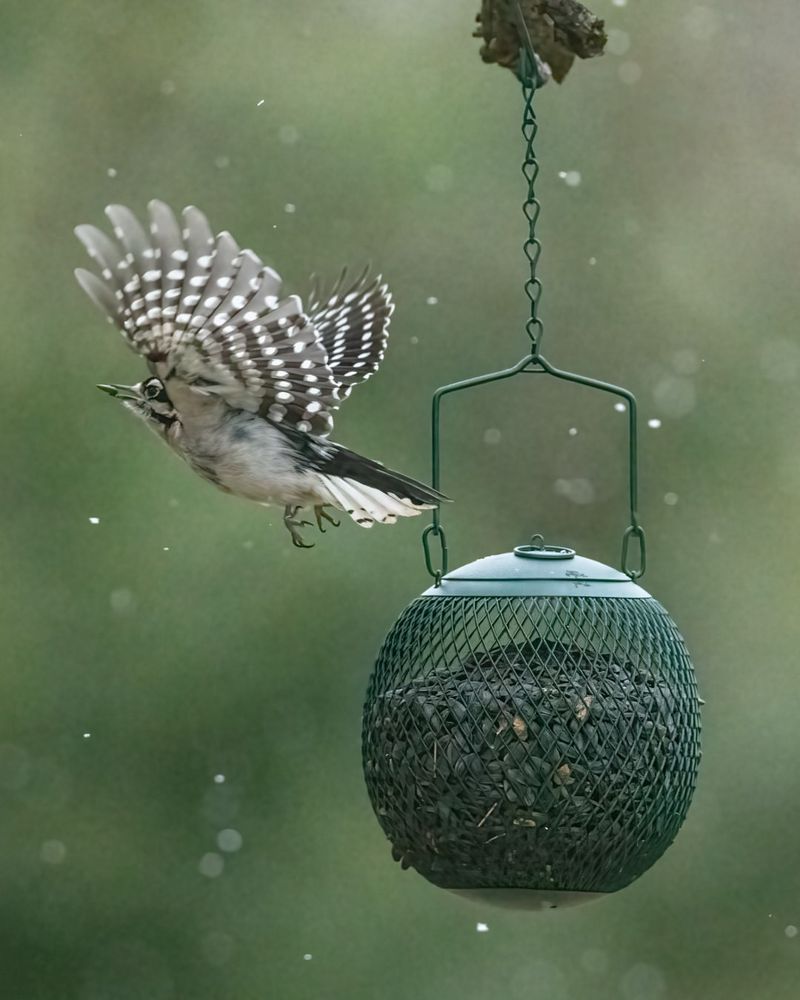
Supplemental feeding helps birds survive challenging periods, but doing it correctly makes all the difference between helping and potentially harming your backyard visitors.
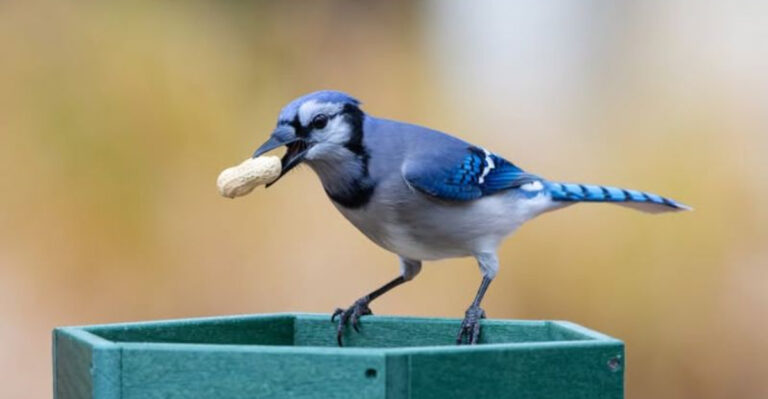
Black-oil sunflower seeds attract the widest variety of species common to Wisconsin, including chickadees, nuthatches, and cardinals.
Nyjer seed appeals to finches, while suet cakes provide high-energy fat that woodpeckers, wrens, and other insect-eaters need during cold months. Avoid bread, crackers, and processed human foods, which offer little nutritional value and can actually cause health problems for birds.
Feeder placement significantly impacts bird safety and your viewing enjoyment alike. Position feeders either within three feet of windows or more than thirty feet away to reduce collision risks.
The three-foot distance prevents birds from building up enough speed to injure themselves if startled. Place feeders near natural cover like shrubs or small trees where birds can quickly retreat from hawks or other predators.
However, ensure feeders aren’t so close to dense vegetation that cats can hide and ambush feeding birds.
Cleanliness is absolutely essential when maintaining feeding stations throughout Wisconsin’s seasons. Moldy or contaminated food spreads diseases that can devastate local bird populations.
Clean feeders with a diluted bleach solution every two weeks, more frequently during wet weather. Remove seed hulls and droppings from beneath feeders regularly.
If you notice sick birds at your feeders, take them down for at least two weeks to prevent disease transmission. Responsible feeding practices protect the very birds you’re trying to help.
6. Reduce Or Eliminate Pesticide And Herbicide Use
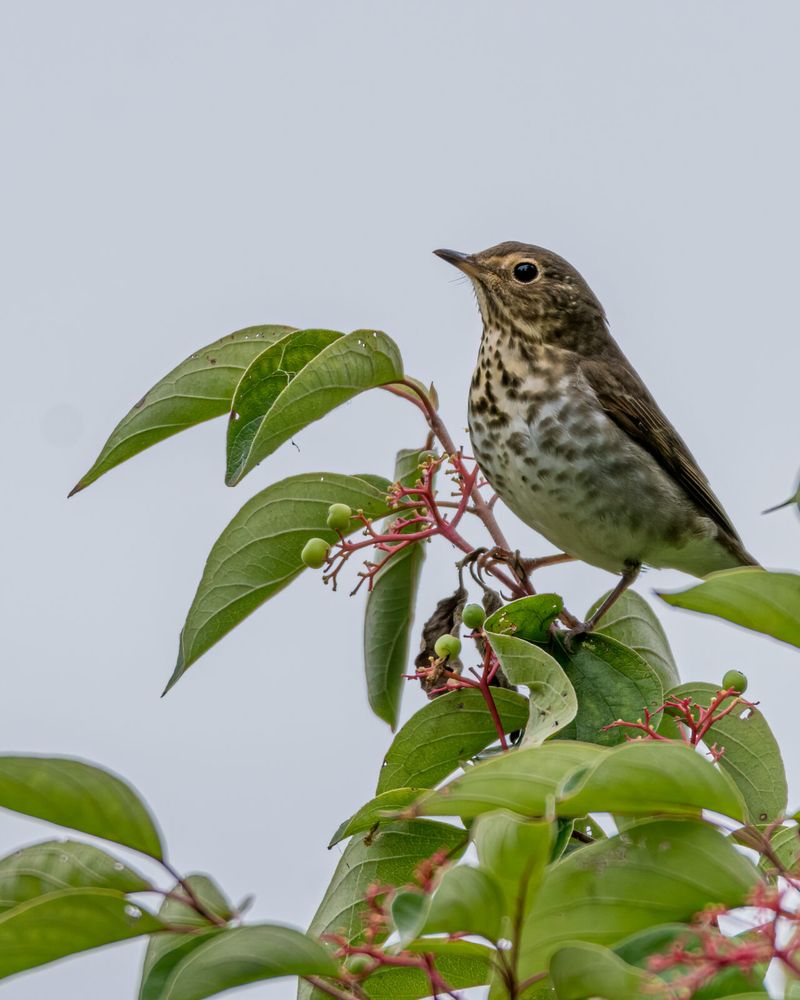
Chemical lawn and garden treatments create toxic environments that threaten birds both directly and indirectly across Wisconsin properties. Birds can absorb pesticides through their skin, inhale them while foraging, or consume contaminated insects and seeds.
Even products marketed as safe can accumulate in bird tissues over time, affecting reproduction, navigation, and immune system function.
The insects that pesticides target are actually food sources that many bird species absolutely depend upon, especially when raising their young during Wisconsin’s breeding season.
Herbicides eliminate the native plants and weeds that produce seeds many birds rely on for nutrition. Dandelions, often targeted for removal, actually provide early-season food for goldfinches and other seed-eaters.
Chemical-treated lawns become ecological deserts that support far fewer birds compared to diverse, chemical-free yards. Studies show that properties managed without synthetic chemicals host significantly more bird species and greater overall abundance throughout the year.
Transitioning to organic yard care benefits birds while creating healthier outdoor spaces for your family and pets. Hand-pull weeds or use targeted removal methods rather than broadcast spraying.
Accept some insect presence as part of a balanced ecosystem that feeds birds naturally. Encourage beneficial insects like ladybugs and lacewings that control pest populations without chemicals.
For serious pest problems, research bird-safe alternatives or consult with organic landscaping professionals familiar with Wisconsin conditions. Your commitment to chemical-free yard care directly translates to safer habitat for the birds that call your neighborhood home.
7. Create Safe Nesting Opportunities And Shelter
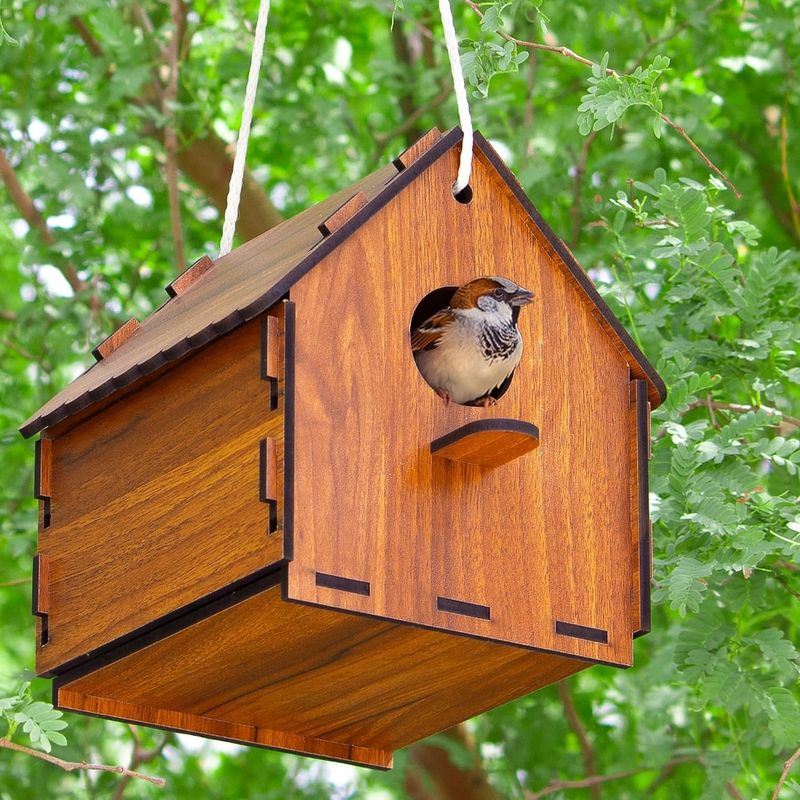
Providing secure places where birds can raise their families transforms your Wisconsin property into essential breeding habitat.
Many bird species face declining nesting opportunities due to habitat loss, removal of dry trees, and modern landscaping practices that prioritize neatness over wildlife value.
Cavity-nesting birds like bluebirds, chickadees, and wrens readily use properly designed nest boxes when natural cavities are scarce. Each species has specific requirements for entrance hole size, interior dimensions, and mounting height that you’ll need to match for success.
Install nest boxes in late winter before breeding season begins in Wisconsin, typically by early March for earliest nesters. Face entrance holes away from prevailing winds and afternoon sun to protect nestlings from weather extremes.
Mount boxes on poles with predator guards rather than on trees where raccoons and squirrels can easily access them. Space multiple boxes at least 25 feet apart for territorial species.
Clean out old nesting material after each breeding season ends to prevent parasite buildup that could harm future occupants.
Beyond nest boxes, maintain natural nesting features throughout your yard whenever safely possible. Dry trees, called snags, provide cavity sites for woodpeckers and other species while also offering insect foraging opportunities.
Dense shrubs and evergreens serve as nesting sites for robins, cardinals, and mourning doves. Leave some areas of your Wisconsin property a bit untamed with brush piles and thick vegetation where ground-nesting species might find shelter.
These natural features cost nothing and provide irreplaceable habitat value for your neighborhood bird community.
8. Minimize Outdoor Lighting During Migration Seasons
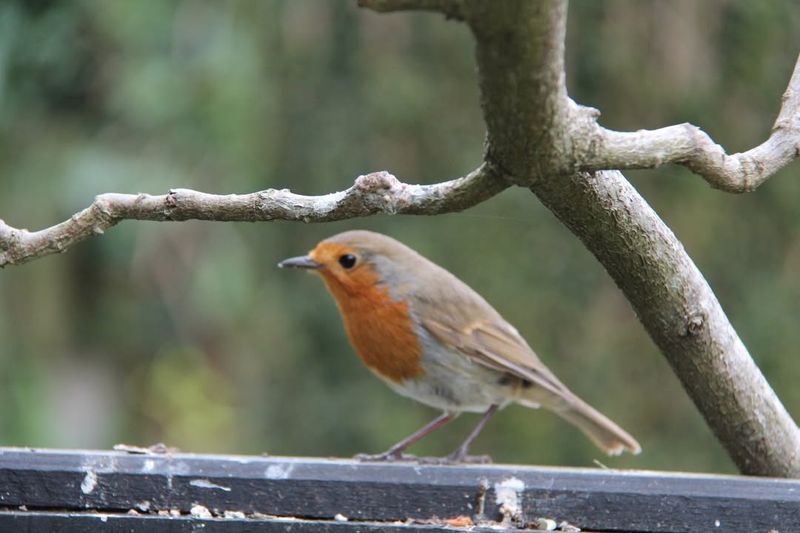
Artificial lights create serious hazards for birds, particularly during spring and fall migration when millions of birds travel through Wisconsin under cover of darkness. Bright outdoor lighting disorients migrating birds, causing them to circle illuminated areas repeatedly until exhausted.
Birds attracted to lit structures often collide with windows, walls, and other obstacles they cannot see properly in the artificial glow. Communication towers, tall buildings, and even residential properties contribute to this problem when unnecessarily lit during migration periods.
Reduce your property’s light pollution by turning off decorative and unnecessary outdoor lights during peak migration months in Wisconsin. Spring migration runs from March through May, while fall migration occurs from August through October.
Use motion sensors, timers, or smart controls to ensure lights operate only when actually needed for safety and security. Shield necessary outdoor lights so they point downward rather than upward or outward, containing the illumination to specific areas.
Choose warm-colored bulbs in yellow or amber tones rather than bright white or blue lights that attract and disorient birds more severely.
Consider participating in programs like Lights Out Wisconsin, which encourages homeowners and businesses to reduce lighting during migration seasons. Even small changes make measurable differences when adopted by entire communities.
Close blinds and curtains at night to prevent indoor light from spilling outside through windows. If you have large glass areas, reducing interior lighting visible from outside helps prevent collisions with confused or exhausted migrants.
These simple adjustments protect birds while also reducing your energy consumption and light pollution that affects human health and stargazing enjoyment.