10 Yard Features In Kentucky That Could Get You In Trouble

Your backyard may feel like a private paradise, but in Kentucky, not everything you plant, build, or install is automatically allowed.
From decorative structures to unusual landscaping choices, some yard features can conflict with local regulations, zoning laws, or safety codes—sometimes resulting in fines or mandatory removal.
What seems like a harmless improvement could become a costly headache!
These ten yard features are commonly affected by updated rules, including fences, ponds, retaining walls, or certain types of landscaping.
Homeowners who don’t stay informed may unintentionally violate local ordinances, risking fines, disputes with neighbors, or enforced changes.
Understanding what’s restricted—and how to get approvals or permits—can help you design a beautiful, legal yard.
Creativity is great—but compliance keeps your yard safe and worry-free. Kentucky residents who plan carefully and stay informed can maintain a stylish, functional, and lawful outdoor space.
With smart choices, you can enjoy your yard without running into legal trouble or unexpected expenses. Your dream backyard is possible—just make sure it follows the rules!
1. Overgrown Weeds And Tall Grass
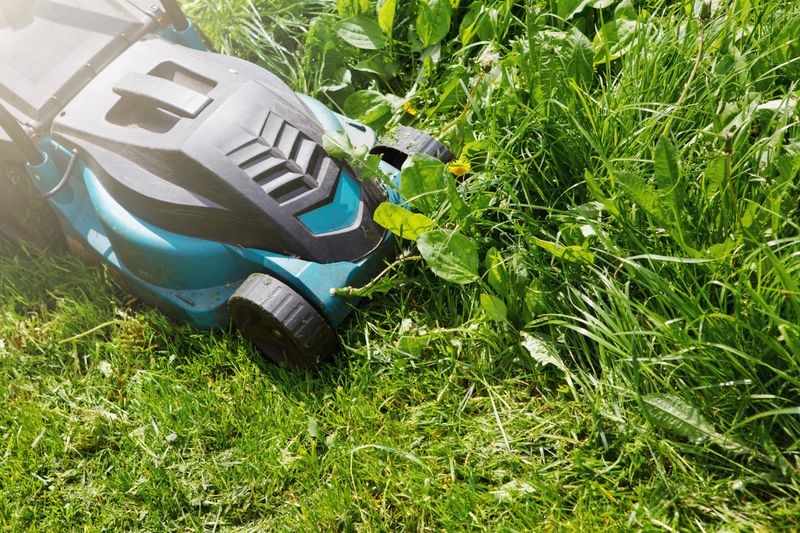
Letting your lawn grow wild might seem harmless, but Kentucky cities take grass height seriously when it comes to property maintenance.
Most municipalities enforce nuisance ordinances that cap grass and weed height at anywhere from six to twelve inches, depending on where you live.
When neighbors complain or code enforcement officers spot a jungle in your yard, you’ll typically receive a written notice giving you a set number of days to mow.
Ignoring that notice is where things get expensive and frustrating.
The city can hire a contractor to mow your property and bill you for the service, often at rates much higher than what you’d pay a local lawn care company.
Those charges can even be added to your property tax bill if they go unpaid, creating a lien on your home.
Beyond the financial hit, overgrown yards can attract rodents, snakes, and ticks, which raises public health concerns and annoys your neighbors.
Keeping your grass trimmed isn’t just about aesthetics or following the rules—it’s also about being a considerate member of your community.
Regular mowing schedules and staying aware of local ordinance limits will keep you out of trouble and your yard looking welcoming throughout Kentucky’s growing season.
2. Unpermitted Fire Pits Or Backyard Burn Areas

Gathering around a crackling fire pit on a cool Kentucky evening sounds idyllic, but state and local regulations can put a damper on your plans if you’re not careful.
Open burning is tightly controlled across Kentucky, with the Division of Air Quality enforcing statewide rules and many cities adding their own restrictions on top.
Some municipalities require permits for any outdoor fire feature, while others ban open flames entirely during dry spells or high wind conditions.
Even if your fire pit is perfectly legal most of the year, burn bans can pop up quickly during droughts or when air quality is poor.
Violating a burn ban can result in hefty fines and even criminal charges if your fire causes property damage or injury.
Your Kentucky Garden Changes Every Week. Your Plan Should Too.
Gardening in Kentucky changes quickly throughout the season. Every Friday you’ll receive a simple weekly plan showing exactly what to plant, prune, fertilize, harvest, and protect so you never miss the right timing.
Additionally, homeowners associations often have their own rules about fire pit placement, fuel types, and usage hours that you’ll need to follow.
Before you light up, check with your local fire marshal’s office and review any HOA covenants.
Portable fire pits, chimineas, and permanent outdoor fireplaces all fall under different rules depending on size, fuel source, and proximity to structures.
Keeping your fire pit compliant means you can enjoy those s’mores and starry nights without worrying about a knock on the door from code enforcement or an angry neighbor complaint.
3. Junk, Debris, Or Scrap Storage In The Yard
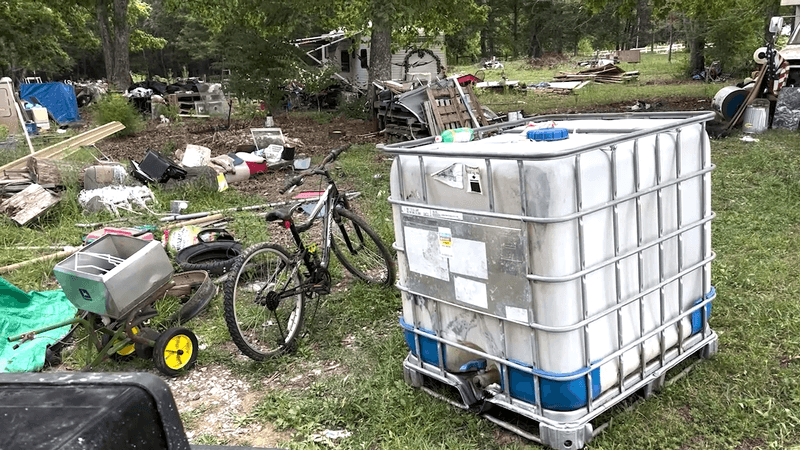
Using your yard as a dumping ground for old appliances, tires, scrap metal, or leftover construction materials might seem convenient, but it’s one of the fastest ways to get cited for a code violation in Kentucky.
Cities and counties classify outdoor junk storage as a public nuisance because it can attract pests, create safety hazards, and drag down property values for everyone on the block.
What you see as a temporary pile of stuff waiting to be hauled away, your neighbors and local inspectors see as an eyesore and potential health risk.
Most ordinances prohibit storing inoperable vehicles, appliances, tires, and building debris in plain view for more than a short grace period, often just a few days.
Once you receive a violation notice, you’ll have a deadline to clear the mess or face escalating fines.
In some cases, the city may remove the junk themselves and send you the bill, which can be steep.
If you’re in the middle of a home improvement project or need temporary storage, consider renting a dumpster or using a tarp and screening to keep materials out of sight.
Keeping your yard free of clutter not only keeps you compliant with local laws but also maintains good relationships with neighbors and helps your property hold its value in Kentucky’s competitive real estate market.
4. Standing Water That Breeds Mosquitoes
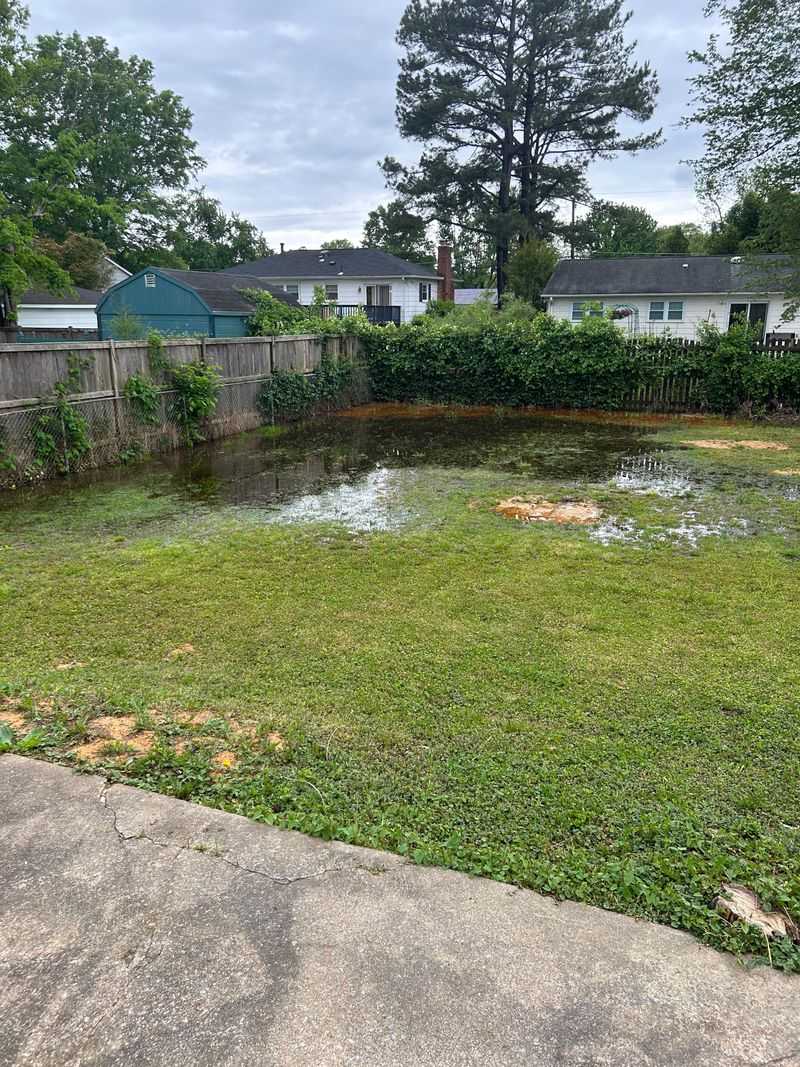
Stagnant water might not seem like a big deal, but in Kentucky’s humid climate, it becomes a breeding ground for mosquitoes faster than you’d think.
Unmaintained ponds, rain barrels, birdbaths, old tires, and even clogged gutters can hold enough water to produce swarms of mosquitoes in just a few days.
Local health departments take mosquito control seriously because these pests can carry West Nile virus, encephalitis, and other diseases that pose real risks to public health.
Many Kentucky counties and cities have public health codes that require property owners to eliminate standing water or treat it with larvicides.
If neighbors report a mosquito problem traced back to your yard, you could face inspections, mandatory abatement orders, and fines.
Health officials may even treat your property themselves and bill you for the service if you don’t comply. Preventing mosquito breeding is easier than dealing with enforcement.
Empty containers after rain, clean birdbaths weekly, stock ornamental ponds with mosquito-eating fish, and keep gutters clear. If you use rain barrels, make sure they have tight-fitting lids and screens.
Taking these simple steps protects your family, your neighbors, and the broader community from mosquito-borne illnesses while keeping you on the right side of Kentucky’s public health regulations.
5. Unpermitted Sheds, Fences, Or Structures
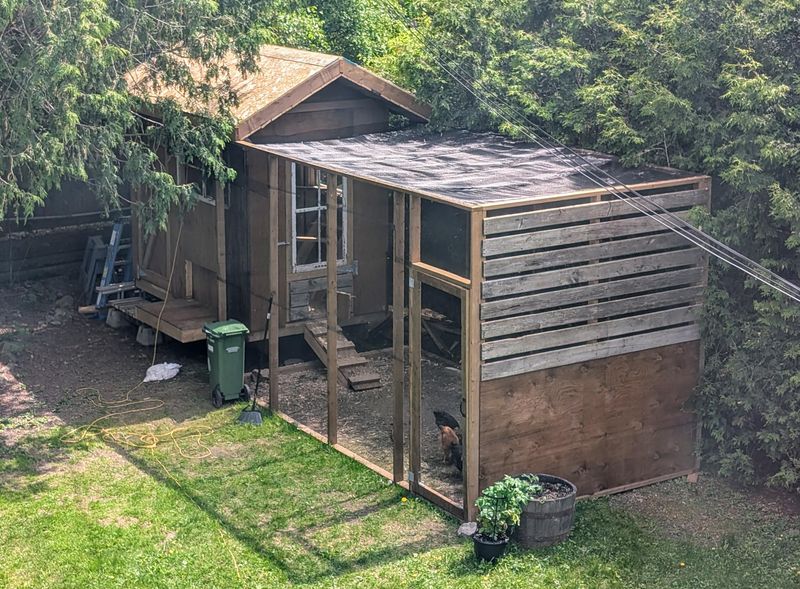
Building a shed, fence, pergola, or carport might seem like a straightforward weekend project, but in most Kentucky cities, you’ll need a permit before you start.
Local building codes regulate the size, placement, and construction standards for outdoor structures to ensure they’re safe, properly anchored, and don’t interfere with utilities or drainage.
Even small structures in your backyard can require permits if they exceed a certain square footage or height, and setback rules dictate how close you can build to property lines. Skipping the permit process can lead to serious consequences.
Code enforcement officers can issue stop-work orders, require you to tear down the structure, or demand costly modifications to bring it up to code. You might also face fines that accumulate daily until the violation is corrected.
When it comes time to sell your home, unpermitted structures can complicate inspections, scare off buyers, and even reduce your property’s value.
Before you dig the first post hole or pour a foundation, visit your local building department or check their website for permit requirements.
The application process is usually straightforward and ensures your project meets safety standards and zoning rules.
Taking the time to get the right permits protects your investment, keeps you out of legal trouble, and gives you peace of mind that your new structure is built to last in Kentucky’s varied weather conditions.
6. Backyard Chickens Or Livestock In Restricted Zones
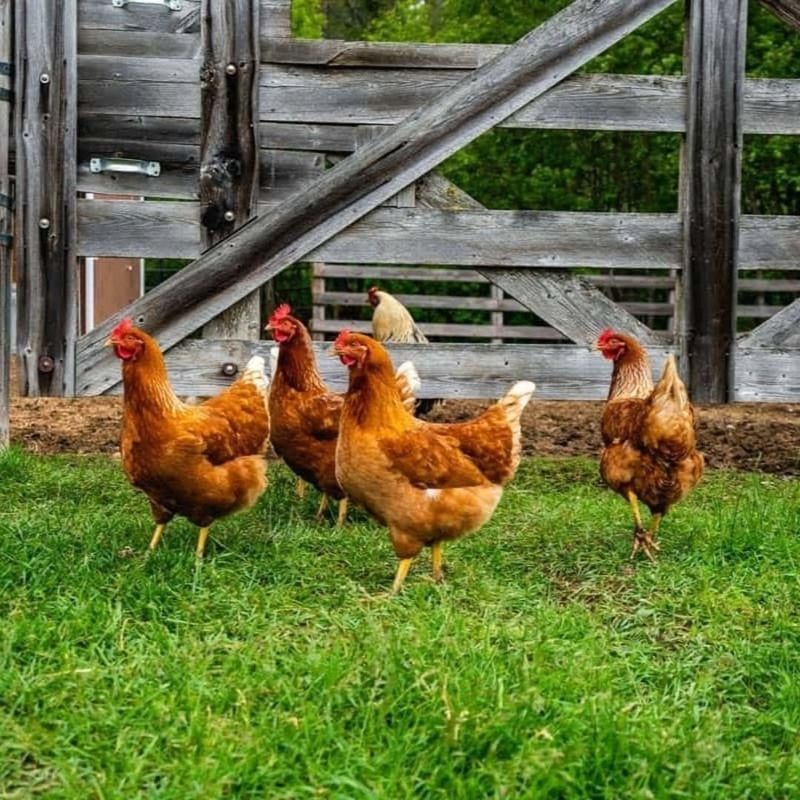
Raising backyard chickens has become a popular trend across the country, and Kentucky is no exception.
Fresh eggs, natural pest control, and the joy of tending a small flock appeal to many homeowners.
However, zoning laws and city ordinances can quickly turn your chicken-keeping dreams into a legal nightmare if you’re not careful.
While rural areas generally welcome livestock, many residential zones in Kentucky cities prohibit or heavily restrict chickens, goats, rabbits, and other animals.
Even in areas where chickens are allowed, there are usually strict rules about coop placement, flock size, noise levels, and whether roosters are permitted.
Violating these ordinances can result in fines, mandatory removal of the animals, and complaints from neighbors who aren’t thrilled about crowing at dawn or barnyard smells.
Homeowners associations often have their own rules that are even stricter than city codes, so checking your HOA covenants is essential.
Before you bring home your first chicks, research your local zoning laws and HOA rules thoroughly. Some cities require permits or inspections for coops, and many ban roosters altogether to keep noise down.
If chickens aren’t allowed in your area, consider advocating for ordinance changes or exploring community garden programs that might offer shared chicken-keeping opportunities.
Staying compliant keeps your flock safe, your neighbors happy, and your backyard farming hobby thriving in the Bluegrass State.
7. Trees Or Hedges Blocking Sidewalks Or Road Visibility
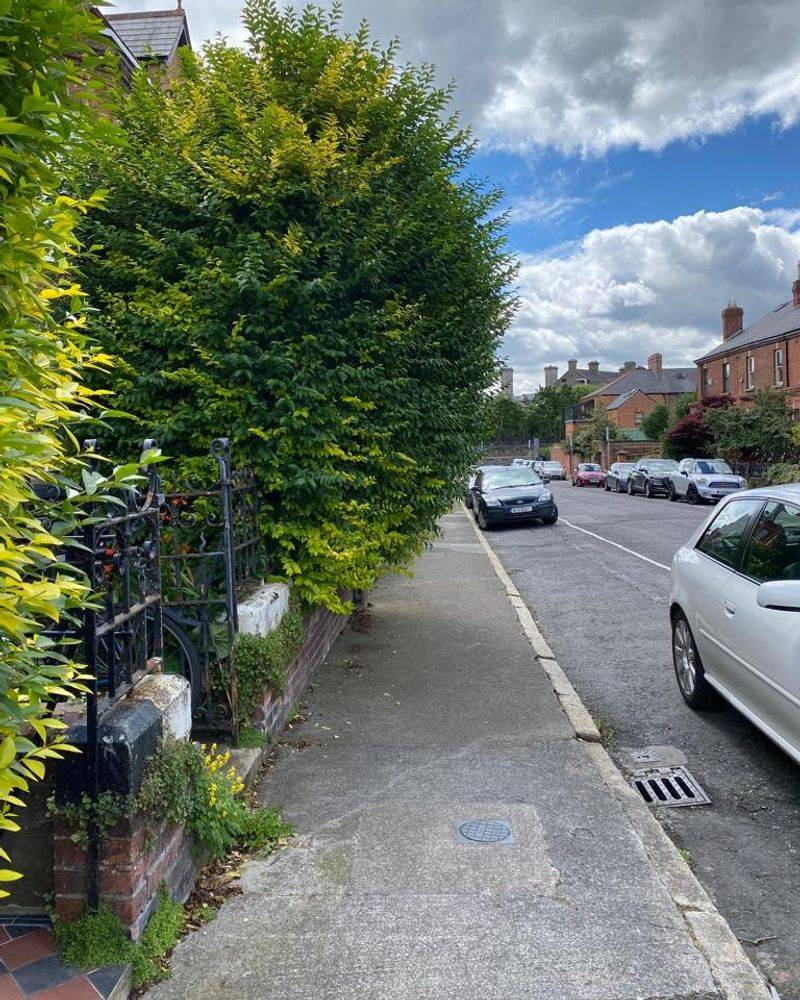
Trees and hedges add beauty, shade, and privacy to your Kentucky property, but when they grow too far into public spaces or block sightlines, they become a liability.
Property owners are typically responsible for keeping vegetation trimmed so it doesn’t encroach on sidewalks, obstruct traffic signs, or interfere with drivers’ ability to see at intersections.
Overhanging branches that force pedestrians into the street or hedges that block stop signs create dangerous conditions and can result in code violations or even liability if someone gets hurt.
Local ordinances usually require clear zones along sidewalks and roadways, with specific height and setback requirements.
If your trees or shrubs violate these rules, you’ll receive a notice to trim them back within a certain timeframe.
Failure to comply can lead to fines, and in some cases, the city will trim the vegetation themselves and bill you for the work at a premium rate. Regular maintenance is the best way to avoid trouble.
Keep sidewalk areas clear to at least eight feet high, and make sure hedges and trees near intersections are trimmed so drivers have clear sightlines.
Not only does this keep you compliant with local laws, but it also makes your neighborhood safer for everyone.
Being a responsible property owner means thinking beyond your property line and considering how your landscaping affects the community around you in Kentucky.
8. Improper Drainage Or Yard Grading
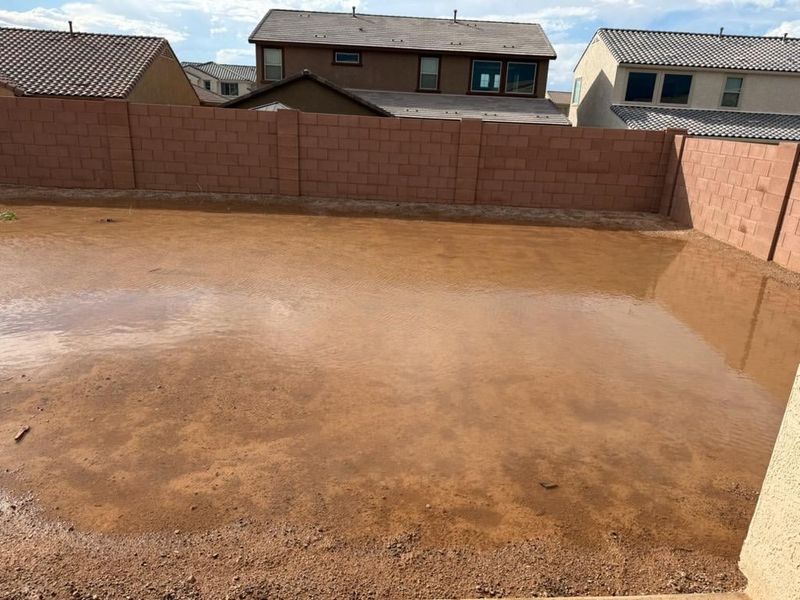
Altering the drainage patterns on your property might seem like a simple fix for a soggy yard, but if your grading changes send water onto your neighbor’s land, you could be violating local stormwater and nuisance laws.
Kentucky property owners are generally prohibited from modifying their yards in ways that increase runoff or redirect water flow onto adjacent properties.
When heavy rains come, improper grading can cause flooding, erosion, and foundation damage to neighboring homes, leading to angry disputes and potential legal action.
Most cities and counties have stormwater management ordinances that regulate how water moves through residential areas.
If your landscaping, retaining walls, or fill dirt cause drainage problems for others, you may be ordered to restore the original grading or install drainage solutions at your expense.
In severe cases, neighbors can sue for property damage caused by your alterations, which can be far more costly than fixing the problem upfront.
Before making any changes to your yard’s slope or drainage, consult with a landscaping professional or engineer who understands local regulations.
Properly designed swales, French drains, and grading can manage water on your property without pushing the problem onto someone else.
Taking the time to get it right protects your investment, keeps you on good terms with neighbors, and ensures you’re compliant with Kentucky’s stormwater laws while preventing costly erosion and water damage.
9. Outdoor Storage Of RVs, Boats, Or Work Vehicles
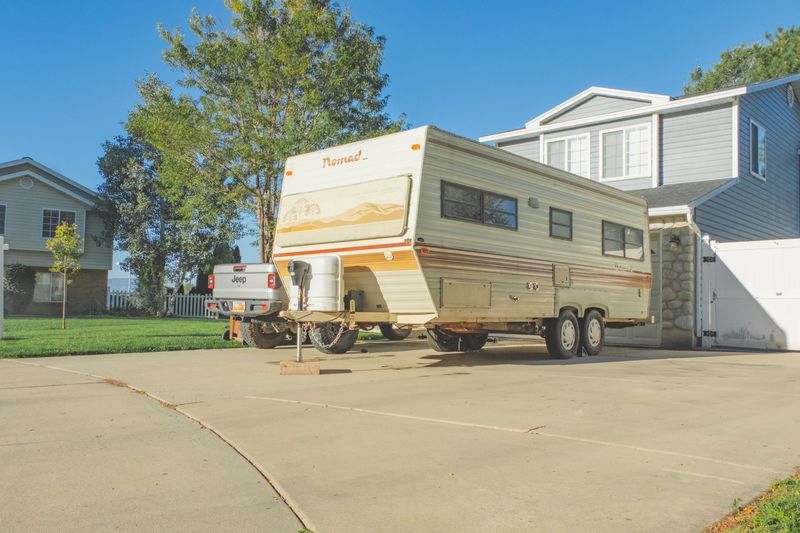
Parking your RV, boat, trailer, or work truck in your driveway or yard might seem like the most convenient option, but zoning laws and homeowners association rules often have other ideas.
Many Kentucky cities restrict the outdoor storage of large vehicles in residential areas to maintain neighborhood aesthetics and prevent streets from becoming cluttered.
These regulations typically limit how long you can park oversized vehicles on your property, where they can be placed, and whether they need to be screened from view.
Violating these rules can result in notices, fines, and demands to move the vehicle to an approved storage facility.
Some ordinances allow temporary parking for loading and unloading but prohibit permanent storage in driveways or yards.
Homeowners associations are often even stricter, with rules that ban any visible storage of boats, RVs, and commercial vehicles altogether. Ignoring these restrictions can lead to escalating fines and even liens on your property.
If you own large vehicles or recreational equipment, research your local zoning codes and HOA covenants before parking them at home.
Many communities allow storage in enclosed garages or behind fences where vehicles aren’t visible from the street. Off-site storage facilities are another option, though they come with monthly fees.
Planning ahead and understanding the rules keeps you compliant, avoids neighborhood conflicts, and ensures your valuable vehicles and equipment stay safe and accessible throughout the year in Kentucky.
10. Invasive Or Prohibited Plants

Planting the wrong species in your Kentucky yard can have consequences that go far beyond your property line.
Invasive plants like Japanese honeysuckle, kudzu, autumn olive, and burning bush spread aggressively, choking out native vegetation and disrupting local ecosystems.
While Kentucky doesn’t have a comprehensive statewide ban on all invasive plants, certain species are regulated or strongly discouraged, and allowing them to spread onto neighboring properties or public land can trigger enforcement action from local authorities or conservation agencies.
Invasive plants can also reduce your property’s value and create maintenance headaches as they overtake gardens, trees, and structures.
Neighbors may complain if your invasive plants spread into their yards, and you could be held responsible for removal costs.
In some cases, local ordinances or HOA rules specifically prohibit planting known invasives, and violating these rules can result in fines or mandatory removal at your expense.
Before adding new plants to your landscape, consult resources like the Kentucky Native Plant Society or your local extension office to identify invasive species and choose native alternatives that support local wildlife and require less maintenance.
If you already have invasive plants, consider removing them and replacing them with natives that won’t cause problems.
Being a responsible gardener means thinking about the broader impact of your planting choices and helping protect Kentucky’s natural beauty for future generations while staying on the right side of local regulations.