These 9 Simple Steps Help Protect Backyard Birds In Oregon
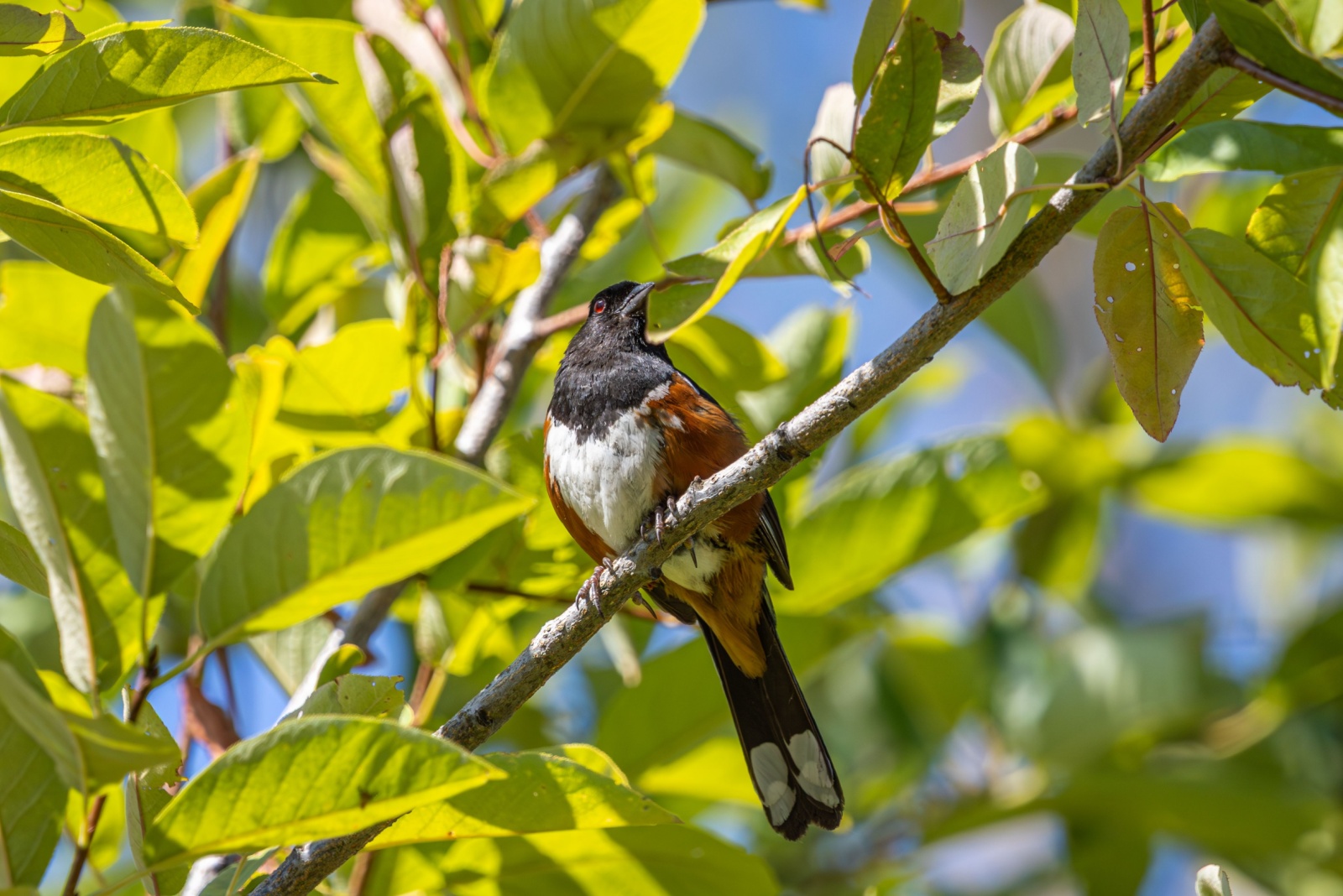
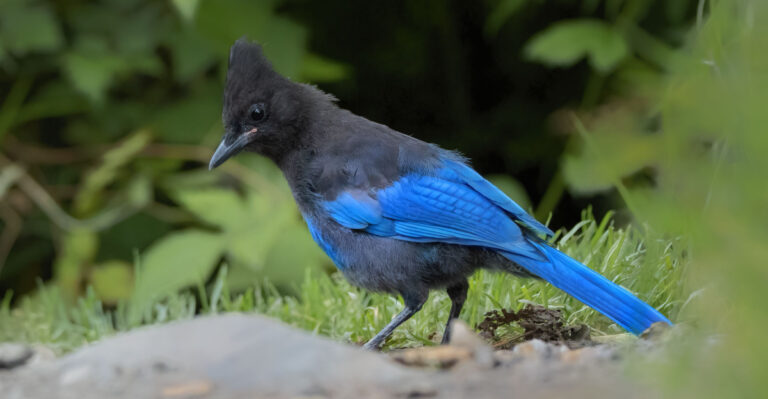
Oregon backyards are full of wonderful birds. From tiny hummingbirds to bright blue jays, these feathered neighbors brighten our days with their songs and colors.
But our backyard friends face many challenges, from habitat loss to hungry outdoor cats.
You can make a real difference right in your own yard. Small actions add up to big results when we all pitch in.
Birds need safe places to eat, drink, nest, and rest, especially during migration seasons and harsh winters.
Good news: protecting backyard birds does not require tons of money or hours of work. Most of these steps are simple, affordable, and even fun for the whole family.
Plus, you get to enjoy more bird activity and beauty around your home.
Ready to become a backyard bird hero? The following steps will help you create a safer, healthier space for Oregon’s amazing birds.
Your feathered friends will thank you with their presence all year long.
1. Provide Fresh, Clean Water Year-Round
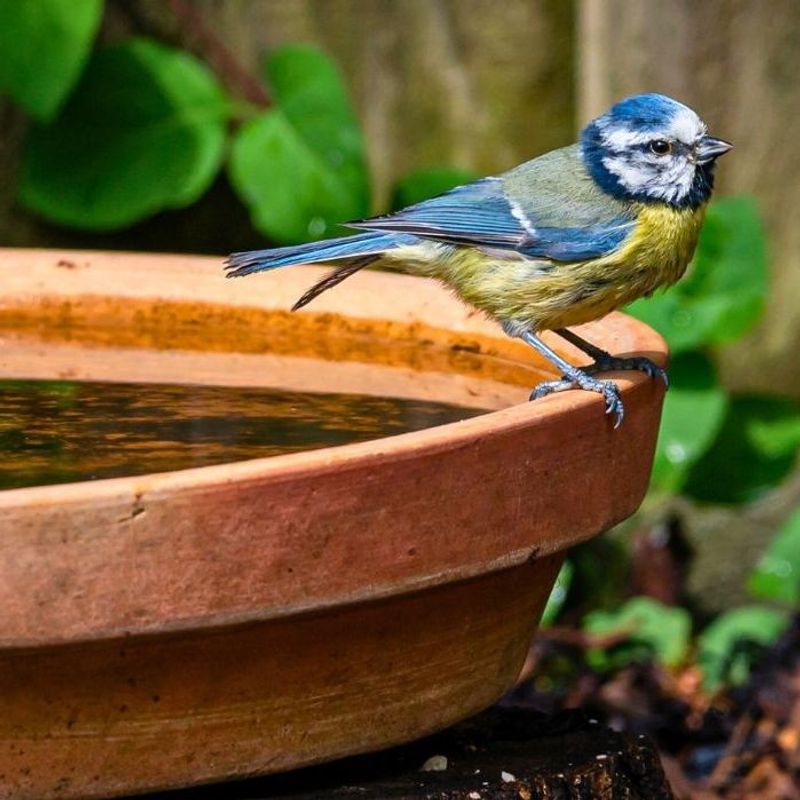
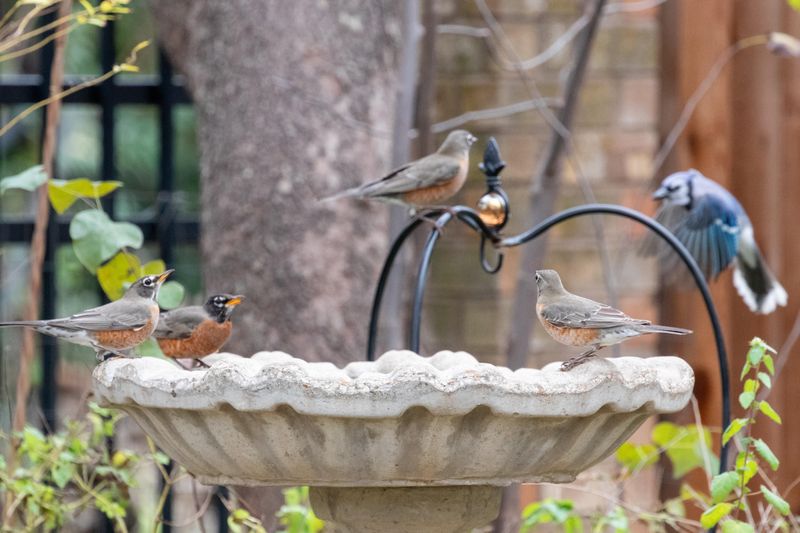
Birds need water just as much as they need food. A simple birdbath can become the most popular spot in your yard.
Clean water helps birds stay hydrated, especially during Oregon’s hot summer months and cold winters when natural sources freeze over.
Change the water every two or three days to prevent algae growth and mosquito breeding. Scrub the bath with a brush to remove dirt and droppings.
During winter, consider adding a heated birdbath or placing a small heater in your existing bath to keep water from freezing.
Place your birdbath in a spot where birds can see predators approaching. A location near shrubs or trees gives them quick escape routes if needed.
Keep the water shallow, about one to two inches deep, so smaller birds can bathe safely.
Add a few rocks or pebbles to give birds different depth options. Some species prefer to wade in shallow areas while others like slightly deeper water.
Moving water attracts even more birds, so consider adding a small fountain or dripper if your budget allows. The sound and sparkle catch their attention from far away.
2. Keep Cats Indoors Or Supervised
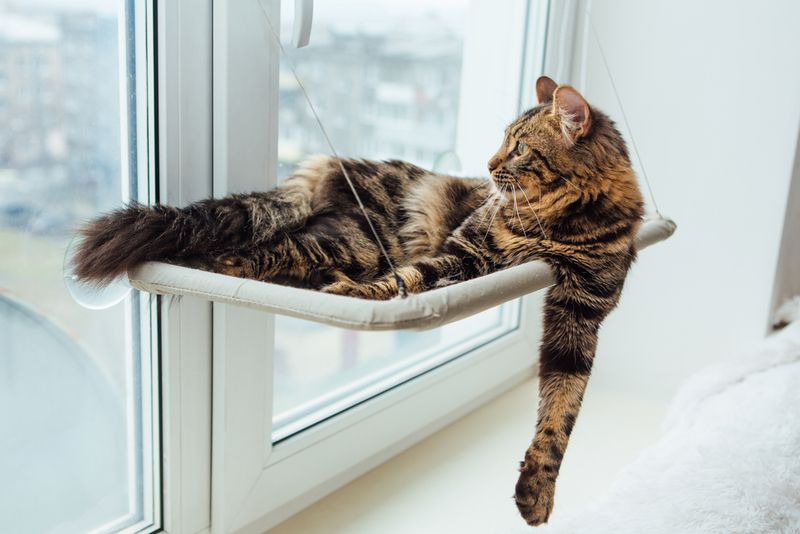
Outdoor cats pose one of the biggest threats to backyard birds across the country. Even well-fed pets have strong hunting instincts.
A single cat can catch dozens of birds each year, and many more get injured trying to escape.
Indoor cats live longer, healthier lives too. They avoid fights with other animals, diseases, parasites, and traffic accidents.
Your cat can still enjoy the outdoors through screened porches, catios, or supervised leash walks in your yard.
If you have neighbors with outdoor cats, kindly share information about the impact on local wildlife. Community awareness makes a bigger difference than individual efforts alone.
Some people simply do not realize how much their pets affect bird populations.
Consider building or buying a catio, which gives cats fresh air and stimulation without endangering birds. These enclosed outdoor spaces come in many sizes and styles to fit different yards and budgets.
Your Oregon Garden Changes Every Week. Your Plan Should Too.
Gardening in Oregon changes quickly throughout the season. Every Friday you’ll receive a simple weekly plan showing exactly what to plant, prune, fertilize, harvest, and protect so you never miss the right timing.
Your cat gets entertainment while birds stay safe.
Bell collars do not work as well as people think. Birds often cannot hear the warning in time, and cats learn to move without ringing the bell.
The only truly effective solution is keeping cats contained.
3. Plant Native Oregon Trees, Shrubs, And Flowers
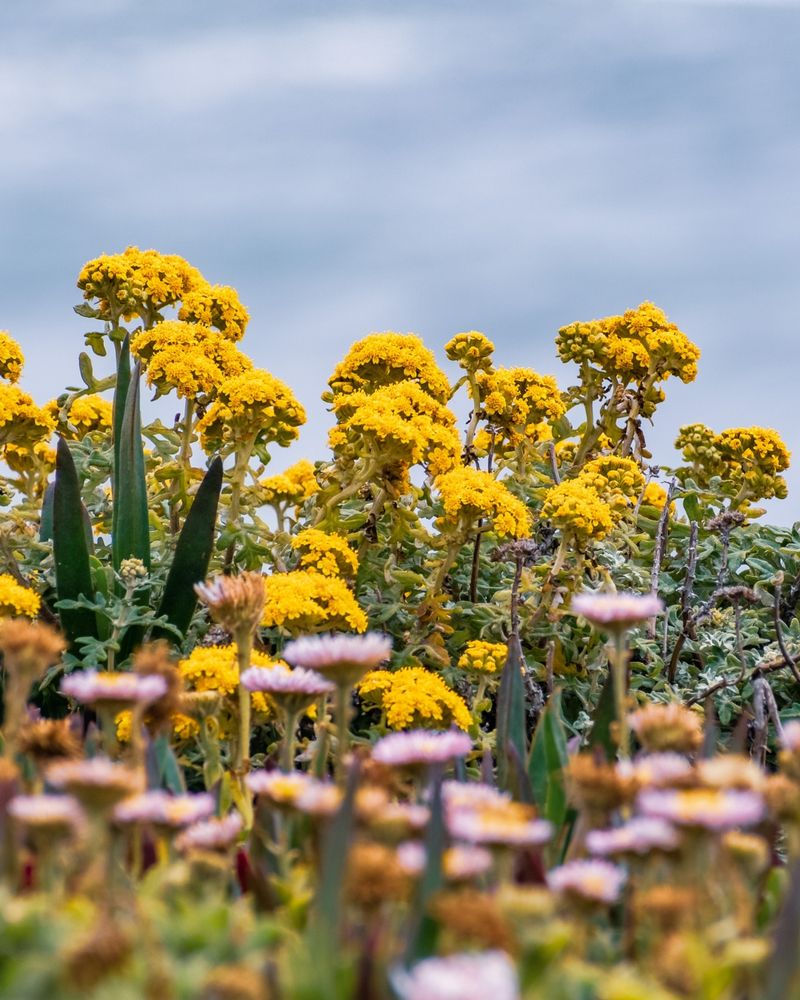
Native plants provide exactly what Oregon birds need. These plants evolved together with local bird species over thousands of years.
They offer the right berries, seeds, nectar, and insects at the right times throughout the year.
Oregon grape, red flowering currant, and salal are excellent shrub choices. For trees, consider planting Douglas fir, western red cedar, or Pacific dogwood.
Native wildflowers like camas and lupine attract insects that birds feed to their babies.
Native plants also require less water, fertilizer, and pesticide than non-native ornamentals. They are adapted to Oregon’s climate and soil conditions.
This saves you time, money, and effort while helping the environment.
Create layers in your yard with tall trees, medium shrubs, and low groundcovers. Different bird species prefer different heights for feeding and nesting.
A varied landscape supports more types of birds than a simple lawn with a few bushes.
Visit local native plant nurseries for advice on what grows best in your specific area. Oregon has diverse climate zones from coast to mountains to high desert.
Staff can recommend plants that thrive in your conditions and attract the most birds.
4. Avoid Pesticides And Herbicides

Chemicals meant to eliminate insects and weeds also harm birds. Pesticides reduce the insect populations that many birds depend on for food.
Baby birds especially need protein-rich insects to grow strong and healthy.
Birds can also absorb toxins directly through their skin or by eating poisoned insects. These chemicals build up in their bodies over time, causing health problems and reducing their ability to reproduce successfully.
Some pesticides affect their nervous systems, making them confused or unable to fly properly.
Instead of spraying chemicals, try natural pest control methods. Hand-pick larger pests, use barriers like row covers, or introduce beneficial insects that eat the problem bugs.
Healthy soil with lots of organic matter grows stronger plants that resist pests naturally.
Accept a few holes in your leaves. Perfect gardens often mean toxic gardens for wildlife.
A few chewed leaves show that your yard supports a healthy ecosystem with insects, birds, and other creatures living in balance.
If you absolutely must use a product, choose organic options and apply them carefully. Follow label directions exactly, and never spray on windy days when chemicals can drift to unintended areas.
Better yet, focus on prevention through good gardening practices.
5. Prevent Window Collisions
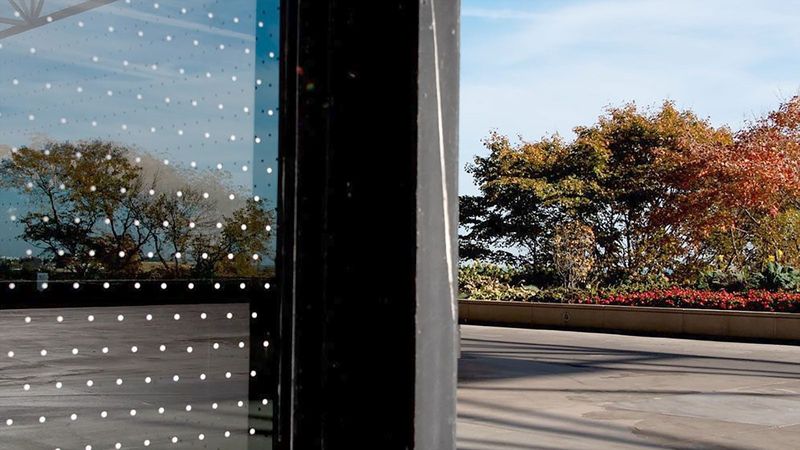
Windows cause millions of bird injuries and fatalities every year. Birds see reflections of sky, trees, or habitat and fly straight into the glass.
Even small windows pose risks, especially during migration seasons when unfamiliar birds pass through Oregon.
Make your windows visible to birds using simple solutions. Apply special tape, decals, or film designed to alert birds to the barrier.
Space patterns no more than two inches apart horizontally and four inches vertically. Birds can fit through larger gaps.
External screens and netting work better than internal solutions because they cushion birds before they hit hard glass. Hanging strings or cords in front of windows also helps.
Some people paint patterns directly on glass with tempera paint or window markers.
Move feeders either very close to windows (within three feet) or far away (more than thirty feet). Birds cannot build up dangerous speed when feeders sit right next to glass.
Far feeders give them a clear view that the window exists.
Close curtains or blinds when possible, especially during peak migration in spring and fall. Turning off unnecessary lights at night also helps because artificial light confuses migrating birds and draws them toward buildings where they risk collision.
6. Offer A Variety Of Bird Feeders And Foods
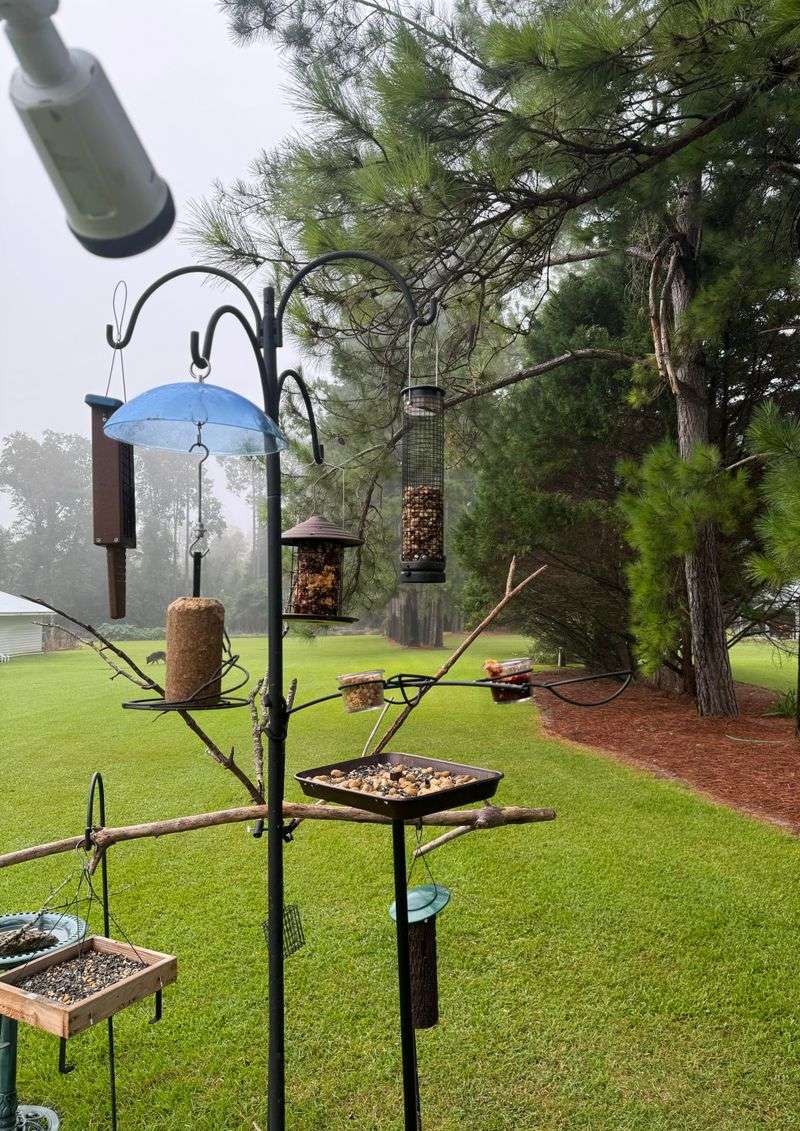
Different birds eat different foods. Offering variety attracts more species to your yard and helps birds get the nutrition they need.
Black oil sunflower seeds appeal to many species, from chickadees to finches to nuthatches.
Suet feeders bring in woodpeckers, bushtits, and other insect-eaters, especially during cold months when bugs are scarce. Thistle or nyjer seed attracts goldfinches and other small finches.
Platform feeders work well for ground-feeding birds like towhees and juncos.
Keep feeders clean to prevent disease spread. Wash them with hot soapy water every two weeks, more often in wet weather.
Discard moldy or wet seed immediately. Dirty feeders can make birds sick with bacterial or fungal infections.
Place feeders at different heights and locations around your yard. Some birds prefer open areas while others like cover nearby.
Spacing feeders out also reduces crowding and competition, making your yard comfortable for shy species.
Store birdseed in sealed containers to keep it fresh and prevent rodent problems. Buy seed from reputable sources and avoid cheap mixes full of filler grains that birds toss aside.
Quality food means less waste and healthier birds visiting your feeders throughout the year.
7. Create Safe Nesting Opportunities
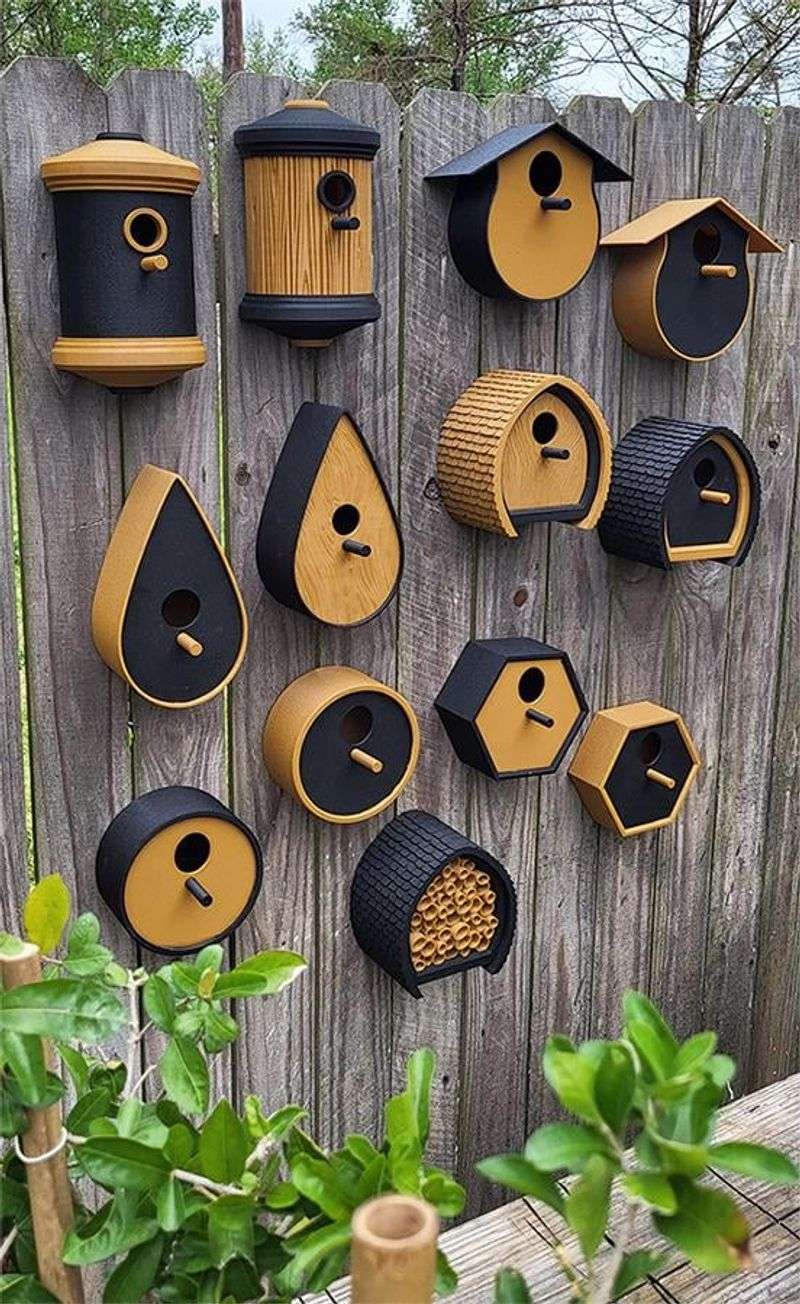
Birds need secure places to raise their families. Dense shrubs and trees provide natural nesting sites for many species.
Leave dead branches on trees when safe to do so, as woodpeckers and other cavity nesters use these spots.
Install nest boxes designed for specific species common in Oregon. Chickadees, wrens, and bluebirds readily use properly sized boxes.
Mount them at the right height and direction for each species. Face openings away from prevailing winds and afternoon sun.
Time your yard work around nesting season, which typically runs from March through August in Oregon. Avoid trimming shrubs or trees during these months.
Wait until fall or winter when babies have grown and left their nests.
Provide nesting materials like short pieces of string, pet fur, or small twigs. Put these in a mesh bag or suet feeder where birds can pull them out.
Avoid using dryer lint, which becomes heavy and cold when wet.
Leave some leaf litter and brush piles in your yard. These areas shelter ground-nesting birds and provide insects for food.
Not every corner needs to look manicured. Wild areas support more wildlife than perfectly tidy landscapes ever will.
8. Reduce Lawn Area And Increase Habitat
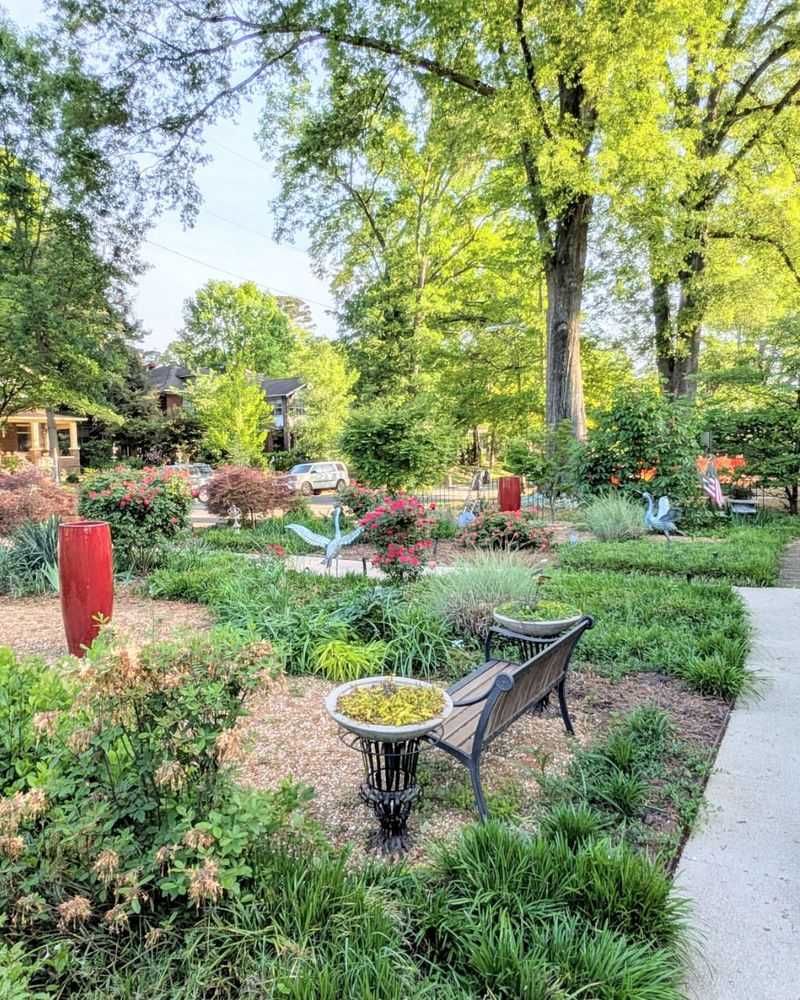
Traditional grass lawns offer little value to birds. They require lots of water, fertilizer, and mowing while providing almost no food or shelter.
Converting even part of your lawn to natural habitat makes a huge difference for local birds.
Start small by transforming one section into a wildflower meadow or native plant garden. Choose a sunny spot and remove grass by smothering it with cardboard and mulch.
Plant a mix of native grasses, wildflowers, and small shrubs.
Meadow areas attract seed-eating birds and the insects that other species need. They also require minimal maintenance once established.
Mow or cut them down just once a year in late fall after plants have dropped their seeds.
Leave grass taller in remaining lawn areas. Taller grass supports more insects and gives ground-feeding birds better cover from predators.
Set your mower blade to three inches or higher. Skip the chemicals and embrace clover and other plants mixed into your grass.
Add garden beds around your yard’s edges filled with native plants. These transition zones between lawn and wilder areas support the most biodiversity.
Birds use them for feeding, cover, and travel corridors as they move through neighborhoods looking for resources.
9. Support Local Conservation Efforts
Individual actions matter, but community efforts create bigger impacts. Join local Audubon chapters or bird conservation groups in Oregon.
These organizations work on habitat protection, research, and education projects that benefit birds across larger areas than any single backyard.
Participate in citizen science projects like the Christmas Bird Count or Great Backyard Bird Count. Your observations help scientists track bird populations and identify species that need extra protection.
These counts are fun and educational for families too.
Support legislation and policies that protect bird habitat. Contact elected officials about preserving natural areas, maintaining wildlife corridors, and regulating pesticide use.
Your voice influences decisions that affect thousands of acres of bird habitat.
Donate to or volunteer with organizations doing bird conservation work. Many groups need help with habitat restoration, monitoring projects, or educational programs.
Your time or money directly supports birds beyond your own property line.
Share what you learn with neighbors and friends. Host a bird walk, give a presentation at a community meeting, or simply chat with people about the birds in your area.
Building awareness creates a culture of care that protects birds throughout entire neighborhoods and regions for generations to come.