9 Reasons Georgia Gardeners Always Stay Stocked On Baking Soda
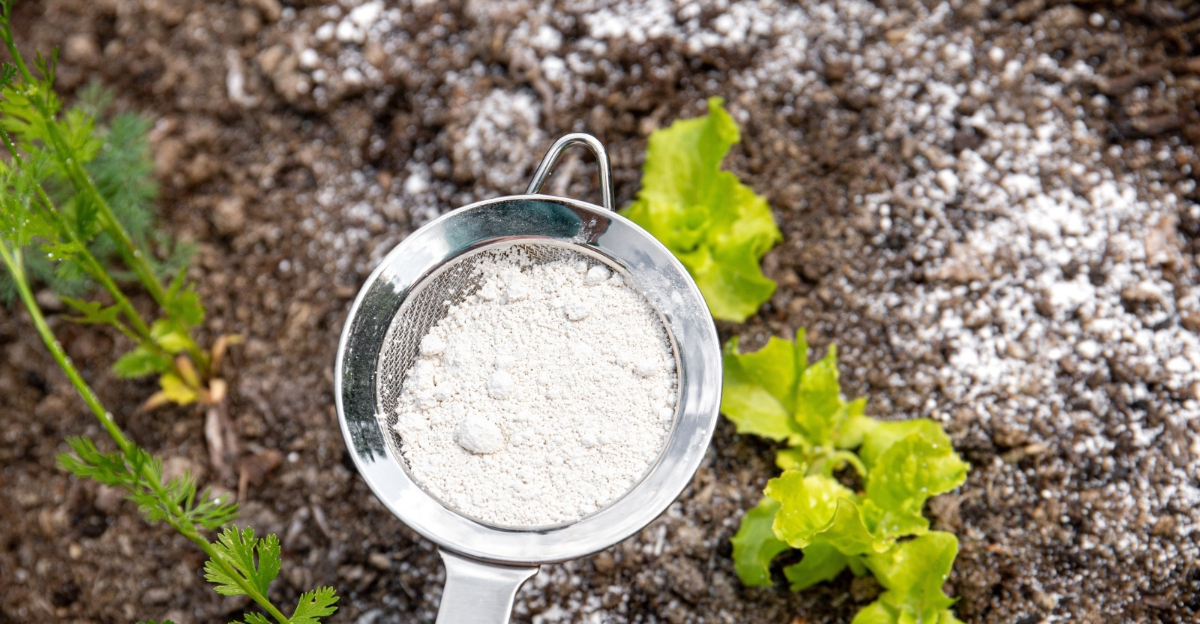
Georgia gardeners tend to keep baking soda close by because it quietly solves problems that show up again and again in warm, humid conditions.
What looks like a basic kitchen staple often becomes a surprisingly useful garden helper once experience kicks in.
Humidity in Georgia creates constant challenges with fungus, mildew, and plant stress. Baking soda offers simple support when those issues start creeping in.
Many gardeners first reach for it out of curiosity. They keep using it because it works in small, practical ways.
From soil concerns to leaf issues, baking soda fits into routines without requiring special tools or expensive products.
Georgia gardens move fast during the growing season, which makes quick fixes especially valuable.
Baking soda earns its place because it can be used gently and selectively. That flexibility matters when plants are already under heat pressure.
Gardeners also appreciate having something familiar on hand instead of running out for supplies.
Over time, baking soda becomes less of a trick and more of a habit.
For many Georgia gardeners, staying stocked simply feels like being prepared.
1. Natural Fungus Fighter for Common Plant Diseases
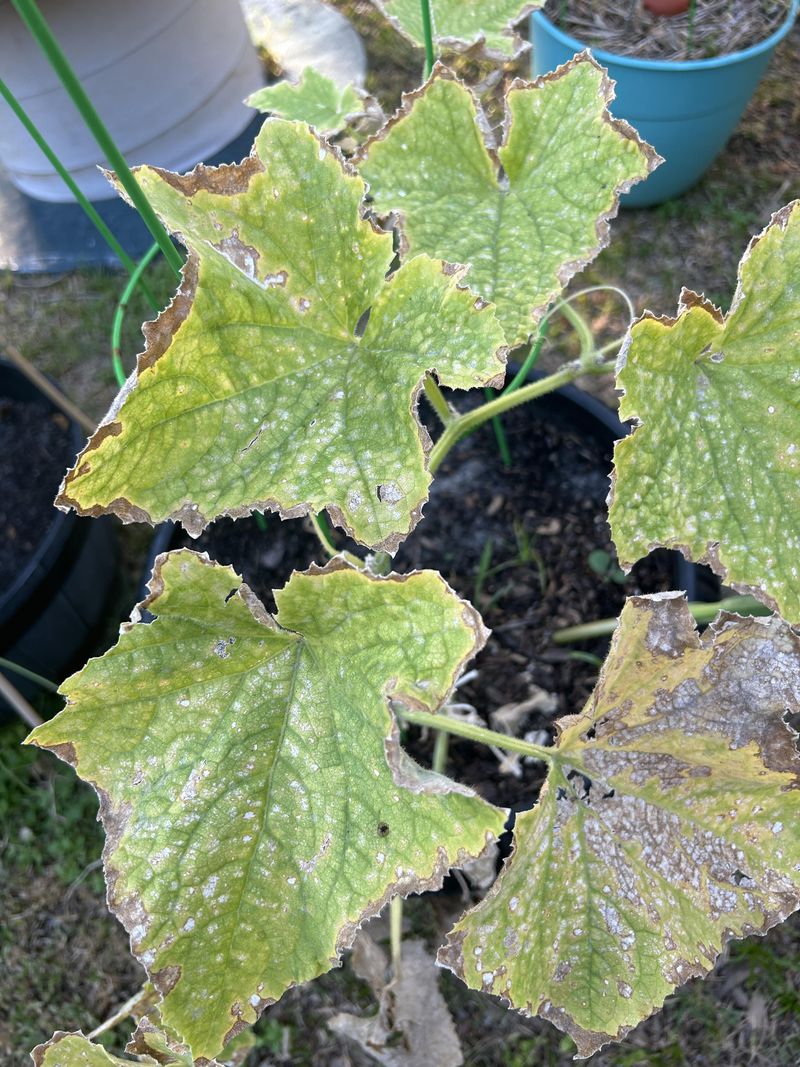
Fungal problems plague gardens throughout Georgia, especially during the state’s notoriously humid summer months.
Powdery mildew, black spot, and other fungal diseases can quickly spread across your prized plants if left unchecked.
Some Georgia gardeners lightly use baking soda on leaf surfaces as a short-term, preventative approach when humidity creates early fungal pressure, though results vary.
The soap helps the solution stick to plant leaves while the baking soda does its magic.
Georgia’s warm, moist climate creates perfect conditions for fungal growth on roses, squash, and cucumbers.
The treatment works best as a preventative measure rather than waiting until disease takes hold.
This method saves money compared to commercial fungicides that can cost upwards of twenty dollars per bottle. A box of baking soda costs just a dollar or two and lasts for months.
Plus, you won’t worry about harsh chemicals near vegetables you plan to eat.
The environmental benefits matter to many Georgia gardeners who want to protect local pollinators and wildlife. Chemical fungicides can harm beneficial insects that help your garden thrive.
Baking soda offers peace of mind along with effective disease control.
Test the solution on a small area first to ensure your specific plants tolerate it well. Some sensitive varieties may react negatively to the alkaline spray.
Most common garden plants handle the treatment without any issues.
2. Soil pH Adjuster for Acid-Loving Plants

Georgia soil tends to run on the acidic side due to high rainfall and decomposing pine needles throughout the state. While azaleas and blueberries love this acidity, many vegetables and flowers prefer more neutral conditions.
Test your soil first to determine exactly how much adjustment your garden needs. Home testing kits are inexpensive and available at any garden center across Georgia.
Understanding your starting point prevents you from overcorrecting and creating new problems.
Some Georgia gardeners experiment with baking soda in very limited, short-term situations when soil feels overly acidic, though it’s not meant for regular soil conditioning.
Your Georgia Garden Changes Every Week. Your Plan Should Too.
Gardening in Georgia changes quickly throughout the season. Every Friday you’ll receive a simple weekly plan showing exactly what to plant, prune, fertilize, harvest, and protect so you never miss the right timing.
Start with small amounts since a little goes a long way in changing pH. Too much can swing your soil too far in the alkaline direction.
Tomatoes, peppers, and beans tend to struggle when soil stays too acidic, which is why gardeners pay close attention to pH balance throughout the season.
These popular Georgia garden crops will reward you with bigger harvests when pH levels suit their needs. Monitor plants for improved growth and vigor after treatment.
Because soil chemistry changes slowly, most gardeners focus on monitoring plant response rather than expecting instant results from any quick adjustment.
Unlike lime that takes months to alter soil chemistry, baking soda works within weeks. This speed helps you rescue struggling plants before the season ends.
3. Sweeter Tomatoes Through Strategic Application
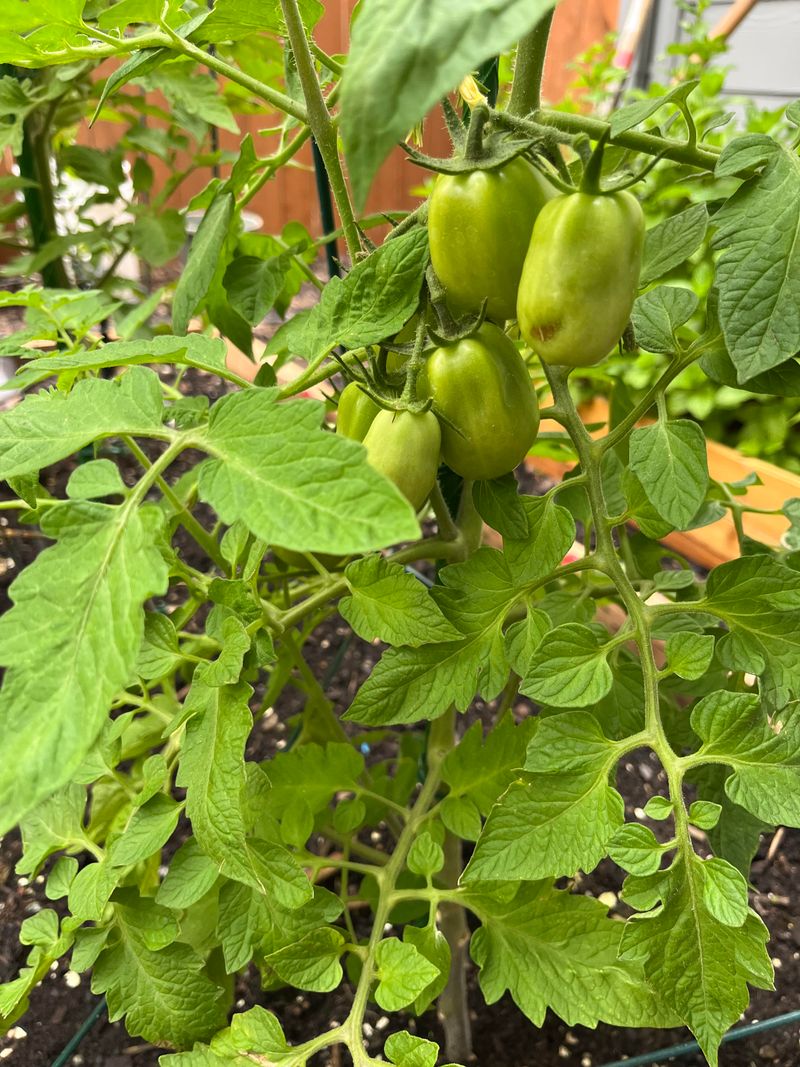
Every Georgia gardener dreams of growing perfectly sweet, flavorful tomatoes that rival anything from the farmers market. The secret many experienced growers use involves a surprising ingredient sitting in their kitchen cabinet.
Many gardeners believe soil balance influences tomato flavor over time, especially in regions with naturally acidic conditions.
While results vary, careful attention to growing conditions can help bring out natural sweetness.
Some Georgia gardeners experiment cautiously with mild, kitchen-based soil adjustments during the season, watching closely for how plants respond rather than relying on a single method. Water the area well to help the baking soda penetrate into the root zone.
Repeat this process every few weeks during the main growing period.
Georgia’s long, hot summers are perfect for tomato growing when you get the conditions just right. Temperature and sunlight matter most, but soil chemistry plays a supporting role in final flavor.
Small tweaks to pH can push good tomatoes into great territory.
This technique works best with heirloom varieties that already have good flavor genetics. Modern hybrid tomatoes bred for shipping may not show as dramatic an improvement.
Choose your varieties wisely for the best results.
4. Weed Control Between Pavers and Walkways
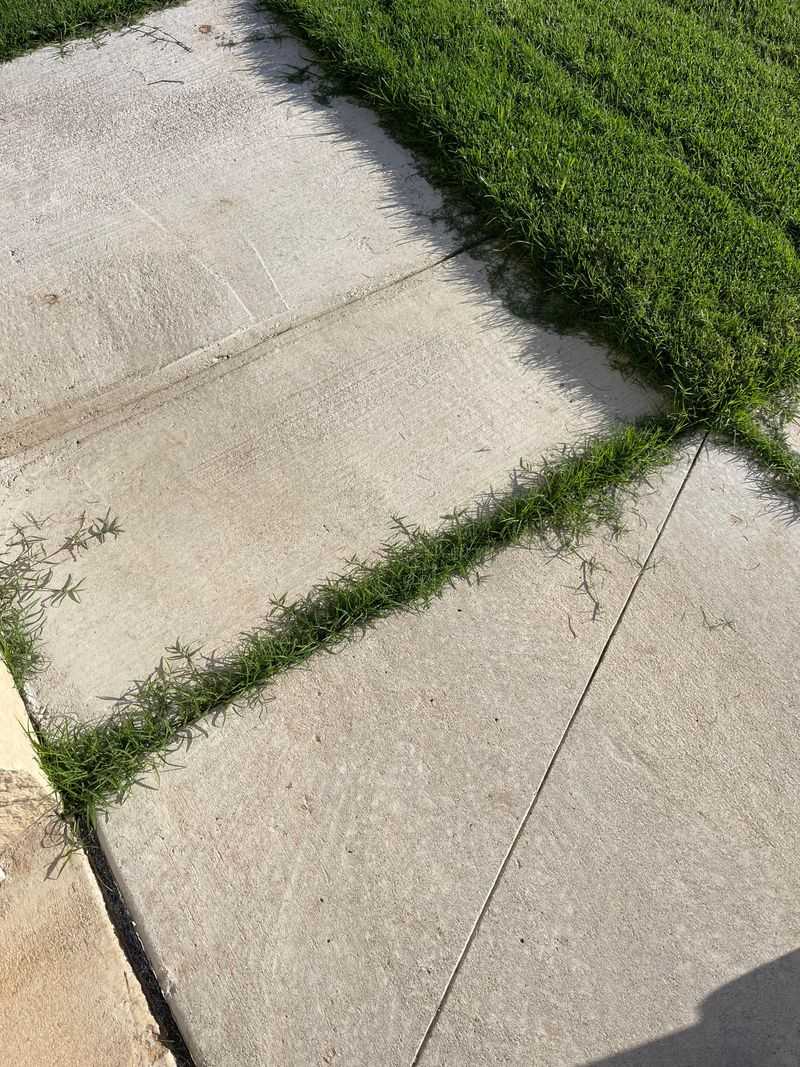
Weeds pushing up through cracks in patios and walkways frustrate Georgia homeowners who want neat, tidy outdoor spaces. Chemical herbicides designed for these areas contain harsh ingredients that can harm nearby plants or wash into storm drains.
Baking soda offers a safer alternative that works surprisingly well on unwanted growth.
Some Georgia homeowners turn to baking soda for spot treatment in hardscape cracks, where unwanted growth keeps returning despite regular cleanup.
This method works best on young weeds before they establish deep root systems. Mature weeds with extensive roots may require repeated applications.
Catch them early for the easiest control with the least amount of product.
Georgia’s frequent summer thunderstorms can wash away treatments before they fully work.
Heavy summer rains can reduce how long any surface treatment lasts, which is why hardscape weeds often return quickly.
The low cost of baking soda makes frequent applications affordable for most gardeners.
Avoid using this technique near desirable plants since baking soda doesn’t discriminate between weeds and flowers. The alkaline environment it creates will harm any plant exposed to concentrated amounts.
Precision application matters when working close to garden beds.
Sweep excess powder off paver surfaces to prevent slippery conditions when wet. A light dusting in cracks is all you need for effective weed control.
More isn’t better when it comes to this application method.
5. Pest Deterrent for Soft-Bodied Insects
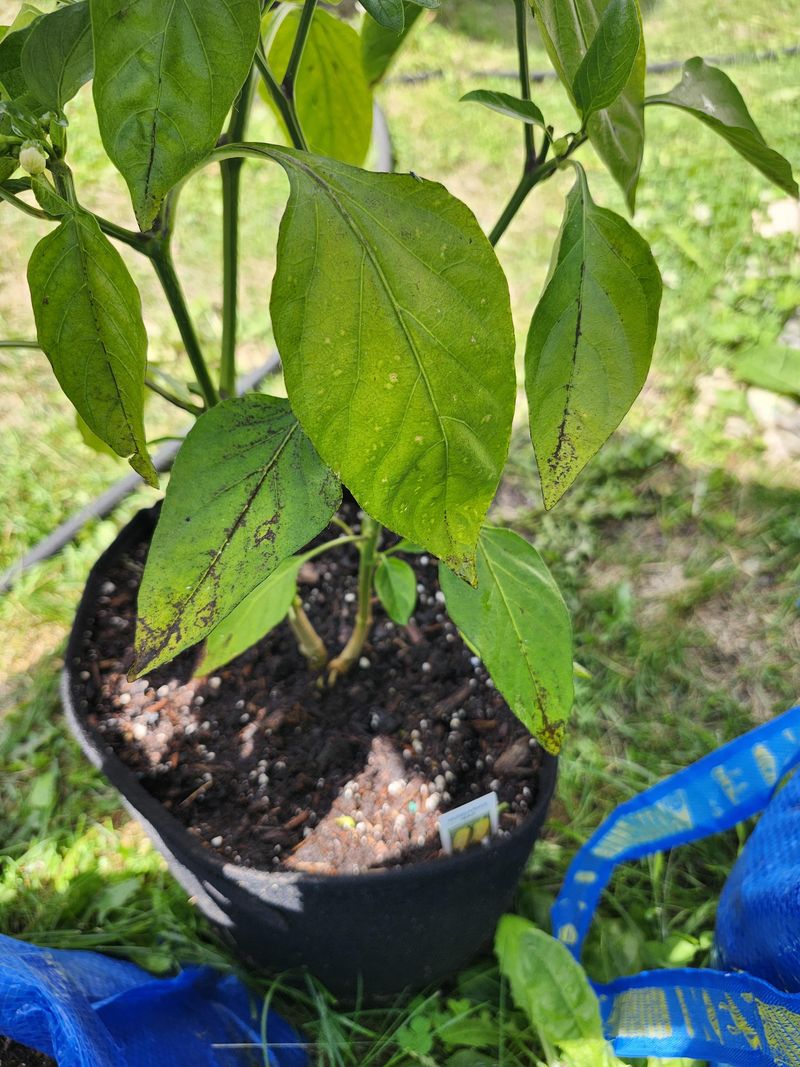
Aphids, spider mites, and other soft-bodied pests can devastate Georgia gardens faster than you’d think possible. These tiny insects reproduce rapidly and suck the life from your plants, leaving behind yellowed, damaged foliage.
Baking soda mixed into a spray solution creates an uncomfortable environment that sends these pests packing.
They dehydrate and cannot survive on treated plants. This mechanical action means pests won’t develop resistance like they do to chemical pesticides.
Mix baking soda with water and a small amount of dish soap for better coverage on leaf surfaces. Spray both the tops and undersides of leaves where pests hide from view.
Thorough coverage ensures you reach all the insects lurking on your plants.
Georgia’s long growing season means multiple generations of pests can emerge throughout summer and fall. Regular applications every week or two keep populations under control.
Prevention works better than trying to eliminate a heavy infestation after it establishes.
Any spray should be used cautiously, as it may affect insects that come into direct contact with treated surfaces.
The spray only affects insects that come into direct contact with it. Helpful garden allies remain safe while pests suffer the consequences.
6. Compost Pile Odor Neutralizer
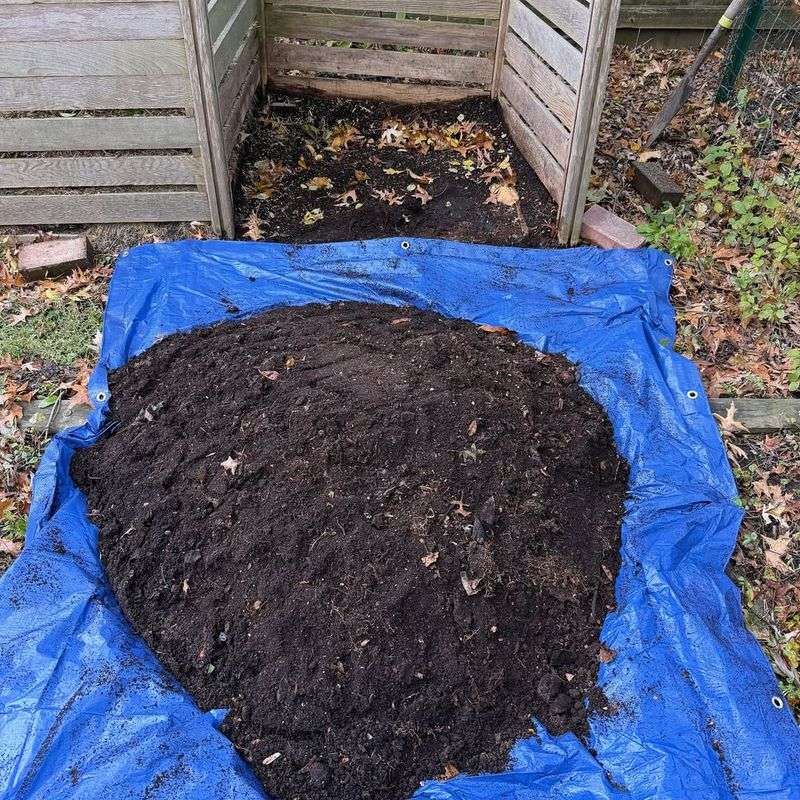
Composting reduces waste and creates fantastic soil amendments, but sometimes the pile develops unpleasant smells that annoy neighbors. Georgia’s heat and humidity can intensify odors from decomposing organic matter.
Baking soda naturally neutralizes acidic smells without disrupting the composting process.
Sprinkle a generous handful over smelly areas of your compost pile and mix it in lightly. The alkaline nature of baking soda counters the acidic compounds that create foul odors.
Your pile will smell earthy and pleasant instead of offensive.
Odors usually indicate your compost has too much nitrogen-rich green material without enough carbon-rich browns. Add shredded leaves, cardboard, or sawdust along with the baking soda to restore balance.
This combination addresses both the symptom and the underlying cause.
Georgia gardeners who compost year-round appreciate this quick fix for occasional smell problems. Summer heat accelerates decomposition, which can temporarily create stronger odors.
A box of baking soda in the garden shed provides instant relief when needed.
The treatment doesn’t harm the beneficial bacteria and fungi that break down organic matter. These microorganisms continue their important work while odor-causing compounds get neutralized.
Your finished compost will be just as rich and beneficial as always.
Regular turning of the compost pile prevents many odor issues from developing in the first place. Proper aeration keeps the decomposition process aerobic rather than anaerobic.
Anaerobic breakdown creates the worst smells that drive neighbors crazy.
7. Tool Cleaner and Rust Preventer
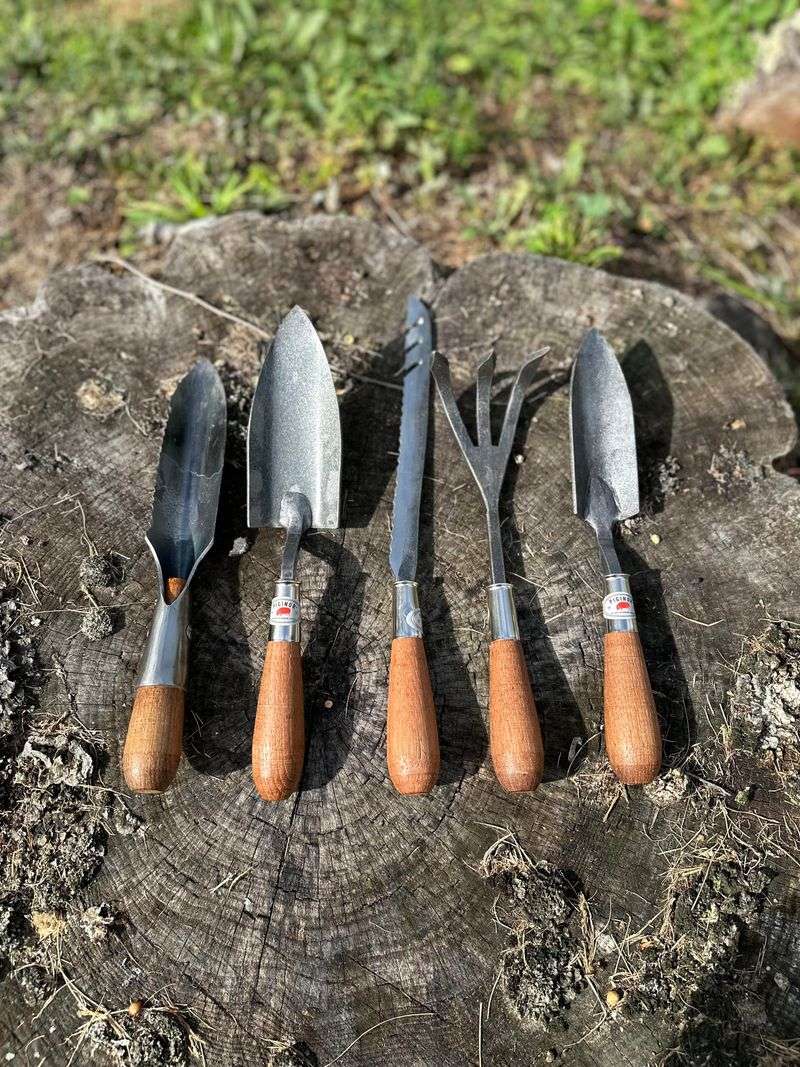
Garden tools represent a significant investment that Georgia gardeners want to protect from rust and corrosion. The state’s high humidity creates perfect conditions for metal tools to develop rust spots seemingly overnight.
Baking soda paste scrubs away existing rust and leaves behind a protective coating that prevents future damage.
Make a thick paste by mixing baking soda with just enough water to create a spreadable consistency. Apply this paste to rusty areas on shovels, pruners, and hoes.
Let it sit for about fifteen minutes before scrubbing with a stiff brush.
The mild abrasive action of baking soda removes rust without scratching the metal underneath. Chemical rust removers can be harsh and require careful handling.
This gentle alternative works just as well for light to moderate rust problems.
Rinse tools thoroughly after scrubbing and dry them completely before storing. Georgia’s moisture will start the rusting process again on damp tools.
Proper drying after cleaning extends the life of your equipment significantly.
Apply a light coat of oil after cleaning to provide additional rust protection. The baking soda treatment prepares the surface, while oil seals out moisture.
This combination keeps tools in top condition through years of heavy use.
8. Hand and Skin Cleaner After Gardening
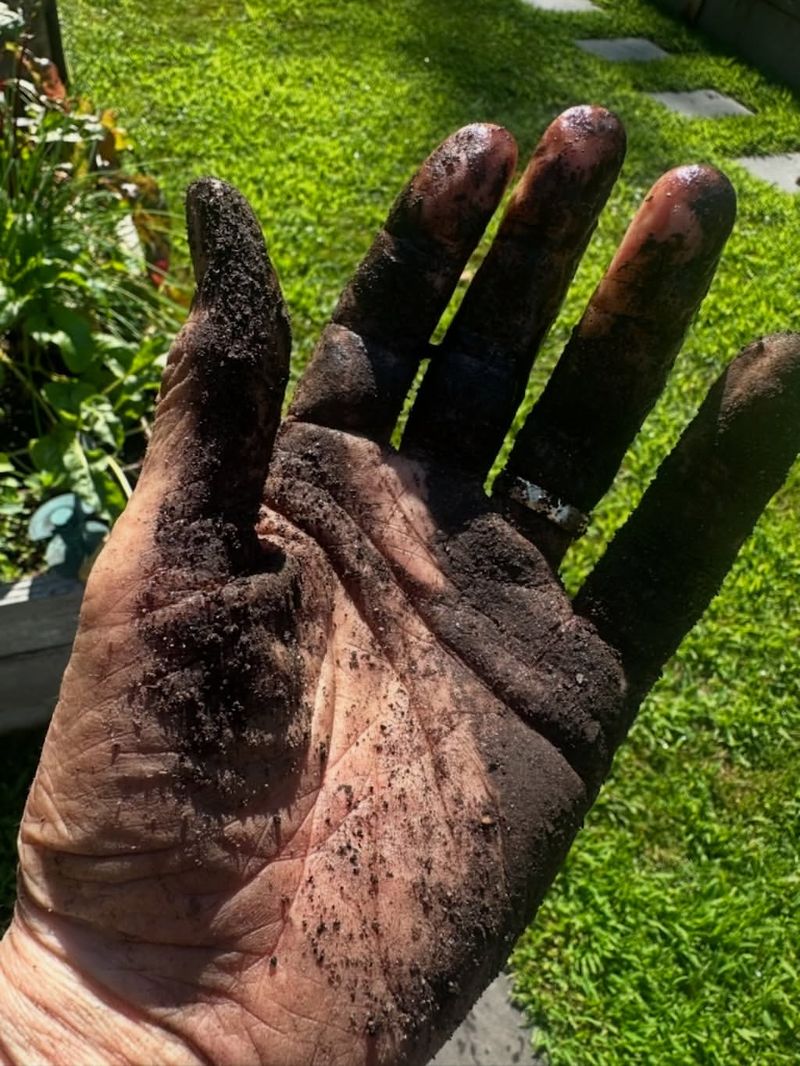
Gardening leaves your hands stained, dirty, and sometimes irritated from plant saps and soil contact. Georgia clay stains are particularly stubborn and resist ordinary soap and water.
Baking soda gently scrubs away garden grime while soothing minor skin irritations from plants and insects.
Make a paste with baking soda and water, then rub it over your hands like soap. The fine granules lift dirt from skin creases and under fingernails without harsh scrubbing.
Your hands come clean without the dryness caused by heavy-duty cleaners.
The alkaline nature of baking soda neutralizes acidic plant compounds that can irritate sensitive skin. Tomato plants, in particular, leave behind oils that cause rashes in some Georgia gardeners.
A baking soda wash prevents these reactions from developing.
Add a few drops of lemon juice to the paste for extra cleaning power and a fresh scent. The combination cuts through the toughest garden stains while leaving hands soft.
This natural approach beats expensive specialty hand cleaners sold at garden centers.
Keep a container of baking soda near your outdoor faucet for convenient hand cleaning. You won’t track dirt into the house while searching for soap.
Quick cleanup becomes part of your gardening routine.
9. Cut Flower Freshness Extender

Georgia gardeners love bringing fresh-cut flowers indoors to enjoy the fruits of their labor. Roses, zinnias, and sunflowers brighten homes but often wilt faster than we’d like.
Some gardeners add baking soda to vase water to slow water clouding, though results vary depending on flower type and conditions.
The alkaline environment created by baking soda slows bacterial growth in vase water. Bacteria clog the stems and prevent flowers from taking up water properly.
Cleaner water means better hydration and longer-lasting blooms.
Mix about a teaspoon of baking soda into a quart of fresh water before arranging your flowers. Change the water every few days and add fresh baking soda each time.
This simple routine can double the vase life of many flower varieties.
Georgia’s summer heat makes cut flowers especially prone to rapid wilting. Keeping arrangements in cool locations away from direct sunlight helps too.
Combine proper placement with baking soda water for the best results.
Trim stems at an angle before placing them in treated water to maximize water uptake. Remove any leaves that would sit below the water line since they contribute to bacterial growth.
These basic flower care steps work synergistically with the baking soda treatment.
Some flowers respond better to this treatment than others based on their natural preferences. Roses and carnations show dramatic improvement in vase life.
Experiment with different varieties from your Georgia garden to see what works best.