11 Trees North Carolina Homeowners Should Avoid Planting Near Their Houses
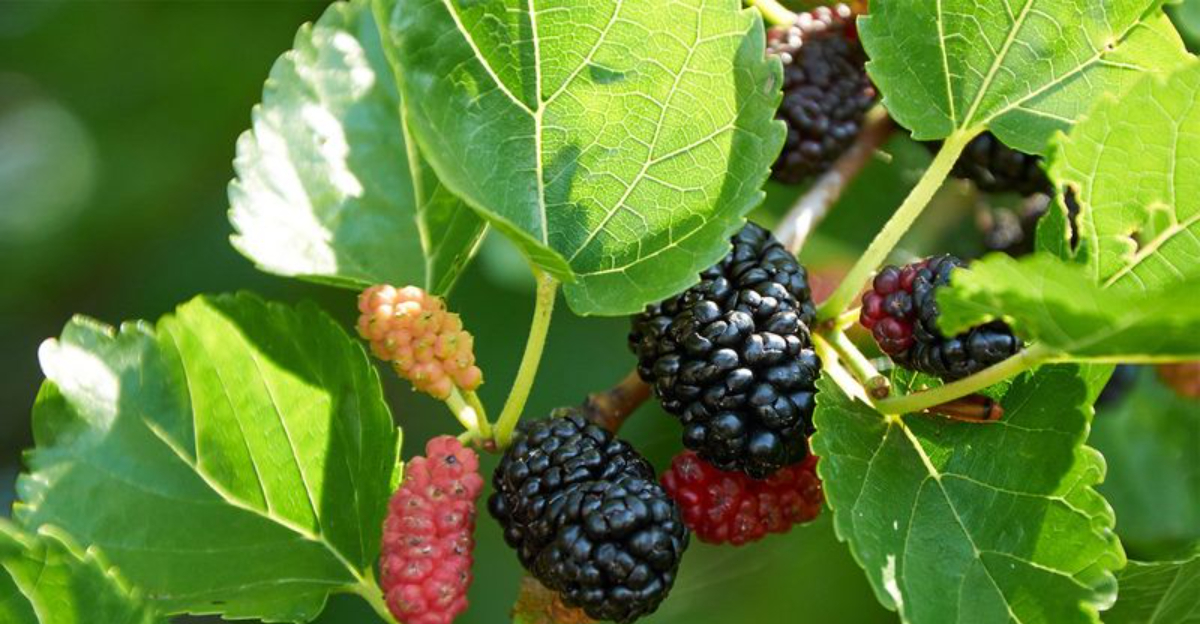
Planting a tree near a home in North Carolina often starts with good intentions and visions of shade, beauty, and long-term value.
What many homeowners do not realize is how much damage the wrong tree can cause once roots and branches mature.
North Carolina’s mix of heavy rain, shifting soil, and strong storms makes tree placement more important than it first appears.
Some trees grow far larger and more aggressive underground than expected. That hidden growth can quietly threaten foundations, sidewalks, and underground lines.
Fast growth may look appealing at first, but speed often comes with weak structure or invasive roots.
Branches that seem harmless when young can later scrape roofs, clog gutters, or snap during storms.
Certain tree species also struggle when planted too close to buildings, leading to stress, disease, and costly removal.
Homeowners are often surprised to learn that past planting mistakes can take years to show consequences. By the time problems appear, fixing them is rarely simple.
Choosing the wrong tree location can turn a landscaping feature into a long-term liability.
Knowing which trees to avoid near houses helps North Carolina homeowners protect both their property and their peace of mind.
1. Willow Trees
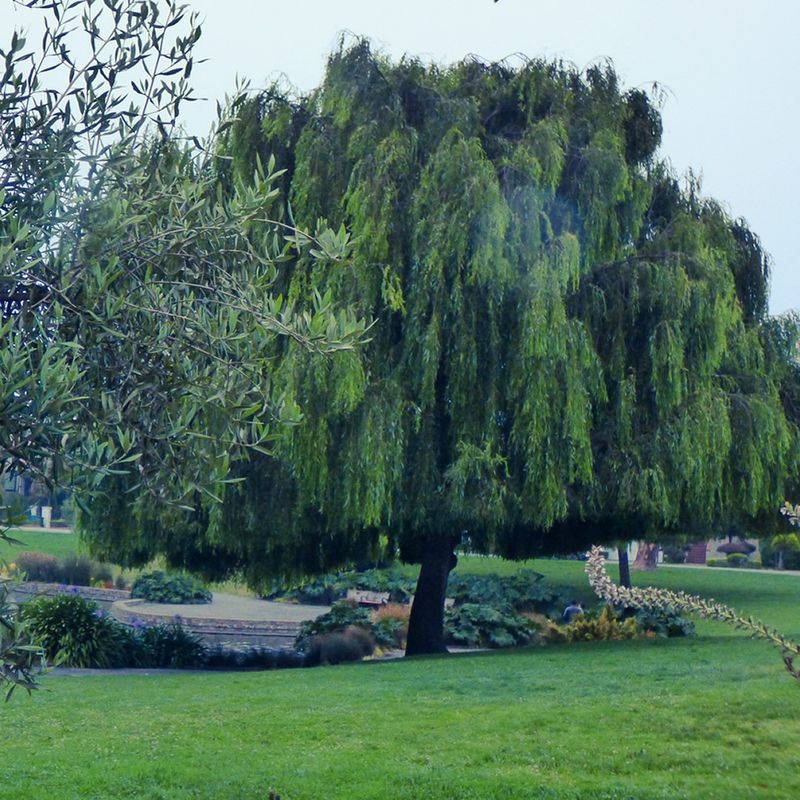
Water-seeking roots make this species one of the trickiest choices for residential yards. Their underground system spreads aggressively in search of moisture, often traveling fifty feet or more from the trunk.
This relentless search can wreak havoc on underground pipes and sewer lines.
North Carolina homeowners often discover cracked foundations years after planting these beauties near their homes. The roots don’t just spread wide—they grow thick and powerful enough to lift sidewalks and driveways.
What starts as a charming addition to your landscape can turn into a plumbing nightmare.
Septic systems face particular danger from willow roots, which can infiltrate even tiny cracks in pipes. Once inside, they create blockages that require expensive repairs.
Many plumbers in the state recognize willow damage as a common service call.
The drooping branches look romantic swaying in the breeze, but they’re brittle and break easily during storms. Ice storms, common across North Carolina winters, cause major branch loss.
Cleanup becomes a constant chore throughout the year.
Shallow root systems mean these trees topple more easily than deep-rooted species during high winds. Your home could suffer serious damage if one falls during a hurricane or severe thunderstorm.
Insurance claims related to fallen willows are surprisingly common in the region.
2. Bradford Pear
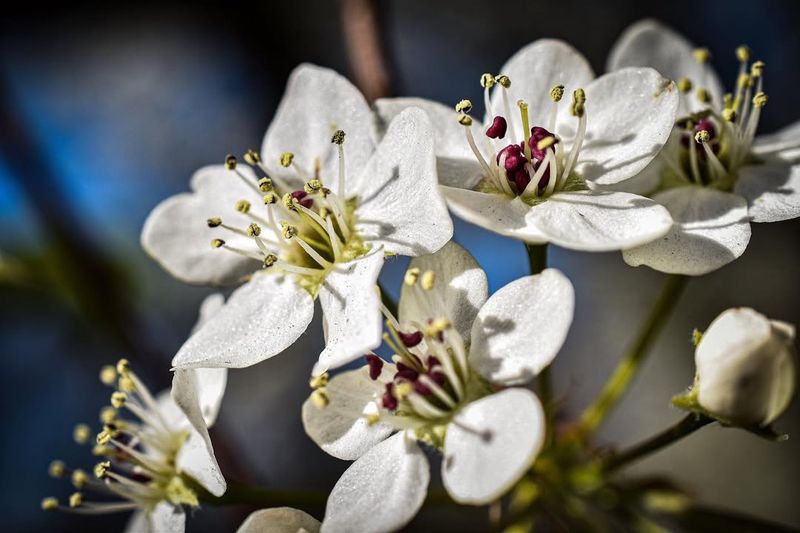
Spring blooms attract countless admirers, but this ornamental has earned a terrible reputation among property experts. Its wood structure develops with inherent weakness, creating a ticking time bomb in your yard.
Branches grow at narrow angles that make them prone to splitting.
Storms across North Carolina regularly claim these trees as victims, with major limbs cracking away from trunks without warning. Even moderate winds can cause catastrophic failures in mature specimens.
Your roof, windows, and vehicles all face risk when one grows nearby.
The aggressive growth rate seems appealing at first, offering quick shade and privacy. However, this rapid development contributes to the structural problems that plague the species.
Your North Carolina Garden Changes Every Week. Your Plan Should Too.
Gardening in North Carolina changes quickly throughout the season. Every Friday you’ll receive a simple weekly plan showing exactly what to plant, prune, fertilize, harvest, and protect so you never miss the right timing.
Fast growth means weak wood that can’t support its own weight as the tree matures.
An unpleasant odor accompanies those pretty white flowers, often compared to rotting fish by residents. This smell lingers for weeks during blooming season, making outdoor activities less enjoyable.
Neighbors might not appreciate your landscaping choice when the scent drifts across property lines.
Invasive tendencies have led many North Carolina counties to discourage planting this species altogether. Seeds spread rapidly, crowding out native plants and disrupting local ecosystems.
Environmental groups actively campaign for removal of existing trees throughout the state.
3. Silver Maple
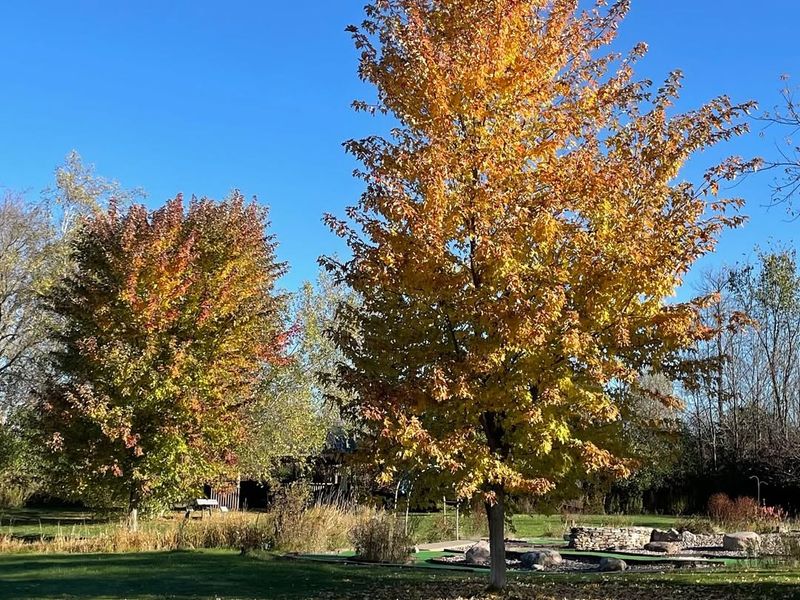
Rapid growth makes this species tempting for homeowners seeking quick shade in their yards. But speed comes with serious trade-offs that become apparent within just a few years.
The wood develops with a soft, brittle quality that spells trouble during weather events.
Branches snap off regularly, even during calm weather as the tree ages and grows heavier. North Carolina experiences enough wind and ice to make this brittleness a constant concern for property owners.
Cleanup becomes a weekly task during certain seasons.
Root systems grow shallow and spread wide, creating trip hazards across lawns and garden beds. These surface roots make mowing difficult and can damage lawn equipment over time.
They also compete aggressively with grass and other plants for water and nutrients.
Foundation damage occurs frequently when silver maples grow within thirty feet of houses in the state. The roots seek moisture and can crack concrete slabs, basement walls, and retaining structures.
Repair costs often exceed several thousand dollars once problems become noticeable.
Sidewalks and driveways buckle and crack as roots expand beneath them year after year. Replacing damaged concrete becomes necessary, but roots continue growing and cause the same problems again.
Many municipalities across North Carolina have stopped planting this species along streets for exactly these reasons.
4. Sweetgum
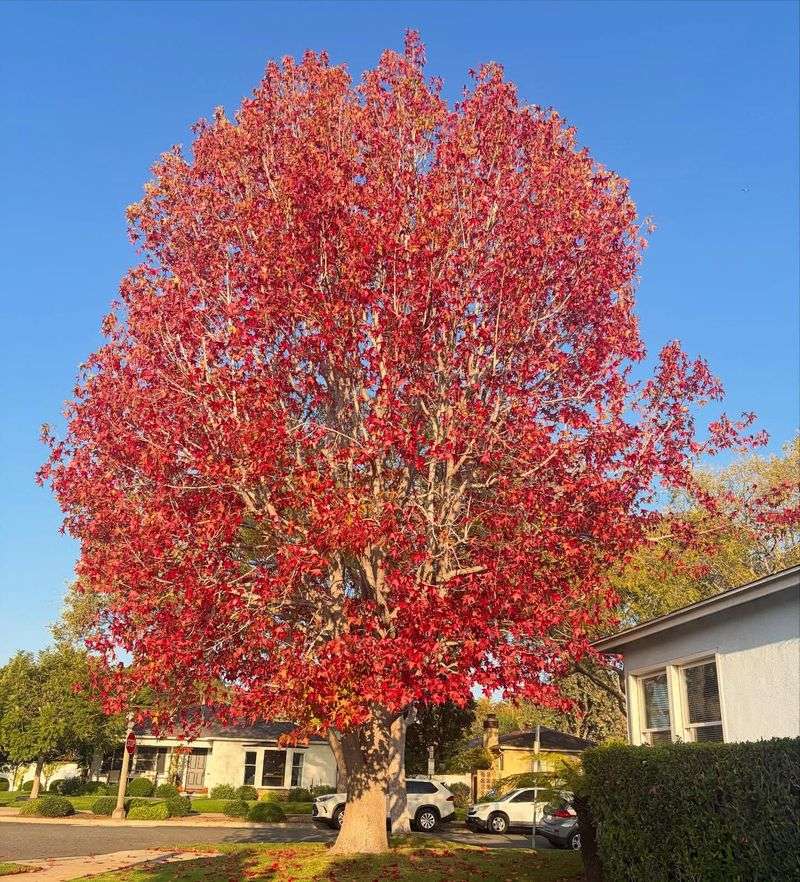
Beautiful fall colors draw people to this native species, with leaves turning brilliant shades of red and purple. However, those stunning autumn displays come with a major downside that frustrates homeowners across the state.
The spiky seed pods create a genuine hazard and nuisance.
These round, prickly balls drop by the hundreds throughout fall and winter months in North Carolina. Walking barefoot becomes impossible, and the pods damage lawn mowers when you try to mulch them.
They accumulate in gutters, flower beds, and every corner of your property.
Raking becomes an endless chore as new pods continue falling for months on end. Children and pets can step on them painfully, making yard play less enjoyable during peak dropping season.
Even shoes offer limited protection against the sharp spines.
Roots grow aggressively and can lift sidewalks, patios, and foundation edges over time. The root system spreads wide rather than deep, competing with nearby plants and grass.
Many North Carolina gardeners struggle to grow anything beneath mature sweetgum trees.
Branches extend far from the trunk, often reaching over rooflines and creating maintenance headaches. Overhanging limbs drop not just seed pods but also twigs and small branches throughout the year.
Professional trimming becomes necessary to prevent roof damage, adding to ownership costs.
5. Mimosa Tree
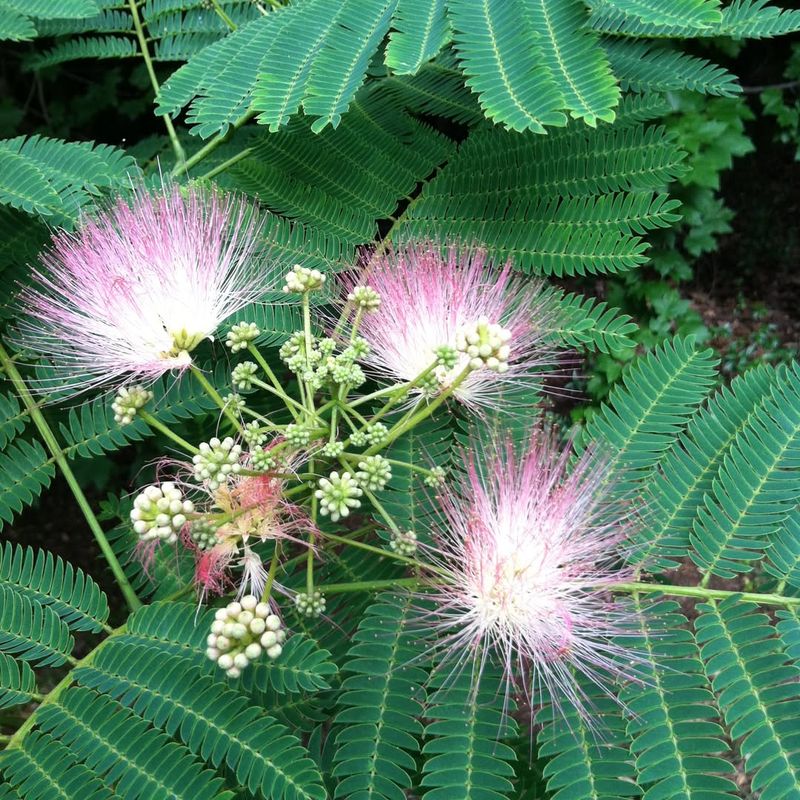
Feathery pink blooms and delicate foliage create an exotic appearance that catches many eyes at nurseries. This fast-growing ornamental promises quick results for impatient landscapers seeking instant appeal.
But the initial charm fades quickly as problems multiply.
Weak wood structure means branches break easily during storms common throughout North Carolina. Ice accumulation in winter causes extensive damage, leaving broken limbs scattered across your property.
Summer thunderstorms bring similar destruction with strong winds snapping branches regularly.
The tree spreads aggressively through seed pods and root suckers, becoming invasive in many areas. Seedlings pop up everywhere across your yard and garden beds, requiring constant removal.
Neighbors often complain when seedlings invade their properties from your tree.
Short lifespans mean these trees rarely survive more than fifteen to twenty years in the state. They become unsightly as they age, developing hollow trunks and losing branches unpredictably.
Removal becomes necessary just when you thought the tree was fully established.
Messy seed pods drop constantly, creating litter that requires frequent cleanup around your home. The pods attract pests and can stain concrete surfaces when they decay.
Allergies can also flare up from the pollen these trees produce during their extended blooming period across North Carolina summers.
6. Leyland Cypress
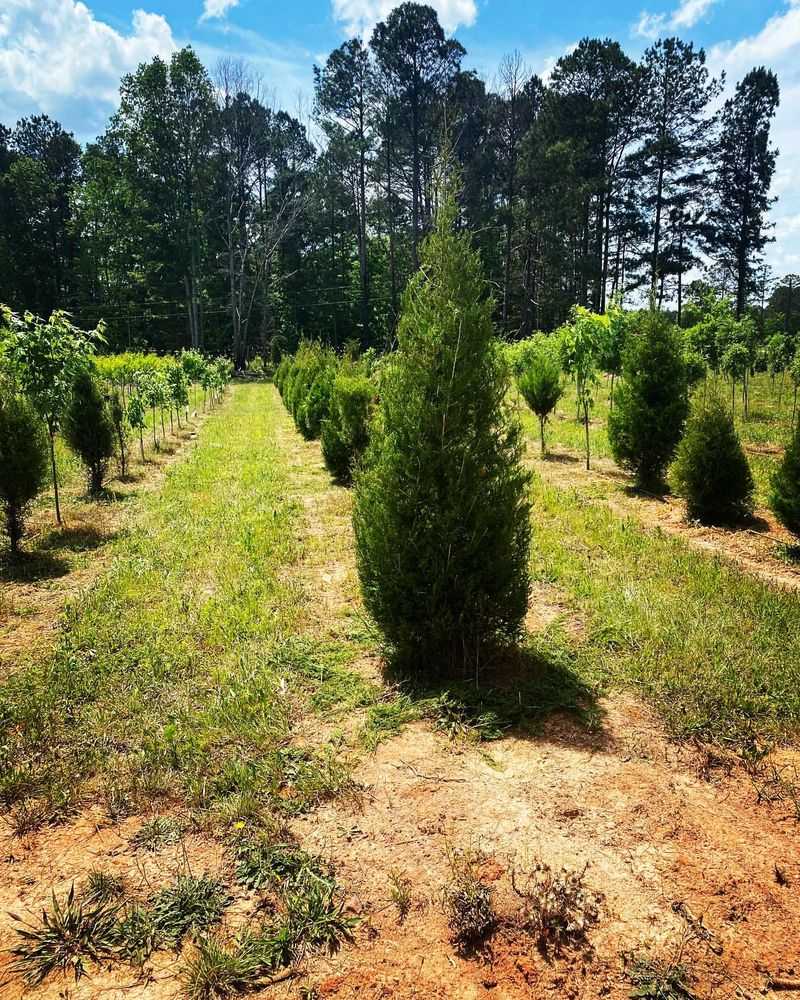
Privacy screens seem like the perfect use for these fast-growing evergreens that shoot upward rapidly. Many North Carolina subdivisions feature rows of them planted between properties for quick boundaries.
Unfortunately, several serious issues make them poor choices near houses.
Root systems grow shallow and offer minimal anchoring in the sandy or clay soils common across the state. High winds during hurricanes and severe storms topple these trees with alarming frequency.
When they fall, their height means they can easily reach your home or your neighbor’s property.
Disease problems plague this species throughout the region, with canker diseases spreading rapidly through plantings. Once infection starts, entire trees turn brown and decline within months.
Replacing them becomes expensive, especially when planted in long hedgerows.
Branches grow heavy and dense, collecting ice during winter storms that occur periodically in North Carolina. The weight causes them to snap or pull entire trees over, creating dangerous situations.
Cleanup after ice storms often reveals extensive damage to these evergreens.
Mature specimens grow extremely tall, often reaching forty to fifty feet when left untrimmed near homes. Their proximity to structures creates risks during storms and makes maintenance difficult.
Roots can also interfere with underground utilities and foundation drainage systems as they spread seeking water and nutrients.
7. Cottonwood
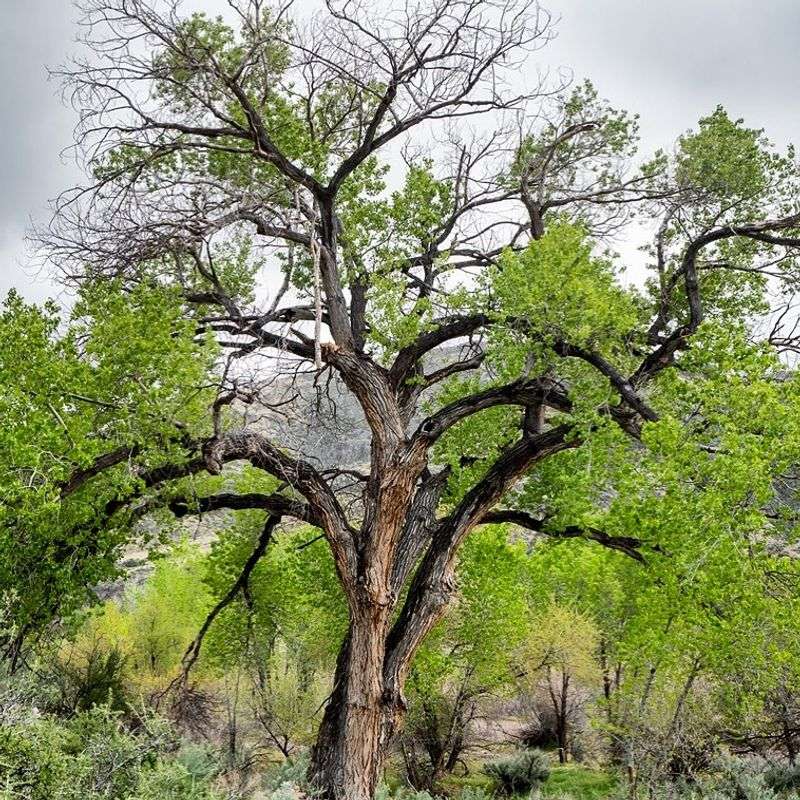
Massive size and rapid growth characterize this native species that thrives in wet areas across the region. These giants can reach over eighty feet tall with trunks several feet in diameter.
Such dimensions make them completely inappropriate for residential lots of typical size.
Roots extend even farther than the canopy spread, often traveling a hundred feet from the trunk. North Carolina homeowners discover these roots invading septic systems, water lines, and foundation drains years after planting.
The damage can be extensive and extremely costly to repair properly.
Cottony seeds give the tree its common name, floating through the air by the millions each spring. They accumulate in drifts like snow, clogging gutters and covering every outdoor surface.
The cottony material can trigger allergies and creates a significant mess around your entire property.
Branches drop regularly throughout the year, not just during storms but even on calm days. Large limbs can fall without warning as the tree ages, posing serious safety risks.
Many insurance companies in the state consider mature cottonwoods near homes to be liability concerns.
The tree’s water needs are substantial, making it a poor choice during drought conditions that affect North Carolina periodically. Shallow roots lift sidewalks, driveways, and patio surfaces as they expand searching for moisture.
Professional removal becomes necessary once homeowners realize the ongoing problems these trees create.
8. Black Walnut
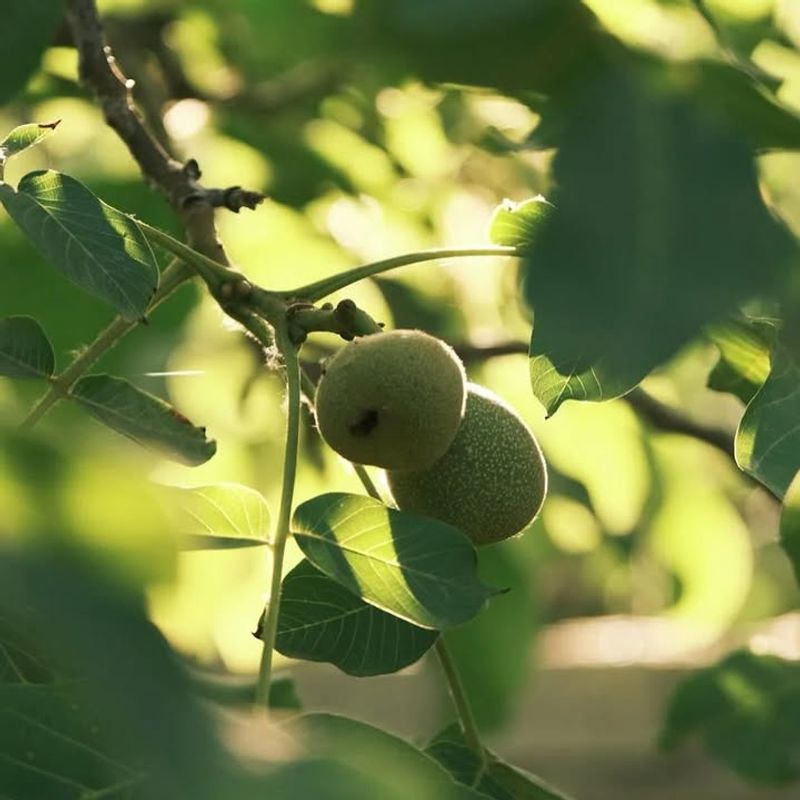
Valuable timber and edible nuts make this species appealing to some homeowners who appreciate multi-purpose plantings. The stately appearance adds character to rural properties across North Carolina.
However, several factors make them terrible choices near houses and landscaped areas.
A chemical called juglone released by the roots, leaves, and nuts proves toxic to many common plants. Tomatoes, azaleas, rhododendrons, and numerous other species struggle or perish when planted nearby.
Your entire garden and landscape design must work around this chemical limitation.
Falling nuts create hazards during autumn months, becoming projectiles that can dent vehicles and injure people. The hard shells require cleanup before mowing, or they become dangerous flying objects when hit by mower blades.
North Carolina residents often underestimate the mess these nuts create.
Staining from the nut husks proves nearly impossible to remove from concrete, decking, and siding. The dark brown marks persist for years, making driveways and patios look permanently dirty.
Even professional cleaning services struggle to eliminate these stubborn stains completely.
Large size at maturity means these trees eventually dominate residential lots, casting dense shade that prevents grass growth. Roots spread wide and compete aggressively with other plants for nutrients and water.
The trees also attract squirrels and other wildlife that can become nuisance animals around homes in the state.
9. Lombardy Poplar
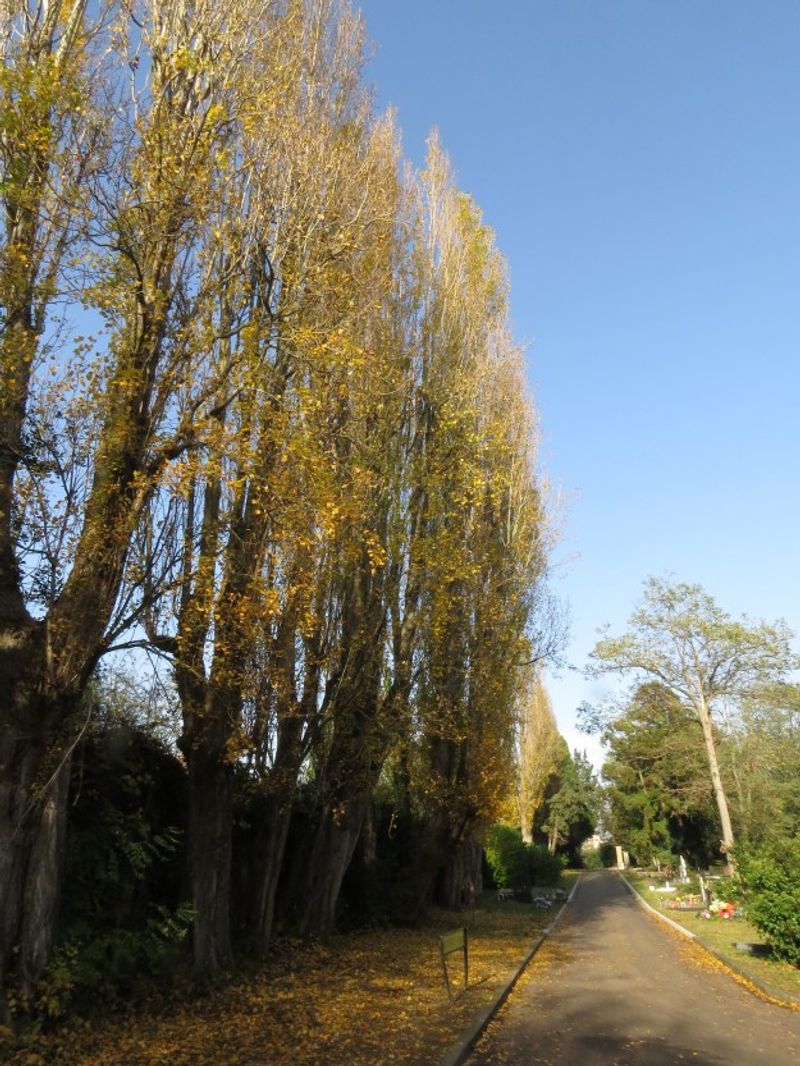
Tall, columnar shape makes these trees popular for creating quick vertical accents in landscapes. The narrow profile seems ideal for tight spaces where homeowners want height without width.
North Carolina property owners often plant them as fast-growing privacy screens along property lines.
Short lifespans mean these trees decline rapidly after just fifteen to twenty years in the ground. They become riddled with cankers, diseases, and pest infestations as they age poorly.
Replacement becomes necessary just when you expected them to be fully established and mature.
Aggressive root systems spread far beyond the narrow canopy, invading lawn areas and underground utilities. These roots grow thick and powerful, capable of damaging foundations, septic systems, and water lines.
Many North Carolina municipalities have stopped allowing them near streets because of infrastructure damage.
Brittle branches break off regularly during wind and ice events common throughout the state. The narrow growth habit makes them prone to splitting down the middle during storms.
When this happens, the entire tree often becomes unsalvageable and requires complete removal.
Constant suckering from the roots creates maintenance headaches across your entire yard. New shoots pop up far from the main trunk, requiring regular removal to prevent a thicket from forming.
These suckers can emerge through lawn areas, garden beds, and even beneath pavement in extreme cases throughout North Carolina landscapes.
10. Chinese Tallow Tree
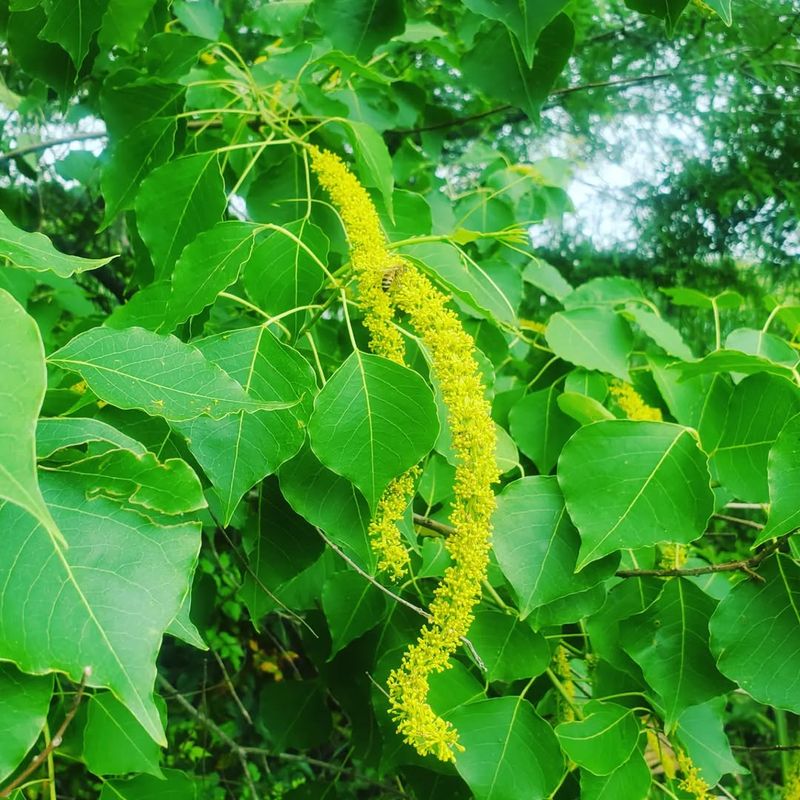
Brilliant fall foliage in shades of red, orange, and yellow makes this Asian import visually striking. The colorful display rivals native species, attracting homeowners seeking ornamental value for their North Carolina properties.
Small white seeds add winter interest with their waxy coating that resembles popcorn.
Highly invasive nature has led to this species being banned or discouraged throughout much of the southeastern United States. Seeds spread prolifically through bird droppings, creating new trees across natural areas and neighboring properties.
Environmental damage from this invasion threatens native plant communities throughout the state.
Shallow roots grow aggressively, competing with turf grass and other landscape plants for resources. These roots can lift pavement and interfere with underground utilities just like other problematic species.
Foundation damage becomes a concern when trees grow within thirty feet of homes.
Weak wood structure means branches break easily during storms, ice events, and even moderate winds. North Carolina weather patterns include enough severe conditions to make this brittleness a serious liability.
Cleanup becomes constant as twigs and branches litter your property throughout the year.
The waxy seeds create slippery conditions on sidewalks, driveways, and patios when they drop and get crushed underfoot. They also prove difficult to clean from gutters and can stain surfaces.
Many conservation groups across North Carolina actively encourage removal of existing trees to prevent further spread into natural areas and protected lands.
11. Mulberry Trees
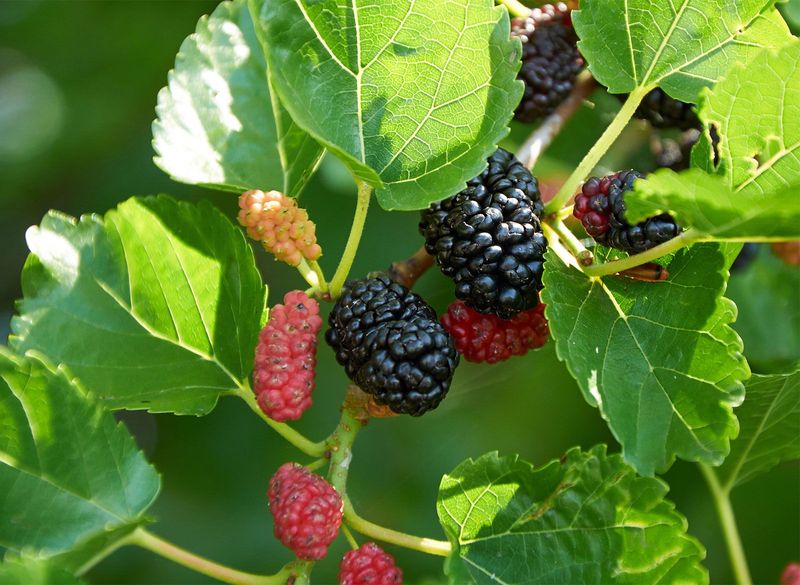
Sweet berries attract birds and wildlife, creating a lively atmosphere around your property during fruiting season. The shade canopy grows dense and spreading, offering relief from hot North Carolina summers.
Fast growth provides results quickly for homeowners seeking established trees without long waits.
Messy fruit drop creates the primary problem with these trees when planted near homes and paved surfaces. Purple-black berries fall for weeks, staining everything they touch with juice that resists removal.
Driveways, sidewalks, cars, and outdoor furniture all become targets for these persistent marks.
Birds feeding on the berries leave droppings everywhere, compounding the staining problem across your property. The combination of berry juice and bird waste creates a cleaning nightmare throughout the fruiting period.
North Carolina homeowners often underestimate how much mess these trees generate during peak season.
Pollen production ranks among the highest of any tree species, triggering allergies in sensitive individuals. Spring months bring heavy pollen loads that coat surfaces and drift through the air.
Many residents find outdoor activities unpleasant when mulberries are actively producing pollen nearby.
Roots grow vigorously and can damage foundations, sidewalks, and underground utilities over time. The spreading root system lifts pavement and competes with lawn grass throughout your yard.
Branches also extend wide, often growing over rooflines and requiring regular trimming to prevent damage to homes across the state.