Outdoor Greenhouses Massachusetts Homeowners May Need A Permit For
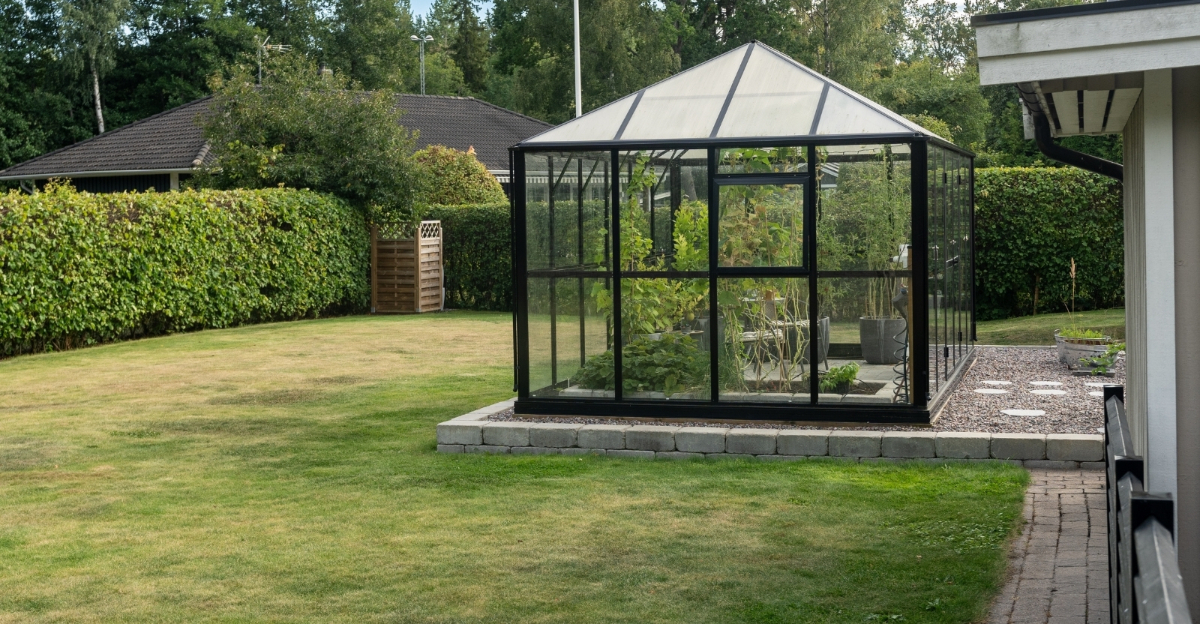
Outdoor greenhouses have been popping up across Massachusetts as homeowners look for more control over what they grow and when they grow it.
A clear roof and sturdy frame can feel like the perfect answer to cold snaps, short seasons, and unpredictable spring weather.
What often surprises people is that a greenhouse is not always viewed as a casual garden add-on once it goes up in the yard.
In many Massachusetts towns, these structures fall into the same conversation as sheds and other permanent outdoor additions.
Size, placement, and how long the greenhouse is meant to stay in one spot can quickly change how it is classified.
Something intended purely for plants can suddenly involve zoning rules and approvals that were never expected.
Backyards may feel private, but setbacks and property lines still play a role in what is allowed.
Most confusion comes from assuming gardening projects are automatically exempt from permits.
Knowing where greenhouses fall under local rules helps homeowners plan without unwanted interruptions.
That clarity keeps the focus on growing, not paperwork.
1. Permanent Outdoor Greenhouses
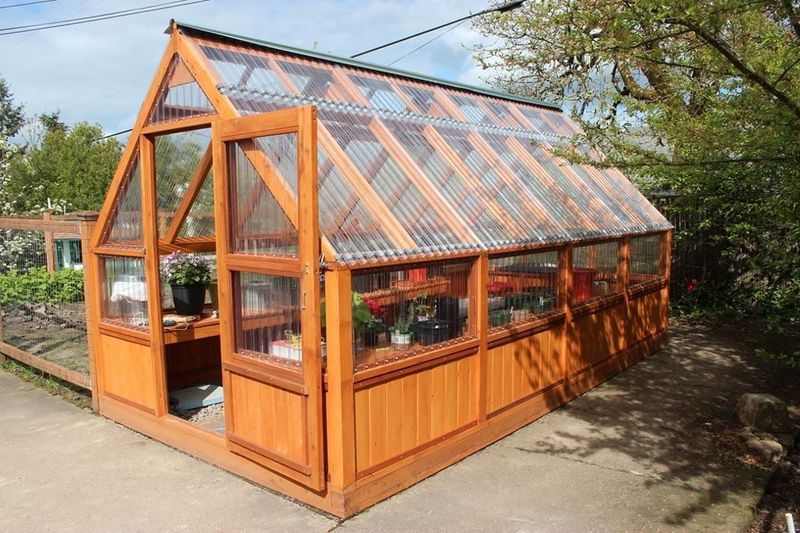
Most municipalities in Massachusetts treat permanent structures differently than temporary ones. A greenhouse designed to stay in place year-round usually falls under building codes that require official approval.
Local building departments want to make sure your structure meets safety standards and won’t cause problems for neighbors.
Permanent greenhouses often include concrete slabs or other long-lasting foundations. These features signal to inspectors that you’re creating something meant to last decades.
Building officials need to verify that your greenhouse can handle snow loads, which are especially heavy in Massachusetts winters.
Your town’s zoning officer will likely ask for detailed plans before issuing a permit. These plans should show dimensions, materials, and how the greenhouse sits on your property.
Some communities charge fees based on the size or estimated cost of construction.
Massachusetts weather can be harsh, so structural integrity matters greatly. Permits help ensure your greenhouse won’t collapse under heavy snow or blow away during storms.
Building inspectors check that your design meets local wind and snow load requirements.
Getting a permit might seem like extra work, but it protects your investment. Unpermitted structures can complicate home sales since buyers often request proof of proper permits.
Banks may also hesitate to refinance homes with unpermitted additions on the property.
Many homeowners find that the permit process also provides helpful guidance that improves the final build. Checking requirements early can save time, money, and stress once construction is underway.
2. Large Backyard Greenhouses
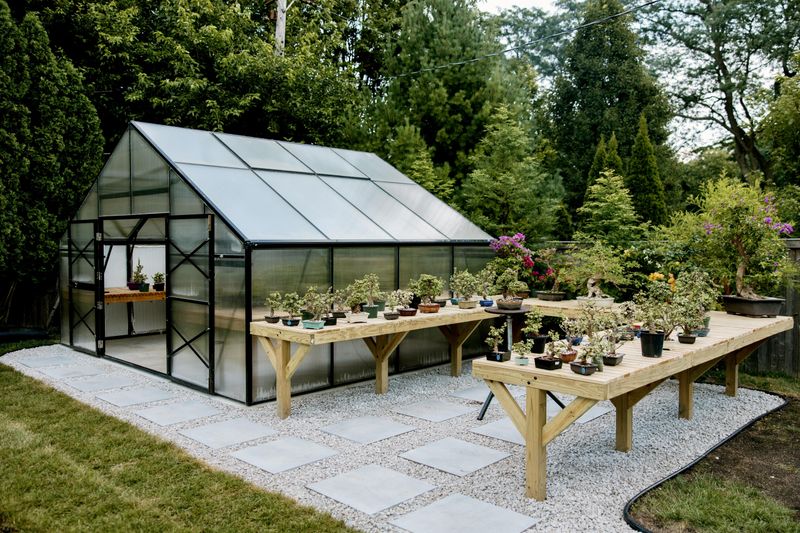
Size matters when it comes to permitting requirements across Massachusetts. Once your greenhouse exceeds a certain square footage, usually between 100 and 200 square feet depending on your town, you’ll need official approval.
Building departments set these thresholds to maintain neighborhood character and prevent oversized structures from dominating residential lots.
Larger greenhouses have greater impact on surrounding properties. They can block sunlight, create drainage issues, or simply look out of place in certain neighborhoods.
Permit reviews give neighbors a chance to raise concerns before construction begins.
Your Massachusetts Garden Changes Every Week. Your Plan Should Too.
Gardening in Massachusetts changes quickly throughout the season. Every Friday you’ll receive a simple weekly plan showing exactly what to plant, prune, fertilize, harvest, and protect so you never miss the right timing.
Your municipality may have specific rules about how much of your lot can be covered by structures. These coverage limits include your house, garage, shed, and greenhouse combined.
Exceeding these limits without permission can result in hefty fines or forced removal.
Massachusetts towns often require site plans for larger greenhouses. These drawings show where the greenhouse sits relative to property lines, existing buildings, and utilities.
Professional surveyors can create these plans if you’re not comfortable doing it yourself.
Some communities offer expedited permits for greenhouses under certain sizes. Check with your local building department to see if your project qualifies for simplified approval.
This can save time and reduce paperwork significantly.
3. Ground-Anchored Greenhouse Structures
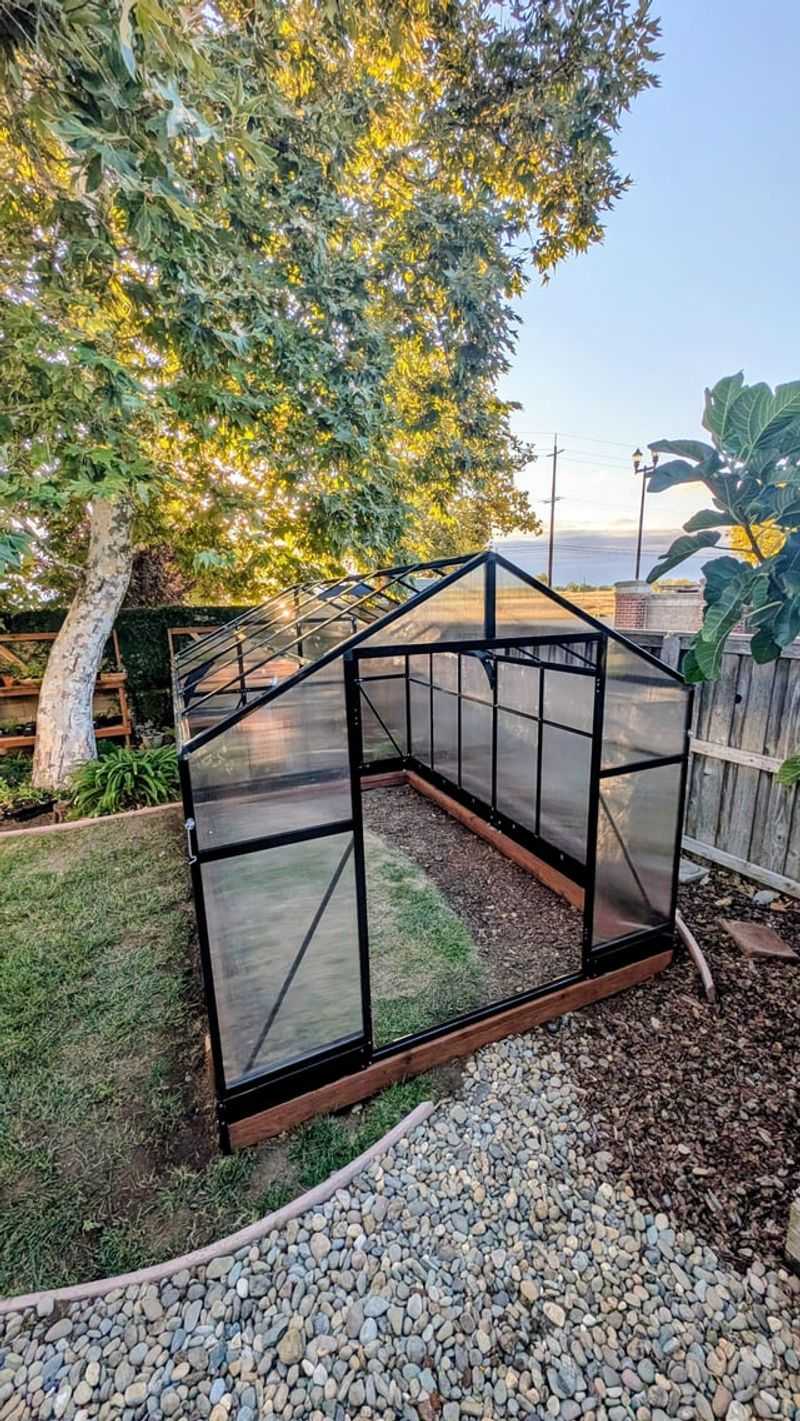
Anchoring your greenhouse to the ground creates a permanent installation that typically requires permits in Massachusetts. Ground anchors, concrete footings, or buried posts all signal that you’re building something meant to stay put.
Building departments want to review these installations to ensure they’re done safely and legally.
Massachusetts soil conditions vary greatly from sandy Cape Cod to rocky Worcester County. Proper anchoring methods differ based on your local soil type.
Permits ensure that your greenhouse is secured correctly for your specific location and won’t shift or sink over time.
Frost heave is a real concern in New England climates. Footings must extend below the frost line, which is typically 48 inches deep in Massachusetts.
Building inspectors verify that your anchoring system accounts for seasonal ground movement.
Some homeowners try to avoid permits by using temporary anchors or stakes. However, most building codes define structures by their intended use rather than their anchoring method.
If you plan to use your greenhouse year-round, it’s likely considered permanent regardless of how it’s secured.
Ground-anchored greenhouses often require inspections at various construction stages. Inspectors may need to see footings before they’re covered with concrete.
Planning for these inspection visits prevents delays and ensures your project stays on schedule.
Skipping this step can lead to fines or orders to remove the structure if it’s flagged later.
Confirming anchoring and permit rules ahead of time helps avoid costly fixes after installation.
4. Greenhouses Built With Fixed Foundations
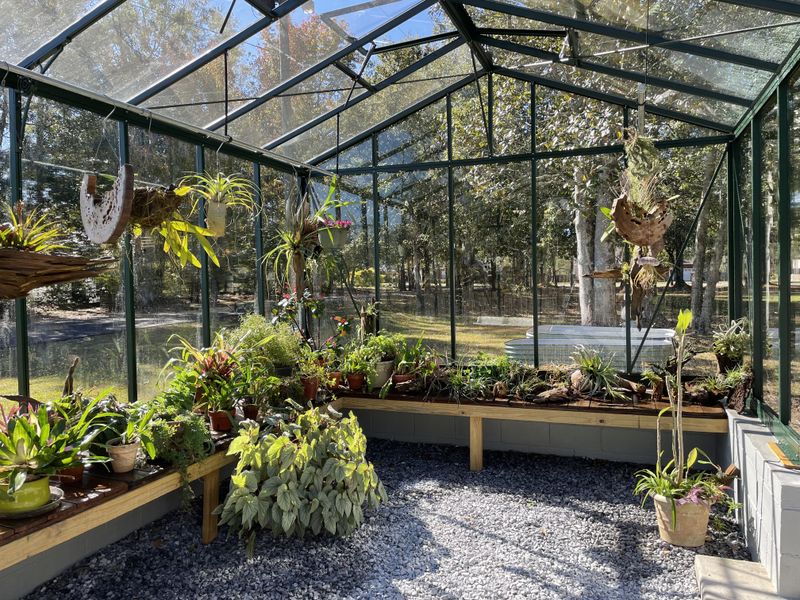
Any greenhouse sitting on a fixed foundation almost certainly needs a permit in Massachusetts communities. Concrete slabs, block foundations, or permanent wood platforms all count as fixed foundations.
These substantial bases indicate a serious, long-term structure that falls under building code jurisdiction.
Fixed foundations provide excellent stability but also create permanent changes to your property. Building departments want to ensure these changes comply with setback requirements and don’t interfere with underground utilities.
Permit applications typically require utility location information before approval.
Massachusetts building codes specify minimum foundation requirements for different structure types. Your greenhouse foundation must meet these standards to pass inspection.
Inadequate foundations can lead to structural failure, especially under heavy snow loads common in the region.
Pouring a foundation without a permit can create serious legal problems. If discovered later, you may need to remove the entire structure or pay substantial fines.
Some towns require retroactive permits that cost more than getting approval upfront.
Foundation permits often involve soil testing and engineering reviews. Clay soils require different foundation approaches than sandy or rocky ground.
Professional contractors familiar with Massachusetts requirements can help navigate these technical details and ensure your foundation meets all local standards for long-term performance.
5. Greenhouses Installed Near Property Lines
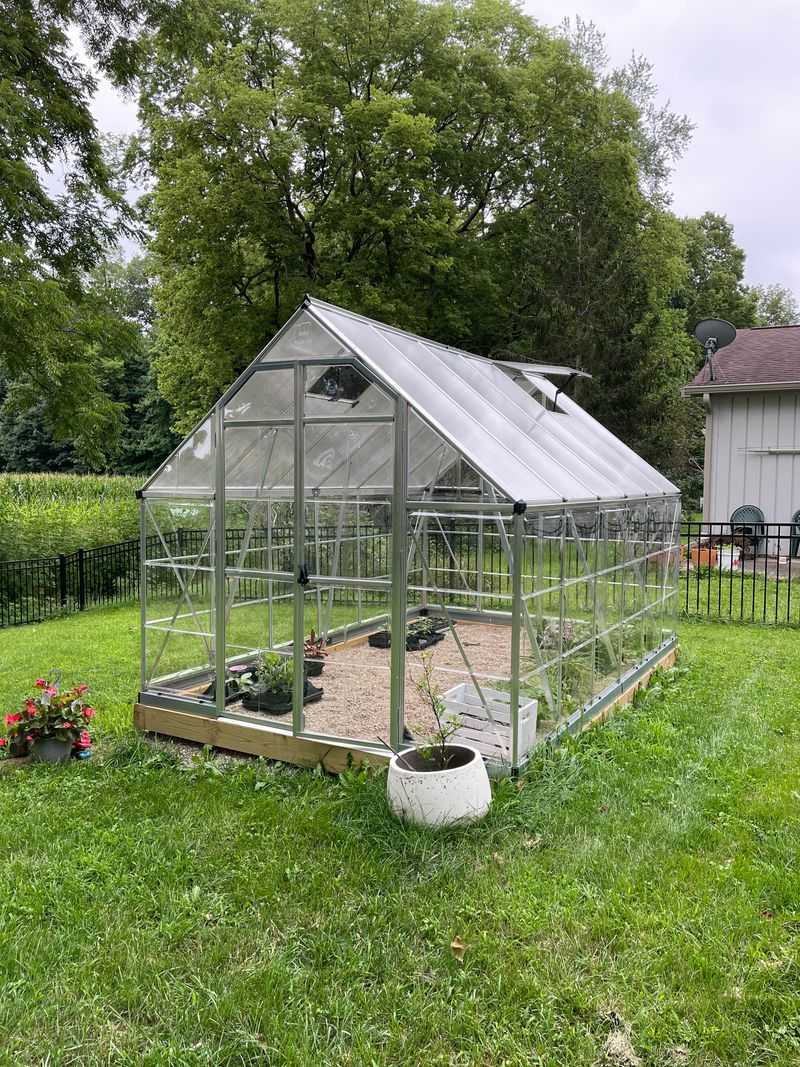
Setback requirements govern how close structures can be to property lines in Massachusetts. Most towns require greenhouses to sit at least 5 to 15 feet from boundary lines.
These rules prevent conflicts with neighbors and ensure adequate space for maintenance and emergency access.
Building too close to property lines can trigger complaints from neighbors. Even if you have a good relationship now, future property owners might object to a greenhouse that encroaches on setback areas.
Permits document that your structure meets all spacing requirements from the start.
Corner lots often have more restrictive setback rules in Massachusetts communities. Side yards facing streets may require larger setbacks than interior side yards.
Your local zoning office can provide specific measurements for your property’s configuration.
Some towns allow variance requests for structures that don’t meet standard setbacks. These requests require public hearings where neighbors can voice concerns.
The variance process takes longer than standard permits but may be your only option on smaller lots.
Survey stakes help you visualize setback boundaries before building. Many homeowners mistakenly assume their fence line marks the property boundary.
Professional surveys eliminate guesswork and prevent costly mistakes that could require moving or removing your greenhouse after construction is complete.
Ignoring setback rules can result in stop-work orders or demands to relocate the structure after it’s built.
Verifying distances with your town before construction helps you avoid disputes and protects your long-term use of the greenhouse.
6. Attached Or Connected Greenhouses
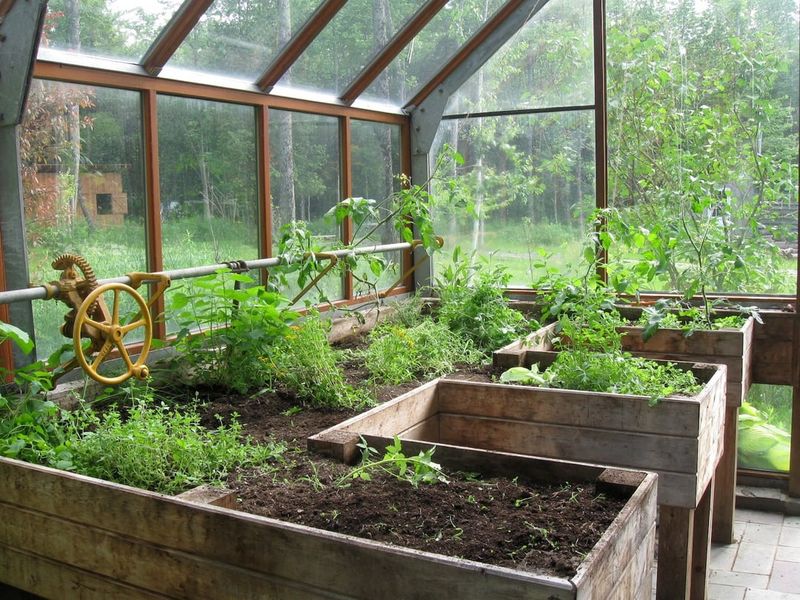
Connecting a greenhouse to your house creates a hybrid structure with unique permitting needs in Massachusetts. These attached greenhouses essentially become home additions and must meet residential building codes.
The connection point requires special attention to prevent moisture problems and ensure structural integrity.
Attached greenhouses affect your home’s heating and cooling systems. Building departments want to ensure these connections don’t create safety hazards or code violations.
Proper ventilation becomes especially important when humid greenhouse air meets your home’s interior spaces.
Massachusetts energy codes apply to attached greenhouses since they impact your home’s thermal envelope. Windows, doors, and wall sections connecting to the greenhouse must meet insulation standards.
These requirements protect your home’s energy efficiency and prevent excessive heating costs.
Fire codes also govern attached structures throughout Massachusetts. Your greenhouse connection must maintain required fire ratings and not create new fire hazards.
Some towns require fire-resistant materials at connection points between your house and greenhouse.
Attached greenhouses often increase your home’s assessed value for property tax purposes. This increase happens automatically once building permits are issued and inspections completed.
While this means higher taxes, it also reflects the added value and functionality your greenhouse brings to your Massachusetts property.
7. Greenhouses With Electrical Or Water Features
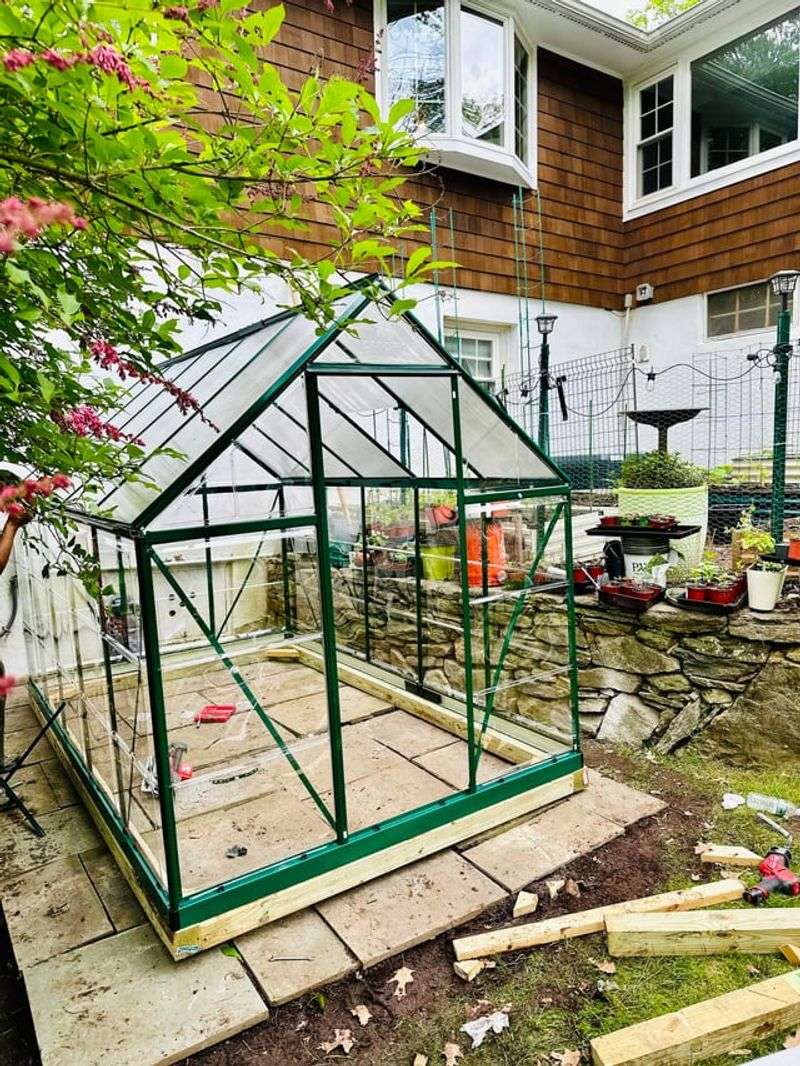
Adding utilities to your greenhouse triggers additional permitting requirements across Massachusetts. Electrical wiring requires permits from your local electrical inspector.
Running water lines or installing irrigation systems may need plumbing permits as well. These utility installations involve safety concerns that go beyond basic structure permits.
Massachusetts electrical codes are strict about outdoor installations. Your greenhouse wiring must use appropriate weatherproof materials and ground fault circuit interrupters.
Licensed electricians familiar with local codes can ensure your installation passes inspection the first time.
Water lines running to greenhouses must be protected from freezing in Massachusetts winters. Proper burial depth and insulation prevent costly burst pipes.
Plumbing permits verify that your water installation meets code requirements for outdoor structures.
Some homeowners try DIY utility installations to save money. However, unpermitted electrical or plumbing work creates serious liability issues.
If a fire or flood results from faulty DIY work, your homeowner’s insurance may deny claims for unpermitted modifications.
Utility permits typically require separate inspections from structure permits. Electrical inspectors check wiring before walls are closed up.
Plumbing inspectors verify proper installation and pressure testing. Coordinating these multiple inspections requires careful planning but ensures your greenhouse utilities function safely and reliably for years to come.
Failing to pull the proper utility permits can also delay final approval of your greenhouse project.
Handling electrical and plumbing requirements correctly from the start prevents safety risks and future legal complications.
8. Taller Or Multi-Section Greenhouses
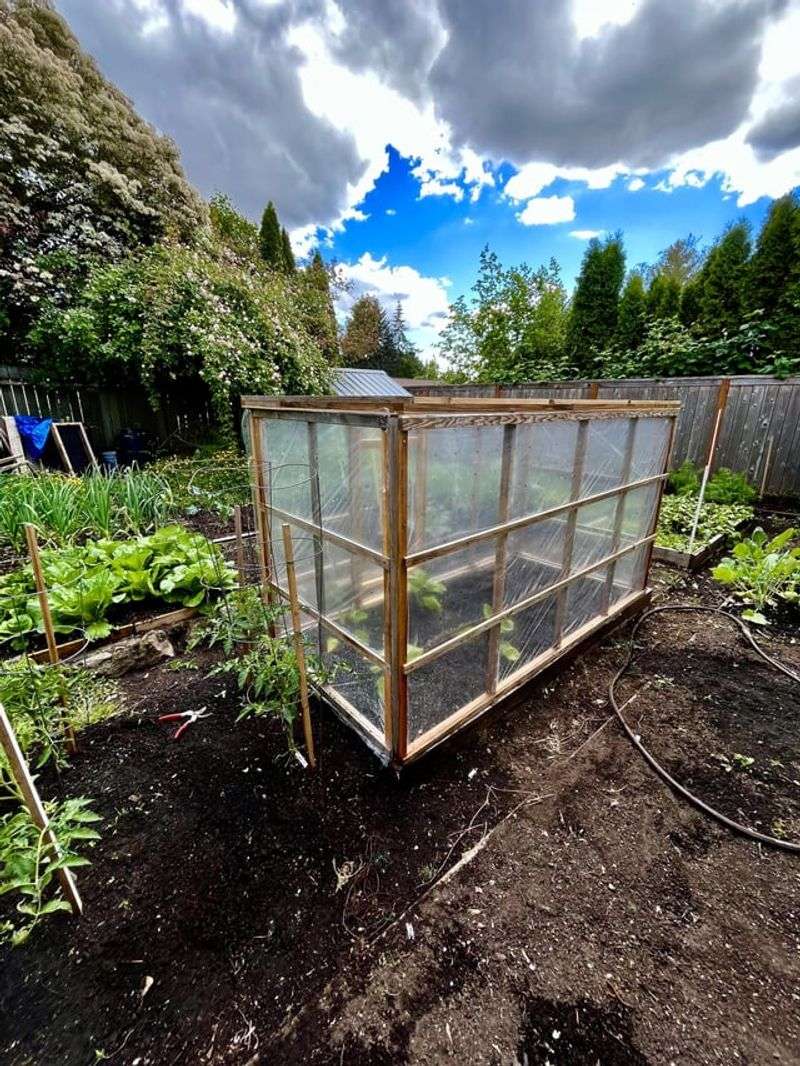
Height restrictions apply to accessory structures in most Massachusetts communities. Greenhouses exceeding 12 to 15 feet tall often require special permits or variances.
Multi-story or multi-section designs also attract closer scrutiny from building departments due to their increased complexity and visual impact.
Taller structures catch more wind and require stronger engineering in Massachusetts. Building codes account for wind loads that increase with height.
Your permit application may need to include engineering calculations proving your tall greenhouse can withstand local weather conditions.
Multi-section greenhouses with different roof heights create unique drainage challenges. Water runoff between sections must be properly managed to prevent foundation damage.
Building inspectors review these drainage plans as part of the permit approval process.
Some neighborhoods have strict height limits to preserve views and maintain character. Your tall greenhouse might block a neighbor’s sight line or cast shadows on their garden.
Permit reviews allow these concerns to be addressed before construction begins.
Massachusetts towns often measure height from average grade to the highest point. This measurement can be tricky on sloped lots where grade varies significantly.
Professional site plans with accurate elevation measurements help avoid disputes about whether your greenhouse exceeds height limits and ensure your design complies with all local regulations.
9. Greenhouses Located In Special Zoning Areas
Historic districts throughout Massachusetts impose additional restrictions on outdoor structures. Your greenhouse design may need approval from a historical commission before building permits are issued.
These reviews ensure new structures complement the historic character of your neighborhood.
Wetlands protection areas have strict rules about what can be built and where. If your property contains wetlands or buffer zones, your greenhouse location matters greatly.
Massachusetts wetlands regulations require permits from conservation commissions for work near protected areas.
Coastal properties face additional regulations from both local and state agencies. Greenhouses in coastal zones may need approval from conservation commissions and the Massachusetts Coastal Zone Management program.
These reviews protect fragile coastal environments from inappropriate development.
Flood zones require elevated structures or special foundation designs. Your greenhouse may need to sit on elevated platforms if located in FEMA flood zones.
These requirements protect your investment and reduce flood insurance costs for your property.
Agricultural zoning sometimes offers more flexibility for greenhouse construction in Massachusetts. However, you may need to prove agricultural use to qualify for these exemptions.
Commercial greenhouse operations face entirely different permitting processes than residential hobby greenhouses, so understanding your property’s zoning classification is essential before starting any greenhouse project.
Overlooking these extra layers of review can lead to project delays or denial after plans are already made.
Checking all applicable restrictions early helps you design a greenhouse that meets requirements without costly redesigns later.