Why Now Is The Right Time For North Carolina Gardeners To Propagate Roses

Rose propagation feels especially well timed for North Carolina gardeners right now, even if it does not look obvious at first glance.
Temperatures are settling into a range that encourages root development without pushing plants into stressful top growth.
Soil warmth lingers while the air cools slightly, creating balanced conditions roses respond to better than peak summer heat. Gardeners often notice cuttings establish more reliably when growth slows just enough to focus energy below the surface.
Humidity levels in North Carolina also tend to work in favor of propagation during this window, helping cuttings avoid drying out too quickly.
Roses taken at this time have a chance to form strong roots before harsher weather or extreme heat arrives.
That early root strength often shows up later as healthier plants with better flowering habits.
Many gardeners miss this window because propagation feels like a spring task, even though roses behave differently than most plants.
Starting now allows roses to settle in quietly instead of rushing growth under pressure.
Timing propagation this way gives North Carolina gardeners a calmer, more successful start without forcing results.
1. Seasonal Conditions That Favor Rose Propagation

Spring brings a combination of warmth and moisture that creates an ideal environment for starting new rose plants. North Carolina experiences a gradual warming trend that allows cuttings to develop roots without the stress of extreme heat or cold.
The soil begins to warm up, which encourages biological activity that supports young plants.
Humidity levels tend to stay higher during this season, preventing cuttings from drying out too quickly. Consistent rainfall means less manual watering and more natural hydration for developing roots.
This balance between temperature and moisture reduces the risk of rot or dehydration.
Gardeners across the state notice that spring conditions allow cuttings to establish themselves before summer heat arrives. The moderate temperatures keep plant tissues active without overwhelming them.
Root growth happens steadily, giving new plants a strong foundation.
Pests and diseases are less aggressive during this time compared to late summer. Fungal issues are easier to manage when the air is not too humid or stagnant.
This window of opportunity makes propagation more forgiving for beginners.
North Carolina’s climate zones vary, but most regions share this favorable spring pattern. Coastal areas and inland zones both benefit from the seasonal shift.
Taking advantage of these conditions now sets gardeners up for success later in the year.
2. How Temperature Patterns Support New Growth
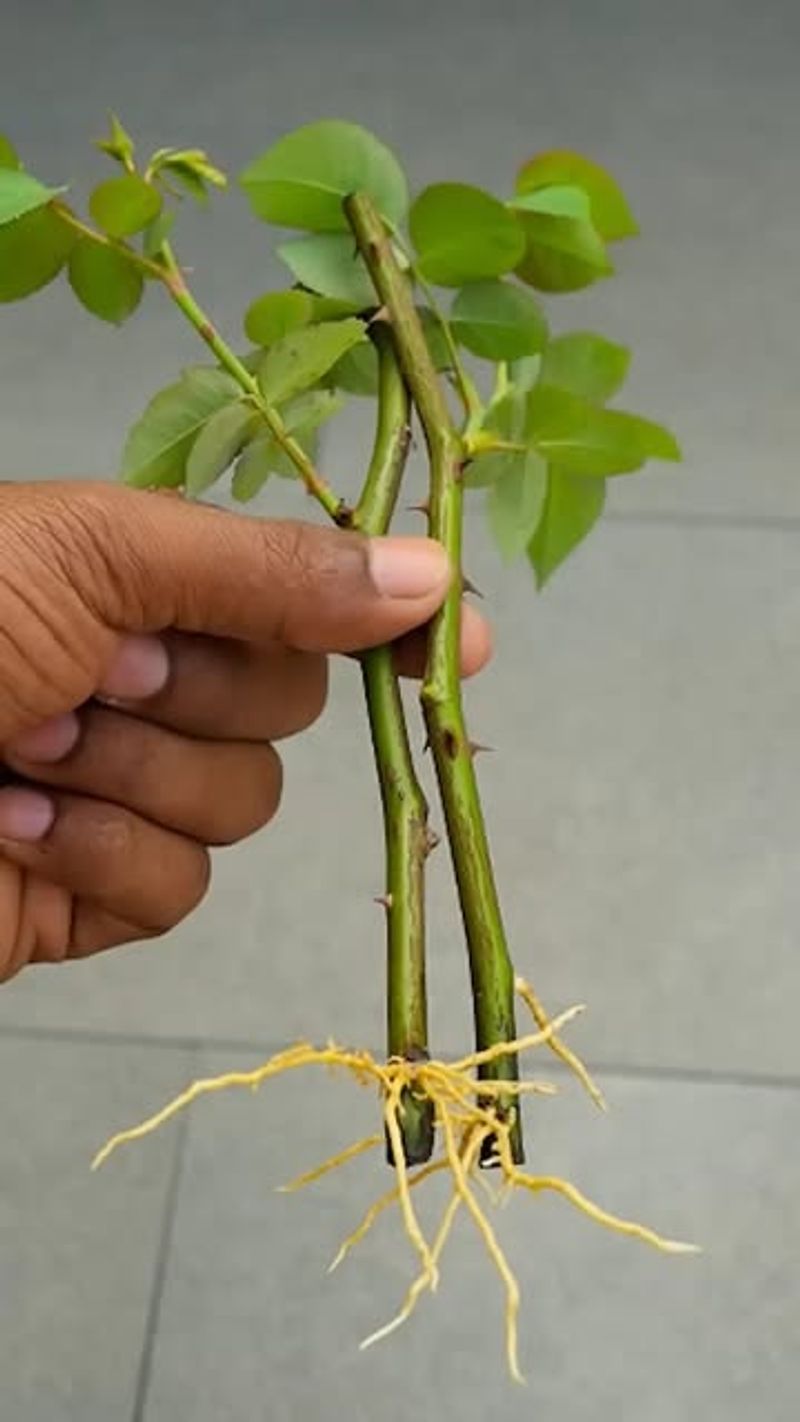
Warmth plays a critical role in activating the hormones that trigger root formation in rose cuttings. North Carolina sees daytime temperatures climbing into the comfortable range that encourages cell division without causing stress.
Nighttime temperatures remain cool enough to prevent excessive moisture loss through the leaves.
This daily temperature swing mimics the natural conditions that roses experience in their native habitats. Cuttings respond by producing callus tissue, which is the first step toward root development.
Stable temperatures help maintain this process without interruption.
Gardeners in the state often find that cuttings taken now show signs of new growth within a few weeks. The warmth stimulates buds to swell and leaves to unfurl, signaling that the plant is establishing itself.
Your North Carolina Garden Changes Every Week. Your Plan Should Too.
Gardening in North Carolina changes quickly throughout the season. Every Friday you’ll receive a simple weekly plan showing exactly what to plant, prune, fertilize, harvest, and protect so you never miss the right timing.
Cold snaps become less frequent as the season progresses, reducing the risk of setbacks.
Temperature consistency matters more than absolute heat. Rapid fluctuations can shock young plants and slow their progress.
North Carolina’s spring weather tends to be predictable, which supports steady development.
Monitoring local forecasts helps gardeners choose the best days to take cuttings. Avoiding unusually hot or cold periods increases success rates.
The current temperature patterns across the state align perfectly with what rose cuttings need to thrive.
Soil temperatures are also warming, which encourages faster root initiation once cuttings are placed in growing medium.
This combination of mild air temperatures and gently warming soil gives North Carolina gardeners a clear seasonal advantage.
3. Why Roses Respond Well During This Part Of The Year

Roses naturally enter a growth phase as days lengthen and temperatures rise, making them more receptive to propagation efforts. North Carolina gardeners benefit from this biological timing because the plants are already primed for expansion.
Hormones within the rose stems are at optimal levels for root initiation.
Cuttings taken during active growth have higher success rates than those taken during dormancy. The plant’s energy is directed toward producing new tissue, which includes roots.
This internal readiness makes propagation feel almost effortless when conditions align.
Spring growth also means that parent plants have plenty of healthy, vigorous stems to choose from. Selecting the right cutting material becomes easier when the plant is flush with new shoots.
North Carolina’s mild winters allow roses to recover quickly and produce strong growth early in the season.
The transition from dormancy to active growth triggers changes in the plant’s vascular system. Water and nutrients flow more freely, supporting the development of new roots on cuttings.
This physiological shift is why timing matters so much.
Gardeners who wait too long may miss this window of peak responsiveness. Roses can still be propagated later, but the process becomes more challenging.
Taking advantage of this natural growth surge now maximizes the chances of success across the state.
4. Soil And Moisture Factors That Matter Right Now
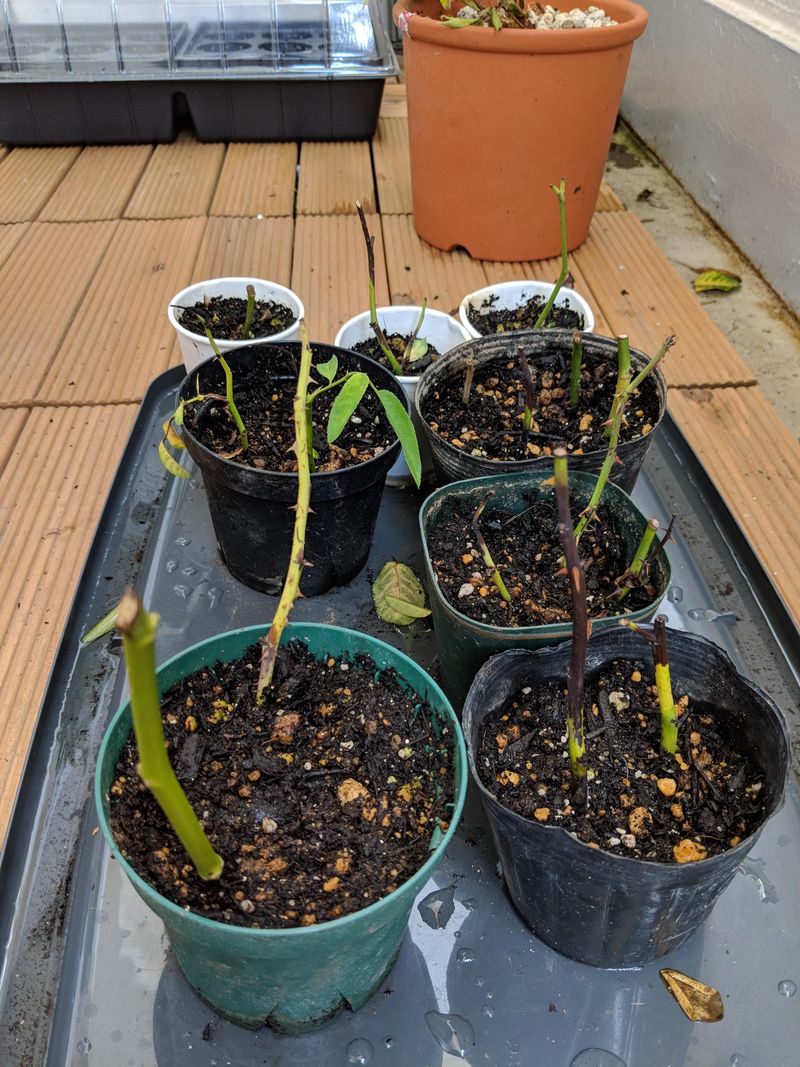
Well-draining soil is essential for rose propagation because it prevents waterlogged conditions that can harm delicate roots. North Carolina’s soil composition varies, but spring rains help soften the ground and make it easier to work with.
Adding organic matter improves texture and provides nutrients that support young plants.
Moisture levels need to stay consistent without becoming excessive. Spring typically brings regular rainfall, which maintains soil hydration naturally.
Gardeners across the state can rely on these conditions to keep cuttings hydrated without constant manual watering.
The balance between moisture and aeration allows roots to breathe while staying hydrated. Compacted or overly wet soil can suffocate developing roots and lead to failure.
North Carolina gardeners often amend their soil with compost or perlite to achieve the right consistency.
Soil temperature also influences root growth, and spring warmth penetrates the ground gradually. This gentle warming encourages roots to expand without shocking them.
Mulching around cuttings helps retain moisture and regulate temperature fluctuations.
Testing soil drainage before planting cuttings can save time and frustration later. Simple tests, like observing how quickly water soaks in, reveal whether adjustments are needed.
The current season provides an ideal opportunity to prepare beds and ensure conditions are perfect for propagation success throughout the state.
Healthy soil structure also reduces the risk of fungal issues that can affect newly planted cuttings.
With proper drainage and steady moisture, roots develop faster and establish more reliably.
5. The Role Of Daylight In Early Rose Development
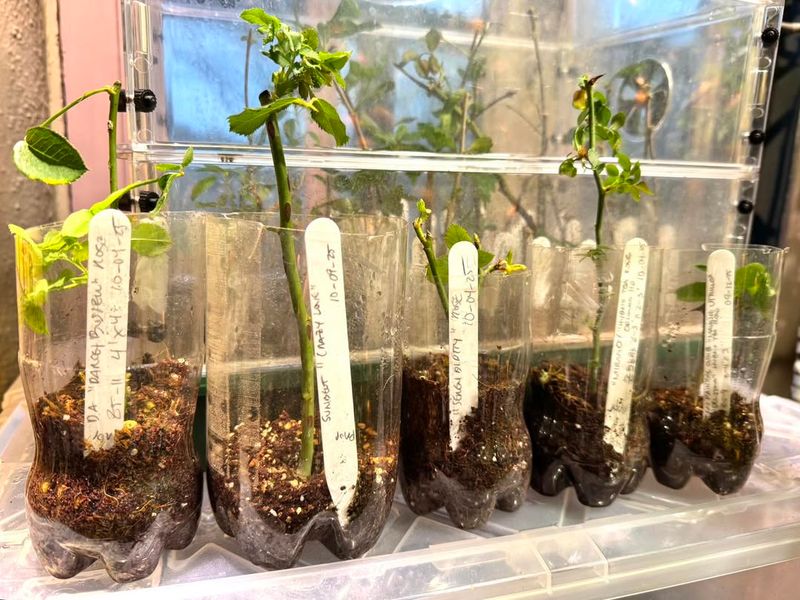
Longer days provide more hours of sunlight, which fuels photosynthesis and energy production in young rose plants. North Carolina experiences increasing daylight as spring progresses, giving cuttings the light they need to grow.
Photosynthesis generates the sugars that support root development and overall plant health.
Light intensity also matters, and spring sunlight is strong enough to drive growth without being harsh. Cuttings placed in locations with bright, indirect light tend to establish faster than those in deep shade.
North Carolina gardeners can take advantage of the changing angle of the sun to position their cuttings optimally.
Too much direct sun can stress cuttings before they develop roots, so partial shade is often ideal. Observing how light moves across the garden helps identify the best spots.
The current season offers a sweet spot where light is abundant but not overwhelming.
Daylight also influences plant hormones that regulate growth cycles. Longer days signal to the plant that conditions are favorable for expansion.
This hormonal response makes cuttings more likely to root successfully.
Gardeners in the state should monitor light exposure and adjust shading as needed. Simple structures like shade cloth can protect cuttings during the brightest part of the day.
Balancing light and shade now ensures that young roses get the energy they need without the risk of damage.
6. How Timing Affects Root Establishment
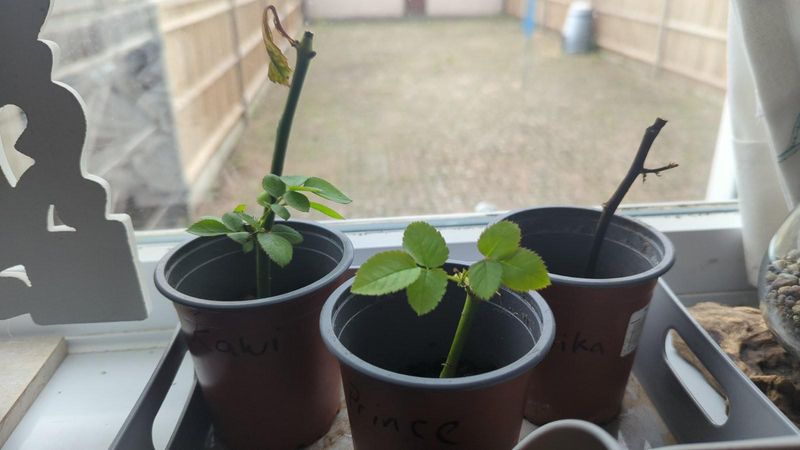
Starting propagation now gives cuttings several months to establish roots before the stress of summer heat arrives. North Carolina gardeners who act early set their plants up for long-term success.
Root systems need time to develop strength and reach deeper into the soil.
Delaying propagation reduces the window for root growth before temperatures climb. Young plants with shallow roots struggle in hot, dry conditions.
Acting now ensures that roots are well-developed by the time summer arrives.
The first few weeks after taking cuttings are critical for root initiation. Spring conditions support this delicate phase by providing consistent moisture and moderate temperatures.
North Carolina’s climate makes this timing particularly advantageous.
Root establishment also determines how well a plant can access nutrients and water. Stronger roots lead to healthier growth and better resilience against environmental stress.
Starting early gives roots the time they need to anchor the plant securely.
Gardeners across the state who wait until late spring or summer often face higher failure rates. The heat and dry conditions make it harder for cuttings to stay hydrated while developing roots.
Timing propagation to align with natural growth cycles maximizes success and minimizes frustration.
7. Common Rose Varieties That Adapt Well To Propagation

Hybrid tea roses are popular choices for propagation because they produce strong, healthy cuttings that root reliably. North Carolina gardeners often favor these varieties for their classic blooms and vigorous growth.
Floribundas also propagate well and offer clusters of flowers that brighten any garden.
Climbing roses respond beautifully to propagation, especially when cuttings are taken from newer growth. These varieties adapt to the state’s climate and can cover trellises or fences with stunning displays.
Shrub roses are another excellent option, known for their hardiness and low maintenance.
Old garden roses, including heirlooms, often root easily and bring historical charm to landscapes. North Carolina’s climate supports a wide range of rose types, making it a great place to experiment with propagation.
Miniature roses are also beginner-friendly and adapt well to container growing.
Selecting disease-resistant varieties increases the likelihood of success. Roses that thrive in the state’s humidity and temperature ranges are easier to propagate and maintain.
Local nurseries often carry varieties proven to perform well in the region.
Gardeners should choose cuttings from healthy, vigorous parent plants to ensure strong offspring. Avoiding plants with signs of disease or stress improves outcomes.
The variety of roses available to North Carolina gardeners makes propagation an exciting and rewarding endeavor.
8. Why Waiting Too Long Can Reduce Success

Procrastination can cost gardeners the ideal conditions that make propagation easier and more successful. North Carolina’s spring window is limited, and missing it means dealing with summer heat and dryness.
Cuttings taken in hot weather struggle to retain moisture and often wilt before roots form.
High temperatures increase water loss through leaves faster than young roots can replace it. This imbalance stresses the plant and reduces survival rates.
Spring’s moderate conditions prevent this problem by keeping evaporation in check.
Waiting also means competing with pests and diseases that become more active as the season progresses. Fungal infections and insect damage are harder to manage in the heat and humidity of summer.
Starting now reduces exposure to these risks.
Root development slows down when temperatures exceed the optimal range. Cuttings may take much longer to establish, or they may fail altogether.
North Carolina gardeners who act promptly avoid these complications.
The longer the delay, the less time plants have to mature before winter dormancy. Well-established plants handle cold better than those still developing.
Timing propagation correctly ensures that new roses are strong enough to survive their first winter in the state.
9. What North Carolina Gardeners Should Expect In The Weeks Ahead
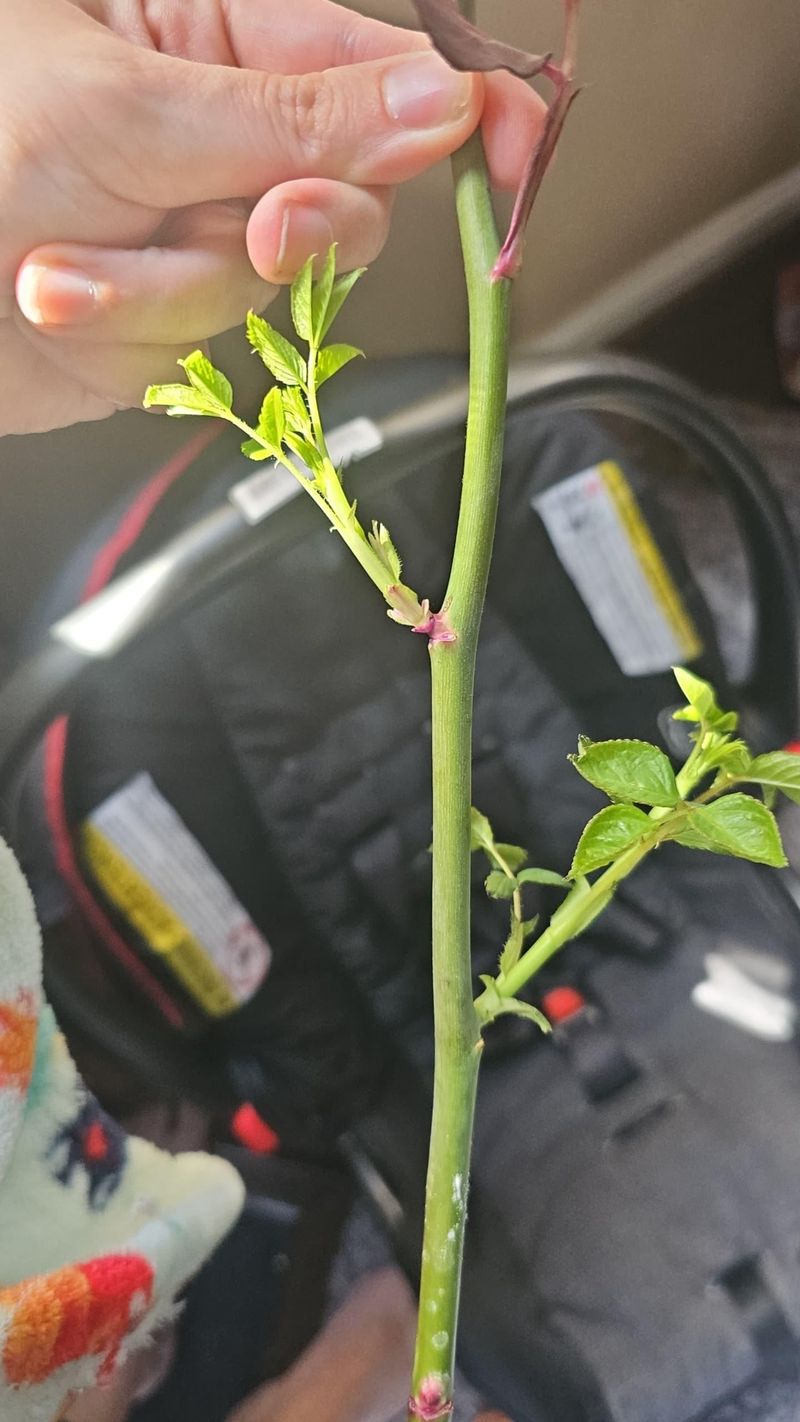
Cuttings typically show the first signs of new growth within two to four weeks if conditions are favorable. North Carolina gardeners can watch for small leaf buds or slight swelling at the nodes as indicators of success.
Patience is important because root development happens underground before visible growth appears.
Some cuttings may take longer than others, depending on the variety and environmental factors. Consistent care, including regular misting and monitoring soil moisture, supports the process.
Gardeners across the state should avoid disturbing cuttings during this critical phase.
By late spring, rooted cuttings can be gradually acclimated to more sun and less frequent watering. This hardening-off process prepares them for transplanting into permanent locations.
North Carolina’s warming weather makes this transition smooth and natural.
Expect some cuttings to fail despite best efforts, as propagation is never foolproof. Taking multiple cuttings increases the chances of getting several successful plants.
Learning from each attempt improves skills over time.
As summer approaches, established cuttings will begin to grow more vigorously. Gardeners can look forward to healthy young roses that will bloom in their first or second year.
The effort invested now pays off with beautiful, home-grown plants that thrive in the state’s unique climate.