9 Rhubarb Growing Tips New York Gardeners Get The Best Results From
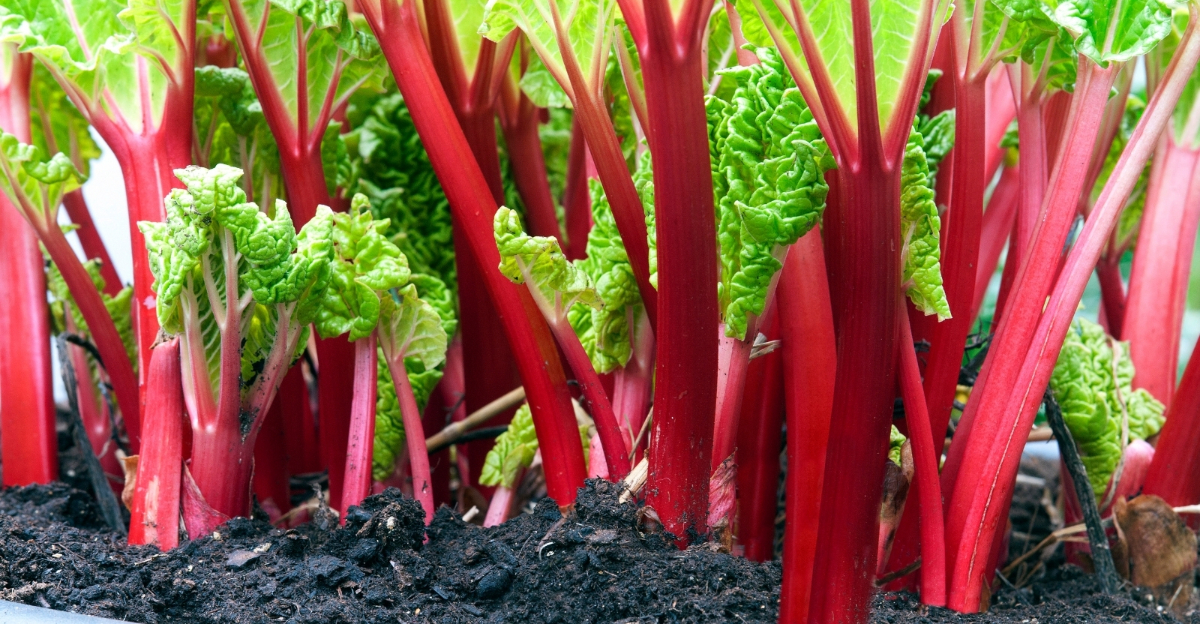
Rhubarb thrives in New York gardens when it’s given the right start, even though it often looks like a plant that can handle anything on its own.
Cold winters actually work in rhubarb’s favor, helping crowns reset and push stronger growth once spring arrives.
New York gardeners who get the best results usually focus on soil depth, drainage, and patience rather than constant attention.
Small adjustments early on can lead to thicker stalks and more reliable harvests year after year. With the right approach, rhubarb becomes one of the most dependable and rewarding plants in a New York garden.
1. Choosing A Suitable Location For Rhubarb Growth
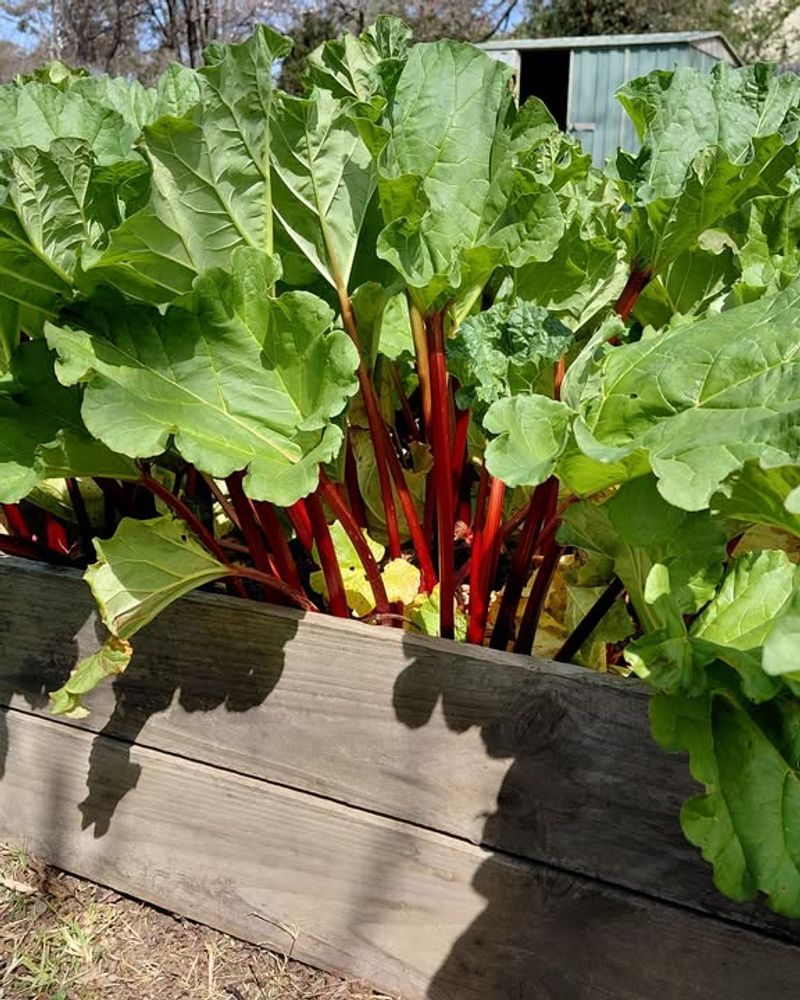
Sunlight plays a major role in how well your rhubarb plants develop throughout the growing season. Full sun exposure for at least six hours daily helps the plant produce thick, flavorful stalks that are ideal for cooking.
Partial shade can work in warmer microclimates, but too much shade leads to thin, weak growth.
New York gardeners often find that positioning rhubarb beds on the south or west side of a yard maximizes light exposure during spring and summer. Avoid planting near large trees or structures that cast long shadows.
Open areas with good air circulation reduce the risk of fungal issues.
Soil drainage is another critical factor when selecting a site. Rhubarb roots can rot if they sit in waterlogged soil for extended periods.
Raised beds or gently sloped areas work well in regions with heavy clay.
Wind protection matters more than many realize. Strong gusts can damage large leaves and stress the plant.
A location near a fence or hedge provides shelter without blocking light.
Accessibility is worth considering too. Frequent harvesting and maintenance become easier when the patch is close to your kitchen or garden shed.
Plan for long-term placement since rhubarb can thrive in the same spot for a decade or more.
Observing your yard throughout different seasons helps identify the best spot. Note where snow melts first in spring and where puddles form after rain.
These clues reveal drainage patterns and sun exposure.
Gardeners across New York have learned that taking time to choose the right location pays off with healthier plants and bigger harvests. A well-chosen site reduces future problems and makes care much simpler.
Consider proximity to water sources as well. Regular watering during dry spells becomes less of a chore when a hose or rain barrel is nearby.
Planning ahead saves effort later.
Marking potential sites with stakes and observing them over a few weeks can confirm your choice before planting begins.
2. Why Soil Conditions Matter For Long-Term Results
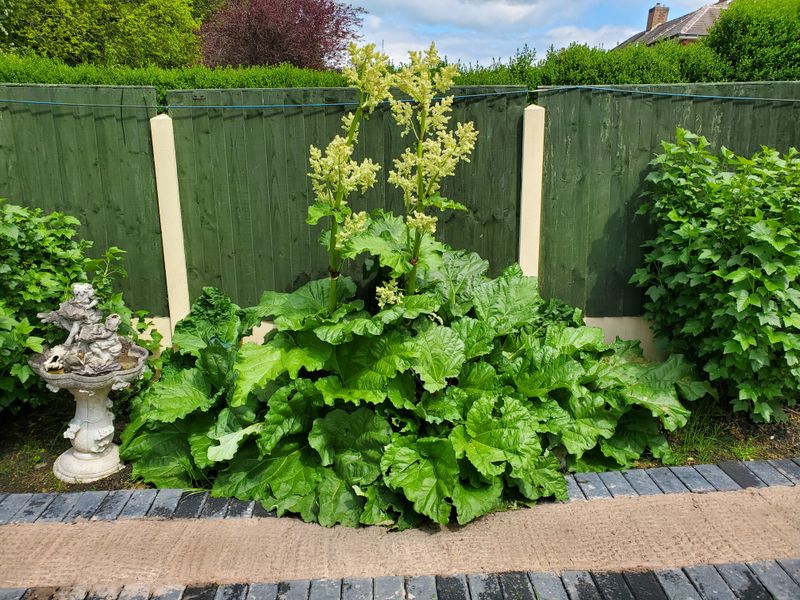
Healthy soil forms the foundation for vigorous rhubarb growth and consistent production over many years. Rich, loamy soil with plenty of organic matter supports strong root development and nutrient uptake.
Sandy or clay-heavy soils can be improved with compost, aged manure, or other amendments.
Testing your soil before planting reveals pH levels and nutrient deficiencies. Rhubarb prefers a pH between 6.0 and 6.8, which is slightly acidic to neutral.
Your New York Garden Changes Every Week. Your Plan Should Too.
Gardening in New York changes quickly throughout the season. Every Friday you’ll receive a simple weekly plan showing exactly what to plant, prune, fertilize, harvest, and protect so you never miss the right timing.
New York soils vary widely, so testing takes the guesswork out of amendments.
Adding compost each spring replenishes nutrients and improves soil structure. A two-inch layer worked into the top few inches around the plant base provides a steady supply of organic matter.
This practice also encourages beneficial microbes.
Drainage is just as important as fertility. Heavy clay soils hold too much water, while sandy soils dry out quickly.
Mixing in compost or peat moss helps balance moisture retention and drainage.
Mulching around plants conserves moisture and suppresses weeds. Straw, shredded leaves, or wood chips work well.
Keep mulch a few inches away from the crown to prevent rot.
Fertilizing in early spring with a balanced organic fertilizer supports new growth. Avoid over-fertilizing, which can lead to lush leaves but poor stalk quality.
Moderation is key.
Many gardeners in New York find that building soil health over time leads to the best results. Patience with soil improvement pays off as plants mature.
Healthy soil reduces the need for chemical interventions.
Observing how plants respond to amendments helps you adjust your approach each season. Yellowing leaves or slow growth can signal nutrient deficiencies.
Addressing these issues promptly keeps plants productive.
Long-term soil care transforms average plots into thriving rhubarb patches that produce reliably year after year.
3. How Climate Influences Rhubarb Performance

Cold winters and moderate summers in New York create ideal conditions for rhubarb, a crop that actually needs a period of freezing temperatures to thrive. This dormancy period allows the plant to rest and store energy for the next growing season.
Without sufficient cold, rhubarb struggles to produce well.
Spring temperatures that rise gradually encourage steady growth and thick stalks. Rapid temperature swings can stress plants and lead to bolting, where the plant sends up a flower stalk prematurely.
Consistent cool weather in early spring is ideal.
Summer heat affects how long the harvest season lasts. Once temperatures regularly exceed 80 degrees, stalk quality declines and plants slow down.
Gardeners often stop harvesting by midsummer to let plants recover.
Fall weather allows plants to rebuild strength before winter. Cooler temperatures and shorter days signal the plant to store nutrients in its roots.
Leaving foliage intact until it naturally declines supports this process.
Microclimates within your yard can extend or shorten the growing season. A spot that warms early in spring may produce harvestable stalks a week or two sooner.
Conversely, a cooler area might extend the harvest period.
Snow cover in winter acts as insulation, protecting roots from extreme cold and desiccation. New York winters typically provide enough snow for this natural protection.
In areas with less snow, mulching helps.
Late spring frosts can damage emerging leaves but rarely harm the crown. Plants usually recover quickly and send up new growth.
Covering plants with fabric during unexpected cold snaps offers extra protection.
Understanding local climate patterns helps you time planting, harvesting, and care tasks for maximum success. Regional differences across New York mean that what works in the Hudson Valley might differ slightly from practices in the Adirondacks.
4. The Importance Of Spacing For Mature Plants
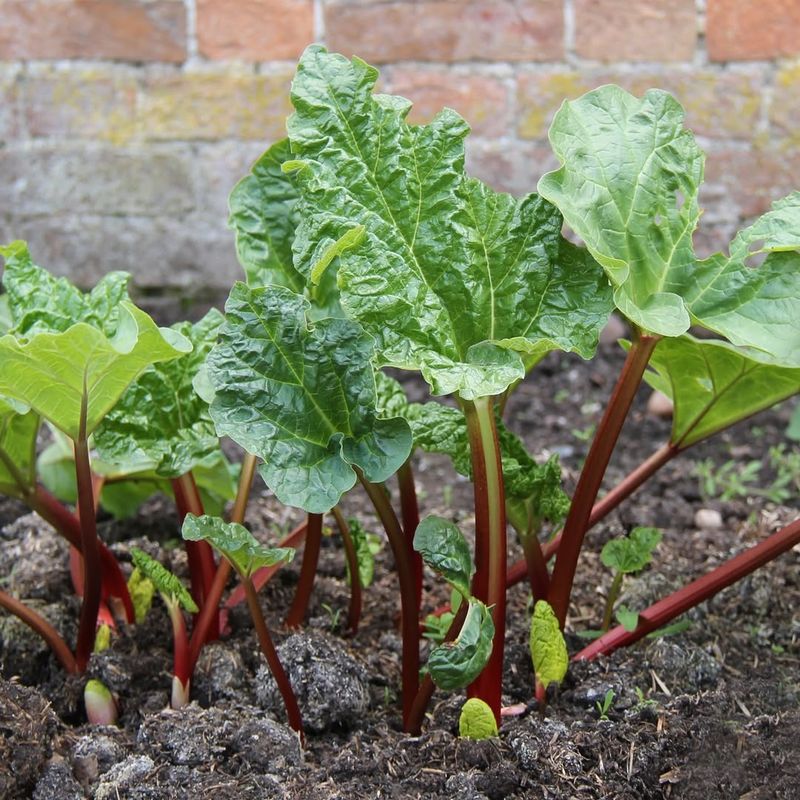
Mature rhubarb plants can spread three to four feet wide, so proper spacing from the start prevents overcrowding and competition. Planting crowns at least three feet apart in all directions gives each plant room to develop fully.
Cramped spacing leads to smaller stalks and increased disease risk.
Air circulation between plants reduces humidity around the foliage, which helps prevent fungal infections. Good airflow also allows leaves to dry quickly after rain or morning dew.
This simple step improves overall plant health.
Root systems expand underground as plants age, so adequate spacing ensures each plant has access to sufficient soil nutrients and moisture. Overlapping root zones force plants to compete, weakening them over time.
Generous spacing avoids this issue.
New York gardens often have limited space, but resisting the urge to plant too closely pays off as plants mature. A single well-spaced plant produces more usable stalks than two crowded ones.
Quality trumps quantity.
Planning for future growth when laying out a new rhubarb patch saves the hassle of relocating plants later. Moving established rhubarb is possible but stressful for the plant.
Getting spacing right initially is easier.
Pathways between plants make harvesting and maintenance more convenient. Leaving at least two feet for walking room lets you reach the center of each plant without stepping on roots or damaging leaves.
Companion planting can fill spaces between young rhubarb plants during the first year or two. Lettuce, radishes, or herbs make good temporary neighbors.
Once rhubarb matures, remove these companions to maintain proper spacing.
5. Seasonal Timing That Supports Healthy Development
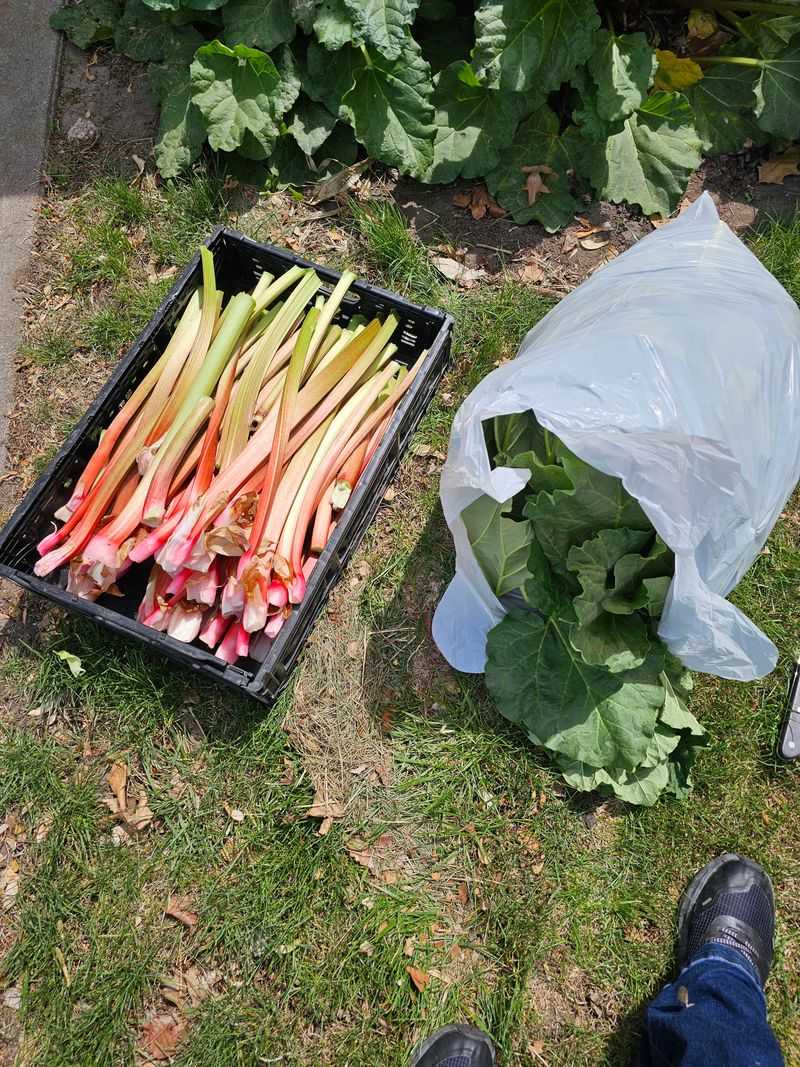
Planting rhubarb in early spring or fall gives roots time to establish before extreme weather arrives. Spring planting works well when soil can be worked easily and temperatures remain cool.
Fall planting allows roots to settle in before winter dormancy.
Harvesting should wait until the second year after planting to let young plants build strength. Taking stalks too early weakens the crown and reduces future productivity.
Patience during the first year sets the stage for decades of harvests.
Begin harvesting in spring when stalks reach ten to twelve inches long and are thick enough to snap cleanly. Stop harvesting by early July to allow plants to store energy for the next season.
This rest period is crucial for plant health.
Dividing crowns happens best in early spring or fall when plants are dormant. Digging up a mature clump and separating it into sections rejuvenates old plants and creates new ones.
New York gardeners often divide plants every five to eight years.
Applying mulch in late fall protects roots during winter and moderates soil temperature fluctuations. A three-inch layer of straw or shredded leaves works well.
Remove excess mulch in spring to let soil warm up.
Fertilizing in early spring, just as new growth emerges, provides nutrients when plants need them most. A second light application in early summer can support continued growth, but avoid late-season fertilizing that encourages soft growth vulnerable to cold.
Cutting back dead foliage in late fall or early spring keeps the garden tidy and removes potential disease harboring material. Wait until leaves have fully faded back naturally before removing them.
Timing flower stalk removal is important too. Cut off any flower stalks as soon as they appear to redirect energy into stalk production.
Flowering drains resources and reduces harvest quality.
6. Moisture Patterns That Affect Rhubarb Yield
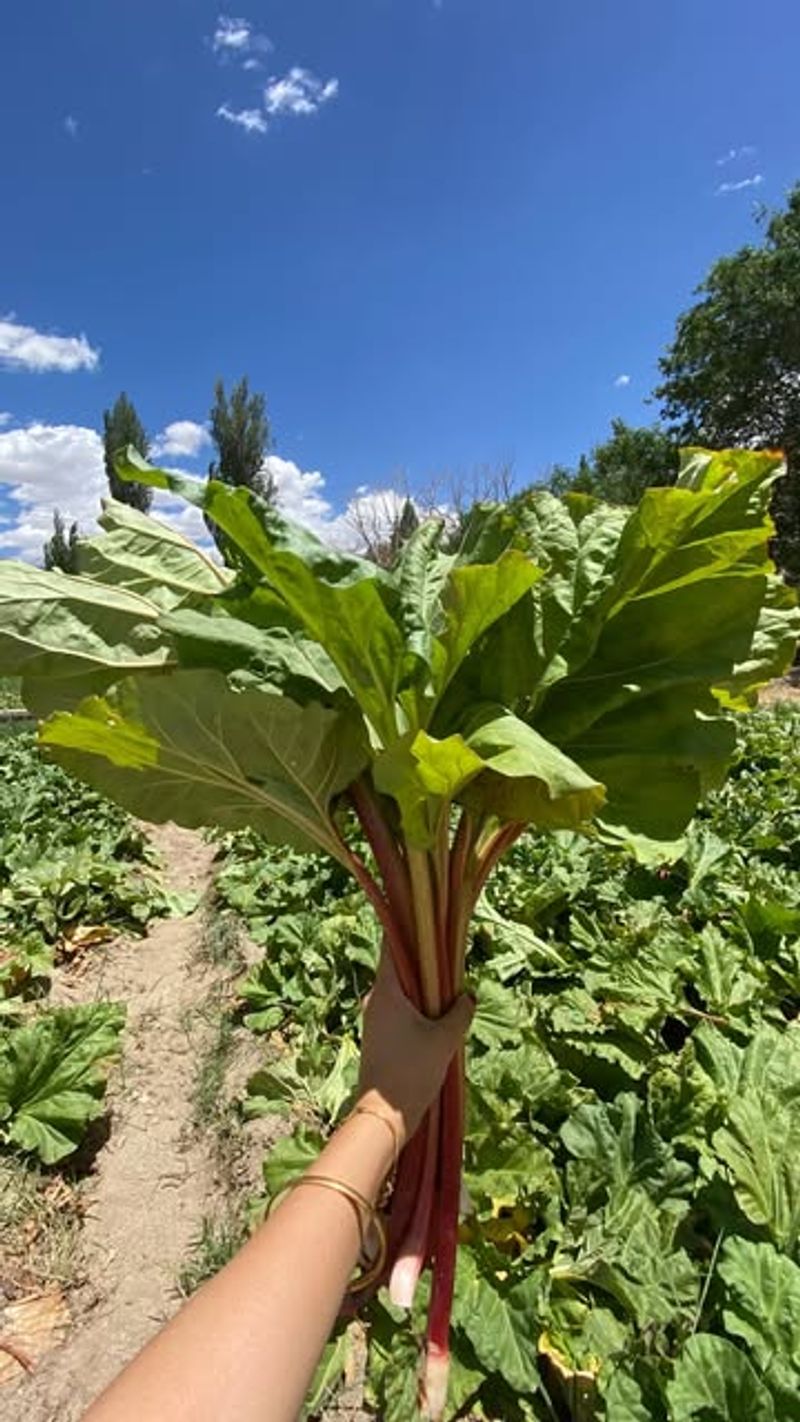
Consistent moisture throughout the growing season helps rhubarb produce tender, juicy stalks without becoming tough or stringy. Uneven watering stresses plants and reduces harvest quality.
Aim for about an inch of water per week from rain or irrigation.
Deep watering encourages roots to grow downward, making plants more drought-tolerant over time. Shallow, frequent watering keeps roots near the surface where they are vulnerable to heat and drying.
Water thoroughly but less often.
Mulching around plants conserves soil moisture and reduces the need for frequent watering. Organic mulches also break down over time, improving soil structure.
This dual benefit makes mulching a smart practice for New York gardeners.
Overwatering can be just as harmful as underwatering. Soggy soil suffocates roots and promotes rot.
Good drainage is essential, especially during spring when snowmelt and rain can saturate the ground.
Morning watering allows foliage to dry before evening, reducing the risk of fungal diseases. Wet leaves overnight create ideal conditions for pathogens.
Timing your watering makes a difference in plant health.
During hot, dry spells in summer, plants may wilt slightly in the afternoon but recover by evening. This is normal.
If wilting persists into the morning, it’s time to water. Learning to read your plants helps avoid over or underwatering.
Drip irrigation or soaker hoses deliver water directly to the root zone, minimizing waste and keeping foliage dry. These systems work well for rhubarb and can be automated for convenience.
Many New York gardeners find them worth the investment.
Rainwater is ideal for rhubarb since it’s free of chlorine and other chemicals found in tap water. Collecting rainwater in barrels provides a natural water source during dry periods.
It’s an eco-friendly option that plants appreciate.
7. Managing Competition From Nearby Plants
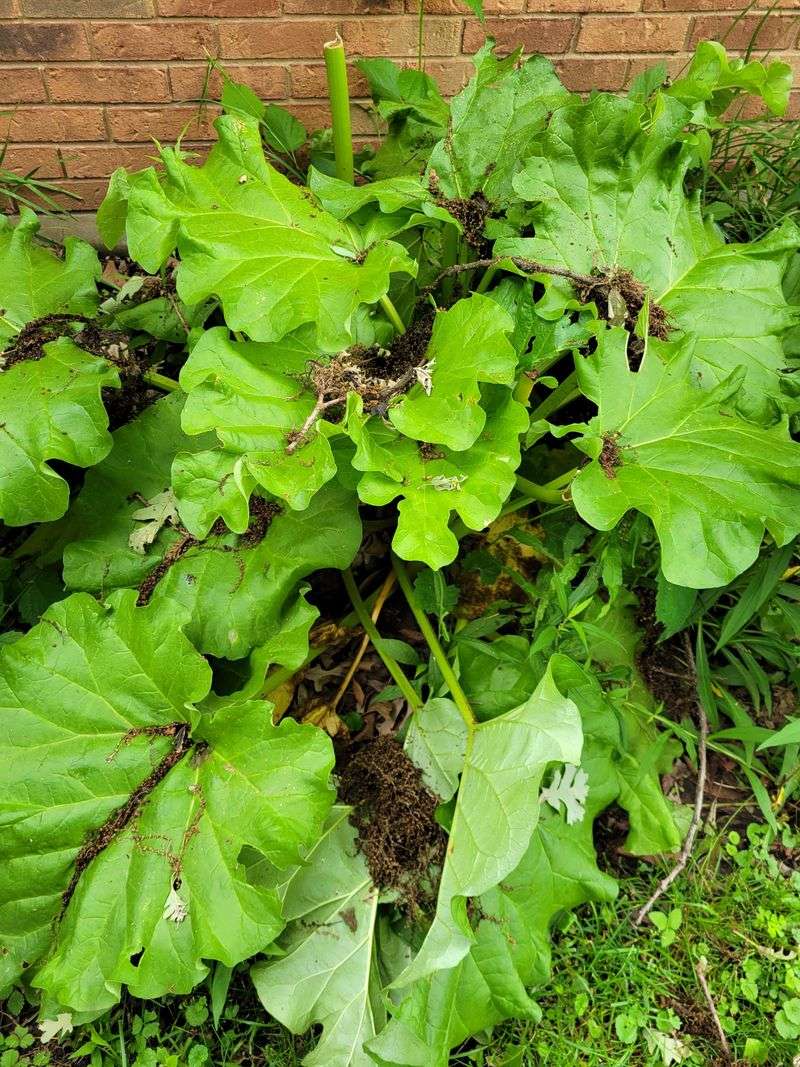
Weeds steal water, nutrients, and light from rhubarb, so keeping the area around plants clear is essential for strong growth. A weed-free zone extending at least a foot from the crown reduces competition.
Regular weeding is easier than battling established weeds later.
Grass roots can be particularly aggressive, creeping into rhubarb beds and competing for resources. Installing edging or creating a border between lawn and garden helps contain grass.
This simple barrier saves hours of maintenance.
Shallow-rooted annual flowers or herbs can coexist with young rhubarb, but remove them as the rhubarb matures and needs more space. Temporary companions should not compete for root space or block light.
Deep-rooted perennials planted too close can interfere with rhubarb roots. Choose neighbors carefully, considering mature size and root systems.
Plants with similar water and nutrient needs make better companions.
Mulch suppresses weed seeds and makes hand-pulling easier when weeds do appear. A thick layer of organic mulch creates a barrier that many weed seeds cannot penetrate.
Refresh mulch annually for best results.
Avoid using aggressive ground covers near rhubarb. Plants like mint or creeping thyme can quickly invade the rhubarb patch and become difficult to remove.
Keep vigorous spreaders at a safe distance.
New York gardeners often plant rhubarb in dedicated beds or along garden edges where competition can be easily managed. This strategic placement simplifies maintenance and gives plants the space they need.
Hand-weeding around the crown is safer than hoeing, which can damage shallow roots or the crown itself. Take care when working close to the plant.
Gentle methods protect your investment.
Keeping a vigilant eye on competition from the start prevents small problems from becoming major headaches as plants mature and become more difficult to work around.
8. How Consistent Care Improves Results Over Time
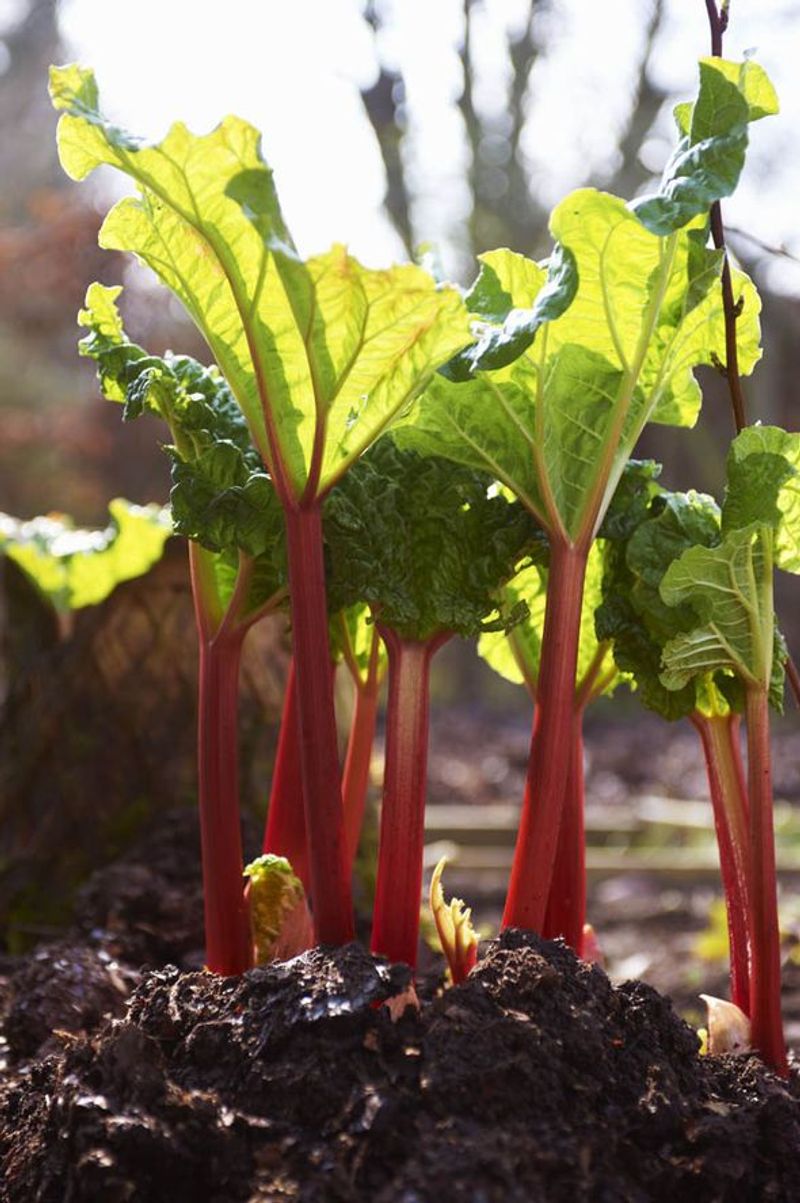
Regular attention to your rhubarb patch builds plant vigor and increases yields year after year. Small, consistent efforts add up to significant improvements in plant health and productivity.
Neglecting routine care leads to declining performance over time.
Annual fertilizing replenishes nutrients that plants remove from the soil during growth and harvest. A balanced organic fertilizer applied in spring supports robust stalk production.
Skipping this step eventually depletes soil fertility.
Removing flower stalks promptly keeps energy focused on stalk production rather than seed development. Checking plants weekly during the growing season ensures you catch flower stalks early.
This simple task makes a noticeable difference in harvest size.
Dividing crowns every five to eight years rejuvenates aging plants and prevents overcrowding.
Older clumps become less productive as the center thins out.
Division restores vigor and creates new plants for expanding your patch.
Monitoring for pests and diseases allows you to address problems before they become serious. Early intervention is often more effective and requires less drastic measures.
Regular observation is key to prevention.
Keeping records of planting dates, harvest amounts, and care activities helps you refine your approach over time. Noting what works and what doesn’t guides future decisions.
Many New York gardeners keep simple garden journals for this purpose.
Mulching, watering, and weeding on a regular schedule prevents tasks from becoming overwhelming. A little maintenance each week is easier than tackling a neglected patch monthly.
Consistency makes gardening more enjoyable.
Adjusting care based on plant response shows you’re paying attention and willing to adapt.
Plants communicate their needs through growth patterns and appearance. Learning to read these signals improves your success rate.
9. What New York Gardeners Notice As Plants Mature
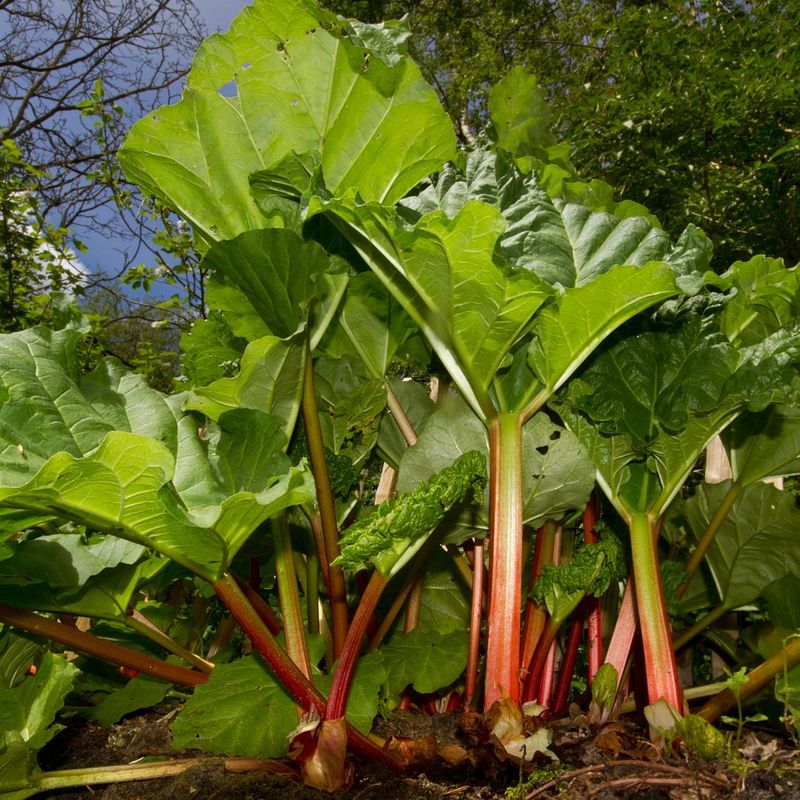
Established rhubarb plants become more productive and resilient with each passing year, often hitting peak production between years three and eight. Stalks grow thicker and more numerous as the crown expands.
This increasing yield is one of the rewards of growing perennials.
Leaf size increases dramatically as plants mature, sometimes reaching two feet across. These large leaves shade the soil around the plant, naturally suppressing weeds and conserving moisture.
Mature plants require less intensive care than young ones.
Root systems deepen and spread, allowing plants to access water and nutrients from a larger soil volume. This makes established plants more drought-tolerant and less dependent on supplemental watering.
Deep roots also anchor plants against wind.
The crown widens over time, producing more growing points and therefore more stalks each spring.
A mature crown can yield a dozen or more harvestable stalks at once. This abundance makes preservation methods like freezing or canning worthwhile.
Flavor can intensify as plants age, with some gardeners reporting that stalks from older plants have a richer, more complex taste. Soil improvements over the years may contribute to this enhanced flavor.
Well-fed plants often taste better.
New York gardeners notice that older plants tolerate environmental stresses better than young ones. Established roots and stored energy reserves help plants weather drought, heat, or cold snaps.
Maturity brings stability.
The need for division becomes apparent when the center of the crown starts to decline or when stalk size decreases despite good care. These signs indicate it’s time to dig, divide, and replant.
Refreshing the planting rejuvenates productivity.
Watching plants mature over years creates a sense of connection and accomplishment.
The transformation from a small crown to a robust, productive plant is satisfying. Long-term gardening offers rewards that annual crops cannot match.