These Stone Landscaping Choices Make Upkeep Easier For Utah Properties
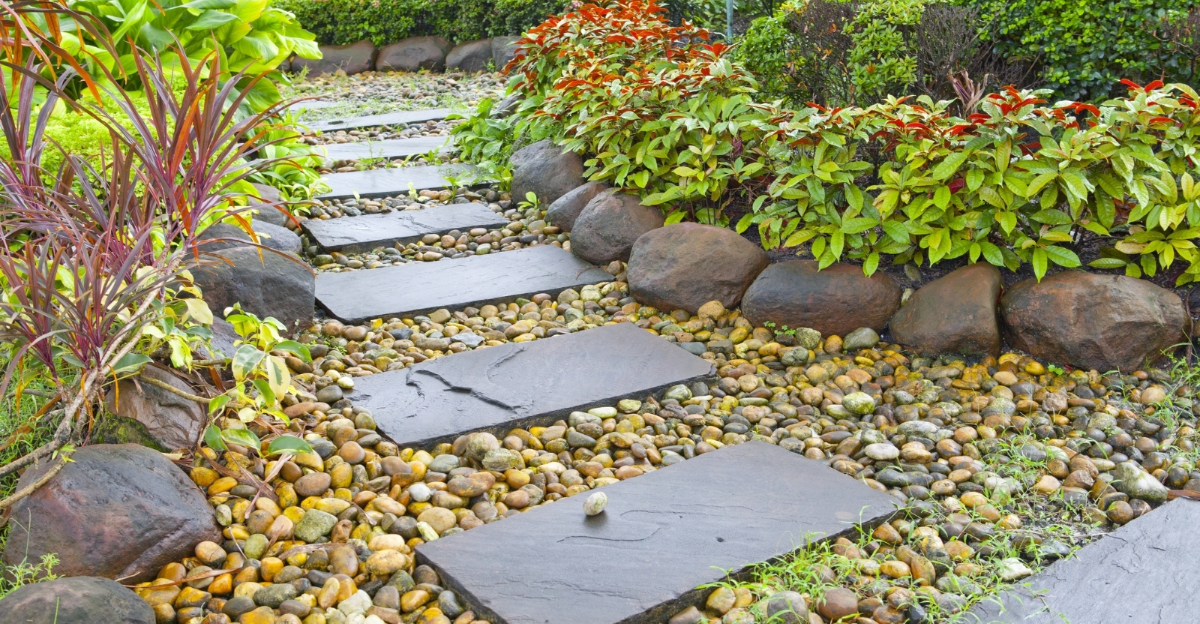
Stone landscaping has become a practical go-to for Utah properties where weather, soil, and upkeep can quickly become frustrating.
Hot summers, cold winters, and dry conditions make traditional lawns and delicate plantings harder to maintain year after year.
Stone features handle Utah’s climate far better, staying stable through temperature swings without constant care. Gravel, rock, and stone ground cover reduce watering needs while keeping outdoor spaces looking intentional and clean.
Many homeowners notice that stone landscaping cuts down on weeds, erosion, and ongoing maintenance chores.
Instead of weekly mowing or seasonal repairs, these materials hold their shape and function with minimal effort.
Stone paths, borders, and beds also help manage drainage during sudden storms and snowmelt.
For Utah properties, stone landscaping often turns outdoor upkeep from a recurring task into something far more manageable.
1. Gravel Ground Cover
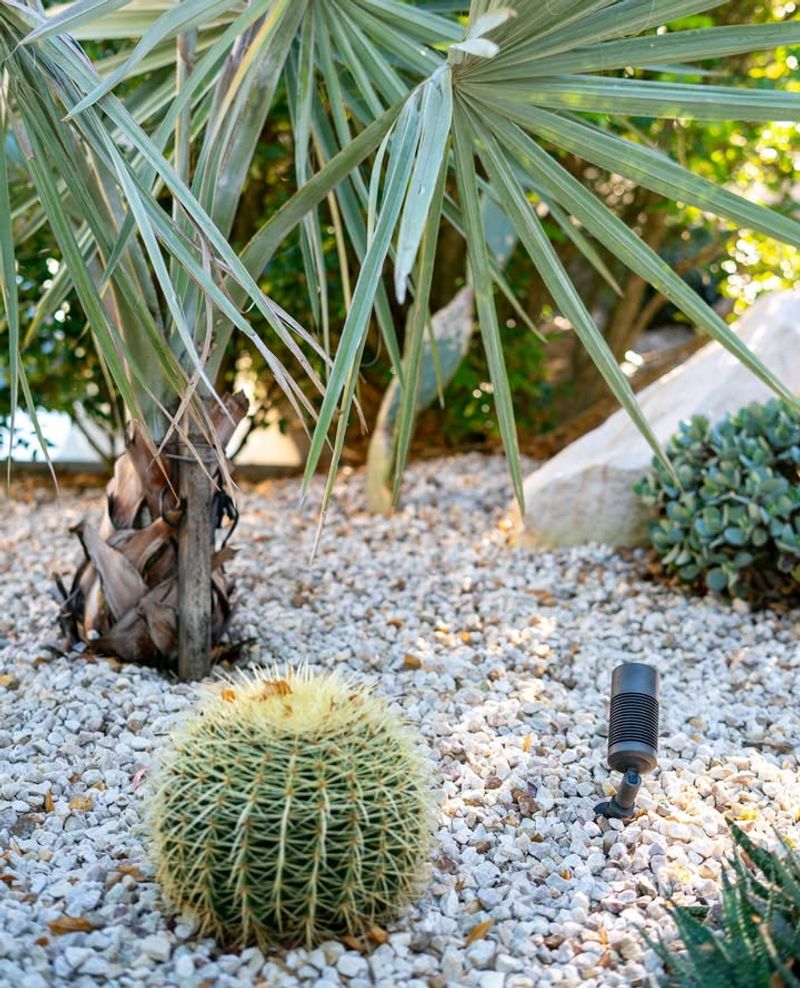
Property owners across Utah have discovered that switching to gravel can transform their outdoor maintenance routine completely. Traditional grass lawns demand constant watering, mowing, and fertilizing, which adds up to serious time and money spent every season.
Gravel eliminates all of those headaches while creating a clean, organized look that works with any home style.
Different gravel types offer various benefits depending on your specific needs and aesthetic preferences. Pea gravel creates a softer, rounded appearance that feels comfortable underfoot, while crushed granite provides excellent drainage and stays in place better during windstorms.
Angular gravel pieces lock together naturally, preventing the shifting and spreading that sometimes happens with rounder stones.
Water conservation becomes effortless when you replace thirsty grass with gravel coverage throughout your yard. Utah’s dry climate makes water restrictions common during summer months, and gravel helps you stay within usage limits without sacrificing curb appeal.
Rainwater penetrates through gravel layers easily, reducing runoff and helping groundwater recharge naturally.
Weed control improves dramatically when you install landscape fabric beneath your gravel layer.
The fabric blocks sunlight from reaching weed seeds while still allowing water to pass through to the soil below.
Any weeds that do manage to poke through are easily spotted and removed before they establish deep root systems.
Color options for gravel range from neutral tans and grays to warmer reds and browns that complement Utah’s natural landscape. Lighter colors reflect heat during summer, keeping surrounding areas cooler, while darker tones absorb warmth and create visual contrast against buildings.
Mixing different gravel sizes and colors creates interesting textures and patterns that add character to plain areas.
2. Crushed Stone Pathways
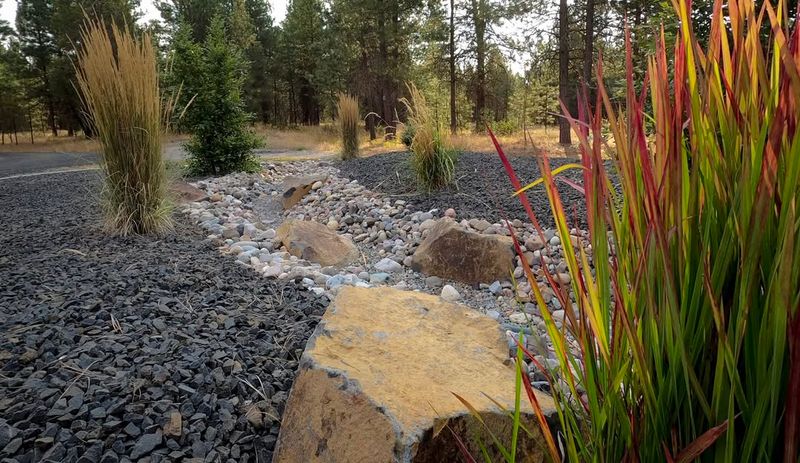
Walking paths made from crushed stone deliver both practical function and attractive design without demanding regular upkeep. Unlike concrete that cracks over time or wood chips that decompose and scatter, crushed stone stays put and handles foot traffic beautifully for years.
The angular edges of crushed stone pieces interlock naturally, creating a stable surface that doesn’t shift under your feet.
Drainage becomes automatic with crushed stone pathways since water flows right through the spaces between individual pieces. Utah’s occasional heavy rainstorms won’t create puddles or muddy messes along your walking routes.
Your Utah Garden Changes Every Week. Your Plan Should Too.
Gardening in Utah changes quickly throughout the season. Every Friday you’ll receive a simple weekly plan showing exactly what to plant, prune, fertilize, harvest, and protect so you never miss the right timing.
This natural drainage also prevents ice buildup during winter months, making paths safer when temperatures drop below freezing.
Design flexibility lets you create curved, straight, or meandering pathways that guide visitors through your property exactly as you envision.
Crushed stone adapts to any shape without the forms, mixing, and curing time that concrete requires. You can adjust pathway width based on usage, making narrow garden trails or wide main walkways with equal ease.
Material choices include limestone, granite, basalt, and other stone types that each bring unique colors and textures to your landscape.
Limestone offers neutral tones that brighten shady areas, while darker basalt creates dramatic contrast against light-colored homes. Utah homeowners often choose stones that echo the natural geology visible in nearby mountains and canyons.
Installation moves quickly since crushed stone pathways don’t require the same extensive groundwork as paved surfaces.
Basic excavation, landscape fabric, and a border to contain the stone are all you need to create professional-looking results.
3. River Rock Accents
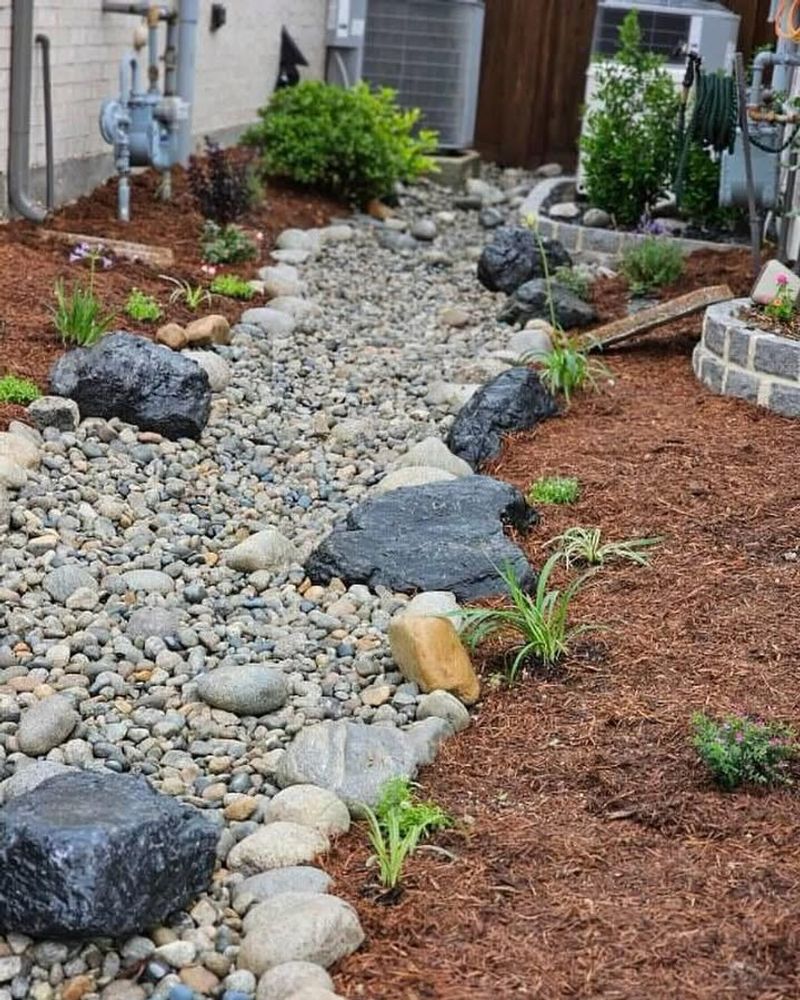
Smooth, rounded river rocks bring visual interest and natural beauty to landscapes without creating additional work for property owners. These water-worn stones come in countless sizes, from tiny pebbles to large statement pieces that anchor garden beds.
Their polished surfaces and varied colors create focal points that draw the eye and break up monotonous expanses of gravel or mulch.
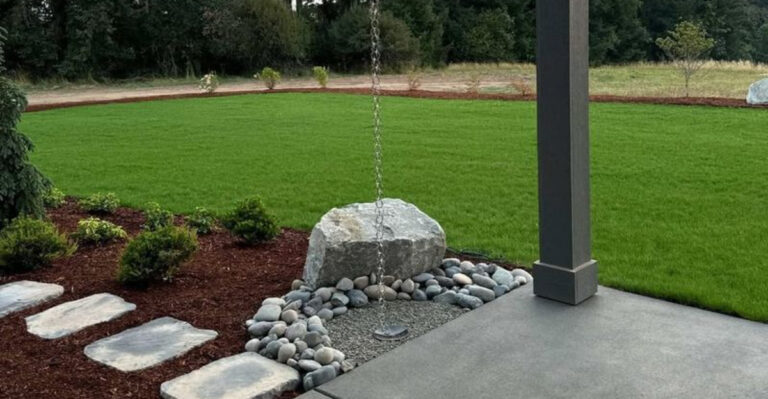
Dry creek beds constructed with river rocks solve drainage problems while adding charming landscape features to Utah properties.
These artificial stream beds channel rainwater away from foundations and prevent erosion on slopes during storms.
When dry, they serve as attractive garden elements that mimic natural waterways found throughout the state’s canyons and valleys.
Plant companions pair beautifully with river rock accents since the stones provide excellent moisture retention beneath their surface.
Water that penetrates through river rock layers stays cooler and evaporates more slowly than in exposed soil. Utah’s heat-loving perennials and succulents thrive when their roots stay protected under a river rock blanket.
Color palettes range from pure white and cream to rich browns, grays, and even pinkish tones depending on stone origin. Light-colored river rocks brighten dark corners and create contrast against deep green foliage.
Darker stones absorb heat during the day and release it gradually at night, extending the growing season for nearby plants.
Size variation adds depth and dimension when you mix different river rock diameters within the same area. Large rocks create structure and define spaces, while smaller stones fill gaps and provide texture.
This layered approach mimics how natural riverbeds display a range of stone sizes deposited by flowing water over time.
4. Decomposed Granite Surfaces
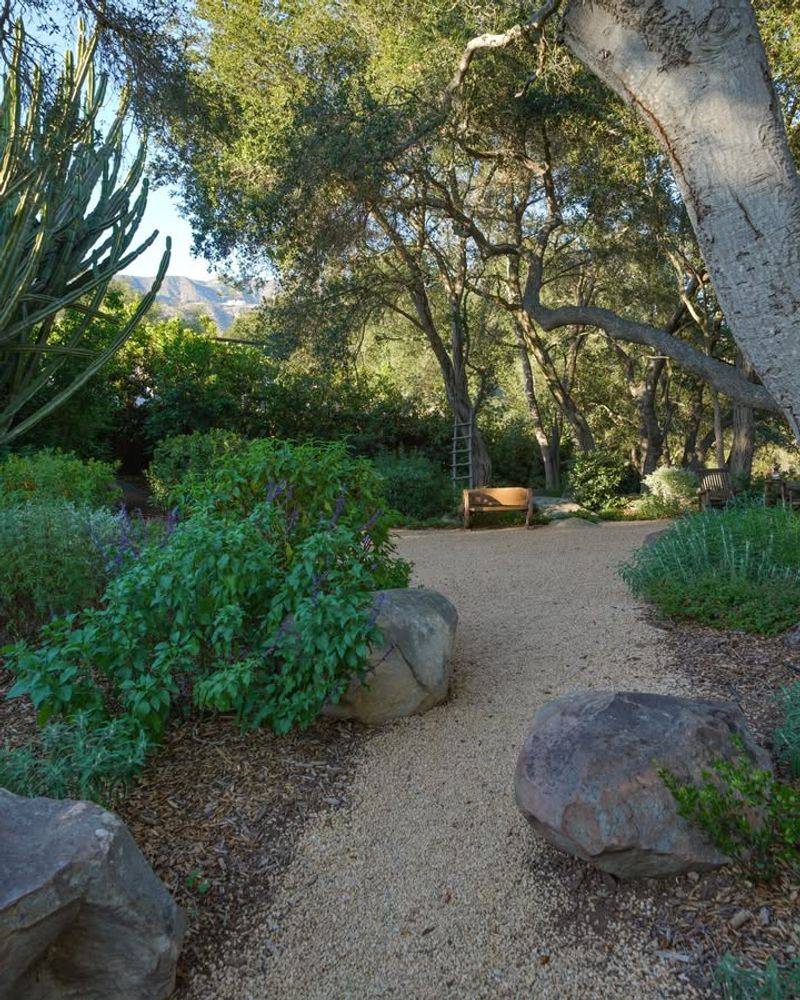
Fine particles of weathered granite create firm, natural-looking surfaces that work perfectly for Utah’s outdoor living spaces.
Decomposed granite packs down tightly when moistened and compacted, forming a solid surface that resists erosion and stays put during windstorms.
This material offers a middle ground between loose gravel and solid pavement, providing stability without the harsh appearance of concrete.
Patio areas built with decomposed granite deliver comfortable outdoor rooms where furniture sits level and stable. Unlike loose gravel that shifts under chair legs, properly installed decomposed granite creates a firm foundation for dining sets, loungers, and fire pits.
Utah families enjoy extended outdoor seasons on these low-maintenance surfaces that handle temperature swings without cracking.
Color choices typically include warm golds, tans, and reddish-browns that complement the natural tones found throughout Utah’s landscape. These earthy colors blend seamlessly with stone homes, wooden decks, and native plantings.
The fine texture creates a smooth, finished appearance that looks intentional and professionally designed.
Permeability allows rainwater to soak through decomposed granite rather than running off and creating erosion problems. This natural drainage prevents puddles and keeps surfaces usable shortly after storms pass through.
Utah’s clay-heavy soils benefit from this improved water infiltration, which helps prevent foundation issues caused by pooling water.
Installation requires proper base preparation and compaction to achieve the best results and longest-lasting performance.
A stable base layer, landscape fabric to prevent mixing with underlying soil, and thorough watering during installation ensure proper bonding.
Most decomposed granite surfaces need professional installation to achieve the firm, durable finish that makes this material so practical.
5. Stone Mulch Beds
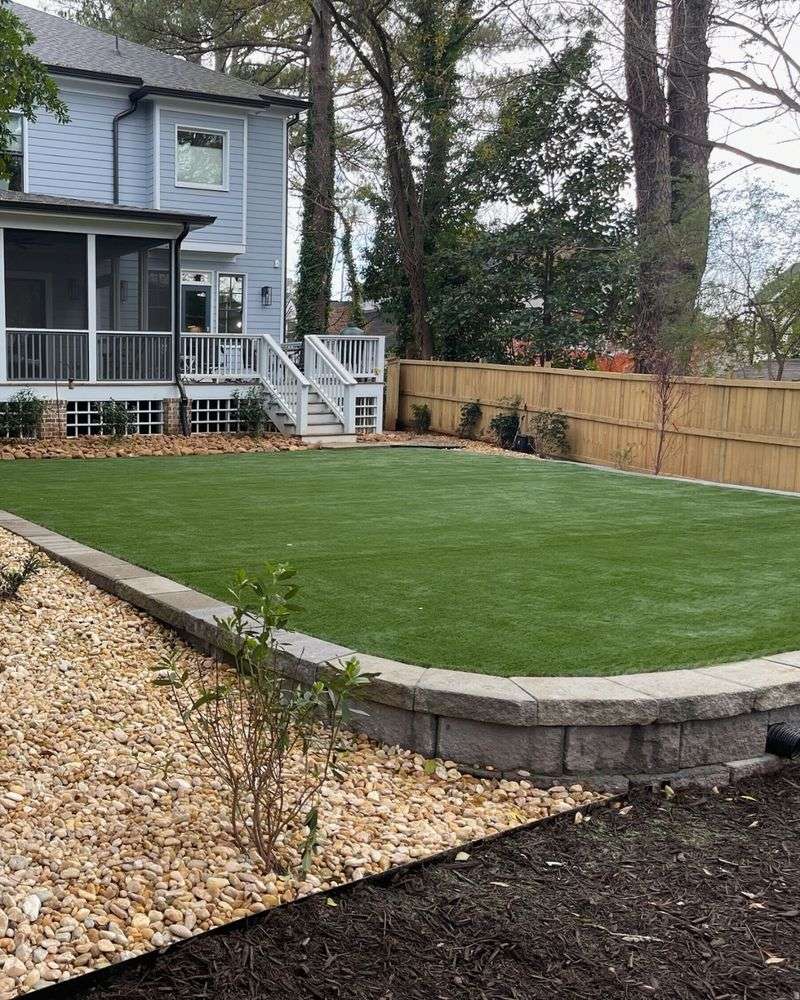
Garden beds covered with stone mulch eliminate the annual chore of spreading fresh organic material every spring. Traditional wood mulch decomposes quickly in Utah’s dry climate, requiring constant replenishment to maintain appearance and weed control.
Stone mulch lasts indefinitely without breaking down, fading, or washing away during storms.
Plant health often improves under stone mulch since the material regulates soil temperature and moisture more effectively than organic alternatives.
Stones keep roots cool during scorching summer afternoons and provide insulation during cold winter nights. This temperature buffering helps plants establish stronger root systems and survive Utah’s temperature extremes more successfully.
Variety in stone types lets you match mulch to your overall landscape design and personal aesthetic preferences.
Lava rock offers lightweight options with excellent drainage and distinctive reddish-brown coloring. River stones provide smooth, polished surfaces in multiple colors, while crushed granite delivers angular pieces that lock together and resist displacement.
Water conservation happens naturally since stone mulch reduces evaporation from soil surfaces beneath the protective layer.
Moisture stays available to plant roots longer, reducing irrigation frequency and water consumption. Utah’s water-conscious homeowners appreciate this efficiency, especially during drought years when conservation becomes critical.
Pest deterrence improves when you replace organic mulch with stone materials that don’t harbor insects or provide food sources.
Wood mulch attracts termites, carpenter ants, and other wood-boring pests that may eventually threaten your home’s structure.
Stone mulch creates an inhospitable environment for these destructive insects while still protecting plant roots.
6. Flagstone Walkways
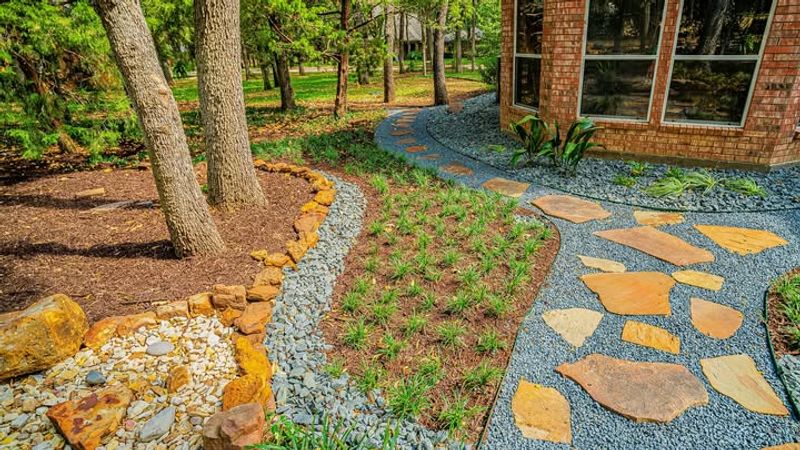
Flat, irregular pieces of natural stone create charming walkways that add character and permanence to Utah properties. Flagstone’s natural cleft surfaces provide excellent traction even when wet, making these paths safer than smooth concrete during rain or snow.
Each piece displays unique colors, patterns, and shapes that make your walkway truly one-of-a-kind.
Spacing options let you choose between tight-fitting flagstones with minimal gaps or wider spacing filled with gravel or ground cover plants. Tight joints create formal, finished appearances appropriate for front entries and main pathways.
Wider spacing produces casual, cottage-garden effects that soften the hardscape and blend with surrounding plantings.
Material durability ensures flagstone walkways withstand Utah’s freeze-thaw cycles without cracking, heaving, or deteriorating. Natural stone remains stable through temperature extremes that destroy concrete and damage pavers.
Properly installed flagstone paths last for generations with minimal maintenance or repair needs.
Color variations depend on stone type, with sandstone offering warm buffs and tans, limestone providing cooler grays, and slate delivering rich charcoals and purples.
Utah homeowners often select flagstone colors that complement their home’s exterior and coordinate with other landscape stone elements. The natural variation within each stone type prevents the monotonous appearance of manufactured products.
Installation methods range from simple dry-laid techniques suitable for DIY projects to mortared applications requiring professional expertise.
Dry-laid flagstone rests on a sand and gravel base, allowing for easy adjustments and repairs over time. Mortared installations create permanent, formal walkways that prevent weed growth and shifting.
Maintenance requirements stay minimal once flagstone walkways settle into place and establish stable positions.
7. Rock Borders And Edging
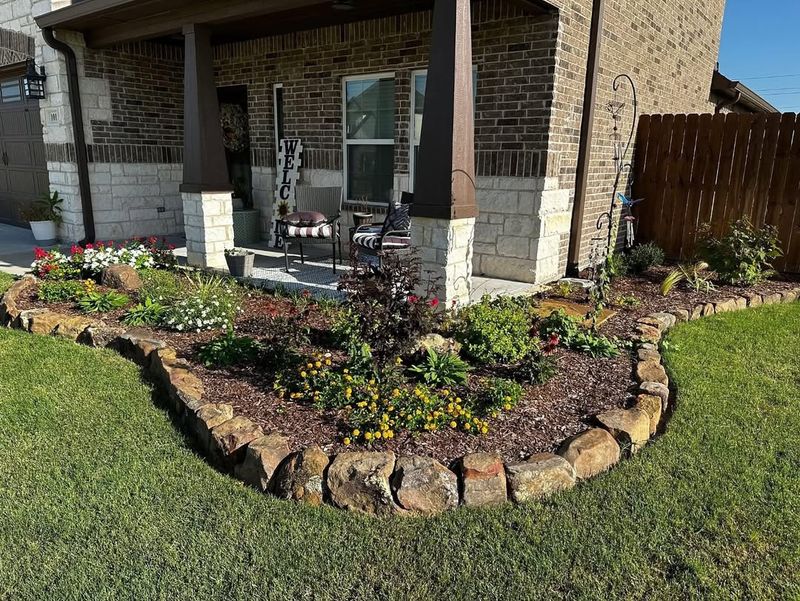
Clean separation between different landscape zones becomes effortless when you install rock borders that define spaces without constant maintenance.
Traditional edging materials like plastic or metal deteriorate under Utah’s intense UV exposure and temperature swings.
Rock borders last indefinitely while providing natural-looking transitions that enhance rather than detract from your overall design.
Lawn containment improves dramatically when rock edging creates physical barriers that prevent grass from creeping into flower beds and gravel areas. The weight and mass of rock borders stop spreading grass roots more effectively than flimsy alternatives.
This separation reduces trimming time and keeps different landscape areas distinct and organized.
Size selection depends on the scale of your property and the visual impact you want to create. Small river rocks work well for delicate borders around compact garden beds, while larger boulders make bold statements along driveways and property lines.
Utah landscapes benefit from varied rock sizes that echo the natural diversity found in mountain and desert environments.
Installation flexibility lets you create straight, curved, or freeform borders that follow your property’s natural contours and design vision.
Rocks adapt to any shape without the cutting and fitting required for manufactured edging products. You can easily adjust rock placement later if you redesign garden beds or modify landscape layouts.
Color coordination ties your landscape together when rock borders match or complement other stone elements throughout your property.
Repeating stone colors in borders, pathways, and accent features creates cohesive designs that look professionally planned.
Utah’s natural stone palette offers enough variety to find perfect matches for any color scheme.
Weed control improves along borders since rocks create barriers that slow weed migration between different areas. The physical presence of rock edging makes it easier to spot and remove weeds before they establish in beds.
Landscape fabric placed beneath rock borders provides additional protection against persistent weeds.
8. Decorative Boulder Features
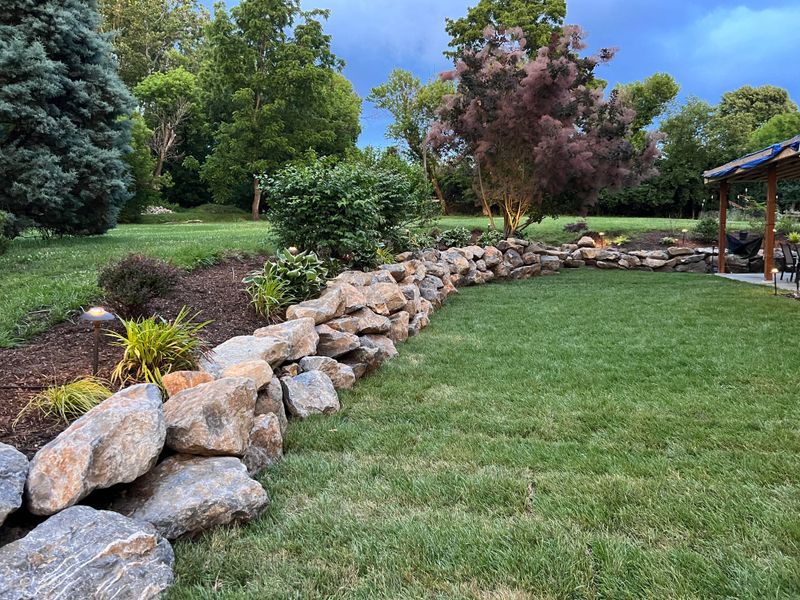
Large statement rocks transform ordinary landscapes into memorable outdoor spaces that showcase Utah’s natural beauty. Single impressive boulders create focal points that anchor garden designs and provide visual weight in otherwise flat, featureless yards.
These substantial stones need no care once positioned, yet they deliver dramatic impact that smaller elements cannot achieve.
Grouping strategies produce different effects depending on boulder arrangement and surrounding plantings. Odd numbers of boulders typically create more natural, visually pleasing compositions than even-numbered groupings.
Utah homeowners often arrange three or five boulders in clusters that mimic natural rock outcroppings found in nearby mountains and canyons.
Placement considerations include visibility from main viewing areas, integration with existing landscape features, and practical concerns like irrigation and maintenance access.
Boulders positioned near entries welcome visitors with impressive natural elements that set the tone for your property. Strategically placed rocks also hide utility boxes, well heads, and other unattractive necessities.
Native plantings around decorative boulders enhance the natural appearance and create cohesive designs that belong in Utah’s environment.
Drought-tolerant perennials, ornamental grasses, and succulents complement boulder features while requiring minimal water and care.
This combination produces landscapes that look intentional yet effortless.
Scale appropriateness ensures boulders match your property size and don’t overwhelm smaller yards or get lost in expansive spaces.
Massive boulders suit large properties with room to appreciate their size, while modest rocks work better in compact urban lots. Professional landscape designers help select appropriately sized boulders that balance with your home and surroundings.
9. Permeable Stone Patio Areas
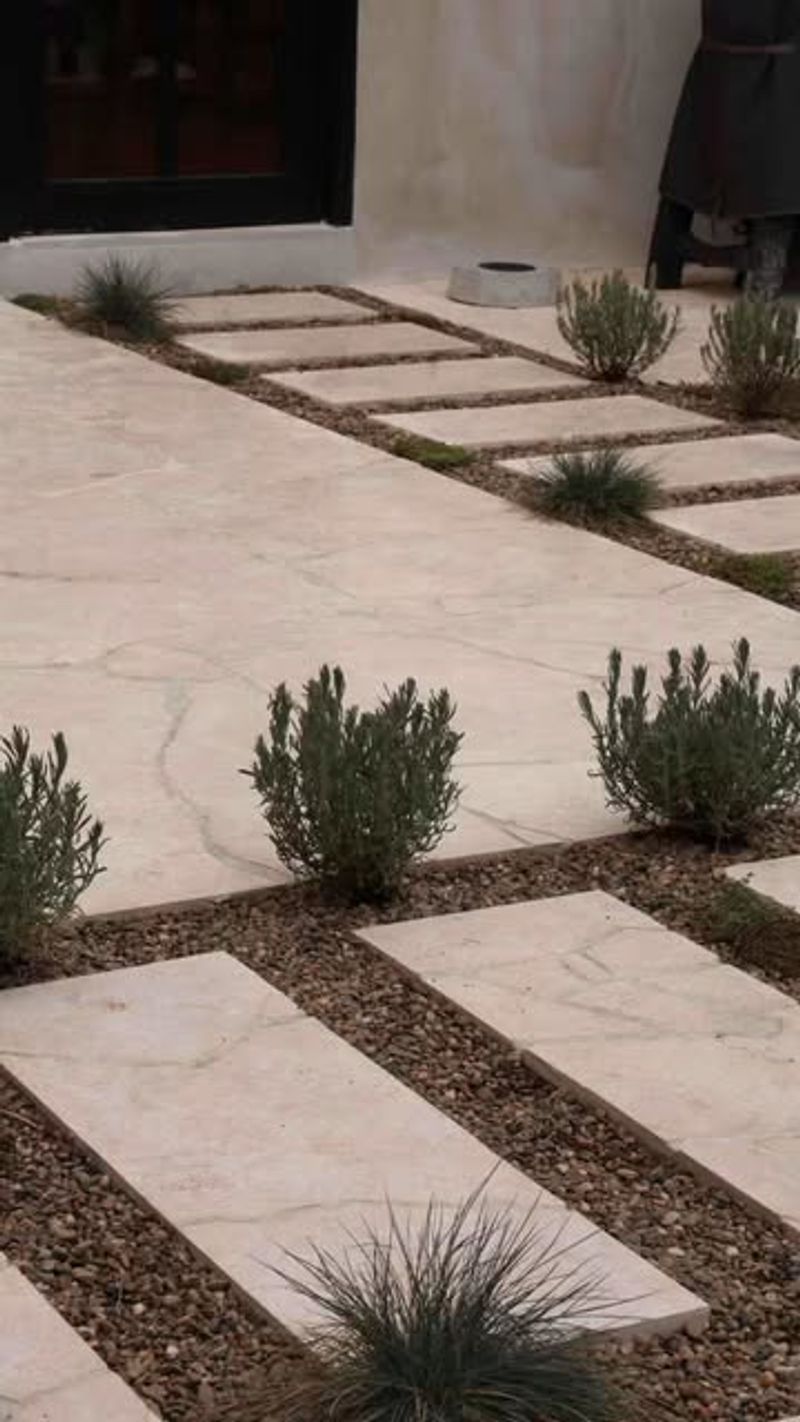
Outdoor living spaces built with permeable stone materials handle water drainage naturally while creating functional areas for entertaining and relaxation.
Traditional solid patios channel rainwater into runoff that can cause erosion and foundation problems. Permeable designs allow water to filter through surface materials into the ground below, mimicking natural absorption patterns.
Environmental benefits include reduced stormwater runoff that carries pollutants into Utah’s waterways and overtaxes municipal drainage systems.
Water that soaks through permeable patios gets filtered by soil layers, removing contaminants before reaching groundwater.
This natural treatment process protects water quality while managing drainage on your property.
Material options for permeable patios include gravel, permeable pavers with wide joints, and flagstone with planted gaps. Each approach offers different aesthetics and permeability levels to match your needs and preferences.
Utah homeowners choose materials based on intended use, budget, and desired appearance for their outdoor spaces.
Installation techniques ensure proper drainage by creating layered bases with different aggregate sizes that facilitate water movement.
A gravel foundation promotes infiltration, while sand layers provide leveling surfaces for pavers or flagstone.
Professional installation guarantees adequate slope and proper material depths for effective permeability.
Furniture stability remains excellent on well-constructed permeable patios despite their drainage-friendly design. Properly compacted bases and carefully leveled surfaces support tables, chairs, and heavy grills without shifting or settling.
Utah families enjoy stable outdoor rooms that function just like traditional patios while offering superior drainage performance.