Pergolas And Garden Structures That Often Require Approval In Virginia
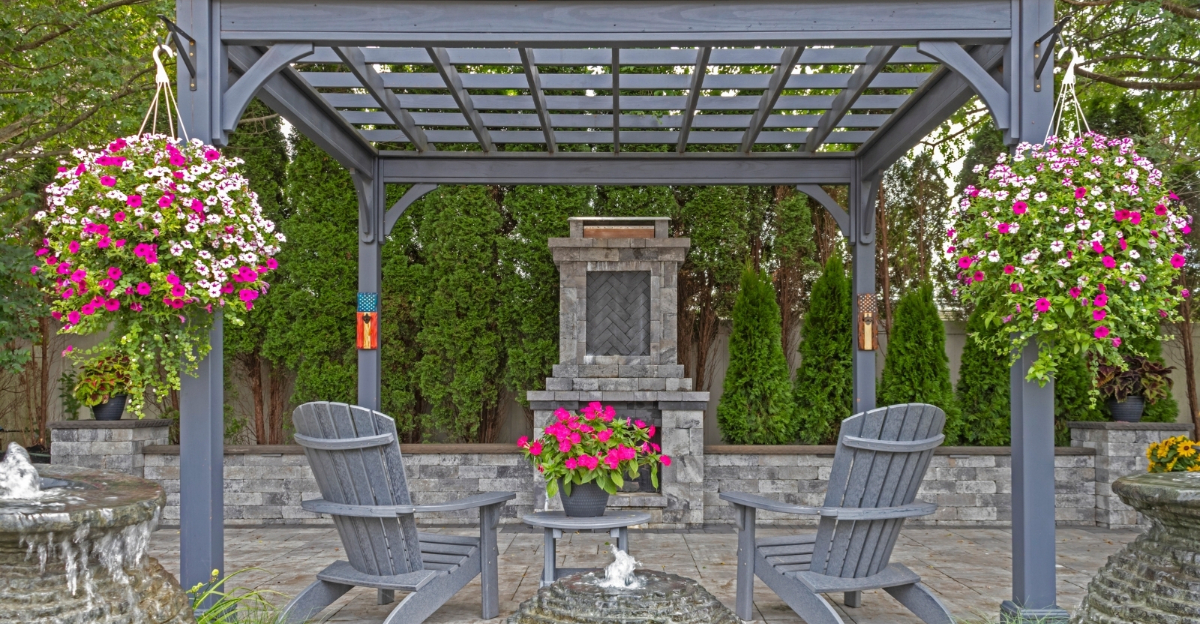
Pergolas and garden structures have become popular additions in Virginia as homeowners look to create shade, comfort, and defined outdoor spaces.
What often catches people off guard is that these structures are not always viewed as simple decorative features once construction begins.
Even open designs can raise questions when posts are set into the ground or frames become permanent.
Virginia’s mix of local zoning rules means the same structure may be treated very differently depending on location.
Backyard projects can still involve oversight, especially when size, placement, or visibility comes into play.
Many homeowners only realize approvals are needed after plans are already underway. That surprise can slow projects and create unnecessary stress.
Knowing that pergolas and similar structures may require approval helps homeowners plan with confidence from the start.
1. Pergolas Installed As Permanent Outdoor Structures In Virginia
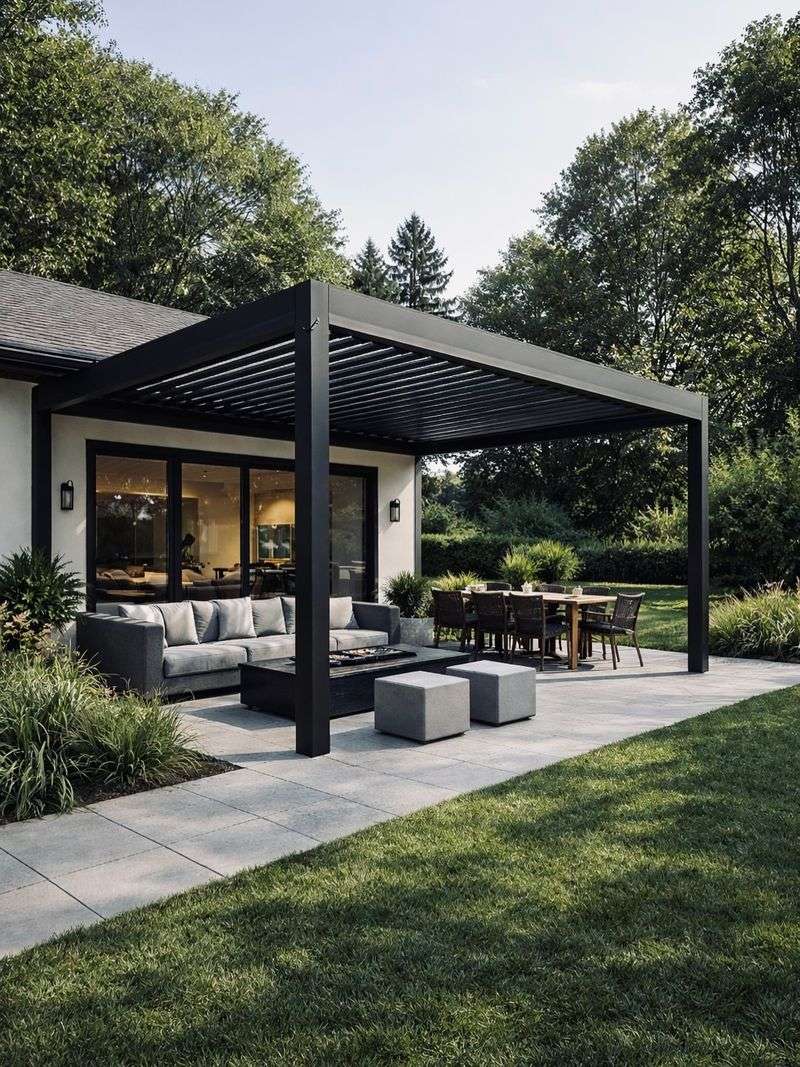
Building something meant to last requires different considerations than temporary setups. A pergola anchored with concrete footings becomes part of your property’s permanent landscape, which changes how local governments view it.
Officials want to ensure these lasting additions meet safety standards and don’t create problems down the road.
Most Virginia counties treat permanent installations differently than portable ones. When you pour concrete or dig deep foundation holes, you’re making a commitment that affects property value and neighborhood character.
Inspectors need to verify that your structure can withstand wind, snow, and time without becoming dangerous.
Temporary structures like pop-up canopies rarely need approval because they’re easy to move or remove. Permanent pergolas stay put through all seasons, so they fall under stricter building codes.
Your local building department wants to make sure the design won’t collapse or cause drainage issues.
The distinction between temporary and permanent isn’t always obvious to homeowners. If you can disassemble your pergola and store it for winter, it might avoid permit requirements.
But once those posts go into the ground with concrete, you’ve crossed into permit territory.
Virginia municipalities have different thresholds for what counts as permanent. Some consider anything bolted down as permanent, while others focus on foundation depth.
Calling your local zoning office before starting work saves headaches later.
Many people assume backyard projects don’t need official approval, but that’s a costly mistake. Building inspectors can require you to remove unpermitted structures or fine you until you get proper approval.
The paperwork might seem annoying, but it protects your investment.
Permanent structures also show up in property records and home appraisals. Future buyers will want proof that everything was built legally.
Missing permits can complicate home sales and reduce your property’s value.
2. Garden Structures Built With Fixed Foundations
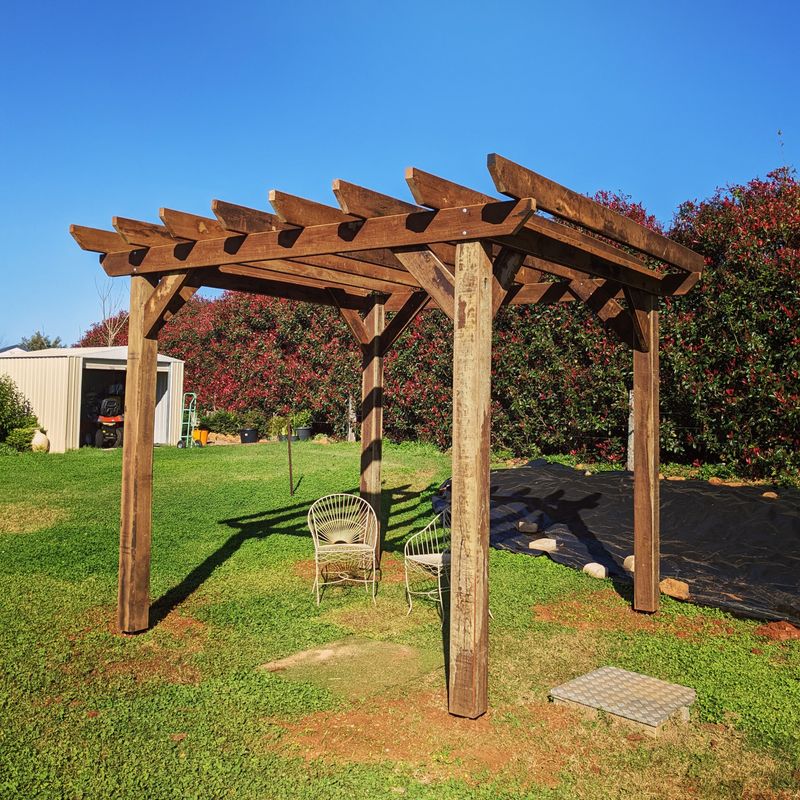
Foundations signal serious construction that local authorities want to review. Any garden structure sitting on concrete piers, footings, or a slab typically triggers permit requirements across Virginia.
The foundation connects your project to the earth in ways that affect drainage, utilities, and neighboring properties.
Pouring concrete creates a permanent footprint that can’t easily be undone. Building departments need to ensure you’re not covering underground utility lines or creating water runoff problems.
Your Virginia Garden Changes Every Week. Your Plan Should Too.
Gardening in Virginia changes quickly throughout the season. Every Friday you’ll receive a simple weekly plan showing exactly what to plant, prune, fertilize, harvest, and protect so you never miss the right timing.
A foundation also means your structure will bear significant weight, requiring proper engineering.
Virginia soil conditions vary widely, from clay-heavy areas to sandy regions. Different soil types need different foundation approaches to prevent settling or shifting.
Permit reviews help match your foundation design to local ground conditions.
Many homeowners don’t realize that even small foundations need approval in most areas. A few concrete piers supporting a simple arbor might seem minor, but they still count as fixed foundations.
The size of the structure matters less than the permanence of its base.
Inspectors check foundation depth to ensure it goes below the frost line. In Virginia, frost can penetrate several inches down, causing concrete to shift if it’s too shallow.
Proper depth prevents your structure from heaving during winter freeze-thaw cycles.
Fixed foundations also raise questions about setbacks and easements. Your concrete work might sit too close to property lines or interfere with utility access.
Permit applications force you to verify these details before you build.
Some counties require engineering stamps for foundations supporting larger structures. An engineer’s seal confirms that your design can safely carry the intended load.
This requirement protects you from building something that might fail.
3. Larger Pergolas That Exceed Common Size Thresholds
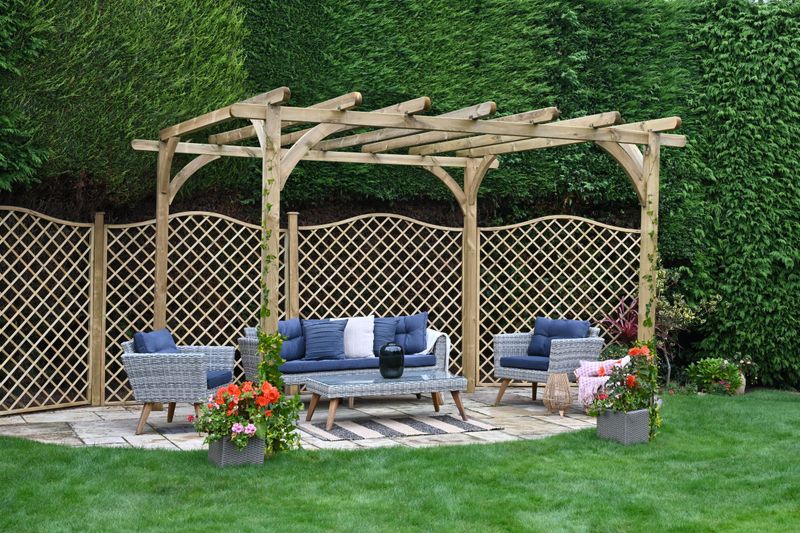
Size matters when it comes to building permits across Virginia. Most jurisdictions set specific square footage limits that determine when you need official approval.
Cross that threshold and your backyard project becomes subject to the same rules as larger construction work.
A typical size limit might be 200 square feet, though this varies by county and municipality. Measure your planned pergola’s footprint carefully, including any covered area.
Even if the posts sit outside the limit, the roof coverage counts toward your total.
Bigger structures pose greater safety risks if they’re poorly built. A small garden trellis might not hurt anyone if it falls, but a 400-square-foot pergola could cause serious injuries.
Virginia building codes scale requirements based on the potential danger.
Many homeowners try to stay just under size limits to avoid permits. This approach can backfire if inspectors measure differently or if you miscalculate.
Building slightly under the limit also gives you no room for future expansion without triggering requirements.
Height and width both factor into size calculations. A narrow but very long pergola might exceed limits even if it seems small.
Some counties also consider the overall volume or the amount of roofing material used.
Larger structures often require more robust materials and construction techniques. Permit reviews ensure your design includes adequate bracing, proper beam sizes, and sufficient post support.
These details become critical as structures grow in size.
Virginia weather can test oversized pergolas with heavy snow loads and strong winds. Building codes for larger structures include specific requirements for these forces.
Skipping permits means missing out on design guidance that prevents weather-related failures.
4. Structures Placed Close To Property Boundaries
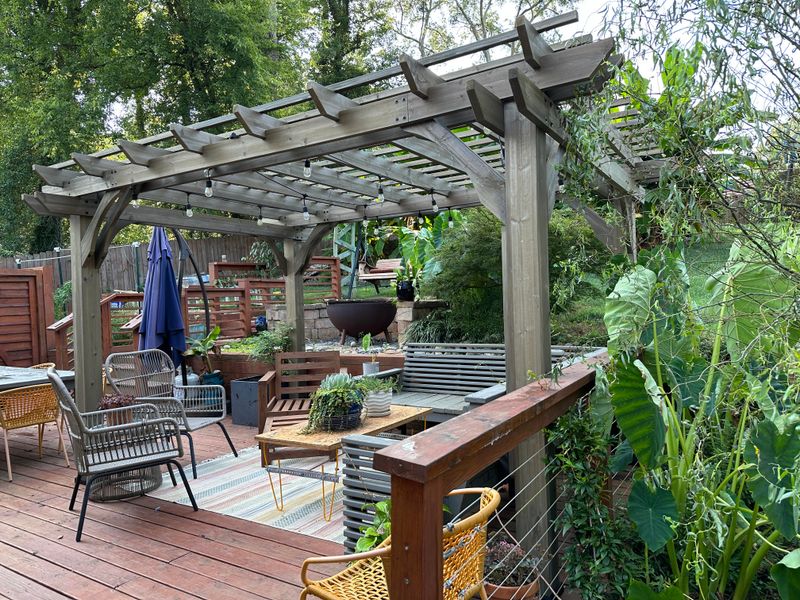
Property lines create invisible walls that affect what you can build. Virginia zoning laws typically require structures to sit a certain distance from boundary lines, called setback requirements.
Placing a pergola too close to your neighbor’s yard triggers mandatory permit reviews.
Setback rules protect everyone’s property rights and prevent disputes. Your beautiful pergola might block your neighbor’s sunlight or views if it sits right on the line.
Local governments use setbacks to maintain harmony between adjacent properties.
Common setback distances range from five to fifteen feet, depending on your zoning district. Corner lots often have stricter requirements because they border multiple streets.
Before you choose a location, verify the setback rules for your specific property.
Measuring setbacks correctly requires knowing exactly where your property lines run. Old fence lines don’t always match legal boundaries, and assumptions can lead to costly mistakes.
A survey might be necessary to pinpoint the true edges of your lot.
Structures within setback zones might need variance approval, which is harder to get than a standard permit. Variances require proving that your situation is unique and that the structure won’t harm neighbors.
This process involves hearings and notifications to surrounding property owners.
Fire safety drives some setback requirements in Virginia. Structures too close to buildings or property lines can spread flames between properties.
Maintaining adequate separation helps contain fires and gives firefighters access.
Utility easements complicate setback calculations. Even if you’re far enough from the property line, you might be too close to an easement.
These zones give utility companies access to lines and equipment, and structures can’t block them.
5. Pergolas Attached To A Home Or Existing Building
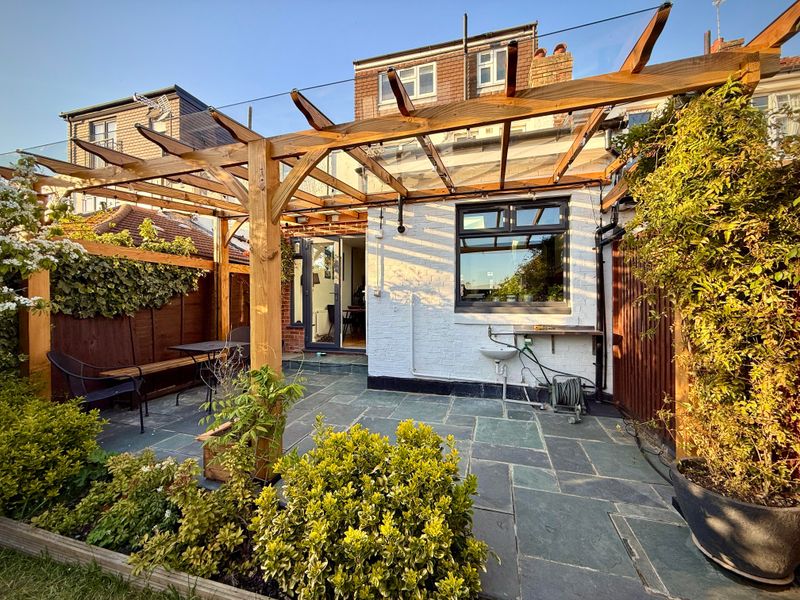
Connecting your pergola to your house changes everything from a permit perspective. Attached structures become extensions of your home, subject to all the building codes that apply to residential construction.
Virginia building departments treat these projects much more seriously than freestanding garden features.
Attachment points must be properly engineered to avoid damaging your home’s structure. Bolting a heavy pergola to your house without adequate support can crack walls or compromise the building envelope.
Permits ensure these connections are designed and installed correctly.
Water infiltration becomes a major concern with attached structures. The joint between your pergola and house creates opportunities for leaks if not properly flashed.
Building inspectors check that these vulnerable areas are protected against Virginia’s rain and snow.
Attached pergolas often include roofing that connects to your home’s existing roof. This integration requires careful planning to maintain proper water drainage and prevent ice dams.
Permit reviews catch design flaws that could lead to water damage.
Your home’s load-bearing capacity affects what you can safely attach. Older homes might not have walls strong enough to support a large pergola without reinforcement.
Structural calculations, often required for permits, determine if modifications are needed.
Electrical work frequently accompanies attached pergolas, especially for lighting or ceiling fans. Any electrical components tied into your home’s system require separate permits and inspections.
Combining structure and electrical permits streamlines the approval process.
6. Garden Structures With Electrical Or Lighting Features
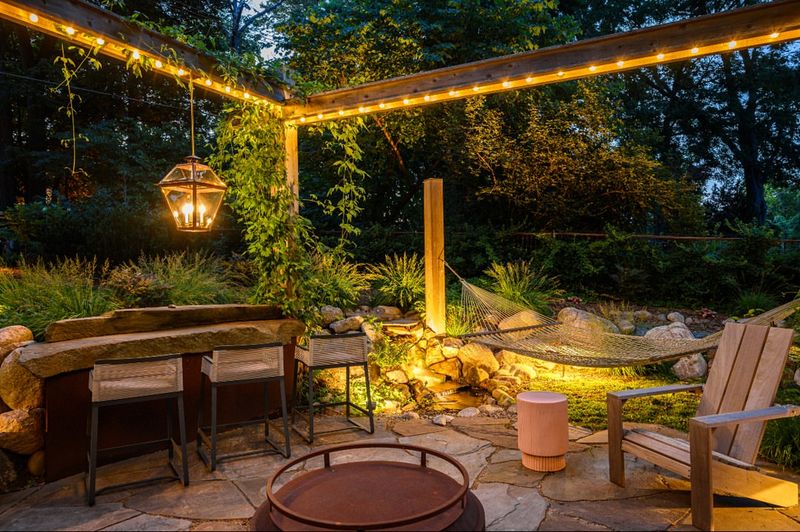
Adding electricity to your outdoor structure dramatically increases permit requirements. Any wiring, outlets, or light fixtures need electrical permits in Virginia, regardless of your structure’s size.
Electrical work carries serious safety risks that building departments take very seriously.
Outdoor electrical systems must meet specific code requirements for weather resistance. Regular indoor components aren’t suitable for Virginia’s humidity, rain, and temperature swings.
Permits ensure you’re using properly rated materials that won’t fail or create fire hazards.
Ground fault circuit interrupters (GFCIs) are mandatory for outdoor electrical outlets. These devices prevent electrocution by shutting off power when they detect irregularities.
Inspectors verify that your system includes proper GFCI protection during permit reviews.
Wiring methods for outdoor structures differ from indoor ones. Buried cables need to be deep enough and properly protected in conduit.
Exposed wiring must be rated for sunlight and moisture. Getting these details right requires knowledge of electrical codes.
Low-voltage lighting systems still need permits in most Virginia jurisdictions. Even though 12-volt systems are safer than standard 120-volt power, they still require proper installation.
Transformers must be correctly sized and protected from weather.
Solar-powered lights might seem like a permit-free option, but that depends on the installation. Simple stake lights probably don’t need approval, but hardwired solar systems integrated into your structure might.
The distinction isn’t always clear, so asking is wise.
7. Taller Structures That Raise Height Considerations
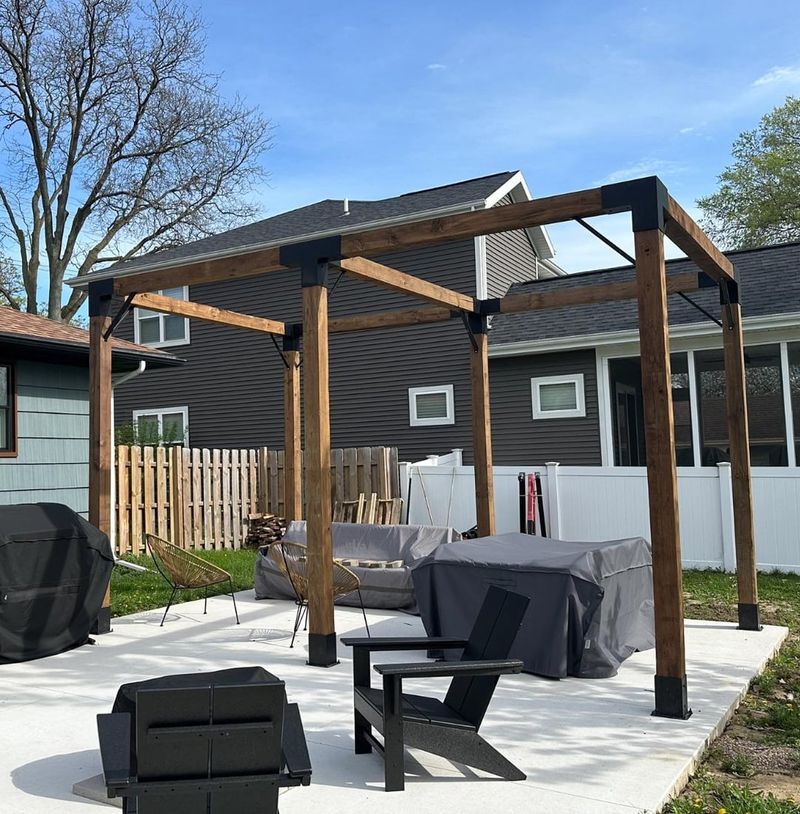
Height restrictions protect views, neighborhood character, and aircraft safety. Virginia zoning codes typically limit accessory structure heights to prevent oversized buildings that dominate properties.
Tall pergolas can trigger permit requirements even if their footprint is small.
Maximum height limits often range from 12 to 15 feet, though this varies widely. Measure from the ground to the highest point of your structure, including any decorative elements.
Even a few inches over the limit can require approval or variance applications.
Taller structures catch more wind, creating greater stress on posts and connections. Building codes for taller pergolas include stricter requirements for bracing and foundation depth.
These safety measures prevent collapse during Virginia’s occasional severe storms.
Neighborhood sightlines matter in residential zoning. A tall pergola might block views that neighbors have enjoyed for years.
Permit reviews consider these impacts and might require design modifications to minimize visual disruption.
Some Virginia counties have special rules for structures near airports. Height restrictions in these zones prevent interference with flight paths.
Even backyard pergolas must comply if you live near an airport or helipad.
Historic districts often impose stricter height limits to preserve period character. A tall modern pergola might clash with surrounding architecture from earlier eras.
Permits in these areas require design review board approval.
8. Structures Located In Special Zoning Or Overlay Areas
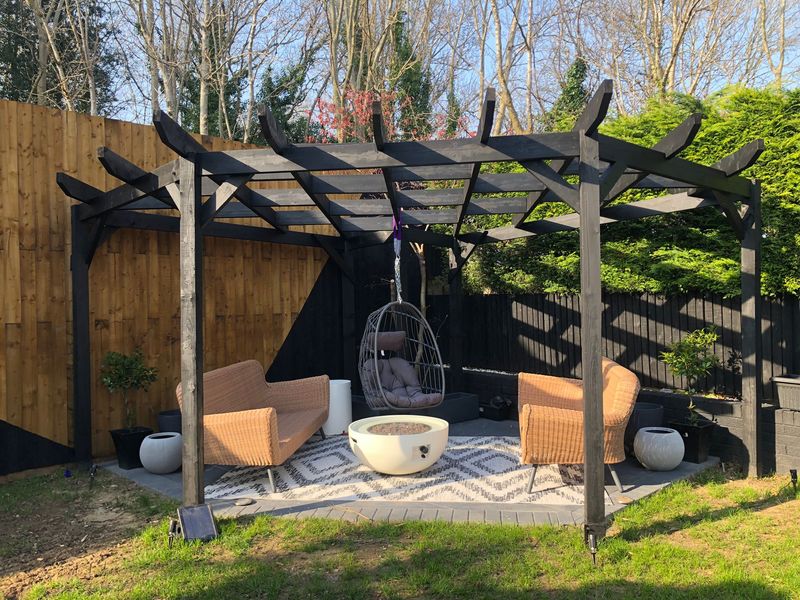
Special zoning districts add extra layers of regulation beyond standard building codes. Virginia communities use overlay zones to protect historic areas, environmental features, or unique neighborhood character.
Building in these zones means navigating additional approval processes.
Historic overlay districts require design review to ensure new construction fits the area’s character. Your pergola might need to match specific architectural styles or use certain materials.
These reviews protect the historic integrity that makes these neighborhoods special.
Environmental overlay zones protect sensitive natural features like wetlands, steep slopes, or critical watersheds. Building near these features requires demonstrating that your structure won’t cause erosion or water pollution.
Virginia takes environmental protection seriously, especially near the Chesapeake Bay watershed.
Floodplain overlay zones have strict rules about what can be built and how. Structures in flood zones must be elevated or designed to allow water flow.
Permits verify that your pergola won’t trap water or increase flood risks for neighbors.
Chesapeake Bay Preservation Areas cover much of eastern Virginia with special requirements. Any construction in these zones needs extra review to protect water quality.
Even small structures like pergolas must comply with buffer zone rules and stormwater management requirements.
Airport overlay zones limit structure heights and types near flight paths. These restrictions exist for safety and might prohibit certain pergola designs.
Checking overlay maps before planning saves time and disappointment.
9. Why Local Review Is Sometimes Required For Outdoor Additions
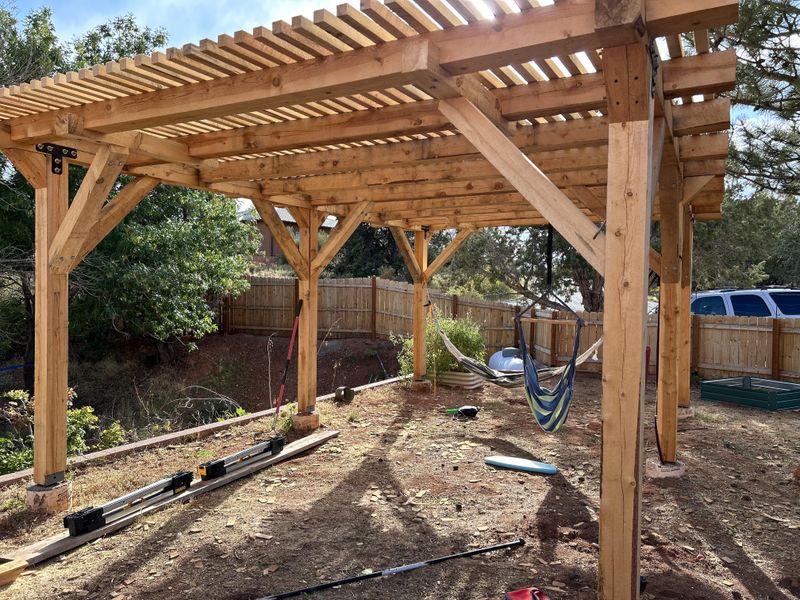
Understanding the reasons behind permit requirements helps you see them as helpful rather than burdensome. Local governments don’t create these rules to frustrate homeowners but to protect everyone’s safety and property values.
Virginia’s diverse communities need regulations that address local conditions and priorities.
Safety stands as the primary concern driving permit requirements. Poorly built structures can collapse, injure people, or create fire hazards.
Building inspectors have expertise to spot dangerous designs before construction begins, preventing tragedies.
Property values throughout neighborhoods depend on maintaining certain standards. Unpermitted structures that violate codes can lower values for surrounding homes.
Permit processes ensure that outdoor additions enhance rather than detract from community appeal.
Utility protection motivates many regulations. Underground lines for water, sewer, gas, and electricity run through residential properties.
Building without permits risks damaging these systems, causing expensive repairs and service disruptions.
Environmental protection has become increasingly important in Virginia. Permits ensure that construction doesn’t increase erosion, pollute waterways, or destroy important habitats.
These protections benefit everyone by preserving natural resources.
Legal liability concerns affect both homeowners and local governments. If someone gets hurt due to an unpermitted structure, questions arise about who bears responsibility.
Proper permits and inspections create documentation that protects all parties.
Future property transactions run smoother when improvements are properly documented. Home buyers want assurance that structures were built legally and safely.
Missing permits can derail sales or reduce offers.