Struggling With A Shady, Damp Yard? These 11 Plants Thrive In Oregon
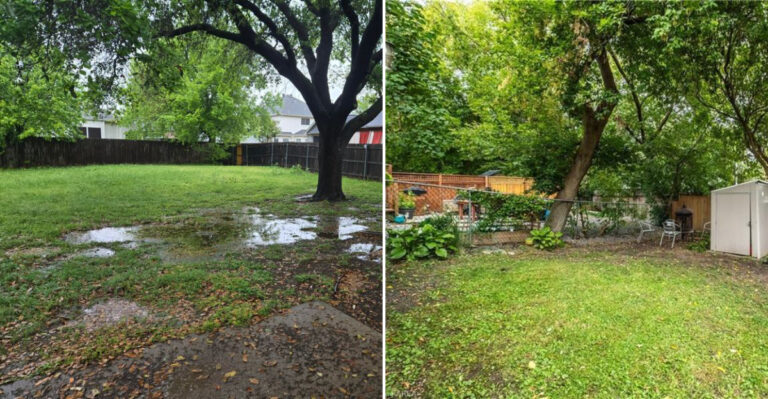
A shady, damp yard can feel like one of those spots you keep walking past and pretending not to notice. You know it’s there.
It’s usually colder, darker, and somehow always wetter than the rest of the yard. Meanwhile, the sunny areas get all the love.
But in Oregon, these cool, moisture-heavy spaces are basically a lifestyle and they don’t have to be boring.
Instead of battling the shade and soggy soil like it’s a personal challenge, it’s much easier (and more fun) to work with it. Some plants absolutely love low light and steady moisture.
They show up, stay lush, and don’t complain when the sun hides behind clouds for days at a time.
If you’ve planted something there before and watched it slowly give up, don’t take it personally. That corner just has strong preferences.
The good news? Plenty of plants are happy to move in and make themselves comfortable.
That darker patch doesn’t have to be the forgotten part of your yard anymore. With the right plants, it can become one of the most relaxing and green spaces you have.
These Oregon-friendly picks are ready to thrive where other plants hesitate and they might even make you look forward to that shady corner.
1. Western Sword Fern
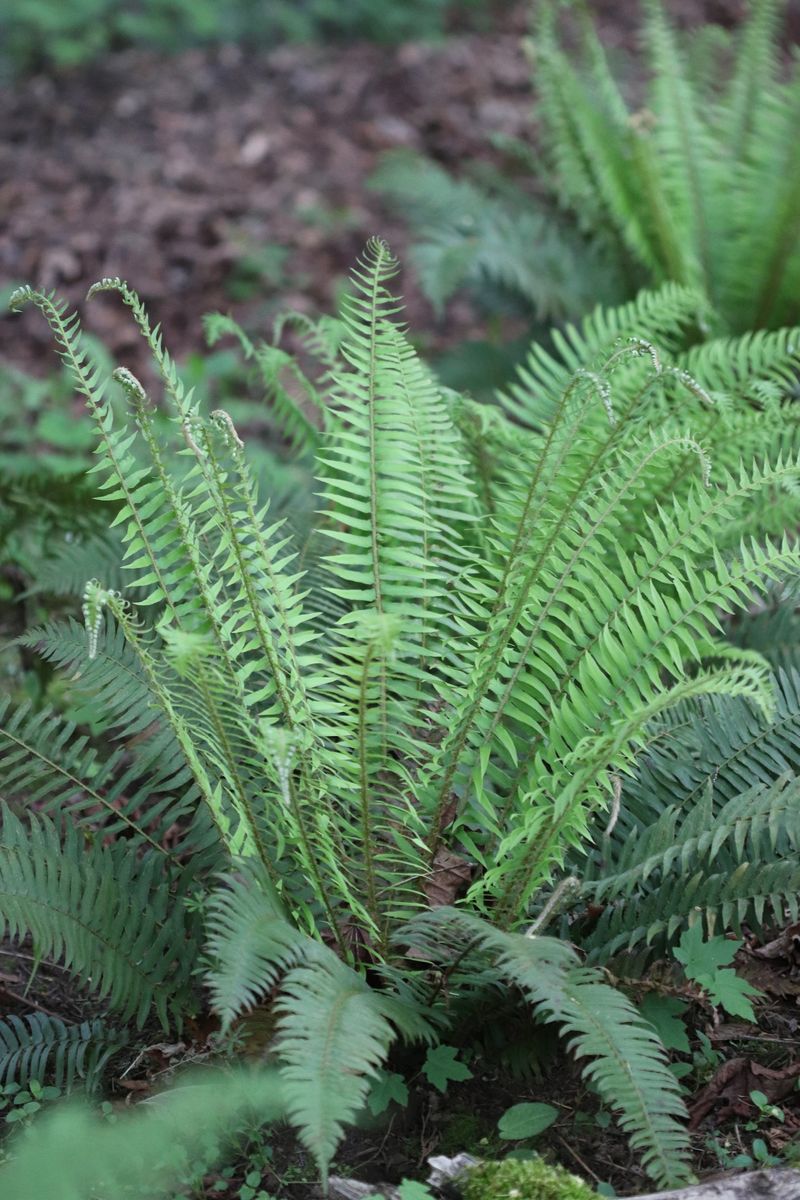
Native to the Pacific Northwest, this fern feels completely at home in Oregon’s wet, shaded gardens. Its evergreen fronds stay bright and beautiful throughout the year, even during the coldest winter months.
You can plant it under trees, along shaded pathways, or anywhere sunlight struggles to reach.
Western Sword Ferns grow best in rich, moist soil that drains reasonably well. They spread slowly and form dense clumps that look elegant and natural.
Once established, they need very little care beyond occasional watering during dry summer spells. Their tough, leathery leaves handle rain and wind without any problems.
This fern works wonderfully as ground cover or as a backdrop for smaller flowering plants. It grows about two to four feet tall and adds a woodland feel to any garden.
Birds and small wildlife appreciate the shelter it provides, making your yard more welcoming to local creatures.
If you want a low-maintenance, attractive plant that thrives in shade and dampness, this fern is hard to beat. It adapts quickly to Oregon conditions and looks good in almost any garden style.
Plus, it stays green year-round, so your yard never looks bare or lifeless even in winter.
2. Bleeding Heart
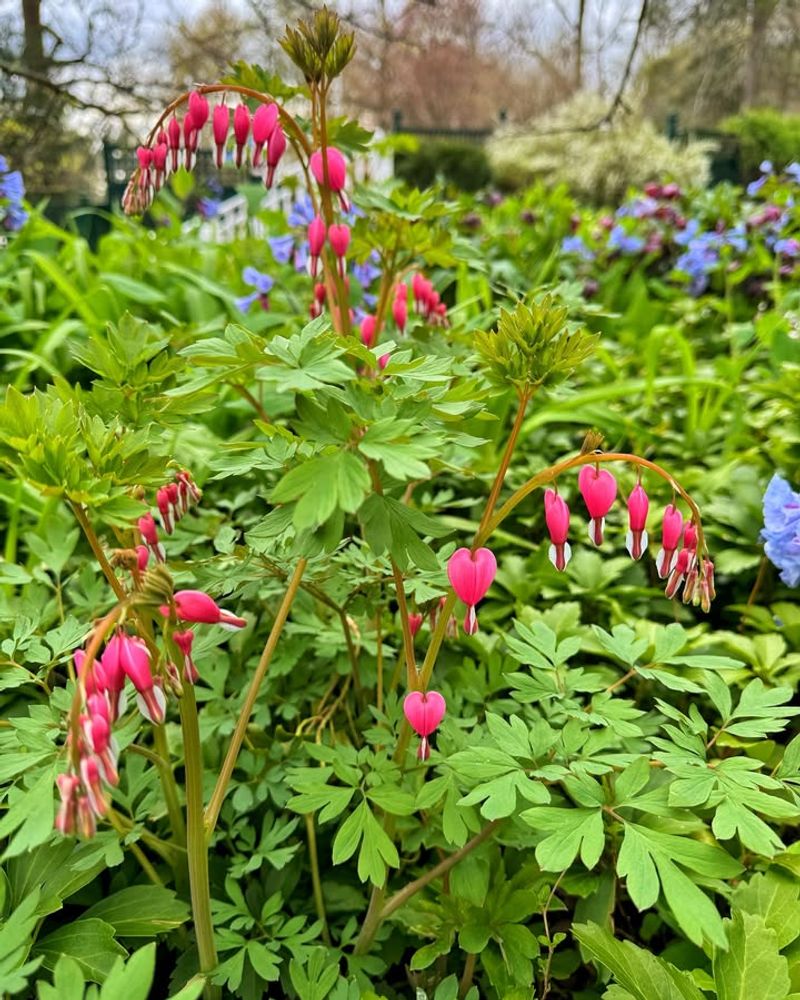
Few plants bring as much charm to a shady garden as Bleeding Heart. Its delicate, heart-shaped flowers dangle from arching stems in shades of pink, red, or white.
Blooming in spring and early summer, it adds a soft, romantic touch to damp corners that might otherwise feel forgotten.
Bleeding Heart prefers cool, moist soil and partial to full shade, which makes it perfect for Oregon yards. It grows about two to three feet tall and spreads slowly over time.
The foliage is fern-like and attractive even after the flowers fade. In hot, dry conditions, the plant may go dormant, but in Oregon’s cooler, wetter climate, it often stays lush longer.
Your Oregon Garden Changes Every Week. Your Plan Should Too.
Gardening in Oregon changes quickly throughout the season. Every Friday you’ll receive a simple weekly plan showing exactly what to plant, prune, fertilize, harvest, and protect so you never miss the right timing.
You can plant Bleeding Heart alongside ferns, hostas, or other shade-loving perennials. It works well in woodland gardens, under trees, or near water features.
The flowers attract hummingbirds and add a pop of color to areas that tend to stay green and subdued.
This plant is easy to grow and comes back reliably each year. It handles Oregon’s wet winters without any trouble and thrives in the kind of shady, damp conditions that challenge many other flowering plants.
If you want something beautiful and dependable, Bleeding Heart is a great choice.
3. Japanese Forest Grass
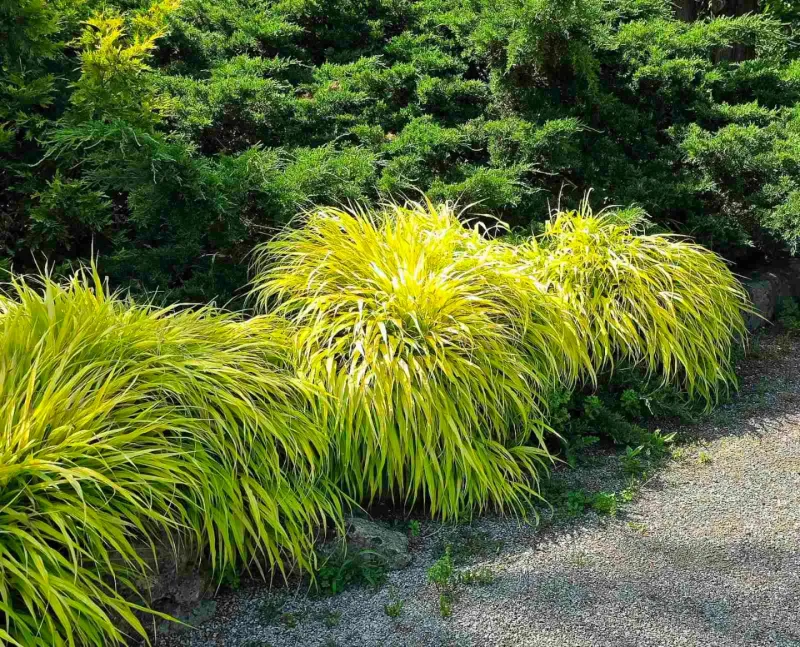
Graceful and elegant, Japanese Forest Grass brings a unique texture to shady, damp spaces. Its arching blades cascade like a waterfall, creating soft mounds of green or variegated yellow-green foliage.
This grass moves gently in the breeze, adding movement and life to quiet corners of your yard.
Japanese Forest Grass thrives in partial to full shade and loves moist, well-drained soil. It grows about one to two feet tall and spreads slowly, making it easy to control.
In Oregon’s climate, it stays vibrant from spring through fall, and the foliage turns golden or bronze in autumn before fading in winter.
You can use this grass as a border plant, ground cover, or accent in mixed shade gardens. It pairs beautifully with ferns, hostas, and flowering perennials.
The soft, flowing form contrasts nicely with plants that have bold or upright shapes, creating visual interest without overwhelming the space.
This grass is low-maintenance and adapts well to Oregon’s wet conditions. It rarely suffers from pests or diseases and needs little attention once established.
If you want a plant that adds elegance and texture to shady, damp areas, Japanese Forest Grass is a wonderful option that performs reliably year after year.
4. Astilbe
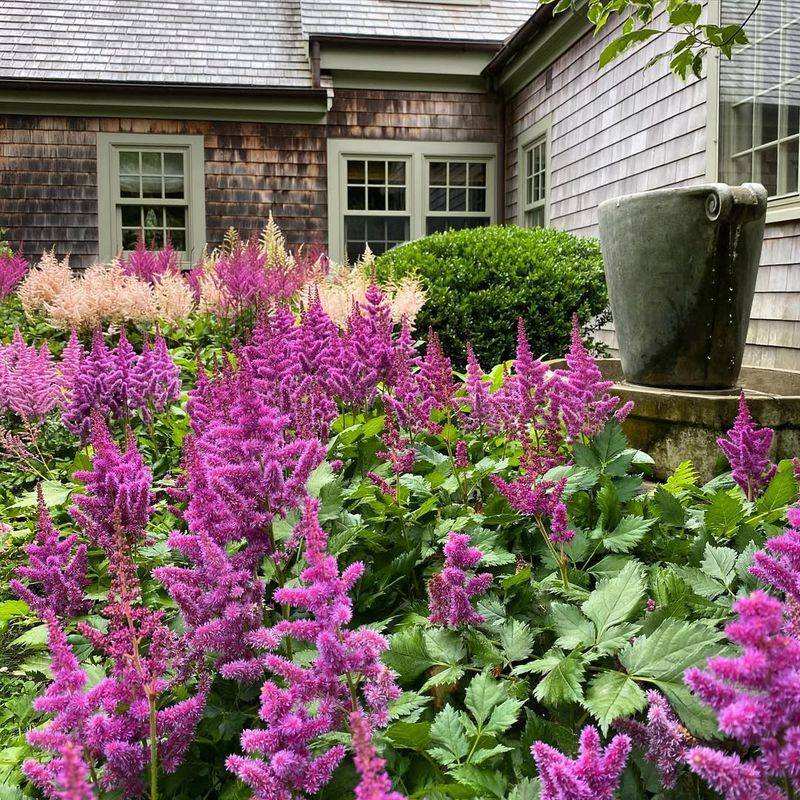
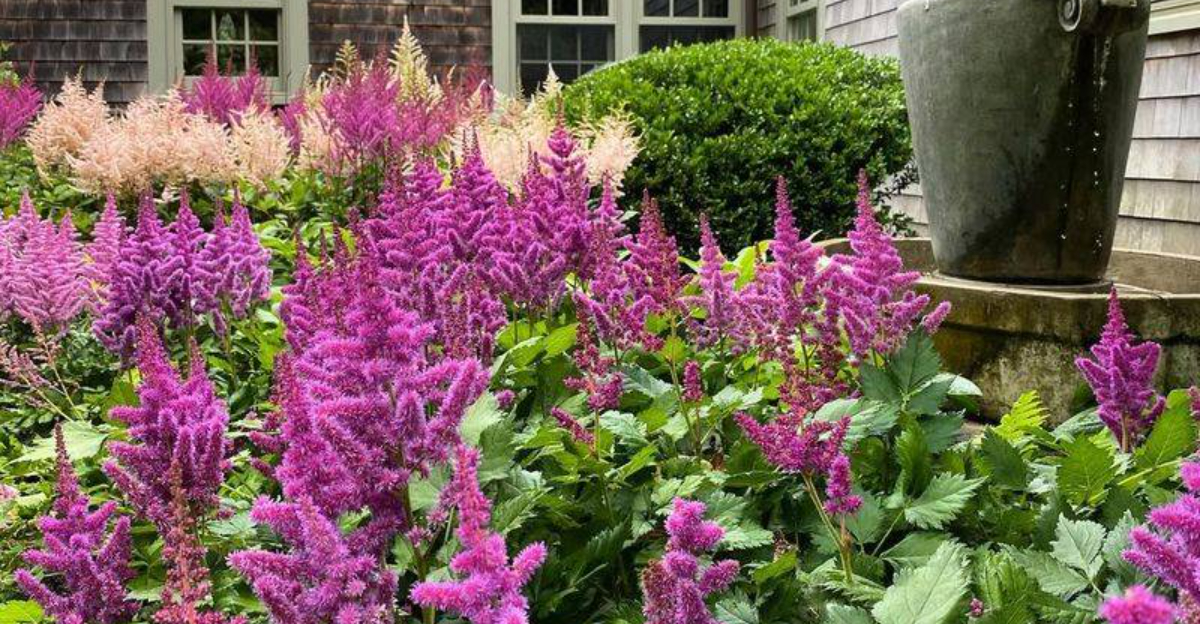
Astilbe is a shade garden superstar. Its feathery plumes of flowers rise above glossy, fern-like foliage in shades of pink, red, white, or lavender.
Blooming in late spring and summer, it brings color and texture to damp, shaded spots where many other flowering plants struggle.
This perennial loves moist soil and partial to full shade, making it ideal for Oregon yards. It grows between one and four feet tall, depending on the variety.
Astilbe spreads slowly and forms neat clumps that look tidy and attractive. The flowers last for weeks and even the seed heads remain decorative into fall.
You can plant Astilbe along shaded borders, near ponds, or under trees. It works well in mass plantings or mixed with other shade-loving perennials.
The bright flower plumes contrast beautifully with the darker greens of ferns and evergreen ground covers.
Astilbe is easy to grow and requires little maintenance. It handles Oregon’s wet winters and cool summers without any issues.
Once established, it comes back reliably each year and often multiplies slowly over time. If you want a colorful, dependable plant for shady, damp areas, Astilbe is hard to beat.
5. Hosta
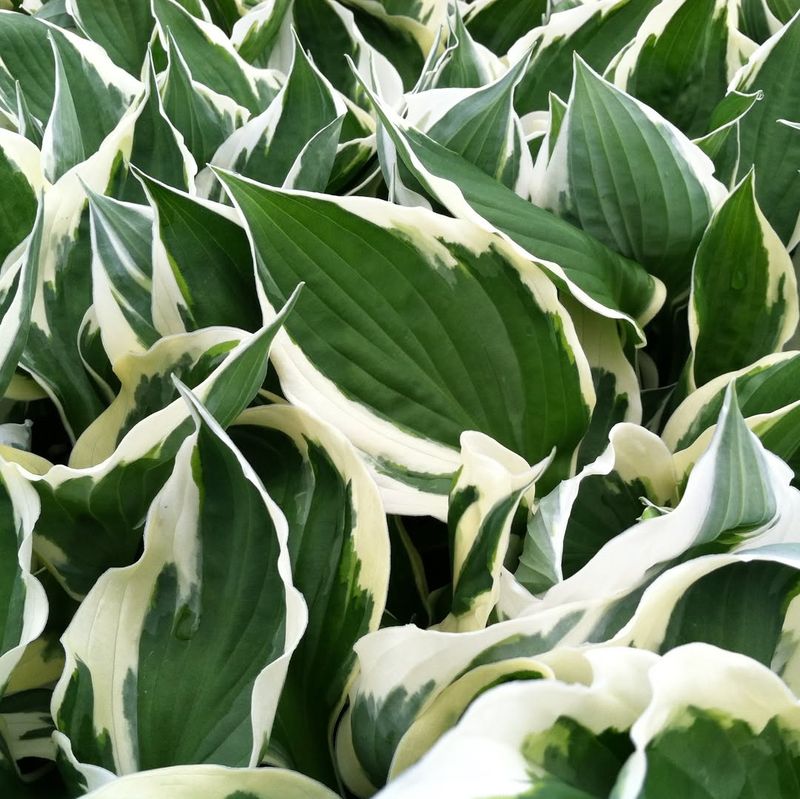
Hosta is one of the most popular shade plants, and for good reason. Its large, bold leaves come in a stunning variety of colors, patterns, and textures.
From deep green to chartreuse, blue-gray to variegated white and green, there is a Hosta to fit every garden style.
Hostas thrive in shade and moist soil, which makes them perfect for Oregon yards. They grow in neat clumps and range from tiny miniatures to giant varieties with leaves over a foot wide.
In summer, tall spikes of lavender or white flowers rise above the foliage, attracting bees and hummingbirds.
You can use Hostas as ground cover, border plants, or focal points in shaded beds. They pair well with ferns, Astilbe, and other shade perennials.
The bold foliage provides a strong visual anchor and contrasts nicely with finer-textured plants.
Hostas are incredibly easy to grow and require minimal care. They handle Oregon’s wet winters and cool summers with ease.
Once established, they come back year after year, often growing larger and more impressive over time. If you want a reliable, attractive plant for shady, damp areas, Hosta is a top choice that never disappoints.
6. Coral Bells
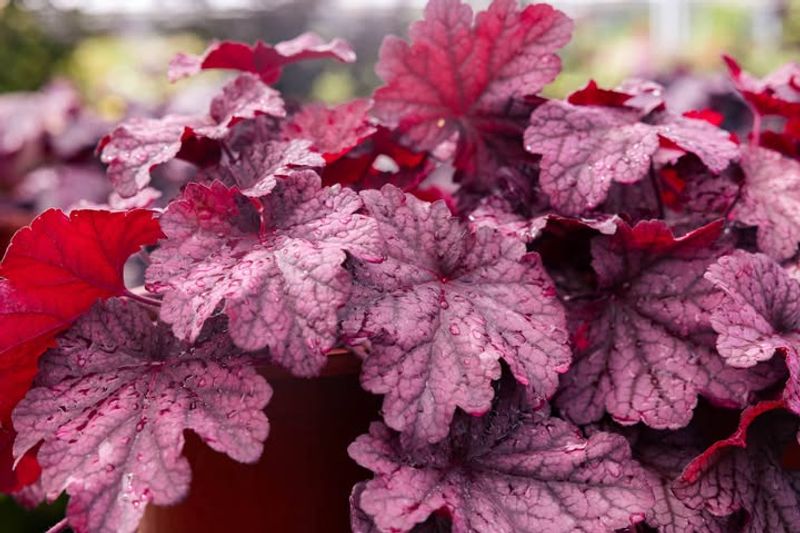
Coral Bells, also known as Heuchera, brings stunning foliage color to shady, damp gardens. Its leaves come in shades of purple, burgundy, lime green, orange, and even near-black.
The foliage stays vibrant year-round, providing constant visual interest even when other plants have faded.
Coral Bells grow best in partial shade and moist, well-drained soil. They form low, rounded clumps about eight to twelve inches tall.
In late spring and summer, delicate flower spikes rise above the foliage, attracting hummingbirds and adding a touch of elegance to the garden.
You can plant Coral Bells along borders, in containers, or as ground cover in shaded areas. They pair beautifully with ferns, Hostas, and other shade perennials.
The colorful foliage creates bold contrasts and adds depth to garden beds that might otherwise feel too green or monotonous.
Coral Bells are easy to care for and adapt well to Oregon’s climate. They handle wet winters without trouble and stay attractive through all seasons.
Once established, they need little attention beyond occasional watering during dry spells. If you want a plant that adds year-round color and texture to shady, damp spots, Coral Bells are a fantastic choice that never goes out of style.
7. Pacific Rhododendron

Oregon’s state flower, the Pacific Rhododendron, thrives in shady, moist environments. Its large, showy clusters of pink to purple flowers bloom in late spring, creating a spectacular display.
The evergreen leaves stay glossy and green year-round, providing structure and color even in winter.
Pacific Rhododendrons prefer acidic soil and partial shade, conditions common in Oregon gardens. They grow as large shrubs, reaching six to ten feet tall, and make excellent foundation plantings or woodland garden specimens.
The flowers attract pollinators and add a burst of color to shaded areas that often lack blooms.
You can plant Pacific Rhododendrons under trees, along shaded borders, or as privacy screens. They pair well with ferns, Hostas, and other shade-loving plants.
The bold flowers and evergreen foliage create a strong visual impact and anchor garden beds beautifully.
These shrubs are relatively easy to grow and adapt well to Oregon’s wet climate. They need little maintenance beyond occasional pruning and mulching to keep the soil moist and acidic.
Once established, they bloom reliably each year and grow more impressive over time. If you want a native plant that thrives in shade and dampness while adding stunning seasonal color, Pacific Rhododendron is an excellent choice.
8. Foamflower
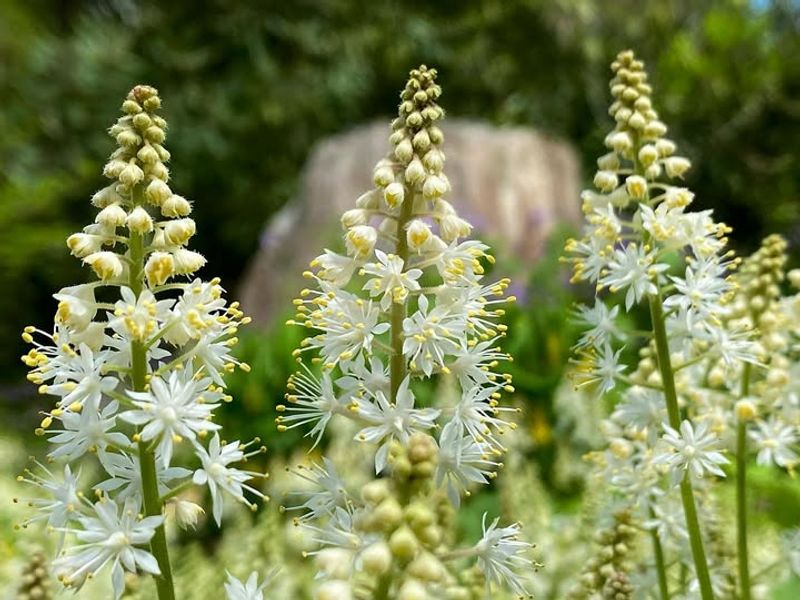
Foamflower is a delightful ground cover for shady, damp gardens. Its delicate spikes of white or pink flowers rise above attractive, lobed foliage in spring.
The leaves often have dark markings or veining that adds extra visual interest. Even after the flowers fade, the foliage remains appealing throughout the growing season.
Foamflower thrives in partial to full shade and moist, well-drained soil. It grows about six to twelve inches tall and spreads slowly to form dense mats.
In Oregon’s cool, wet climate, it stays lush and healthy, providing excellent ground cover under trees or along shaded pathways.
You can plant Foamflower alongside ferns, Hostas, and other shade perennials. It works well as edging, ground cover, or filler in mixed shade gardens.
The delicate flowers and attractive foliage add a soft, woodland feel to any space.
Foamflower is easy to grow and requires little maintenance. It handles Oregon’s wet winters without trouble and rarely suffers from pests or diseases.
Once established, it spreads gently and fills in bare spots, creating a lush, green carpet that looks natural and inviting. If you want a low-growing, reliable plant for shady, damp areas, Foamflower is a wonderful choice that performs beautifully year after year.
9. Skimmia

Skimmia is an evergreen shrub that brings year-round beauty to shady, damp gardens. Its glossy, dark green leaves provide structure and color even in winter.
In spring, clusters of fragrant white or pink flowers appear, followed by bright red berries in fall that last through winter.
Skimmia grows best in partial to full shade and moist, acidic soil, making it perfect for Oregon yards. It reaches about three to four feet tall and wide, forming a neat, rounded shape.
The flowers attract pollinators, and the berries provide food for birds during the colder months.
You can plant Skimmia as a foundation shrub, in mixed borders, or in containers. It pairs well with ferns, Hostas, and other shade-loving plants.
The glossy foliage and colorful berries create visual interest throughout the year, making it a valuable addition to any garden.
Skimmia is easy to care for and adapts well to Oregon’s wet climate. It needs little maintenance beyond occasional watering during dry spells and light pruning to maintain shape.
Once established, it thrives in shady, damp conditions and remains attractive in all seasons. If you want an evergreen shrub that handles shade and moisture with ease, Skimmia is a smart, beautiful choice.
10. Ligularia

Bold and dramatic, Ligularia makes a strong statement in shady, damp gardens. Its large, rounded or deeply lobed leaves come in shades of green, purple, or bronze.
Tall spikes of bright yellow or orange flowers rise above the foliage in mid to late summer, adding a burst of color to areas that often lack blooms.
Ligularia thrives in partial shade and consistently moist soil, conditions common in Oregon yards. It grows about three to five feet tall and spreads slowly.
The large leaves create a tropical, lush look, and the bright flowers attract pollinators and add vertical interest to garden beds.
You can plant Ligularia near ponds, in bog gardens, or along shaded borders. It pairs well with ferns, Hostas, and other moisture-loving perennials.
The bold foliage and tall flower spikes create a strong focal point and contrast beautifully with finer-textured plants.
Ligularia is easy to grow and adapts well to Oregon’s wet climate. It needs little care beyond regular watering and occasional removal of spent flowers.
Once established, it comes back reliably each year and grows more impressive over time. If you want a bold, eye-catching plant for shady, damp areas, Ligularia is a fantastic choice that never fails to impress.
11. Creeping Jenny
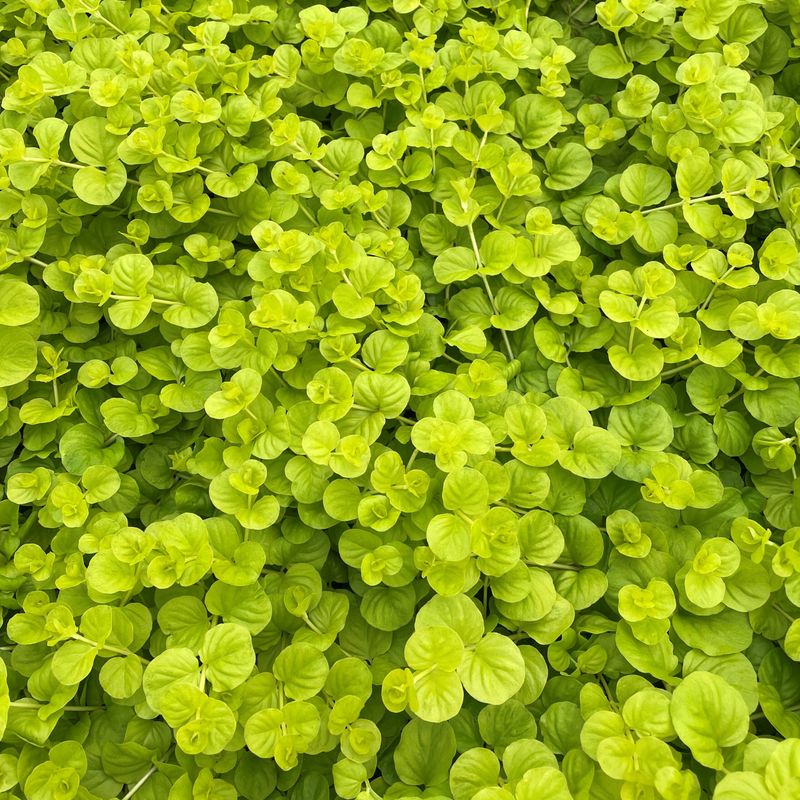
Creeping Jenny is a fast-growing ground cover that loves shade and moisture. Its small, round leaves grow densely along trailing stems, forming a lush, green carpet.
The golden-yellow foliage variety brightens up dark corners and adds a cheerful glow to areas that might otherwise feel too shadowy.
Creeping Jenny thrives in partial to full shade and moist to wet soil, making it ideal for Oregon gardens. It grows only a few inches tall but spreads quickly, filling in bare spots and covering large areas efficiently.
In summer, tiny yellow flowers appear, adding a delicate touch to the foliage.
You can plant Creeping Jenny along pathways, between stepping stones, or as ground cover under trees and shrubs. It works well in containers, hanging baskets, or as filler in mixed plantings.
The trailing stems spill over edges beautifully, creating a soft, cascading effect.
Creeping Jenny is incredibly easy to grow and requires minimal care. It handles Oregon’s wet winters without any trouble and stays attractive throughout the growing season.
Once established, it spreads quickly and fills in gaps, creating a dense, vibrant carpet that looks natural and inviting. If you want a low-maintenance, fast-growing ground cover for shady, damp areas, Creeping Jenny is a perfect choice that delivers reliable results.