Why This Native Ground Cover Works Better Than Lawns In Urban Oregon
Keeping a lawn green in urban Oregon can feel like a full-time side project. Between uneven shade, compacted soil, water restrictions, and busy schedules, that perfect patch of grass often turns into more work than it’s worth.
That’s exactly why more homeowners are starting to look for smarter, easier alternatives.
Enter kinnikinnick, a native ground cover that quietly outperforms traditional lawns in all the ways that actually matter. It stays low, spreads nicely, and doesn’t demand constant mowing, watering, or rescuing after every weather swing.
Once it settles in, it pretty much knows what to do on its own.
What makes it especially appealing in urban spaces is how adaptable it is. Side yards, slopes, awkward corners, and hard-to-reach areas suddenly become much easier to manage.
Instead of bare patches or tired grass, you get year-round greenery that feels natural and intentional.
If you’ve ever looked at your lawn and thought, “There has to be a better option,” you’re not alone. That question is exactly why kinnikinnick is gaining attention across Oregon cities.
It’s practical, low-effort, and surprisingly good-looking, a native solution that fits modern urban yards without the constant upkeep.
1. Why Traditional Lawns Struggle In Urban Oregon
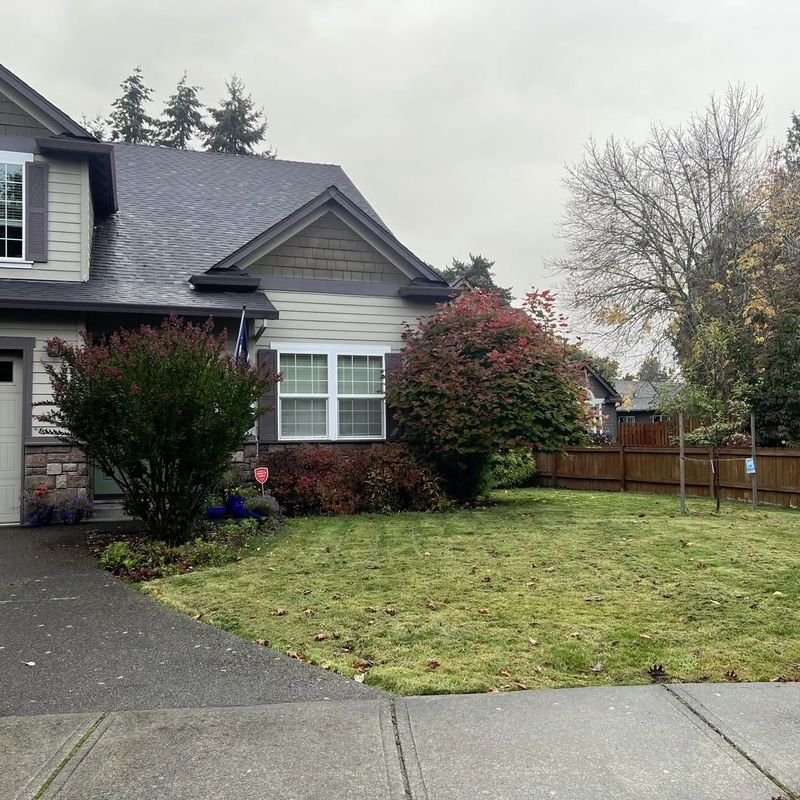
Your lawn might look green in spring, but by July it’s turning brown unless you’re watering constantly. That’s because most grass seed sold in Oregon wasn’t bred for our dry summers or our compacted urban soils.
Lawns need consistent moisture, regular feeding, and soft soil to spread their roots, and city yards rarely offer all three. Compacted soil is one of the biggest problems.
Construction equipment, foot traffic, and years of neglect leave urban ground hard as concrete. Grass roots can’t penetrate deeply, so they dry out fast when the rain stops in June.
You end up watering two or three times a week just to keep things alive. Then there’s the shade.
Street trees, buildings, and fences block sun for much of the day in city lots. Most turf grasses need at least six hours of direct light, and when they don’t get it, they thin out and invite moss and weeds.
You’re left mowing a patchy lawn that never really fills in, no matter how much you reseed or fertilize. Lawns also demand a lot of time.
Mowing, edging, aerating, overseeding it adds up fast. In a small urban yard, that effort rarely feels worth it when the grass still looks tired by midsummer.
2. Meet Kinnikinnick: A Native Ground Cover That Actually Thrives

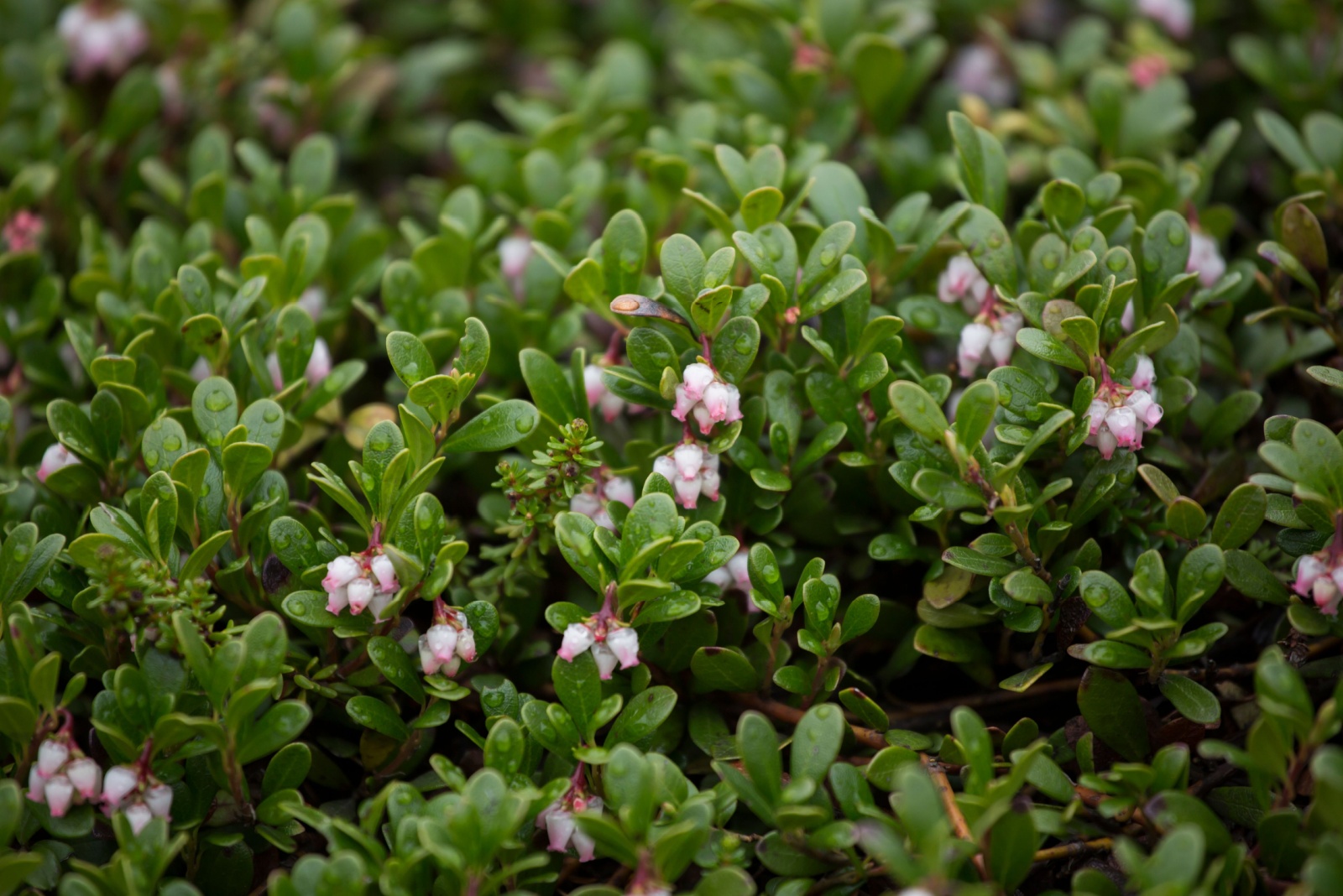
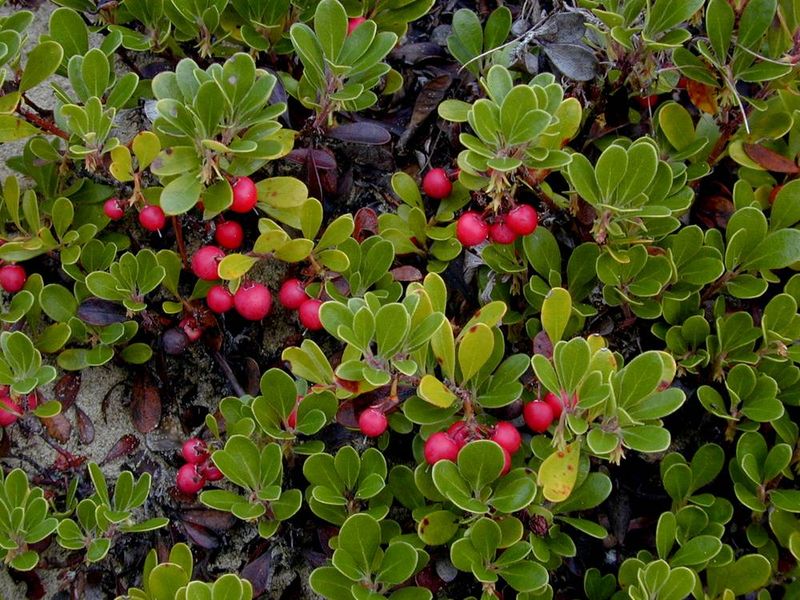
Kinnikinnick, also called bearberry, is a low-growing evergreen shrub that spreads slowly across the ground in a dense mat. It’s native to Oregon’s coastal dunes, mountain slopes, and forest edges, which means it already knows how to handle poor soil, drought, and neglect.
You don’t have to baby it the way you would a lawn. This plant stays under six inches tall and spreads out instead of up.
Your Oregon Garden Changes Every Week. Your Plan Should Too.
Gardening in Oregon changes quickly throughout the season. Every Friday you’ll receive a simple weekly plan showing exactly what to plant, prune, fertilize, harvest, and protect so you never miss the right timing.
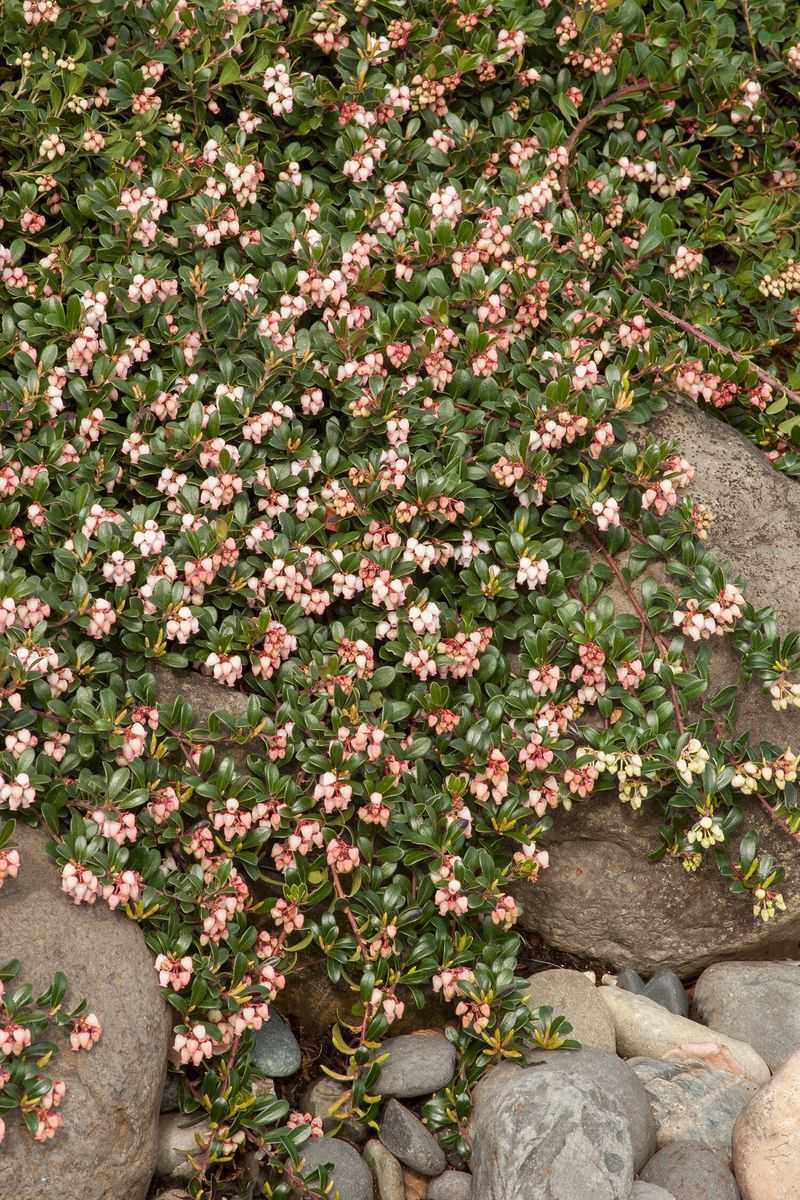
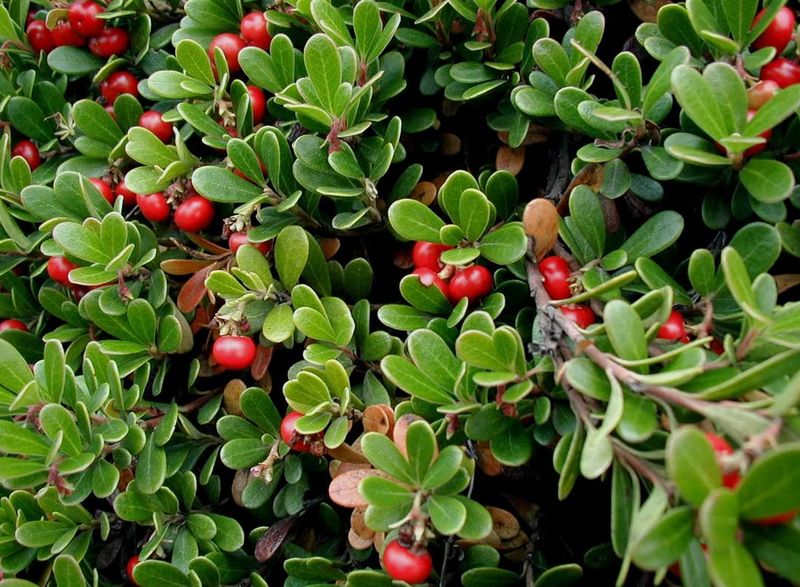
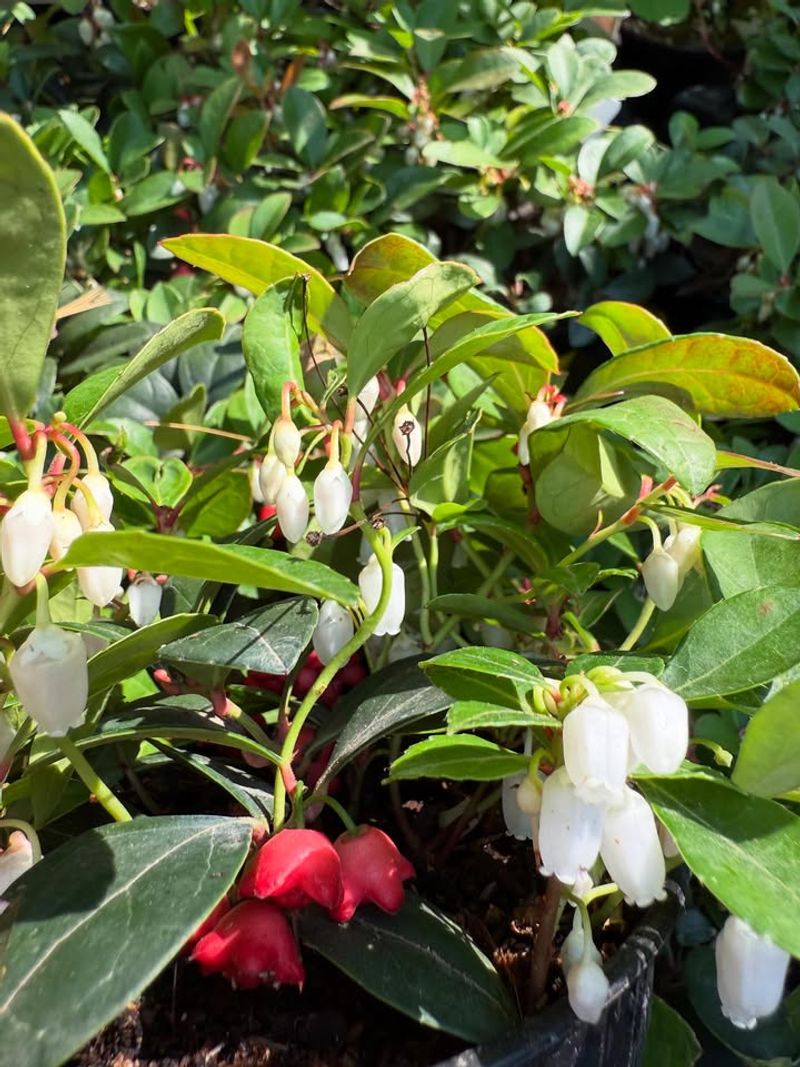
Its small, leathery leaves are dark green and glossy year-round, and in spring it produces tiny pink or white bell-shaped flowers. By late summer, bright red berries appear, adding color when most yards are looking tired.
Birds love the berries, and the flowers feed early-season pollinators. Kinnikinnick grows slowly, which some people see as a downside, but in urban yards that’s actually helpful.
It won’t take over your garden beds or crowd out other plants. Once established, it forms a tight, weed-suppressing carpet that looks tidy without any trimming or mowing.
Because it evolved in Oregon, kinnikinnick doesn’t need fertilizer, pesticides, or constant attention. It’s adapted to our climate and our soils, so it thrives where lawns fade.
That makes it a smart choice for homeowners who want a yard that looks good without demanding every weekend.
3. What Kinnikinnick Looks Like From The Street
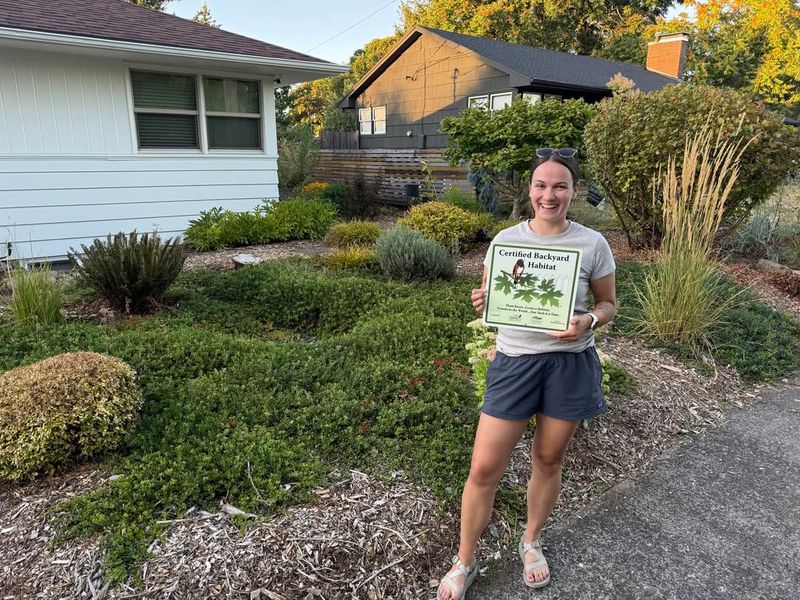
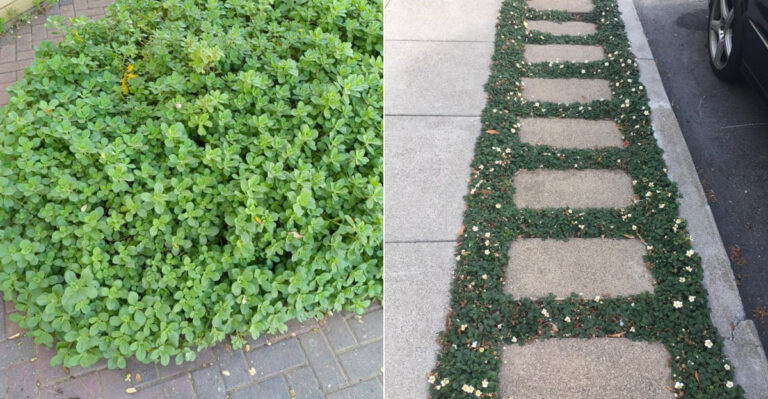
When you replace a lawn with kinnikinnick, your yard doesn’t suddenly look wild or unfinished. Instead, it takes on a neat, intentional appearance that feels more like a designed landscape than a patch of grass.
The glossy evergreen leaves catch light and give your front yard a polished look, even in winter when everything else is dormant or muddy. Because kinnikinnick stays so low, it creates clean lines along sidewalks, driveways, and garden edges.
You don’t need to edge it the way you would turf. It naturally forms a tidy boundary and doesn’t creep onto pavement or into planting beds aggressively.
That makes your yard look cared for without weekly maintenance. The texture is different from grass, and that’s part of the appeal.
Instead of a flat green carpet, you get a slightly textured mat with depth and interest. When the flowers bloom in spring and the berries ripen in fall, your yard has seasonal color that lawns simply can’t offer.
Neighbors often ask what you planted because it looks so much more interesting than the standard lawn next door. It signals that you’re thinking carefully about your landscape, not just defaulting to what everyone else does.
That shift in curb appeal is subtle but real.
4. Why It Handles Urban Conditions So Well
City yards are tough on plants. Soil gets compacted by foot traffic and construction.
Air quality isn’t great. Heat bounces off pavement and buildings, creating microclimates hotter than the surrounding area.
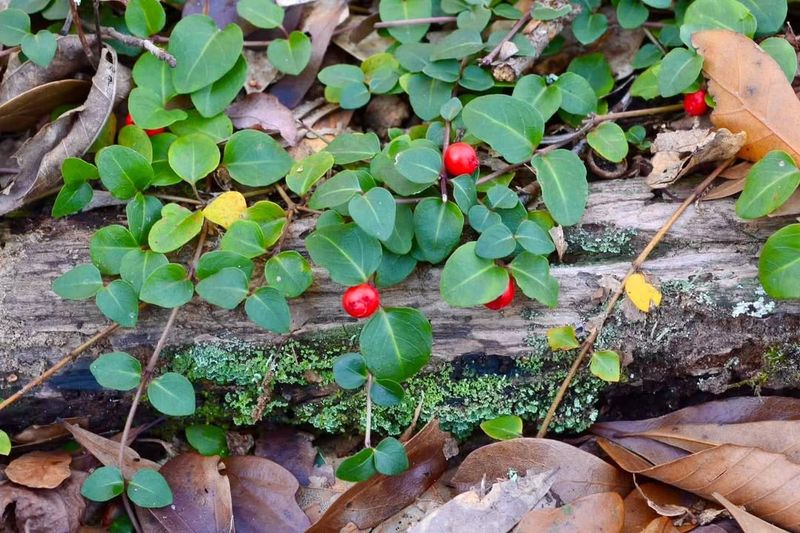
Most ornamental plants struggle with these conditions, but kinnikinnick was built for adversity. In the wild, kinnikinnick grows on rocky slopes, sandy dunes, and thin forest soils where nothing else will take hold.
It’s adapted to low nutrients, poor drainage, and long dry spells. That makes it ideal for the compacted clay or gravelly fill dirt common in urban lots.
It doesn’t need rich soil or compost to survive. Kinnikinnick also tolerates a wide range of light conditions.
It prefers full sun but will grow in partial shade, which is perfect for yards with street trees or buildings blocking light. It won’t thin out or die back the way grass does when it doesn’t get enough sun.
Once established, it handles drought remarkably well. Its deep roots and thick, waxy leaves help it conserve moisture through Oregon’s dry summers.
You won’t need to water it except during the first year or two while it’s getting settled. That’s a huge advantage in cities with water restrictions or high utility bills.
5. How Kinnikinnick Reduces Water And Maintenance Needs
Switching from lawn to kinnikinnick can cut your outdoor water use by more than half. Turf grass needs about an inch of water per week during summer to stay green, and in urban Oregon that means running sprinklers two or three times a week.
Kinnikinnick, once established, needs almost no supplemental water after its second year. That’s a real difference on your water bill and a relief during drought years.
Maintenance drops dramatically too. No more mowing, edging, or bagging clippings every Saturday.
No fertilizer schedule to remember or weed-and-feed products to apply. Kinnikinnick grows slowly and stays low, so it never needs trimming.
Weeds have a hard time breaking through the dense mat, so you’ll spend far less time pulling dandelions or crabgrass. You also won’t need to aerate, overseed, or deal with thatch buildup.
Lawns demand all of those tasks to stay healthy, and they take time and money. Kinnikinnick just sits there, looking good, without asking for much.
The only real maintenance is occasional hand-weeding in the first couple of years and maybe a light cleanup of fallen leaves in autumn. After that, it’s mostly hands-off.
For busy homeowners, that’s a huge quality-of-life upgrade.
6. The Wildlife Benefits Most Homeowners Don’t Expect
One of the most pleasant surprises after planting kinnikinnick is how much wildlife starts showing up. The flowers bloom early in the season, often in March or April, providing nectar for native bees and other pollinators when not much else is flowering yet.
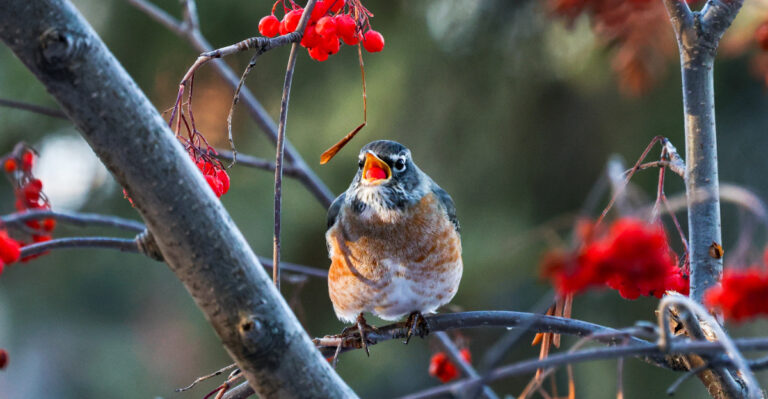
That makes your yard a critical food source during a lean time of year. The bright red berries that appear in late summer and fall are a favorite of birds, especially robins, thrushes, and waxwings.
Watching birds land in your front yard to feed on berries is a simple pleasure that lawns can’t offer. The berries also persist into winter, providing food when other sources are scarce.
Because kinnikinnick is native, it supports the insects and animals that evolved alongside it. That includes beneficial insects like ground beetles and spiders that help control pests.
A lawn, by contrast, is mostly a biological desert—there’s not much for wildlife to eat or use. Creating habitat in your yard, even a small urban lot, contributes to larger conservation efforts.
Native plants like kinnikinnick help stitch together green corridors that wildlife can move through, and that’s especially important in cities where natural habitat is fragmented. Your front yard becomes part of a bigger ecological picture.
7. Where Kinnikinnick Works Best In City Yards
Kinnikinnick is versatile, but it performs best in spots that play to its strengths. Sunny or partly sunny areas with decent drainage are ideal.
If you have a sloped front yard or a parking strip that dries out quickly, kinnikinnick will thrive there while grass struggles. It’s also excellent for areas where foot traffic is light, like side yards or under street trees.
It’s not the right choice for high-traffic zones where kids or dogs are constantly running around. Kinnikinnick can handle some light walking, but it won’t bounce back from heavy use the way a tough turf grass might.
For play areas, consider leaving a small patch of grass or using a more durable ground cover like thyme. Parking strips are one of the best places to use kinnikinnick in urban Oregon.
These narrow strips between the sidewalk and street are notoriously difficult to maintain as lawn. They’re often compacted, dry, and neglected.
Kinnikinnick turns them into attractive, low-maintenance green space that improves the whole block’s appearance. It also works well as a living mulch under trees or along garden edges.
Because it stays low and doesn’t compete aggressively, it won’t harm other plants. It just quietly fills in bare spots and suppresses weeds.
8. How To Transition From Lawn To Ground Cover Gradually
You don’t have to rip out your entire lawn in one weekend. Many homeowners start by replacing a small section—maybe a troublesome corner that never grows well or a strip along the driveway.
That lets you see how kinnikinnick grows and how you feel about the change before committing to a larger area. Start by removing the grass in your chosen area.
You can smother it with cardboard and mulch, or you can dig it out if the patch is small. Loosen the soil slightly, but don’t worry if it’s not perfect.
Kinnikinnick isn’t fussy. Plant nursery-grown plugs or small containers about 12 to 18 inches apart.
They’ll spread slowly to fill in the gaps. Water regularly during the first growing season to help roots establish.
After that, you can back off significantly. Mulch around the plants with a thin layer of compost or bark to suppress weeds and retain moisture while they’re getting started.
Over a few years, you can expand the planting as your confidence and budget allow. Gradual transitions are less overwhelming and give you time to adjust to a new kind of yard.
You’ll also learn what works best in your specific site, which makes future plantings easier and more successful.