8 Designer-Approved Trees And Shrubs That Have No Off-Season In New York

If you live in New York, you don’t have to settle for a yard that only looks good a few months a year. With the right trees and shrubs, your landscape can stay beautiful through every season.
Some plants don’t take a break, they shine in spring, summer, fall, and even winter. Your garden can look “designed” all year long.
Imagine stepping outside and always seeing color, texture, or structure, no matter the weather. No more dull winters.
No more empty-looking yards. Year-round beauty is possible, even in New York’s changing climate.
Designer-approved trees and shrubs are chosen for their lasting appeal, not just short blooms. From bold foliage to winter bark and evergreen structure, these plants keep your space interesting every month of the year.
Once you add them to your landscape, your yard won’t just look better, it will feel more complete and inviting all year long.
1. Boxwood
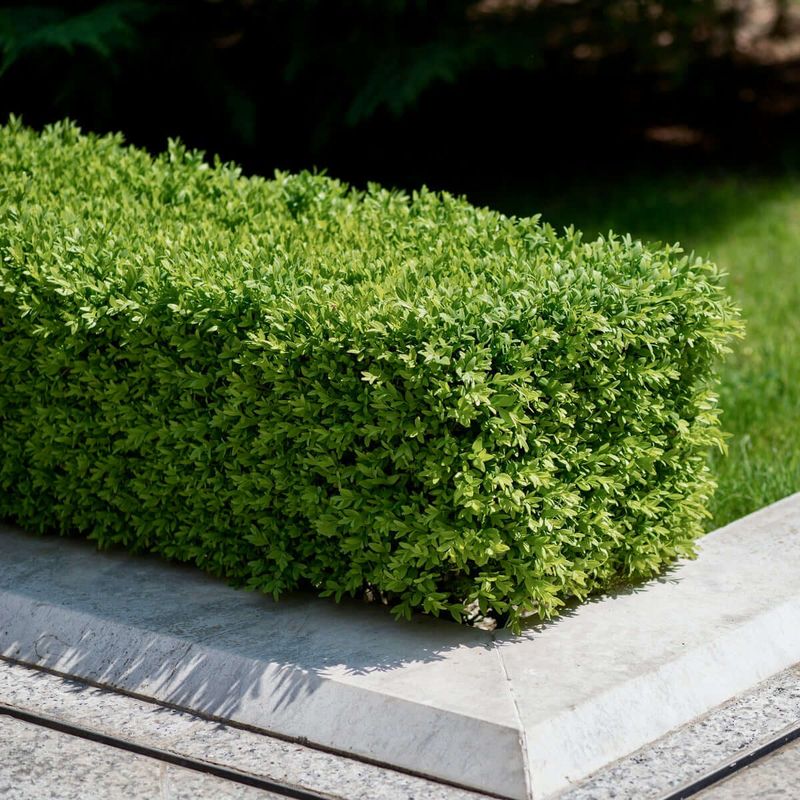
Boxwood has been a staple in formal gardens for centuries, and for good reason. Its dense, evergreen foliage stays vibrant green throughout the entire year, making it a reliable choice for New York landscapes.
Designers love how easy it is to shape and maintain, whether you want tight hedges or rounded topiaries. The compact growth habit makes it perfect for framing walkways, creating garden rooms, or adding structure to flower beds.
New York winters can be harsh, but boxwood handles the cold with ease. It doesn’t lose its leaves or turn brown when temperatures drop.
Instead, it keeps its rich color and full appearance, providing much-needed greenery when everything else looks dormant. This makes it an excellent backdrop for winter interest plants or a standalone focal point in colder months.
Spring and summer bring new growth that’s slightly lighter in color, adding subtle dimension to the plant. Boxwood doesn’t demand much attention once established.
It tolerates pruning well and can be trimmed into nearly any shape you can imagine. For a plant that looks intentional and polished all year, boxwood is a designer favorite that never disappoints in New York gardens.
2. Japanese Maple
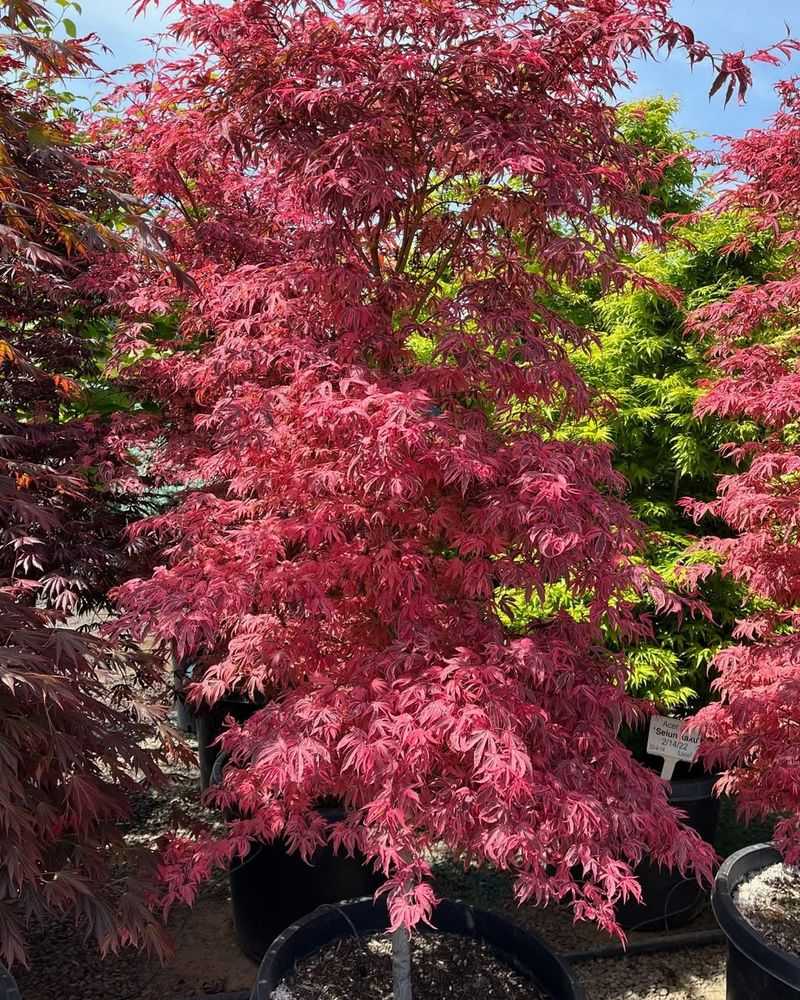
Few trees offer the drama and elegance of a Japanese maple. Known for their delicate, lacy leaves and graceful branching structure, these trees are show-stoppers in every season.
In spring, new leaves emerge in shades of red, orange, or green, depending on the variety. Summer brings full, lush foliage that creates a canopy of color.
Come fall, the leaves turn brilliant shades of crimson, gold, and burgundy, making them one of the most photographed trees in New York.
Even after the leaves drop, Japanese maples continue to impress. Their elegant, twisting branches create a striking silhouette against winter skies.
Many varieties have colorful bark in shades of red, green, or coral that stands out beautifully in snowy landscapes. This multi-season appeal is why landscape designers recommend them for year-round interest.
Japanese maples thrive in New York’s climate, tolerating cold winters and warm summers. They prefer partial shade and well-drained soil, making them ideal for understory planting or as a focal point in a garden bed.
Your New York Garden Changes Every Week. Your Plan Should Too.
Gardening in New York changes quickly throughout the season. Every Friday you’ll receive a simple weekly plan showing exactly what to plant, prune, fertilize, harvest, and protect so you never miss the right timing.
Their relatively small size makes them suitable for yards of all sizes. Whether you choose a weeping variety or an upright form, a Japanese maple adds sophistication and beauty that never fades throughout the year.
3. Winterberry Holly
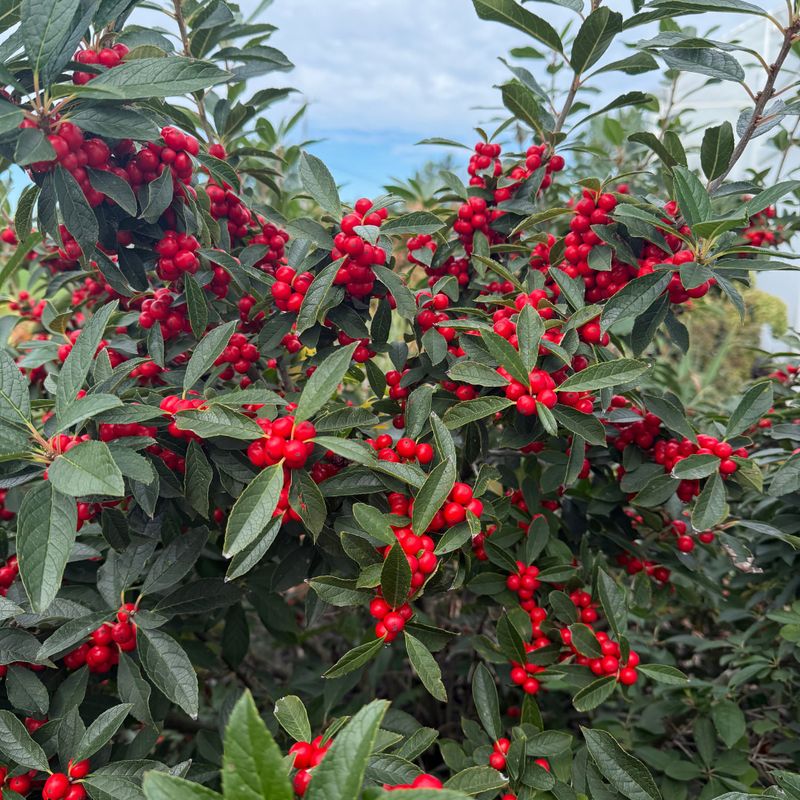
Winterberry holly is a deciduous shrub that truly earns its name. While most plants fade into the background during winter, winterberry puts on its best show when temperatures drop.
Female plants produce bright red berries that cling to bare branches from late fall through winter, creating a stunning contrast against snow and gray skies.
Birds love these berries, adding movement and life to your New York garden when it’s needed most.
During spring and summer, winterberry has attractive green foliage that blends nicely with other garden plants. It doesn’t demand attention during these seasons but provides a solid, healthy backdrop.
The real magic happens after the leaves drop in autumn. That’s when the berries become the star, glowing like tiny ornaments on the branches.
Winterberry thrives in moist soils and can even tolerate wet areas where other shrubs struggle. This makes it perfect for low spots in New York yards or near ponds and streams.
You’ll need both male and female plants for berry production, but one male can pollinate several females. Landscape designers appreciate winterberry for bringing color and wildlife interest during the bleakest months.
It’s a plant that truly has no off-season, offering something special all year long in New York landscapes.
4. Blue Spruce
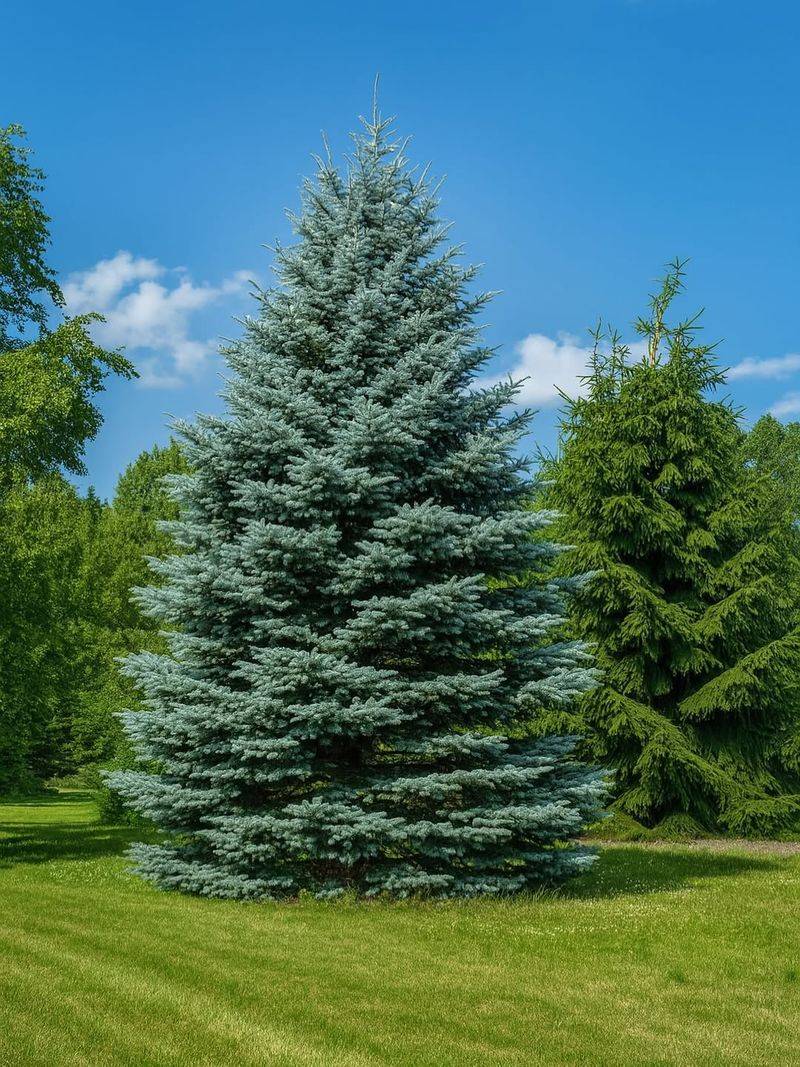
Blue spruce stands out in any landscape with its distinctive silvery-blue needles. This evergreen conifer maintains its striking color throughout all four seasons, making it a favorite among designers who want year-round impact.
The pyramidal shape gives it a formal, elegant appearance that works well as a specimen tree or in groupings. New York homeowners love how it adds instant structure and height to their properties.
The blue-gray foliage provides a unique color contrast to the typical greens found in most gardens. It pairs beautifully with flowering shrubs in spring and summer, and the color really pops against autumn foliage.
In winter, blue spruce becomes even more valuable as it holds snow on its branches, creating a picture-perfect holiday card scene.
Blue spruce grows well in New York’s climate, tolerating cold temperatures and various soil types. It prefers full sun and needs space to reach its full potential, as mature trees can grow quite large.
The dense branching provides excellent privacy screening and windbreak protection. Birds and small wildlife use the branches for shelter, adding ecological value.
For a tree that commands attention and never looks dull, blue spruce delivers consistent beauty. Its year-round presence makes it a smart investment for any New York landscape.
5. Oakleaf Hydrangea
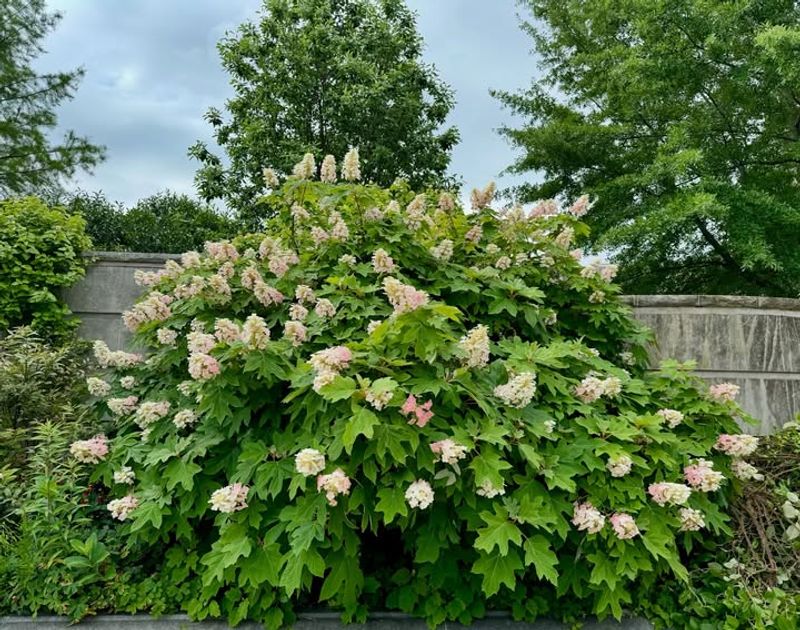
Oakleaf hydrangea is a multi-season performer that landscape designers adore. In late spring and early summer, it produces large, cone-shaped white flower clusters that gradually fade to pink and then tan.
These dried blooms persist well into winter, adding texture and interest long after other flowers have faded. The flowers alone would make this shrub worthy of a spot in any New York garden.
The foliage is equally impressive. Large, oak-shaped leaves emerge green in spring and turn spectacular shades of burgundy, orange, and purple in fall.
This autumn display rivals that of any tree and lasts for weeks. Even after the leaves drop, the exfoliating bark reveals cinnamon-brown layers that provide winter interest.
Oakleaf hydrangea adapts well to New York’s climate and tolerates both sun and partial shade. It grows into a substantial shrub that works well as a foundation plant or mixed into perennial borders.
Unlike some hydrangeas, it doesn’t need special soil amendments to bloom reliably. The four-season interest makes it incredibly valuable in landscape design.
From flowers to foliage to bark, there’s always something attractive happening with this shrub. For homeowners wanting a plant that continuously delivers visual appeal throughout the year, oakleaf hydrangea is an outstanding choice for New York gardens.
6. Burning Bush
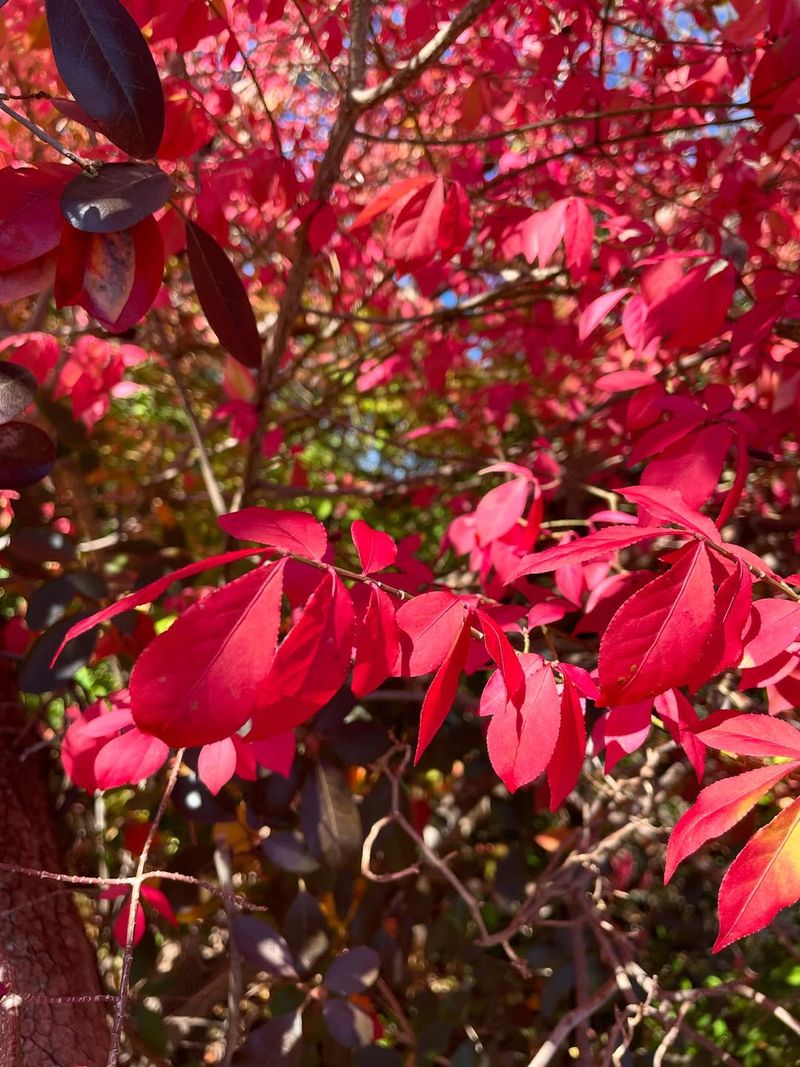
Burning bush earns its dramatic name from the intense scarlet-red foliage it displays each autumn. This deciduous shrub transforms from a pleasant green backdrop into a blazing focal point that can be seen from across the yard.
New York landscapes come alive with color when burning bush reaches its peak in October. Designers use it strategically to create stunning fall displays that rival any flowering plant.
During spring and summer, burning bush maintains a neat, compact form with fine-textured green leaves. It blends harmoniously with other plants while providing reliable structure.
The real transformation happens when temperatures cool and daylight shortens. The leaves gradually shift from green to brilliant red, creating one of the most spectacular autumn shows in the plant world.
Even in winter, burning bush has appeal. The corky ridges on its branches add textural interest that becomes more noticeable once the leaves drop.
This architectural quality keeps the plant from looking plain during dormant months. Burning bush tolerates New York’s climate well and adapts to various soil conditions.
It handles pruning easily and can be shaped to fit different spaces. For a shrub that provides three seasons of solid performance and one season of absolute brilliance, burning bush is a designer favorite that brings reliable year-round structure and unforgettable autumn color to New York gardens.
7. Red Twig Dogwood
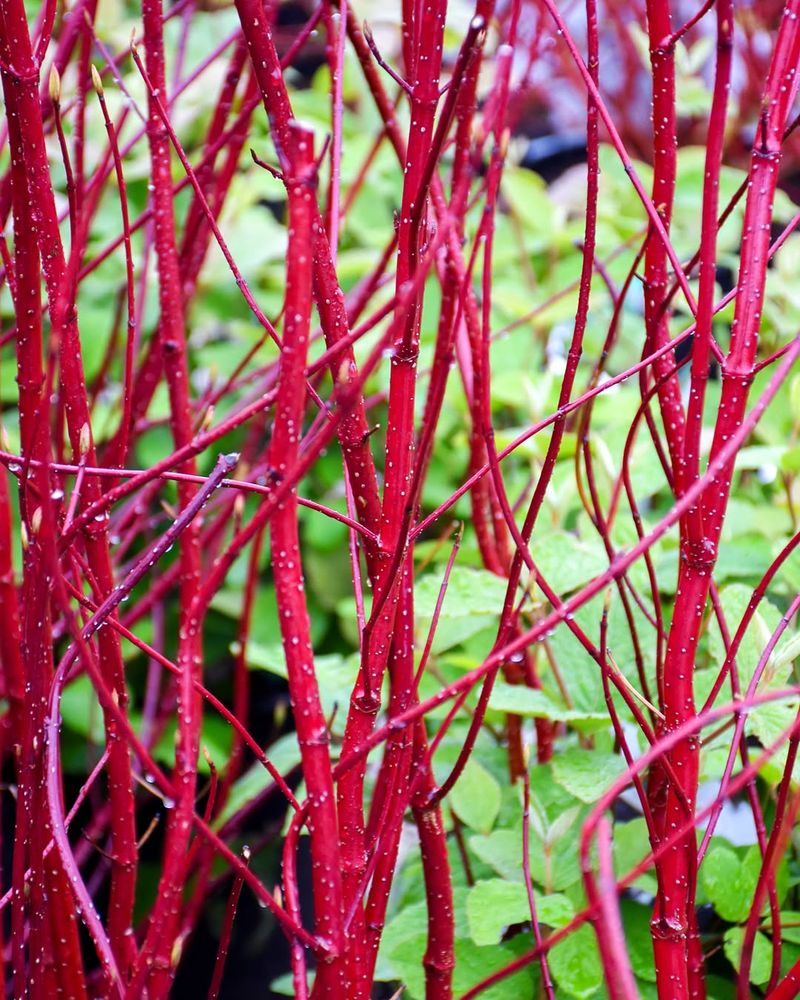
Red twig dogwood flips the script on traditional garden design. While most plants save their best for spring and summer, this shrub truly shines in winter.
Bright red or yellow stems create a stunning display against snow and gray skies, making it a favorite among landscape designers who understand year-round interest. New York winters can look bleak, but red twig dogwood adds vibrant color when it’s needed most.
The show doesn’t stop with winter, though. In spring, small white flowers appear, attracting pollinators to your garden.
Summer brings lush green foliage that provides a fresh, clean backdrop for other plants. Fall foliage turns shades of burgundy and purple before dropping to reveal those spectacular colored stems.
Red twig dogwood thrives in New York’s climate and tolerates wet soils better than many shrubs. It’s perfect for low-lying areas or rain gardens where drainage is poor.
The plant spreads through underground stems, creating a dense thicket that’s excellent for erosion control and wildlife habitat. Birds feast on the small white berries that appear in late summer.
For maximum stem color, prune out older branches every few years to encourage new growth. This simple maintenance keeps the winter display vibrant.
Red twig dogwood proves that some plants save their best performance for the coldest months in New York.
8. Eastern White Pine
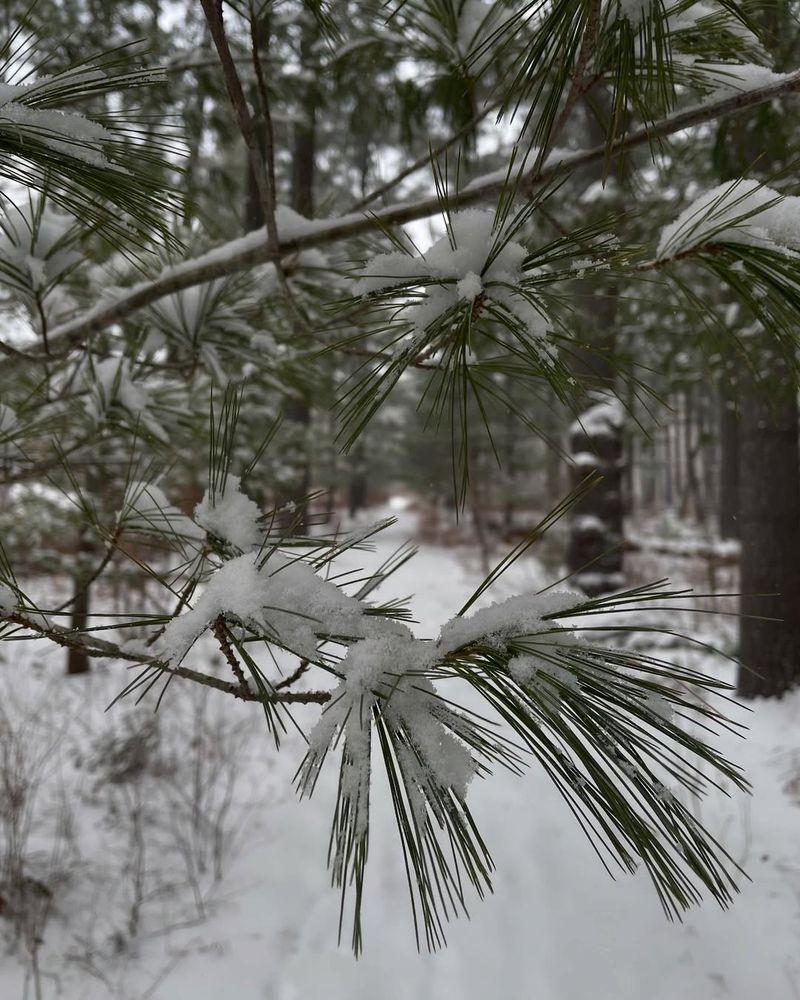
Eastern white pine is a native evergreen that delivers consistent beauty throughout every season. Its soft, blue-green needles grow in bundles of five, creating a feathery texture that sets it apart from other conifers.
This fast-growing tree quickly establishes itself as a landscape anchor, providing year-round structure and privacy in New York yards. Designers appreciate how it softens harsh architectural lines while maintaining visual interest through all seasons.
The pyramidal shape when young gradually becomes more irregular and picturesque with age, adding character to the landscape. In spring, new growth appears as light green candles at the branch tips, creating a two-toned effect.
Summer brings full, lush foliage that provides excellent shade and privacy. Winter snowfall clings to the branches, creating a classic New England scene.
Eastern white pine adapts to various soil types and tolerates New York’s climate extremes. It grows well in full sun to partial shade and can reach impressive heights, making it suitable for larger properties.
The tree provides valuable habitat for birds and small mammals year-round. The gentle sound of wind through its needles adds a sensory element to the garden.
For a native tree that requires minimal maintenance and provides four-season interest, eastern white pine is an excellent choice that landscape designers consistently recommend for New York properties.