The Worst Garden Center Flowers For Bees And Pollinators In California
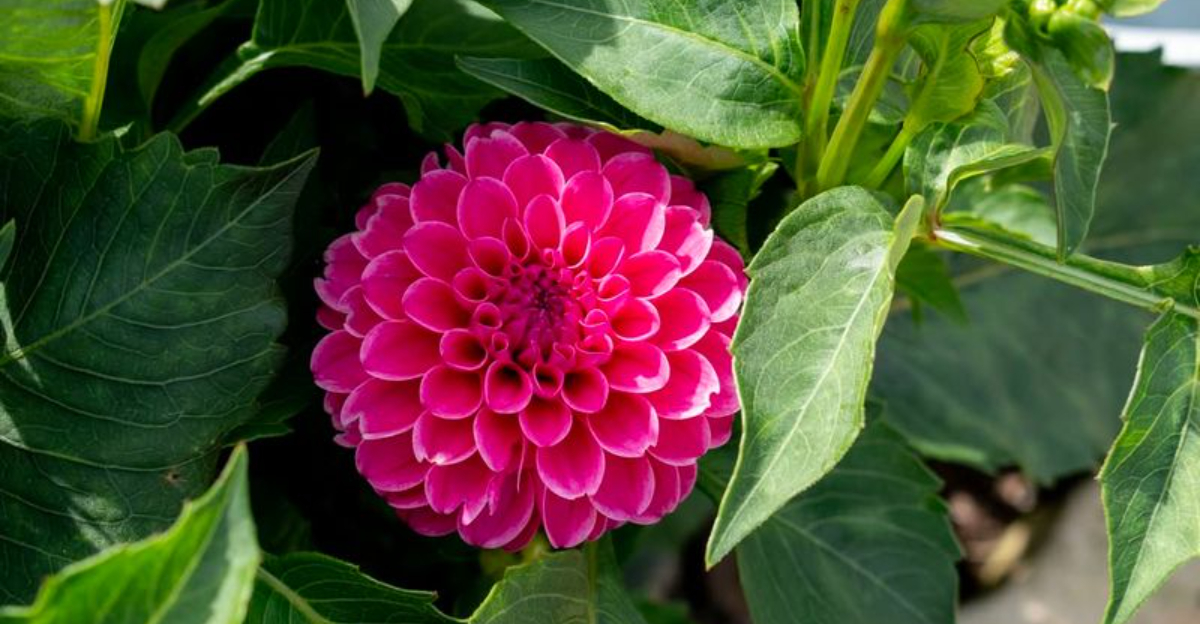
Walking into a California garden center feels exciting, but not every colorful flower is good for bees and pollinators. Some popular plants may look beautiful, yet offer little food or even cause harm to the insects your garden depends on.
What you plant matters more than you think. Imagine filling your yard with flowers that actually hurt pollinators without knowing it.
Sounds surprising, right? Small choices can make a big difference.
Your garden can help save bees, or quietly push them away. The good news is that once you know what to avoid, creating a pollinator-friendly space becomes much easier.
California’s warm climate and long growing season mean more plant options, but also more misleading choices at garden centers. By learning which flowers are the worst for bees and pollinators, you can shop smarter and plant better.
After this, you’ll never look at those bright garden center displays the same way again.
1. Double Impatiens
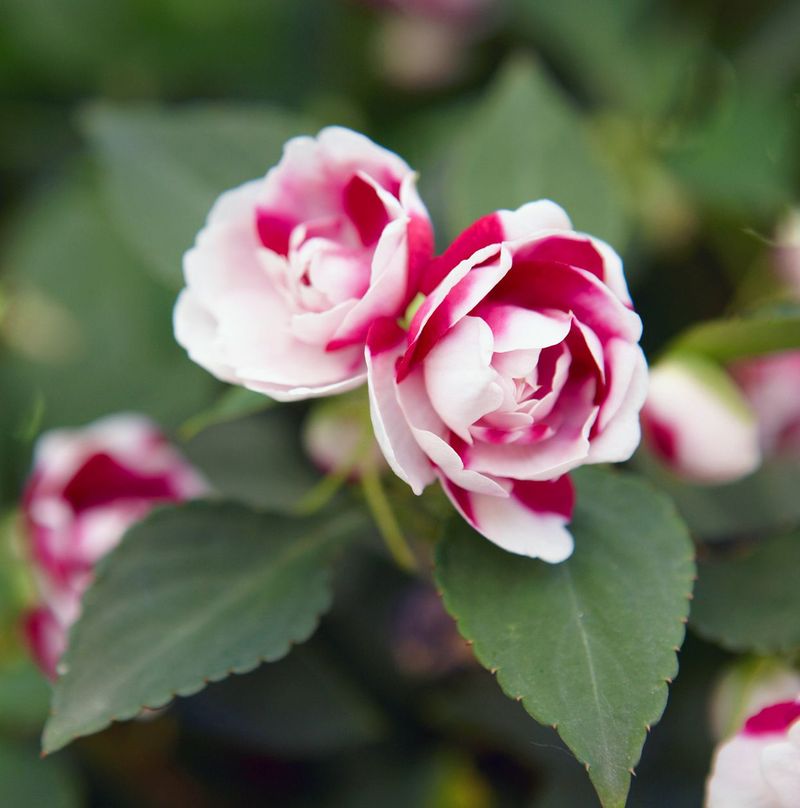
Walk into any California nursery and you will find rows of double impatiens with their puffy, rose-like blooms in every color imaginable.
These flowers have been selectively bred to produce extra petals, creating a fuller, more dramatic appearance that catches the eye of shoppers looking for instant color. Unfortunately, all those extra petals come at a serious cost to pollinators.
The breeding process that creates double blooms often eliminates or buries the reproductive parts of the flower deep within layers of petals. Bees and other pollinators cannot access the nectar or pollen that might remain hidden inside.
Even when these structures exist, they are usually nonfunctional or produce very little of the food that pollinators need to survive.
California gardens filled with double impatiens may look stunning, but they function as pollinator deserts. Bees will often land on these flowers, explore briefly, and leave without finding any reward for their efforts.
This wastes precious energy that pollinators need for survival, especially during California’s hot, dry summers when resources are already scarce.
Single-flowered impatiens varieties still exist and provide much better support for local pollinators. These simpler blooms have open centers that allow easy access to nectar and pollen.
Making the switch to single varieties gives you beautiful color while actually helping the bees and butterflies that visit your California garden throughout the growing season.
2. Hybrid Tea Roses
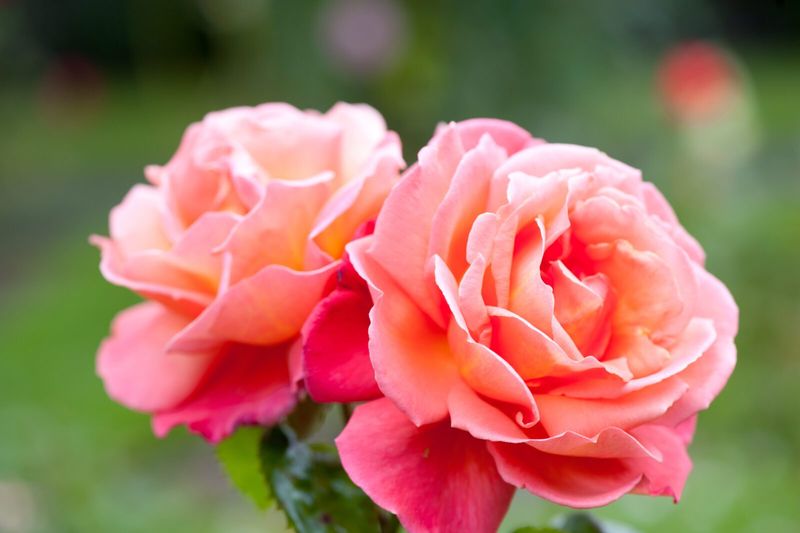
Hybrid tea roses represent the pinnacle of rose breeding, with their large, perfectly formed blooms sitting atop long stems. Garden centers throughout California stock dozens of varieties in colors ranging from deep crimson to soft yellow.
These roses have been cultivated for centuries to achieve their spectacular appearance, but that beauty comes with hidden consequences for pollinators.
Most hybrid tea roses produce little to no nectar, and many have lost their fragrance entirely through selective breeding. The focus on creating large, symmetrical flowers with long vase life has resulted in blooms that are essentially ornamental sculptures rather than functional flowers.
Bees and other pollinators show little interest in visiting them because there is simply nothing there to collect.
Your California Garden Changes Every Week. Your Plan Should Too.
Gardening in California changes quickly throughout the season. Every Friday you’ll receive a simple weekly plan showing exactly what to plant, prune, fertilize, harvest, and protect so you never miss the right timing.
California’s diverse pollinator population needs flowers that provide real nutritional value. When gardeners fill beds with hybrid tea roses, they create spaces that look lush but function as food deserts for beneficial insects.
This is particularly problematic in urban and suburban areas where natural habitat has already been reduced significantly.
Old garden roses, shrub roses, and wild rose species offer much better alternatives for California gardeners who want both beauty and pollinator support. These varieties retain their natural nectar production and simpler flower structures that allow easy access.
They also tend to be more disease-resistant and better adapted to California’s climate, making them easier to maintain while providing genuine help to local bee populations.
3. Double Petunias

Petunias rank among the most popular bedding plants sold at California garden centers, and double varieties have become increasingly common in recent years. These cultivars produce flowers with multiple layers of ruffled petals that create a lush, full appearance.
Gardeners love them for their long blooming season and vibrant colors, but pollinators find them frustrating and unrewarding.
The extra petals that make double petunias so visually appealing completely block access to any nectar or pollen that might be present. Bees attempting to forage on these flowers waste time and energy pushing through layers of tissue without finding the food they need.
In many cases, the reproductive structures have been bred out entirely, leaving nothing for pollinators to collect even if they could reach the flower’s center.
California’s Mediterranean climate allows petunias to bloom for months, potentially occupying prime garden space that could be filled with genuinely helpful plants. When large containers or entire beds are planted exclusively with double petunias, pollinators lose access to valuable foraging territory.
This is especially harmful during late summer and fall when natural food sources become scarce across California’s landscape.
Single-flowered petunia varieties still provide excellent color and performance while offering open blooms that pollinators can actually use.
Wild petunia species and their simpler hybrids attract bees, butterflies, and hummingbirds throughout California’s growing season.
Choosing these alternatives gives you the same easy care and long bloom time while making your garden a genuine resource for local pollinator populations.
4. Begonias
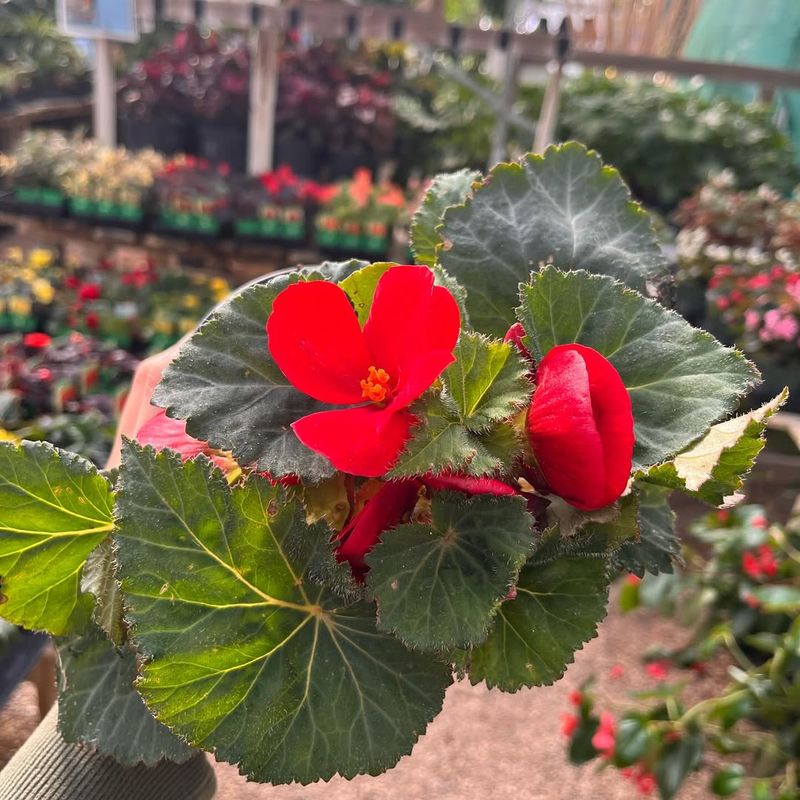
Begonias fill California garden centers with their glossy leaves and clusters of cheerful blooms in shades of pink, red, white, and coral. These shade-loving plants have become standard choices for containers, hanging baskets, and shaded garden beds throughout the state.
Their ability to thrive in low-light conditions makes them especially popular in areas where sun-loving plants struggle, but their value to pollinators is essentially nonexistent.
Most common begonia varieties produce very little nectar and minimal pollen, making them unattractive to bees and other beneficial insects.
The flowers have evolved to rely primarily on wind pollination rather than insect visitors, so they lack the rewards that would encourage pollinator activity.
California gardeners who plant extensive begonia displays create spaces that look lush but offer nothing to hungry bees.
The situation becomes even more problematic with double-flowered begonia cultivars, which have become increasingly popular in recent years.
These varieties have the same access issues as other double flowers, with extra petals blocking any remaining reproductive structures. Pollinators simply ignore them in favor of more rewarding options elsewhere.
California gardens with shady areas have better options that provide both beauty and pollinator support. Native plants like coral bells, columbine, and bleeding heart thrive in partial shade while offering genuine food sources for bees and butterflies.
Fuchsias attract hummingbirds with their nectar-rich blooms. Making these substitutions transforms shaded spaces from pollinator wastelands into valuable habitat that supports California’s diverse beneficial insect populations throughout the growing season.
5. Double Marigolds
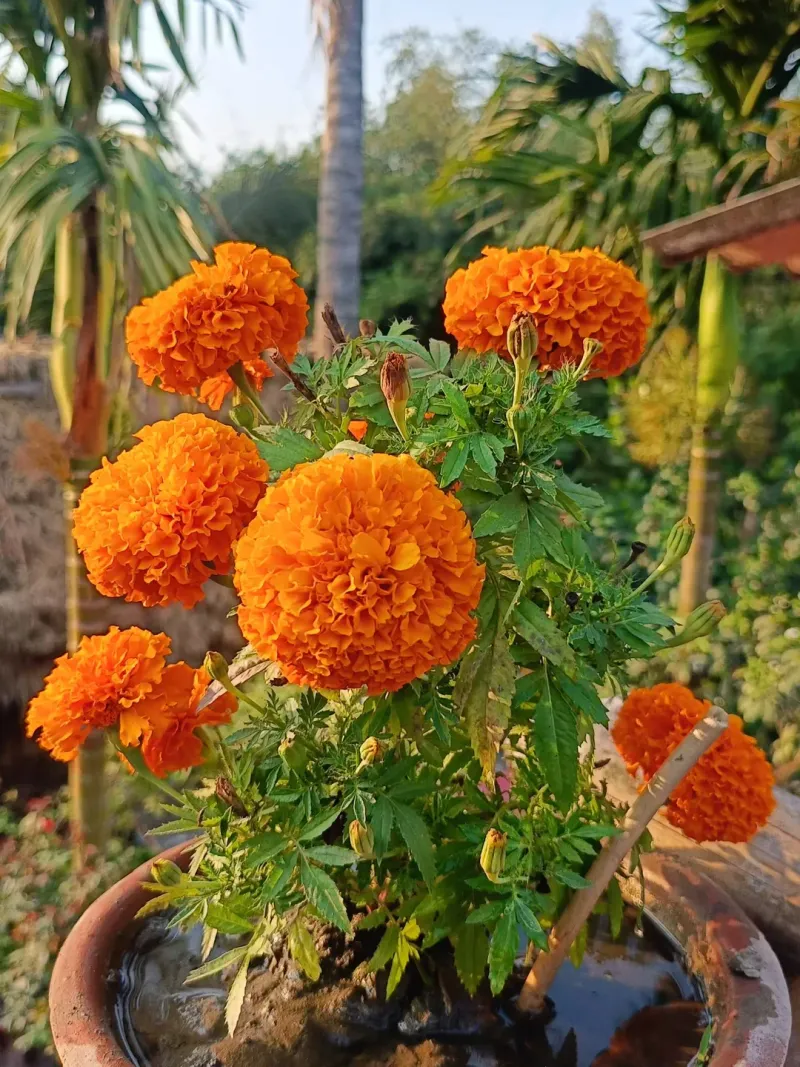
Marigolds appear in virtually every California garden center, prized for their bright colors, easy care, and supposed ability to repel pests. Double varieties have become the standard, with their pom-pom shaped blooms in shades of orange, yellow, and red.
These plants have a reputation as garden workhorses, but their value to pollinators tells a different story.
Single marigolds produce accessible pollen and nectar that bees and other insects can collect, but double varieties have been bred to maximize petal count at the expense of these resources.
The resulting flowers are so packed with petals that pollinators cannot reach whatever nectar or pollen might remain inside.
California gardeners who plant these thinking they are helping their gardens may actually be creating barriers for beneficial insects.
The strong scent of marigolds can actually repel some pollinator species, particularly when planted in large masses.
While this characteristic has been promoted as a pest control feature, it also means that even hungry bees may avoid areas heavily planted with these flowers.
In California’s urban and suburban gardens where pollinator habitat is already limited, this represents a significant lost opportunity.
Single-flowered marigold varieties and related species like Mexican marigold provide much better support for California pollinators.
These plants retain the bright colors and easy care that make marigolds popular while offering open flower structures that bees can actually use.
Native California sunflowers and asters provide similar color impact with even greater benefits for local pollinator populations. Choosing these alternatives helps create gardens that truly support the beneficial insects California ecosystems depend on.
6. Sheared Lavender
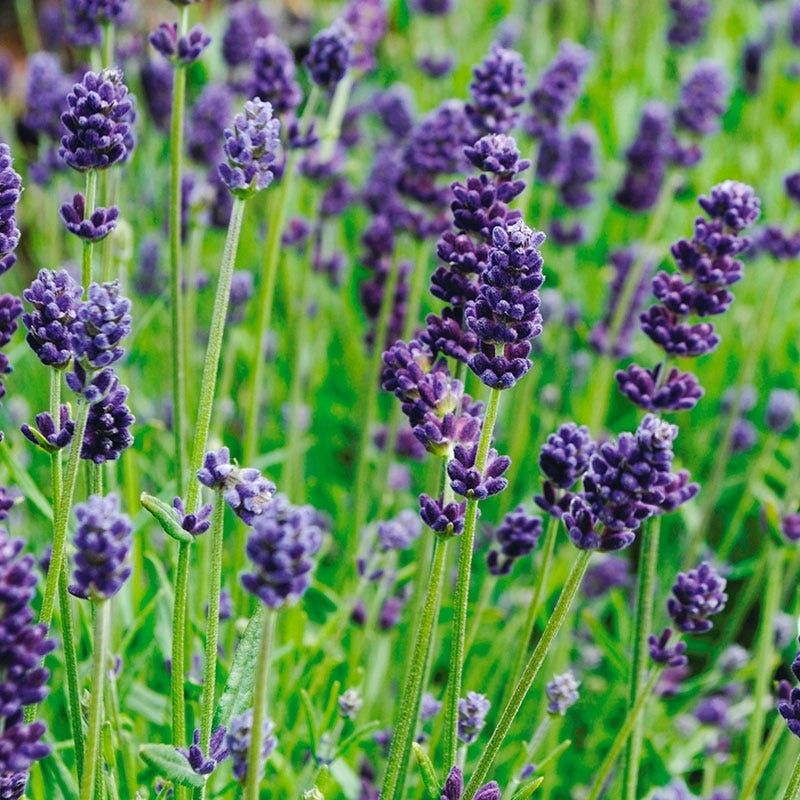
Lavender grows beautifully across much of California and has a well-deserved reputation as a pollinator magnet. However, the way this plant is often maintained at garden centers and in home landscapes can dramatically reduce its value to bees and other beneficial insects.
Many California nurseries sell lavender plants that have been heavily sheared to create compact, uniform shapes that look tidy on display shelves.
This aggressive pruning removes the flower buds that pollinators need, leaving customers with plants that may take weeks or months to bloom again.
Even after planting, many gardeners continue this practice, cutting lavender back frequently to maintain a formal appearance.
Each time the flowers are removed, pollinators lose access to one of their most valuable food sources in California gardens.
Lavender blooms provide abundant nectar and pollen during a critical period in late spring and summer when many other plants have finished flowering. California’s native bees, honeybees, and butterflies rely heavily on this resource.
When gardeners prioritize appearance over function by constantly shearing their lavender, they eliminate the very characteristic that makes these plants valuable to pollinators.
Allowing lavender to bloom fully and cutting it back only after flowers fade maximizes its benefit to California’s pollinator populations. Choosing varieties that naturally maintain attractive shapes without constant pruning makes maintenance easier while keeping flowers available longer.
Planting lavender in informal drifts rather than formal hedges reduces the temptation to shear and creates more naturalistic displays that better support the bees and butterflies visiting California gardens throughout the summer months.
7. Ornamental Kale
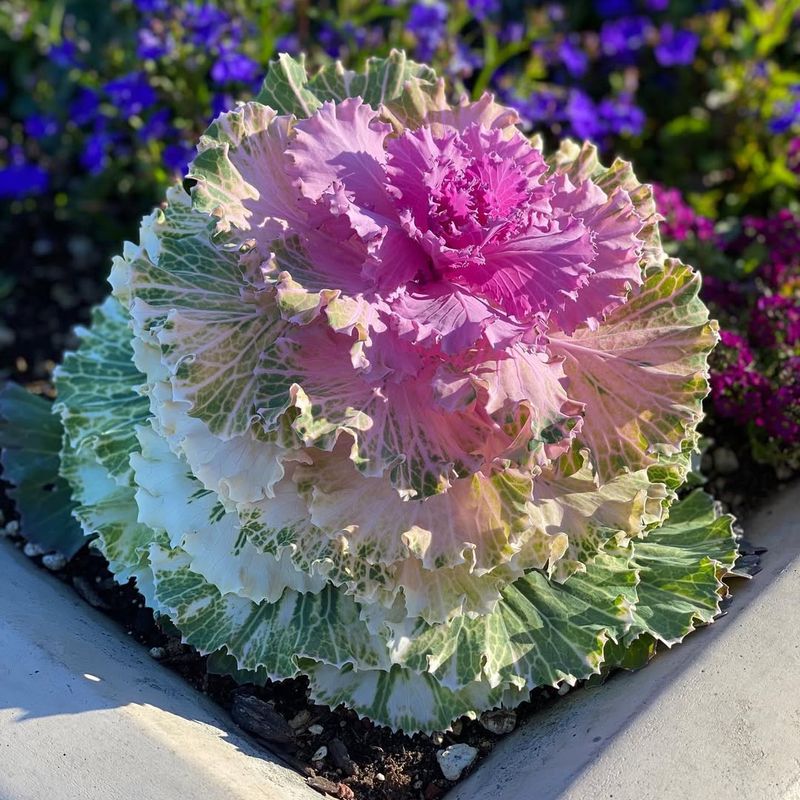
Garden centers across California feature ornamental kale prominently during fall and winter months, when its colorful rosettes of purple, pink, and white foliage provide visual interest.
These plants have become popular cool-season alternatives to flowers, offering texture and color when many other plants look tired.
Gardeners appreciate their cold tolerance and long-lasting display, but pollinators find them completely useless.
Ornamental kale has been bred specifically for foliage rather than flowers, and most varieties never bloom at all in California gardens. Even when plants do eventually bolt and produce flowers, this typically happens only after they have become unattractive and gardeners remove them.
The entire purpose of these plants is decorative foliage, which provides absolutely nothing for bees, butterflies, or other beneficial insects.
California’s mild winters allow many truly useful plants to bloom during cool months when pollinators are still active.
By filling garden beds with ornamental kale instead, gardeners miss opportunities to provide critical food sources during a period when natural resources are limited.
This is particularly important for native California bee species that remain active during winter months when temperatures permit.
California gardeners have numerous better options for cool-season color that actually support pollinators. Calendula, snapdragons, alyssum, and stock all bloom beautifully during fall and winter while providing nectar and pollen.
Native California plants like manzanita and ceanothus bloom in late winter and early spring, offering crucial early-season resources.
Making these substitutions creates gardens that look beautiful year-round while genuinely helping the pollinator populations that California ecosystems depend on for healthy function.
8. Double Dahlias
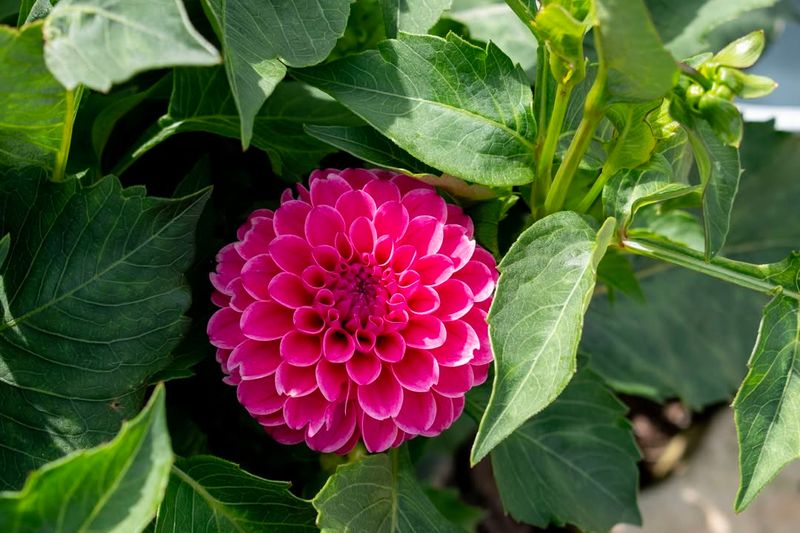
Dahlias have experienced a massive surge in popularity among California gardeners in recent years, with garden centers dedicating entire sections to these showy plants. Double varieties dominate the market, offering dinner-plate sized blooms in every color imaginable.
These spectacular flowers photograph beautifully and create stunning focal points in garden beds, but they offer virtually nothing to the pollinators that visit California gardens.
The breeding that produces those enormous, perfectly layered blooms eliminates access to nectar and pollen. Bees and other insects may land on double dahlias but quickly leave after finding no reward for their efforts.
The flower structures that would normally provide food have been replaced with additional decorative petals that serve only human aesthetic preferences.
California’s long growing season allows dahlias to bloom from summer through fall, occupying prime garden real estate during months when pollinators need abundant food sources. Gardens filled with double dahlias may look spectacular but function as pollinator dangerous zones.
This is especially problematic in areas where natural habitat has been replaced by urban development, leaving beneficial insects dependent on garden resources.
Single-flowered dahlia varieties still provide the dramatic color and size that make these plants popular while maintaining open centers that pollinators can access.
Cultivars labeled as single, collarette, or anemone-flowered offer excellent compromises between appearance and function.
California native sunflowers, asters, and rudbeckias provide similar late-season impact with even greater benefits for local pollinator populations.
Choosing these alternatives creates gardens that deliver both visual drama and genuine ecological value throughout California’s extended growing season.