How New Mexico Residents Can Remove Invasive Tumbleweeds Safely
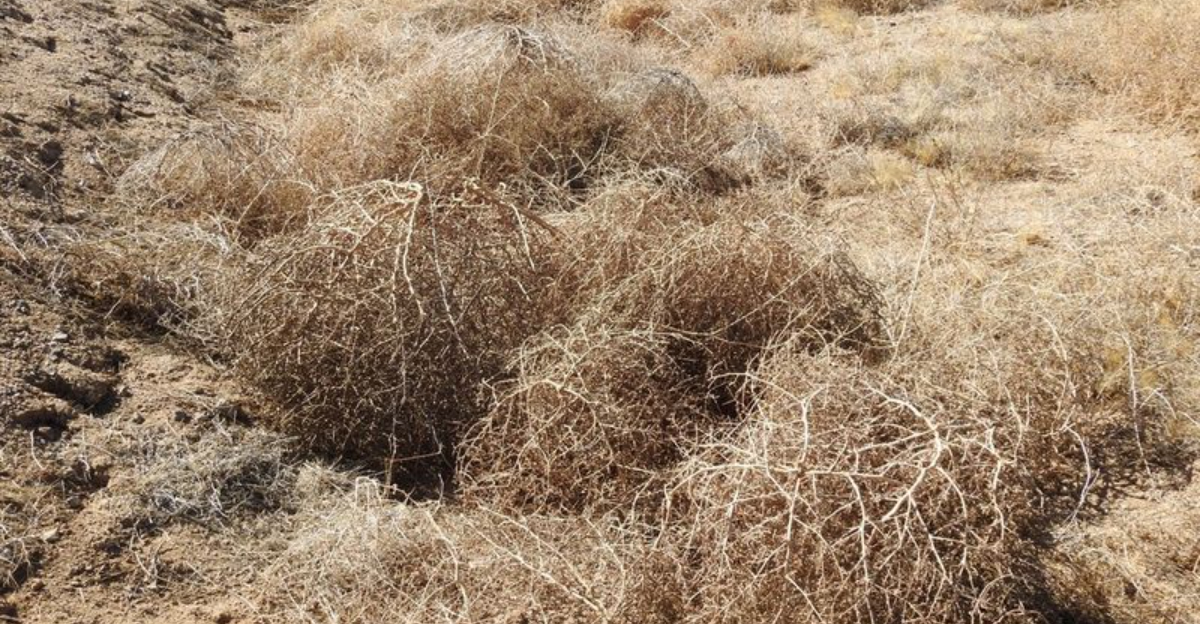
If you live in New Mexico, you’ve probably seen tumbleweeds piling up along fences, roads, and backyards. They may look harmless, but invasive tumbleweeds can quickly turn into a real problem.
They spread fast, block pathways, and even increase fire risk. One tumbleweed can turn into hundreds before you know it.
What if you could stop them before they take over your yard? The good news is you don’t need heavy equipment or special skills to get started.
Small actions can lead to big results. You can take control of tumbleweeds safely and effectively.
New Mexico’s dry climate makes these plants thrive, but it also means they can be managed with the right approach. From proper removal methods to safe disposal tips, learning how to handle tumbleweeds the right way protects your property and your safety.
Once you know what to do, dealing with tumbleweeds becomes much less stressful and far more manageable.
1. Manual Removal With Proper Protective Gear
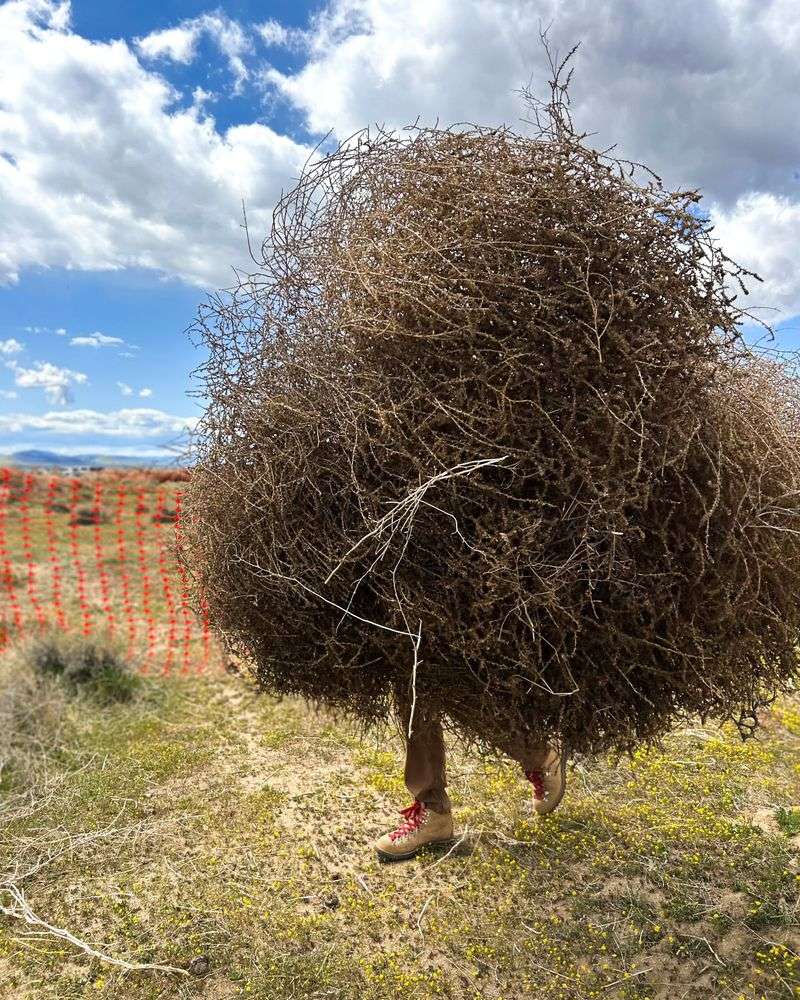
Grabbing tumbleweeds by hand might seem straightforward, but these plants have sharp, thorny branches that can easily puncture skin. New Mexico residents who choose manual removal need to invest in quality protective equipment before starting.
Thick leather gloves, long-sleeved shirts, and sturdy pants create essential barriers between your skin and those painful spines. Safety glasses protect your eyes from broken twigs that can fly up unexpectedly.
The best time for manual removal is right after rain when tumbleweeds are slightly damp and less likely to break apart. Dry tumbleweeds shatter into countless pieces that spread seeds everywhere, making your problem worse instead of better.
Work slowly and deliberately, grasping each plant near its base where the stem is thickest and most stable.
Many homeowners in Santa Fe and Taos have found success using this method for small infestations. Pull the entire plant including the root system when possible, which prevents regrowth in the same spot.
Place removed tumbleweeds directly into large bags or tarps to contain loose seeds and prevent them from scattering across your property.
Manual removal works best for properties with fewer than twenty tumbleweeds. Larger infestations require more efficient methods to avoid exhaustion and potential injury.
Always inspect your gloves before starting work, replacing any with holes or worn spots. Remember that even small punctures from tumbleweed thorns can become infected if not cleaned properly.
Keep a first aid kit nearby with antiseptic wipes and bandages. This old-fashioned approach remains popular because it requires no special equipment beyond protective clothing and gives you complete control over where each plant goes during the removal process.
2. Using Pitchforks And Rakes For Safer Distance
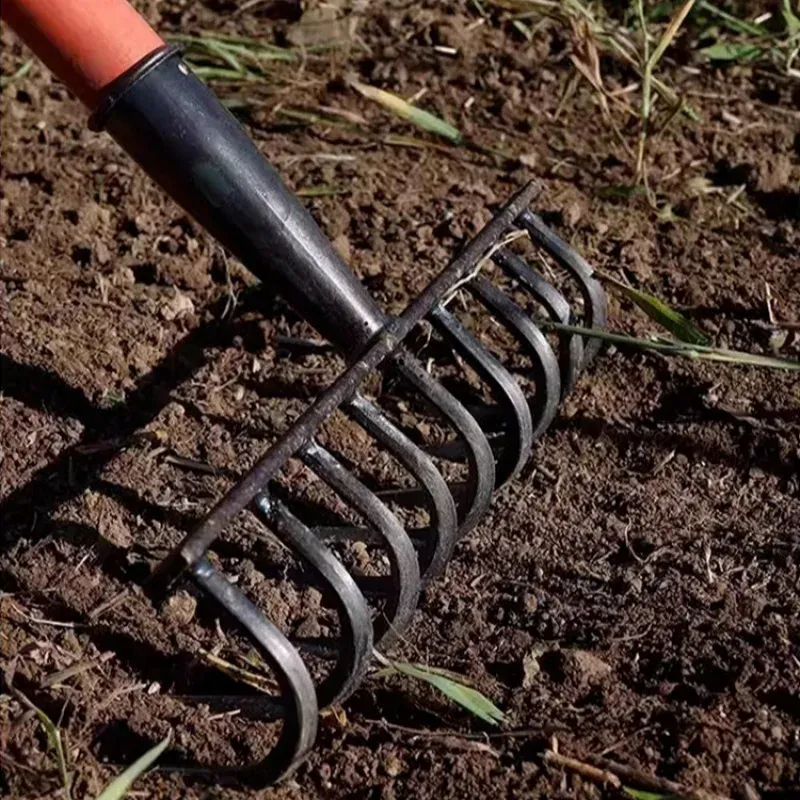
Long-handled tools give you significant advantages when dealing with tumbleweeds around your New Mexico property. Pitchforks and sturdy metal rakes let you maintain safe distance from thorny branches while still controlling the plants effectively.
The extended reach reduces back strain and keeps painful spines away from your face and body.
Choose tools with strong metal tines that won’t bend under pressure. Plastic rakes break easily when dealing with dense, dried tumbleweeds, leaving you frustrated and needing replacement equipment.
Your California Garden Changes Every Week. Your Plan Should Too.
Gardening in California changes quickly throughout the season. Every Friday you’ll receive a simple weekly plan showing exactly what to plant, prune, fertilize, harvest, and protect so you never miss the right timing.
A quality pitchfork with four or five tines provides excellent leverage for lifting and moving even large tumbleweeds without direct contact.
Start by positioning your tool underneath the center mass of each tumbleweed. Lift gently to test the weight and check if the plant is stuck on anything before applying full force.
Many residents near Roswell and Carlsbad use this technique to clear tumbleweeds from driveways and pathways efficiently. The key is working with smooth, controlled movements rather than jerky motions that might cause the plant to break apart.
This method shines when moving tumbleweeds into piles for later disposal. You can push multiple plants together without touching them directly, creating organized collection points around your yard.
Keep your workspace clear of obstacles that might trip you while handling long tools. Position collection tarps or trailers nearby so you minimize the distance you need to carry each plant.
Rakes work particularly well for gathering smaller tumbleweed fragments that break off during handling. The tines catch pieces that would otherwise blow away and spread more seeds.
Store your tools in a dry place after each use to prevent rust, especially important in New Mexico’s variable climate conditions.
3. Controlled Burning In Designated Safe Areas
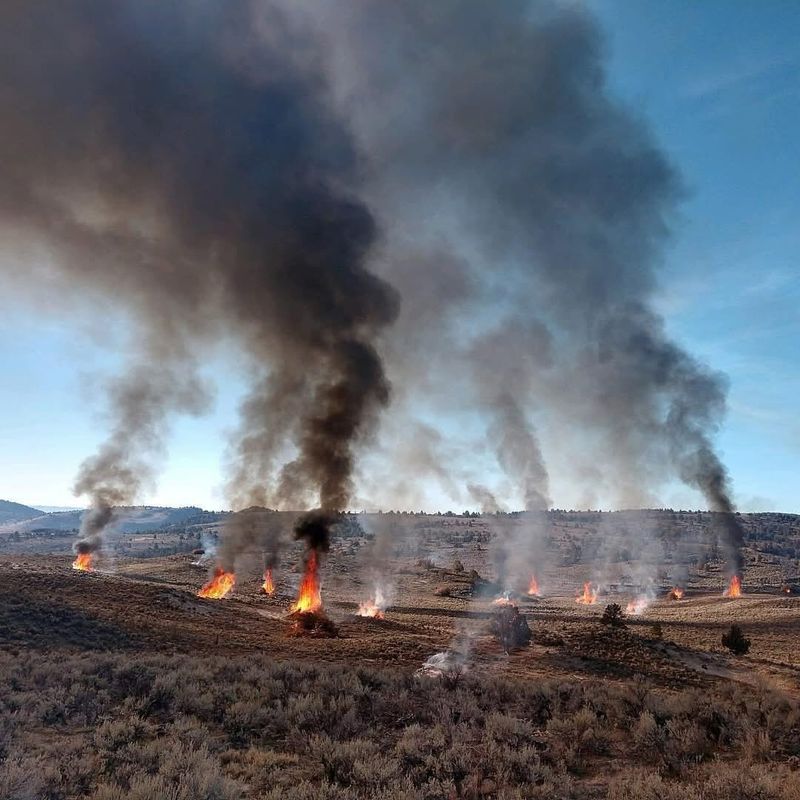
Fire offers one of the most efficient ways to dispose of large tumbleweed accumulations, but only when done with extreme caution and proper permits. New Mexico’s fire regulations vary by county and season, so always check with local authorities before lighting any outdoor fire.
During drought conditions or high wind warnings, burning is typically prohibited regardless of how careful you plan to be.
Select a burning location far from structures, vehicles, trees, and dry vegetation. A minimum distance of fifty feet from any building provides basic safety, though more space is always better.
Clear a wide circle down to bare dirt around your burn area, creating a firebreak that prevents flames from spreading accidentally. Have water sources immediately available, including charged garden hoses and filled buckets.
Never burn tumbleweeds on windy days, as embers can travel surprising distances and ignite new fires. Early morning typically offers the calmest conditions in most New Mexico locations, including areas around Alamogordo and Silver City.
Light your pile from the upwind side so flames move away from you, and never leave a fire unattended even for a moment.
Tumbleweed fires burn hot and fast, often finishing within minutes for small piles. The plants contain oils that make them extremely flammable, which is exactly why they create such dangerous wildfire fuel when left uncontrolled in nature.
Stand upwind to avoid inhaling smoke, which can irritate lungs and eyes. Keep children and pets inside during burning operations.
After flames die down completely, douse the entire area thoroughly with water and stir the ashes to ensure no hidden embers remain. Check the site again several hours later to confirm everything is cold.
Proper burning eliminates tumbleweeds completely, leaving only ash that actually enriches soil with minerals.
4. Mechanical Shredding With Chipper Equipment
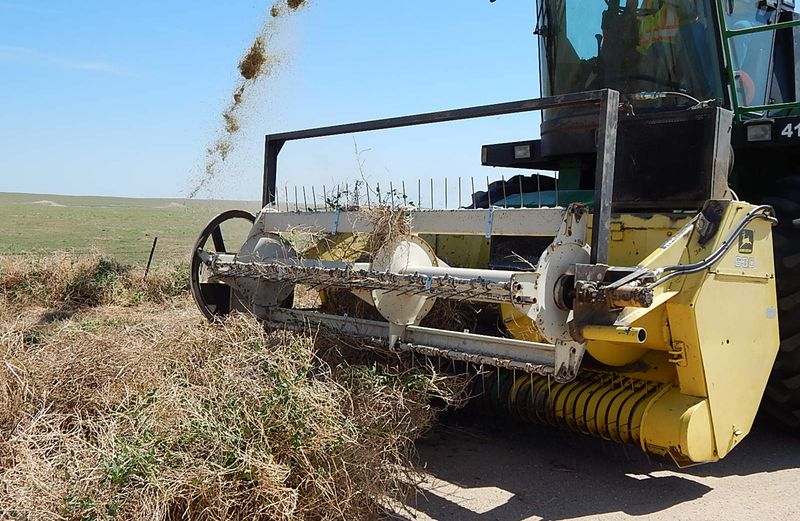
Did you know that wood chippers can reduce massive tumbleweed piles into manageable mulch in just minutes? These powerful machines break down the tough, woody stems into small pieces that decompose quickly or can be used as garden mulch.
Renting a chipper makes sense when you face large infestations that would take days to remove manually.
Most equipment rental stores throughout New Mexico, from Las Cruces to Farmington, offer various chipper sizes suitable for residential use. Choose a model with adequate horsepower to handle dried tumbleweed stems without jamming constantly.
Smaller electric chippers work for light jobs, while gas-powered models tackle bigger challenges more effectively.
Safety becomes absolutely critical when operating chippers. Wear eye protection, hearing protection, and fitted clothing without loose ends that might get caught in moving parts.
Feed tumbleweeds into the machine slowly, one at a time, never forcing material faster than the chipper can process it. Keep hands and tools well clear of the intake chute at all times.
The resulting mulch can be spread in garden beds where it breaks down and adds organic matter to soil.
Some New Mexico gardeners appreciate this free mulch source, though you should avoid using it in areas where you definitely do not want any tumbleweed seeds to sprout.
Chipped material also compacts for easier disposal in regular trash containers if your local waste management allows it. Clean the chipper thoroughly after use, removing stuck plant material from blades and screens.
This equipment method works exceptionally well for properties with recurring tumbleweed problems, as you can rent the same machine seasonally to stay ahead of accumulation.
The noise from chippers can be significant, so inform neighbors before starting work and avoid early morning or late evening operation.
5. Bagging And Municipal Disposal Services

Sometimes the simplest solution involves letting professionals handle the final disposal step.
Many New Mexico communities offer special yard waste collection services that accept bagged tumbleweeds, especially during peak season when these plants cause widespread problems.
Check with your local waste management department about schedules and requirements for this convenient service.
Heavy-duty contractor bags work better than standard trash bags for containing tumbleweeds. The thick plastic resists punctures from sharp stems and holds up during transport to collection points.
Fill bags only three-quarters full to allow for tying the top securely without splitting the plastic. Compress tumbleweeds as much as possible to fit more material in each bag and reduce the total number you need.
Albuquerque and other larger cities sometimes designate special drop-off locations during tumbleweed season where residents can bring yard waste free of charge. These collection events help communities manage the invasive plant problem collectively.
Smaller towns might require you to bring bagged tumbleweeds to the regular landfill or transfer station, possibly with associated fees.
Always call ahead to confirm that your waste facility accepts tumbleweeds before loading your vehicle. Some locations have restrictions during high fire danger periods when dried plant material poses risks.
Transport bagged tumbleweeds in truck beds or trailers rather than inside vehicles where sharp pieces might puncture upholstery. Secure bags properly so they do not blow out during transport on New Mexico’s often windy roads.
This disposal method works perfectly for people who lack space for burning or composting and prefer not to handle the plants more than necessary.
The municipal approach also ensures tumbleweeds get disposed of properly without creating environmental problems or spreading seeds to new areas.
Consider coordinating with neighbors to share transportation costs when hauling large quantities to disposal sites.
6. Installing Barrier Fencing To Prevent Accumulation

Prevention beats cleanup every single time when dealing with tumbleweeds on New Mexico properties. Strategic fencing stops these rolling plants before they pile up against your home, garage, or other structures.
The right barriers redirect tumbleweeds around your property rather than letting them accumulate in problem areas.
Snow fencing, despite its name, works excellently for tumbleweed control in desert climates. The slatted design allows wind to pass through while catching and holding tumbleweeds before they reach buildings.
Install fencing thirty to fifty feet upwind from structures you want to protect, creating a buffer zone where tumbleweeds collect harmlessly.
The accumulated plants become much easier to remove from open fence lines than from corners and crevices around buildings.
Mesh or chain-link fencing also serves this purpose effectively. Many ranchers and rural homeowners throughout New Mexico use these barriers along property lines to catch tumbleweeds blowing in from neighboring land.
The key is choosing fencing tall enough and with small enough openings to stop tumbleweeds without creating solid walls that generate problematic wind turbulence.
Regular maintenance of barrier fencing involves removing caught tumbleweeds before they pile too high and either blow over the fence or create fire hazards.
Plan to clear your barriers at least monthly during peak tumbleweed season, which typically runs from late fall through early spring in most New Mexico regions.
Position fences to account for prevailing wind directions, which usually blow from west to east across much of the state. Temporary fencing works well if you only need protection seasonally and want to take barriers down during summer months.
Combine fencing with other removal methods for comprehensive tumbleweed management. The initial investment in good fencing pays off quickly by reducing the time and effort spent on cleanup throughout the year.
7. Early Season Removal Before Plants Mature
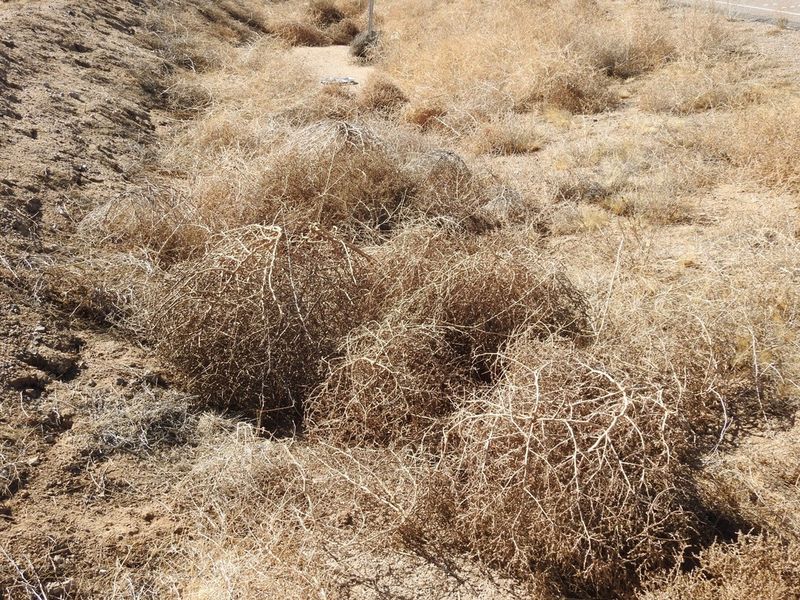
Timing makes all the difference when managing tumbleweed problems on your New Mexico property. Young tumbleweed plants remain green and pliable during spring and early summer, making them far easier to remove than mature, dried specimens.
Catching these invaders early prevents the cycle from completing and stops seed production that leads to future infestations.
Scout your property regularly starting in March or April, depending on your specific location and elevation. Look for the distinctive bushy green plants growing in disturbed soil, along fence lines, and in areas with poor native vegetation.
Young tumbleweeds pull from the ground relatively easily since their root systems have not fully developed yet. A simple garden hoe or weeding tool does the job efficiently.
Residents in areas like Gallup and Grants have found that dedicating just thirty minutes weekly to early removal saves countless hours of difficult work later.
Green tumbleweeds are also much less likely to break apart during handling, meaning fewer seeds escape to cause next year’s problems.
You can add pulled green plants directly to compost piles where they break down quickly and add nitrogen-rich material.
Focus removal efforts on female plants, which produce the thousands of seeds that perpetuate tumbleweed invasions. Female plants develop small flowers and seed capsules, while male plants only produce pollen.
Removing females before they go to seed dramatically reduces future populations. Mark areas where you find heavy tumbleweed growth and check those spots first during your regular property inspections.
Early season removal also avoids the fire hazards associated with dried tumbleweeds accumulating near structures during hot New Mexico summers. This proactive approach requires discipline and regular attention but delivers outstanding results over time.
Consider involving family members in weekly tumbleweed patrols to make the task faster and teach everyone about invasive plant management.