10 Garden Problems New Jersey Gardeners Often See After Freeze-Thaw Cycles
Winter in New Jersey is unpredictable, one day the ground is frozen solid, the next a warm spell melts everything, only for temperatures to drop again.
These freeze-thaw cycles can wreak havoc on gardens, creating hidden problems that only become obvious as spring approaches. One thaw, one freeze, and your garden could be in trouble!
From cracked soil and damaged roots to split stems, frost heaving, and weakened perennials, these ten issues are common after repeated freeze-thaw events. Even hardy plants aren’t immune, and early detection is key to minimizing long-term damage.
Understanding the signs helps gardeners act quickly, protect vulnerable plants, and restore garden health before the growing season begins. Freeze-thaw cycles might look harmless, but they can silently stress your garden.
New Jersey gardeners who recognize these problems early can take preventive or corrective measures, ensuring their beds, shrubs, and perennials recover fully. With careful attention, you can protect your plants and set the stage for a successful spring.
Winter may be harsh, but smart preparation keeps your garden thriving!
1. Frost Heave Pushing Plants Out Of The Soil
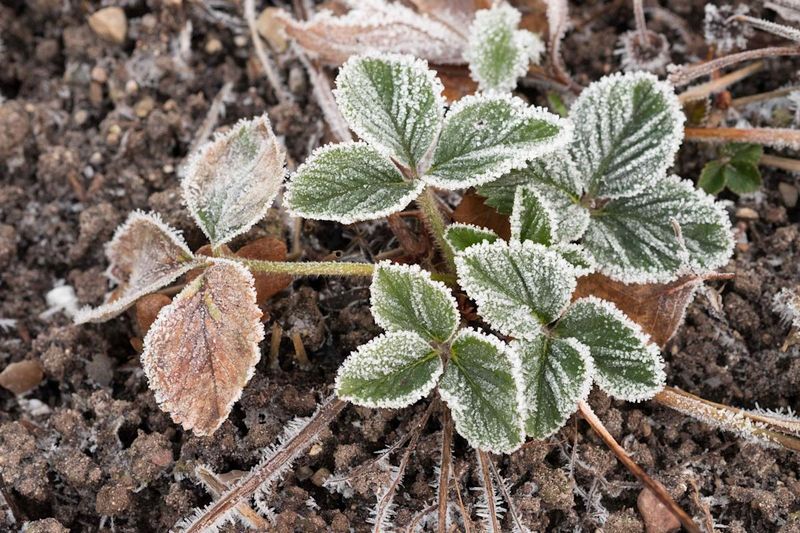
Shallow-rooted plants often get pushed right out of the ground during New Jersey winters, and it happens more often than most gardeners realize. When soil freezes, it expands as ice crystals form, and when it thaws, it contracts again.
This constant movement creates an upward force that literally lifts plants from their beds, exposing roots to cold air and drying winds.
Perennials like heuchera, strawberries, and newly planted shrubs are especially vulnerable because their root systems haven’t anchored deeply yet. Once roots are exposed, they lose contact with moisture and nutrients in the soil.
The plants may look fine from above, but underneath, they’re struggling to survive without proper soil contact.
You can spot frost heave by checking for plants that appear raised or tilted after a thaw. Gently press them back into place as soon as you notice, and add a layer of mulch around the base to insulate the soil.
Mulching in late fall helps prevent the worst of the heaving by keeping soil temperatures more consistent. Checking your garden beds after each thaw gives you a chance to resettle plants before real damage occurs, giving them a much better shot at thriving come spring.
2. Cracked Or Split Tree Bark
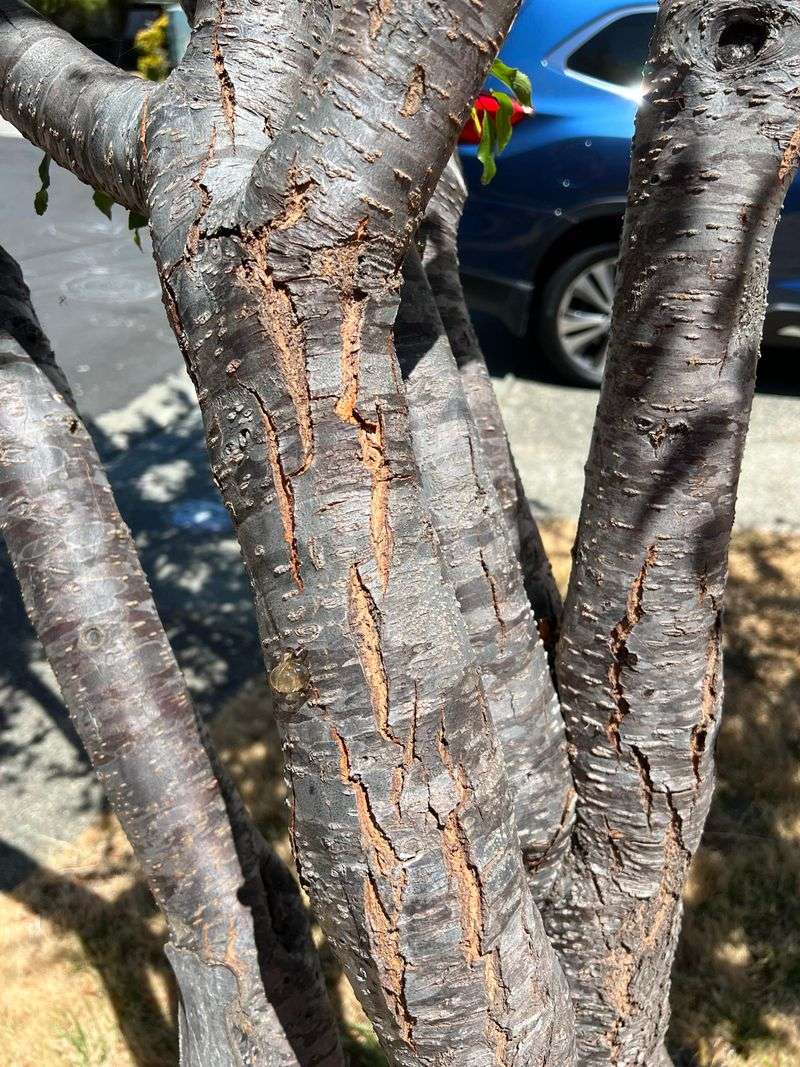
Tree bark can split wide open during freeze-thaw cycles, creating long vertical cracks that look alarming when you first notice them.
Temperature swings cause the wood inside the tree to expand when it warms during the day and contract sharply when it freezes again at night.
Young trees and those with thin bark, like maples, fruit trees, and birches, are most at risk because their bark hasn’t developed the thick protective layers that older trees have.
These splits, often called frost cracks or sunscald, typically appear on the south or southwest side of the trunk where sun exposure is strongest. The damage weakens the tree’s defenses and can create entry points for insects and disease.
Your New Jersey Garden Changes Every Week. Your Plan Should Too.
Gardening in New Jersey changes quickly throughout the season. Every Friday you’ll receive a simple weekly plan showing exactly what to plant, prune, fertilize, harvest, and protect so you never miss the right timing.
While the tree may heal over time, severe or repeated cracking can compromise its long-term health and structure.
Wrapping young tree trunks with tree wrap or light-colored guards in late fall helps reflect sunlight and moderate temperature changes. Remove the wraps in spring to prevent moisture buildup and pest problems.
Proper watering before the ground freezes also helps trees maintain flexibility in their tissues, reducing the risk of cracking during temperature extremes throughout the winter months.
3. Root Damage In Perennials And Shrubs
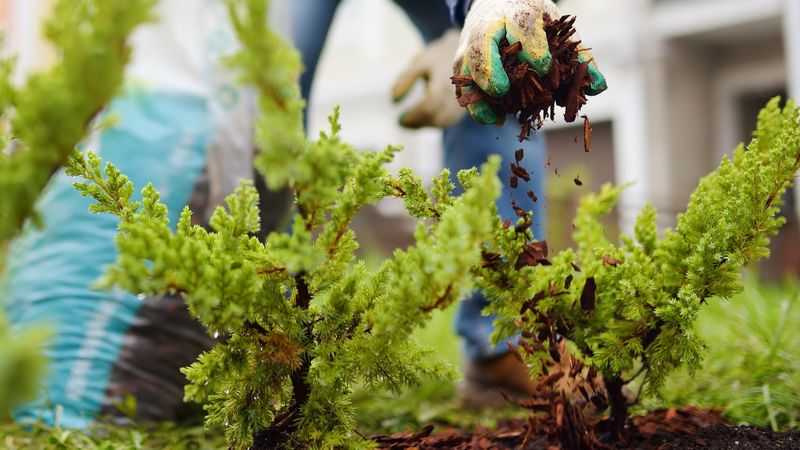
Roots take a beating when soil alternates between frozen and waterlogged conditions throughout New Jersey winters. Perennials and shrubs with roots near the surface or in poorly draining areas are especially vulnerable.
When water saturates the soil and then freezes, ice crystals can physically damage delicate root tissues, disrupting their ability to absorb water and nutrients when growing season returns.
Waterlogged soil during thaw periods deprives roots of oxygen, essentially suffocating them even though they’re dormant. When the soil refreezes, already weakened roots suffer additional injury.
Come spring, these plants may show stunted growth, yellowing leaves, or fail to leaf out as vigorously as expected because their root systems are compromised.
Improving drainage before winter is one of the best defenses against root damage. Amending heavy clay soils with compost or creating raised beds helps water move through the soil rather than pooling around roots.
Applying mulch in fall insulates the soil, reducing the frequency and severity of freeze-thaw cycles. Avoiding late-season fertilization also helps, as it prevents tender new root growth that would be more susceptible to winter injury when temperatures start their unpredictable dance.
4. Soil Compaction And Poor Drainage
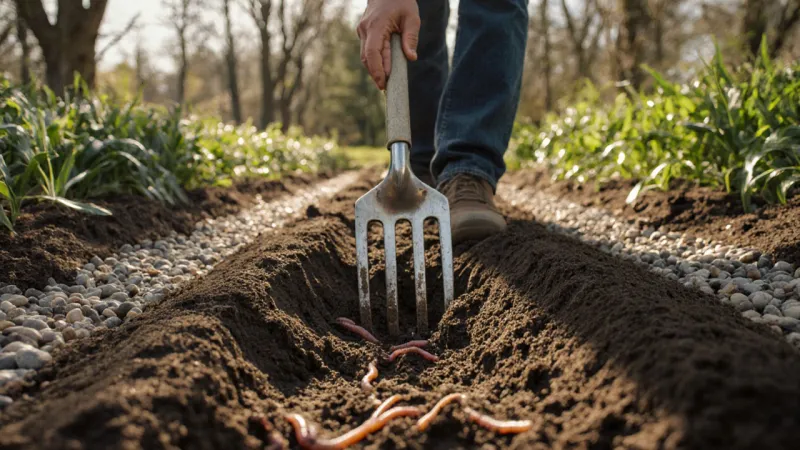
Repeated freezing and thawing doesn’t just affect plants—it completely changes the structure of your garden soil. When snow melts and water saturates the ground, then refreezes, the expansion and contraction compress soil particles together.
This compaction squeezes out air pockets that roots and beneficial organisms need, creating dense, hard soil that water struggles to penetrate.
New Jersey’s clay-heavy soils are particularly prone to this problem. Once compacted, water pools on the surface instead of soaking in, leading to muddy, soggy conditions in spring.
Plants suffer because their roots can’t spread easily through compacted soil, and poor drainage increases the risk of root rot and fungal diseases.
Testing soil drainage in early spring helps you identify problem areas before planting. If water sits in puddles for more than a few hours after rain, you’ve got compaction issues.
Working organic matter like compost or aged manure into the top several inches of soil improves structure and drainage. Avoid walking on garden beds when soil is wet, as this makes compaction worse.
Using raised beds or adding a layer of coarse sand mixed with compost can also help heavy soils drain better and resist compaction during future freeze-thaw cycles.
5. Broken Branches From Ice And Refreezing Snow
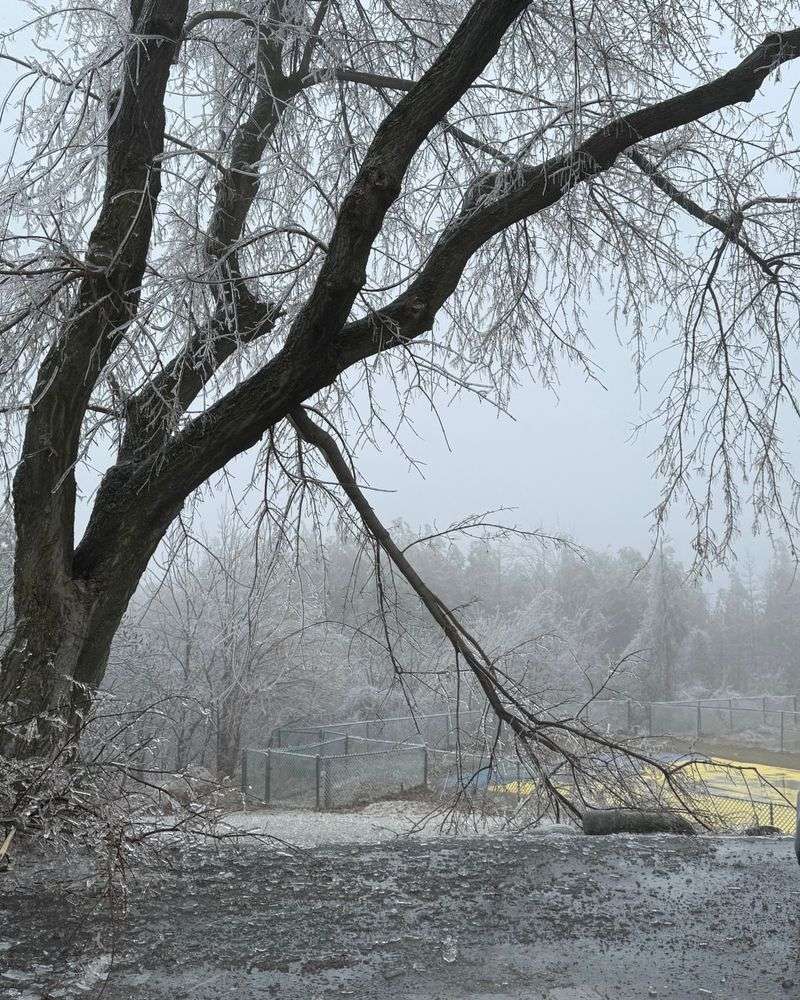
Heavy snow that melts slightly and then refreezes becomes incredibly heavy, putting enormous stress on tree and shrub branches.
Evergreens like arborvitae, yews, and hollies are especially vulnerable because their dense foliage catches and holds more snow and ice than deciduous trees. The weight can snap branches or bend them so severely that they don’t recover their original shape.
Branches that break create wounds that take time to heal, and they can change the overall shape and appearance of your shrubs and trees. Multiple breaks weaken the plant’s structure and can make it more susceptible to storm damage in future years.
Even if branches don’t break completely, the bending and stress can damage the internal tissues and vascular system.
Gently brushing snow off evergreen branches with a broom after each snowfall prevents buildup before it becomes a problem. Always brush upward from underneath rather than pulling down, which can cause more damage.
Avoid trying to remove ice, as this often does more harm than good. Pruning broken branches cleanly in early spring helps the plant heal properly.
For valuable or vulnerable plants, consider wrapping them loosely with burlap or installing supports to help them bear the weight of winter weather more effectively.
6. Winter Burn On Evergreens
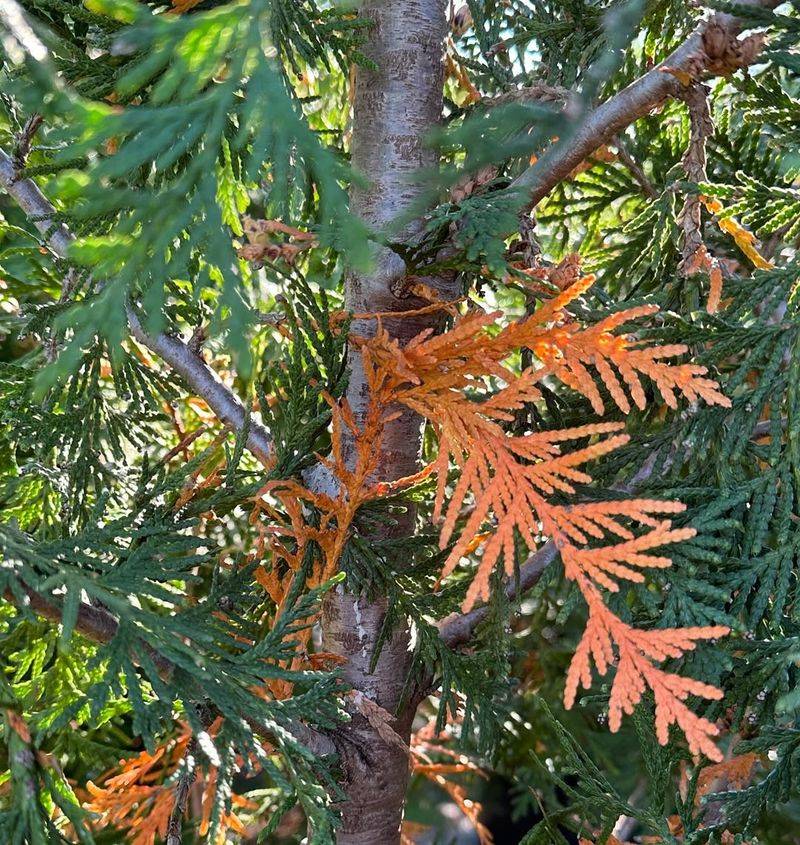
Browning needles on evergreens after winter often catch gardeners by surprise, but it’s a common result of freeze-thaw temperature swings.
When the ground stays frozen but temperatures warm during sunny winter days, evergreen foliage loses moisture through their needles faster than roots can replace it from frozen soil.
This moisture imbalance causes needles to brown and become crispy, particularly on the side facing prevailing winds or strong sun.
Fluctuating temperatures make the problem worse because plants experience stress from both dehydration and rapid temperature changes. Broadleaf evergreens like rhododendrons and boxwood, as well as needled evergreens, can all show winter burn symptoms.
The damage typically appears on outer branches first and may not become obvious until late winter or early spring when you expect plants to look their best.
Watering evergreens thoroughly before the ground freezes gives them moisture reserves to draw from during winter. Anti-desiccant sprays applied in late fall and again in mid-winter create a protective coating that reduces moisture loss from leaves and needles.
Positioning burlap screens on the windward side of vulnerable plants blocks drying winds without completely enclosing them. Mulching around the root zone helps soil retain moisture and may allow it to thaw slightly during warm spells, giving roots better access to water when plants need it most.
7. Lawn Damage And Bare Patches
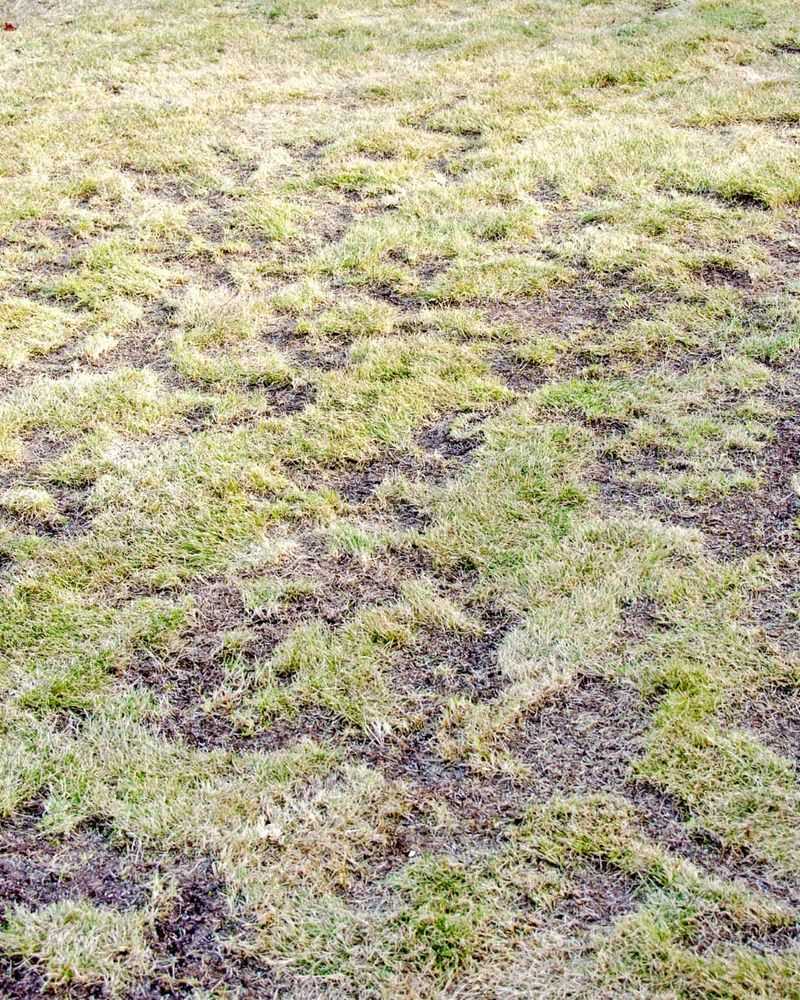
Grass takes a serious hit from freeze-thaw cycles, and the damage often doesn’t show up until snow melts in spring. When soil freezes and thaws repeatedly, grass roots get damaged and lose their grip in the soil.
Ice layers that form on the lawn surface during thaw-and-freeze events can suffocate grass underneath, while cold, wet conditions promote fungal diseases that create brown, matted patches.
Areas with heavy foot traffic, poor drainage, or thin grass coverage before winter are most likely to show bare spots come spring. Grass crowns can be injured by ice crystals, and shallow roots may be torn by soil movement.
The combination of physical damage and disease pressure leaves lawns looking patchy and thin just when you want them to green up beautifully.
Avoid walking on frozen or snow-covered lawns, as this compacts the grass and soil underneath, making damage worse. Good fall lawn care—including aerating, overseeding, and fertilizing in autumn—gives grass a stronger start before winter stress hits.
Raking matted grass and removing debris in early spring allows air circulation and helps prevent fungal growth. Overseeding bare patches as soon as soil temperatures warm encourages new grass to fill in damaged areas quickly, restoring your lawn’s appearance before summer arrives.
8. Raised Or Shifted Garden Edging And Pavers
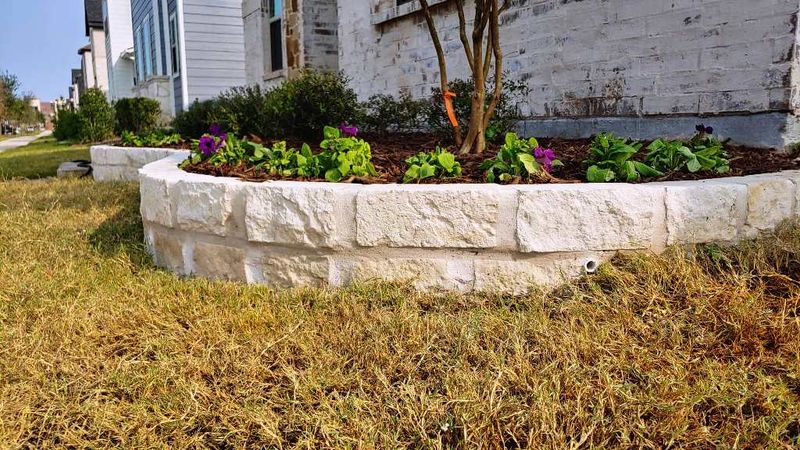
Garden edging, pavers, and decorative stones rarely stay put through a New Jersey winter.
Soil movement from freezing and thawing pushes these hardscape elements upward and sideways, leaving your carefully arranged borders looking crooked and uneven by spring.
When water in the soil freezes, it expands with considerable force, and anything sitting in or on that soil gets pushed around.
Bricks, stones, and metal or plastic edging all shift as the ground heaves beneath them. Pavers in walkways may tilt or rise several inches, creating tripping hazards and disrupting the smooth surface you worked hard to create.
Garden bed borders may separate or bow outward, and decorative rock arrangements can look completely disheveled after winter’s freeze-thaw assault.
Installing edging and pavers on a deep gravel base helps minimize movement because the gravel drains water away and doesn’t expand as much as soil when frozen. Setting stones and pavers deeper into the ground, below the frost line if possible, also reduces heaving.
Checking borders and walkways in early spring lets you reset materials before they shift further or become permanent hazards. Tamping soil firmly around reset edging and adding sand between pavers helps stabilize everything.
For persistent problem areas, consider using concrete footings or deeper installation methods that resist the powerful forces of expanding frozen soil.
9. Bulbs That Rot Instead Of Blooming
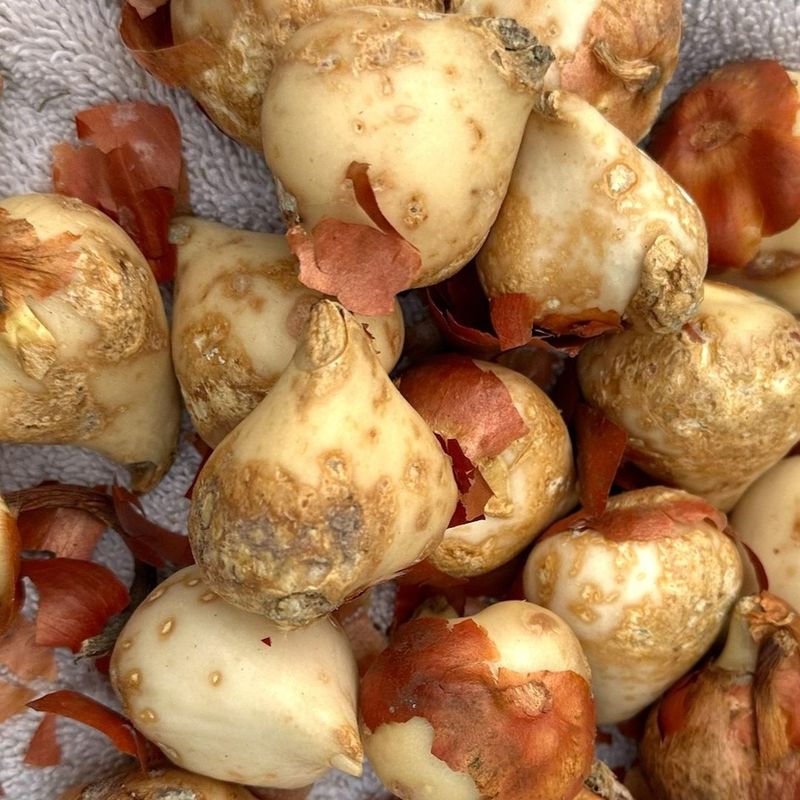
Spring bulbs sometimes fail to appear or produce mushy, rotted growth instead of beautiful flowers, and freeze-thaw cycles are often the culprit.
When soil becomes waterlogged during thaw periods and then freezes again, bulbs sitting in that wet soil are subjected to conditions that promote rot.
Tulips, daffodils, and crocuses need good drainage, and prolonged exposure to cold, wet conditions damages the bulb tissues from the inside out.
Excess moisture followed by freezing creates ice crystals within the bulb itself, rupturing cell walls and turning firm, healthy bulbs into soft, mushy messes. Fungal and bacterial pathogens thrive in these wet, cold conditions and quickly infect compromised bulbs.
By the time spring arrives, affected bulbs may not sprout at all, or they produce weak, stunted growth that never develops into proper flowers. Planting bulbs in well-draining soil or raised beds significantly reduces rot risk.
Amending heavy clay with compost and coarse sand improves drainage around bulbs. Planting at the correct depth, generally two to three times the bulb’s height, helps protect them from temperature extremes at the surface.
Avoid low spots where water collects, and consider adding a handful of gravel at the bottom of each planting hole to ensure water drains away from the bulb.
These simple steps help bulbs survive winter’s challenges and emerge strong and healthy when warmer weather finally arrives.
10. Delayed Or Uneven Spring Growth
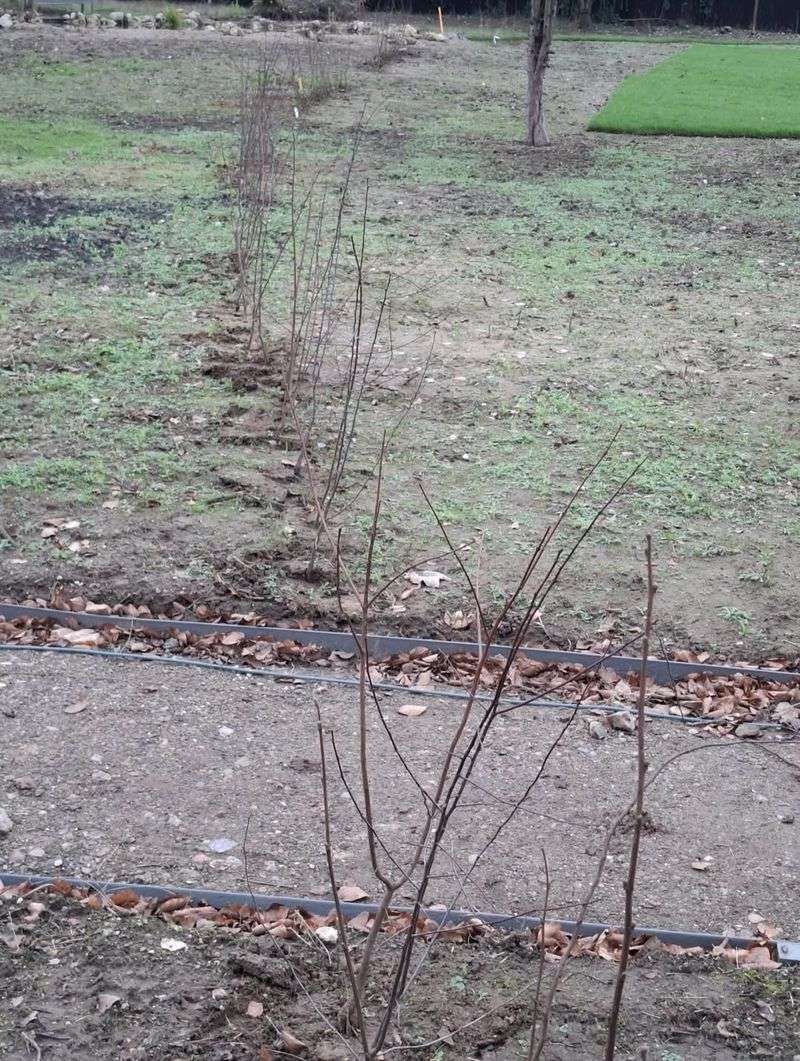
Plants that endured a rough winter of freeze-thaw stress often show it through slow, patchy spring growth.
Instead of leafing out uniformly and vigorously, stressed plants may produce sparse foliage, delay their emergence by weeks, or show uneven growth patterns across different parts of the plant.
This happens because damaged roots and stressed tissues need time to recover before they can support normal growth.
Temperature swings during winter disrupt the plant’s natural dormancy cycle, sometimes triggering premature growth spurts followed by damage when temperatures drop again. This repeated stress exhausts the plant’s energy reserves.
Come spring, there’s simply less stored energy available to fuel robust new growth. Some branches or stems may leaf out normally while others remain bare, creating a lopsided, unhealthy appearance.
Patience is important, many stressed plants eventually recover once soil warms and growing conditions improve. Avoid fertilizing too early, as this pushes weak plants to grow before they’re ready.
Instead, focus on consistent watering and mulching to maintain steady soil conditions. Pruning obviously damaged branches helps the plant redirect energy to healthier growth.
Light applications of compost around the root zone provide gentle nutrition without overwhelming stressed plants.
Most perennials and shrubs bounce back by mid-summer, though recovery time varies depending on the severity of winter damage and the plant’s overall health going into the cold season.