How To Grow An Indoor Herb Garden That Actually Thrives In Your New York Apartment
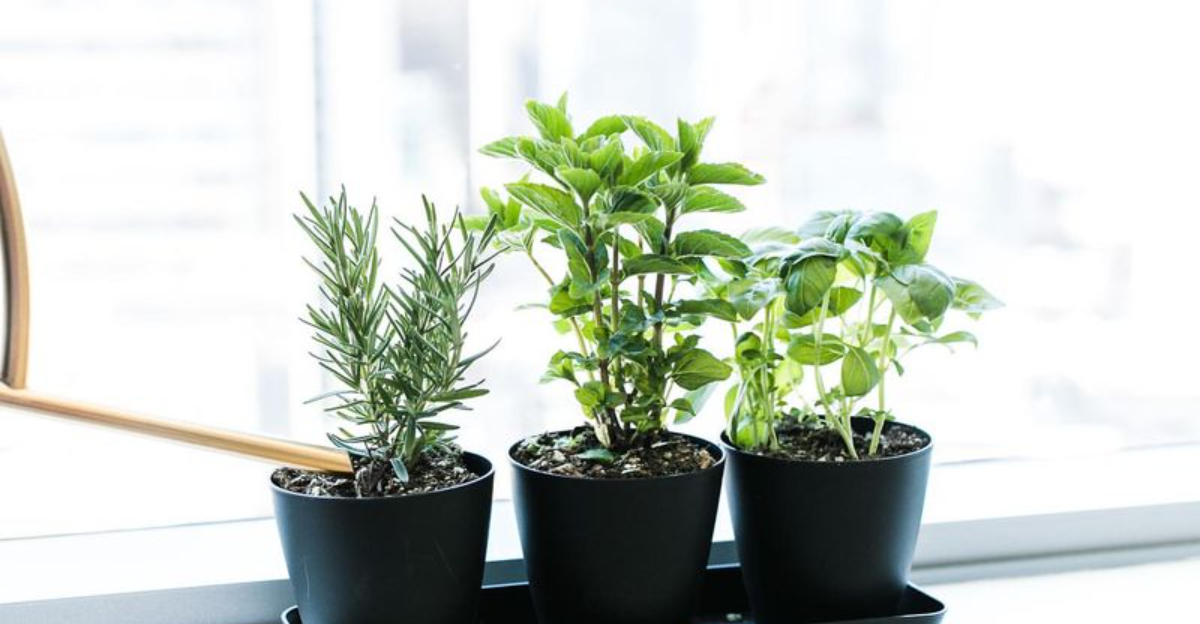
Dreaming of fresh basil for your pasta or fragrant rosemary for roasted vegetables, but stuck in a tiny New York apartment? Growing herbs indoors isn’t just possible, it can thrive year-round with the right approach.
Small spaces, limited sunlight, and dry indoor air can make herbs challenging, but with a few strategic tricks, you can turn your windowsill into a flavorful oasis. Your apartment can grow fresh herbs all year, no backyard required!
Choosing the right varieties, providing adequate light, using proper containers, and adjusting watering schedules are key to success.
From mint and thyme to chives and parsley, the right setup ensures lush growth, robust flavor, and healthy plants that survive, even in winter.
Regular pruning, fertilizing, and rotating containers keeps your herb garden productive and prevents overcrowding or disease. With a little planning, your herbs won’t just survive, they’ll thrive.
For New Yorkers craving fresh, homegrown flavors, indoor herb gardening is practical, space-smart, and rewarding. You’ll enjoy fragrant, flavorful herbs at your fingertips while brightening your apartment with greenery.
Bring the garden inside, and make every meal taste like spring!
Choose Herbs That Tolerate Low Winter Light
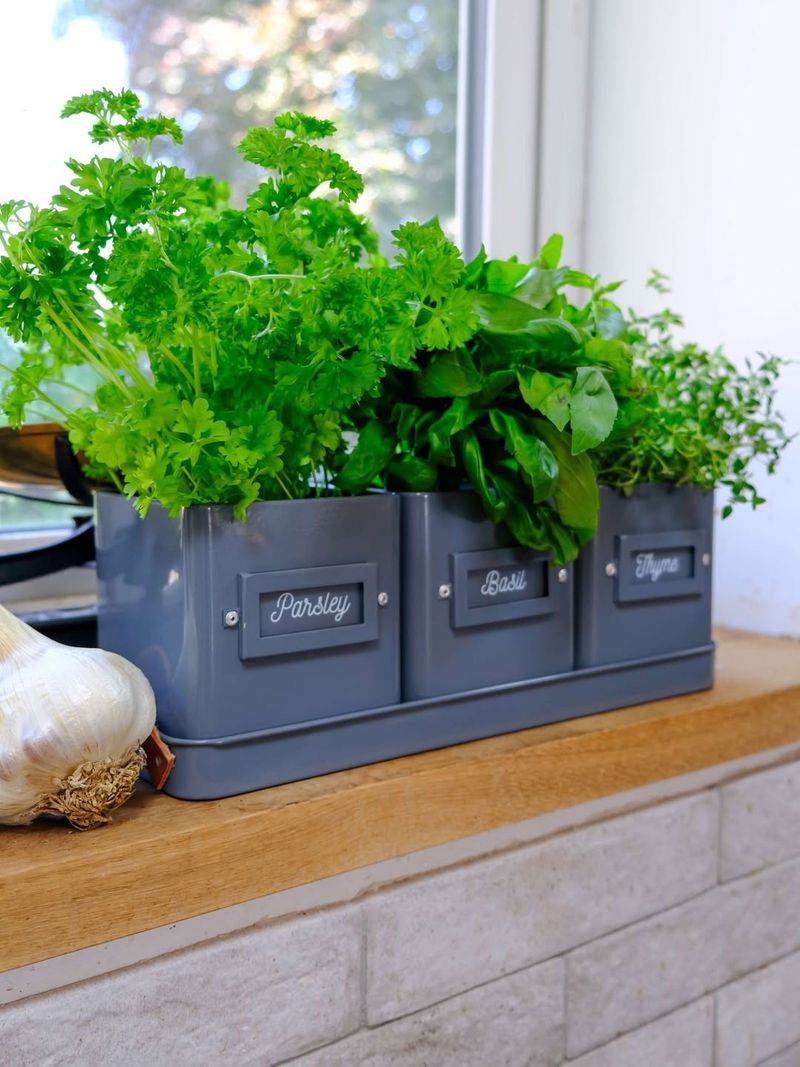
Not all herbs are created equal when it comes to surviving the dim, short days of a New York winter.
Basil, parsley, mint, chives, and thyme are champions at adapting to indoor conditions because they naturally tolerate lower light levels better than sun-hungry varieties like rosemary or lavender.
These resilient herbs can still photosynthesize and produce flavorful leaves even when your apartment only gets a few hours of weak sunlight each day. Understanding your apartment’s light situation is the first step toward herb garden success.
Most NYC apartments don’t have the bright, all-day sunshine that outdoor gardens enjoy, especially during the colder months when the sun sits lower in the sky and daylight hours shrink.
Choosing herbs that are naturally more forgiving makes a huge difference in whether your plants just survive or actually flourish.
Starting with the right varieties sets you up for a rewarding experience instead of frustration. Mint, for example, grows vigorously indoors and can handle shadier spots better than most herbs.
Parsley stays compact and productive without requiring intense light, while chives bounce back quickly after trimming.
Thyme remains sturdy and aromatic even when conditions aren’t perfect, making it an excellent choice for apartment gardeners who want reliable results without complicated setups or constant worry about whether their plants are getting enough sun.
Place Herbs In The Brightest Window Available
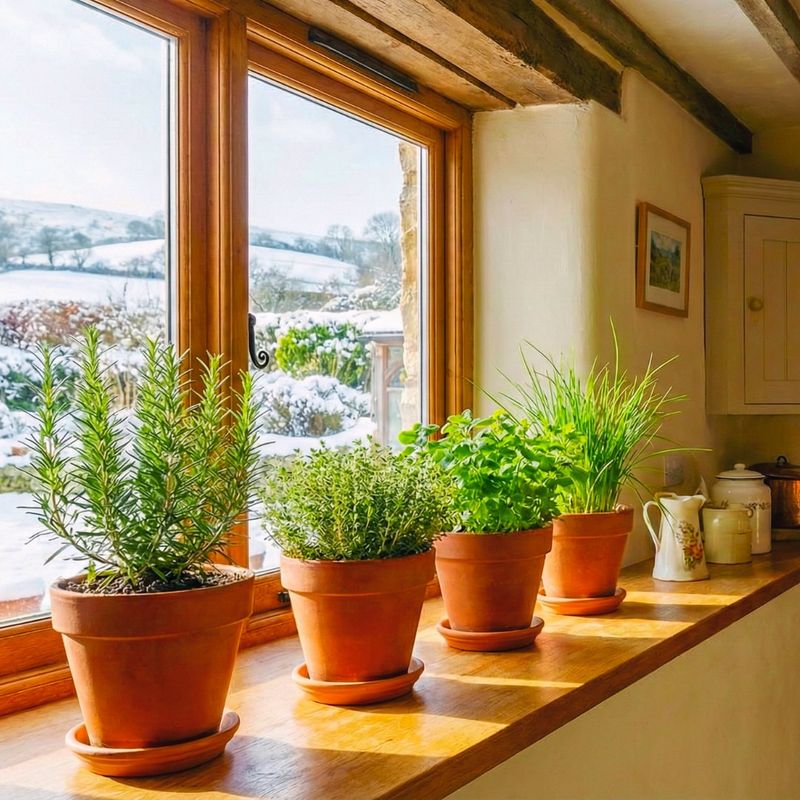
Light is the single most important factor for keeping your indoor herbs alive and productive, so positioning them in the brightest window you have is absolutely critical.
South-facing windows are the gold standard because they receive the most consistent and intense sunlight throughout the day, even during winter when the sun’s angle is lower.
West-facing windows come in as a close second, catching strong afternoon light that can still fuel healthy growth. New York winters bring short days and often cloudy skies, which means your herbs are already working with limited natural resources.
Your New York Garden Changes Every Week. Your Plan Should Too.
Gardening in New York changes quickly throughout the season. Every Friday you’ll receive a simple weekly plan showing exactly what to plant, prune, fertilize, harvest, and protect so you never miss the right timing.
Even a few feet away from the window, light intensity drops dramatically, so keeping your pots right on the sill or as close as possible makes a real difference.
If your apartment only has north or east-facing windows, you’ll likely need supplemental lighting to keep herbs from becoming weak and stretched out.
Pay attention to how much actual direct sunlight your window receives each day, not just how bright the room feels. Herbs need several hours of direct rays to stay compact and flavorful, and indirect or filtered light often isn’t enough on its own.
Observing your space throughout the day helps you identify the best spot, and you might be surprised to find that one corner of a window gets significantly more sun than another just a few inches away.
Use Grow Lights When Natural Light Isn’t Enough
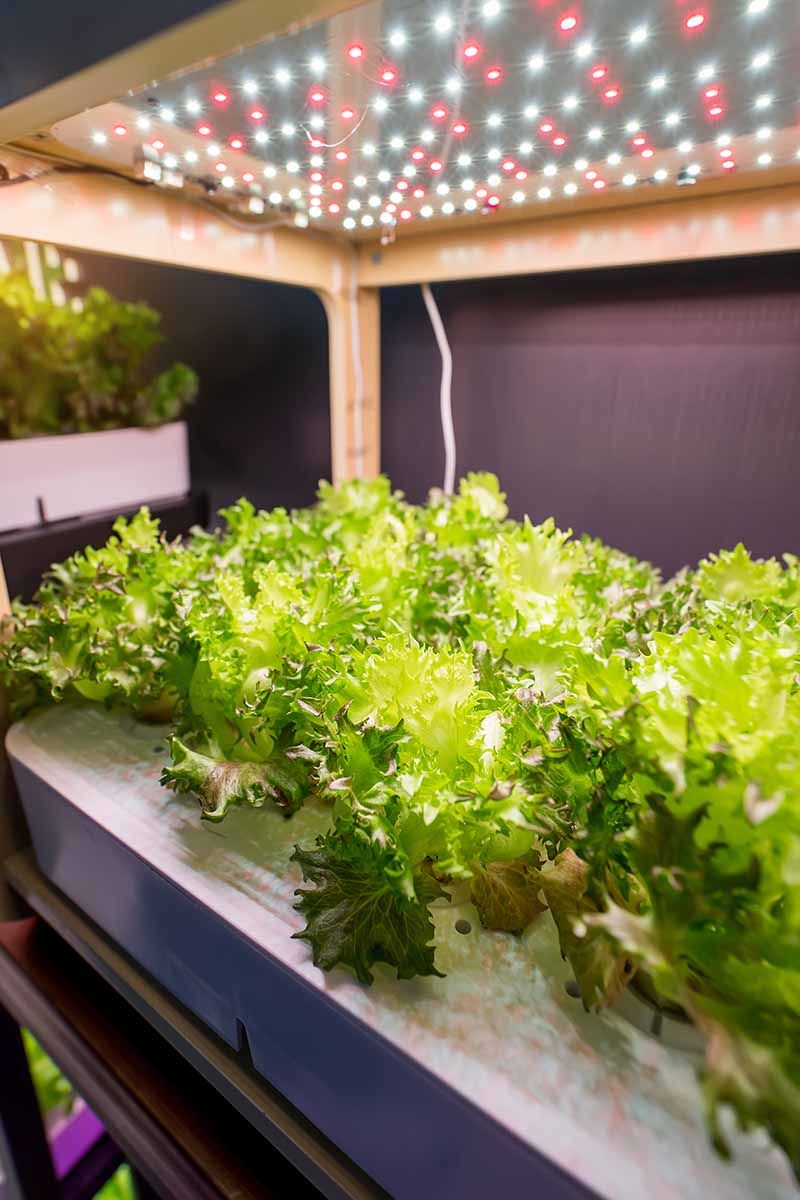
When your apartment windows just can’t provide enough sunlight, simple LED grow lights become your secret weapon for keeping herbs healthy and productive.
Modern grow lights are affordable, energy-efficient, and surprisingly easy to use, even if you’ve never tried them before.
They prevent the leggy, stretched-out growth that happens when herbs desperately reach toward insufficient light, keeping your plants compact, bushy, and full of flavor instead.
You don’t need fancy or expensive equipment to see great results. Basic LED bulbs designed for plants can fit into regular desk lamps or clip-on fixtures, making them perfect for small apartment spaces.
Position the light about six to twelve inches above your herbs and run it for twelve to fourteen hours daily to mimic longer summer days. This consistent light schedule keeps your plants on a healthy growth rhythm even when winter darkness sets in early.
Grow lights also give you flexibility to place your herb garden anywhere in your apartment, not just near windows. You could set up a productive little garden on a kitchen counter, a bookshelf, or even in a corner that gets zero natural light.
The independence from window space means you can grow more varieties and experiment with different setups without being limited by your apartment’s layout or orientation.
Always Use Containers With Drainage Holes
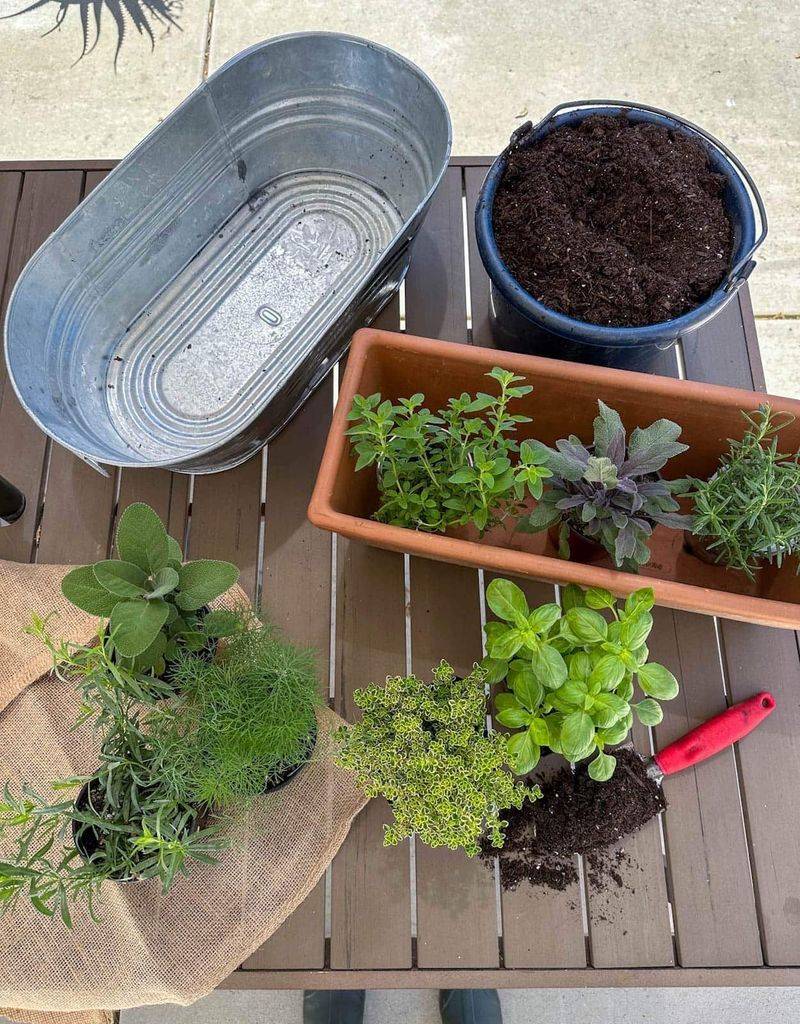
Drainage holes might seem like a small detail, but they’re actually the difference between thriving herbs and soggy, struggling plants.
When water can’t escape from the bottom of a pot, it pools around the roots and creates a waterlogged environment that suffocates them and encourages root rot.
This is the fastest way to ruin an otherwise healthy herb, and it’s completely preventable with the right containers.
Herbs prefer soil that stays lightly moist but never soggy, and proper drainage makes this balance easy to achieve. When you water, excess liquid flows out through the holes, taking away salts and preventing the buildup of stagnant moisture.
Pairing your pots with saucers or trays catches the runoff and protects your furniture, giving you all the benefits of drainage without any mess.
If you fall in love with a decorative pot that lacks drainage, you have options. You can drill holes in ceramic or plastic containers yourself with the right bit, or you can use the pretty pot as an outer sleeve and place a smaller pot with drainage inside it.
Just remember to empty any water that collects in the outer pot after watering so your herbs don’t end up sitting in a puddle. Making sure water can escape freely is one of the simplest and most effective ways to keep your indoor garden healthy and vibrant.
Water Only When The Top Inch Of Soil Is Dry
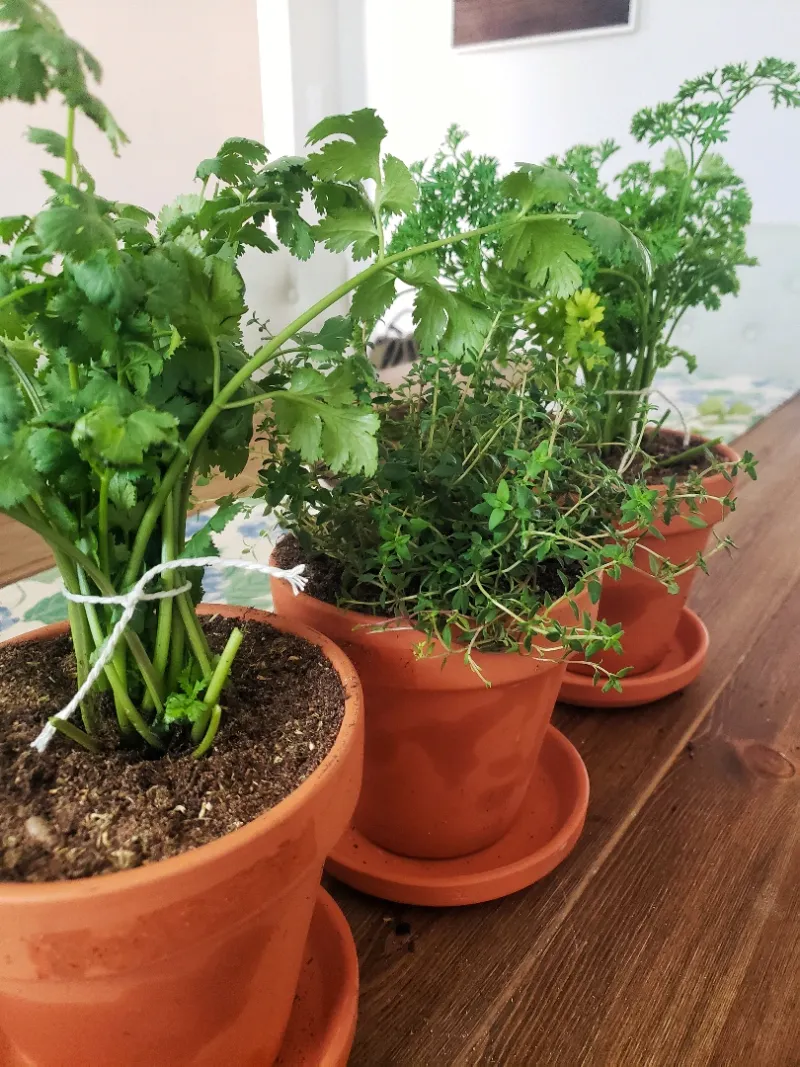
Overwatering is the most common mistake indoor herb gardeners make, and it happens because we tend to water on a schedule instead of checking what the plants actually need.
Herbs prefer their soil to dry out slightly between waterings, so sticking your finger about an inch deep into the soil is the best way to know when it’s time. If the soil feels moist, wait another day or two and check again before adding water.
New York apartments with their powerful heating systems create unique challenges for moisture management.
Radiators and forced-air heat dry out the air quickly, which can make the soil surface look and feel dry even when there’s still plenty of moisture deeper down.
This tricks many gardeners into watering too often, leading to root problems that weaken or destroy their plants over time. Learning to read your soil’s moisture level takes a little practice, but it quickly becomes second nature.
Different herbs and pot sizes dry out at different rates, so each plant might need watering on its own schedule rather than all at once.
Paying attention to individual needs rather than watering everything on the same day helps you avoid both overwatering and underwatering.
When you do water, add enough so that it flows out the drainage holes, ensuring the entire root system gets hydrated evenly.
Choose A Lightweight, Well-Draining Potting Mix
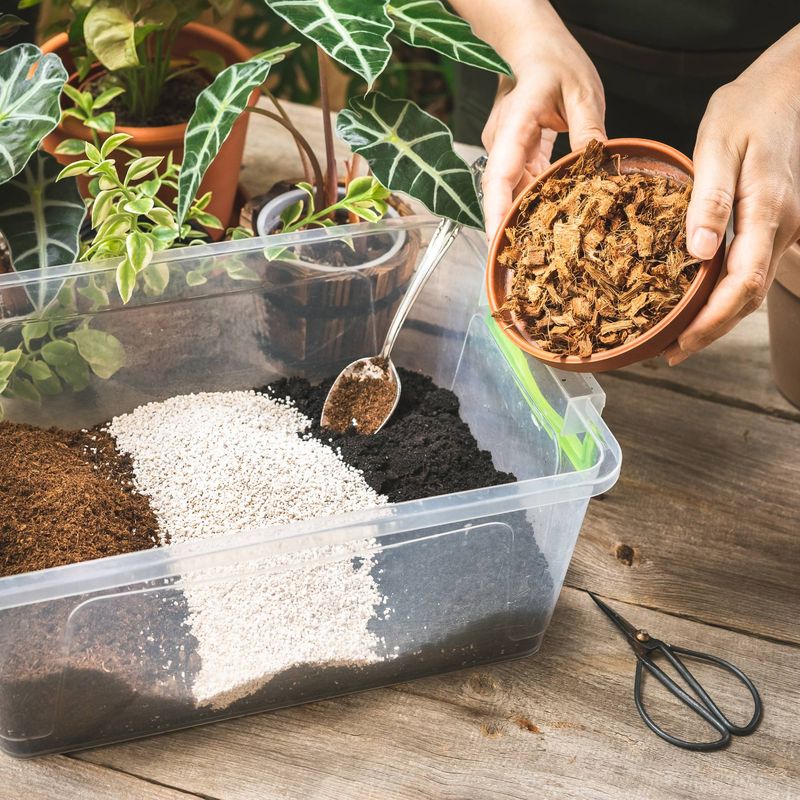
Garden soil might work great outdoors, but it’s way too heavy and dense for container growing indoors. When packed into pots, garden soil compacts easily, holds too much water, and doesn’t allow enough air to reach the roots.
Herbs need oxygen around their roots just as much as they need water and nutrients, and heavy soil suffocates them quickly in the confined space of a container.
Potting mixes designed specifically for containers are light, fluffy, and engineered to drain excess water while still holding enough moisture for healthy growth.
They typically contain ingredients like peat moss or coconut coir, perlite, and vermiculite, which create air pockets and prevent compaction.
This structure allows roots to spread easily and access both water and oxygen, giving your herbs the foundation they need to grow strong and productive.
When shopping for potting mix, look for products labeled for containers or indoor plants rather than garden soil or topsoil. Some mixes are formulated specifically for herbs and vegetables, which can be ideal, but any quality potting mix will work well.
You can also improve drainage further by adding extra perlite or coarse sand if you find your mix stays too wet. Starting with the right growing medium sets your herbs up for success from day one and prevents many common problems before they start.
Rotate Pots Weekly For Even Growth
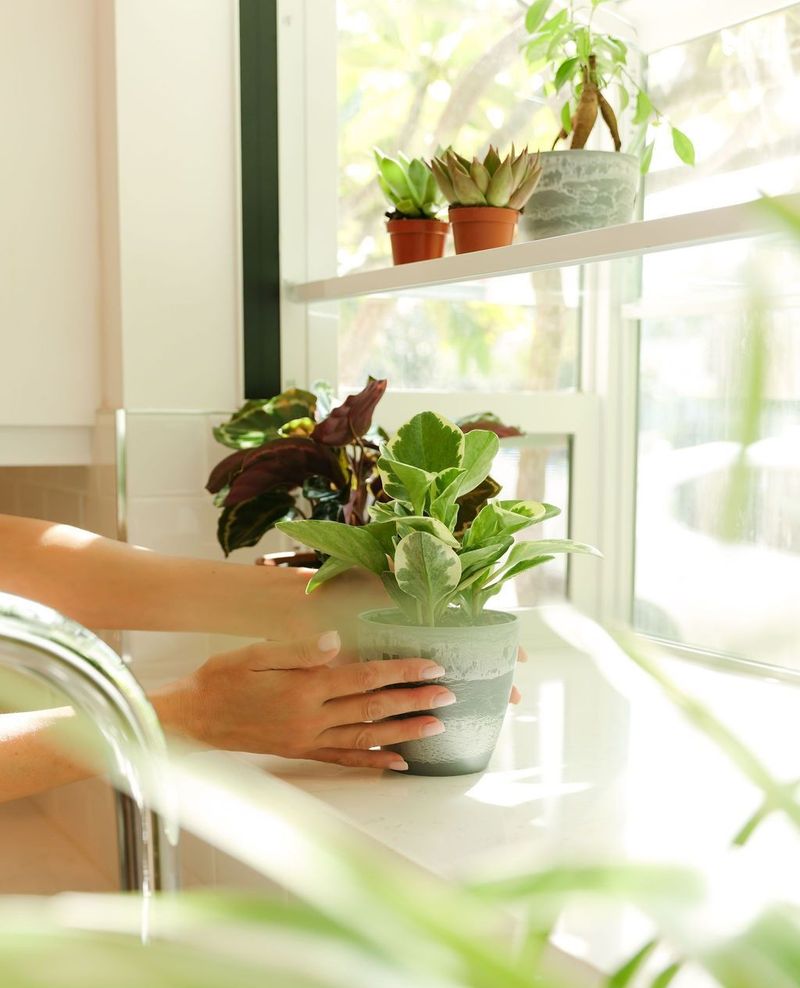
Herbs naturally grow toward their light source, which means plants on a windowsill will bend and lean toward the glass if left in one position. Over time, this creates lopsided, uneven growth with one side full and bushy while the other stays sparse and weak.
Rotating your pots once a week ensures all sides of each plant get equal time facing the window, promoting balanced, attractive growth all the way around.
This simple habit takes less than a minute but makes a noticeable difference in how your herbs look and perform. When you rotate, just turn each pot about a quarter or half turn so a different side faces the light.
You’ll quickly notice that the stems stay straighter and the foliage develops more evenly, creating fuller, healthier-looking plants that are easier to harvest from all angles.
Regular rotation also helps you inspect your herbs from every angle, making it easier to spot potential problems like pests, yellowing leaves, or dry soil before they become serious issues.
Making this part of your weekly routine keeps your herb garden looking its best and ensures that every plant gets the attention and light exposure it needs to thrive.
It’s one of those tiny efforts that yields surprisingly big rewards in the overall health and appearance of your indoor garden.
Harvest Regularly To Encourage New Growth
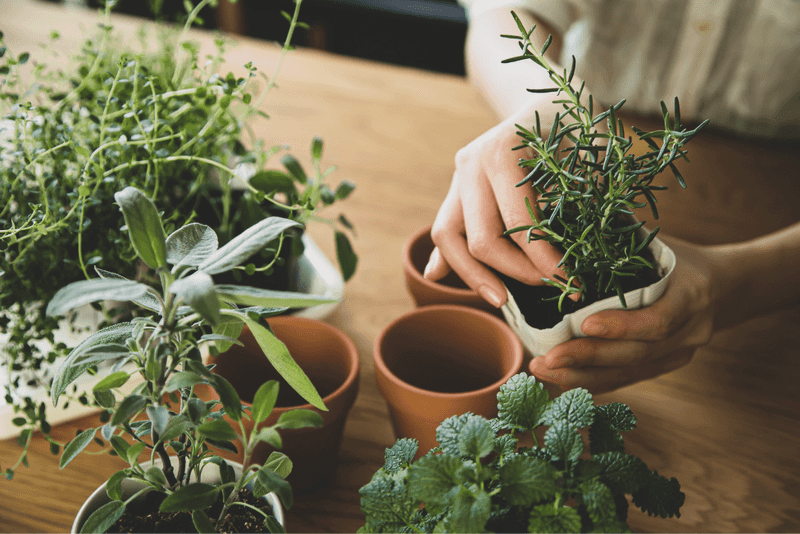
Many new herb gardeners hesitate to cut their plants, worried they’ll harm them or reduce their harvest. But the opposite is actually true, regular trimming encourages herbs to grow bushier, fuller, and more productive over time.
When you snip off the tips of stems, the plant responds by sending out new side shoots below the cut, creating more branches and more leaves to harvest in the future.
Without regular harvesting, herbs tend to grow tall and leggy with weak stems and sparse foliage.
They put their energy into getting taller rather than filling out, and many varieties will eventually flower and go to seed, which makes the leaves bitter and signals the plant to stop producing fresh growth.
Frequent trimming keeps your herbs in a productive vegetative state, focused on making tender, flavorful leaves instead of flowers.
When you harvest, use clean scissors or your fingers to pinch off stems just above a set of leaves, which encourages branching at that point. Take no more than about one-third of the plant at a time to avoid stressing it too much.
Even if you don’t need herbs for cooking right away, trimming them regularly keeps the plants healthy and compact. You can always dry or freeze the extra harvest for later use, ensuring nothing goes to waste while your plants stay in peak condition.
Keep Herbs Away From Radiators And Drafty Windows
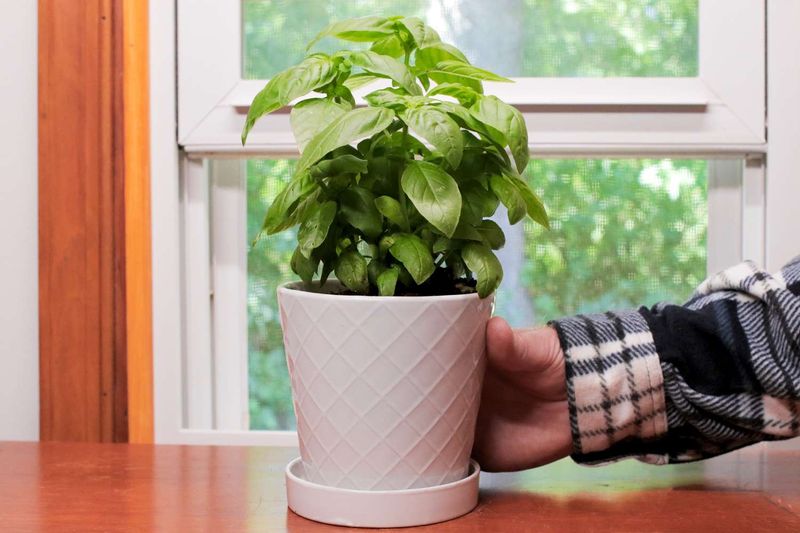
New York apartments are notorious for their temperamental heating systems, with radiators that blast dry, intense heat and windows that let in cold drafts when the wind picks up.
Both extremes stress your herbs significantly, making it harder for them to maintain healthy growth. Radiators dry out the air and soil rapidly, causing leaves to brown and crisp at the edges, while cold drafts shock the plants and slow their growth to a crawl.
Herbs prefer stable temperatures in the range of sixty to seventy degrees Fahrenheit, and sudden swings in either direction disrupt their ability to function properly.
Placing pots directly on or near radiators exposes them to temperatures that can easily exceed ninety degrees, essentially baking the roots and leaves.
Similarly, sitting right against a drafty window during a winter cold snap can expose plants to near-freezing temperatures, even if the room feels warm overall.
Finding a sweet spot that offers good light without temperature extremes is key to success. Position your herbs close to windows for light but a few inches back from the glass to avoid direct contact with cold drafts.
Keep them well away from radiators and heating vents, and consider using a small humidifier nearby if your apartment air gets very dry.
Monitoring the temperature around your herbs helps you identify problem spots and make adjustments before your plants show signs of stress.
Start With Young Plants Instead Of Seeds
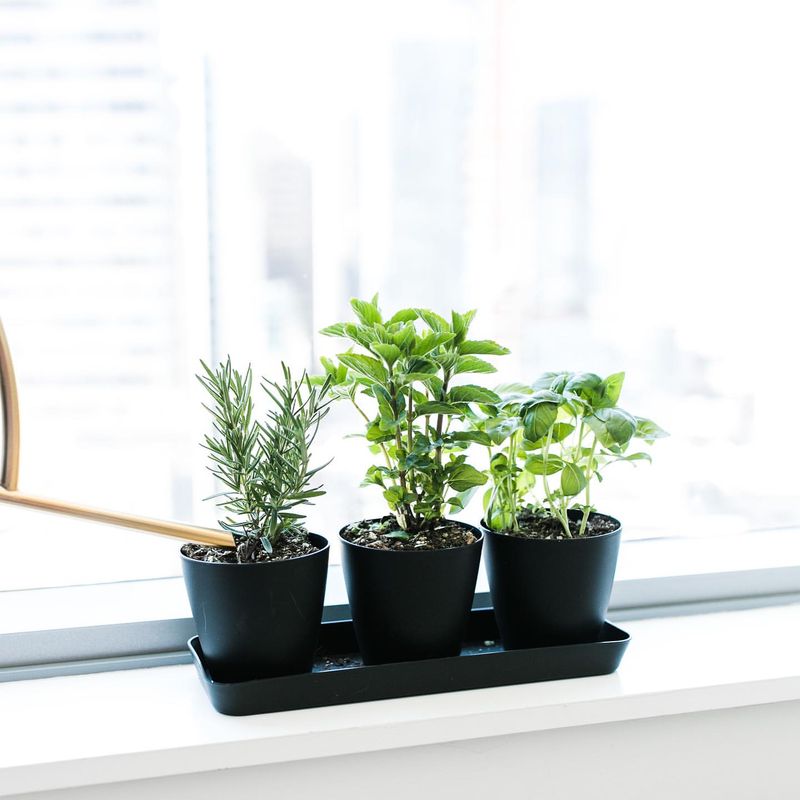
While growing herbs from seed can be rewarding, it requires patience, consistent conditions, and often more light than most apartments can provide during germination.
Young starter plants from a nursery or garden center give you a huge head start, arriving already established with healthy root systems and ready to begin growing in your space immediately.
This approach is especially smart for beginners or anyone who wants fresh herbs quickly without the trial and error of seed starting.
Starter plants adapt to your apartment conditions much faster than seedlings would, and they’re already past the fragile early stages when plants are most vulnerable.
You can begin harvesting within just a few weeks rather than waiting months for seeds to germinate, grow, and mature.
This instant gratification keeps you motivated and engaged with your herb garden, and you’ll actually get to enjoy fresh flavors in your cooking much sooner.
When shopping for starter plants, look for compact, bushy specimens with deep green leaves and no signs of yellowing, spots, or wilting. Avoid plants that are already flowering or look stretched and leggy, as these have often been stressed or neglected.
Bringing home healthy young plants and giving them the right care in your apartment sets you up for a thriving herb garden with minimal frustration and maximum success right from the start.