Smart Ways Georgia Gardeners Prepare Garden Beds Now For Bigger Spring Blooms
Spring flowers don’t start in spring, they start right now. If you’re gardening in Georgia, what you do today can decide how colorful your yard looks months from now.
Preparing garden beds early gives plants stronger roots and better blooms when warm weather arrives. Big blooms begin with smart prep.
Imagine stepping outside in spring and seeing fuller flowers, brighter colors, and healthier plants. What if a few simple steps today could double your garden’s impact later?
Georgia’s mild winters make this the perfect time to get ahead. This is when successful gardens are built.
From cleaning up old plant material to improving soil and adding nutrients, small actions now lead to huge rewards later.
Whether you grow flowers, vegetables, or both, proper bed prep helps everything grow better. Once you see the results, you’ll never wait until spring to prepare again.
1. Test And Amend Your Soil For Optimal Nutrient Balance
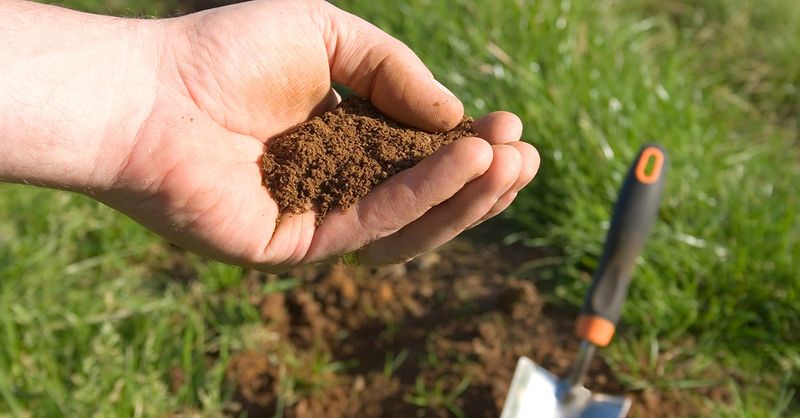
Getting your soil chemistry right is like giving your plants the perfect recipe for success. Georgia soil tends to be naturally acidic and clay-heavy in many areas, which can lock up essential nutrients that spring bloomers desperately need.
A simple soil test from your local extension office costs just a few dollars and reveals exactly what your garden beds are missing. The results come back showing pH levels, nitrogen, phosphorus, potassium, and other important elements that determine whether your flowers will struggle or soar.
Once you know what your soil needs, amendments become easy and targeted rather than guesswork. Adding lime raises pH for plants that prefer less acidic conditions, while sulfur lowers it for acid-loving beauties like azaleas and camellias.
Organic matter such as compost or aged manure improves clay soil structure, helping roots spread easily and water drain properly instead of pooling on the surface.
Working amendments into your beds now gives them months to integrate before planting time arrives. Microorganisms in the soil break down organic materials slowly over winter, creating rich humus that feeds plants naturally throughout the growing season.
This slow transformation means spring bulbs and perennials hit the ground running instead of waiting for nutrients to become available.
Georgia gardeners in regions from Athens to Macon find that fall soil prep makes their spring gardens noticeably more vibrant. Flowers grow larger, colors appear more intense, and plants show better resistance to stress when their nutritional foundation is solid.
Taking time now to test and amend saves money on fertilizers later and produces results that speak for themselves when blooming season arrives.
2. Plant Spring-Blooming Bulbs During The Fall Window
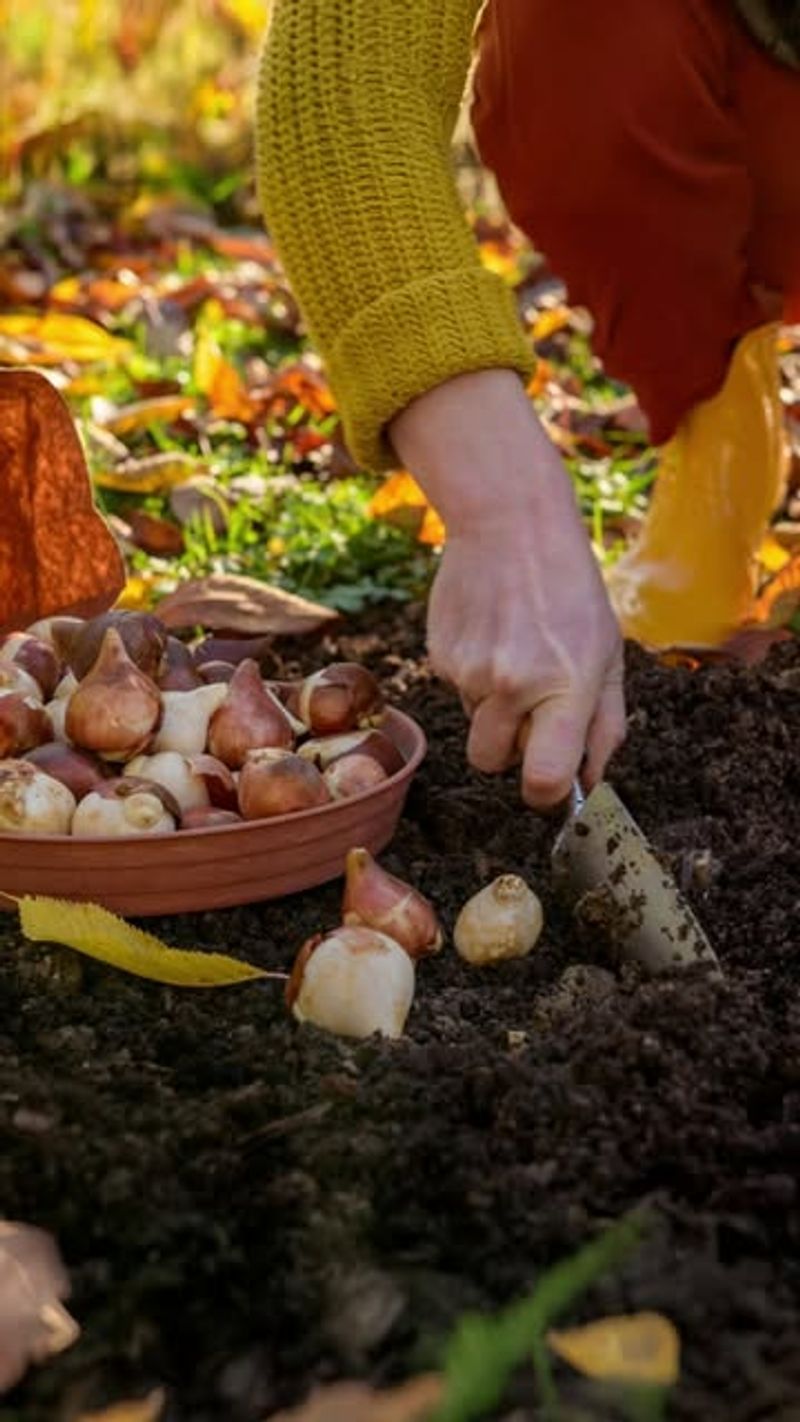
Timing is everything when it comes to bulbs that light up Georgia gardens each spring. Tulips, daffodils, hyacinths, and crocuses all need a cold period to develop properly, which means they must go into the ground before winter really sets in.
Most Georgia gardeners aim for October through early December, when soil temperatures have cooled but the ground hasn’t frozen solid. This window allows bulbs to establish root systems without triggering top growth that cold snaps could damage.
Your Georgia Garden Changes Every Week. Your Plan Should Too.
Gardening in Georgia changes quickly throughout the season. Every Friday you’ll receive a simple weekly plan showing exactly what to plant, prune, fertilize, harvest, and protect so you never miss the right timing.
Choosing the right bulbs for Georgia’s climate zone makes a huge difference in success rates. While tulips are gorgeous, they often struggle as perennials here because our winters aren’t consistently cold enough for their needs.
Daffodils and narcissus, on the other hand, naturalize beautifully across the state and return reliably year after year with minimal fuss. Grape hyacinths and Spanish bluebells also thrive in Georgia conditions and multiply over time to create stunning displays.
Planting depth and spacing determine how well your bulbs perform when spring arrives. The general rule is to plant bulbs at a depth three times their height, pointed end up, in well-draining soil enriched with a bit of bulb fertilizer or bone meal.
Grouping bulbs in clusters of odd numbers creates more natural-looking arrangements than straight lines or evenly spaced grids.
Gardeners from Columbus to Augusta report that fall-planted bulbs emerge stronger and bloom earlier than those rushed into the ground too late.
The extended root development time during winter months translates directly into bigger flowers with better color and longer vase life if you cut them for indoor arrangements.
3. Add A Thick Layer Of Protective Mulch
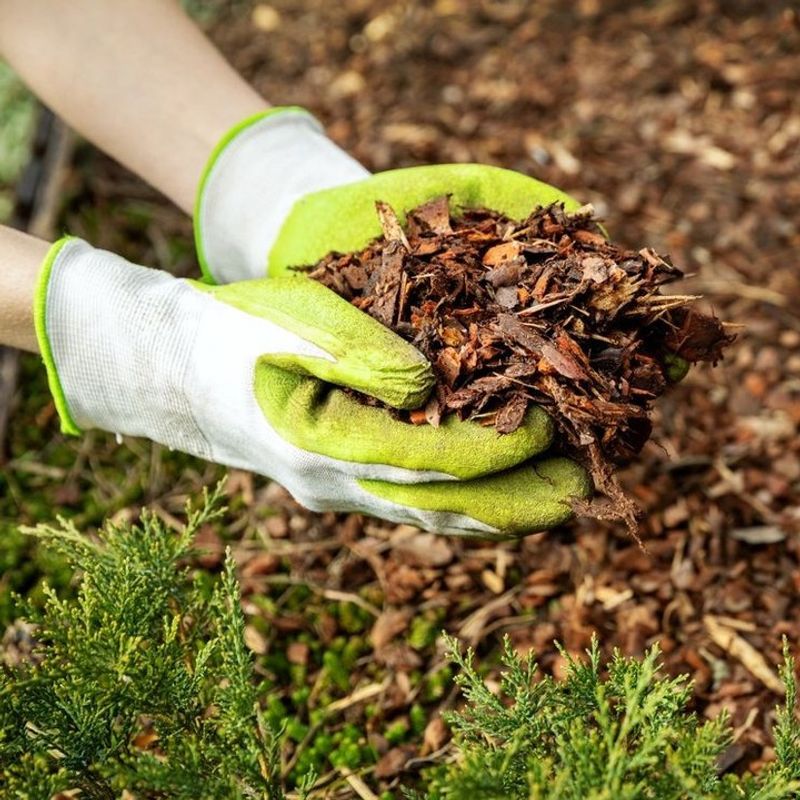
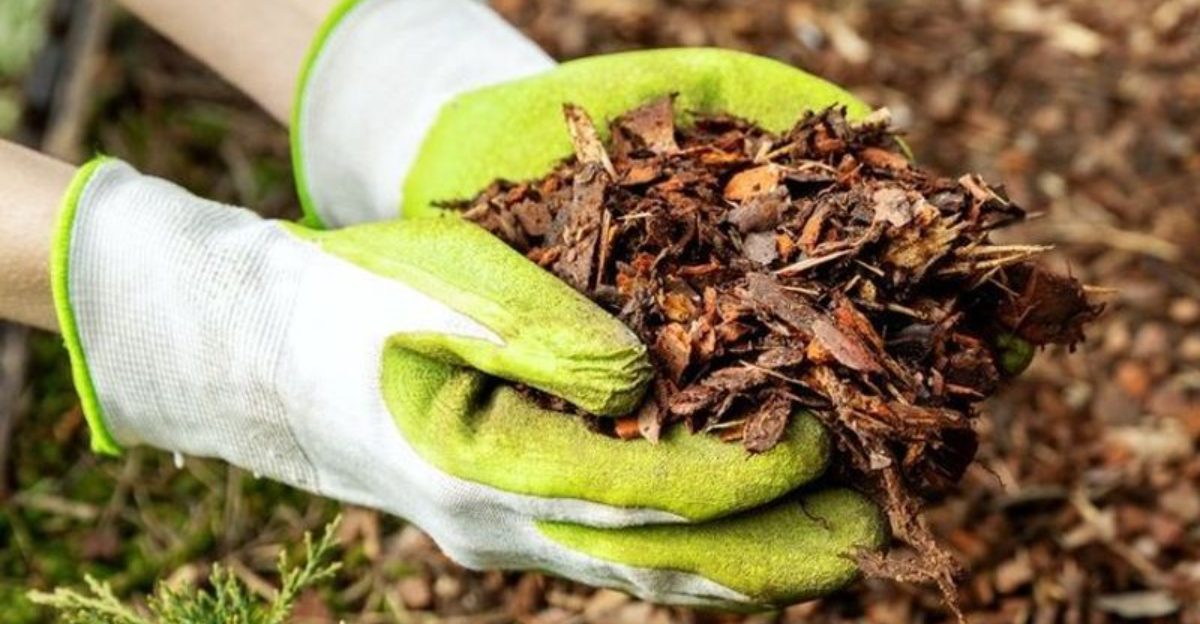
Mulch does way more than just make your garden beds look tidy and professional. A generous layer applied now protects soil from temperature swings that can stress plant roots and heave newly planted bulbs right out of the ground.
Georgia winters bounce between warm spells and sudden freezes, and that constant fluctuation causes more problems for garden plants than steady cold would. Mulch acts like a blanket that moderates these extremes and keeps the soil environment stable.
Organic mulches such as shredded hardwood, pine straw, or leaf mold bring additional benefits beyond temperature control. As they slowly break down over winter and spring, they add organic matter to the soil surface, improving texture and feeding beneficial microorganisms.
Pine straw is especially popular in Georgia because it’s locally abundant, affordable, and doesn’t compact like some other materials can. It also looks attractive and natural around both formal and cottage-style plantings.
Applying mulch correctly means spreading it about three to four inches deep, but keeping it pulled back a few inches from plant crowns and tree trunks.
Piling mulch directly against stems creates moisture problems that encourage rot and provide hiding spots for pests. The goal is to cover bare soil while allowing air circulation around the base of plants.
Gardeners throughout Georgia notice that mulched beds stay weedier-free because the thick layer blocks light that weed seeds need to sprout. This means less time pulling weeds in spring when you’d rather be enjoying your flowers.
Mulch also helps retain soil moisture during dry spells, reducing how often you need to water once blooming season begins.
4. Clear Out Spent Plants And Garden Debris
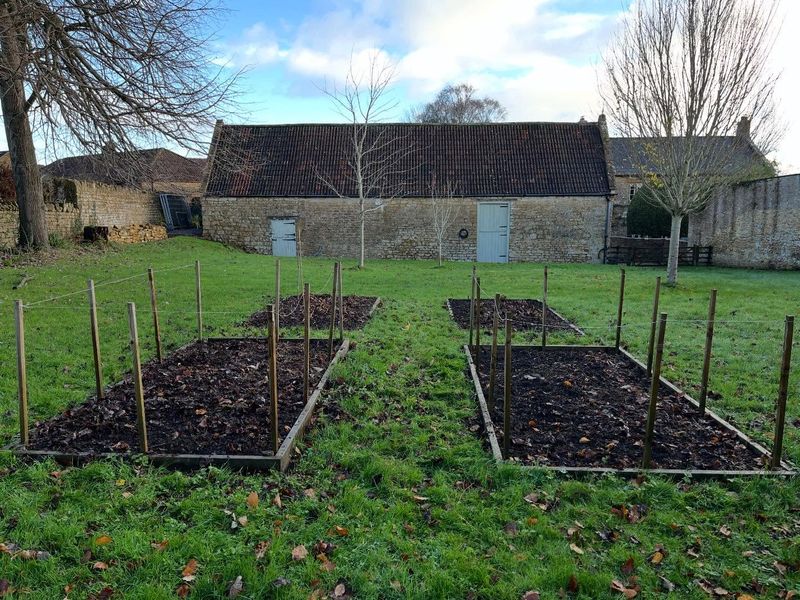
A clean garden bed isn’t just about appearances, though there’s something satisfying about a tidy space heading into winter.
Removing dead annuals, trimming back spent perennials, and clearing fallen leaves and plant debris eliminates hiding places where pests and diseases overwinter.
Many common garden problems, from fungal infections to insect eggs, survive cold months tucked into plant material left scattered around beds. Cleaning up now breaks that cycle before spring arrives.
Pay special attention to plants that showed signs of disease or pest damage during the growing season. Those materials should go into the trash rather than compost piles, where pathogens might survive and spread back into your garden later.
Healthy plant debris can be composted or used as mulch in areas where you’re not worried about reintroducing problems.
Georgia gardeners often find surprising benefits from fall cleanup beyond pest control. Removing dense plant material improves air circulation around the crowns of perennials, reducing moisture buildup that can lead to rot during winter rains.
It also makes it easier to see what you’re working with when you start amending soil and planting bulbs. You won’t accidentally dig into a dormant perennial you forgot was there when the bed looks clear and organized.
This task doesn’t need to happen all at once if your garden is large. Working section by section on pleasant fall afternoons makes the job manageable and even enjoyable.
Many gardeners across Georgia from Valdosta to Dalton make cleanup a family activity, teaching kids about garden care while getting beds ready for the spectacular spring show that all this preparation will produce.
5. Divide And Relocate Overcrowded Perennials
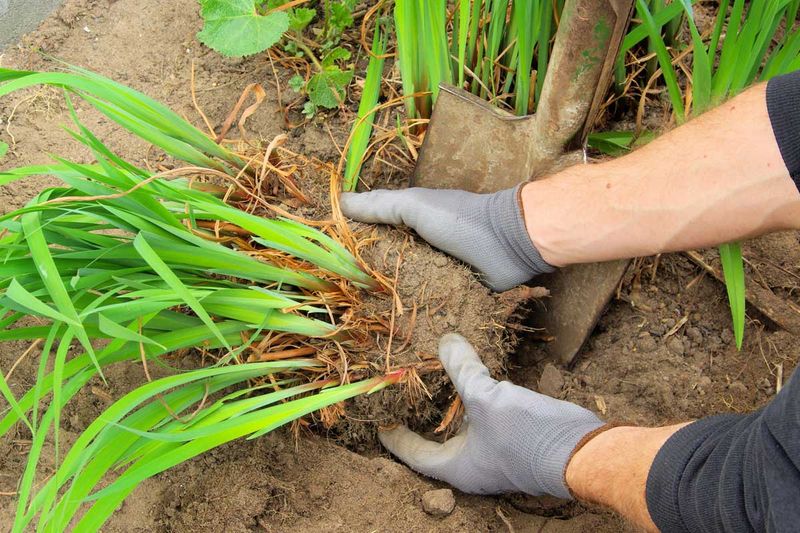
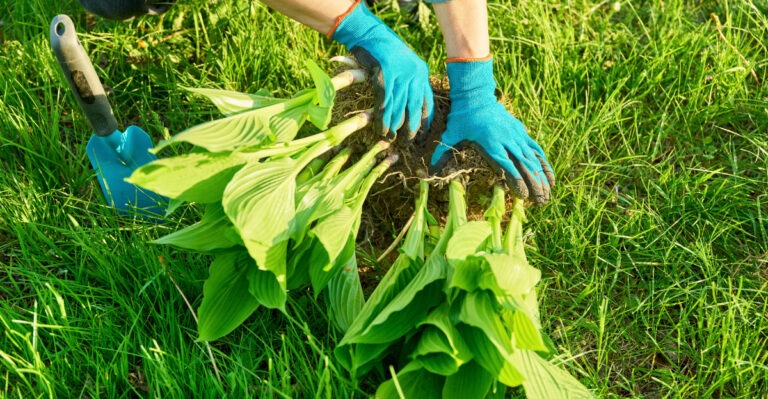
Perennials that have been growing in the same spot for several years often become so crowded that they stop blooming as well as they once did. Fall is the ideal time to divide these clumps and give them fresh space to thrive.
Popular Georgia perennials like daylilies, hostas, coneflowers, and Shasta daisies all benefit from division every three to five years. The process rejuvenates plants, encourages more vigorous growth, and gives you extras to fill in bare spots or share with friends.
Dividing perennials in fall rather than spring gives plants time to establish roots before they need to put energy into flowering.
The cooler temperatures and typically more reliable rainfall in Georgia during autumn months reduce transplant shock and help divisions settle in without stress.
By the time spring warmth arrives, these plants are ready to grow strongly and produce abundant blooms.
The actual division process is straightforward for most perennials. Dig up the entire clump, shake off excess soil, and use a sharp spade or knife to cut the root mass into sections that each have several growth points or shoots.
Replant divisions at the same depth they were growing before, water them in well, and apply a layer of mulch to protect them through winter.
Gardeners from Roswell to Warner Robins report that divided perennials often bloom better the following spring than they have in years.
The increased air circulation between plants also reduces disease problems, and the refreshed root systems take up nutrients more efficiently.
Taking an afternoon now to divide overcrowded clumps pays dividends in bigger, healthier spring displays throughout your Georgia garden.
6. Install Proper Drainage Solutions Before Winter Rains
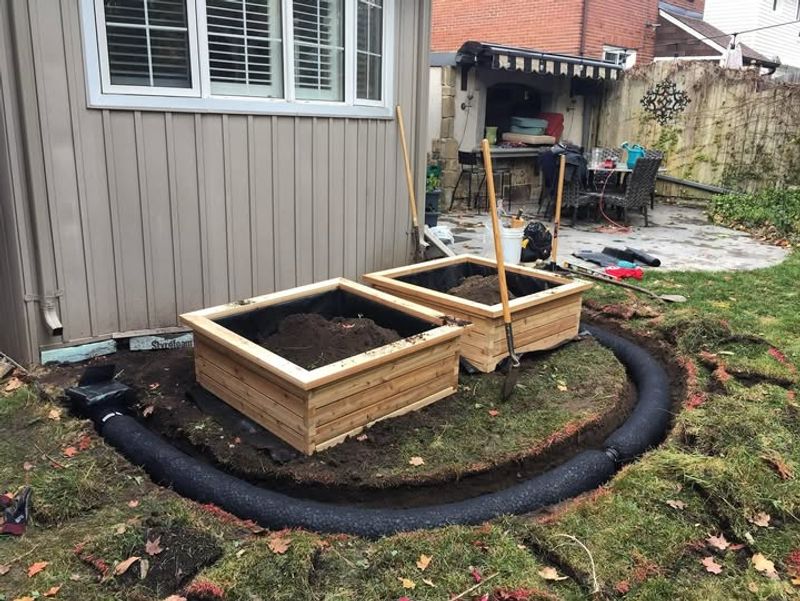
Standing water is one of the biggest threats to spring-blooming plants in Georgia gardens. Our winter and early spring months can bring heavy rainfall that turns poorly draining beds into soggy messes where bulbs rot and perennial roots suffocate.
Addressing drainage problems now, before winter rains arrive in force, prevents heartbreak when you discover that expensive bulbs never emerged because they rotted underground.
Even plants that survive waterlogged conditions often bloom poorly or develop disease problems that could have been avoided.
Simple drainage improvements make a dramatic difference in how well garden beds perform. Raised beds are one of the most effective solutions, lifting the root zone above problem areas and allowing excess water to drain away naturally.
Building beds just six to eight inches higher than surrounding grade provides enough elevation to solve most drainage issues.
Amending heavy clay soil with coarse sand, perlite, or expanded shale also improves drainage by creating larger pore spaces that water can move through.
For more serious drainage problems, consider installing French drains or dry creek beds that channel water away from planting areas. These features can be both functional and attractive, adding visual interest while solving practical problems.
Georgia gardeners in areas with naturally heavy clay, like parts of metro Atlanta and middle Georgia, often find that combining raised beds with amended soil gives the best results.
Testing drainage is easy: dig a hole about a foot deep, fill it with water, and see how long it takes to drain. If water remains after 24 hours, you have a problem that needs fixing before spring planting season.
Taking time now to improve drainage protects your investment in bulbs and plants while setting the stage for the lush, colorful spring garden that every Georgia gardener dreams about.