This Small Backyard Change Is Making Oregon Soil Healthier
Sometimes the biggest improvements start with the smallest changes. In backyards across Oregon, gardeners are discovering that you don’t need a full landscape makeover to make your soil healthier.
One simple adjustment is quietly making a big difference, and it’s easier than most people expect.
At first, it doesn’t look dramatic. No heavy equipment, no major digging, no weeks of disruption.
Just a small shift in how the yard is managed. But over time, the results start to show up.
Soil holds moisture better, plants grow stronger, and gardens become easier to care for overall.
What makes this change so appealing is how well it fits Oregon’s climate. With our mix of rain, cool seasons, and dry summers, soil health plays a huge role in how successful a garden can be.
When the soil improves, everything else tends to follow.
If you’ve ever wondered why some yards seem to thrive while others constantly struggle, the answer often starts below the surface.
This simple backyard change is helping Oregon gardeners build stronger soil without extra work, and once you see the results, it’s hard not to want to try it yourself.
1. Why Oregon Garden Soil Struggles In The First Place
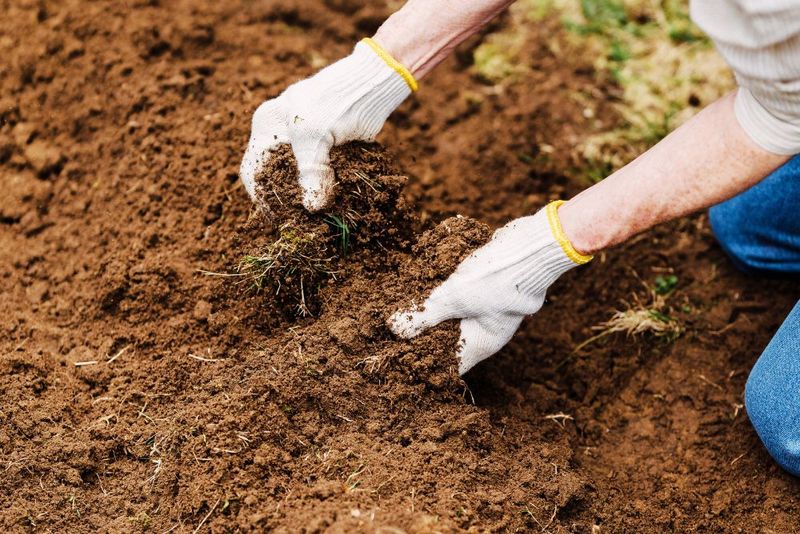
Oregon soils carry challenges that frustrate even experienced gardeners who move here from other states. Heavy winter rains compact clay soils in the valley, making them sticky and dense when wet, then cracked and hard when summer heat arrives.
Coastal gardens face the opposite problem with sand that drains too fast and holds almost no nutrients for hungry plants.
Eastern Oregon gardeners work with volcanic and rocky ground that seems more gravel than soil. You dig down and hit rock layers that block roots and make planting a physical workout.
These soils often lack the organic content that helps plants thrive naturally.
Most Oregon soils were never meant for backyard vegetable gardens or ornamental beds without some help. Native forests and prairies evolved with slow nutrient cycles and specific plant communities.
When you clear land and plant roses, tomatoes, or lavender, you ask soil to do something it was not built for without amendments.
Understanding your starting point matters because Oregon is not one climate or one soil type. What works in Portland might fail in Bend, and coastal strategies do not always translate inland.
Recognizing these regional differences helps you make smarter choices about how to improve what you have right now.
2. The Small Backyard Change That Makes The Biggest Difference
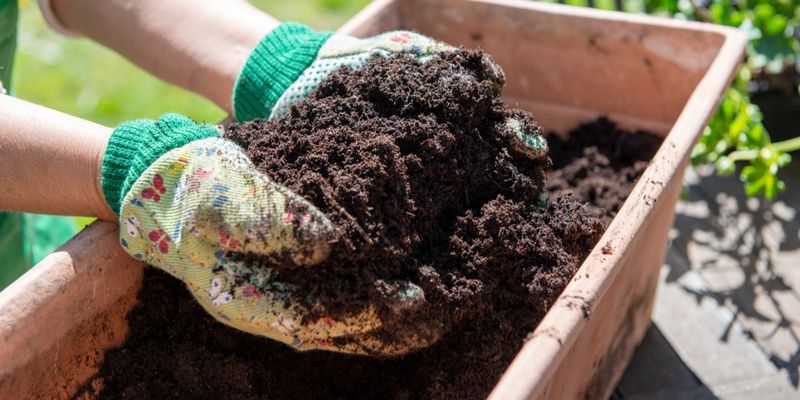
Adding organic matter consistently transforms soil faster than any other single practice you can adopt in your Oregon garden. Compost, mulch, cover crops, and decomposed plant material all count as organic matter that feeds soil life and improves structure.
You do not need expensive equipment or professional help to start this process today.
Organic matter works because it changes soil at a microscopic level where plant roots actually live and feed. Tiny organisms break down leaves, grass clippings, and kitchen scraps into humus that binds soil particles together.
Your Oregon Garden Changes Every Week. Your Plan Should Too.
Gardening in Oregon changes quickly throughout the season. Every Friday you’ll receive a simple weekly plan showing exactly what to plant, prune, fertilize, harvest, and protect so you never miss the right timing.
This creates pore spaces for air and water, which roots need just as much as nutrients.
In clay soils, organic matter loosens dense particles and prevents waterlogging that drowns roots during winter. Sandy soils gain the ability to hold moisture and nutrients instead of letting everything wash away with the first rain.
Rocky soils develop a living layer on top that supports plant growth even when bedrock sits just inches below.
This change feels small because you simply spread materials on top or mix them gently into the surface without heavy tilling. But over one season, then two, then three, your soil becomes darker, softer, and more alive.
Plants respond with stronger growth, better color, and increased resistance to pests and diseases that attack weak, stressed specimens.
3. Understanding Clay Soils In The Willamette Valley
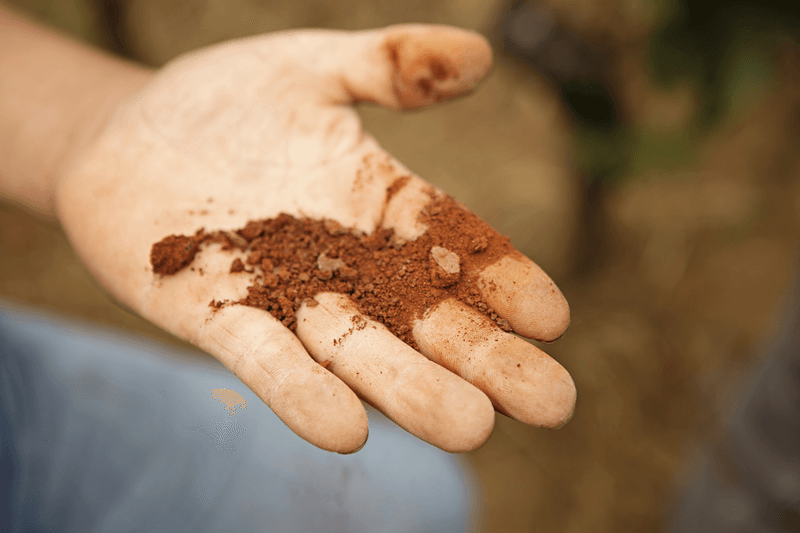
Clay soils dominate the Willamette Valley and frustrate gardeners who want to plant early in spring but find mud instead of workable ground. These soils hold water tightly because clay particles are microscopically small and pack together like bricks.
When you try to dig wet clay, it sticks to your shovel and clumps into heavy, unworkable masses.
Summer brings the opposite challenge as clay dries into concrete-hard chunks that resist water penetration and make planting nearly impossible. Roots struggle to push through compacted layers, so plants stay small and stressed even with regular watering.
Many gardeners assume they need to replace their soil entirely, but that approach costs thousands of dollars and rarely solves the underlying problem.
Adding organic matter changes clay structure by creating spaces between particles where air and water can move freely. Compost acts like tiny sponges that absorb excess moisture in winter and release it slowly during dry months.
Mulch on top protects the surface from pounding rain that compacts bare soil and creates impenetrable crusts.
You will notice improvement after just one season of adding two to three inches of compost and maintaining a mulch layer.
Clay becomes easier to dig, drains better after storms, and supports healthier root systems that produce stronger plants with less effort from you.
4. Sandy And Coastal Soils Along Oregon’s Coast
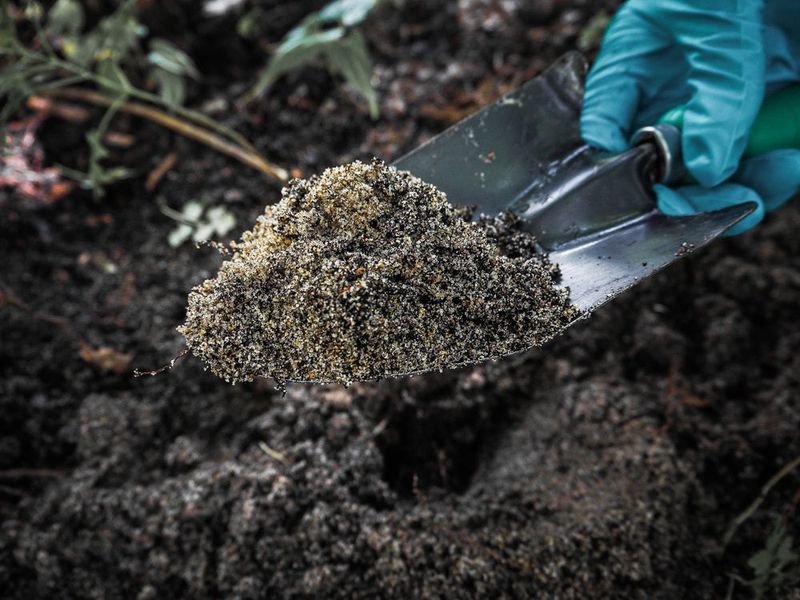
Coastal Oregon gardeners deal with sandy soils that drain so quickly you can water in the morning and find dry ground by afternoon.
Sand particles are large compared to clay, leaving big gaps that let water and nutrients wash straight through before plants can absorb them.
This creates a feast-or-famine cycle where plants either drown during winter rains or shrivel during summer dry spells.
Salty winds and fog add extra challenges by depositing salt on leaves and in soil, which stresses many common garden plants.
Sandy ground also heats up and cools down rapidly, creating temperature swings that shock tender roots.
Without organic matter, these soils look pale and lifeless, more like beach sand than garden beds.
Organic matter acts as a reservoir in sandy soils, holding moisture and nutrients close to roots instead of letting everything drain away. Compost binds sand particles together into small clumps that improve water retention without creating the drainage problems you see in clay.
Mulch protects the surface from wind erosion and keeps soil temperatures more stable throughout the day.
After adding organic matter regularly for one growing season, coastal gardeners notice plants staying green longer between waterings and producing healthier growth.
The soil darkens in color and feels more substantial when you dig, showing that organic content is building up and creating a better environment for roots to thrive.
5. Volcanic And Rocky Soils In Central And Eastern Oregon
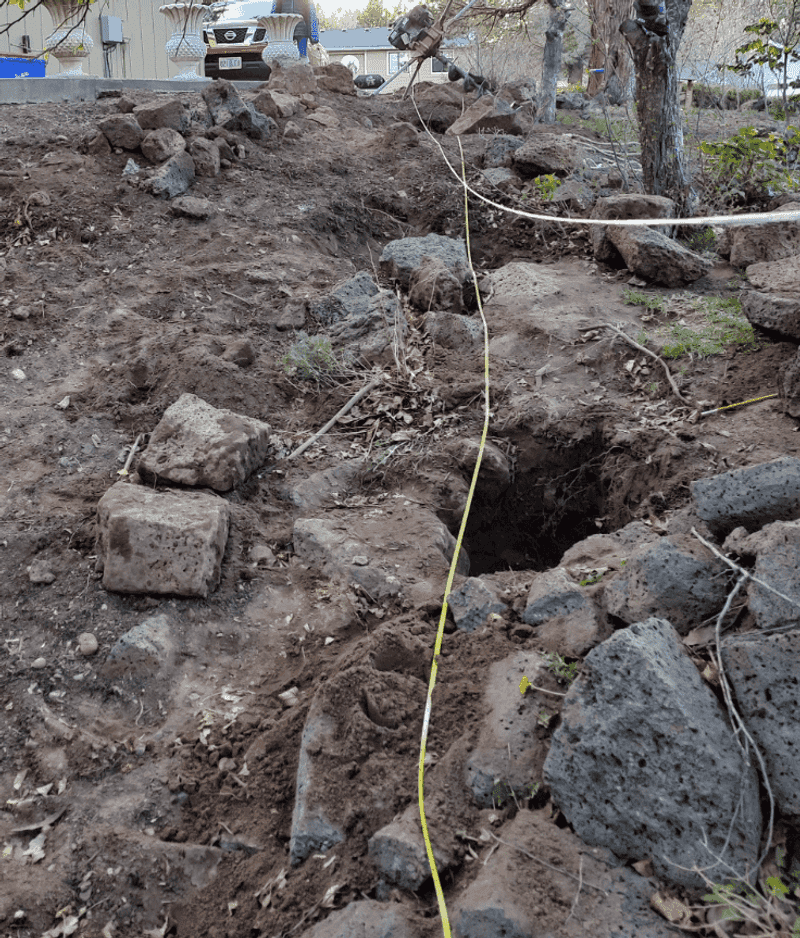
Central and Eastern Oregon soils challenge gardeners with volcanic rock, pumice, and shallow layers over bedrock that seem impossible to improve.
You hit rocks with every shovel stroke, and topsoil often measures just a few inches deep before you reach impenetrable layers.
These soils drain extremely fast and hold almost no nutrients naturally, making most garden plants struggle without constant attention.
Low rainfall in these regions means organic matter breaks down very slowly compared to wetter parts of the state.
Native sagebrush and juniper adapted to these harsh conditions, but your tomatoes, roses, and perennials need much richer soil to produce the results you want.
Many gardeners give up and assume nothing will grow without building raised beds and importing soil.
Adding organic matter on top creates a living layer that does not require you to break through rock or remove stones.
Compost and mulch gradually decompose and work their way down into cracks and spaces between rocks, creating pockets where roots can establish and find moisture.
This builds soil depth slowly but steadily without expensive excavation or soil replacement.
You will see progress within one season as plants develop stronger root systems that explore deeper into improved soil.
The organic layer holds moisture from irrigation and occasional rains much longer than bare rocky ground, reducing water needs and supporting healthier growth even in hot, dry summers typical of the region.
6. How Compost Improves Every Oregon Soil Type
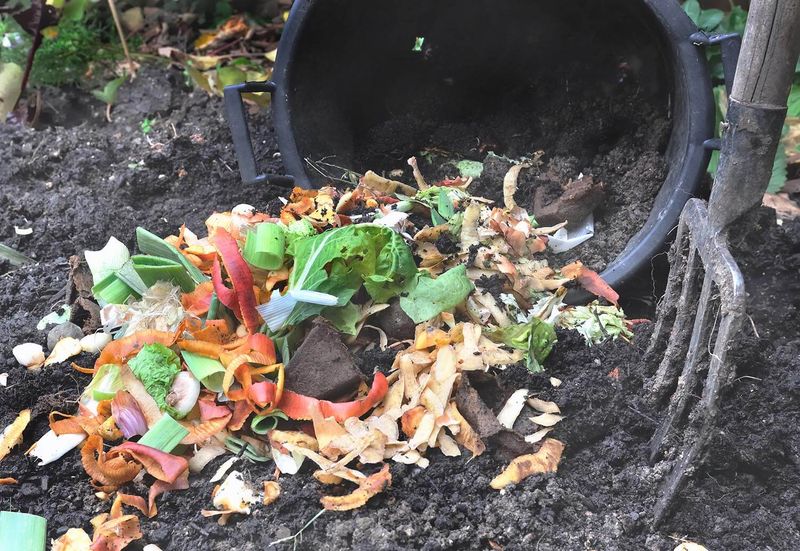
Compost works like a universal soil amendment that fixes multiple problems at once regardless of whether you garden in clay, sand, or rock.
Finished compost contains partially decomposed plant material, beneficial microorganisms, and nutrients in forms that plants can absorb immediately.
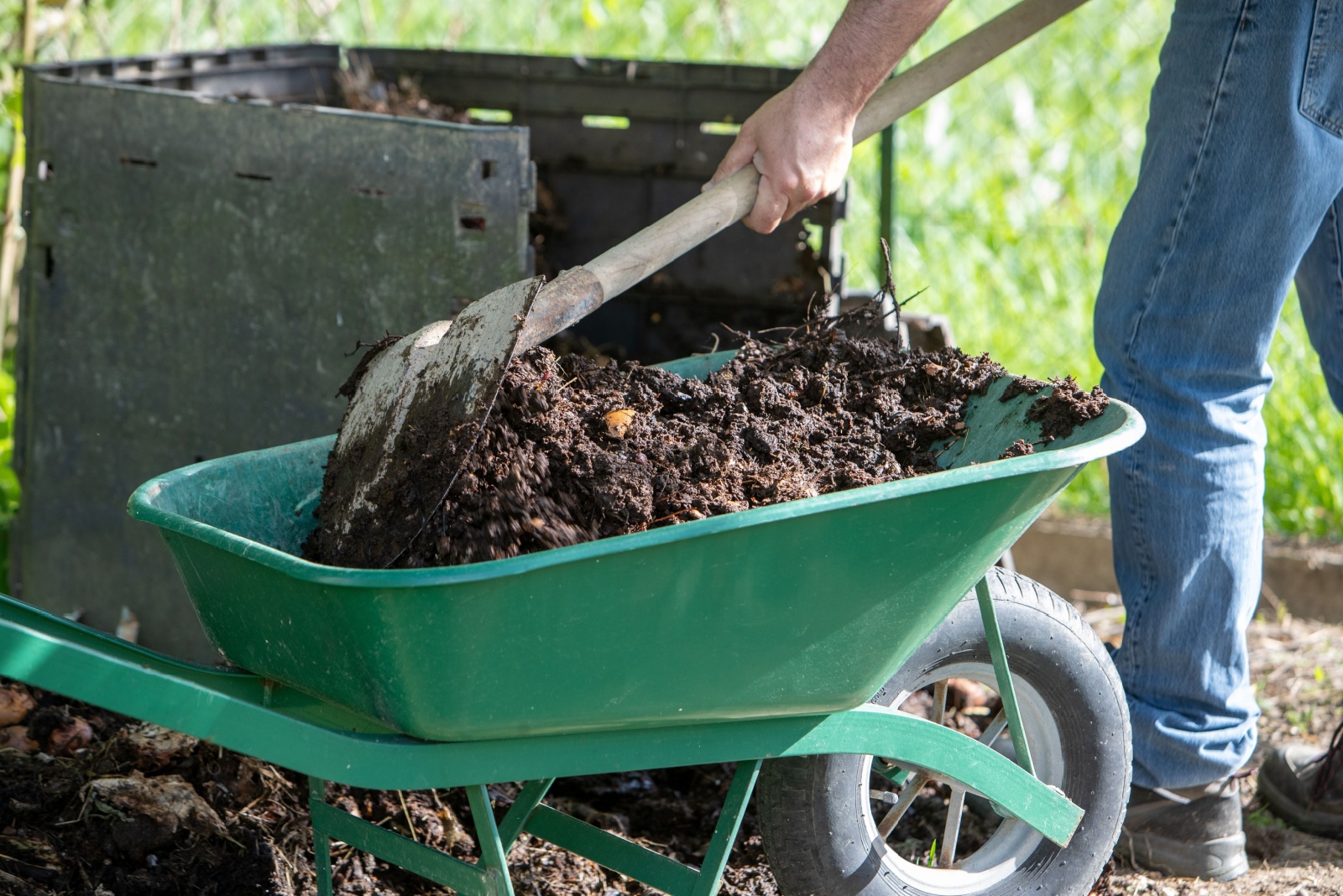
You can make your own from kitchen scraps and yard waste, or buy it by the bag or truckload from local suppliers.
In clay soils, compost creates air spaces that prevent waterlogging and allow roots to penetrate deeply. Sandy soils gain water-holding capacity and nutrient retention they completely lack otherwise.
Rocky or thin soils develop an organic layer on top that supports plant growth without requiring you to remove rocks or build expensive raised beds.
Compost feeds soil life including earthworms, beneficial bacteria, and fungi that continue improving soil structure long after you spread it. These organisms break down organic matter into humus, which binds soil particles together and creates stable aggregates.
This process builds soil health year after year, making each season better than the last.
Spread two to three inches of compost on top of garden beds each spring and fall, letting rain and soil life work it in naturally. You do not need to till or dig it deeply, which actually damages soil structure and kills beneficial organisms.
This simple practice transforms your soil gradually but reliably, giving you better results with less work over time.
7. Why Mulch Protects Soil Year-Round
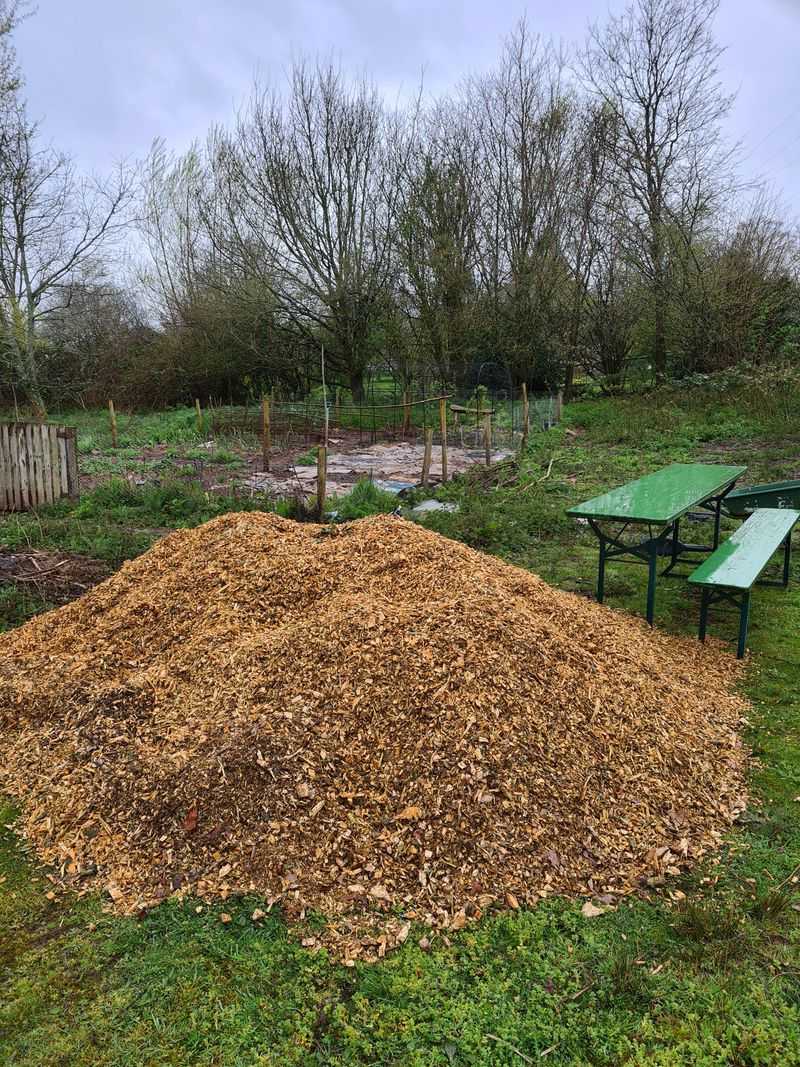
Mulch acts as a protective blanket that shields soil from harsh weather, prevents weed growth, and slowly adds organic matter as it breaks down over time.
Wood chips, straw, leaves, and grass clippings all work as mulch when spread two to four inches deep around plants.
This layer moderates soil temperature, keeping roots cooler in summer and warmer in winter than bare exposed ground.
Oregon’s heavy winter rains pound bare soil, compacting the surface and washing away nutrients and topsoil. Mulch absorbs the impact of raindrops and allows water to soak in gently instead of running off or creating puddles.
This prevents erosion on slopes and keeps soil structure intact even during the wettest months.
Summer drought stresses Oregon gardens from July through September in most regions, but mulch reduces evaporation dramatically. Soil under mulch stays moist for days or weeks longer than bare ground, cutting your watering needs by half or more.
This saves time, money, and precious water resources while keeping plants healthier during the driest part of the year.
As mulch slowly decomposes, it feeds soil organisms and adds organic matter to the top few inches where most plant roots concentrate. You simply refresh the mulch layer once or twice a year, letting the old material work its way down into the soil naturally.
This ongoing process builds soil health continuously without extra effort from you.
8. The Role Of Soil Life And Organic Matter
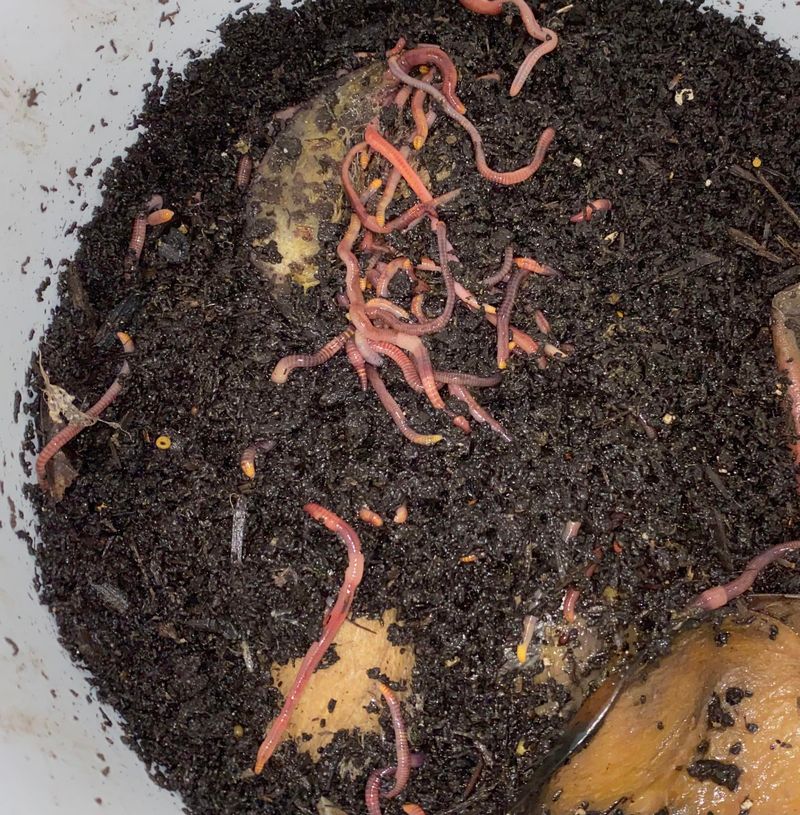
Healthy soil teems with life including earthworms, beetles, springtails, and microscopic bacteria and fungi that you cannot see without a microscope.
These organisms break down organic matter into plant-available nutrients and create soil structure that holds air and water.
Without them, soil becomes sterile and lifeless, requiring constant fertilizer inputs to grow anything successfully.
Earthworms alone can move tons of soil per acre each year, creating channels that improve drainage and aeration while mixing organic matter deep into the ground.
Their castings contain five times more nitrogen, seven times more phosphorus, and eleven times more potassium than surrounding soil.
You do not need to buy worms because they will colonize your garden naturally once you provide organic matter for them to eat.
Beneficial fungi form partnerships with plant roots called mycorrhizae that extend root reach by hundreds of times, helping plants access water and nutrients far beyond their own root zone.
These fungi need organic matter and undisturbed soil to thrive, which is why tilling damages soil health even when it seems to improve texture temporarily.
When you add compost and mulch regularly, you feed this entire underground ecosystem that works for you around the clock. Soil life does the heavy lifting of improving structure, cycling nutrients, and protecting plants from diseases.
Your job is simply to keep feeding them organic matter and avoid practices like tilling that destroy their habitat.
9. How To Start Improving Your Soil Without Tilling
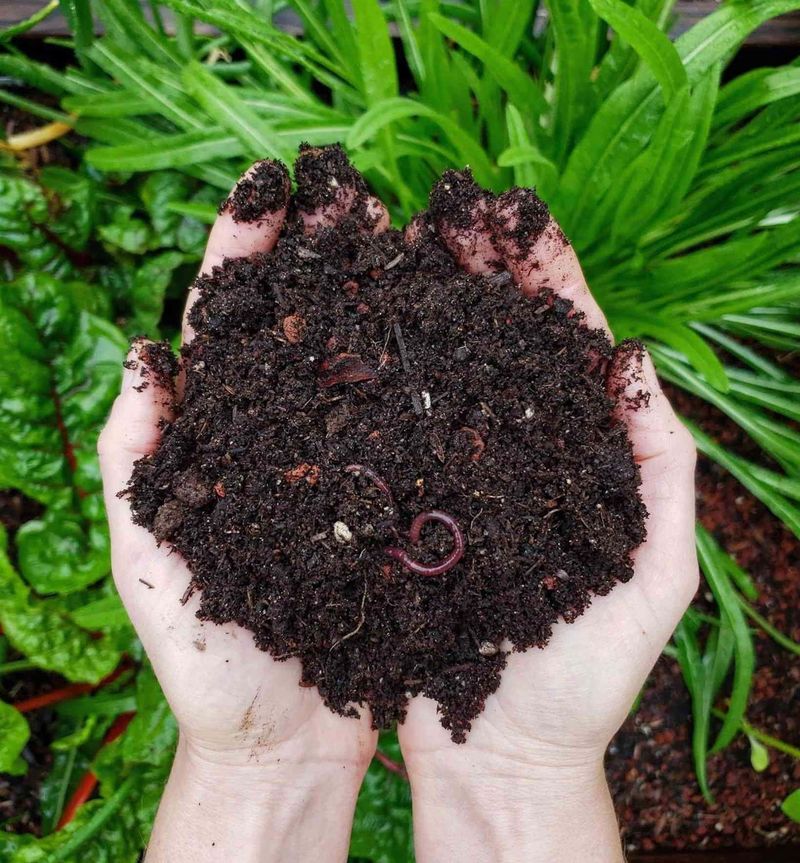
You can begin improving your soil today without renting a rototiller or digging deeply, which actually damages soil structure and kills beneficial organisms. Start by spreading two to three inches of finished compost over your garden beds, letting it sit on top without mixing it in.
Rain and soil organisms will gradually incorporate it into the upper layers where most plant roots live and feed.
Add a mulch layer on top of the compost using wood chips, straw, or shredded leaves depending on what you can find locally. This protects the compost from washing away during winter rains and keeps it moist enough for soil life to work efficiently.
Mulch also prevents weed seeds from germinating, saving you hours of pulling weeds throughout the growing season.
Plant directly into this layered system by gently pulling back mulch, making a small hole through the compost, and setting transplants or seeds in place.
The mulch goes right back around plants, maintaining soil moisture and temperature while continuing to break down and feed soil organisms.
This method works for vegetables, flowers, shrubs, and even small trees without any tilling required.
Repeat this process twice a year by refreshing compost and mulch layers as they decompose and work their way into the soil.
Each application builds on the previous one, gradually transforming even the worst soil into rich, living ground that grows healthier plants with less work from you over time.