Too Much Rain? These 10 Chemical-Free Solutions Help In Oregon
Oregon rain has a way of testing everyone’s patience. Just when the ground finally starts to dry out, another storm rolls in and resets the whole cycle.
Puddles return, soil turns soft, and suddenly your yard feels more like a sponge than a garden. If you’ve ever looked outside and thought, “Alright, that’s enough rain,” you’re definitely not alone.
When water becomes a constant issue, it’s tempting to reach for quick fixes. But more and more Oregon gardeners are choosing chemical-free solutions that actually work with the landscape instead of forcing it to change.
These natural approaches focus on better drainage, healthier soil, and smarter water flow, without adding anything harsh to the environment.
The best part? Many of these solutions are simple and low-effort.
Small adjustments can make a noticeable difference, helping your yard recover faster after storms and stay healthier throughout the season.
If you’re tired of dealing with soggy spots, stressed plants, or runoff problems, there are better options out there. You don’t need complicated treatments or synthetic products to get results.
These ten chemical-free solutions are designed for Oregon’s wet conditions and can help you take back control of your yard, rain or shine.
1. Build A Rain Garden That Soaks Up Stormwater Naturally
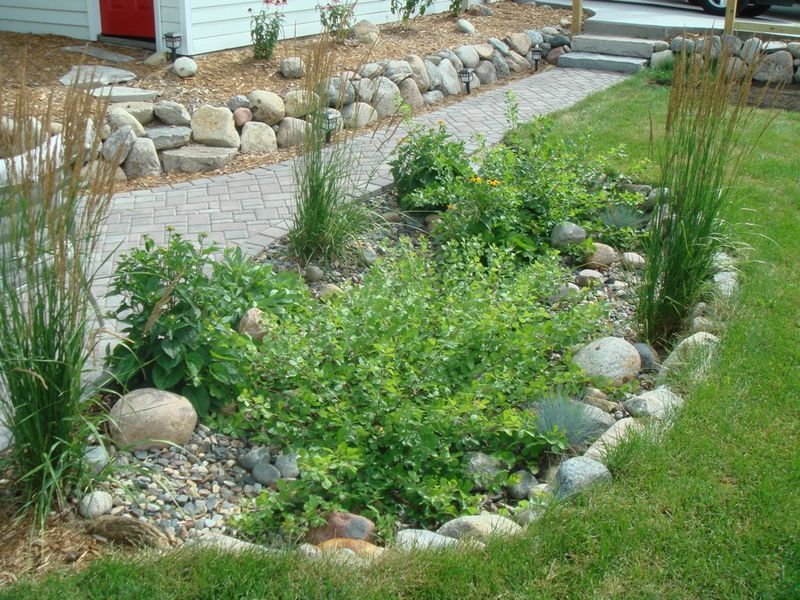
After a good storm, you’ve probably noticed water pooling in the same spot every single time. That low area in your yard isn’t just annoying—it’s actually the perfect place to build a rain garden.
Rain gardens are shallow depressions filled with water-loving plants that soak up runoff before it floods your lawn or flows into storm drains.
Oregon State University Extension recommends rain gardens as one of the most effective ways to manage stormwater naturally. The plants and soil work together like a sponge, filtering pollutants and slowly releasing water back into the ground.
You’re not just solving a drainage problem, you’re creating habitat for pollinators and improving water quality downstream.
Start by choosing a spot at least ten feet away from your foundation where water naturally collects. Dig a shallow basin about six inches deep and fill it with a mix of native soil and compost.
Plant native species like red twig dogwood, sword fern, or Oregon iris that thrive in wet conditions.
Within one season, you’ll notice standing water disappears faster and your yard feels less swampy after every storm.
2. Redirect Downspouts To Stop Backyard Flooding
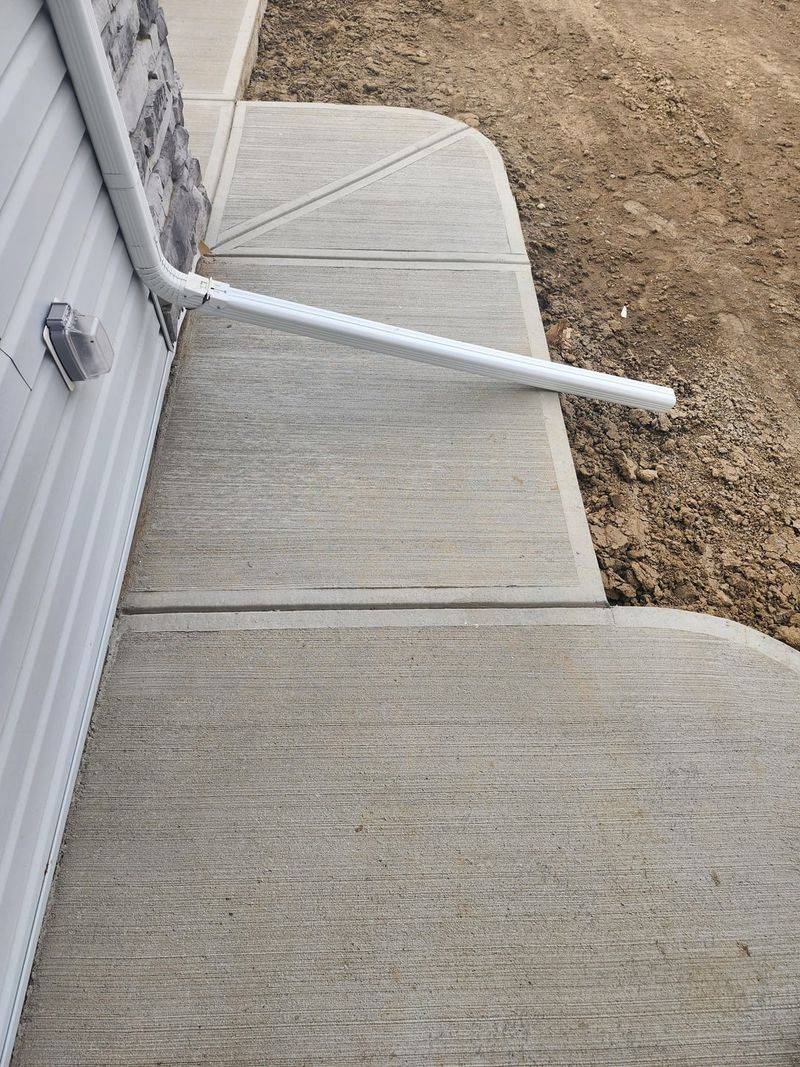
Walk around your house during the next rainstorm and watch where your downspouts dump water. Chances are, they’re pouring thousands of gallons right next to your foundation or into already soggy areas.
This simple oversight causes more flooding and foundation problems than almost anything else in Oregon yards.
Redirecting downspouts is one of the easiest fixes you can tackle in an afternoon. Attach downspout extensions or flexible drainage pipes that carry water at least five to ten feet away from your house.
Aim for a sloped area, a rain garden, or a dry well where water can spread out and soak in slowly.
Your Oregon Garden Changes Every Week. Your Plan Should Too.
Gardening in Oregon changes quickly throughout the season. Every Friday you’ll receive a simple weekly plan showing exactly what to plant, prune, fertilize, harvest, and protect so you never miss the right timing.
Oregon Department of Environmental Quality encourages homeowners to disconnect downspouts from combined sewer systems whenever possible.
When you send roof runoff onto your lawn instead of into pipes, you reduce strain on municipal systems and recharge groundwater naturally.
Use stakes or rocks to hold extensions in place and make sure they point downhill. You’ll immediately notice less puddling near your foundation and drier soil around basement walls, which protects your home from moisture damage year-round.
3. Use Mulch To Absorb Excess Moisture And Protect Soil
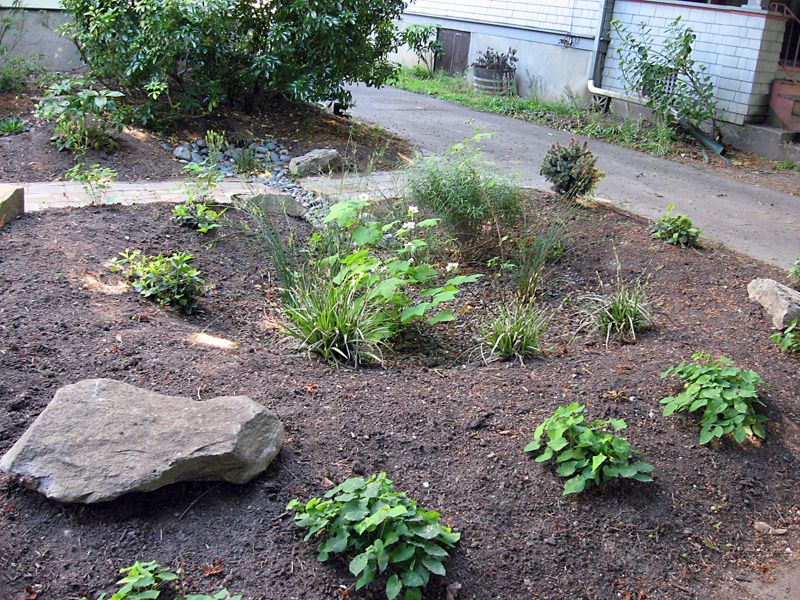
Bare soil in Oregon’s rainy season turns into mud almost instantly. Without protection, raindrops hammer the ground, compacting soil and washing away nutrients.
Mulch acts like a protective blanket, absorbing moisture, reducing runoff, and keeping your garden beds healthier through the wettest months.
Organic mulches like wood chips, shredded bark, or compost work best because they slowly break down and improve soil structure over time.
Spread a three to four inch layer around trees, shrubs, and garden beds, leaving a few inches of space around plant stems to prevent rot.
The mulch absorbs water during heavy rains and releases it gradually, which keeps roots hydrated without drowning them.
Oregon State University Extension recommends mulching as a chemical-free way to manage moisture and suppress weeds. As mulch decomposes, it feeds beneficial microbes and earthworms that improve drainage naturally.
You’ll notice less splashing mud, fewer weeds, and healthier plants that can handle both wet and dry spells.
Refresh your mulch every spring or fall to maintain coverage and keep your beds looking tidy while protecting soil year-round.
4. Create Swales That Move Water Without Erosion
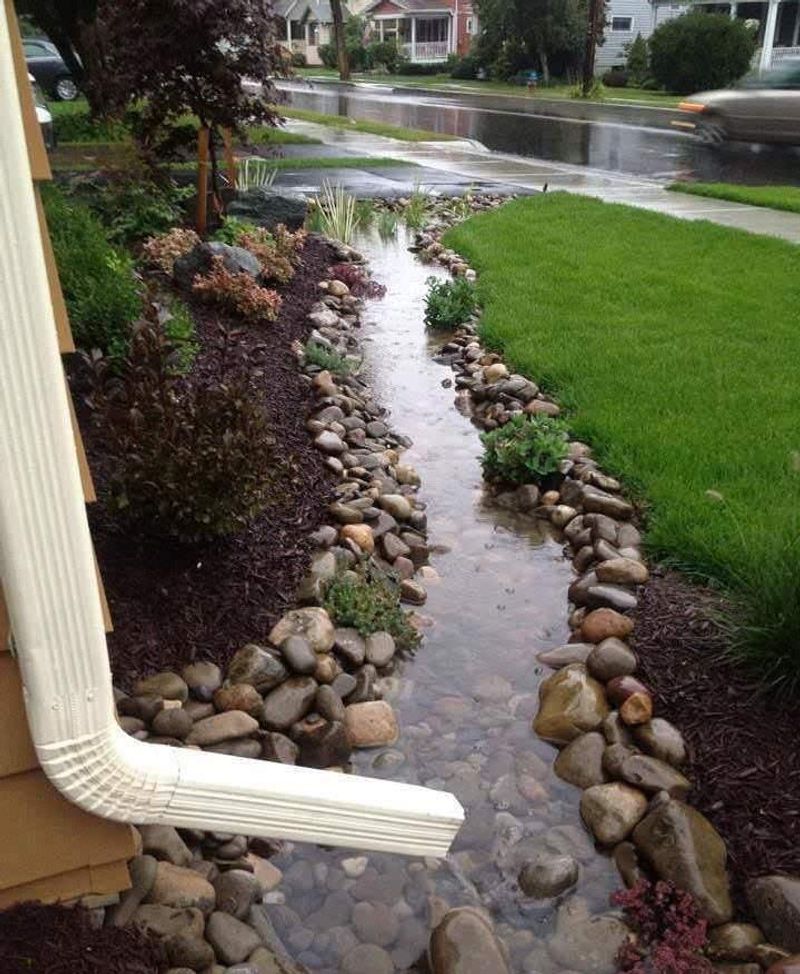
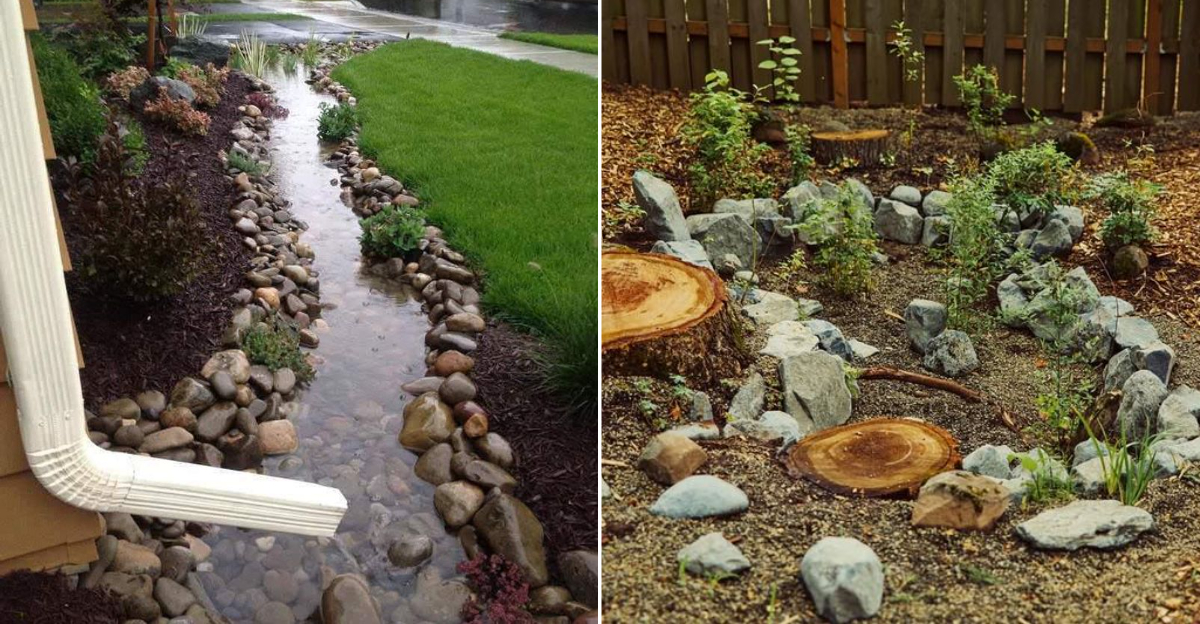
Swales are shallow, gently sloping channels that guide water across your yard without causing erosion or flooding. If you’ve got a slope or uneven terrain, swales can be lifesavers during Oregon’s heaviest rains.
They slow water down, spread it out, and let it soak into the ground instead of rushing downhill in muddy torrents.
Building a swale doesn’t require heavy equipment or engineering degrees. Walk your property after a storm and follow the natural path water takes.
Dig a shallow trench along that path, curving it slightly to slow the flow. Pile the excavated soil on the downhill side to create a low berm that holds water temporarily.
Oregon stormwater best practices encourage swales because they reduce runoff velocity and filter sediment naturally. Plant the swale with native grasses or groundcovers that stabilize soil and absorb moisture.
Over time, the roots create channels that improve drainage even more.
You’ll see results immediately as water spreads evenly across your yard instead of carving gullies or pooling in problem spots. Swales blend into your landscape naturally and require almost no maintenance once plants are established.
5. Switch To Raised Beds For Soggy Garden Areas

Trying to grow vegetables in waterlogged soil is frustrating and usually ends in disappointment. Plants drown, roots rot, and you’re left wondering why nothing thrives.
Raised beds solve this problem by lifting your garden above the soggy ground, giving roots the drainage and oxygen they need to flourish even during Oregon’s wettest months.
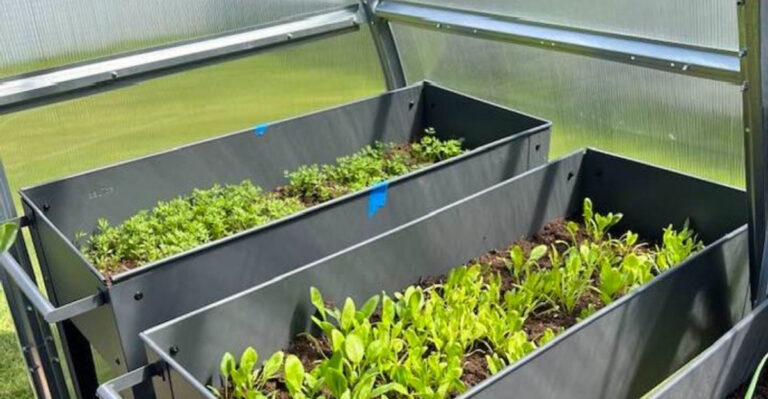
Build frames from untreated cedar, composite lumber, or galvanized metal and fill them with a mix of topsoil, compost, and coarse sand.
Aim for beds at least twelve inches tall, though eighteen to twenty-four inches works even better in areas with serious drainage issues.
The elevated soil drains faster than ground-level beds, and you can amend the mix to suit your plants perfectly.
The improved drainage means you can start planting earlier in spring and extend your growing season into fall without worrying about root diseases caused by standing water.
You’ll enjoy better harvests, healthier plants, and less bending over to tend your garden. Raised beds also warm up faster in spring, giving you a head start on the growing season.
6. Improve Drainage With Compost, Not Chemicals
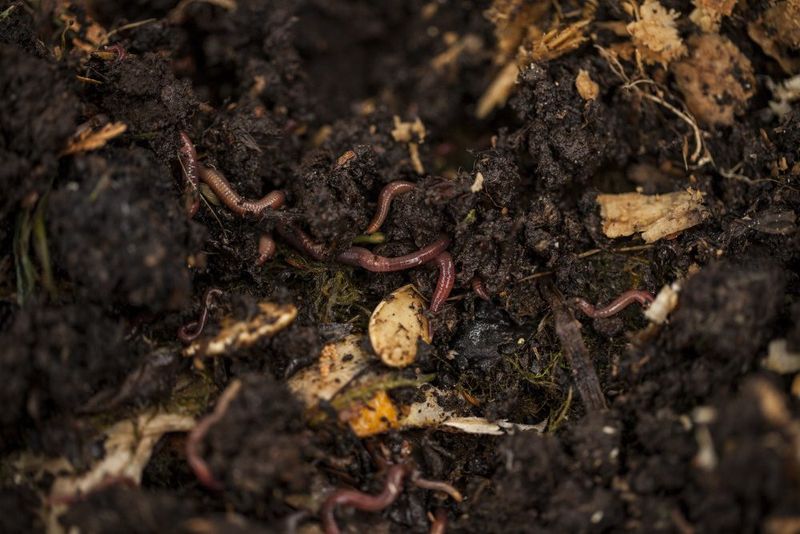
Compacted, heavy clay soil is common across Oregon and it holds water like a bucket. When rain can’t soak in, it pools on the surface and creates muddy messes.
Chemical additives might promise quick fixes, but they don’t improve soil structure long-term and can harm beneficial organisms. Compost, on the other hand, transforms drainage naturally and feeds your soil at the same time.
Work finished compost into your garden beds, lawns, and planting areas every fall or spring. The organic matter loosens tight clay particles, creating space for air and water to move through.
It also feeds earthworms and microbes that tunnel through soil, opening up channels that improve drainage year after year.
Oregon Department of Environmental Quality supports compost as a sustainable way to manage stormwater and reduce runoff. Healthier soil absorbs more water during storms and releases it slowly, which protects waterways from pollution and flooding.
You can make your own compost from yard waste and kitchen scraps or buy it from local suppliers.
Within a season or two, you’ll notice water soaking in faster and plants growing stronger. Compost is a true win-win for your yard and the environment.
7. Plant Water-Loving Native Plants In Wet Zones

Some spots in your yard will always be wetter than others, and fighting nature is exhausting. Instead of battling soggy soil, embrace it by planting native species that actually thrive in wet conditions.
These plants have deep roots that absorb water, stabilize soil, and create beautiful, low-maintenance landscapes that look right at home in Oregon.
Native plants like western red cedar, osoberry, Douglas spirea, and sedges evolved to handle our rainy winters and dry summers. They need no fertilizers or pesticides once established, and they provide food and shelter for local wildlife.
Plant them in areas where water collects or along drainage paths to soak up excess moisture naturally.
Oregon State University Extension promotes native plants as the best choice for managing stormwater and supporting biodiversity.
Their deep root systems create channels that improve drainage over time, and they’re far more resilient to wet conditions than non-native ornamentals.
You’ll spend less time maintaining your yard and more time enjoying a thriving, eco-friendly landscape.
Visit local native plant nurseries for species suited to your specific site conditions. Once planted, they’ll take care of themselves and help manage water problems for years to come.
8. Install Permeable Paths Instead Of Solid Hardscapes
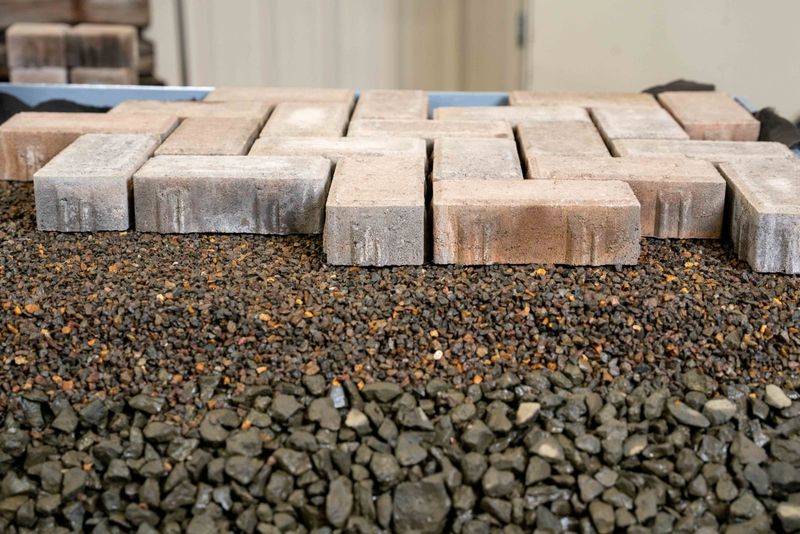
Concrete patios and asphalt driveways send every drop of rain rushing into already overwhelmed drainage systems. Solid surfaces don’t absorb water—they just move the problem somewhere else, often into your neighbor’s yard or the street.
Permeable paths and patios let water soak through into the ground, reducing runoff and recharging groundwater naturally.
Materials like gravel, permeable pavers, crushed rock, or decomposed granite allow water to filter through while still providing stable, usable surfaces. Lay a base of compacted gravel, add a layer of sand, and top with your chosen material.
Water drains through the gaps and soaks into the soil below instead of pooling or running off.
Oregon Department of Environmental Quality encourages permeable hardscapes as part of low-impact development strategies. They reduce the amount of polluted runoff entering streams and rivers, and they help prevent localized flooding during heavy storms.
Permeable paths also stay cooler in summer and require less maintenance than traditional concrete or asphalt.
You can retrofit existing walkways or design new outdoor spaces with permeability in mind. Your yard will handle rain better, and you’ll reduce your environmental footprint at the same time.
9. Keep Gutters And Drain Lines Clear Before Storm Season

Clogged gutters overflow during storms, dumping water right next to your foundation and turning flowerbeds into swamps. Leaves, moss, and debris pile up fast in Oregon’s damp climate, and one big storm can overwhelm a neglected gutter system in minutes.
Cleaning gutters and checking drain lines before fall rains arrive is one of the simplest ways to prevent flooding and water damage.
Set aside an afternoon in late summer or early fall to clear gutters, downspouts, and underground drain lines. Remove leaves and debris by hand or with a gutter scoop, then flush everything with a hose to check for blockages.
Make sure downspout outlets are clear and extensions are pointed away from your house.
Oregon State University Extension recommends seasonal gutter maintenance as essential for protecting homes from water damage. When gutters work properly, they channel thousands of gallons away from your foundation, keeping basements dry and soil stable.
Consider installing gutter guards to reduce maintenance, especially if you have trees nearby.
Clean gutters mean less flooding, fewer mosquitoes, and better protection for your home’s structure. It’s a quick, chemical-free fix that pays off every time it rains.
10. Shape Your Yard To Guide Water Away From Your Home
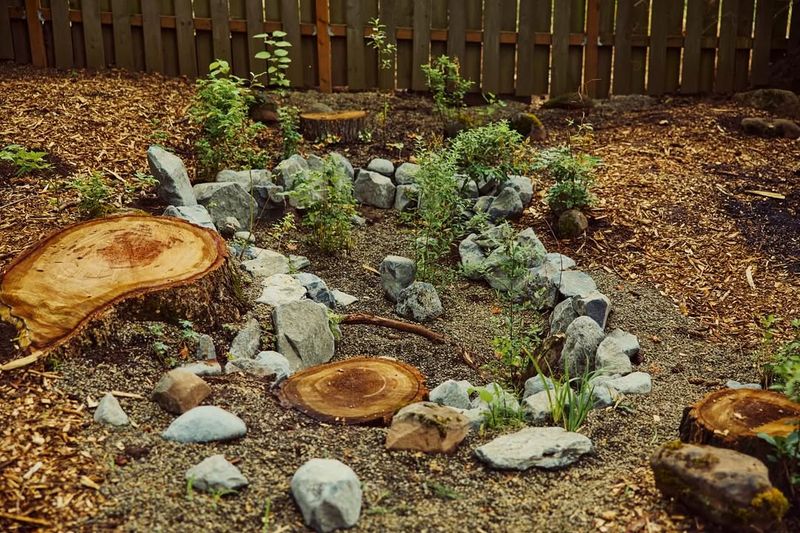
Grading might sound complicated, but it’s really just making sure your yard slopes gently away from your house so water flows in the right direction.
Even a slight slope, just a few inches over ten feet, can make a huge difference in preventing flooding and protecting your foundation.
If your yard slopes toward your house, you’re basically inviting water problems every time it rains.
Walk your property during a storm and watch where water flows. If it pools near your foundation or runs toward your house, you need to regrade those areas.
Add topsoil to low spots and shape the ground so it slopes away at a gentle angle. Smooth the surface with a rake and seed with grass or groundcover to hold the soil in place.
Oregon stormwater best practices emphasize proper grading as the foundation of good drainage. When water flows away from your home, it protects your basement, crawl space, and foundation from moisture damage.
It also reduces the risk of flooding in low-lying areas of your yard.
This project takes some muscle, but the results last for years. Your yard will drain better, your home will stay drier, and you’ll avoid costly water damage down the road.