8 Perennials That Can Survive New Hampshire Winter And Come Back Even Stronger
New Hampshire winters are tough, but your garden doesn’t have to give up when the snow arrives. Some perennials are built to survive freezing temperatures and come back even stronger in spring.
Cold doesn’t scare them. In fact, winter makes them tougher. Imagine planting once and watching your flowers return year after year. No replanting. No starting over. Just stronger growth and better blooms each season.
Your garden can bounce back better than ever. From deep roots to hardy stems, these plants know how to handle long winters and sudden temperature drops.
They rest under the snow, then wake up ready to grow when warmer days return. Whether you want colorful flowers, strong borders, or low-maintenance beauty, these perennials make gardening easier in New Hampshire.
When you see how reliable they are, winter won’t feel like the end of your garden anymore, it will feel like part of the process.
1. Black-Eyed Susan
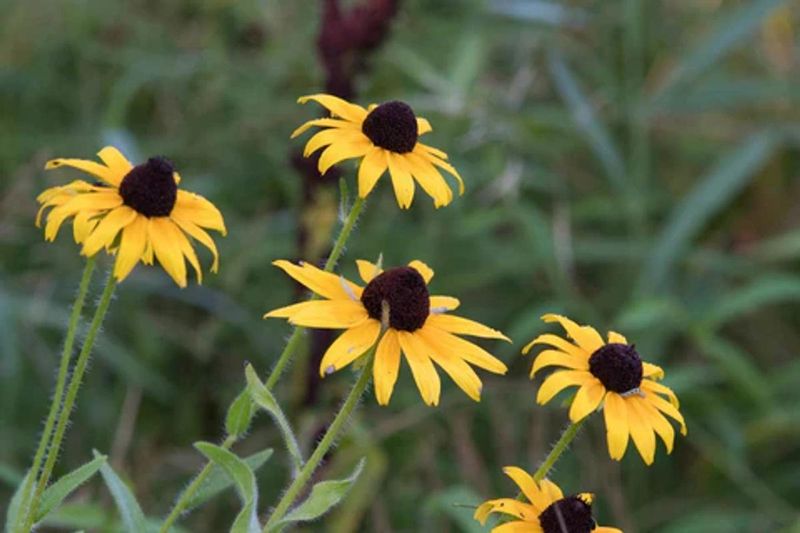
Bright golden petals with dark chocolate centers make this native wildflower a showstopper in any New Hampshire garden. Black-eyed Susans bloom from midsummer through fall, providing color when many other plants have finished their show.
Their cheerful flowers attract butterflies and bees, making your garden a haven for pollinators.
These tough plants laugh in the face of New Hampshire’s harsh winters, coming back stronger each spring. They grow well in almost any soil type, from clay to sandy loam, as long as drainage is decent.
Full sun is their preference, though they’ll tolerate a bit of afternoon shade without complaining.
Once established, black-eyed Susans need very little care or water, making them perfect for busy gardeners. They spread gradually to fill in bare spots, creating natural-looking drifts of color.
Deadheading spent blooms encourages more flowers, but leaving some seed heads provides winter food for birds.
The plants grow about two to three feet tall and work beautifully in cottage gardens, meadow plantings, or mixed borders. Their long stems make excellent cut flowers that last well in vases.
In New Hampshire, they’re hardy to zone 3, meaning they can handle temperatures down to minus 40 degrees without batting an eye. Plant them once and enjoy their golden beauty for years to come.
2. Purple Coneflower
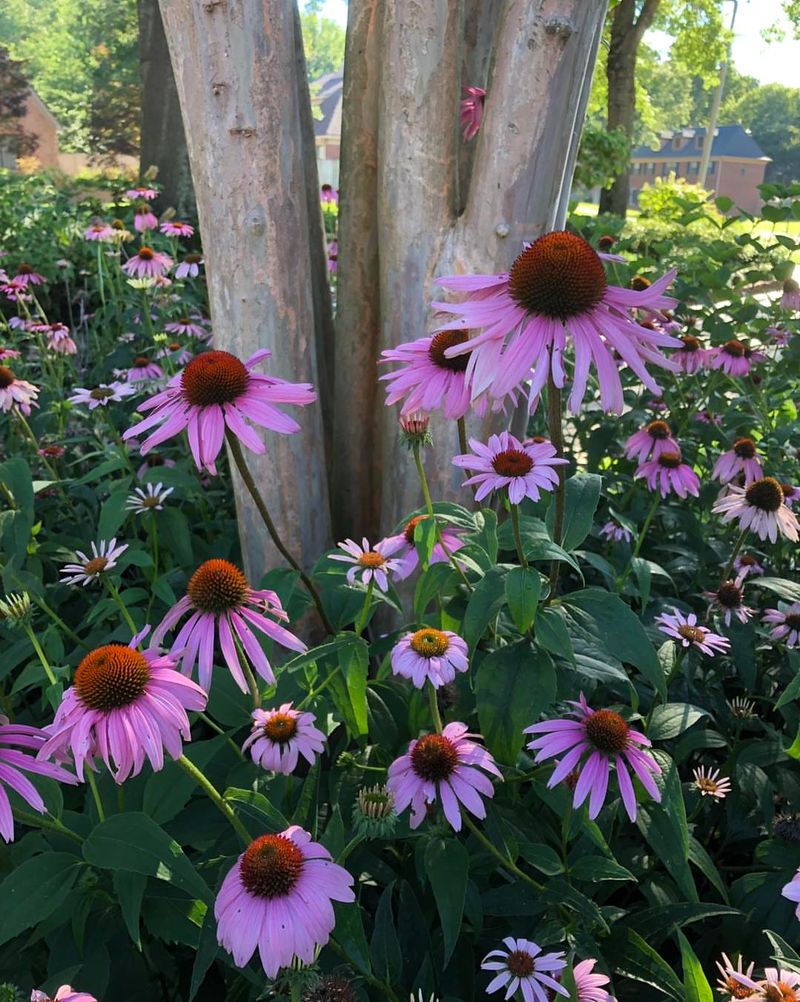
Few perennials combine toughness and beauty quite like the purple coneflower, also known as Echinacea. Native to North American prairies, these plants evolved to handle extreme weather, making them perfect for New Hampshire gardens.
Their distinctive daisy-like flowers feature drooping purple-pink petals surrounding spiky orange cones that goldfinches absolutely adore.
Purple coneflowers bloom from early summer into fall, providing months of color and wildlife value. The flowers sit atop sturdy stems that reach two to four feet tall, creating vertical interest in garden beds.
Butterflies, bees, and hummingbirds visit the blooms constantly during peak season.
What makes these plants exceptional is their ability to thrive despite neglect and harsh conditions. They tolerate drought, poor soil, humidity, and those brutal New Hampshire winters without any special protection.
In fact, pampering them with too much fertilizer or water can make them weak and floppy.
Your New Hampshire Garden Changes Every Week. Your Plan Should Too.
Gardening in New Hampshire changes quickly throughout the season. Every Friday you’ll receive a simple weekly plan showing exactly what to plant, prune, fertilize, harvest, and protect so you never miss the right timing.
Plant purple coneflowers in full sun for best results, spacing them about 18 inches apart. They form deep taproots that help them access water during dry spells and anchor them against winter heaving.
The seed heads remain attractive through winter, providing architectural interest and bird food when the garden looks bare. These perennials actually improve with age, developing larger root systems that produce more blooms each year.
3. Daylily
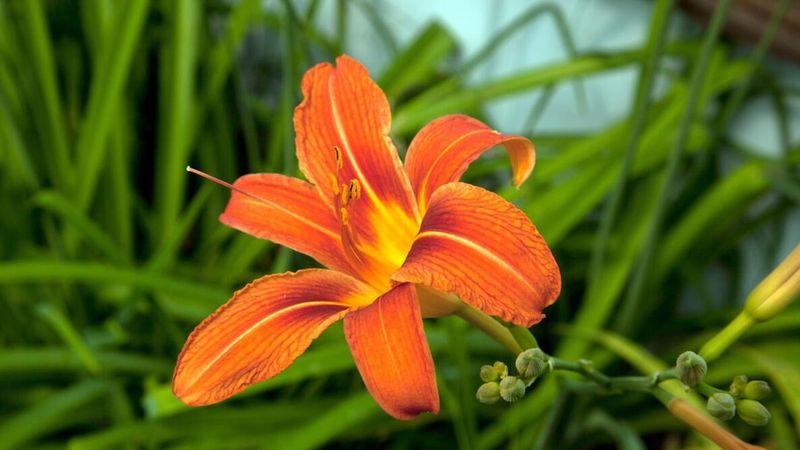
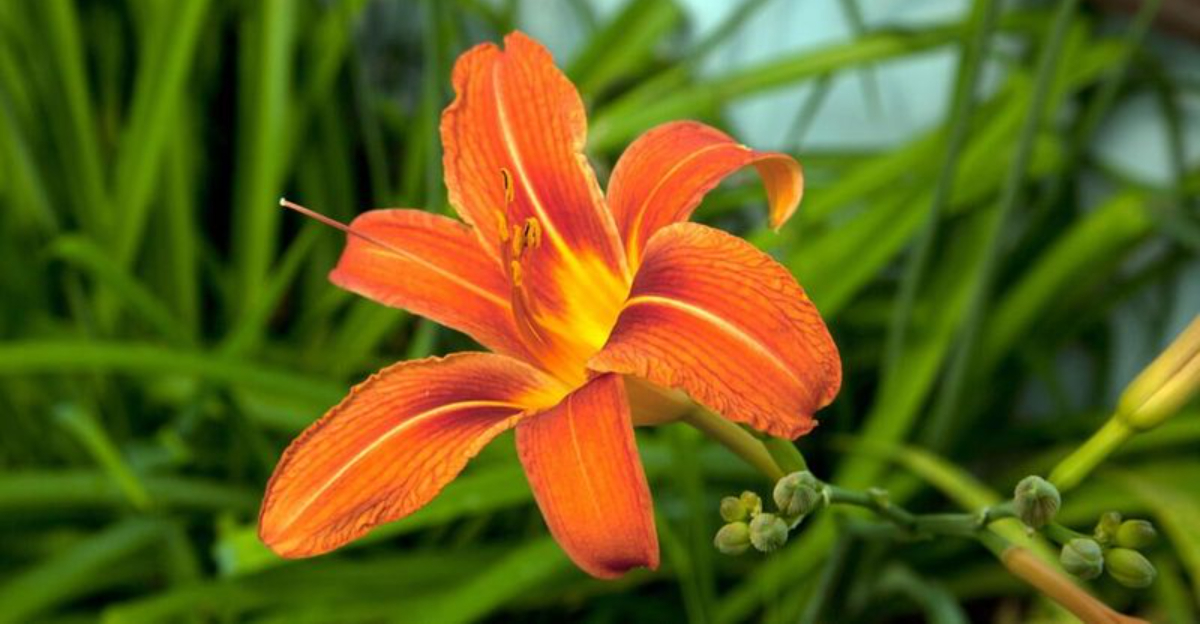
Gardeners in New Hampshire have relied on daylilies for generations because these plants simply refuse to give up. Each flower lasts just one day, but each plant produces dozens of buds that open in succession throughout summer.
The trumpet-shaped blooms come in every color imaginable except true blue, from soft pastels to vibrant oranges and deep burgundies.
Daylilies form dense clumps of arching, grass-like foliage that looks attractive even when the plants aren’t blooming. They grow anywhere from one to four feet tall depending on the variety.
Their thick, tuberous roots store energy and water, helping them survive New Hampshire’s winter freeze and summer dry spells.
What sets daylilies apart is their incredible adaptability to different growing conditions. They thrive in full sun but tolerate partial shade, though they’ll produce fewer flowers.
Clay soil, sandy soil, wet areas, dry slopes – daylilies handle them all with grace.
These perennials are virtually indestructible once established, rarely bothered by pests or diseases. They multiply steadily, forming larger clumps that can be divided every few years to create more plants or share with friends.
In New Hampshire gardens, daylilies are hardy through zone 3, surviving temperatures that would devastate less tough plants. Plant them along driveways, in foundation beds, or naturalized in meadow areas where their carefree nature shines through.
4. Hosta
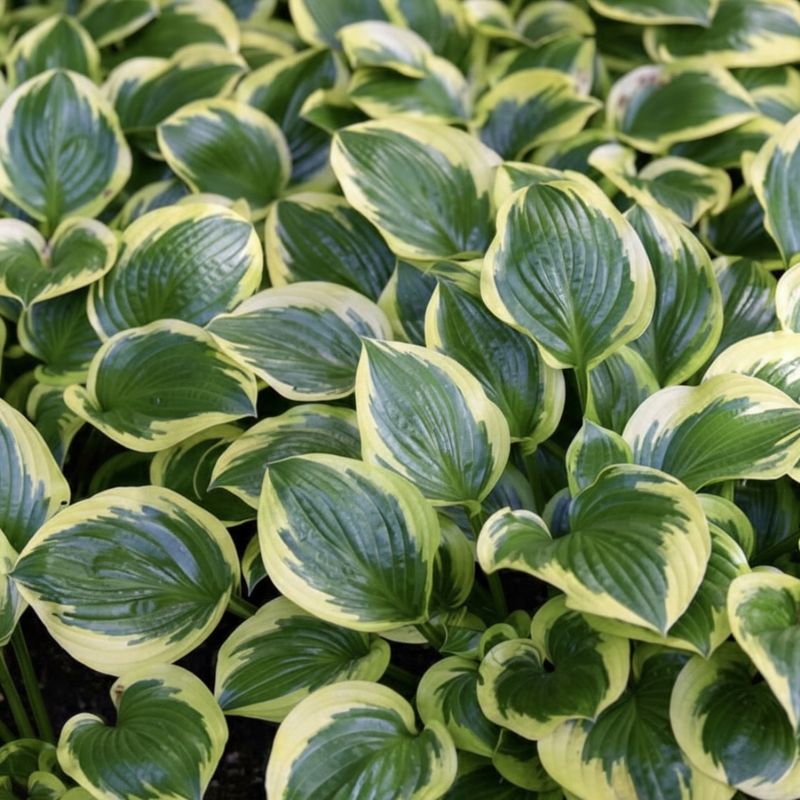
Shade gardens in New Hampshire come alive with hostas, the undisputed champions of foliage perennials. While they do produce lovely spikes of lavender or white flowers in summer, gardeners treasure them for their spectacular leaves.
Hosta foliage ranges from tiny miniatures to massive two-foot-wide leaves, in colors spanning blue-green, chartreuse, gold, and variegated combinations.
These Asian natives have adapted remarkably well to New Hampshire’s climate, returning reliably year after year. They emerge in spring as tight rolls called spears that unfurl into their full glory by early summer.
The foliage creates dense mounds that suppress weeds naturally while adding texture and color to shady spots where little else will grow.
Hostas prefer partial to full shade, though some varieties tolerate more sun, especially in northern climates like New Hampshire. They appreciate consistent moisture and rich soil but aren’t particularly fussy.
Their thick roots and rhizomes store energy through winter, allowing them to burst forth vigorously when warm weather returns.
In New Hampshire, hostas are reliably hardy through zone 3, handling extreme cold without protection. Slugs can be a nuisance in wet years, but selecting thicker-leaved varieties helps minimize damage.
These perennials grow slowly but steadily, eventually forming impressive clumps that can be divided to propagate more plants. Combine different hosta varieties for a tapestry of textures and colors that brightens shady corners throughout the growing season.
5. Sedum
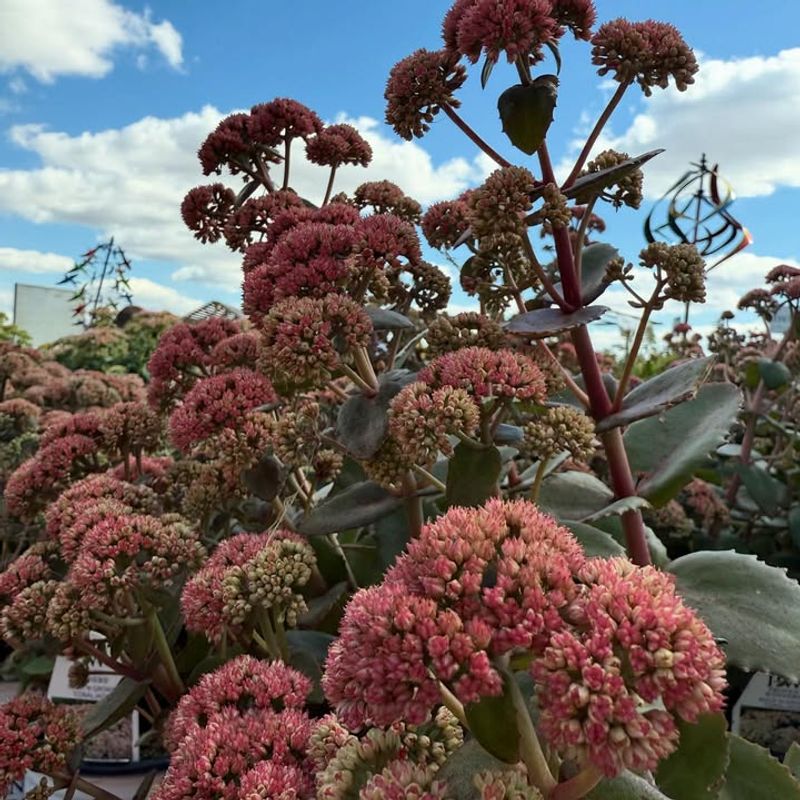
Succulent leaves and incredible cold tolerance make sedums absolute winners for New Hampshire gardens. Also called stonecrop, these fleshy-leaved perennials store water in their thick foliage, allowing them to shrug off drought and poor soil conditions.
The variety called Autumn Joy is particularly beloved, producing flat-topped flower clusters that change from pale green to pink to rusty red as fall approaches.
Sedums grow in tight clumps or spreading mats depending on the variety, ranging from groundcovers just inches tall to upright types reaching two feet.
Their architectural form looks good from spring through winter, with dried flower heads adding interest to snow-covered gardens. Butterflies and bees cover the blooms during their peak in late summer and early fall.
What makes sedums exceptional for New Hampshire is their ability to thrive in lean, rocky soil where other plants struggle.
They actually prefer poor to average soil and need excellent drainage to prevent root rot. Full sun brings out their best color and most compact growth habit.
These perennials are hardy to zone 3, meaning New Hampshire winters are no match for their toughness. They need virtually no maintenance beyond cutting back the previous year’s stems in spring.
Sedums rarely suffer from pest or disease problems, making them ideal for low-maintenance landscapes. Plant them in rock gardens, along walkways, in containers, or anywhere you need reliable color and texture without constant fussing.
6. Siberian Iris
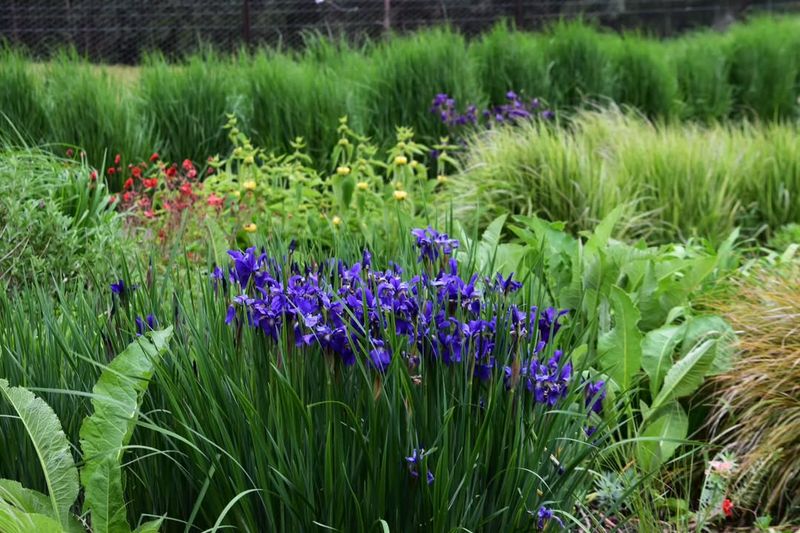
Elegant flowers and grass-like foliage make Siberian iris a refined addition to New Hampshire gardens. As their name suggests, these perennials hail from cold regions and handle harsh winters with ease.
Their blooms appear in late spring to early summer, featuring intricate petals in shades of purple, blue, white, yellow, and wine red.
Unlike their fussier bearded iris cousins, Siberian iris are remarkably carefree and disease-resistant. They form dense clumps of narrow, upright foliage that remains attractive throughout the growing season.
The slender leaves provide textural contrast to broader-leaved perennials and stay green until fall frost.
Siberian iris prefer moist, rich soil and full sun but adapt to partial shade and average moisture once established. They’re particularly useful in rain gardens or along pond edges where their roots help stabilize soil.
In New Hampshire, they thrive in zones 3 through 9, making them suitable for even the coldest parts of the state.
These perennials multiply slowly but steadily, forming substantial clumps over time. Unlike bearded iris, they don’t need frequent division and can remain undisturbed for years.
Their blooms make excellent cut flowers with interesting seed pods that add winter interest to dried arrangements. Siberian iris resist deer browsing better than many perennials, making them valuable in areas where wildlife pressure is high.
Plant them in drifts for maximum impact or use their vertical form as accents among rounded plants.
7. Astilbe
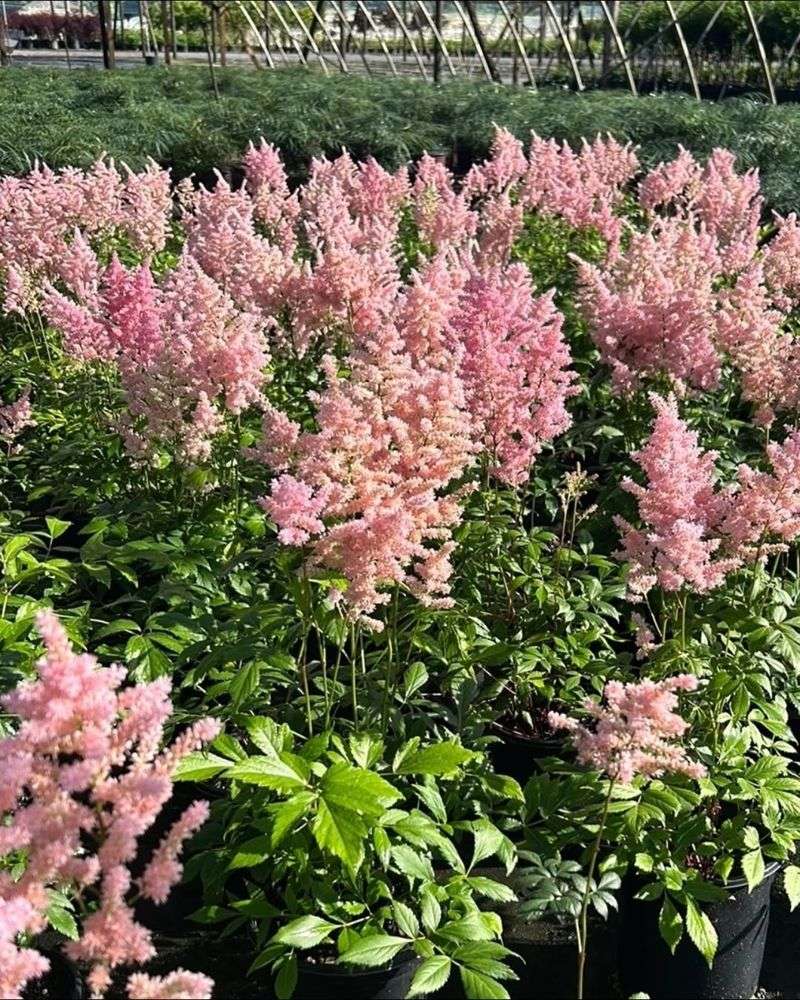
Feathery plumes in shades of pink, red, white, and lavender make astilbe indispensable for shady New Hampshire gardens. These shade-loving perennials bloom in early to midsummer, sending up fluffy flower spikes above mounds of fern-like foliage.
The flowers have a soft, almost cotton-candy texture that adds a romantic feel to woodland gardens and shaded borders.
Astilbe foliage is attractive in its own right, with deeply cut leaves that emerge bronze-tinted in spring before maturing to glossy green. The plants form tidy clumps ranging from one to four feet tall depending on variety.
Even after blooming finishes, the dried flower plumes remain decorative through fall and into winter.
These Asian natives adapted beautifully to New Hampshire’s climate, thriving in the cool, moist conditions that many gardens naturally provide. They prefer partial to full shade and rich, consistently moist soil.
While they can tolerate some morning sun, hot afternoon exposure in dry soil will cause their foliage to brown and crisp.
Astilbe are hardy through zone 3 in New Hampshire, returning reliably each spring without protection. Their shallow, fibrous roots benefit from a layer of mulch to retain moisture and moderate soil temperature.
These perennials rarely suffer from serious pest or disease issues. Divide clumps every three to four years to maintain vigor and increase your collection.
Pair astilbe with hostas, ferns, and other shade lovers for a lush, layered look that thrives despite limited sunlight.
8. Coral Bells
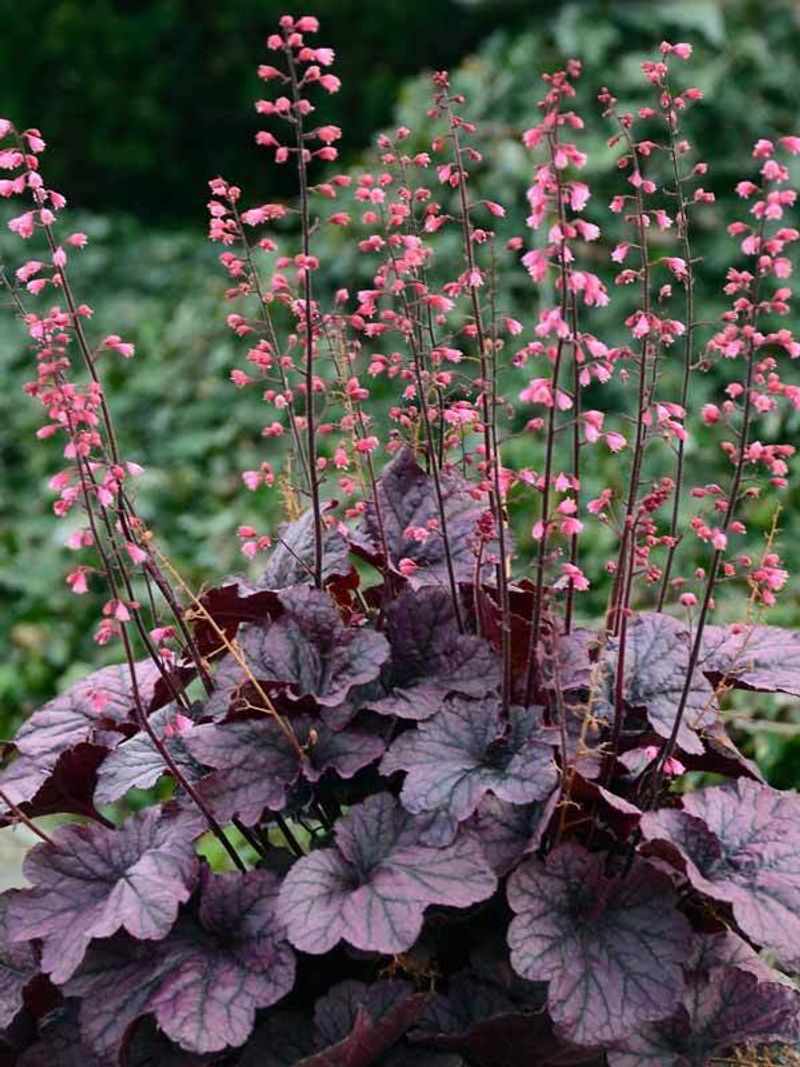
Stunning foliage in colors you wouldn’t believe possible makes coral bells a must-have for New Hampshire gardens. Also known as Heuchera, these perennials offer leaves in shades of purple, burgundy, amber, lime green, silver, and even near-black.
Some varieties feature dramatic veining or ruffled edges that catch light beautifully throughout the season.
Coral bells form low mounds of rounded leaves that remain semi-evergreen in milder winters, though New Hampshire cold typically causes them to go dormant.
In late spring to early summer, they send up wiry stems topped with tiny bell-shaped flowers in white, pink, or red that hummingbirds find irresistible.
While primarily grown for foliage, coral bells are surprisingly tough perennials that handle New Hampshire winters well when given proper conditions.
They prefer partial shade and well-drained soil, as soggy winter conditions can damage their crown. A light layer of mulch helps protect roots without smothering the crown.
Modern breeding has produced hundreds of coral bell varieties with ever more stunning color combinations and improved cold hardiness. Most are reliably hardy through zone 4, with some selections surviving in zone 3 areas of New Hampshire.
Their compact size makes them perfect for edging paths, filling containers, or adding color to the front of shaded borders. Coral bells pair beautifully with hostas, ferns, and astilbe, creating tapestries of contrasting textures and colors.
Refresh plantings every three to four years by dividing clumps or replacing older plants to maintain the most vibrant foliage color.