These 9 Perennials Deliver Big Flowers Their First Year In Oregon
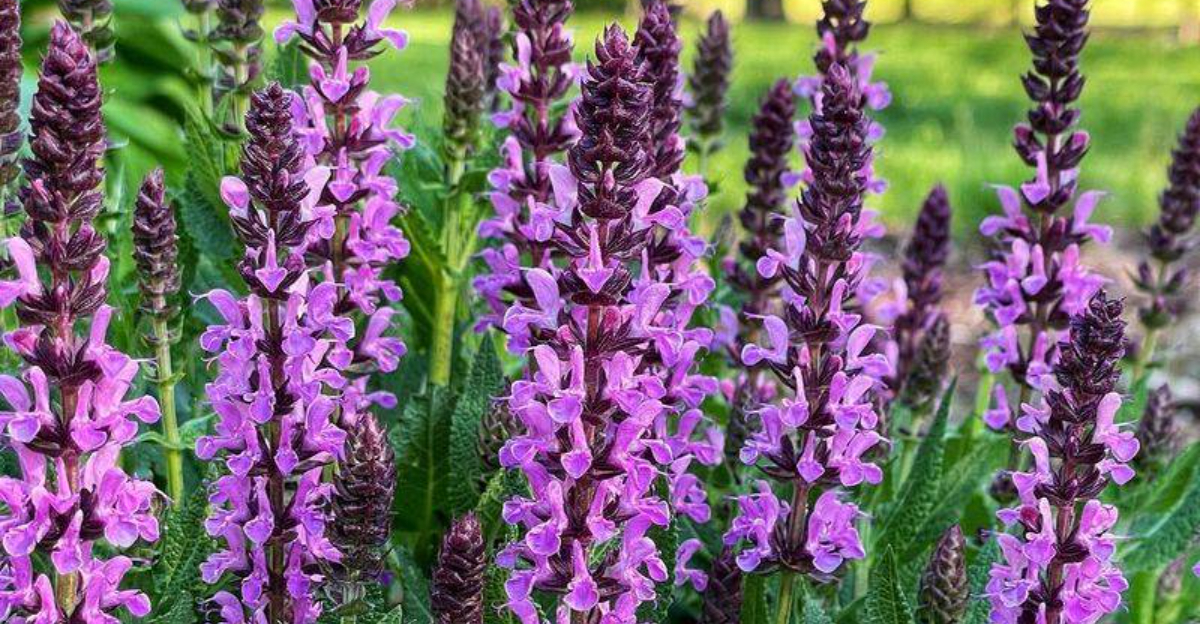
Oregon gardeners know the wait for perennials to bloom can feel like forever. You plant them, you water them, and then you spend a whole season wondering if they actually plan to show up.
Most perennials take their sweet time getting established before they reward you with flowers. But what if you could skip that waiting game and enjoy big, beautiful blooms in year one?
Some perennials are naturals at putting on a show right from the start. They settle in fast and produce stunning flowers their very first season in the ground.
Oregon’s mild climate makes this even easier, giving these eager bloomers the perfect conditions to thrive. From bright yellows to bold purples, these plants bring color and life to your garden without making you wait.
Finding the right perennials can transform your outdoor space from drab to fab in just one growing season. You get all the benefits of long-lasting plants that come back year after year, plus the instant gratification of gorgeous flowers right away.
Sounds like the best of both worlds, right? Read on to discover which perennials will deliver big blooms their first year in Oregon gardens.
1. Coneflower (Echinacea)
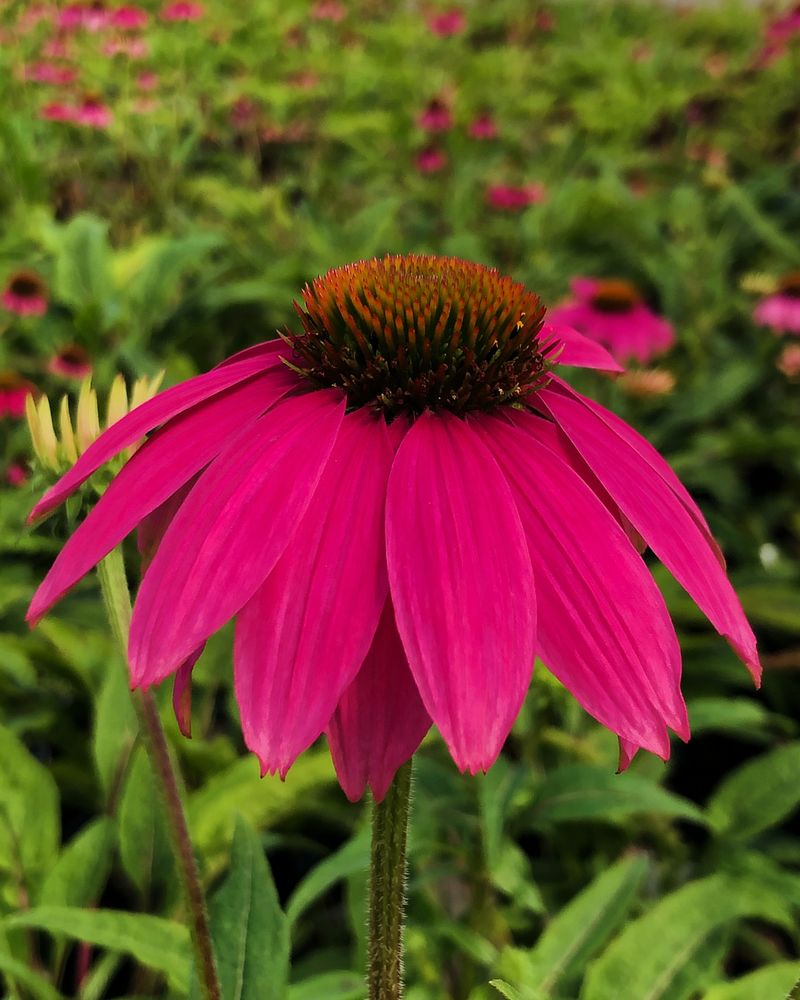
Big, bold, and ready to go from day one, coneflowers are the overachievers of the perennial world. These sturdy plants produce large daisy-like flowers with raised centers that look like tiny pincushions.
The petals come in shades of pink, purple, white, and even orange, depending on the variety you choose. Oregon’s summer weather is perfect for these sun-lovers.
Coneflowers typically reach about two to three feet tall and spread nicely without taking over your garden. They bloom from early summer through fall, giving you months of color.
Pollinators absolutely adore them, so expect bees and butterflies to become regular visitors. Once established, they handle dry spells like champs.
Plant them in full sun with well-draining soil for best results. They tolerate clay soil better than many perennials, which is great news for Oregon gardeners dealing with heavy ground.
Deadheading spent blooms encourages more flowers, but you can leave some seed heads for birds in late fall.
First-year plants often produce a dozen or more blooms, making them excellent value for your garden investment. Space them about 18 inches apart to give them room to grow.
With minimal care, coneflowers will reward you with vibrant color year after year, but that first season bloom show is truly impressive.
2. Black-Eyed Susan (Rudbeckia)
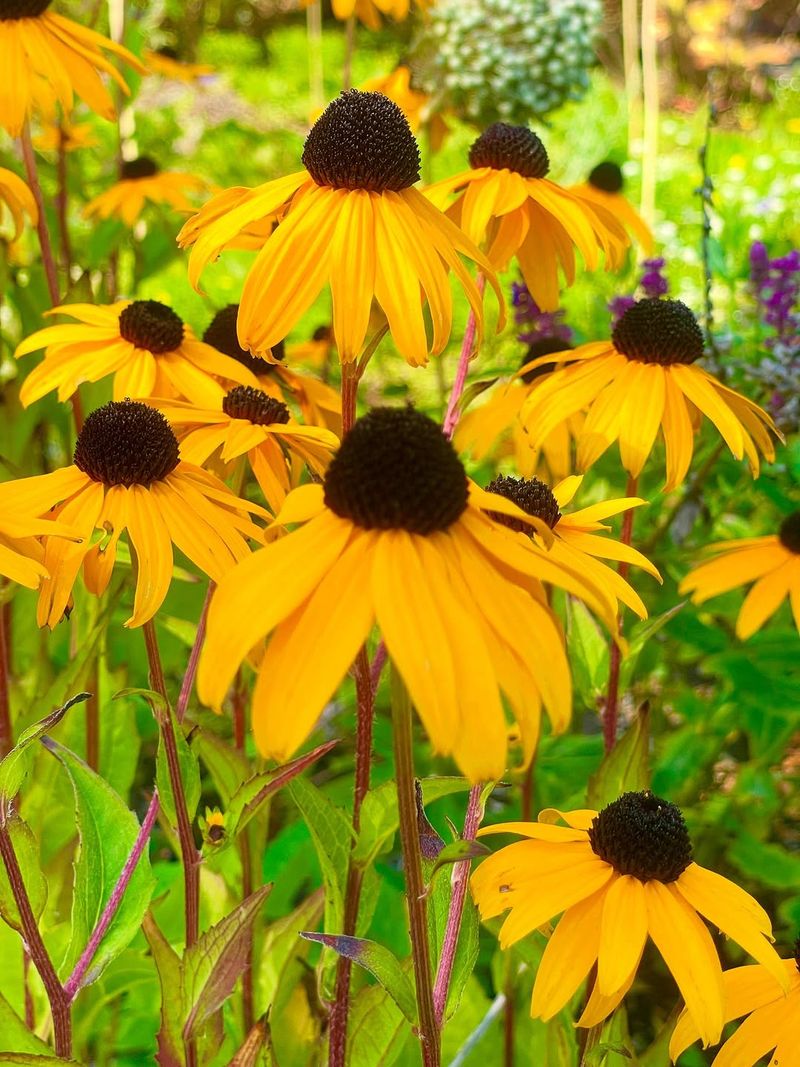
Cheerful and carefree, black-eyed Susans bring sunshine to any garden spot. Their golden-yellow petals surround dark chocolate-brown centers that really pop against the bright blooms.
These plants are incredibly easy to grow and almost never disappoint, even for beginner gardeners. They start flowering in early summer and keep going strong until frost arrives.
Most varieties grow between two and three feet tall, creating nice vertical interest without overwhelming smaller plants nearby. They spread gradually to form attractive clumps over time.
The flowers measure about two to three inches across, making them substantial enough to notice from a distance. Oregon’s moderate temperatures help them bloom longer than in hotter climates.
Your Oregon Garden Changes Every Week. Your Plan Should Too.
Gardening in Oregon changes quickly throughout the season. Every Friday you’ll receive a simple weekly plan showing exactly what to plant, prune, fertilize, harvest, and protect so you never miss the right timing.
Black-eyed Susans prefer full sun but tolerate partial shade better than many sun-loving perennials. They adapt to various soil types and handle both wet springs and dry summers reasonably well.
Deer usually leave them alone, which is a bonus if you have wildlife visitors.
First-year plants produce numerous blooms that attract butterflies and other beneficial insects. Cut a few for indoor bouquets without guilt since they keep producing more flowers.
Low maintenance and high impact make these perennials perfect for busy gardeners who want big results without constant fussing.
3. Shasta Daisy
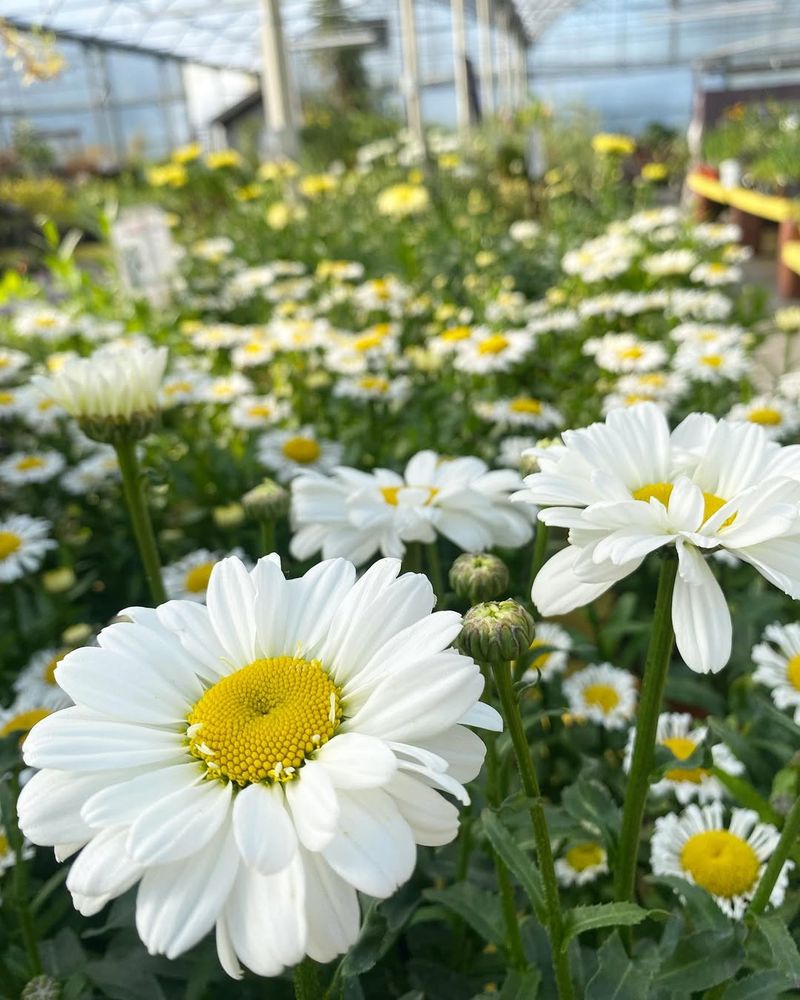
Classic white petals radiating around sunny yellow centers make Shasta daisies impossible to resist. These cheerful flowers look like they came straight from a child’s drawing, simple and perfect.
They bloom prolifically from late spring through summer, creating clouds of white that brighten any garden corner. Oregon’s climate suits them beautifully, providing enough moisture without excessive heat.
Shasta daisies typically grow 18 to 36 inches tall, depending on the variety. The flowers can reach three to four inches across, giving you substantial blooms that make great cut flowers.
They form neat clumps that expand gradually without becoming invasive. Divide them every few years to keep them vigorous and blooming their best.
Full sun and average soil are all these easy-going perennials need to thrive. They appreciate regular water during dry spells but forgive occasional neglect.
Deadheading encourages continuous blooming and keeps plants looking tidy. Some varieties rebloom in fall if you cut them back after the first flush of flowers fades.
Even young plants produce impressive displays their first season, often with dozens of blooms. Their clean, simple appearance works well in both cottage gardens and modern landscapes.
Pair them with colorful perennials for contrast or let them shine on their own. Reliable, beautiful, and unfussy, Shasta daisies earn their place in Oregon gardens.
4. Blanket Flower (Gaillardia)

Warm colors that remind you of sunset make blanket flowers absolute showstoppers. Their petals blend red, orange, and yellow in stunning combinations that seem to glow in the garden.
These tough plants bloom from early summer straight through fall, giving you months of vibrant color. They handle Oregon’s variable weather without missing a beat.
Blanket flowers grow about 12 to 24 inches tall, making them perfect for front or middle garden positions. The daisy-like blooms measure two to three inches across and appear continuously without much deadheading.
They form spreading mounds that fill in nicely around other plants. Drought tolerance is one of their best features once established.
Plant them in full sun with excellent drainage for optimal performance. They actually prefer lean soil over rich, heavily amended ground.
Too much fertilizer produces leafy growth with fewer flowers. Sandy or gravelly soil that drains quickly suits them perfectly, though they adapt to average garden conditions.
First-year plants bloom abundantly, often producing waves of flowers from June through October. Butterflies and bees visit constantly, making your garden a pollinator paradise.
Cut back plants by half in midsummer if they start looking tired, and they’ll bounce back with fresh growth and more blooms. Low water needs and high flower power make blanket flowers ideal for busy gardeners.
5. Bee Balm (Monarda)
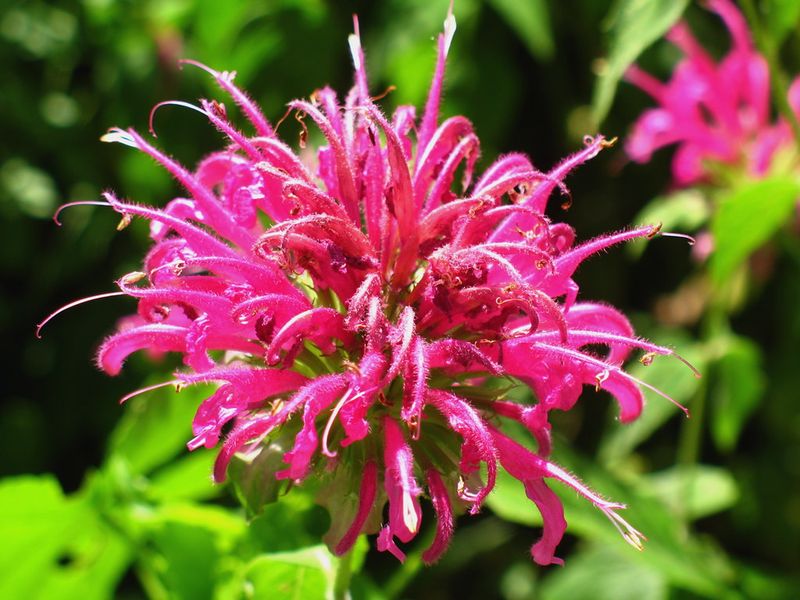
Spiky, tubular flowers in shades of red, pink, purple, or white make bee balm unlike any other garden plant. The blooms appear in rounded clusters atop square stems, creating architectural interest even before they open.
As the name suggests, bees go absolutely crazy for these flowers, along with hummingbirds and butterflies. Oregon summers provide ideal conditions for vigorous growth and abundant blooming.
Most varieties reach two to four feet tall, adding nice height to perennial borders. The aromatic foliage smells minty when brushed or crushed, adding sensory appeal beyond the visual.
Flowers appear in midsummer and continue for several weeks. Newer varieties resist powdery mildew better than older types, which is important in Oregon’s humid conditions.
Plant bee balm in full sun to partial shade with consistently moist soil. They appreciate afternoon shade in hotter locations and regular water during dry spells.
Space plants about 18 inches apart since they spread through underground runners. This spreading habit means they can fill in an area quickly, which is great for new gardens.
First-year plants produce multiple flower stalks, creating colorful focal points in your garden. Deadhead spent blooms to encourage additional flowering and prevent self-seeding.
Cut plants back after blooming to promote fresh foliage growth. The combination of stunning flowers, pollinator appeal, and fragrant leaves makes bee balm a multisensory garden treasure worth growing.
6. Daylily (Hemerocallis)

Each flower lasts just one day, but daylilies produce so many buds that you barely notice. Blooms appear continuously for weeks, sometimes months, depending on the variety.
Colors range from pale yellow to deep burgundy, with everything in between. Some varieties are fragrant, adding another dimension to their appeal.
Oregon’s climate allows both early and late-blooming types to perform beautifully.
Daylilies form attractive clumps of arching, grass-like foliage that looks good even when plants are not blooming. Heights vary from compact 12-inch varieties to tall three-foot types.
The trumpet-shaped flowers measure three to six inches across, making a bold statement in any garden. They multiply readily, giving you more plants to spread around or share with friends.
Full sun to partial shade works well for most daylilies, though more sun typically means more flowers. They tolerate a wide range of soil conditions and handle both clay and sandy ground.
Once established, they survive dry periods without complaint. Divide crowded clumps every few years to maintain vigor.
Even young plants bloom generously their first season, often producing a dozen or more flower stalks. Remove spent blooms daily to keep plants looking fresh.
Many varieties rebloom later in the season if you cut off finished flower stalks. Tough, beautiful, and incredibly easy to grow, daylilies deliver reliable color year after year with minimal effort required.
7. Coreopsis (Tickseed)
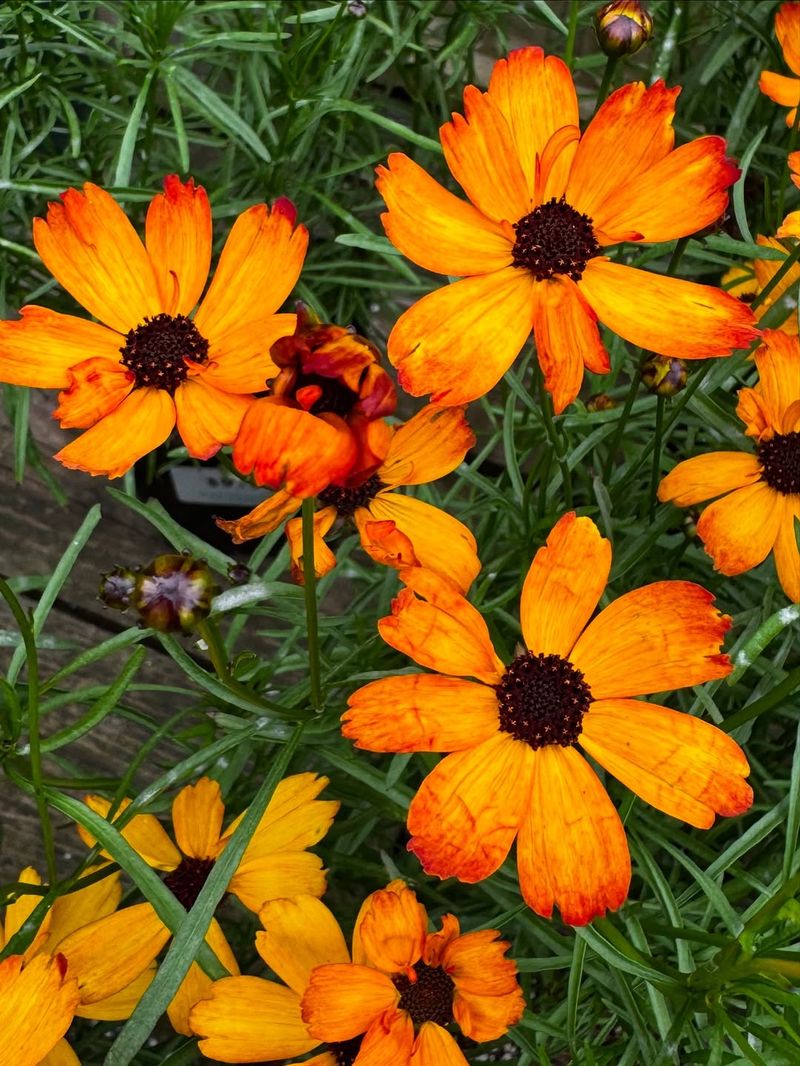
Masses of cheerful yellow or pink flowers cover coreopsis plants from late spring through summer. The daisy-like blooms appear on wiry stems that sway gracefully in the breeze.
These hardworking perennials bloom nonstop without deadheading, though removing spent flowers does encourage even more blooms. Oregon gardeners appreciate their long flowering season and minimal care requirements.
Coreopsis varieties range from compact eight-inch plants to taller three-foot types. The flowers measure one to two inches across and appear in such profusion that foliage nearly disappears beneath the blooms.
They form neat, well-behaved clumps that expand slowly without spreading aggressively. Butterflies visit constantly, making your garden a lively, active space.
Full sun and well-drained soil are the main requirements for success with coreopsis. They handle heat and drought remarkably well once established.
Poor soil does not bother them, and they actually bloom better without heavy fertilization. Avoid overwatering, which can cause root problems and reduce flowering.
First-year plants produce abundant blooms that continue for months with minimal attention. Cut plants back by one-third in midsummer if they start looking tired, and they will rebloom with renewed vigor.
Some varieties self-seed lightly, giving you bonus plants. Deer resistance is another plus.
For carefree color that lasts all season, coreopsis is hard to beat in Oregon gardens.
8. Perennial Salvia
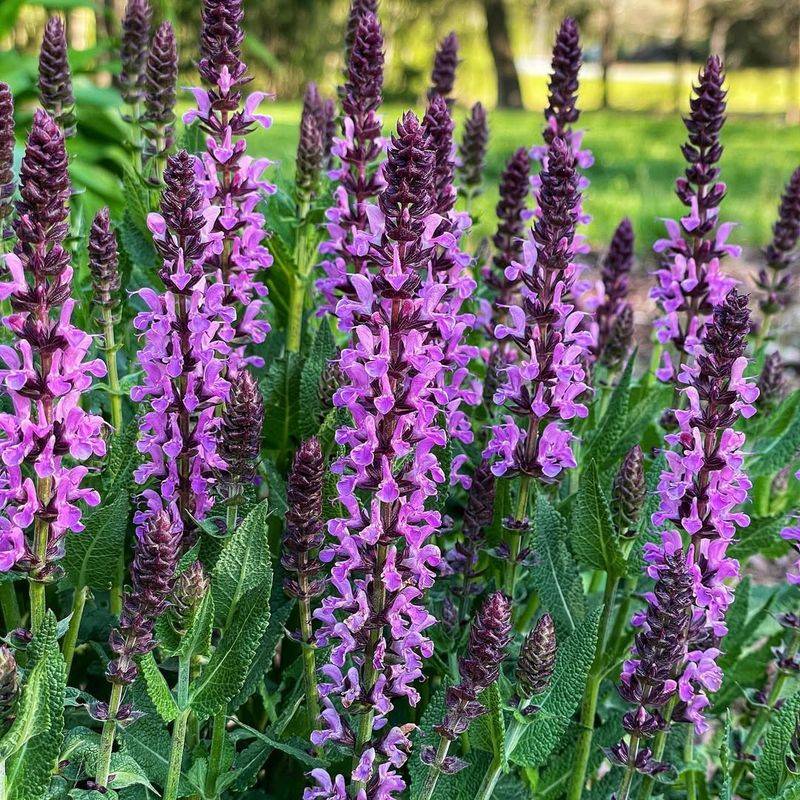
Vertical spikes of blue, purple, pink, or white flowers create stunning accents in perennial gardens. Perennial salvias bloom for extended periods, often from late spring through fall.
The tubular flowers attract hummingbirds and butterflies like magnets. Aromatic foliage adds another layer of interest, releasing pleasant scents when touched.
Oregon’s moderate summers allow salvias to bloom longer than in extremely hot climates.
Most perennial salvias grow 18 to 36 inches tall with a similar spread. The flower spikes rise above attractive mounds of textured foliage.
They work beautifully as border plants or mixed with roses and other perennials. Many varieties tolerate partial shade, making them versatile for different garden situations.
Plant salvias in full sun with well-drained soil for best results. They handle clay soil reasonably well if drainage is adequate.
Once established, they tolerate dry conditions and need little supplemental water. Deadheading spent flower spikes encourages additional blooming and keeps plants looking tidy throughout the season.
Young plants bloom enthusiastically their first year, producing multiple flower spikes. Cut plants back by half after the first flush of blooms fades to promote fresh growth and rebloom.
Deer and rabbits typically avoid salvias, making them great choices for gardens with wildlife challenges. Combine their vertical form with rounded plants for pleasing contrasts.
Reliable, colorful, and pollinator-friendly, perennial salvias deserve a spot in every Oregon garden.
9. Gaura (Whirling Butterflies)
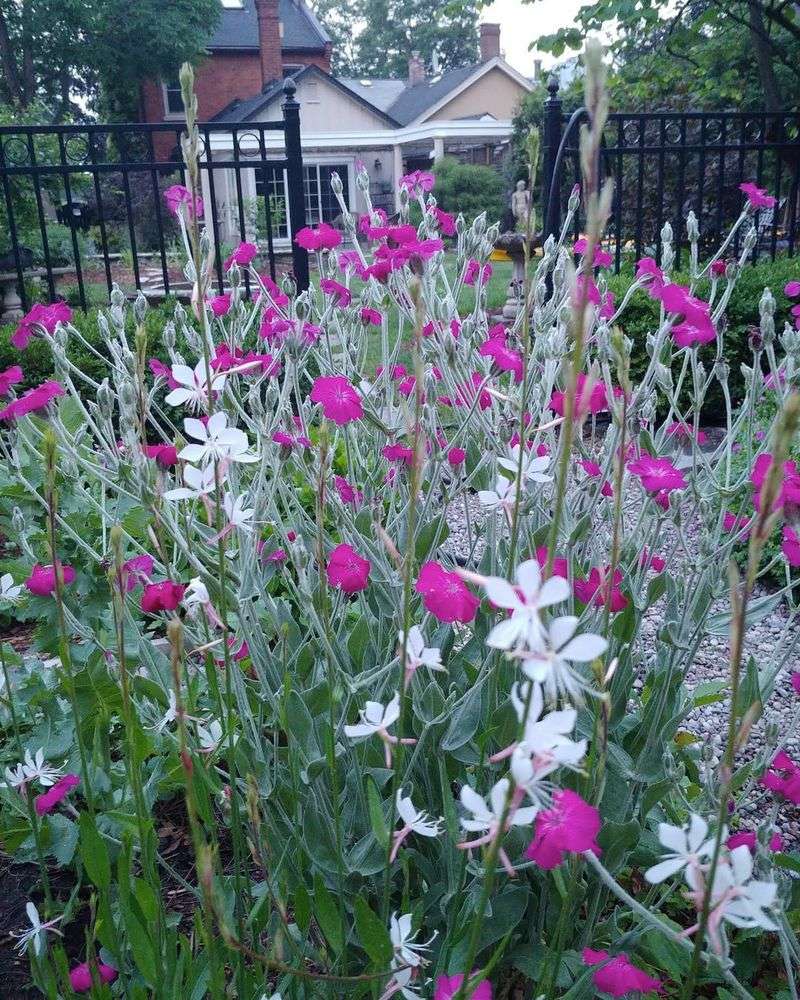
Delicate white or pink flowers dance on thin, arching stems like tiny butterflies hovering over the garden. Gaura brings an airy, graceful quality that contrasts beautifully with bolder perennials.
The flowers open gradually along the stems, creating a long bloom period from late spring through fall. Oregon’s climate allows gaura to thrive without the stress of extreme heat or harsh winters.
Plants typically grow two to three feet tall with a vase-shaped habit that adds movement and texture. The small flowers measure less than an inch across but appear in such abundance that they create a cloud-like effect.
Foliage is narrow and unobtrusive, letting the flowers take center stage. Gaura tolerates wind well, making it suitable for exposed garden locations.
Full sun and excellent drainage are essential for gaura success. They prefer lean soil and need minimal fertilizer once established.
Overwatering causes problems, so let soil dry between waterings. These drought-tolerant perennials actually perform better with benign neglect than constant attention.
First-year plants bloom prolifically, often flowering continuously from June through October without deadheading. Cut plants back by half in midsummer if they become floppy or overgrown.
They self-clean, dropping spent flowers naturally. Deer resistance and low water needs make gaura ideal for low-maintenance gardens.
Their delicate appearance belies tough constitutions, proving that beauty and resilience can coexist perfectly in Oregon perennial gardens.