These Vegetables Grow Well In New Hampshire’s Short Growing Season
Gardening in New Hampshire can feel tricky when the growing season is short, but that doesn’t mean your harvest has to be small.
Some vegetables are built to grow fast and handle cool weather with ease. The secret is choosing the right crops. Short season, big harvests, it’s possible.
Imagine planting in spring and picking fresh vegetables before summer even feels over. What if your garden stayed productive despite the cooler climate?
You don’t need perfect weather to grow great food. Smart plant choices make all the difference.
New Hampshire’s climate is ideal for quick-growing, cold-tolerant vegetables that thrive in shorter seasons. From backyard gardens to raised beds and containers, these plants fit almost any space.
If you want reliable results and fresh produce without waiting forever, these vegetables are the perfect place to start.
1. Lettuce
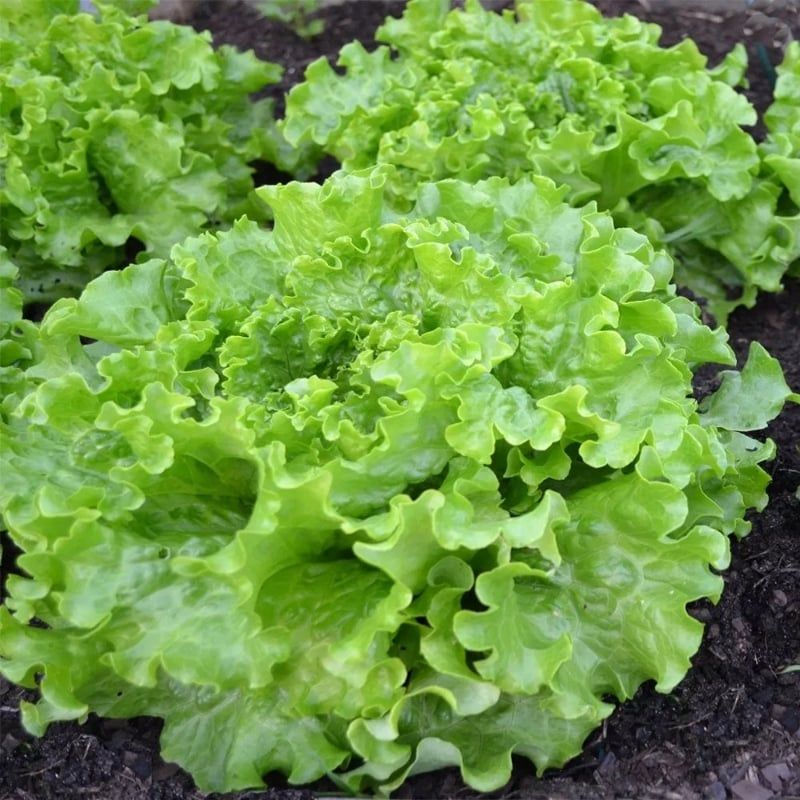
Cool spring mornings in New Hampshire create the perfect environment for growing crisp, tender lettuce.
This leafy green actually prefers temperatures between 45 and 75 degrees, which means it thrives during the cooler parts of the growing season when other vegetables might struggle.
You can plant lettuce seeds directly in the garden as soon as the soil can be worked in spring, often by mid-April in many parts of the state.
Lettuce grows remarkably fast, with many varieties ready to harvest in just 30 to 45 days from planting. This quick turnaround means you can enjoy fresh salads while waiting for slower-growing vegetables to mature.
The best part is you can practice succession planting, sowing new seeds every two weeks to keep a continuous supply coming throughout the season.
For New Hampshire gardens, leaf lettuce varieties work better than head lettuce because they mature faster and tolerate temperature fluctuations more easily. Popular choices include Red Sails, Black Seeded Simpson, and Oak Leaf varieties.
These don’t form tight heads, so you can harvest outer leaves while the plant keeps producing new growth from the center.
When summer heat arrives, lettuce tends to bolt and turn bitter, but you can plant again in late summer for a fall harvest. The cooler September temperatures bring out the sweetest flavor in lettuce, often making the fall crop even better than spring plantings.
2. Radishes
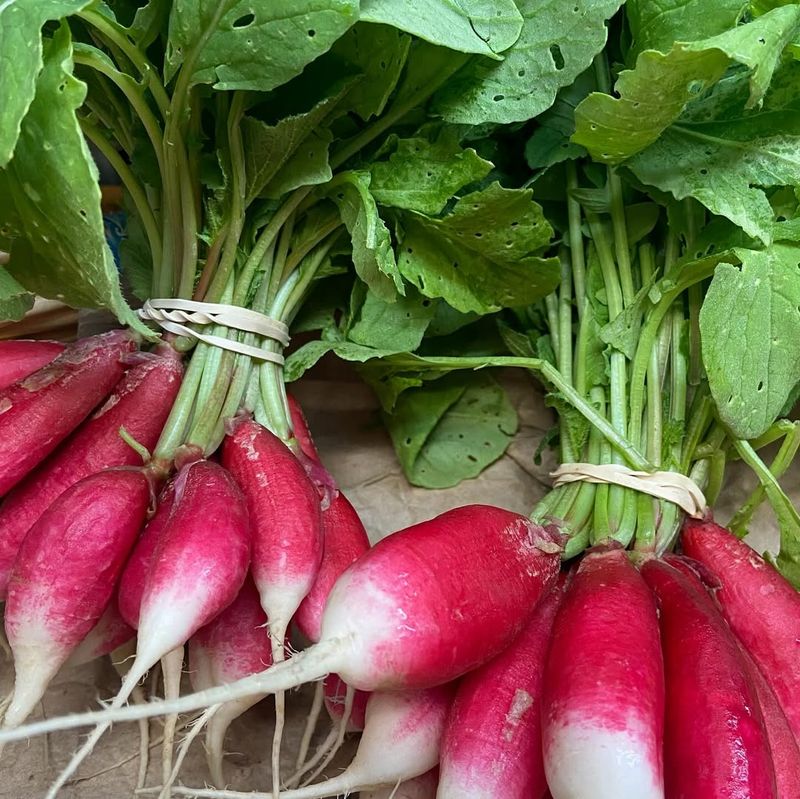
If you want near-instant gratification from your garden, radishes are your vegetable. These spicy little root vegetables zoom from seed to plate in as little as 22 to 30 days, making them one of the fastest-producing crops you can grow.
Kids especially love radishes because they can see results so quickly, which makes them perfect for getting young gardeners excited about growing food.
Radishes actually prefer the cool weather that New Hampshire offers in spring and fall. Hot summer temperatures make them woody and overly spicy, but plant them when the soil is still chilly and they develop that perfect crisp texture with just the right amount of bite.
You can start planting radishes outdoors in early spring, even before the last frost date, since they handle light freezes without any problems.
The key to great radishes is fast growth, which means keeping the soil consistently moist and ensuring they have loose, rock-free soil to develop properly. Cherry Belle and French Breakfast are reliable varieties that perform well across New Hampshire.
Your New Hampshire Garden Changes Every Week. Your Plan Should Too.
Gardening in New Hampshire changes quickly throughout the season. Every Friday you’ll receive a simple weekly plan showing exactly what to plant, prune, fertilize, harvest, and protect so you never miss the right timing.
You can also try unique types like watermelon radishes or black Spanish radishes for variety.
Because they mature so quickly, radishes make excellent companion plants. Sow them alongside slower-growing vegetables like carrots or parsnips to mark the rows and make use of the space while waiting for the other crops to develop.
Plant new batches every week for a steady supply throughout the cool seasons.
3. Spinach
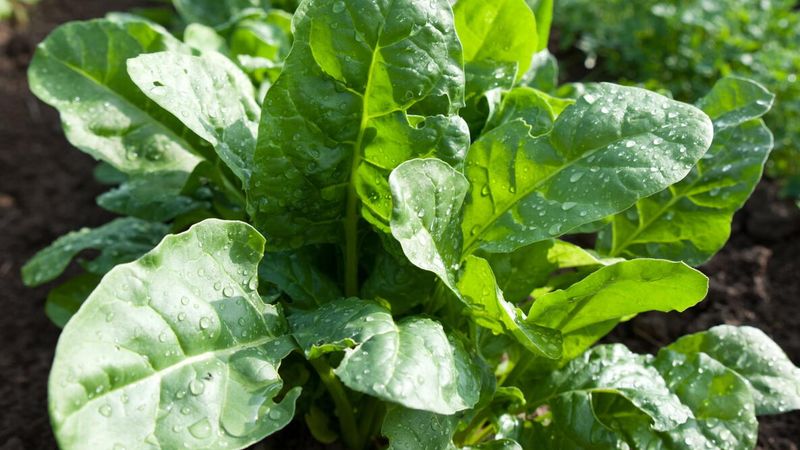
Spinach thrives in the exact conditions that New Hampshire provides during spring and fall. This nutrient-packed leafy green can handle frost and actually tastes sweeter after exposure to light freezing temperatures.
Plant spinach seeds as early as the ground can be worked, and you’ll have tender leaves ready to harvest in 37 to 45 days, depending on the variety.
One of spinach’s best qualities for short-season gardens is its cold tolerance. Seedlings can survive temperatures down to 15 degrees Fahrenheit, which means you can get it in the ground weeks before the last frost date.
In many parts of New Hampshire, gardeners successfully plant spinach in late March or early April, giving them a jump start on the growing season.
For continuous harvests, use the cut-and-come-again method by snipping outer leaves when they reach 3 to 4 inches long. The plant will keep producing new leaves from the center for several weeks.
Bloomsdale and Tyee are excellent varieties for New Hampshire, offering good bolt resistance and cold hardiness.
When the days get longer and warmer in June, spinach will eventually bolt and become bitter. Rather than fighting it, plan for a second planting in late summer, around mid-August.
This fall crop often produces even better than the spring planting because spinach loves the shortening days and cooling temperatures. Some gardeners even extend their harvest into November by using row covers or cold frames.
4. Peas
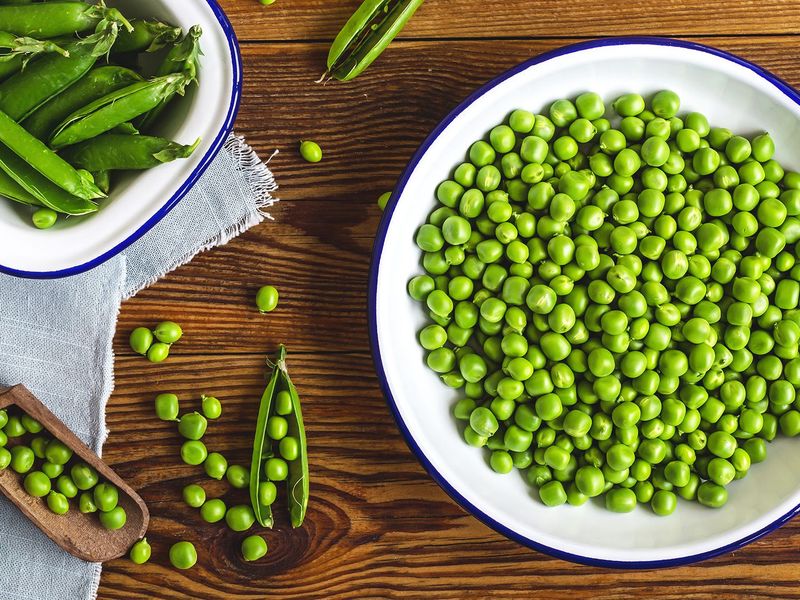
Nothing says spring gardening in New Hampshire quite like planting peas on a cool April morning. Both snap peas and shelling peas love cold weather and can go in the ground as soon as you can work the soil, often when snow is still visible in shaded areas.
These legumes actually perform best when temperatures stay below 70 degrees, making them ideal for the Granite State’s spring conditions.
Peas add nitrogen to the soil through their root systems, which benefits whatever you plant in that spot later in the season. They mature in 55 to 70 days depending on the variety, giving you a harvest by late June or early July in most parts of New Hampshire.
Sugar Snap and Sugar Ann are popular choices for edible-pod varieties, while Lincoln and Green Arrow work well for shelling peas.
Most pea varieties need some kind of support structure to climb, though bush types stay compact.
Setting up a simple trellis or fence gives the vines something to grab onto and makes harvesting much easier since the pods hang at eye level rather than hiding near the ground.
Vertical growing also saves space, letting you pack more plants into a small garden area.
The biggest challenge with peas in New Hampshire is that the harvest window closes when summer heat arrives. Once temperatures consistently hit the 80s, pea plants stop producing and decline rapidly.
Some gardeners try fall plantings, sowing seeds in late July or early August, but spring crops are generally more reliable and productive in this region.
5. Carrots
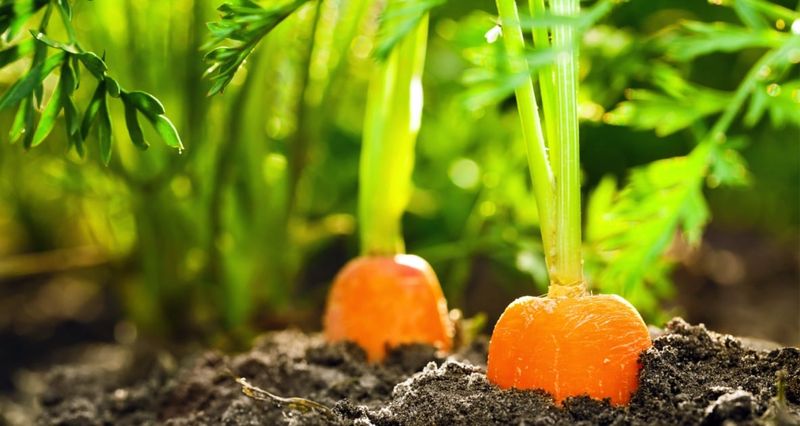
Carrots adapt beautifully to New Hampshire’s growing conditions, especially when you choose varieties bred for shorter seasons.
While they take a bit longer than some quick crops, most carrots mature in 60 to 80 days, fitting comfortably within the state’s frost-free period.
The cool temperatures that New Hampshire experiences actually improve carrot flavor, making them sweeter and less woody than carrots grown in hot climates.
The key to successful carrot growing is soil preparation. Carrots need loose, rock-free soil to develop straight roots without forking or twisting.
If your garden has heavy clay or lots of stones, consider growing shorter varieties like Thumbelina or Parisian carrots, which form round roots instead of long tapered ones.
These compact types still deliver great flavor while being more forgiving about soil conditions.
You can direct-sow carrot seeds outdoors in mid-spring once the soil temperature reaches at least 45 degrees. The tiny seeds take their time germinating, sometimes up to three weeks, so be patient and keep the soil surface moist.
Mixing radish seeds with carrot seeds helps mark the rows and breaks up the soil crust, making it easier for the delicate carrot seedlings to emerge.
Carrots actually improve with a light frost, which converts starches to sugars and enhances their sweetness. This means you can leave them in the ground well into fall across New Hampshire, harvesting as needed.
With a thick layer of mulch, some gardeners even store carrots in the ground through early winter, pulling them as long as the soil remains workable.
6. Kale
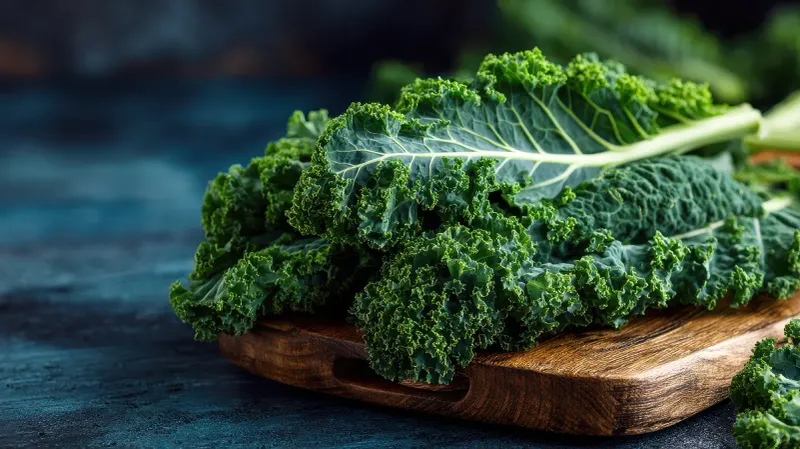
Few vegetables handle New Hampshire weather as gracefully as kale. This hardy leafy green laughs at frost, actually becoming sweeter and more tender after exposure to cold temperatures.
You can plant kale in early spring and harvest it continuously until the ground freezes solid, often well into November or even December in milder years. Some varieties survive winter under snow and start growing again in spring.
Kale grows steadily throughout the season, ready for first harvests about 55 to 75 days after planting depending on the variety.
Unlike head lettuces that you harvest all at once, kale lets you pick individual leaves from the bottom of the plant while the top keeps producing new growth.
This cut-and-come-again harvesting method provides fresh greens for months from just a few plants.
For New Hampshire gardens, choose varieties like Winterbor, Lacinato (also called Dinosaur kale), or Red Russian. These types handle temperature swings well and keep producing even when other vegetables have given up.
Kale also tolerates partial shade, making it useful for spots in your garden that don’t get full sun all day.
Young kale leaves work wonderfully in salads, while mature leaves are perfect for cooking. The flavor becomes milder and sweeter after the first few frosts, transforming kale from slightly bitter to pleasantly sweet.
Many New Hampshire gardeners consider fall-grown kale far superior to spring plantings. You can even plant a second crop in late summer specifically for fall and winter harvesting when the flavor is at its peak.
7. Beets
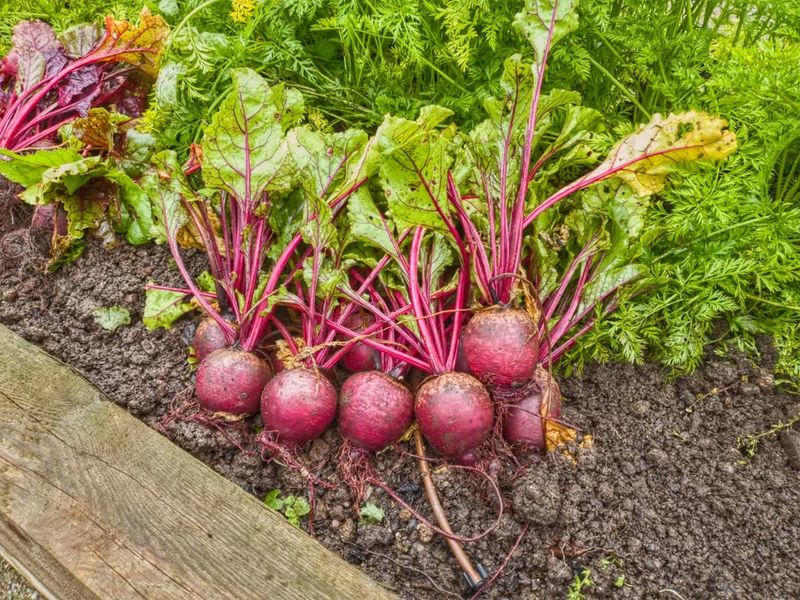
Beets offer New Hampshire gardeners a reliable crop that produces both edible roots and nutritious greens. These versatile vegetables tolerate cool weather beautifully and mature in 50 to 70 days, making them perfectly suited to shorter growing seasons.
The best part is that every part of the plant is edible, so nothing goes to waste when you harvest.
You can plant beets as soon as the soil is workable in spring, and they’ll germinate even in relatively cool soil temperatures. Detroit Dark Red and Chioggia are popular varieties that perform well across the state.
For something different, try golden beets, which don’t bleed red juice and have a slightly milder, sweeter flavor than traditional red varieties.
Beets appreciate consistent moisture and fertile soil but aren’t particularly fussy once established. Thin seedlings to about 3 inches apart to give the roots room to develop properly.
The thinnings make excellent additions to salads, so you get an early harvest even before the roots are ready. As the plants grow, you can harvest a few outer leaves from each plant for cooking greens without harming root development.
Like carrots, beets actually improve in flavor after exposure to light frost. The cold triggers the plant to convert starches into sugars, making the roots sweeter and more tender.
This means you can leave beets in the ground well into fall across New Hampshire, harvesting them as needed. Some gardeners mulch heavily and continue harvesting into early winter, though you should pull them all before the ground freezes solid for the season.
8. Broccoli
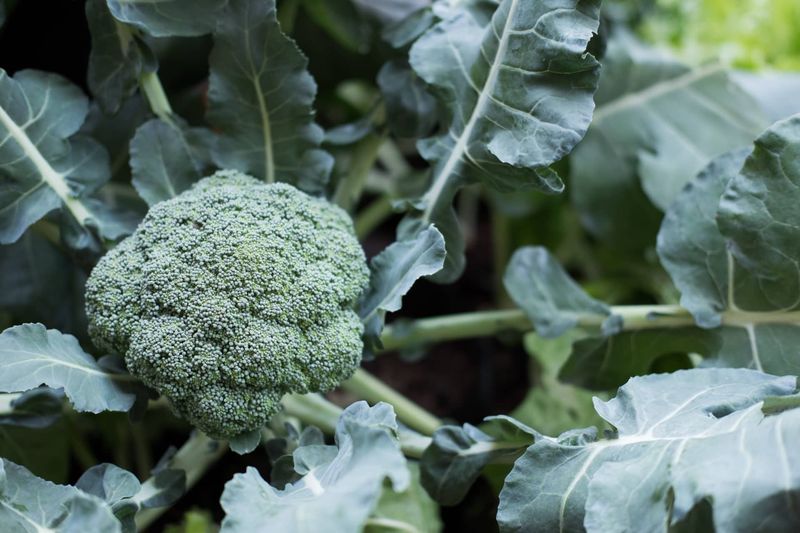
Broccoli ranks among the most rewarding vegetables for New Hampshire’s cool-season gardens. This nutritious crop actually struggles in hot weather but thrives when temperatures stay moderate, making it ideal for spring and fall planting in the Granite State.
Most broccoli varieties mature in 55 to 85 days, and many continue producing side shoots after you harvest the main head, extending your harvest for weeks.
Starting broccoli indoors gives you a head start on the season. Sow seeds indoors about 6 to 8 weeks before your last frost date, then transplant the seedlings outdoors in mid to late spring.
For fall crops, start seeds indoors in early summer or direct-sow them in the garden in mid-summer. Many gardeners find fall broccoli superior in flavor and easier to grow since fewer pests are active during the cooler months.
Broccoli needs consistent moisture and benefits from rich, fertile soil. The plants form large leaves before developing heads, so give them plenty of space, at least 18 inches between plants.
Waltham 29 and Calabrese are reliable open-pollinated varieties for New Hampshire, while hybrids like Premium Crop offer excellent disease resistance and uniform heads.
Watch your broccoli heads carefully as they develop. Harvest when the buds are tight and green but before they start opening into yellow flowers.
After cutting the main head, leave the plant in place because most varieties will produce smaller side shoots for several more weeks.
These secondary harvests might be smaller, but they’re just as delicious and extend your broccoli season considerably across New Hampshire’s growing months.
9. Potatoes
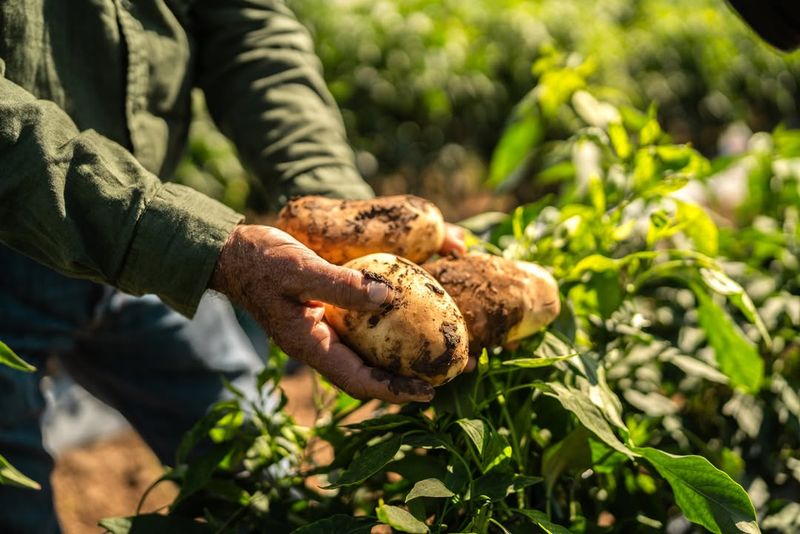
Potatoes have a long history in New Hampshire agriculture, and for good reason. They thrive in the state’s cool, moderate summers and adapt to various soil types.
While potatoes take longer than some quick crops, most varieties mature in 70 to 120 days, which fits comfortably within New Hampshire’s growing season.
Early varieties like Yukon Gold or Red Norland can be harvested as new potatoes even sooner, sometimes in just 60 days.
Plant seed potatoes in mid to late spring when the soil temperature reaches at least 45 degrees, typically around the time dandelions bloom. Cut larger seed potatoes into pieces with at least two eyes each, letting the cut surfaces dry for a day before planting.
Space them about 12 inches apart in trenches or hills, then cover with 3 to 4 inches of soil. As the plants grow, gradually mound soil or mulch around the stems to protect developing tubers from sunlight.
Potatoes produce best in loose, well-draining soil with consistent moisture. They need regular watering, especially during tuber formation, but don’t tolerate waterlogged conditions.
The plants will flower and then begin to decline naturally as they approach maturity. For storage potatoes, wait until the foliage turns yellow and starts collapsing before harvesting.
This allows the skins to toughen up, which helps potatoes store better through winter. New Hampshire’s cool fall weather is perfect for curing and storing potatoes. After harvest, let them sit in a cool, dark, humid place for about two weeks to cure.
Properly cured potatoes stored in a cool basement or root cellar can last for months, providing homegrown food well into winter and spring.