Fix These 10 Backyard Design Mistakes In Oregon Yards
Oregon backyards are special places where rain-soaked winters give way to sunny summer evenings. You step outside, coffee in hand, and notice something feels off about your outdoor space.
Maybe the grass struggles in the shade, or your deck looks weathered and gray. Perhaps you planted a garden that never quite took off, or your yard feels more like a swamp than a retreat.
These problems are common across Oregon, from Portland to Eugene to Bend. Our unique climate brings challenges that other states do not face.
What works in other states often fails here because of our wet winters and dry summers. Understanding these regional quirks makes all the difference between a backyard that thrives and one that frustrates you year after year.
Many homeowners repeat the same design errors without realizing why their yards underperform. The good news is that most of these mistakes are easy to fix once you know what to look for.
Small changes can transform your outdoor space into a place you actually want to spend time. Ready to discover what might be holding your Oregon backyard back?
1. Planting Sun-Loving Plants In Shady Spots
Many Oregon yards have large trees that cast heavy shade across lawns and garden beds. Homeowners often buy plants without checking their light requirements first.
They bring home bright flowers and vegetables that need full sun, then wonder why everything looks sad and scraggly after a few weeks. The plants stretch toward any available light, grow leggy, and produce few blooms or fruits.
Shade in Oregon backyards is often deeper than people realize because of our cloudy weather patterns. Even spots that seem somewhat bright may not get the six to eight hours of direct sunlight that sun-loving plants require.
Tomatoes, roses, and many annual flowers simply cannot thrive without adequate light. They become weak and more prone to disease in shadowy conditions.
The fix is simple but requires honest observation of your yard throughout the day. Watch how sunlight moves across different areas from morning through evening.
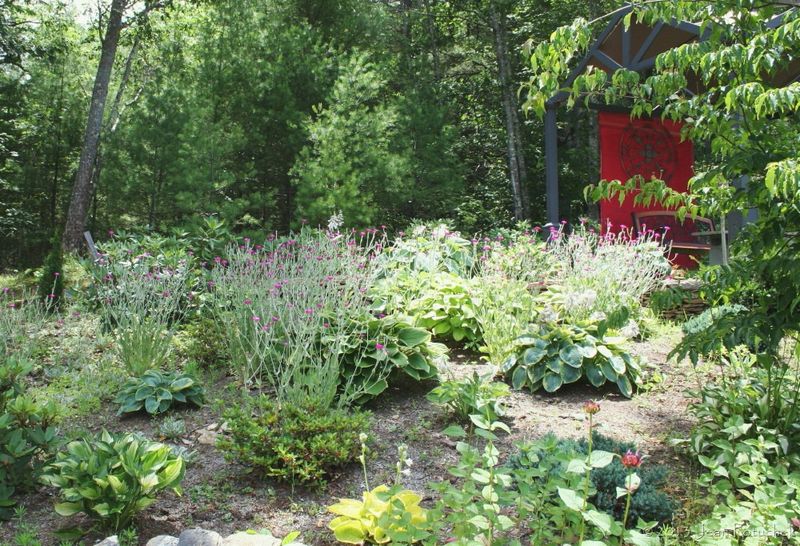
Choose shade-tolerant plants like hostas, ferns, astilbe, and bleeding hearts for dim areas. Save your sun-lovers for the brightest spots, or consider trimming lower tree branches to allow more light penetration.
Matching plants to actual light conditions, rather than wishful thinking, creates a healthier and more attractive landscape that works with your yard instead of against it.
2. Ignoring Drainage Problems Until It’s Too Late
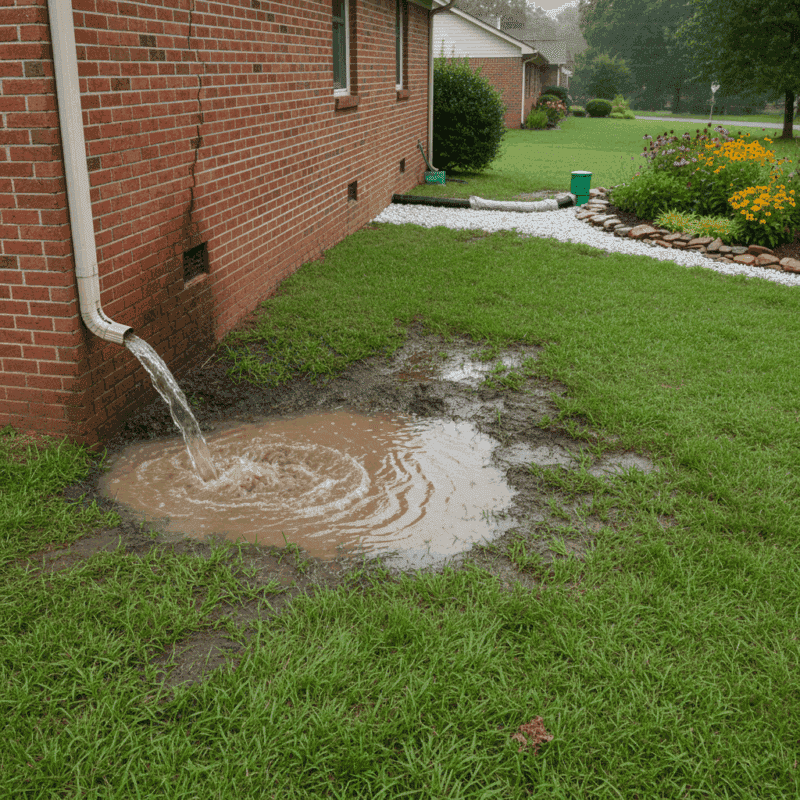
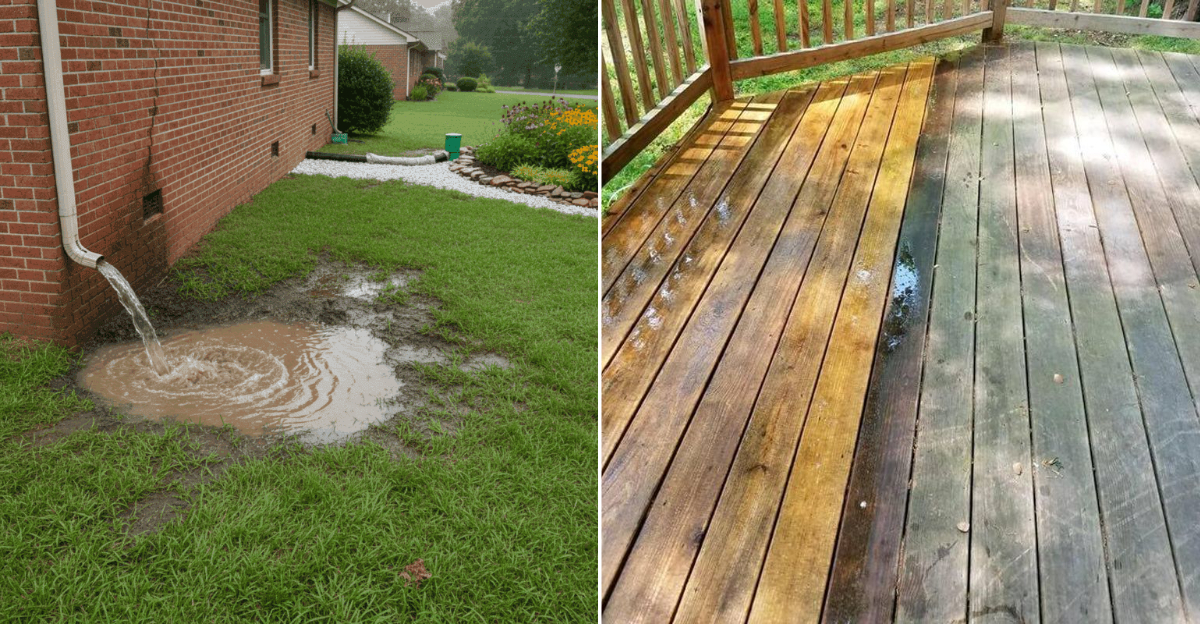
Water pools in low spots after every rainstorm, turning sections of your yard into muddy messes. Oregon receives significant rainfall from fall through spring, and poor drainage creates ongoing headaches.
Standing water drowns plant roots, attracts mosquitoes, and makes areas unusable for months at a time. Many homeowners just accept this as normal instead of addressing the underlying issue.
Clay soil is common throughout the Willamette Valley and other Oregon regions, which makes drainage problems worse. Water cannot soak through dense clay quickly, so it sits on the surface or flows toward the lowest points.
Your Oregon Garden Changes Every Week. Your Plan Should Too.
Gardening in Oregon changes quickly throughout the season. Every Friday you’ll receive a simple weekly plan showing exactly what to plant, prune, fertilize, harvest, and protect so you never miss the right timing.
Over time, this can even damage foundations if water pools near your house. Ignoring drainage issues leads to bigger, more expensive problems down the road.
Start by identifying where water collects and where it comes from during heavy rain. You might need to regrade areas to direct water away from structures and usable spaces.
French drains, rain gardens, and dry creek beds are attractive solutions that handle excess water naturally. Adding organic matter to clay soil improves its structure over time.
Sometimes the answer is as simple as adjusting downspouts or creating a shallow swale. Tackling drainage problems early prevents frustration and protects your investment in landscaping and structures.
3. Forgetting To Plan For Oregon’s Dry Summers
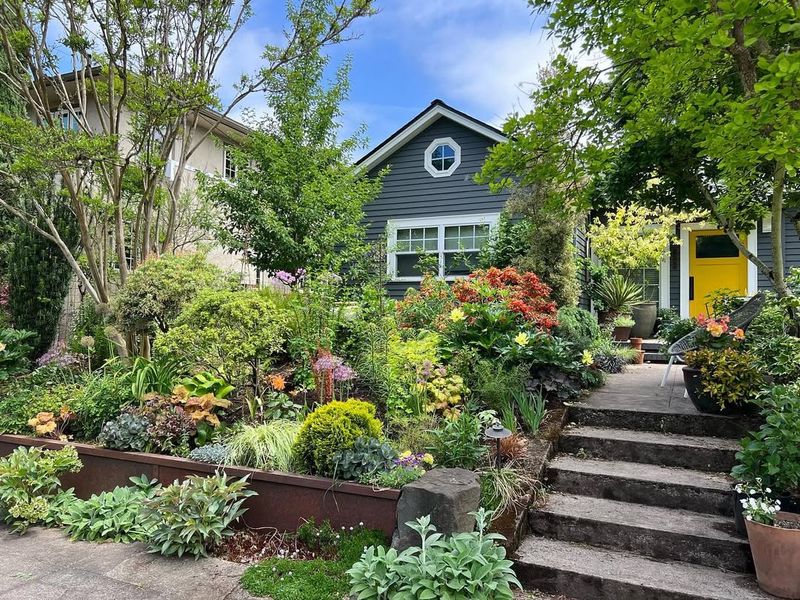
Oregon’s rainy reputation tricks many people into thinking they can skip irrigation planning entirely. Then summer arrives, and rainfall drops to nearly nothing from July through September.
Lawns turn brown and crunchy, new plants wither, and everything looks stressed. Homeowners scramble to drag hoses around daily, wasting time and water with inefficient methods.
Establishing plants during dry months without proper watering systems sets them up for failure. Even drought-tolerant plants need consistent moisture during their first year or two while roots develop.
Hand-watering rarely provides enough water deeply enough to support healthy growth. Surface watering encourages shallow roots, making plants even more vulnerable to drought stress.
The solution involves planning ahead before the dry season hits. Install drip irrigation or soaker hoses in garden beds to deliver water directly to root zones efficiently.
Consider a simple timer system to automate watering so you do not have to remember daily. Group plants with similar water needs together to avoid overwatering some while underwatering others.
Mulch heavily around plants to retain soil moisture and reduce evaporation. If you prefer a low-maintenance approach, choose truly drought-tolerant native plants once established.
With a little summer watering strategy, your yard can stay healthy and green without constant effort or sky-high water bills.
4. Choosing The Wrong Grass Type For Oregon’s Climate
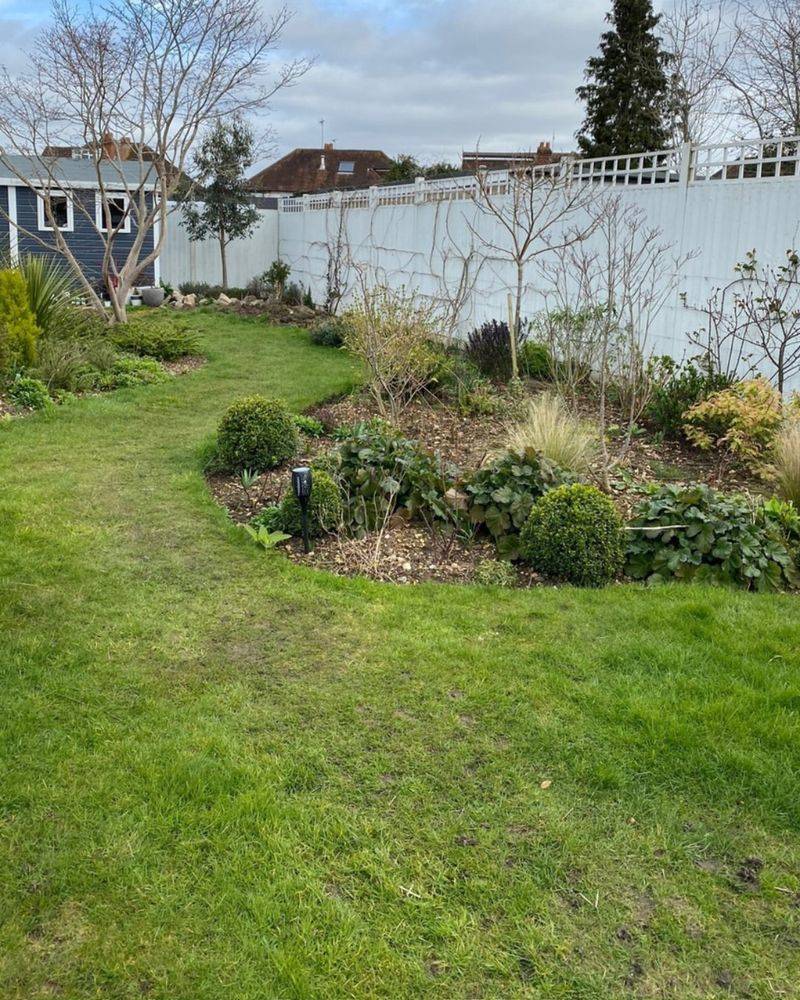
Not all grass types handle Oregon’s climate equally well, yet many homeowners just accept whatever came with their property. Some grasses thrive in hot, dry climates but struggle with our cool, wet winters.
Others cannot tolerate summer drought or heavy foot traffic. The wrong grass type means constant maintenance, bare patches, and a lawn that never looks quite right no matter how much effort you put in.
Cool-season grasses like perennial ryegrass, fine fescue, and tall fescue perform best in Oregon. They stay green during our mild winters and handle spring rains without getting too soggy.
Warm-season grasses like Bermuda or St. Augustine, popular in southern states, go dormant and brown in our cooler temperatures. Kentucky bluegrass can work but requires more water and maintenance than many Oregon homeowners want to provide.
Take an honest look at your lawn’s condition and your maintenance preferences. If you have significant shade, fine fescue mixes tolerate low light better than other options.
For high-traffic areas, perennial ryegrass bounces back quickly from wear. Tall fescue develops deep roots and handles summer drought with less water.
Overseeding with the right grass type gradually improves your lawn’s performance over time. Matching grass to Oregon’s specific conditions creates a healthier lawn that requires less water, fertilizer, and frustration.
5. Neglecting Wind Protection In Exposed Yards
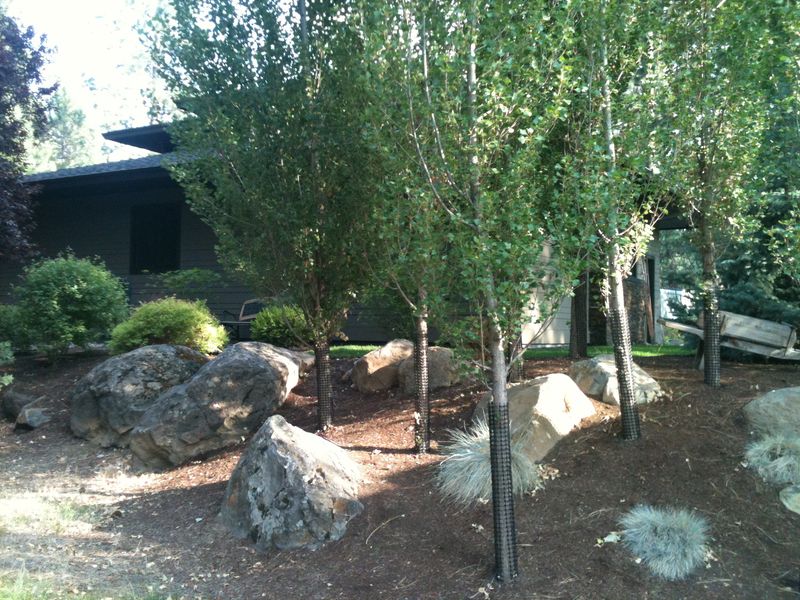
Strong winds sweep across Oregon, especially in valley areas and along the coast. Exposed backyards without windbreaks feel uncomfortable and limit how you can use outdoor spaces.
Wind dries out plants quickly, snaps branches, topples containers, and makes sitting outside unpleasant even on otherwise nice days. Patio furniture cushions blow away, and delicate plants get shredded by constant gusts.
Many homeowners do not realize how much wind affects their yard until they try to enjoy it. That perfect sunny afternoon becomes miserable when wind whips through constantly.
Plants that should thrive struggle because wind strips moisture from leaves faster than roots can replace it. Vegetables, especially tall crops like tomatoes and beans, suffer damage and produce less.
Outdoor gatherings get cut short when napkins and plates start flying.
Creating wind protection makes your backyard far more usable and comfortable. Fences provide immediate relief but can create turbulence if solid.
Better options include planting hedges or installing slatted fences that filter wind rather than blocking it completely. Evergreen shrubs like arborvitae, boxwood, or Oregon grape create year-round windbreaks.
Even a row of ornamental grasses can reduce wind speed significantly. Position seating areas behind protective barriers.
Your yard will feel warmer, plants will grow better, and you will actually want to spend time outside instead of retreating indoors at the first breeze.
6. Overlooking Native Plants That Actually Thrive Here
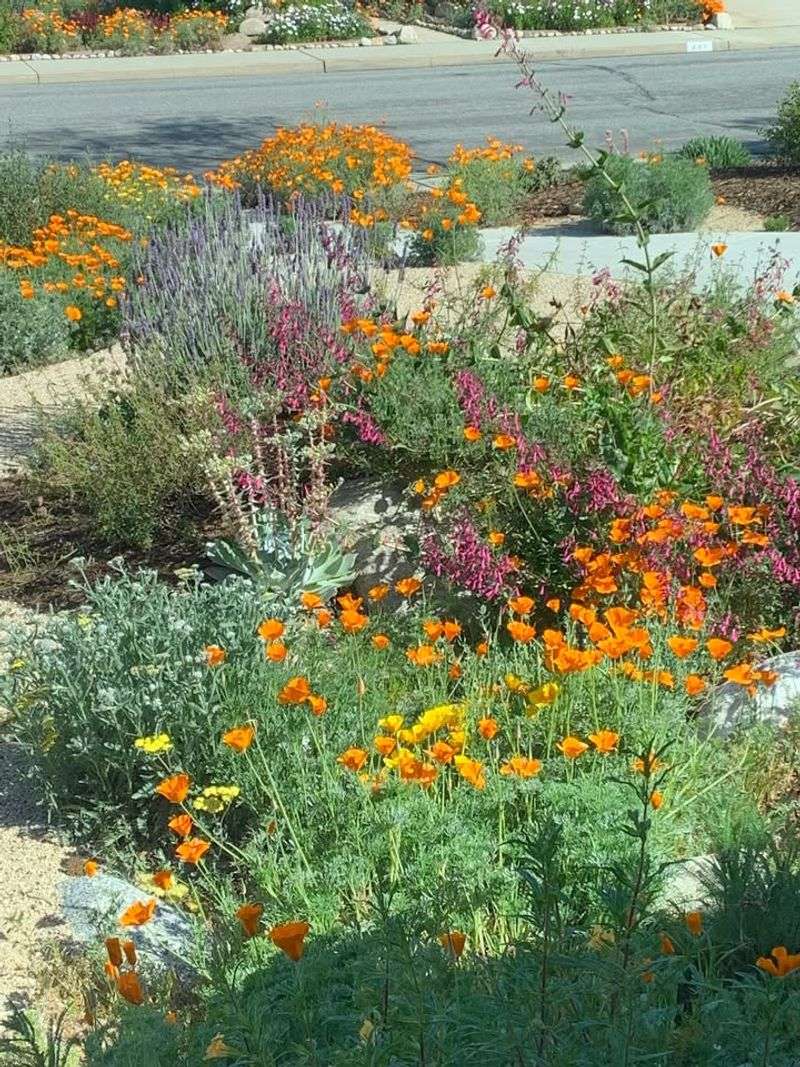
Garden centers overflow with exotic plants from around the world, and it is tempting to fill your yard with colorful imports. But many of these plants struggle in Oregon’s unique conditions and require constant pampering.
Meanwhile, beautiful native plants that evolved here over thousands of years get ignored. Natives handle our wet winters and dry summers naturally, support local wildlife, and need far less maintenance once established.
Oregon boasts gorgeous native options for every garden situation. Vine maple provides stunning fall color in shade.
Red-flowering currant blooms early, feeding hummingbirds when few other flowers are available. Oregon grape offers evergreen structure and edible berries.
Sword ferns stay green year-round in shady spots. These plants already know how to thrive in our soil and climate without special treatment.
Start incorporating natives gradually rather than ripping everything out at once. Replace struggling plants with native alternatives that fill similar roles.
Visit local nature areas to see what grows naturally in conditions similar to your yard. Many natives are not available at big-box stores, so seek out specialty nurseries that focus on regional plants.
Native plants reduce watering needs, eliminate fertilizer requirements, and attract beneficial insects and birds. They also connect your yard to the broader Oregon landscape, creating a sense of place that generic landscaping cannot match.
7. Building Decks Without Considering Moisture Damage
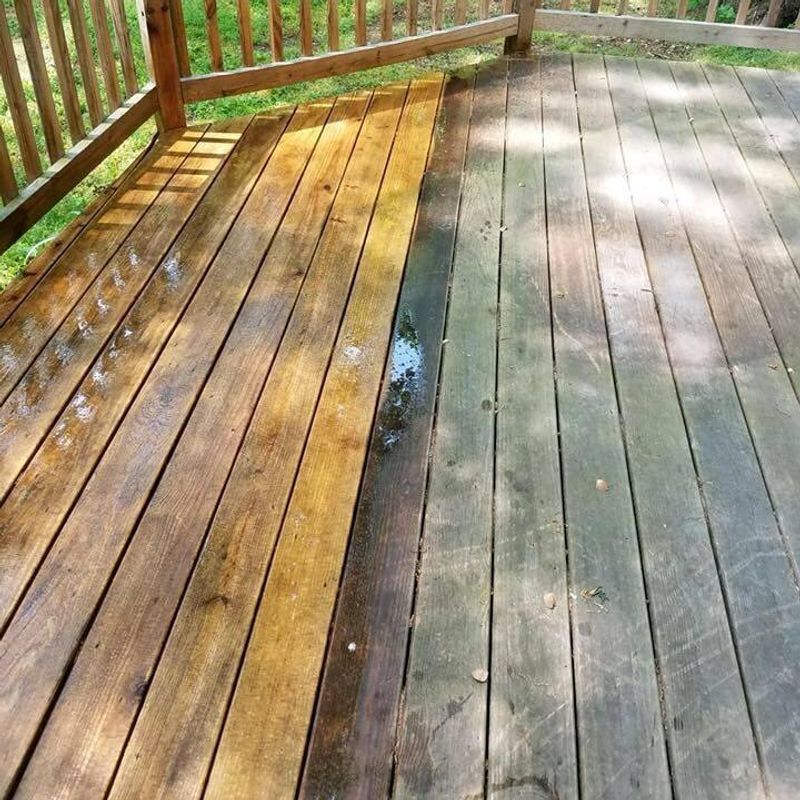
Oregon’s wet climate is tough on outdoor wood structures, yet many decks get built without adequate moisture protection. Rain soaks into wood for months at a time, creating perfect conditions for rot and decay.
Within a few years, boards start looking weathered and gray. Within a decade, structural damage may require expensive repairs or complete replacement.
Pressure-treated lumber helps but does not solve the problem entirely.
Moisture gets trapped between deck boards and joists, in end grain cuts, and anywhere water can pool. Poor drainage underneath decks keeps humidity high and wood damp.
Skipping proper flashing around ledger boards where decks attach to houses can lead to serious structural problems. Many homeowners do not realize damage is happening until boards feel spongy underfoot or railings become wobbly.
Protect your deck investment from the start with moisture-resistant design choices. Use proper flashing and waterproof membranes at all house connections.
Space deck boards adequately for drainage and airflow. Seal all cut ends immediately before installation.
Consider composite decking materials that resist moisture damage, though they cost more upfront. Apply quality sealant every few years to wood decks, making sure to clean and prep surfaces properly first.
Improve drainage and airflow underneath decks by clearing debris and vegetation. Taking moisture seriously from the beginning extends deck life significantly and saves thousands in premature replacement costs.
8. Creating Outdoor Spaces Without Overhead Cover
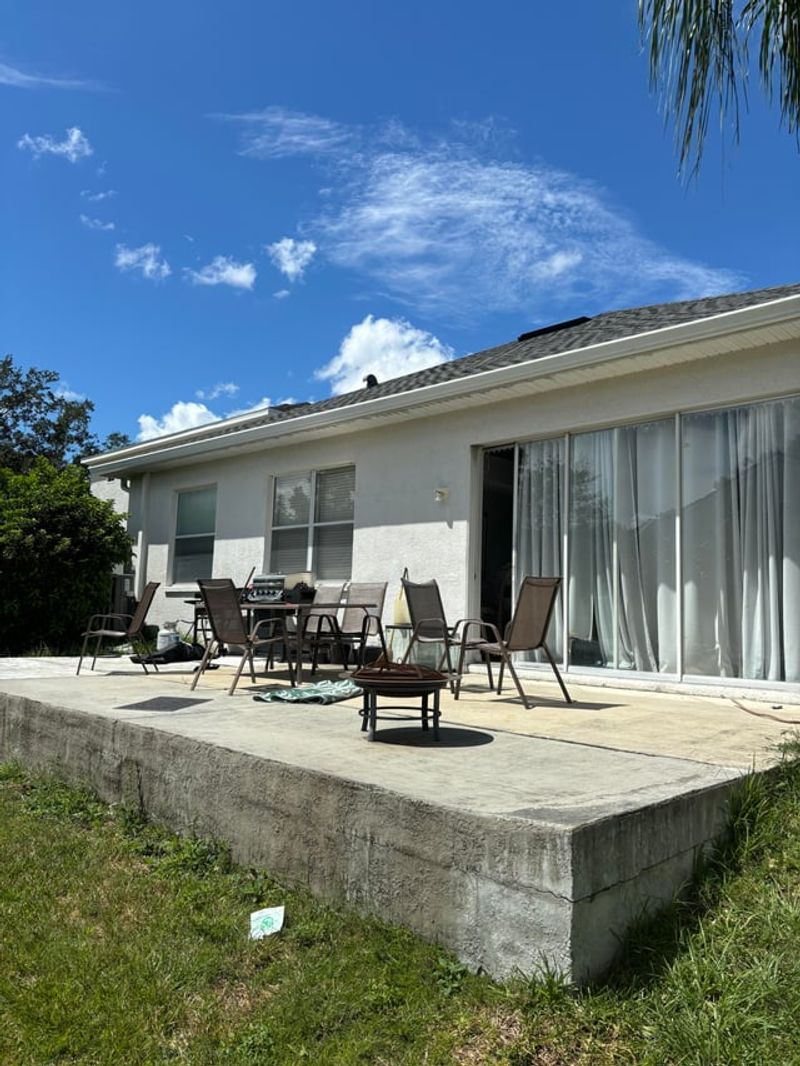
Summer in Oregon is beautiful, but rain can return unexpectedly even during dry months. Outdoor seating areas without any overhead protection become unusable whenever weather turns.
You invest in nice furniture and a great layout, then end up rarely using it because you cannot count on staying dry. Even morning dew makes uncovered furniture wet well into the day during cooler months.
Overhead cover extends your outdoor season significantly and makes spaces more versatile. Covered areas provide shade during hot summer afternoons when sun feels intense.
They create comfortable spots for morning coffee even when grass is soaking wet. Protection from light rain means you do not have to abandon outdoor plans at the first sprinkle.
Covered spaces also protect furniture and cushions from weather damage, extending their lifespan.
Options range from simple to elaborate depending on budget and style preferences. A basic patio umbrella offers portable, affordable coverage for small seating areas.
Pergolas with clear or solid roofing panels provide more permanent protection with architectural interest. Covered porches attached to the house create seamless indoor-outdoor transitions.
Retractable awnings offer flexibility to enjoy sun when desired and cover when needed. Even a simple roof extension over a door creates a useful dry zone.
Think about how you want to use outdoor spaces throughout the year, then add appropriate cover to make those activities possible regardless of typical Oregon weather surprises.
9. Planting Too Close To Structures And Hardscapes
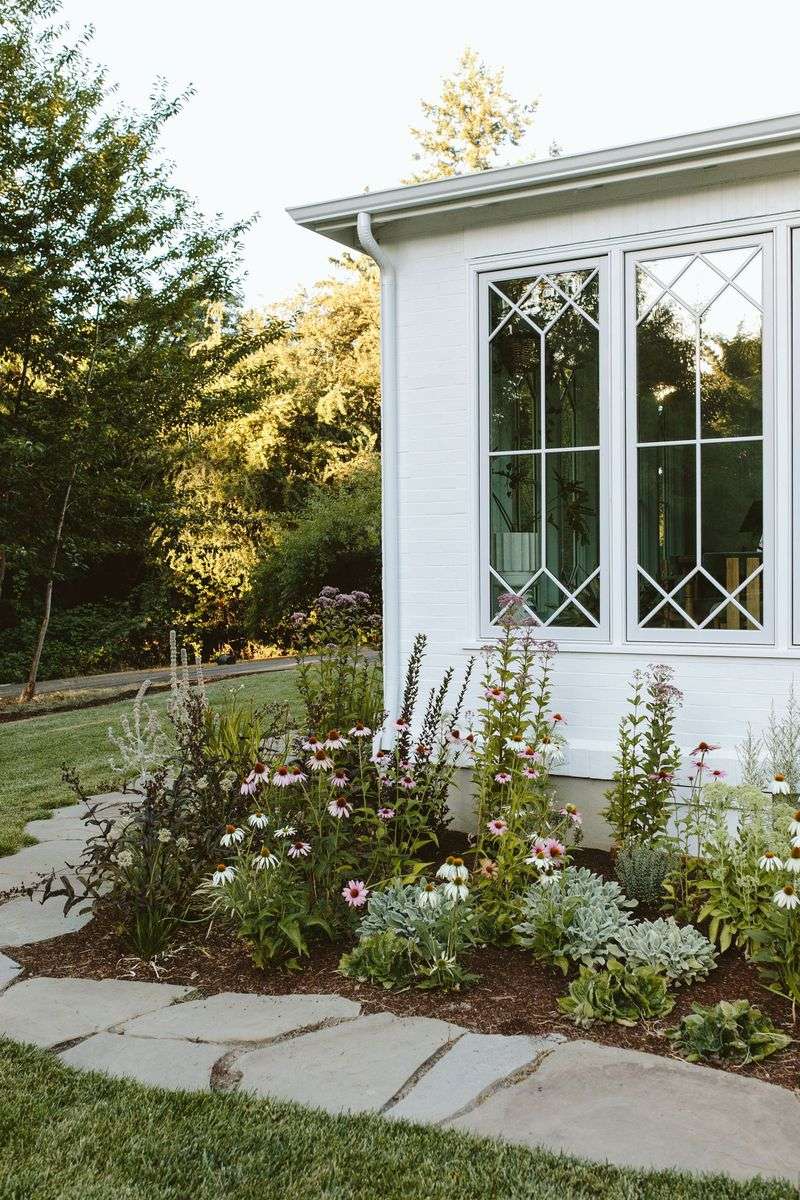
Tiny plants from the nursery look adorable tucked right against the house or fence. Then a few years pass, and those small shrubs become massive overgrown monsters blocking windows and pushing against siding.
Roots crack concrete patios and lift paver edges. Branches scrape against walls during windstorms, damaging paint and siding.
What seemed like good spacing at planting time becomes a maintenance nightmare as plants reach mature size.
Most people drastically underestimate how large plants will actually grow in Oregon’s favorable conditions. That cute little evergreen marked as three feet tall might reach eight feet or more with adequate water and nutrients.
Shrubs spread wider than expected, and tree roots extend far beyond the canopy. Plants crowded against structures also trap moisture, encouraging rot and pest problems in both the plants and the building materials.
Always check mature size information before planting anything permanent near structures. Leave at least two to three feet between buildings and plants, more for larger specimens.
Consider how wide plants will spread, not just how tall they will grow. Position trees far enough from patios, driveways, and foundations that roots will not cause problems in ten or twenty years.
If you already have overgrown plantings, either commit to regular aggressive pruning or remove and relocate them to more appropriate spots. Proper spacing from the beginning prevents years of frustration and potential damage to your home and hardscaping.
10. Forgetting About Year-Round Interest And Structure
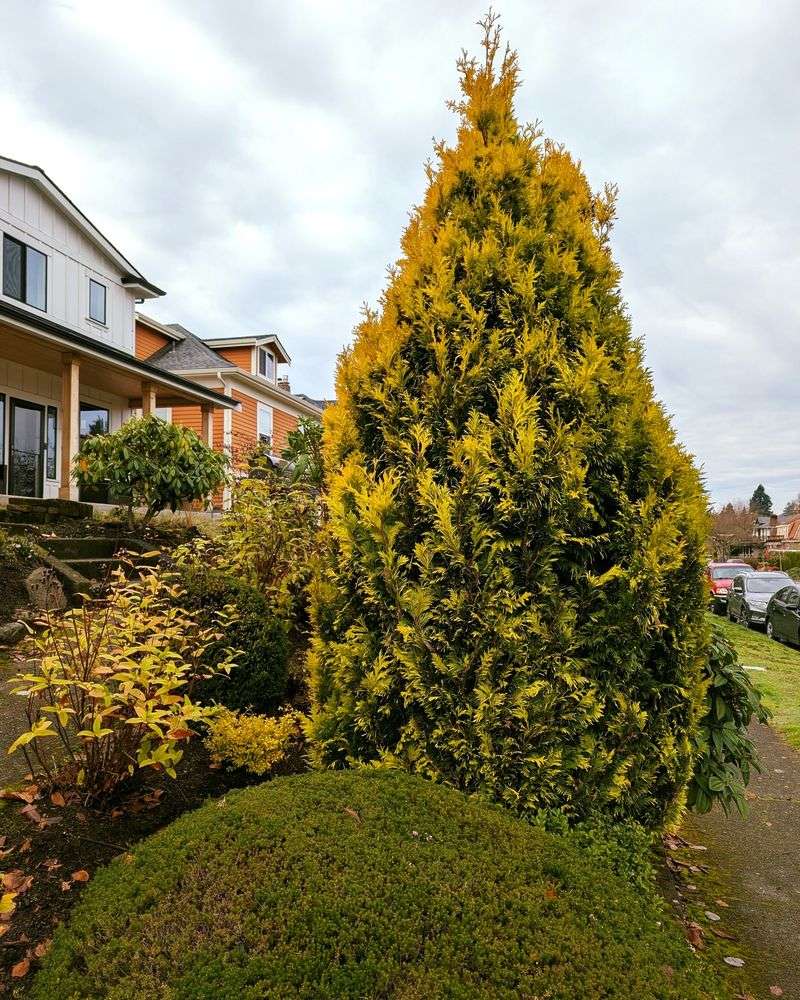
Oregon gardens can look amazing during peak growing season when everything blooms and leafs out. Then fall arrives, plants go dormant, and suddenly your backyard becomes a boring expanse of bare soil and dead-looking stems.
Without evergreen structure or winter interest, yards feel empty and depressing for half the year. Many homeowners focus entirely on summer appearance and forget that they will be looking at their yard during rainy months too.
Year-round appeal requires intentional planning beyond just picking pretty flowers. Evergreen shrubs and trees provide constant structure and greenery even in January.
Plants with interesting bark, like paperbark maple or red-twig dogwood, add color during dormant months. Ornamental grasses stay attractive through winter, especially when frost highlights their seed heads.
Hardscaping elements like paths, walls, and garden art become more prominent and important when plants are not at their peak.
Balance your plant selections between seasonal stars and reliable year-round performers. Include evergreens as backbones in every planting area.
Choose some plants specifically for winter interest rather than summer blooms. Leave ornamental grass seed heads standing instead of cutting them back until spring.
Add hardscape features that look good regardless of season. Think about what you will see from windows during rainy months when you are not spending much time outside.
A well-designed Oregon yard remains attractive and interesting every single month, not just during the brief summer peak.