Oregon’s Cloudy Climate Is Perfect For These 9 Shade Plants
Oregon’s clouds get a bad reputation, but let’s be honest, they’re kind of the real MVPs for certain plants.
While sunny states are out there fighting heat stress and scorched leaves, we’re over here with soft light, cool air, and long stretches of gentle growing weather.
And some shade plants absolutely love it.
If you’ve ever looked at a shady corner of your yard and thought it was just there to collect leaves and stay damp, it might be time to rethink that space. Those low-light areas aren’t a problem, they’re an opportunity.
In fact, they’re prime real estate for plants that prefer calm, filtered light and cooler conditions.
Shade gardening in Oregon can actually be pretty fun. You get lush textures, deep greens, interesting leaf shapes, and plants that don’t demand constant watering or sun chasing.
Plus, there’s something satisfying about turning a “nothing grows here” spot into one of the nicest parts of the yard.
If you’ve been ignoring your shaded areas or unsure what to plant, you’re not alone. Plenty of Oregon gardeners are discovering that our cloudy climate is a hidden advantage.
These shade plants thrive in it and once you see how well they do, you might start rooting for cloudy days too.
1. Astilbe
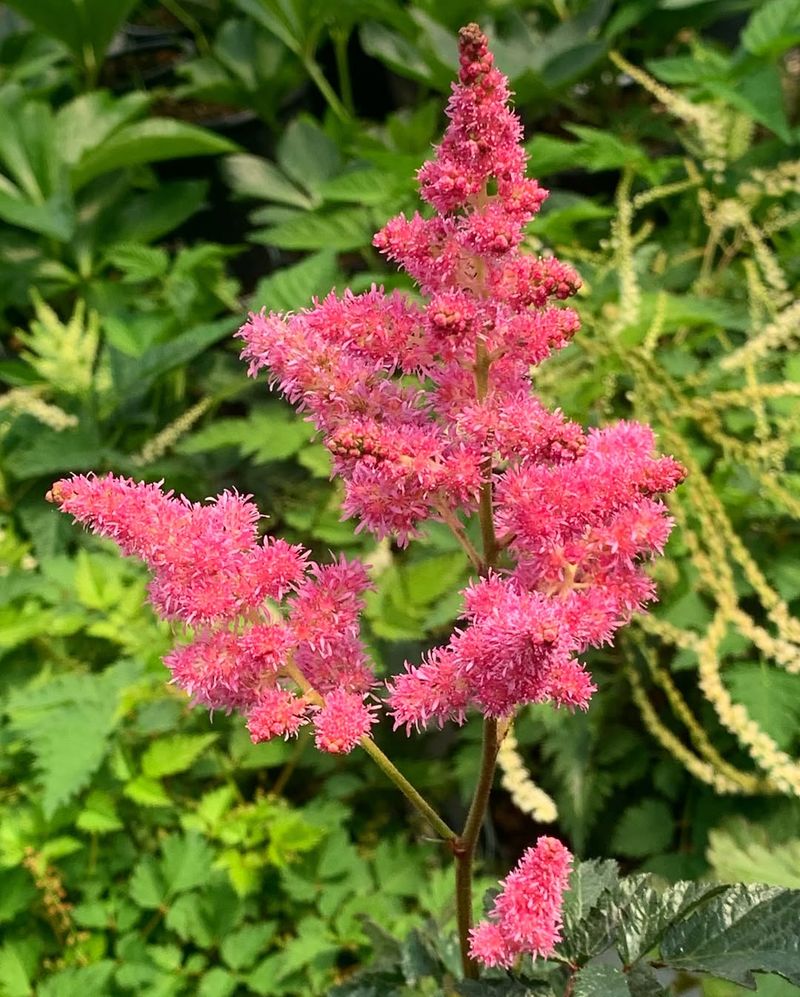
Feathery plumes rise above lacy foliage in early summer, painting shady corners with soft pinks, whites, and reds. Astilbe is a workhorse perennial that asks for very little but delivers dramatic color when most shade plants are taking a break.
The flowers look like tiny fireworks frozen in time, and they hold their shape for weeks.
Oregon’s cool, moist climate mirrors the plant’s native habitat in Asian woodlands. You will find astilbe happiest in soil that stays consistently damp but not waterlogged.
Mulch around the base to lock in moisture, and your plants will reward you with bigger blooms each season.
Foliage remains attractive even after the flowers fade, creating a textured backdrop for other shade lovers. Divide clumps every few years to keep them vigorous and prevent overcrowding.
Astilbe pairs beautifully with hostas and ferns, forming a layered tapestry of greens and blooms.
Deer tend to leave astilbe alone, which is a bonus for Oregon gardeners dealing with wildlife. The plants also tolerate a range of soil types as long as moisture is adequate.
Once established, they become reliable performers that mark the seasons with their elegant plumes. Plus, they’re absolutely breathtaking!
2. Hellebore (Lenten Rose)
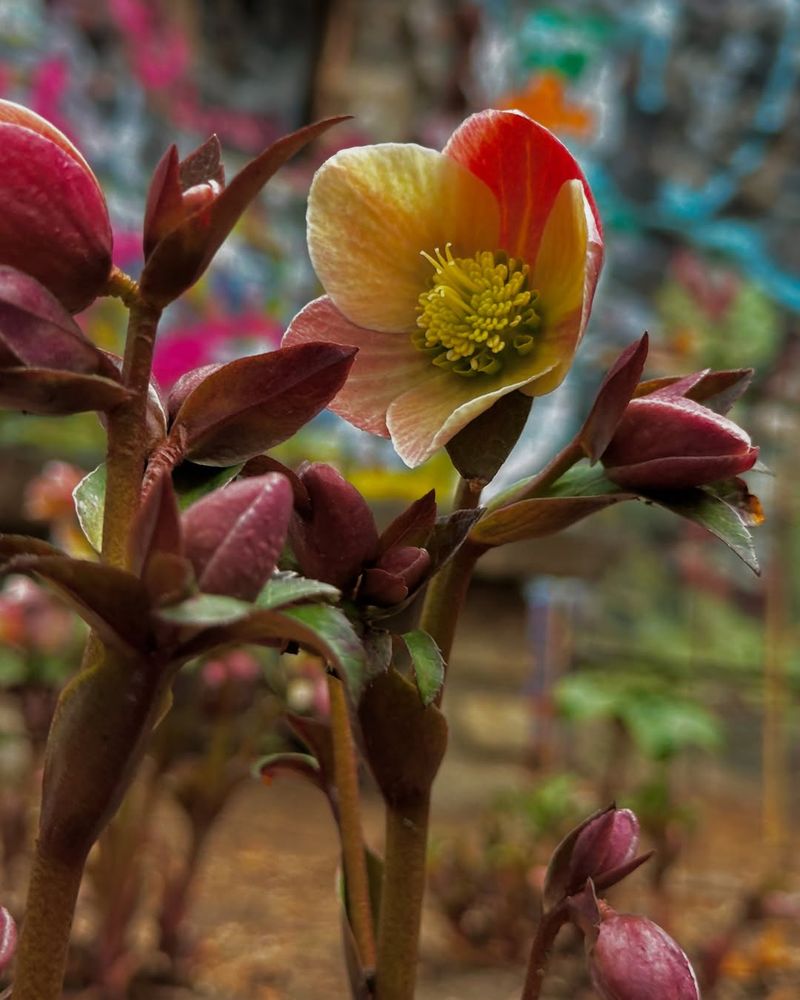
Blooms appear in late winter when most plants are still dormant, offering a welcome splash of color during the dreariest months. Hellebores produce nodding flowers in shades of cream, pink, purple, and even near-black.
The leathery evergreen leaves stay attractive all year, making this plant a four-season star.
Oregon winters are mild enough for hellebores to thrive without protection, and the cloudy weather prevents sun scorch on delicate petals. Plant them under deciduous trees where they can catch winter light before the canopy fills in.
Your Oregon Garden Changes Every Week. Your Plan Should Too.
Gardening in Oregon changes quickly throughout the season. Every Friday you’ll receive a simple weekly plan showing exactly what to plant, prune, fertilize, harvest, and protect so you never miss the right timing.
They appreciate well-drained soil enriched with compost, and once settled, they rarely need dividing.
Hellebores self-seed readily, so you may find volunteer seedlings popping up around the parent plant. These newcomers take a few years to bloom but eventually create charming drifts.
The flowers last for months, slowly fading into seed pods that add architectural interest.
Slugs and snails can nibble on young foliage, so keep an eye out in spring and use organic deterrents if needed. Mature plants develop tough leaves that pests usually ignore.
Hellebores are also deer-resistant, making them ideal for naturalized woodland settings.
3. Heuchera (Coral Bells)
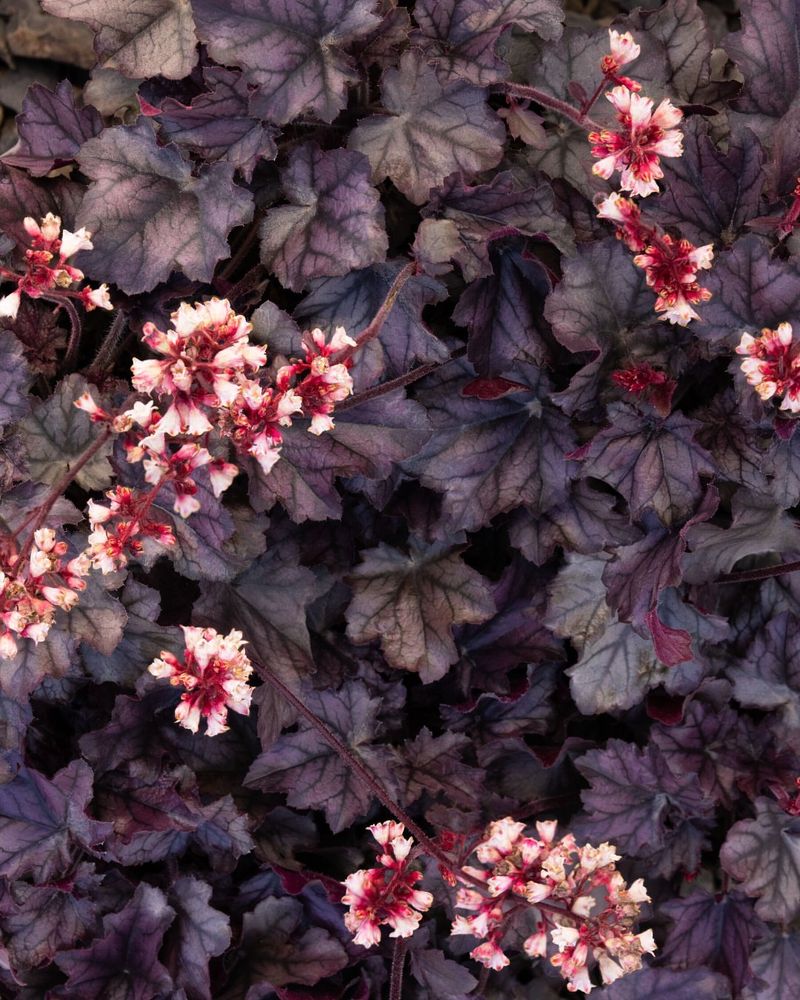
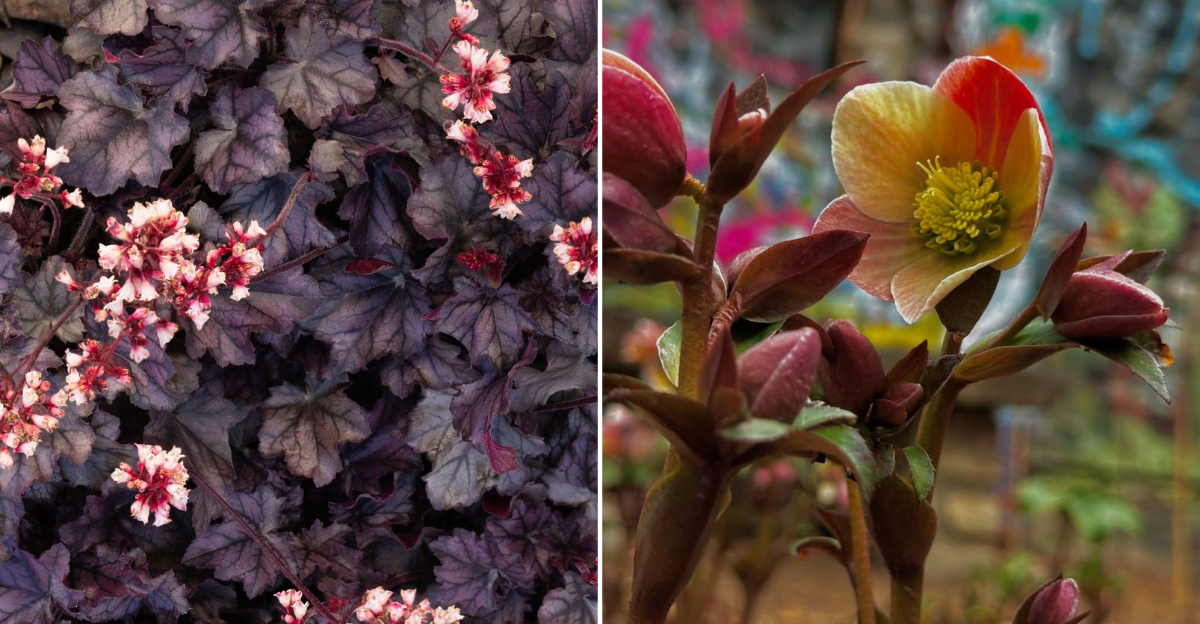
Colorful foliage steals the show with leaves in burgundy, lime, orange, silver, and nearly every hue in between. Heuchera brings year-round interest to shady spots, and the delicate flower spikes that emerge in late spring add an airy touch.
Breeders have developed countless varieties, so you can mix and match to create stunning color combinations.
Oregon’s cool summers prevent the foliage from bleaching, keeping colors vibrant from spring through fall. Heuchera prefers well-drained soil and can tolerate some dryness once established, though consistent moisture yields the best growth.
Space plants about a foot apart to allow air circulation and reduce the risk of crown rot.
The flowers are small but plentiful, rising on thin stems above the foliage mound. Hummingbirds visit the blooms, adding movement and life to the garden.
After flowering, you can trim the spent stalks to keep the plant tidy, or leave them for a more natural look.
Heuchera works well in containers, borders, and as edging along pathways. The low mounds of foliage create a soft, informal boundary that contrasts nicely with upright plants.
Divide clumps every three to four years to rejuvenate growth and maintain vigor.
4. Brunnera (Siberian Bugloss)
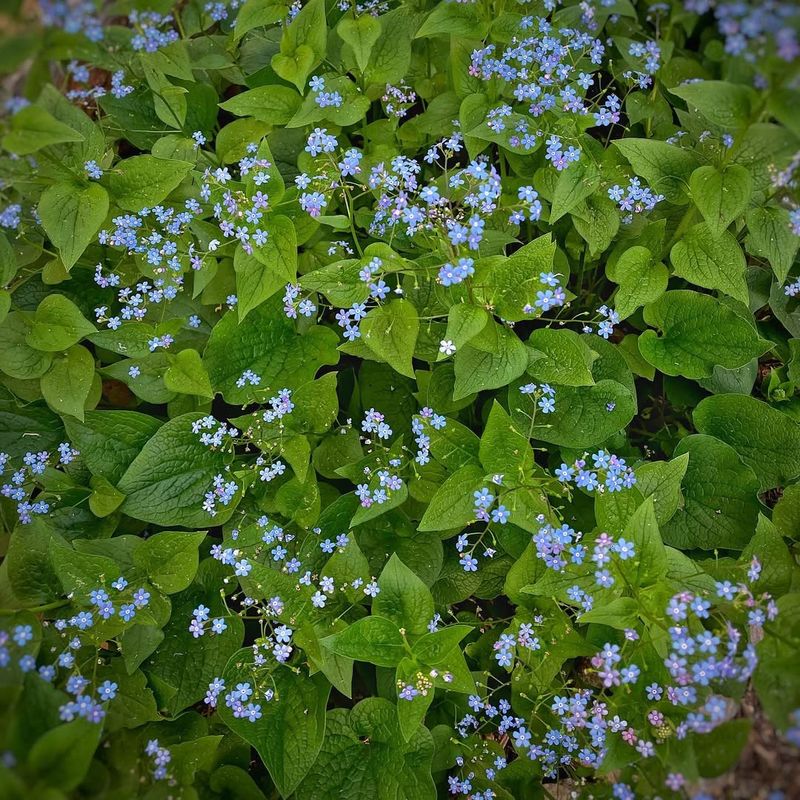
Heart-shaped leaves splashed with silver markings create a luminous effect in dim corners, and the clusters of tiny blue flowers in spring resemble forget-me-nots.
Brunnera is a low-maintenance groundcover that fills space quickly without becoming invasive.
The foliage remains fresh-looking all season, providing a bright backdrop for other shade plants.
Oregon’s damp springs suit brunnera perfectly, encouraging lush growth and abundant blooms. The plant tolerates a range of soil conditions but performs best in humus-rich ground that holds moisture.
Mulch around the base to keep roots cool and reduce weed competition.
Variegated varieties like ‘Jack Frost’ and ‘Sea Heart’ offer striking silver patterns that brighten shady areas even when the plant is not in bloom. The foliage can reach impressive size in ideal conditions, forming dense clumps that suppress weeds.
Brunnera rarely suffers from pests or diseases, making it a reliable choice for beginners and a garden addition you don’t have to constantly worry about.
Divide plants in early spring or fall to propagate new clumps or refresh tired patches. The flowers attract early-season pollinators, providing an important nectar source when other blooms are scarce.
Pair brunnera with ferns and hostas for a classic shade garden combination.
5. Hosta
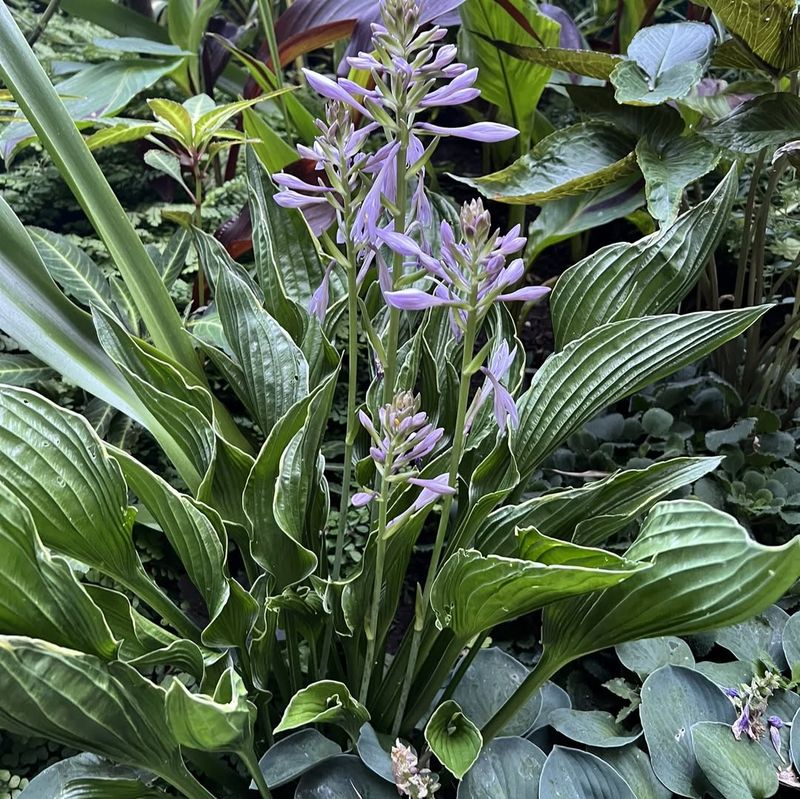
Bold foliage in every shade of green, blue, gold, and white makes hosta a shade garden essential. Leaves can be smooth, puckered, or rippled, and sizes range from tiny miniatures to giants with leaves as big as dinner plates.
Hostas are forgiving plants that adapt to a wide range of conditions, making them perfect for Oregon’s variable microclimates.
Cloudy skies protect hosta leaves from sun scorch, keeping colors true and foliage unblemished. The plants appreciate consistent moisture and benefit from a layer of mulch to retain soil dampness.
In late summer, tall spikes of lavender or white flowers emerge, attracting bees and adding vertical interest.
Slugs are the primary challenge with hostas, especially in Oregon’s damp climate. Use organic slug controls or plant hostas with thicker, more slug-resistant leaves.
Varieties like ‘Sum and Substance’ and ‘Blue Angel’ tend to suffer less damage than thin-leaved types.
Hostas grow slowly at first but eventually form impressive clumps that can anchor entire garden beds. Divide mature plants in spring or fall to create new starts or rejuvenate crowded clumps.
The foliage provides a cooling, lush presence that transforms shady spaces into peaceful retreats.
6. Japanese Forest Grass (Hakonechloa)
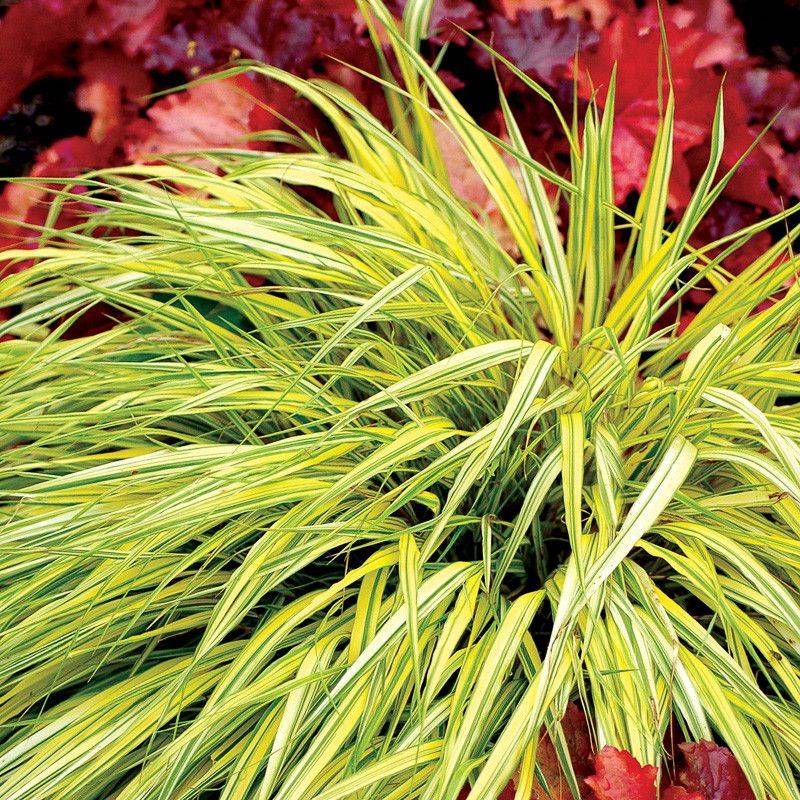
Graceful cascading blades in chartreuse, gold, or variegated patterns bring movement and texture to shady spots. Japanese forest grass forms soft mounds that sway in the slightest breeze, adding a sense of calm to the garden.
The foliage glows in low light, creating a lantern-like effect in dim corners.
Oregon’s mild winters allow this grass to remain semi-evergreen in many areas, extending its season of interest. The plant prefers moist, well-drained soil and benefits from regular watering during dry spells.
Mulch around the base to keep roots cool and conserve moisture.
Japanese forest grass grows slowly, so patience is required, but the wait is worth it. Mature clumps develop a fountain-like form that spills over edges and softens hard lines.
The grass turns warm shades of orange and pink in fall before fading to tan for winter.
This plant works beautifully in containers, along pathways, or as a groundcover under trees. It pairs well with hostas, ferns, and other foliage plants, creating a tapestry of textures.
Divide clumps every few years to maintain vigor, or simply enjoy the expanding mound as it fills space.
7. Bleeding Heart (Dicentra)

Heart-shaped flowers dangle from arching stems in spring, creating a romantic display that captivates everyone who sees it.
Bleeding heart comes in classic pink and white or pure white varieties, and the fern-like foliage adds delicate texture even after blooms fade.
This old-fashioned favorite feels right at home in Oregon’s woodland gardens.
Cool, moist conditions encourage bleeding heart to bloom profusely and extend the flowering season. Plant in rich, humus-laden soil and keep the ground consistently damp for best results.
The plant may go dormant in late summer, especially if conditions turn dry, so pair it with later-blooming companions to fill the gap.
Bleeding heart self-seeds modestly, and you may find new plants emerging nearby. These volunteers can be transplanted or left to naturalize in informal settings.
The flowers attract hummingbirds and early pollinators, adding life and motion to the garden.
Fringed bleeding heart (Dicentra eximia) stays in leaf longer than the classic type and blooms sporadically through summer. Both types are deer-resistant and relatively pest-free, making them low-maintenance choices.
Divide clumps in early spring or fall to propagate new plants or refresh tired patches.
8. Fuchsia (hardy varieties)
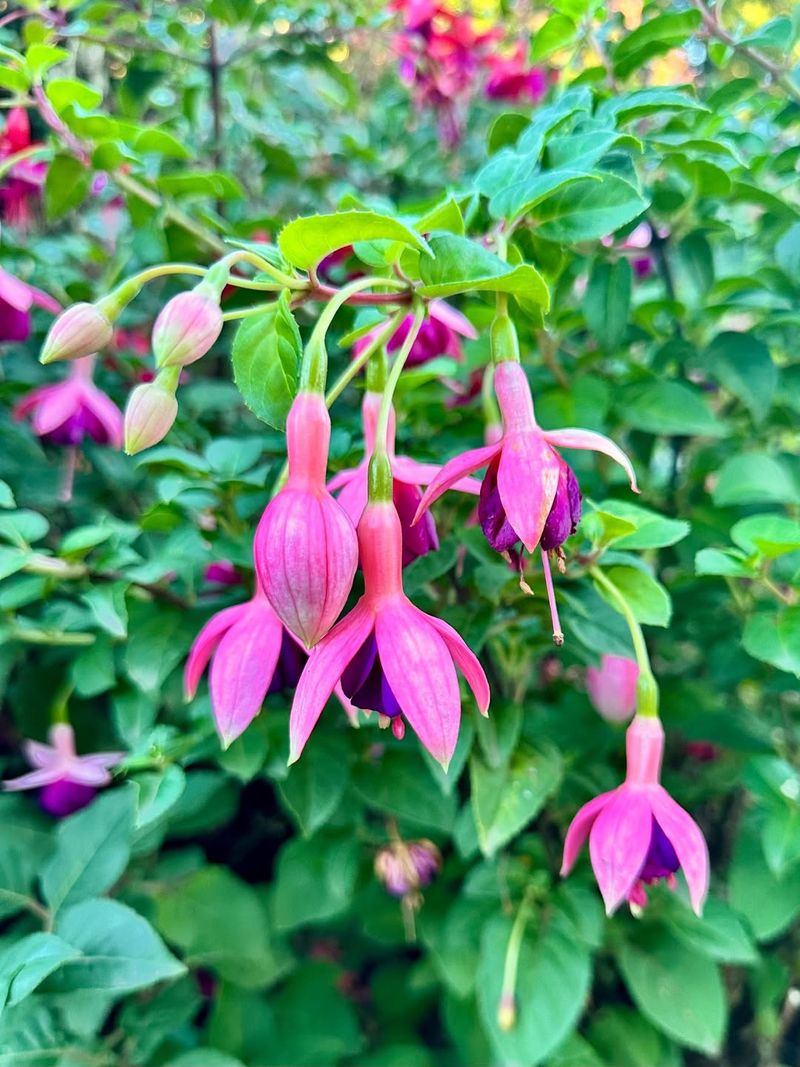
Dangling flowers in vivid combinations of pink, purple, red, and white bring tropical flair to temperate gardens. Hardy fuchsias bloom from summer through fall, providing color when many shade plants have finished their show.
The flowers attract hummingbirds, butterflies, and bees, turning your garden into a pollinator paradise.
Oregon’s mild winters allow hardy fuchsias to survive outdoors with minimal protection, and the cloudy summers prevent the delicate blooms from fading. The plants prefer moist, well-drained soil and appreciate a layer of mulch to keep roots cool.
Water regularly during dry spells to encourage continuous flowering.
Hardy fuchsias can be grown as shrubs, hedges, or trained as standards in containers. Prune lightly in early spring to remove damaged wood and shape the plant.
New growth emerges quickly, and flowers appear on the current season’s stems.
Some varieties can reach several feet tall and wide, so give them plenty of room to spread. The flowers are followed by small berries that birds enjoy, adding another layer of interest.
Hardy fuchsias are relatively pest-free, though aphids may appear on tender new growth in spring.
9. Foxglove (Digitalis)
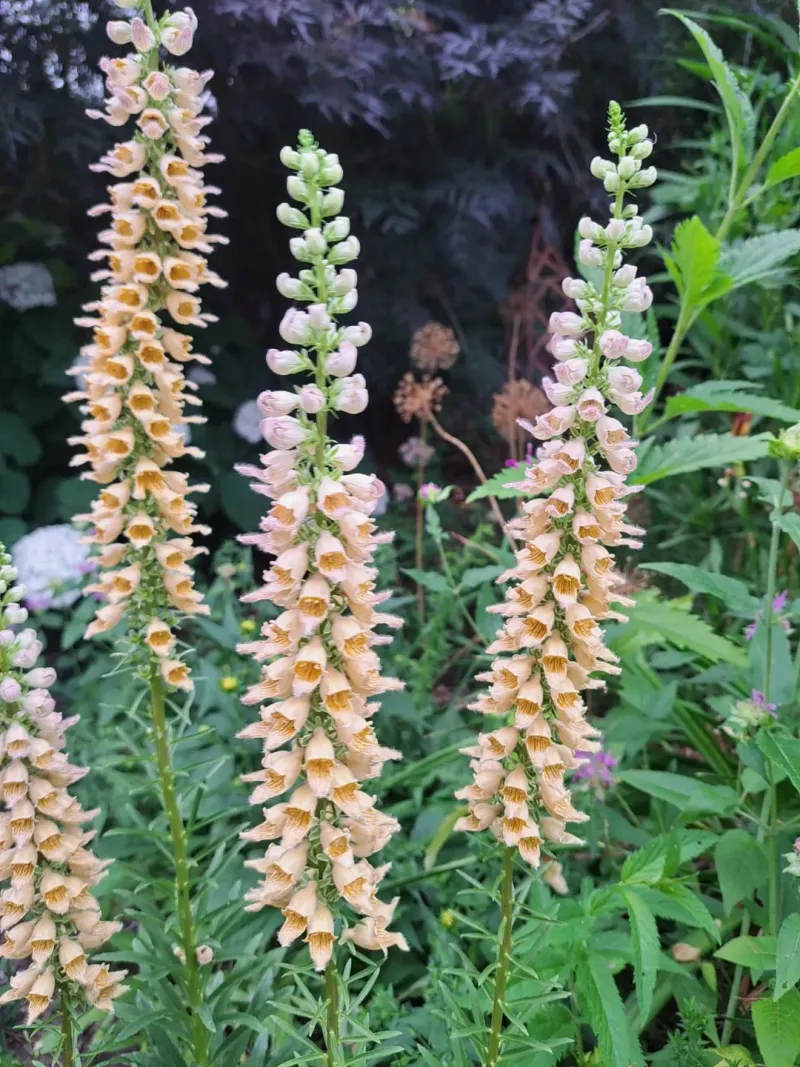
Tall spikes covered in tubular blooms rise above basal rosettes of fuzzy leaves, creating vertical drama in shady borders. Foxgloves bloom in late spring and early summer, offering flowers in shades of pink, purple, white, yellow, and apricot.
The blossoms are favorites of bumblebees, which crawl inside to gather nectar and pollen.
Oregon’s cool, moist springs provide ideal conditions for foxgloves to establish and bloom profusely. The plants prefer rich, well-drained soil and benefit from a layer of compost at planting time.
Most foxgloves are biennials, producing foliage the first year and flowers the second, but they self-seed readily to create ongoing displays.
Deadhead spent flower spikes to encourage side shoots and extend the blooming period, or leave them to set seed for next year’s plants. Foxgloves can tolerate a range of light levels, from dappled shade to brighter spots with morning sun.
The flowers make excellent cut stems for bouquets.
All parts of the plant are toxic if ingested, so plant foxgloves away from areas where children or pets play. Deer usually avoid them, making foxgloves a good choice for gardens with browsing wildlife.
The towering blooms add cottage garden charm and attract beneficial insects.