9 Invasive Insects Oregon Gardeners Should Watch For This Season
As the weather warms up, Oregon gardens start buzzing with activity, and not all of it is good news. While you’re getting excited about new growth, blooms, and time outside, some unwelcome visitors are getting ready to show up too.
Invasive insects have a sneaky way of blending in at first, quietly settling into gardens before anyone realizes there’s a problem.
At first glance, they don’t always look threatening. Some are tiny, others move slowly, and a few even look harmless.
But once they get comfortable, they can cause real damage to plants, trees, and even soil health. And because they don’t belong here, local ecosystems aren’t always prepared to keep them in check.
Many Oregon gardeners don’t notice these pests until leaves start curling, growth slows down, or plants suddenly look stressed for no obvious reason. By then, the insects may already be well established.
If you enjoy catching problems early instead of dealing with big infestations later, now is the time to stay alert.
1. Brown Marmorated Stink Bug
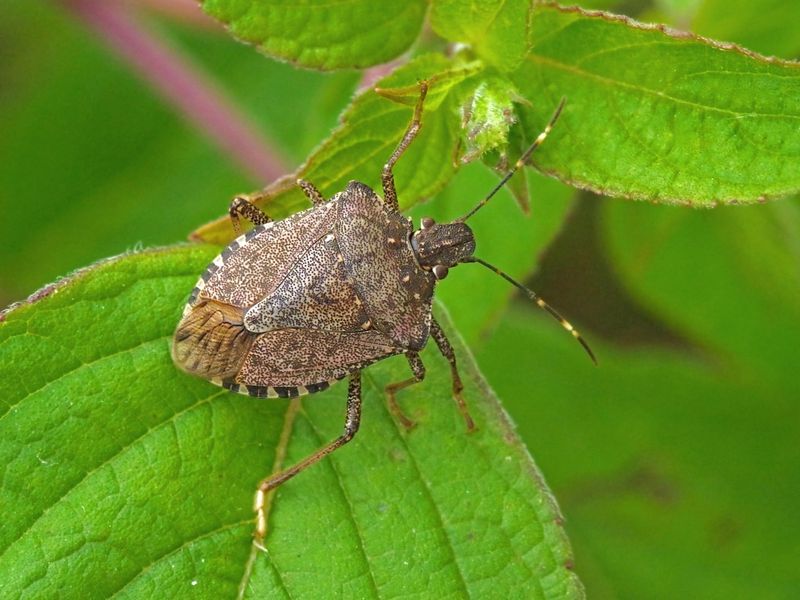
If you’ve ever walked outside and noticed a strange shield-shaped bug crawling on your siding or clustering near your windows, you’ve probably met the brown marmorated stink bug. It showed up in Oregon back in 2004, and it’s been making itself at home ever since.
What makes this bug so frustrating is that it feeds on a huge variety of plants, from apples and pears to tomatoes and beans.
You’ll usually notice the damage before you spot the bug itself. Fruits develop dimpled, corky spots that look like they’ve been poked with a pin.
Leaves might have pale yellow stippling, and beans can end up misshapen. The bugs themselves are about the size of a dime, with alternating light and dark bands on their antennae.
They spread easily because they fly well and reproduce quickly during warm weather. One female can lay hundreds of eggs in a season.
If you find them in your garden, hand-picking works for small numbers, but be warned, they really do stink when disturbed.
Crushing them releases a strong odor that smells like burnt rubber or cilantro gone bad. Drop them into soapy water instead.
Oregon State University recommends reporting large populations to help track their spread across the state.
2. Spotted Wing Drosophila

Most fruit flies wait until fruit is overripe and falling apart, but spotted wing drosophila doesn’t have that kind of patience. This tiny fly attacks healthy, ripening fruit while it’s still on the plant, which is exactly what makes it such a nightmare for Oregon berry growers and home gardeners alike.
It arrived in Oregon around 2009 and spread like wildfire through the Willamette Valley.
The first sign is usually soft, mushy spots on berries that seem to collapse from the inside out. When you cut open an affected strawberry, blueberry, or cherry, you’ll find tiny white larvae wriggling around inside.
The adult flies are incredibly small about the size of a sesame seed with bright red eyes.
Your Oregon Garden Changes Every Week. Your Plan Should Too.
Gardening in Oregon changes quickly throughout the season. Every Friday you’ll receive a simple weekly plan showing exactly what to plant, prune, fertilize, harvest, and protect so you never miss the right timing.
Males have a distinctive dark spot on each wing, which is how they got their name. They spread so easily because one female can lay up to 300 eggs, and a new generation hatches every week during summer.
Your best defense is picking ripe fruit immediately and not leaving any overripe berries on the plant.
Refrigerate harvested fruit right away, and consider using fine mesh netting over berry bushes. Traps baited with apple cider vinegar can help monitor their presence, but once they’re established, control becomes really challenging for home gardeners.
3. European Chafer Beetle
Your lawn might look perfectly fine in early summer, then suddenly turn brown and spongy underfoot by August. When you pull back the dead grass, you find fat white grubs curled up in the soil, munching away on grass roots.
That’s the calling card of European chafer beetles, and they’ve been causing serious lawn damage across the Portland metro area since the early 2000s.
Adult beetles emerge in late June and early July, flying around at dusk in large numbers that can look almost like a swarm. They’re tan-colored and about half an inch long, but they don’t do much damage themselves.
The real problem is their larvae those C-shaped white grubs that spend months feeding on grass roots just below the surface.
By late summer, damaged lawns feel soft and roll up like carpet because the roots are completely gone. Raccoons, skunks, and crows make things worse by tearing up the turf to eat the grubs.
These beetles spread through adult flight and also hitchhike in contaminated soil and sod.
If you’re installing new landscaping, inspect the soil carefully. For existing infestations, beneficial nematodes applied in late summer can help reduce grub populations.
Keeping your lawn healthy and slightly taller makes it more resilient to root damage, too.
4. Emerald Ash Borer
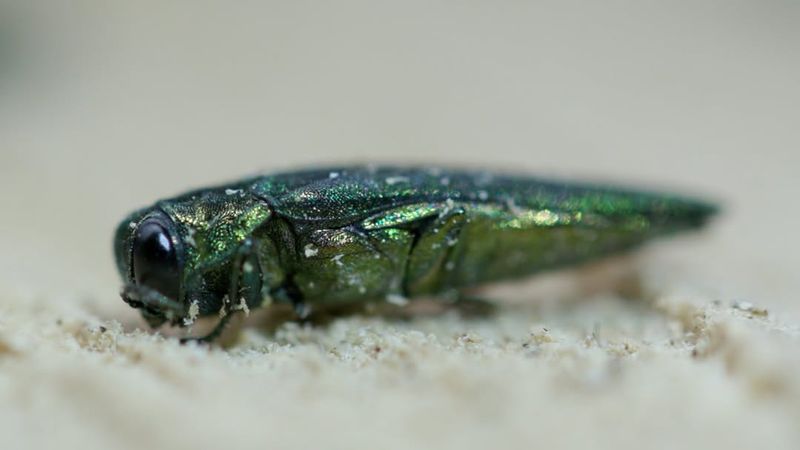
Ash trees are common in Oregon neighborhoods, parks, and along streets, which makes the emerald ash borer one of the most worrying invasive insects on this list. This metallic green beetle hasn’t been confirmed in Oregon yet, but it’s been detected in nearby states, and experts say it’s only a matter of time before it shows up here.
Once it arrives, it can kill an ash tree within two to four years.
The beetle itself is small and jewel-toned, but you won’t see it very often because it spends most of its life hidden under the bark.
What you will notice is the damage: D-shaped exit holes in the bark, vertical splits in the trunk, and branches that start dying from the top down.
Woodpeckers love to eat the larvae, so heavy woodpecker activity can be an early warning sign.
Emerald ash borers spread through firewood, which is why Oregon has strict rules about moving wood across state lines. Adult beetles can also fly short distances to infest nearby trees.
If you have ash trees on your property, learn to identify them and check them regularly for symptoms.
Report any suspicious damage to the Oregon Department of Agriculture immediately. Early detection is critical because once the beetle is established, it’s nearly impossible to eradicate without losing most of the ash trees in the area.
5. Asian Longhorned Beetle

Picture a beetle the size of your thumb with long, banded antennae and a shiny black body covered in white spots that’s the Asian longhorned beetle, and it’s one of the most destructive wood-boring insects in the world.
Fortunately, it hasn’t been found in Oregon yet, but it’s established in parts of the eastern United States, and one accidental introduction could devastate our urban forests and native hardwoods.
This beetle attacks healthy maples, elms, willows, and many other deciduous trees. The first thing you’d notice is round exit holes about the size of a pencil eraser in the trunk and branches.
You might also see sawdust-like material collecting in bark crevices or at the base of the tree. Branches start dying back, and the tree slowly weakens over several years.
Asian longhorned beetles spread primarily through infested wood products and firewood, which is why buying local firewood is so important. The adults are strong fliers and can move to nearby trees on their own.
If you ever see a large black beetle with long striped antennae on a tree in your yard, take a photo and contact Oregon Department of Agriculture right away.
Don’t try to capture or remove it yourself, just document it. Early reporting is the only way to prevent this beetle from establishing a foothold in Oregon’s forests and neighborhoods.
6. Box Tree Moth
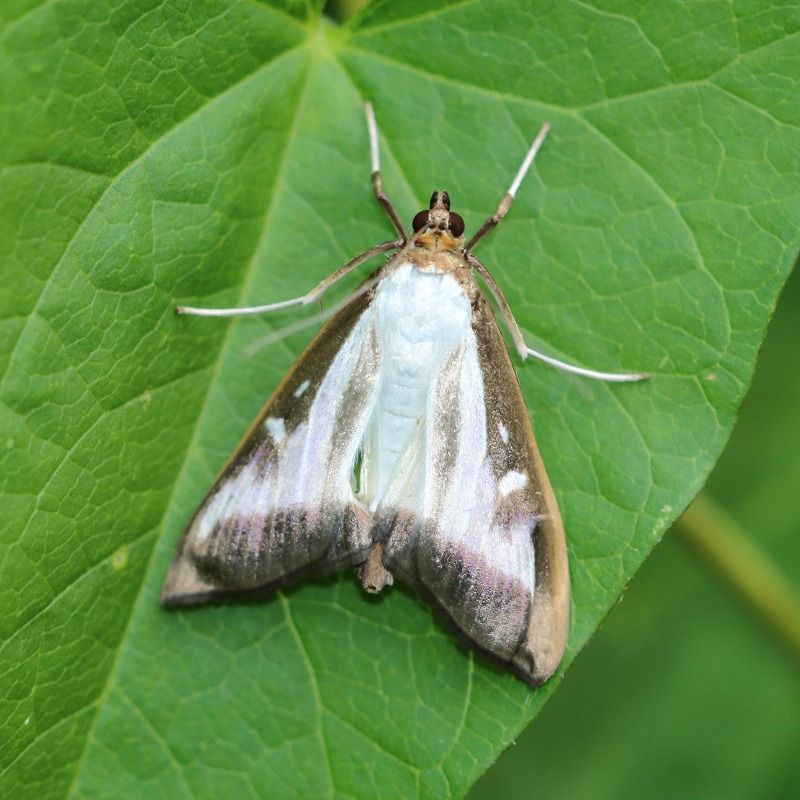
Boxwood shrubs are everywhere in Oregon landscapes, they’re used for hedges, foundation plantings, and formal garden borders. That’s exactly why the box tree moth is such a concern, even though it hasn’t been detected in Oregon yet.
This invasive moth has devastated boxwood plantings across Europe and parts of Canada, and experts are watching closely to see if it makes its way south.
The caterpillars are the problem, not the adult moths. They’re bright green with black stripes and can completely defoliate a boxwood plant in just a few weeks.
Infested shrubs develop webbing between the branches, and you’ll see tiny green droppings collecting in the center of the plant. Leaves turn brown and drop off, and repeated attacks can kill even large, established boxwoods.
Box tree moths spread when people move infested plants or when adult moths fly to new areas during warm weather. One female can lay hundreds of eggs, and there can be multiple generations in a single growing season.
If you have boxwoods, inspect them regularly during spring and summer, especially the interior branches where caterpillars like to hide.
Look for webbing, frass, and any sign of leaf damage. If you spot anything suspicious, collect a sample and contact your local OSU Extension office before the infestation spreads to neighboring properties.
7. Lily Leaf Beetle
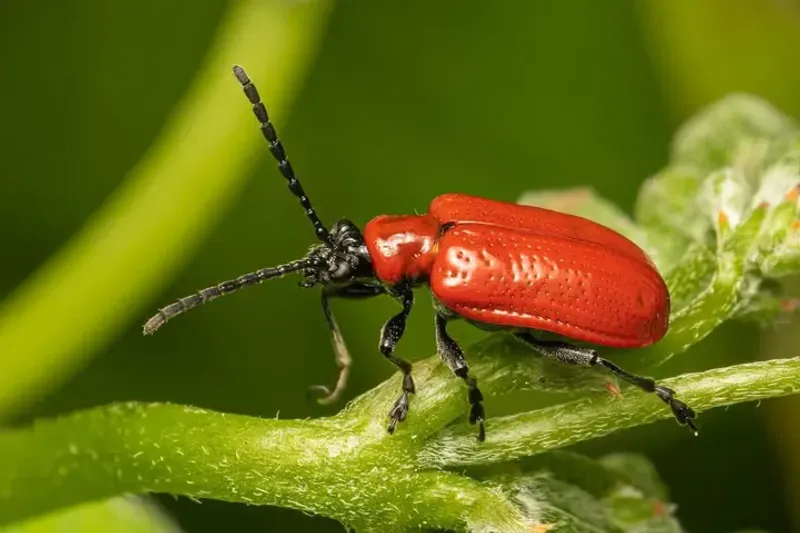
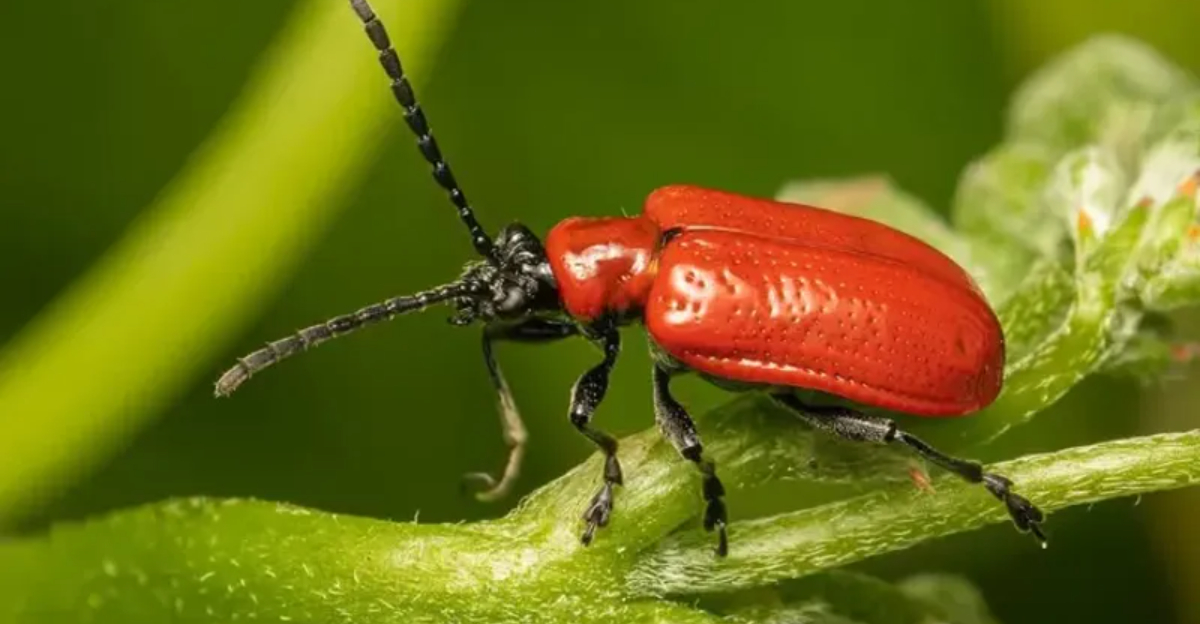
Few things are more disheartening than watching your beautiful lilies get devoured practically overnight. Lily leaf beetles are small, bright red beetles that specialize in destroying lilies and fritillarias, and they’ve been spreading westward across North America for years.
They haven’t reached Oregon in large numbers yet, but isolated sightings have been reported, and it’s only a matter of time before they become a bigger problem here.
Adult beetles are easy to spot they’re about a quarter-inch long and brilliant scarlet red with black legs and antennae. They lay orange eggs on the undersides of lily leaves, and when the larvae hatch, they cover themselves in their own excrement as camouflage.
It’s as gross as it sounds. Both adults and larvae chew irregular holes in leaves, and heavy infestations can completely defoliate a plant before it even blooms.
These beetles spread when adult insects fly to new gardens or when people unknowingly transport infested plants. They’re strong fliers and can cover significant distances during warm weather.
If you grow lilies, check the undersides of leaves regularly starting in early spring. Hand-picking works well if you catch them early—just drop the beetles into soapy water.
Remove any orange egg masses you find, and watch for the disgusting larvae covered in black slime. Consistent monitoring is your best defense against these voracious little pests.
8. Japanese Beetle

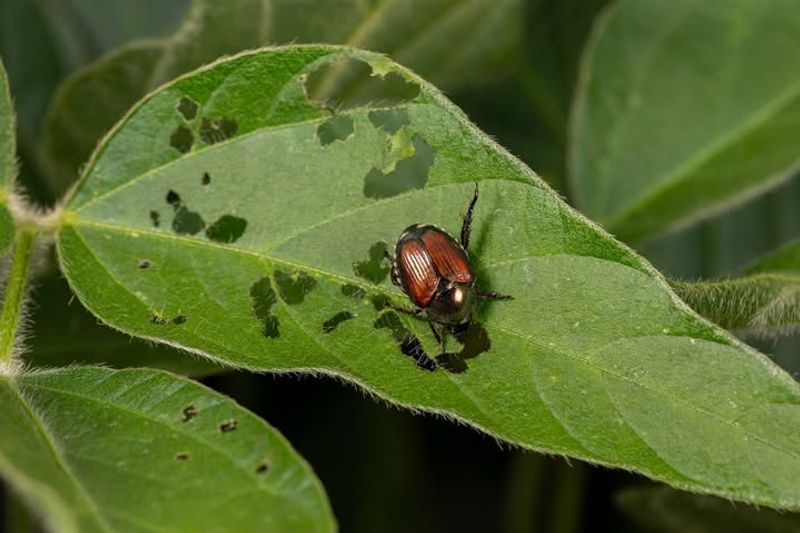
Japanese beetles are famous for their ability to skeletonize leaves, leaving behind just the veins in a lacy pattern that looks almost artistic until you realize your roses, grapes, or fruit trees are being destroyed. These metallic green and copper beetles have been a major pest in the eastern United States for decades, and while they’re not widespread in Oregon yet, they’ve been detected in several counties and seem to be slowly expanding their range.
Adult beetles feed in groups, which makes the damage happen fast. You’ll see them clustered on flowers and leaves during sunny days in summer, chewing away with surprising speed.
The larvae white grubs that look similar to European chafer grubs live in the soil and feed on grass roots. One generation per year is typical in Oregon’s climate, but that’s still enough to cause significant damage.
They spread through adult flight and in soil containing grubs. Nursery plants and sod can accidentally transport them to new areas.
If you find Japanese beetles in your garden, hand-picking in early morning when they’re sluggish is effective for small numbers. Drop them into soapy water, and check your plants daily during peak season.
Avoid using Japanese beetle traps in your yard they attract more beetles than they catch and can make your problem worse. Report any sightings to ODA so they can track the beetle’s spread across the state.
9. Mediterranean Oak Borer
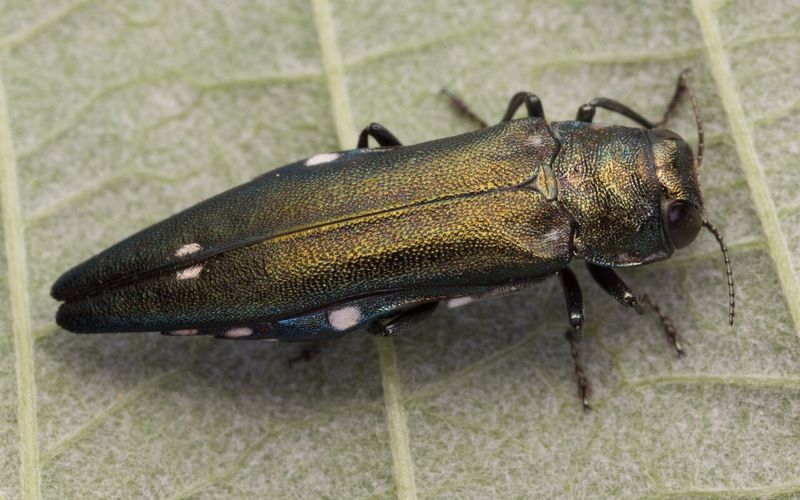
Oak trees are iconic in Oregon landscapes, and the Mediterranean oak borer poses a serious threat to them, especially in urban and suburban areas where trees are already stressed by heat, drought, and compacted soil. This beetle hasn’t been found in Oregon yet, but it’s established in California and spreading northward, so Oregon gardeners and homeowners need to know what to watch for.
Mediterranean oak borers attack oak trees that are already weakened, boring into the trunk and branches to lay eggs. The larvae tunnel under the bark, cutting off the tree’s ability to transport water and nutrients.
You’ll notice branch dieback starting in the upper canopy, oozing sap on the trunk, and D-shaped exit holes similar to those made by emerald ash borer. Heavily infested trees can die within a few years.
This beetle spreads through firewood and when adult beetles fly to nearby trees during warm weather. Keeping oak trees healthy is the best defense water deeply during dry spells, avoid wounding the bark, and don’t pile soil or mulch against the trunk.
If you notice sudden branch dieback or unusual holes in the bark of an oak tree, take photos and contact your local extension office or the Oregon Department of Agriculture.
Early detection and rapid response are the only ways to prevent this beetle from becoming established and threatening Oregon’s beloved oak trees across the state.