Your Go-To Guide For Growing Full And Bushy Chives In Minnesota
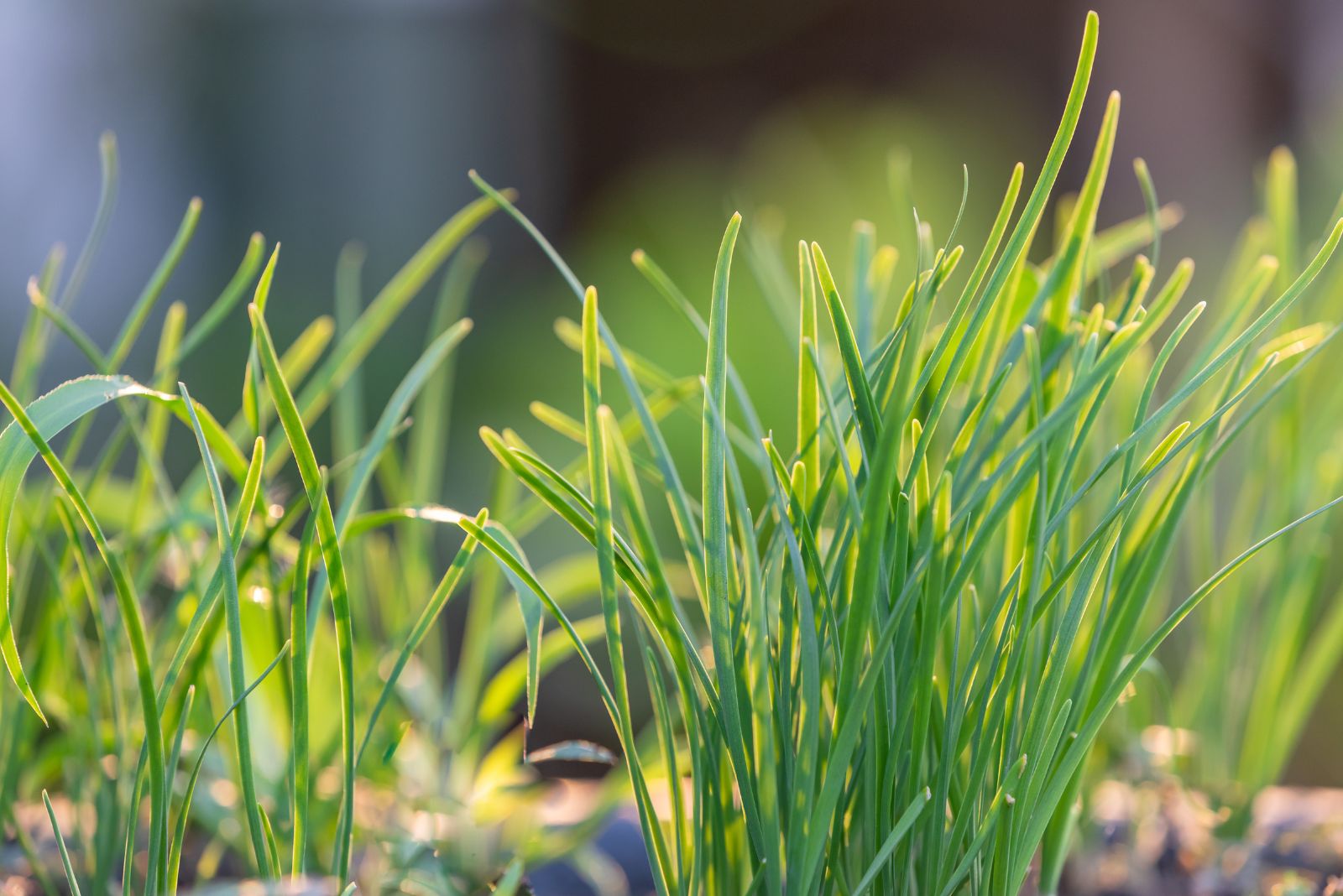
Growing chives in Minnesota can be easy, fun, and very rewarding when you know what to do. These hardy herbs love cool weather and can thrive in backyard gardens, raised beds, and even small containers.
The secret to thick chives is simple care and smart timing. Full, bushy chives are closer than you think.
Imagine stepping outside and snipping fresh chives whenever you need them. No store trips. No wilted herbs. Just bright green flavor at your fingertips.
Your kitchen garden can stay productive all season long. Minnesota’s climate gives chives the perfect balance of cool nights and sunny days.
With the right watering, trimming, and soil setup, your plants can grow stronger and fuller every week.
From early spring to late fall, chives can keep producing again and again. When you see how fast they grow, you’ll want to plant even more.
1. Choose A Sunny Spot With Well-Draining Soil
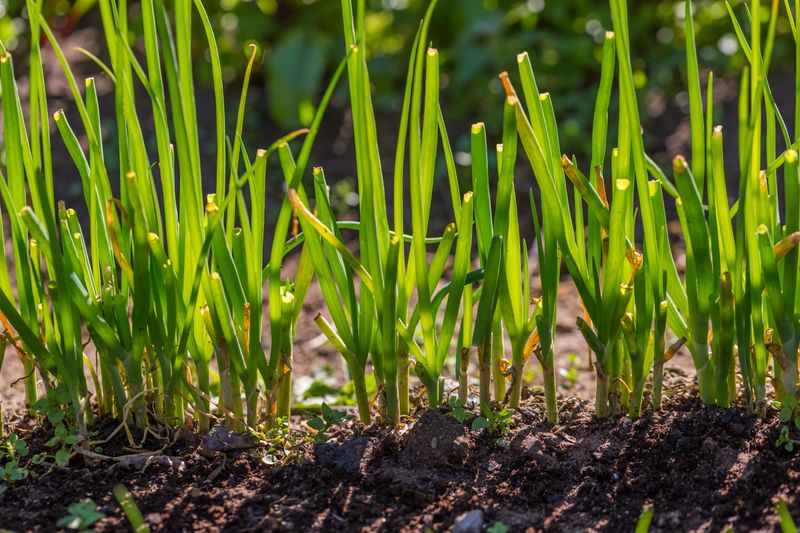
Location is everything when it comes to growing chives successfully in Minnesota. Chives absolutely love sunlight, and the more they get, the fuller and bushier they will become.
Aim for a spot that receives at least six hours of direct sunlight each day, though they can tolerate partial shade if necessary. Minnesota summers provide plenty of sunshine, so take advantage of those long, bright days to help your chives flourish.
If you are planting in a garden bed, make sure the area is not too shaded by trees or buildings.
Well-draining soil is just as important as sunlight for healthy chive growth. Chives do not like to sit in waterlogged soil, which can lead to root rot and other problems.
Minnesota soil varies widely across the state, so you may need to amend your soil with compost or sand to improve drainage. A soil pH between 6.0 and 7.0 is ideal for chives, which is slightly acidic to neutral.
You can test your soil with a simple kit from a garden center to make sure it is in the right range.
If you do not have a suitable outdoor space, chives grow wonderfully in containers as well. Choose a pot with drainage holes and fill it with a high-quality potting mix.
Place the container in a sunny window or on a patio where it will get plenty of light. Container-grown chives are perfect for apartment dwellers or anyone with limited garden space in Minnesota.
With the right location and soil conditions, your chives will develop thick, lush clumps that you can harvest all season long.
2. Start With Quality Seeds Or Transplants
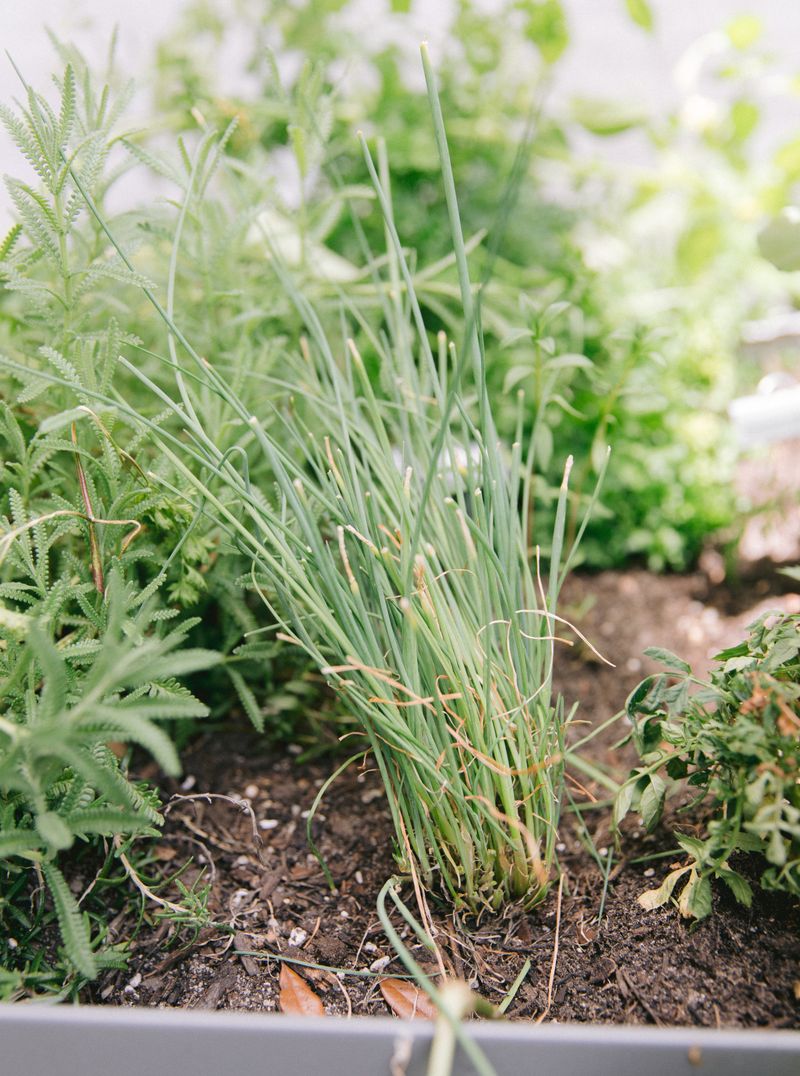
Getting your chives off to a strong start begins with choosing quality seeds or transplants. You can find chive seeds at most garden centers and nurseries throughout Minnesota, or you can order them online from reputable seed companies.
Seeds are an affordable option and give you the satisfaction of growing your chives from scratch. However, chives grown from seed can take a bit longer to establish compared to transplants.
If you are eager to start harvesting sooner, purchasing young chive plants from a local nursery is a great shortcut.
Your Minnesota Garden Changes Every Week. Your Plan Should Too.
Gardening in Minnesota changes quickly throughout the season. Every Friday you’ll receive a simple weekly plan showing exactly what to plant, prune, fertilize, harvest, and protect so you never miss the right timing.
When selecting transplants, look for plants with vibrant green leaves and healthy root systems. Avoid any that look yellowed, wilted, or have signs of pests or disease.
Many Minnesota garden centers stock chives in the spring, which is the perfect time to plant them outdoors. You can also find chives at farmers markets, where local growers often sell herb starts that are already adapted to Minnesota’s climate.
This can give your plants a head start and help them adjust more quickly to your garden.
If you choose to grow from seed, start them indoors about six to eight weeks before the last frost date in Minnesota, which typically falls in late April or early May depending on your region.
Plant the seeds in small pots or seed trays filled with seed-starting mix, and keep them in a warm, sunny spot.
Once the seedlings have a few sets of leaves and the weather has warmed up, you can transplant them outdoors. Whether you start with seeds or transplants, quality plants will reward you with robust growth and plenty of flavorful leaves.
3. Water Consistently But Do Not Overdo It
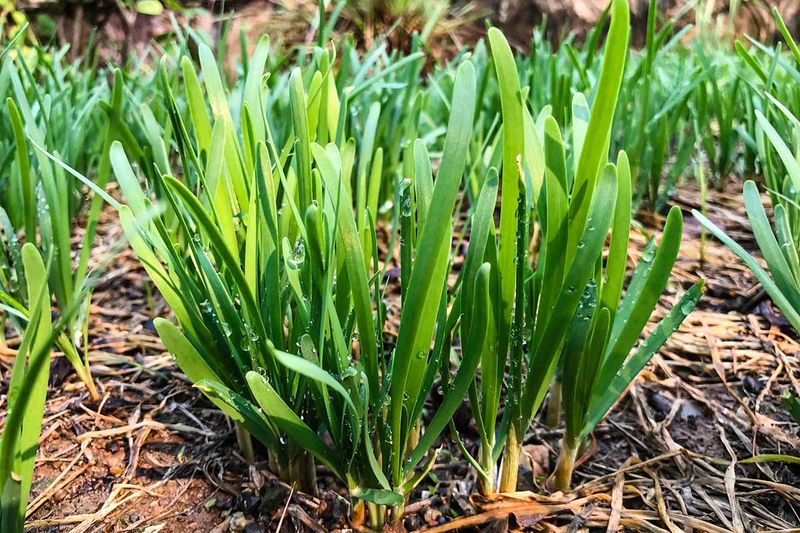
Watering is a balancing act when it comes to growing bushy chives in Minnesota. Chives prefer consistent moisture, but they do not like to be waterlogged.
During the growing season, aim to keep the soil evenly moist, especially during hot, dry spells that are common in Minnesota summers. A good rule of thumb is to water when the top inch of soil feels dry to the touch.
This usually means watering once or twice a week, depending on rainfall and temperature.
Overwatering can be just as harmful as underwatering, so pay attention to how your plants respond. If the leaves start to turn yellow or the plant looks droopy even after watering, you may be giving it too much water.
Minnesota’s clay-heavy soils in some areas can hold water longer, so adjust your watering schedule accordingly. Using mulch around your chive plants can help retain moisture and reduce the need for frequent watering.
Organic mulch like straw or shredded leaves also adds nutrients to the soil as it breaks down.
If you are growing chives in containers, they will dry out faster than garden-planted chives, so check them more frequently. Make sure your pots have drainage holes to prevent water from pooling at the bottom.
During Minnesota’s rainy spring months, you may not need to water at all, but keep an eye on the weather and adjust as needed. Consistent watering will encourage your chives to produce thick, lush growth and keep them healthy throughout the season.
4. Fertilize Lightly For Maximum Growth
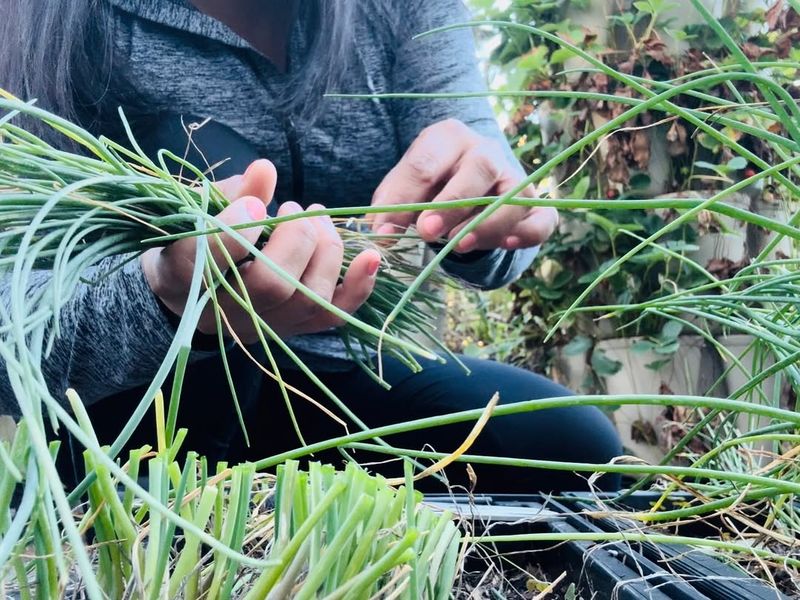
Chives are not heavy feeders, but a little fertilizer can go a long way in helping them grow full and bushy in Minnesota. A balanced, all-purpose fertilizer applied in the spring will give your chives the nutrients they need to thrive.
Look for a fertilizer with equal amounts of nitrogen, phosphorus, and potassium, such as a 10-10-10 formula. Apply it according to the package directions, being careful not to over-fertilize, which can lead to excessive leaf growth at the expense of flavor.
Organic options like compost or well-rotted manure are excellent choices for chives and will enrich the soil over time. Spread a thin layer of compost around the base of your plants in early spring, and the nutrients will gradually release as the compost breaks down.
This method is gentle and provides a steady supply of nutrients throughout the growing season. Minnesota gardeners often have access to great compost materials, from fallen leaves to grass clippings, so take advantage of these free resources.
If you are growing chives in containers, you may need to fertilize more frequently because nutrients wash out faster with regular watering. A liquid fertilizer diluted to half strength and applied every few weeks during the growing season works well for potted chives.
Avoid fertilizing late in the season, as this can encourage new growth that may not harden off before Minnesota’s first frost. With the right amount of fertilizer, your chives will develop thick clumps of flavorful leaves that you can harvest again and again.
5. Harvest Regularly To Encourage Bushier Growth
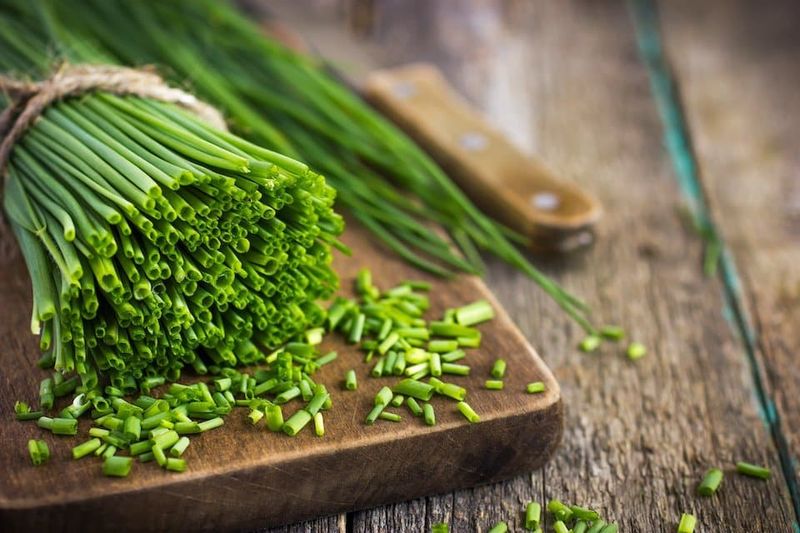
One of the best-kept secrets to growing bushy chives in Minnesota is to harvest them often. Regular harvesting actually encourages the plant to produce more shoots, resulting in a fuller, thicker clump.
You can start harvesting your chives once they reach about six inches tall, which usually happens a few weeks after planting.
Use sharp scissors or garden shears to cut the leaves about two inches above the soil line. This allows the plant to regrow quickly and keeps it looking neat and tidy.
Avoid pulling or tearing the leaves, as this can damage the plant and slow down regrowth. Instead, snip off what you need and leave the rest to continue growing.
Chives are incredibly productive, and you can harvest them multiple times throughout the growing season in Minnesota.
The more you cut, the more they will grow back, so do not be shy about using them in your cooking. Fresh chives add a mild onion flavor to salads, soups, omelets, and more.
If you notice your chives starting to flower, you can choose to harvest the blossoms as well. The purple flowers are edible and make a beautiful garnish, plus they taste slightly oniony just like the leaves.
However, if you want to focus on leaf production, it is a good idea to remove the flower stalks as soon as they appear. This redirects the plant’s energy back into producing more foliage.
Minnesota’s growing season is long enough to allow for multiple harvests, so keep snipping and enjoy the fresh flavor all summer and into fall.
6. Divide Clumps Every Few Years For Healthier Plants
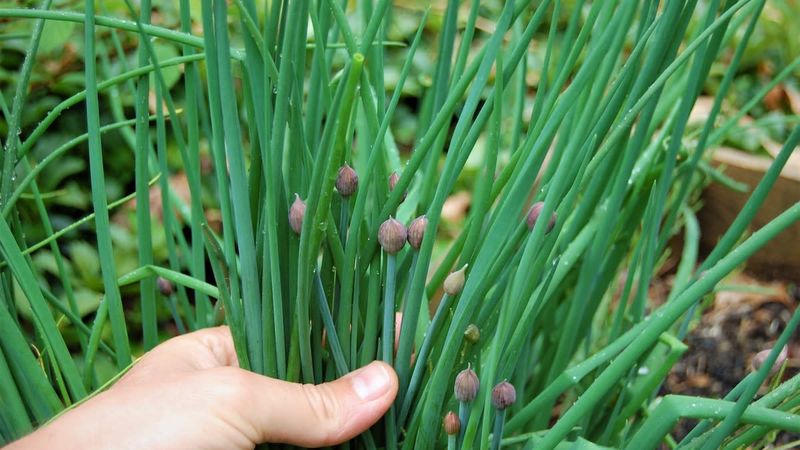
Chives are perennials, which means they come back year after year in Minnesota, but they can become crowded over time. Dividing your chive clumps every three to four years is essential for keeping them healthy and vigorous.
When chives get too crowded, the center of the clump can become weak and produce fewer leaves. Dividing them rejuvenates the plants and gives you more chives to spread around your garden or share with friends.
The best time to divide chives in Minnesota is in early spring, just as new growth begins to emerge, or in early fall after the growing season slows down. To divide your chives, carefully dig up the entire clump with a garden fork or spade, being careful not to damage the roots.
You will see that the clump is made up of many small bulbs clustered together. Gently pull or cut the clump into smaller sections, each with a handful of bulbs and roots attached.
Replant the divisions in prepared soil, spacing them about 12 inches apart to give them room to grow. Water them well after planting, and they will quickly establish themselves in their new locations.
Dividing chives not only keeps them healthy but also gives you more plants to enjoy. Minnesota gardeners often find that their chive clumps grow quite large due to the favorable climate, so division is a great way to manage their size and keep them producing abundantly.
With regular division, your chives will remain full and bushy for many years to come.
7. Protect From Harsh Winter Conditions
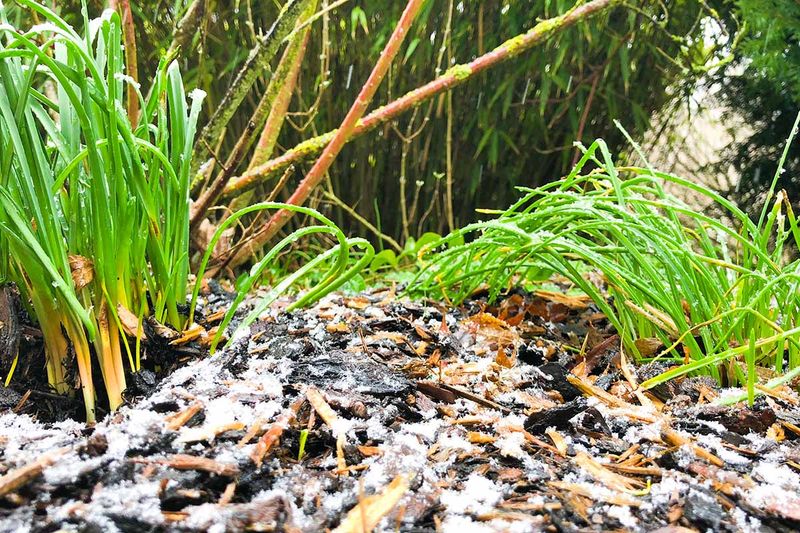
Even though chives are incredibly cold-hardy and can survive Minnesota winters, a little extra protection can help them come back even stronger in the spring. Chives naturally go dormant when temperatures drop, and their leaves will turn brown and wither away.
This is completely normal, and the plant is simply resting underground until warmer weather returns. However, providing some winter protection can prevent damage from extreme cold snaps and freeze-thaw cycles that are common in Minnesota.
One simple way to protect your chives is to apply a thick layer of mulch over the planting area after the ground has frozen. Straw, shredded leaves, or pine needles work well and help insulate the soil.
This keeps the temperature more stable and prevents the roots from being damaged by repeated freezing and thawing. Minnesota winters can be unpredictable, so this extra layer of protection is a smart precaution.
Just be sure to remove the mulch in early spring once the ground begins to thaw so the new shoots can emerge easily.
If you are growing chives in containers, you have a couple of options for winter care. You can bring the pots indoors and place them in a sunny window, where they will continue to grow slowly throughout the winter.
Alternatively, you can bury the pots in the ground up to their rims and mulch over them, or move them to an unheated garage or shed.
With proper winter care, your chives will survive even the coldest Minnesota winters and reward you with fresh growth as soon as spring arrives.