These 10 Perennials Bloom Strong In Their First Year In Missouri Gardens
Missouri gardens don’t always reward patience, especially when fresh beds look empty early in the season. Perennials that bloom in their first year change that feeling fast.
Plants that flower right away bring instant color and make new plantings feel intentional instead of unfinished.
Missouri’s unpredictable springs favor perennials that establish quickly and don’t hesitate once they’re in the ground.
Strong first-year bloomers give gardens a sense of momentum while slower plants are still settling in.
These perennials focus energy on flowers instead of cautious growth, which makes the payoff visible almost immediately. Early blooms help shape the look of a garden from the very first season.
For Missouri gardens, perennials that perform right away often become reliable favorites rather than temporary additions.
1. Coneflower
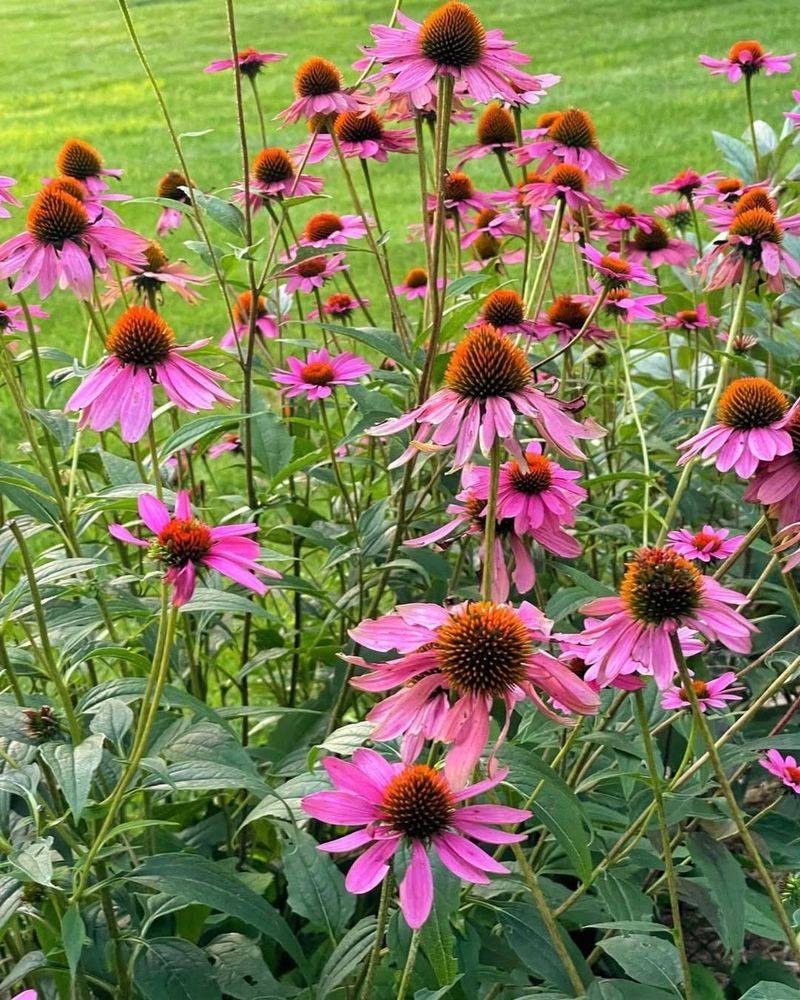
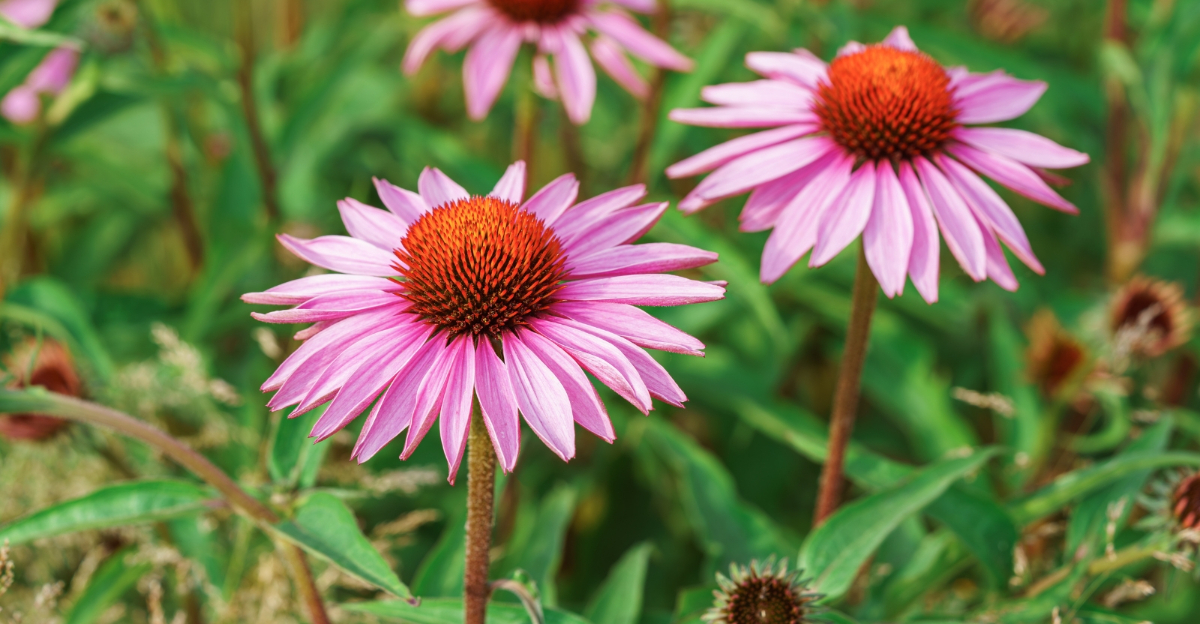
Purple petals with spiky orange centers make this native wildflower a standout in any Missouri garden bed. Coneflowers handle heat, humidity, and occasional dry spells without much fuss.
They start blooming in early summer and keep going until fall arrives.
Pollinators love visiting these flowers all season long. Bees, butterflies, and even goldfinches show up to feed on the seeds later in the year.
Your garden becomes a lively habitat when you add a few of these plants.
Missouri summers can be tough on delicate flowers, but coneflowers thrive in those conditions. They don’t need constant watering or special soil to perform well.
Once established, they come back year after year with even more blooms.
Planting them in full sun gives you the best results. Space them about 18 inches apart so air can circulate around each plant.
Deadheading spent blooms encourages more flowers, but leaving some seed heads feeds the birds.
Coneflowers grow 2 to 4 feet tall depending on the variety. Shorter types work well in containers or along borders.
Taller ones make excellent backdrops for smaller plants in mixed beds.
They pair beautifully with grasses, black-eyed Susans, and other prairie-style plants. Their upright form adds structure to informal garden designs.
Even beginners find success with these reliable bloomers.
Missouri gardeners appreciate plants that don’t require a lot of maintenance. Coneflowers fit that description perfectly.
They resist most pests and diseases, so you spend less time troubleshooting problems.
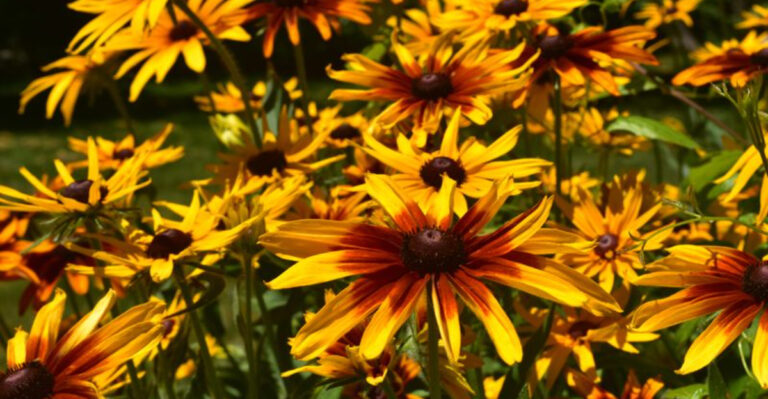
2. Black-Eyed Susan
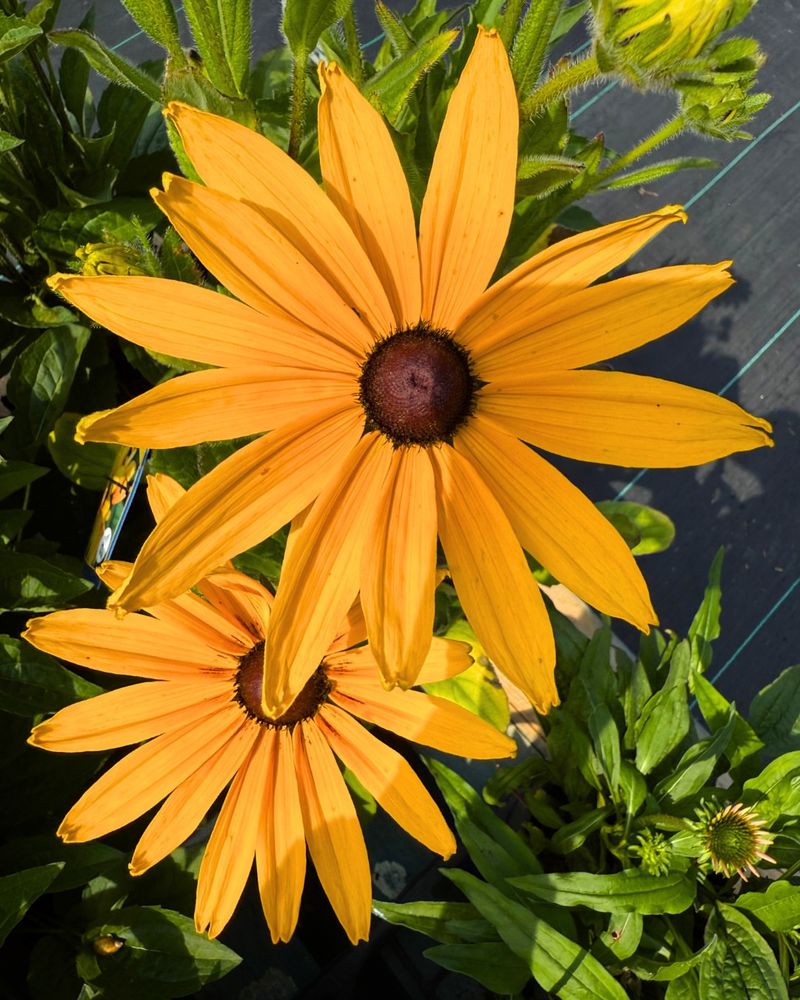
Bright yellow petals surrounding dark chocolate centers create a cheerful display that lights up garden beds across Missouri. These tough plants laugh at summer heat and keep blooming through August and September.
Their sunny faces turn any dull corner into a vibrant spot.
Birds and butterflies can’t resist stopping by for a visit. The nectar attracts swallowtails and skippers throughout the warm months.
Later, finches feast on the seeds, giving you entertainment well into autumn.
Missouri’s clay soil doesn’t bother black-eyed Susans one bit. They adapt to almost any soil type as long as drainage is decent.
Even gardeners with challenging sites find success with these adaptable bloomers.
Full sun brings out the most flowers, but they tolerate a bit of shade too. Watering during dry spells helps, but they’re surprisingly drought-tolerant once their roots spread.
Your Missouri Garden Changes Every Week. Your Plan Should Too.
Gardening in Missouri changes quickly throughout the season. Every Friday you’ll receive a simple weekly plan showing exactly what to plant, prune, fertilize, harvest, and protect so you never miss the right timing.
You won’t spend hours fussing over these plants.
They grow 1 to 3 feet tall depending on the cultivar. Shorter varieties work well in front of borders or in containers.
Taller types make bold statements in the middle or back of beds.
Pairing them with purple coneflowers or ornamental grasses creates a classic prairie look. Their golden blooms contrast beautifully with blue salvias and catmint.
Mixing textures and colors makes your garden feel professionally designed.
Missouri gardeners love plants that come back stronger each year. Black-eyed Susans self-seed gently, filling in bare spots without becoming invasive.
You’ll notice more plants popping up in following seasons.
Starting with transplants means you’ll see blooms in the first summer.
3. Coreopsis
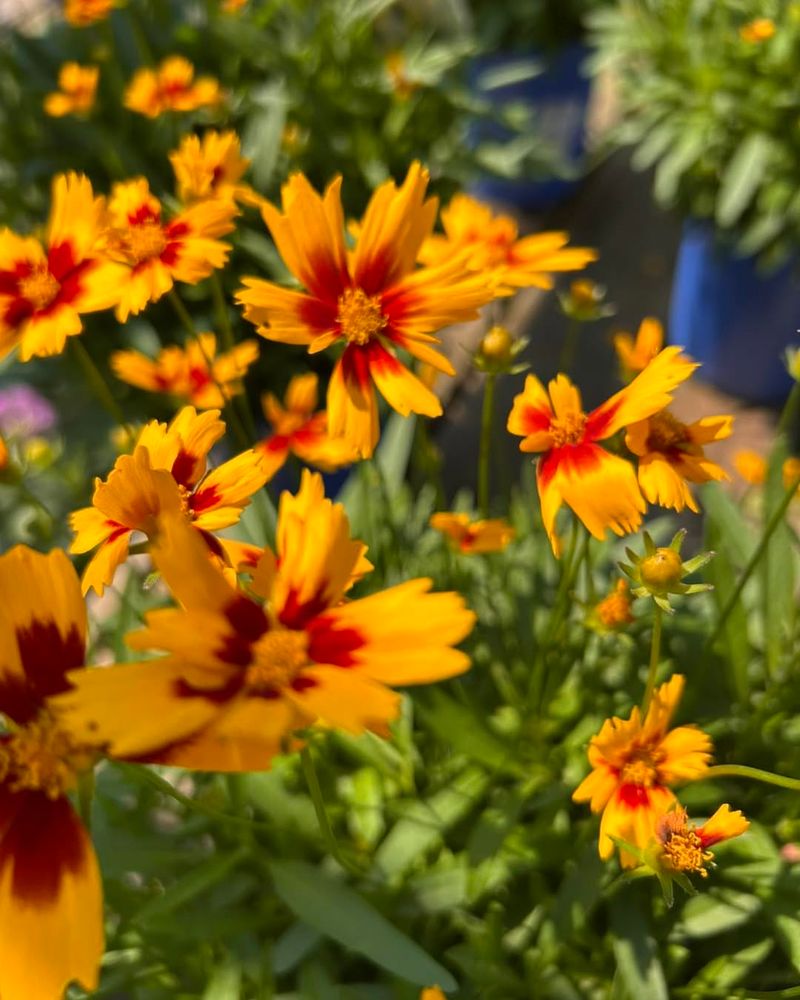
Golden blooms cover these plants from late spring through summer, creating a carpet of sunshine in Missouri gardens. Coreopsis flowers are small but abundant, giving you a cheerful display that never quits.
Their delicate appearance hides a tough constitution that handles heat and humidity.
Butterflies flock to these flowers like kids to candy. The open blooms make it easy for pollinators to access nectar.
Your garden becomes a butterfly haven when you plant a few clumps of coreopsis.
Missouri’s unpredictable weather doesn’t faze these hardy plants. They bounce back from late spring frosts and keep blooming through summer storms.
Their resilience makes them a favorite among gardeners who want reliable color.
Planting them in well-drained soil and full sun gives the best results. They don’t need rich soil or frequent feeding to thrive.
In fact, too much fertilizer can reduce flowering and make plants floppy.
Most varieties grow 1 to 2 feet tall, making them perfect for front or middle garden positions. Their airy texture contrasts nicely with bolder plants like daylilies or salvia.
Mixing heights and forms creates visual interest.
Deadheading spent blooms encourages more flowers, but it’s not strictly necessary. Even without deadheading, coreopsis blooms heavily in its first season.
You can choose how much maintenance you want to invest.
Missouri gardeners appreciate plants that don’t demand constant attention. Coreopsis fits that bill perfectly, thriving on neglect once established.
They’re also resistant to most pests and diseases, saving you time and worry.
4. Blanket Flower
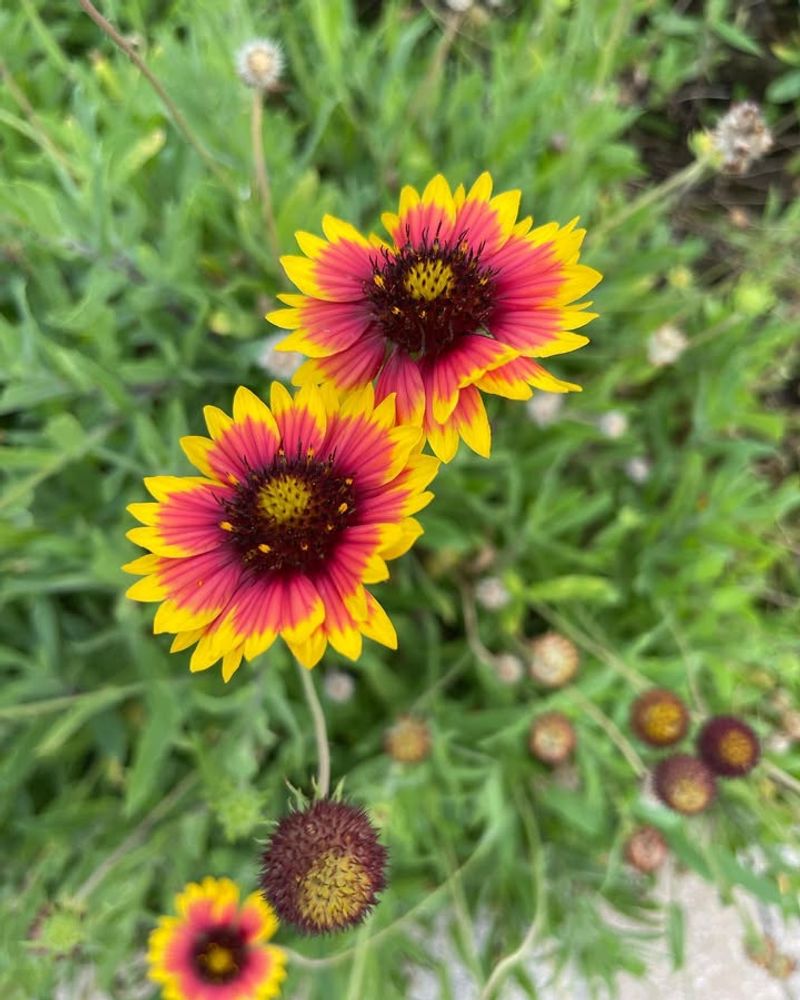
Fiery red and yellow petals create a sunset effect in Missouri gardens from early summer through frost. Blanket flowers bring bold color that doesn’t fade even in the hottest weather.
Their vibrant blooms look like tiny fireworks exploding across your garden beds.
Pollinators visit these flowers constantly, making your garden a buzzing hub of activity. Bees and butterflies appreciate the easy access to nectar.
Watching them work the blooms is as entertaining as the flowers themselves.
Missouri’s heat and humidity don’t slow blanket flowers down one bit. They actually prefer hot, sunny conditions and bloom more heavily in full sun.
Poor soil doesn’t bother them either, making them ideal for challenging spots.
Planting them in well-drained soil is the only real requirement. They tolerate drought once established and don’t need frequent watering.
Overwatering can cause root problems, so less is more with these tough plants.
They grow 12 to 24 inches tall depending on the variety. Their compact size makes them perfect for front borders, containers, or rock gardens.
Their spreading habit fills spaces quickly without becoming invasive.
Pairing them with blue or purple flowers creates stunning color contrasts. They also look great with ornamental grasses or silver-leaved plants.
Mixing textures and colors makes your garden feel thoughtfully designed.
Missouri gardeners love plants that bloom nonstop from summer through fall. Blanket flowers deliver that kind of performance without demanding much care.
They resist pests and diseases, so you spend less time troubleshooting.
5. Salvia
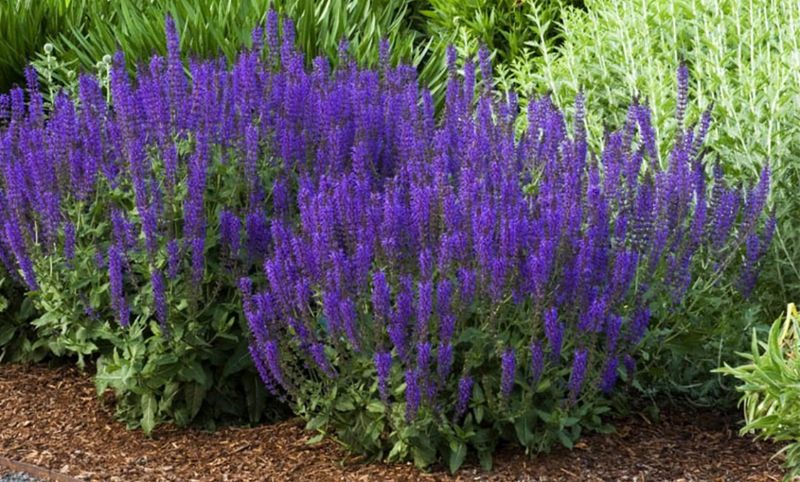
Spikes of blue, purple, or pink flowers rise above green foliage, creating vertical interest in Missouri gardens all summer long. Salvia blooms attract hummingbirds and butterflies like magnets.
Their upright form adds structure to informal plantings and cottage-style gardens.
Missouri’s hot summers don’t bother salvia plants at all. They thrive in heat and humidity, blooming more heavily as temperatures rise.
Their toughness makes them ideal for gardeners who want color without constant care.
Planting them in full sun and well-drained soil gives the best results. They tolerate some shade but bloom less heavily in low light.
Once established, they handle dry spells without wilting or dropping buds.
Most varieties grow 1 to 3 feet tall, depending on the cultivar. Shorter types work well in containers or front borders.
Taller varieties make excellent middle or back-of-border plants that anchor mixed beds.
Deadheading spent flower spikes encourages more blooms throughout the season. Even without deadheading, salvia blooms heavily in its first year.
You can choose how much effort you want to put into maintenance.
Pairing salvia with yellow or white flowers creates eye-catching combinations. Their vertical spikes contrast beautifully with rounded or daisy-shaped blooms.
Mixing forms and colors makes your garden feel professionally designed.
6. Catmint
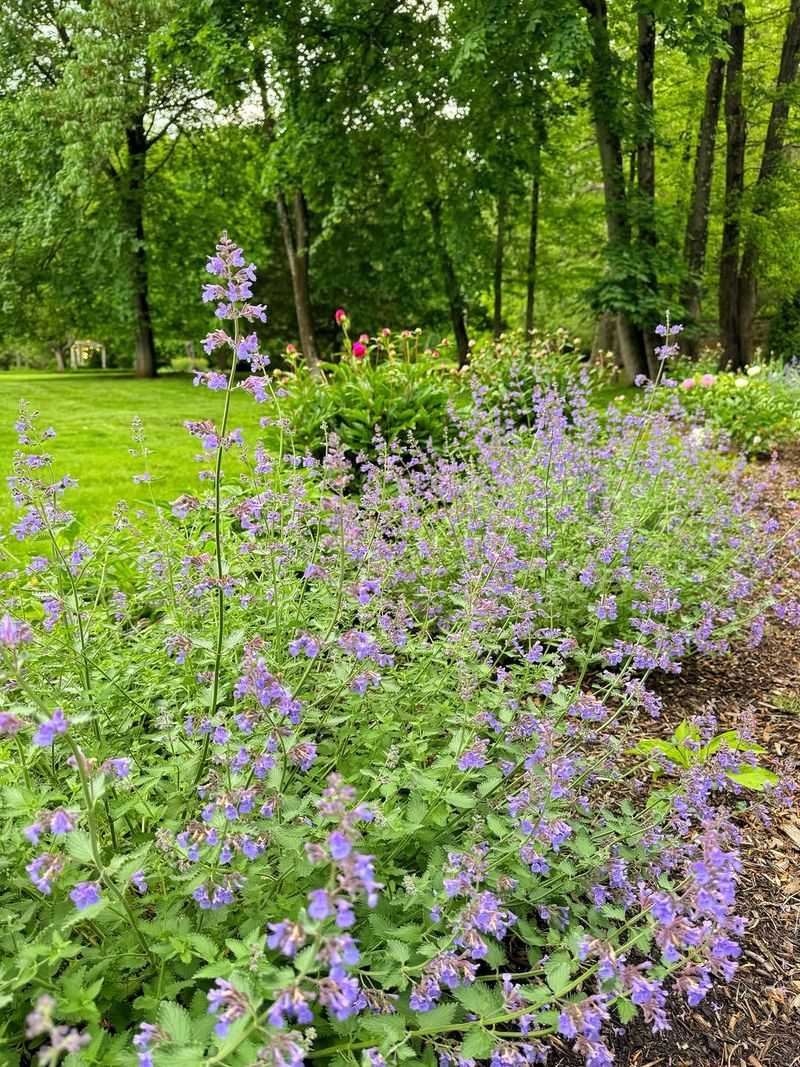
Soft purple-blue flowers cover mounds of fragrant gray-green foliage from late spring through summer in Missouri gardens. Catmint’s relaxed form softens hard edges and fills spaces between more upright plants.
Its aromatic leaves release a pleasant scent when brushed.
Pollinators visit catmint constantly, making it a favorite among bees and butterflies. The tubular flowers provide easy access to nectar.
Your garden becomes a pollinator paradise when you plant a few clumps of this reliable bloomer.
Missouri’s heat and humidity don’t bother catmint one bit. It thrives in full sun and tolerates drought once established.
Even clay soil doesn’t slow it down, making it ideal for challenging sites.
Planting catmint in well-drained soil gives the best results. It doesn’t need rich soil or frequent feeding to bloom heavily.
In fact, lean soil often produces more compact, floriferous plants.
Most varieties grow 12 to 24 inches tall and spread about as wide. Their mounding habit makes them perfect for edging paths or softening border fronts.
They also work well in containers or rock gardens.
Shearing plants back after the first flush of blooms encourages a second round of flowers. Even without shearing, catmint blooms for months in its first season.
You can choose how much maintenance you want to invest.
Pairing catmint with roses or other bright flowers creates classic combinations. Its soft color complements almost anything.
Mixing it with plants that have bold foliage adds textural interest.
7. Yarrow
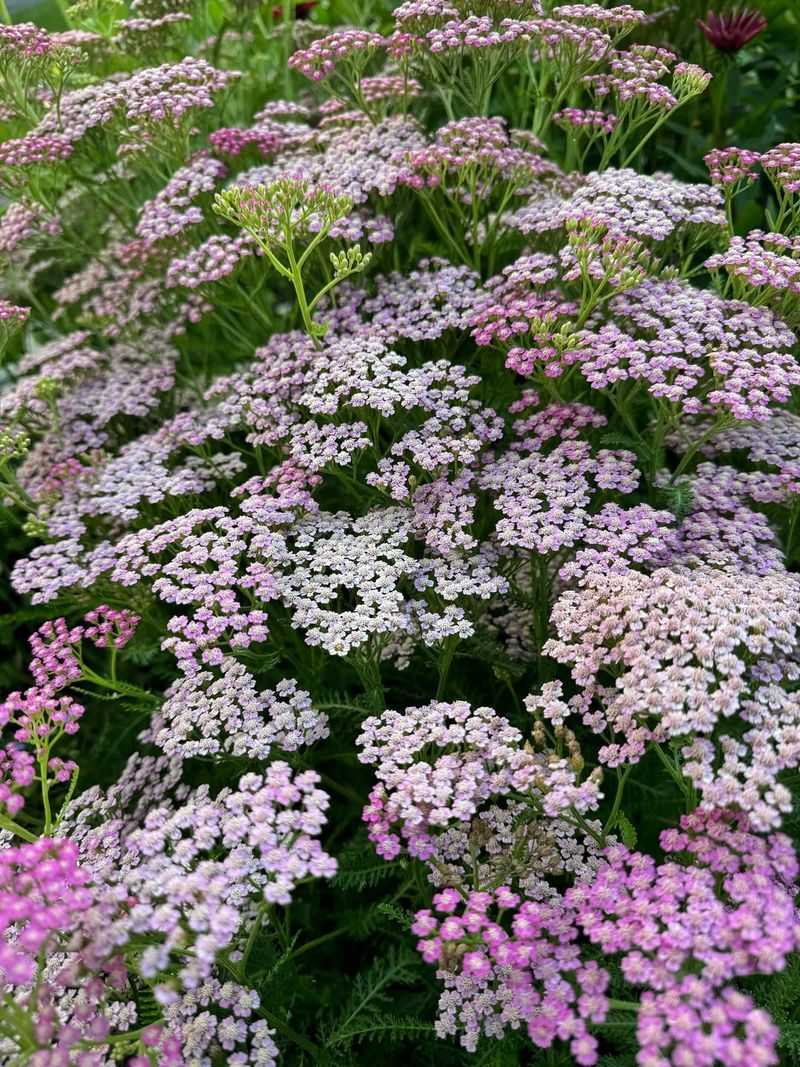
Flat clusters of tiny flowers in shades of yellow, pink, red, or white create a landing pad for butterflies in Missouri gardens. Yarrow’s feathery foliage adds fine texture that contrasts beautifully with bolder plants.
Its upright stems hold flowers high above the leaves, making them easy to see.
Pollinators love yarrow’s flat flower clusters, which make perfect landing pads. Bees, butterflies, and beneficial insects visit constantly throughout the blooming season.
Your garden becomes a haven for helpful critters when you plant yarrow.
Missouri’s heat and humidity don’t faze yarrow plants at all. They thrive in full sun and tolerate drought once their roots establish.
Poor soil doesn’t bother them either, making them ideal for tough spots.
Planting yarrow in well-drained soil is the main requirement. They actually prefer lean soil over rich, amended beds.
Too much fertility can make plants flop and reduce flowering.
Most varieties grow 2 to 3 feet tall, making them excellent middle or back-of-border plants. Their upright form adds structure to informal plantings.
They also work well in cutting gardens since flowers last long in vases.
Deadheading spent blooms encourages more flowers, but it’s not strictly necessary. Even without deadheading, yarrow blooms heavily in its first season.
You can choose how much effort you want to put into maintenance.
8. Bee Balm
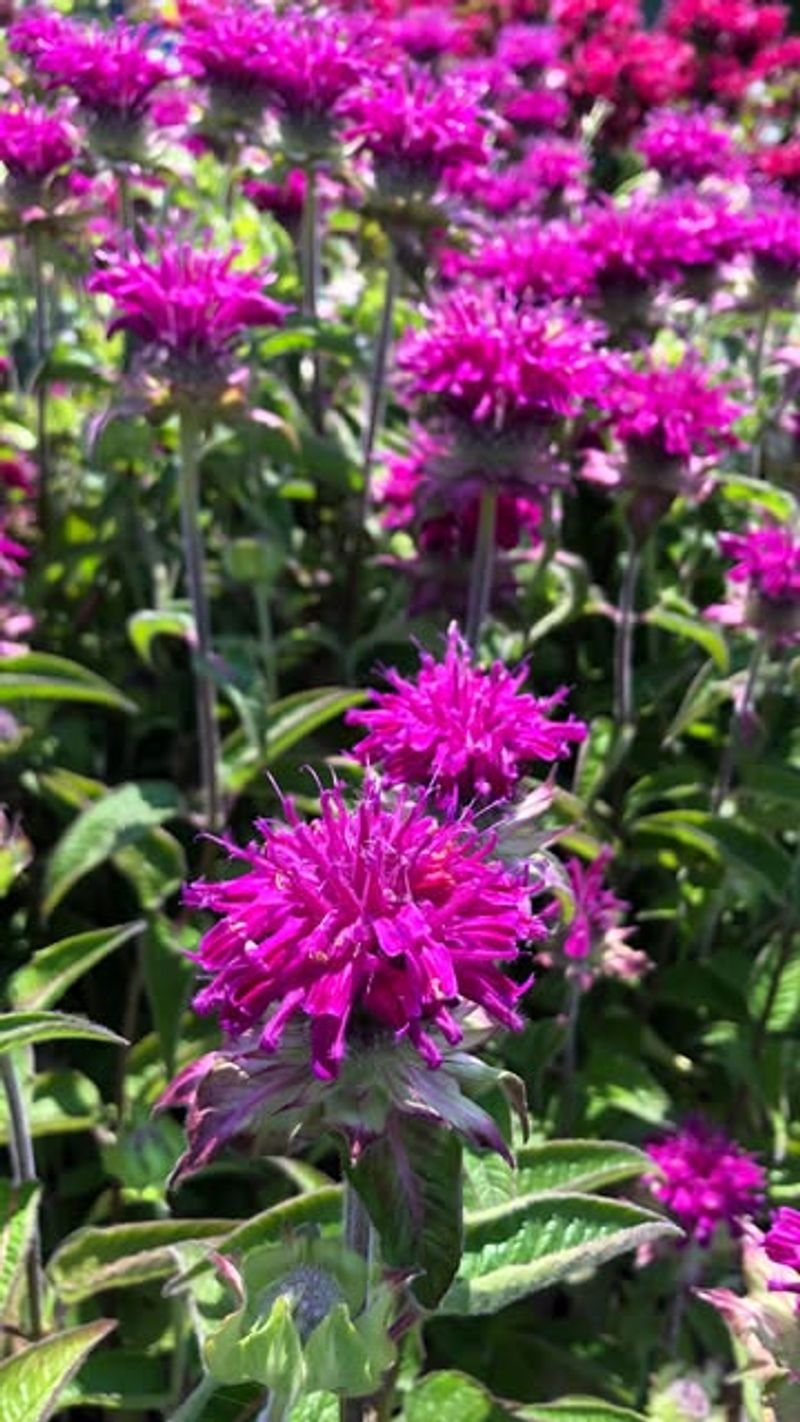
Shaggy clusters of red, pink, or purple flowers draw hummingbirds to Missouri gardens like nothing else. Bee balm’s tubular blooms provide nectar that hummers can’t resist.
The aromatic foliage adds a minty fragrance that fills the air when brushed.
Butterflies and bees also visit bee balm constantly throughout the blooming season. The flowers are perfectly shaped for pollinator access.
Your garden becomes a wildlife haven when you plant a few clumps of this native perennial.
Missouri’s summers can be hot and humid, but bee balm handles those conditions well. It prefers moist soil but tolerates some drought once established.
Planting it in full sun to partial shade gives the best results.
Good air circulation helps prevent powdery mildew, which can affect some varieties. Choosing mildew-resistant cultivars saves you trouble.
Spacing plants properly and avoiding overhead watering also helps keep foliage healthy.
Most varieties grow 2 to 4 feet tall, making them excellent middle or back-of-border plants. Their upright form adds vertical interest to mixed plantings.
They also work well in cottage-style gardens or pollinator gardens.
9. Daylily
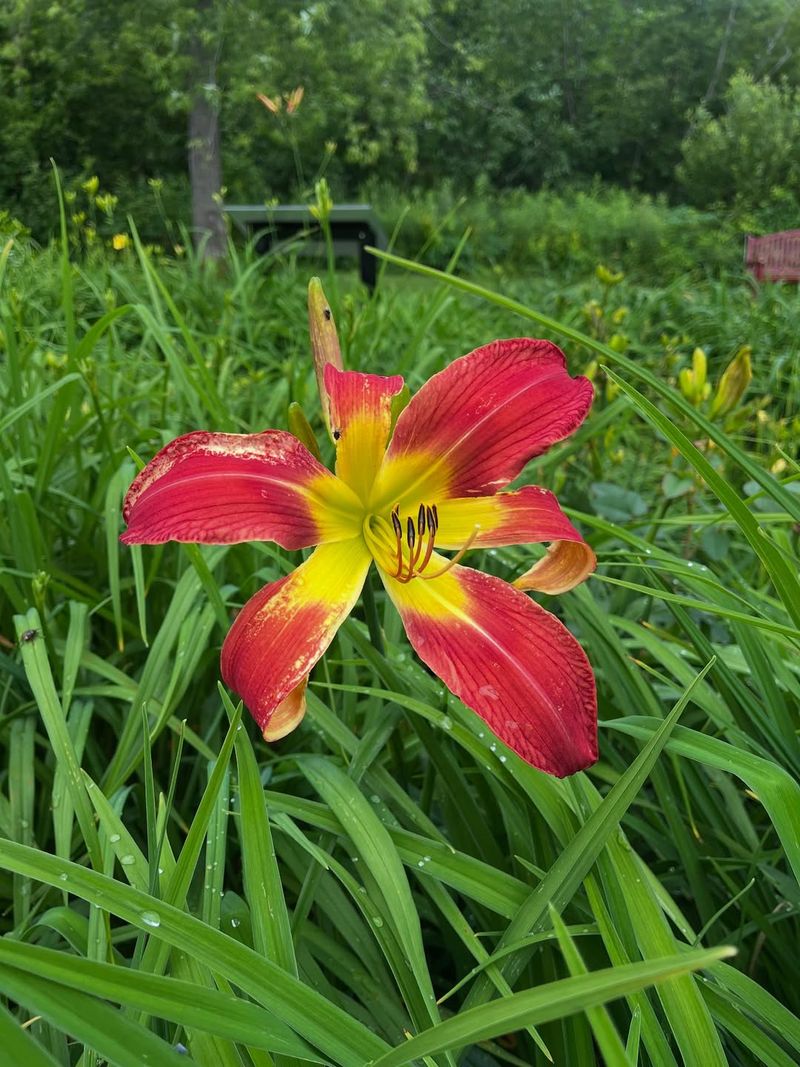
Trumpet-shaped blooms in every color except blue open each morning and fade by evening in Missouri gardens. Daylilies produce so many buds that you get weeks of continuous color from each clump.
Their grassy foliage looks tidy even when plants aren’t blooming.
Missouri’s heat and humidity don’t slow daylilies down one bit. They thrive in full sun to partial shade and tolerate a wide range of soil types.
Even clay soil doesn’t bother them, making them ideal for challenging sites.
Planting daylilies in well-drained soil gives the best results. They don’t need rich soil or frequent feeding to bloom heavily.
Once established, they tolerate drought better than most perennials.
Most varieties grow 1 to 3 feet tall depending on the cultivar. Shorter types work well in front borders or containers.
Taller varieties make bold statements in the middle or back of beds.
Deadheading spent blooms keeps plants looking tidy, but it’s not necessary for continued flowering. Each flower lasts only one day, but plants produce so many buds that you won’t notice.
You’ll enjoy weeks of color without much effort.
Pairing daylilies with plants that have contrasting foliage creates interesting combinations. Their strap-like leaves contrast nicely with rounded or ferny foliage.
Mixing textures makes your garden feel professionally designed.
10. Russian Sage
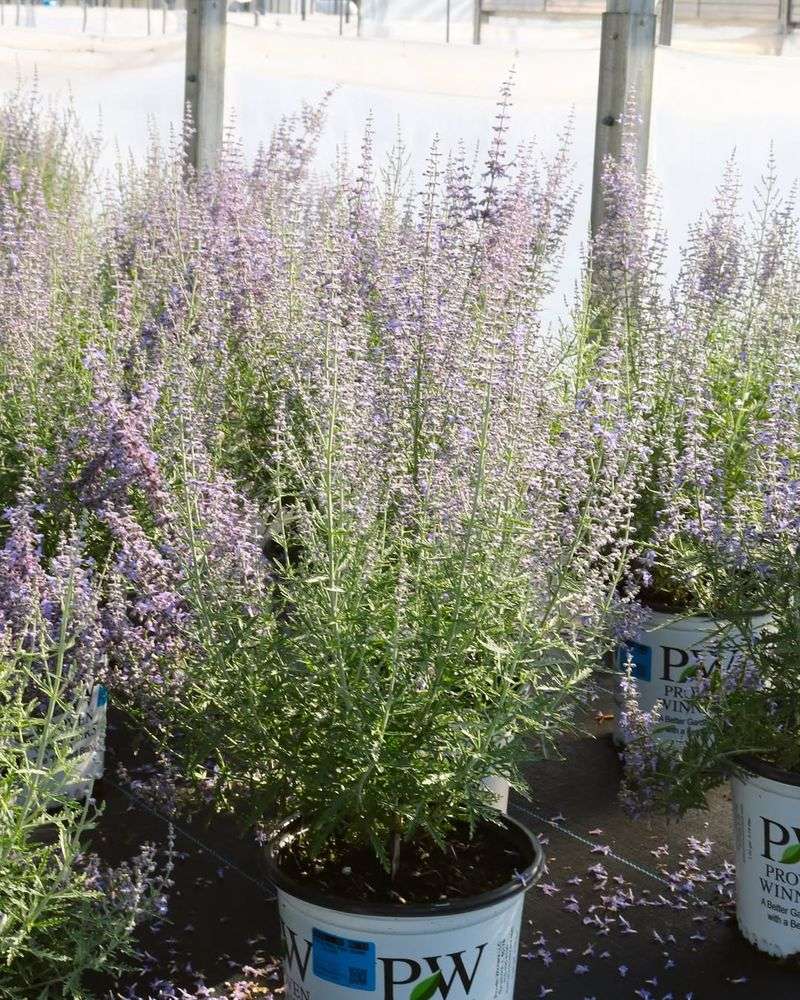
Airy spikes of lavender-blue flowers float above silvery foliage from midsummer through fall in Missouri gardens. Russian sage’s fine texture and soft color create a hazy effect that softens bold plantings.
Its aromatic leaves release a pleasant scent when brushed.
Pollinators visit Russian sage constantly, especially late in the season when other flowers fade. Bees and butterflies appreciate the reliable nectar source.
Your garden becomes a pollinator haven when you plant this tough perennial.
Missouri’s heat and humidity don’t bother Russian sage at all. It thrives in full sun and tolerates drought once established.
Poor soil doesn’t slow it down either, making it ideal for challenging sites.
Planting Russian sage in well-drained soil is essential. It doesn’t tolerate wet feet and can rot in poorly drained areas.
Once established, it needs little water and no fertilizer to bloom heavily.
Most varieties grow 3 to 5 feet tall and about as wide. Their size makes them excellent back-of-border plants or focal points.
They also work well as informal hedges or mass plantings.
Cutting plants back by half in late spring encourages bushier growth and more flowers. Even without pruning, Russian sage blooms heavily in its first season.
You can choose how much maintenance you want to invest.