Raised Garden Beds That Could Require Permission In New Jersey
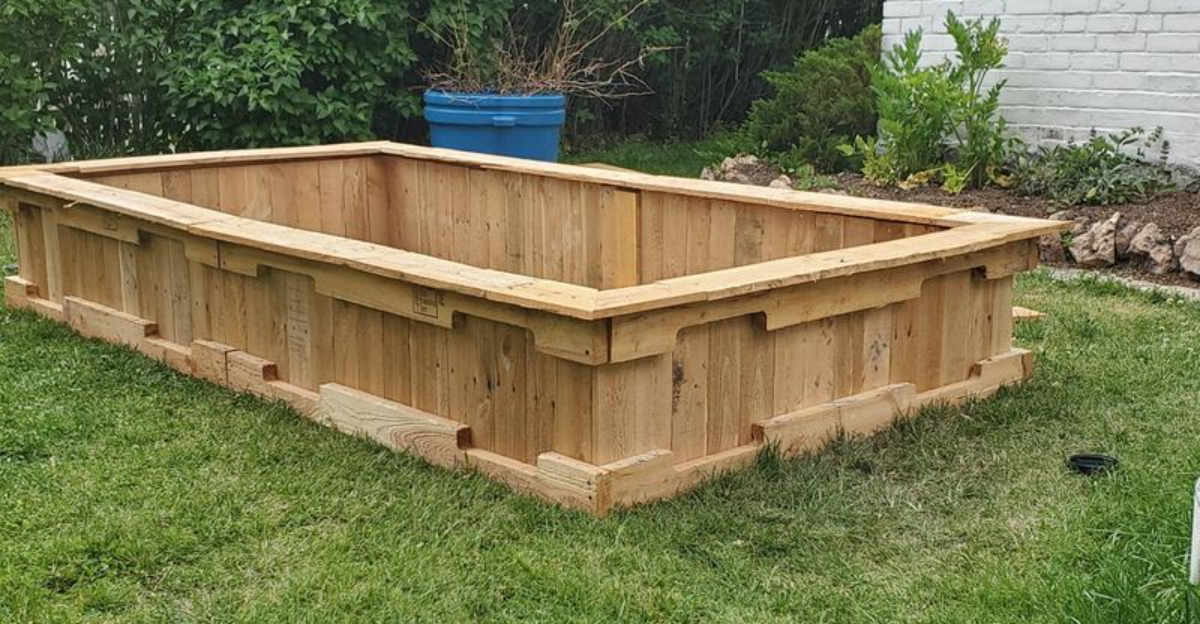
Raised garden beds might seem like one of the simplest ways to grow vegetables, herbs, and flowers in New Jersey yards, but they can sometimes involve local rules most people never expect.
When structures rise above ground level, even just a foot or two, municipalities often start paying attention to how they affect drainage, sightlines, and water flow.
In some towns, beds of a certain height or size can trigger zoning review before installation begins to ensure they comply with setback and property line requirements.
Front yard placements and areas visible from the street usually receive closer scrutiny than backyard locations tucked out of sight.
Garden beds with built-in irrigation, permanent framing, or attached pathways may also draw questions from planning offices.
Homeowners who assume all raised beds are automatically exempt can be surprised when permits are mentioned after work has already started.
Rules vary widely across New Jersey’s cities, towns, and townships, which makes checking local codes early especially important.
Knowing when permission may be required helps keep gardening projects smooth instead of stressful once digging begins.
1. Raised Beds That Sit Too Close To Property Lines

Property boundaries matter more than most gardeners realize when planning outdoor projects. Local codes in New Jersey often specify minimum distances between structures and lot lines to prevent disputes and maintain neighborhood harmony.
Your raised bed might seem harmless, but if it sits within a few feet of your neighbor’s fence, officials could classify it as an encroachment.
Setback requirements exist to protect access routes, preserve sightlines, and ensure emergency vehicles can maneuver if needed. Towns across the state enforce these rules differently, with some allowing beds closer than others.
Checking your municipality’s zoning ordinance before building saves headaches later.
Neighbors sometimes complain when raised beds appear too close to shared boundaries, especially if they block views or create drainage issues. Even friendly relationships can turn sour over perceived property violations.
Taking measurements and reviewing local setback rules protects your investment and keeps the peace.
New Jersey towns expect residents to follow setback guidelines for anything considered a permanent or semi-permanent addition. Raised beds made from heavy materials like stone or timber often fall into this category.
Temporary containers might escape scrutiny, but anchored structures rarely do.
Calling your zoning office before you dig is the smartest first step. Officials can tell you exactly how far your bed needs to sit from property lines.
This simple phone call prevents costly mistakes and ensures your garden stays where you built it without legal trouble down the road.
2. Extra Tall Raised Beds That Stand Out Fast
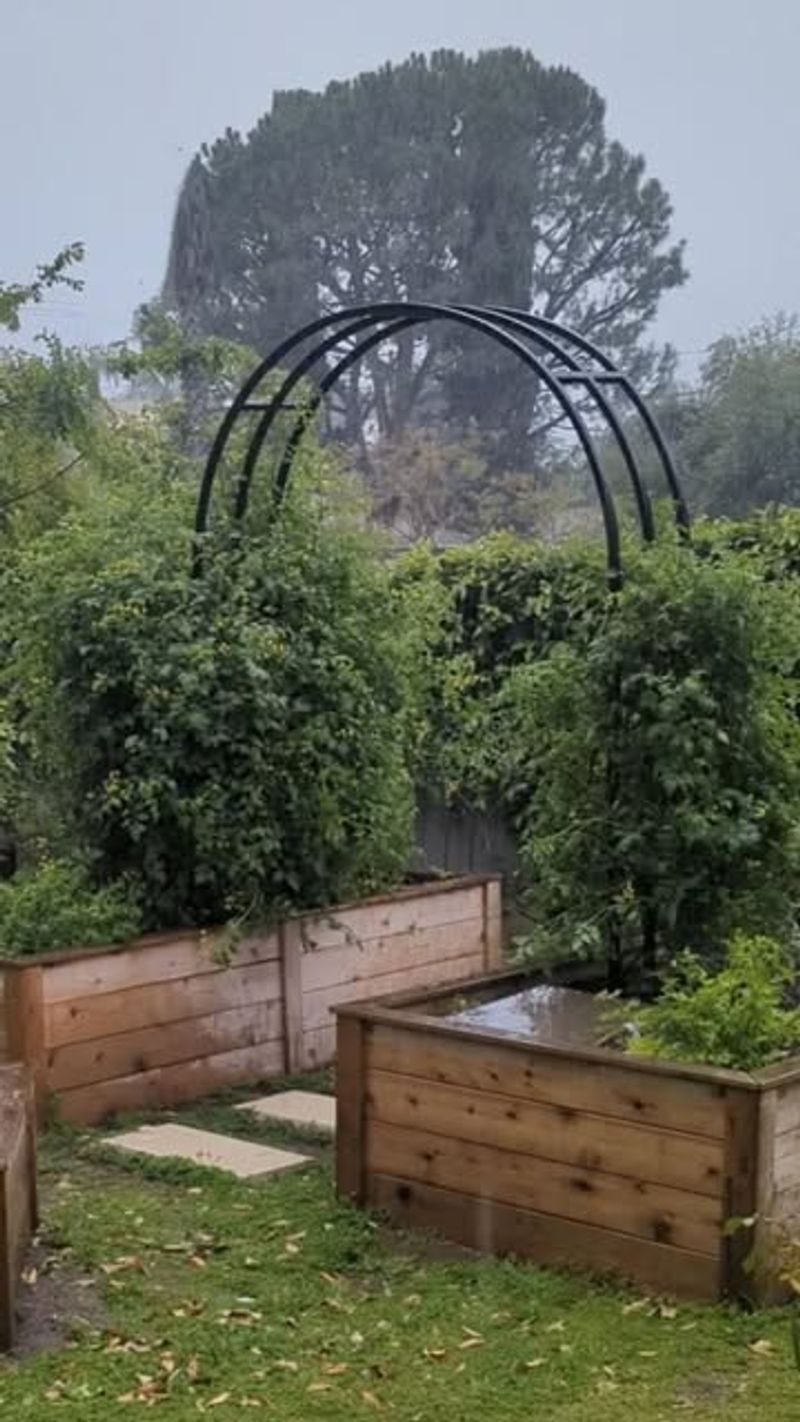
Height restrictions apply to many outdoor additions in residential neighborhoods throughout New Jersey, and raised garden beds are no exception. A bed that rises several feet above ground level can obstruct views, cast shadows, and change the character of your yard in ways that concern local planning boards.
Officials often treat tall structures differently than low-profile planters.
Some towns set specific height limits for anything built without a permit, typically ranging from 18 inches to 36 inches. Going beyond these thresholds might trigger a review process or require formal approval.
Your New Jersey Garden Changes Every Week. Your Plan Should Too.
Gardening in New Jersey changes quickly throughout the season. Every Friday you’ll receive a simple weekly plan showing exactly what to plant, prune, fertilize, harvest, and protect so you never miss the right timing.
Taller beds also raise concerns about stability and safety, especially during storms or high winds.
Accessibility drives many gardeners to build elevated beds, but adding extra height means extra scrutiny in many New Jersey communities. Zoning officers look at total elevation from ground to top rail when determining compliance.
Even a modest bed on a raised platform can exceed local limits quickly.
Materials matter too, since a six-foot-tall metal or concrete bed presents different concerns than a low wooden frame. Height combined with permanence often pushes projects into permit territory.
Reviewing your town’s regulations helps you design a bed that meets your needs without crossing legal lines.
Submitting a simple sketch and measurements to your local building department can clarify whether your planned height requires approval. Many towns offer quick reviews for straightforward projects.
Getting the green light upfront means you can build confidently and avoid forced modifications later.
3. Brick Or Concrete Beds That Feel Permanent
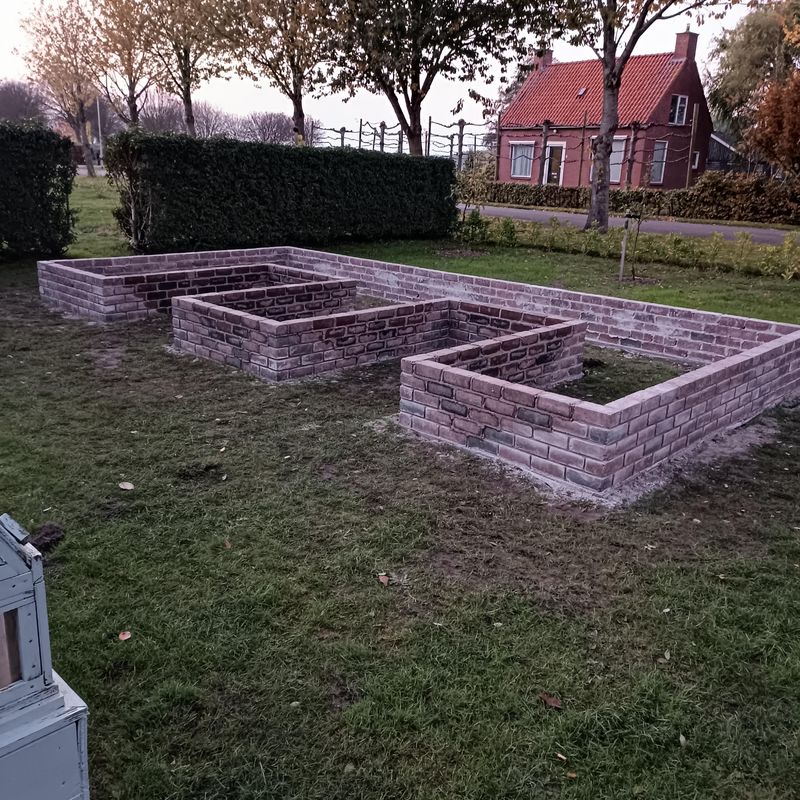
Permanent materials signal long-term installation, and that distinction matters to zoning officials in New Jersey. Brick, concrete block, and poured concrete beds aren’t easily moved or removed, which places them in a different regulatory category than wooden frames or plastic kits.
Towns view these as structures rather than temporary garden accessories.
Building codes often require permits for masonry work, especially when mortar or footings are involved. A raised bed constructed from stacked bricks might not need approval if it’s dry-laid, but adding cement changes the equation.
The moment you make something permanent, local rules kick in more strictly.
Concrete beds also raise concerns about drainage and runoff, since solid walls can redirect water in ways that affect neighboring properties. New Jersey municipalities take stormwater management seriously, and any structure that alters natural flow patterns might need review.
Even small changes can have big impacts during heavy rains.
Aesthetic considerations come into play too, particularly in neighborhoods with homeowner associations or historic district designations. Brick and concrete beds can clash with existing landscaping styles or architectural themes.
Some towns require design approval to maintain visual consistency across residential areas.
Consulting with your building department before purchasing materials is the safest approach. Officials can explain which types of construction need permits and which don’t.
This conversation helps you choose materials that meet both your gardening goals and local legal requirements without surprise delays.
4. Front Yard Raised Beds That Draw Attention
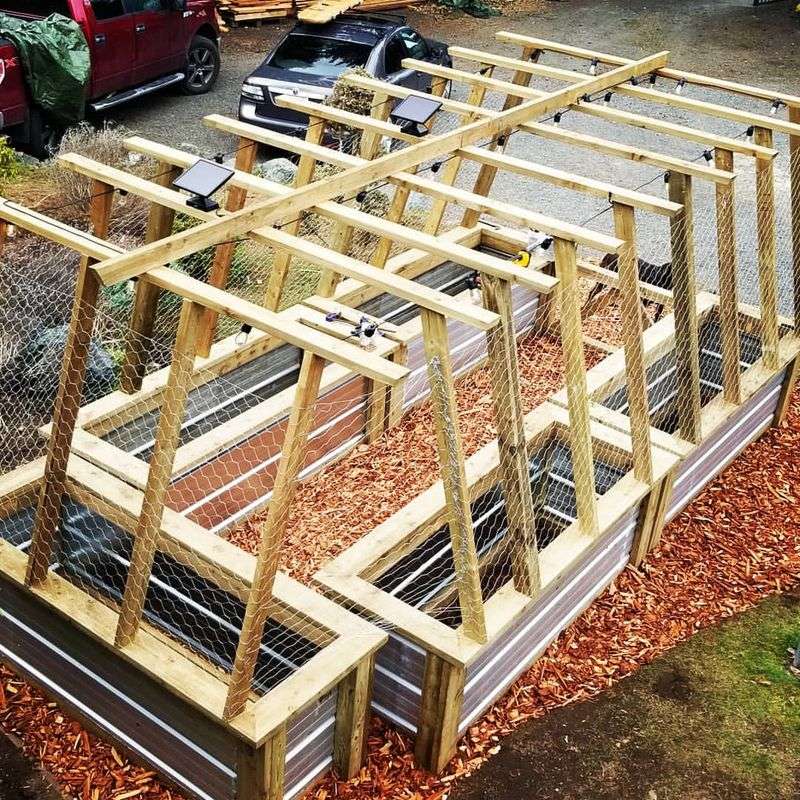
Front yards receive more regulatory attention than backyards because they shape neighborhood character and curb appeal. Placing a raised garden bed where everyone can see it from the street invites closer inspection from zoning officials in New Jersey.
Many towns have specific rules about what residents can put in front yards versus rear or side yards.
Visibility matters when officials evaluate outdoor projects, since front yard installations affect the entire streetscape. A raised bed that looks fine in a backyard might seem out of place facing the road.
Some municipalities restrict front yard structures entirely, while others allow them with conditions like size limits or material restrictions.
Homeowner associations frequently impose their own front yard rules that go beyond local zoning codes. These private regulations can be even stricter, requiring architectural review committee approval before any visible changes.
Violating HOA rules can result in fines or mandated removal, regardless of whether the town itself approved your plan.
New Jersey towns also worry about front yard beds blocking sightlines at intersections or driveways. Safety concerns drive many front yard restrictions, especially near corners where drivers need clear views.
Even a low raised bed can create problems if it sits in the wrong spot.
Checking both municipal codes and HOA covenants before building in your front yard protects you from dual compliance headaches. Getting written approval from both authorities ensures your raised bed stays put.
This extra effort upfront prevents expensive mistakes and neighbor complaints that could have been avoided with proper planning.
5. Raised Beds Built Into Fences Or Walls
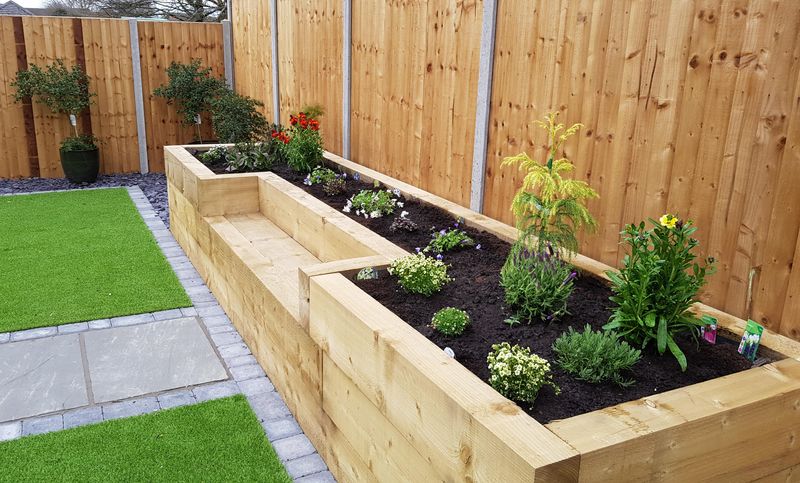
Attaching structures to existing fences or walls creates complications that many New Jersey gardeners don’t anticipate. A raised bed integrated with a fence becomes part of that fence system, potentially affecting its structural integrity and legal status.
Local codes often regulate fence modifications differently than standalone garden features.
Weight and stress matter when you anchor a planter to a fence, since soil and water add considerable load. Fences built to minimum code standards might not handle the extra burden safely.
If your modified fence fails and causes damage, liability questions arise that could involve both property owners if the fence sits on a boundary line.
Shared fences present additional challenges because any alteration might require your neighbor’s consent. New Jersey law recognizes that boundary fences belong to both adjacent property owners in many situations.
Adding a raised bed without permission could constitute trespassing or property damage, even if you meant well.
Zoning officials also look at combined structures as a single unit when evaluating height and setback compliance. A fence that meets code on its own might exceed limits once you add a raised bed to it.
This combined measurement could trigger permit requirements or variance requests that wouldn’t apply to separate installations.
Documenting your fence’s current status and getting neighbor agreement before modifying it prevents future disputes. Submitting plans to your building department shows exactly what you intend to build and how it affects existing structures.
This transparency helps officials guide you toward compliant designs that work for everyone involved and keep your garden legal.
6. Oversized Beds That Change Water Flow
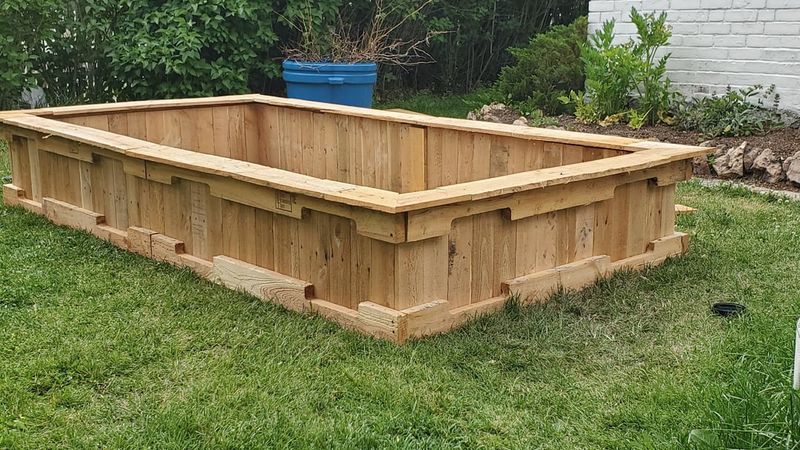
Large raised beds can significantly alter how water moves across your property, and New Jersey takes stormwater management very seriously. When you build a big bed, you create an obstacle that redirects rain and runoff in new directions.
This change might seem minor to you, but it can cause flooding or erosion on neighboring lots if water flows somewhere it didn’t before.
Municipal stormwater ordinances exist to protect everyone from drainage problems that one property owner’s actions might create. Oversized beds that cover substantial ground area can reduce natural absorption and increase runoff volume.
Towns often require permits for projects that exceed certain square footage thresholds because of these potential impacts.
Grading matters too, since a raised bed changes the elevation and slope of your yard. Water naturally flows downhill, and adding a large raised structure can create new channels or pooling areas.
New Jersey officials want to review these changes before they happen to ensure they won’t cause problems during heavy storms.
Some communities require detailed drainage plans for large garden projects, showing where water will go and how you’ll manage excess runoff. These plans might need professional engineer certification, especially if your property already has drainage challenges.
The cost and complexity can surprise homeowners who thought they were just building a vegetable garden.
Measuring your planned bed’s footprint and comparing it to local thresholds helps you understand whether you need approval. Many towns publish stormwater guidelines online with specific size limits.
Staying under these limits or getting proper permits protects both your investment and your neighbors from water damage that could have been prevented.
7. Raised Beds Added On Slopes Or Uneven Ground
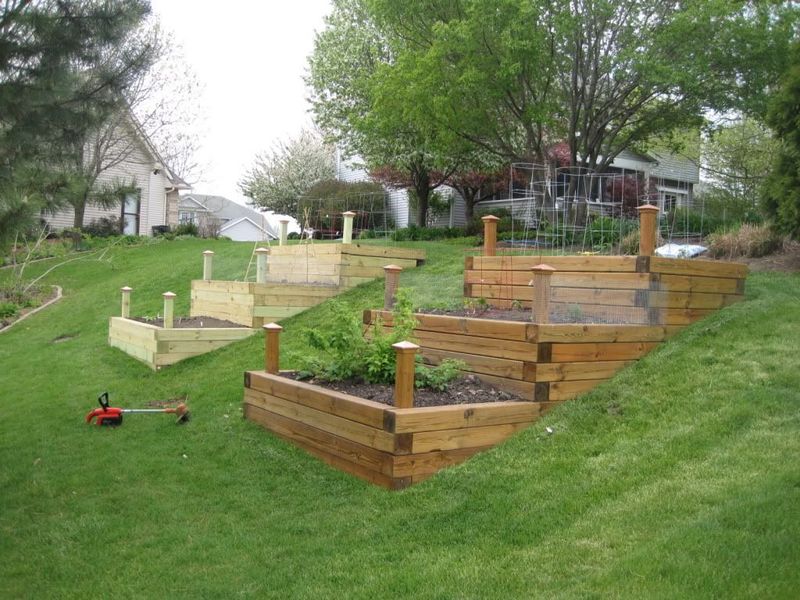
Sloped properties present unique challenges that flat lots don’t face, and building raised beds on hills requires extra caution in New Jersey. Uneven terrain affects drainage, stability, and erosion in ways that concern both property owners and local officials.
A bed that seems secure on flat ground might slide or collapse when built on a slope without proper engineering.
Retaining wall regulations often apply to raised beds on slopes, especially if the bed holds back soil or creates a level planting area. New Jersey towns regulate retaining structures carefully because failures can cause serious property damage and safety hazards.
Even modest height differences might trigger permit requirements when the ground isn’t level.
Soil movement becomes a bigger issue on slopes, particularly during heavy rains or freeze-thaw cycles. A raised bed that disrupts natural slope stability can lead to landslides or erosion that affects downhill properties.
Municipal codes aim to prevent these problems by requiring review of projects that alter sloped terrain.
Engineering standards apply more strictly to slope construction, and some towns require professional plans for any raised structure on significant grades. The steeper your slope, the more likely you’ll need expert input and official approval.
This requirement protects everyone from poorly designed projects that might fail catastrophically.
Consulting a local engineer or landscape architect before building on a slope saves money and prevents dangerous mistakes. These professionals understand New Jersey soil conditions and local code requirements.
Their expertise helps you design a raised bed that works with your terrain rather than fighting against it, keeping your garden safe and legal for years to come.
8. Beds Placed Over Utility Or Access Areas
Underground utilities run beneath many New Jersey yards, and you might not know exactly where they are until you start digging. Placing a raised bed over water lines, sewer pipes, electrical conduits, or gas mains creates access problems that utility companies and local officials take very seriously.
Even shallow beds can complicate future repairs or maintenance.
Easements grant utility companies legal rights to access certain areas of your property, and you can’t block these zones permanently. A raised bed might technically sit on your land, but if it covers an easement, the utility has authority to remove it without compensation when they need access.
This reality surprises many homeowners who didn’t research easement locations before building.
Septic systems require clear access for pumping and inspection, and New Jersey regulations prohibit structures over drain fields or tanks. A raised bed placed incorrectly can damage septic components or prevent proper system function.
Local health departments enforce these rules strictly because septic failures create public health hazards.
Calling 811 before any digging project is required by law in New Jersey, and this free service marks underground utility locations on your property. Ignoring this step risks hitting lines that could cause injuries, service outages, or expensive damage.
Even raised beds with shallow foundations benefit from utility location services.
Reviewing your property survey and easement documents helps you identify off-limits areas before you start building. Your town’s zoning or engineering department can also provide information about utility corridors.
Choosing a location that respects these constraints ensures your raised bed won’t interfere with essential services or face mandatory removal when utilities need access.
9. Raised Beds That Officials Treat Like Structures
Classification determines everything when local officials evaluate outdoor projects in New Jersey. A raised bed that crosses the line from garden accessory to structure faces entirely different regulatory requirements.
This distinction depends on factors like size, permanence, attachment to the ground, and overall construction quality rather than your intentions as the builder.
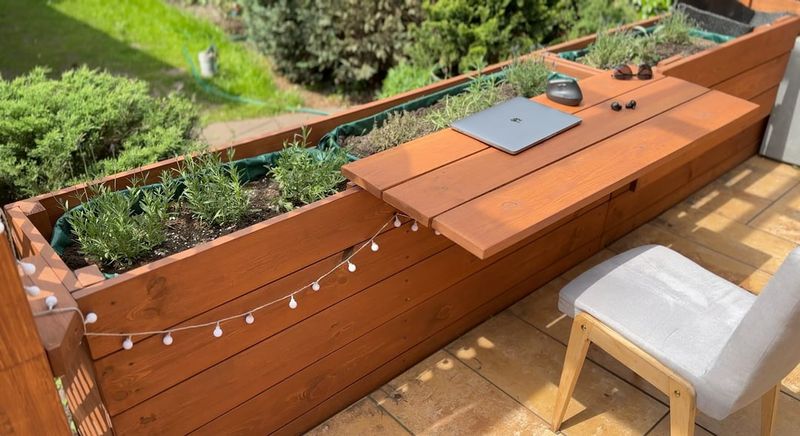
Building codes define structures broadly to include anything constructed or erected that requires location on the ground or attachment to something having a location on the ground. Large, well-built raised beds often meet this definition, especially when they include features like built-in seating, trellises, or covers.
Once classified as a structure, your garden bed needs permits just like a shed or deck would.
Foundation requirements kick in when officials treat your bed as a structure, meaning you might need frost footings or concrete pads. New Jersey’s freeze-thaw cycles can heave improperly supported structures, creating safety hazards.
Towns require adequate foundations to prevent this movement and ensure long-term stability.
Inspections become mandatory for permitted structures, adding time and complexity to your project. Building inspectors check that construction meets code standards for materials, fasteners, and workmanship.
While this oversight ensures quality and safety, it also means you can’t just build whatever you want without accountability.
Understanding how your town defines structures helps you design a raised bed that either stays clearly in the accessory category or meets structural requirements if necessary. Asking directly at the building department clarifies where your project falls.
This knowledge lets you proceed confidently, knowing you’ve followed all applicable rules and built something that will last without legal complications.