Who Is Responsible When Garden Sunlight Is Blocked By A Neighbor’s Tree In California
Garden sunlight issues in California can quietly turn into a source of frustration when a neighbor’s tree starts casting long shadows over once-bright spaces.
What begins as slower plant growth or struggling flowers often leads to bigger questions about rights and responsibility.
California homeowners are often surprised to learn that sunlight access is not treated the same way as fences or property lines.
Trees grow naturally over time, which makes it hard to pinpoint when a problem officially begins.
The situation feels even more complicated when the tree itself is healthy and legally planted.
Many assume the responsibility automatically falls on the tree owner, but California law does not always work that way. Sunlight disputes tend to depend on location, timing, and how long conditions have existed.
Understanding how responsibility is viewed in California helps prevent tension from growing alongside the tree.
1. When A Neighbor’s Tree Starts Blocking Garden Sunlight
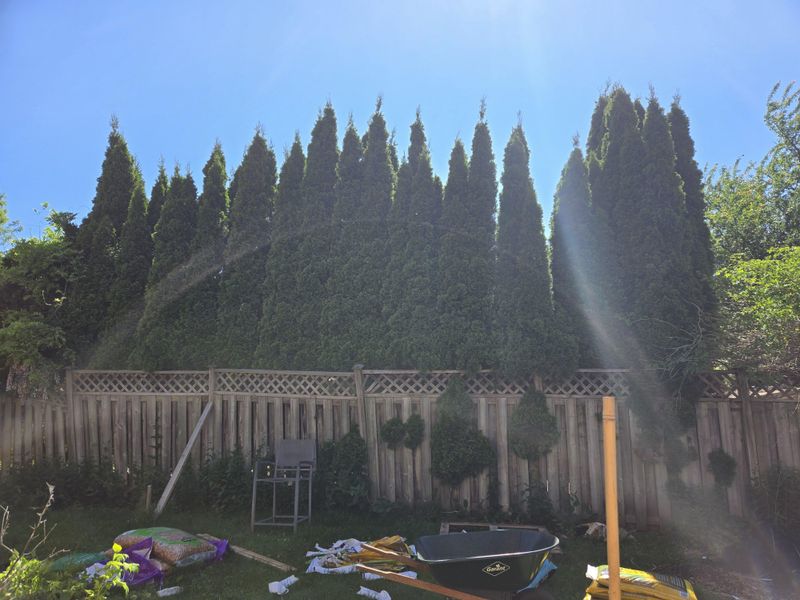
Most people notice the problem gradually. One season, your tomatoes are thriving, and the next, they barely produce fruit because a tree next door has grown taller and wider.
California homeowners often face this exact scenario as mature trees expand their canopy over property lines.
The shade creeps in slowly, making it hard to pinpoint when the issue truly began.
Property owners in California generally have the right to grow trees on their own land without worrying about casting shadows.
State law does not automatically make someone responsible just because their tree blocks sunlight. This might seem unfair if your garden suffers, but the legal framework prioritizes property rights over sunlight access in most residential situations.
Trees provide benefits like cooling, beauty, and wildlife habitat, which California values highly. Removing or trimming a healthy tree solely for sunlight reasons can be complicated.
Neighbors are not usually required to cut down or prune their trees just because shade falls on your yard. Understanding this baseline helps set realistic expectations before taking any action.
Communication often makes a difference early on. Talking with your neighbor about the growing shade might lead to a voluntary solution, such as selective pruning.
Many disputes escalate simply because no one spoke up until frustration boiled over. Starting the conversation politely and early can prevent bigger problems down the road.
2. Why Tree Location And Ownership Matter
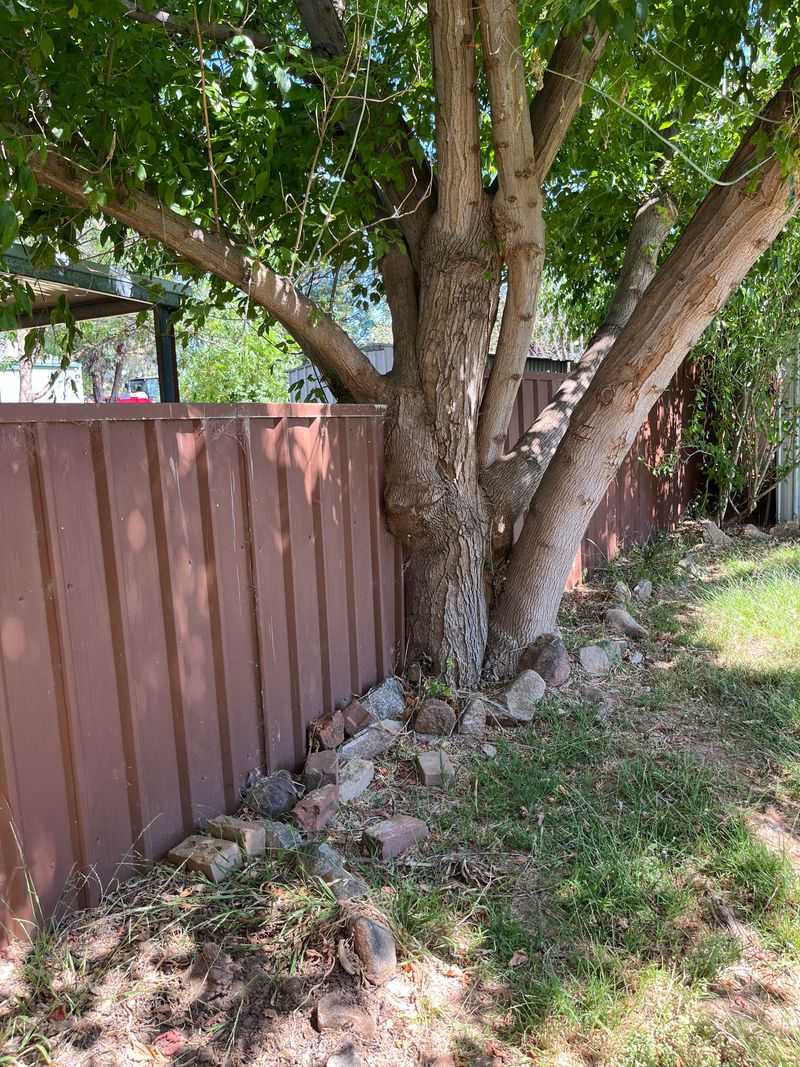
Ownership of the tree determines who controls decisions about trimming, pruning, or removal.
If the trunk sits entirely on your neighbor’s property, they own the tree and hold the authority over what happens to it. California law is clear on this point, making property lines the key factor in tree disputes.
Even if branches hang over your yard, the trunk’s location decides ownership.
Shared trees, where the trunk straddles the property line, create joint ownership.
Both neighbors must agree on major decisions like removal or significant pruning. This shared responsibility can complicate matters, especially if one person wants the tree gone and the other values its presence.
Courts in California recognize co-owned trees as requiring mutual consent for drastic changes.
Your California Garden Changes Every Week. Your Plan Should Too.
Gardening in California changes quickly throughout the season. Every Friday you’ll receive a simple weekly plan showing exactly what to plant, prune, fertilize, harvest, and protect so you never miss the right timing.
Overhanging branches present a different scenario.
You generally have the right to trim branches that cross onto your property, as long as you do not harm the tree’s health.
California allows this self-help remedy, but you cannot trespass onto your neighbor’s land to do the work. Hiring a professional arborist ensures the job gets done safely and legally.
Location also affects local regulations. Some California cities have tree preservation ordinances that protect certain species or sizes, regardless of ownership.
Checking with your city’s planning or forestry department before taking action prevents violations and fines.
3. How Sunlight Issues Are Handled In California
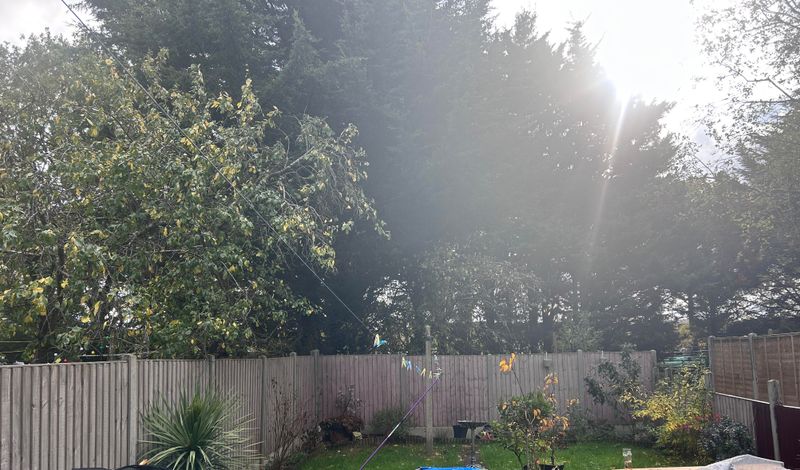
Unlike some states, California does not have a statewide law giving homeowners the right to sunlight for general purposes like gardening.
Ancient legal doctrines about light and air exist, but they rarely apply to modern residential disputes over shade. The absence of a broad sunlight protection law means most neighbors cannot force tree removal based solely on lost light.
This surprises many California residents who assume they have legal recourse.
Solar energy systems receive special protection under California law.
The Solar Shade Control Act prohibits planting or allowing trees to shade more than ten percent of a neighbor’s solar panels during certain hours. This law applies only to solar collectors, not vegetable gardens or flower beds.
If your concern involves solar panels, you have stronger legal standing than if it involves ornamental plants.
Courts in California typically view sunlight as a privilege, not a right, unless explicitly protected by statute or agreement. Judges are reluctant to order tree removal for aesthetic or gardening preferences.
This judicial approach reflects the state’s emphasis on property autonomy and environmental conservation. Winning a lawsuit over garden shade is difficult without proving significant harm or a specific legal violation.
Mediation and negotiation remain the most effective tools for resolving sunlight disputes in California.
Many counties offer free or low-cost mediation services designed for neighbor conflicts. These sessions provide a neutral space to explore compromises, such as selective pruning or adjusting garden layouts.
4. When Shade Becomes More Than A Minor Nuisance
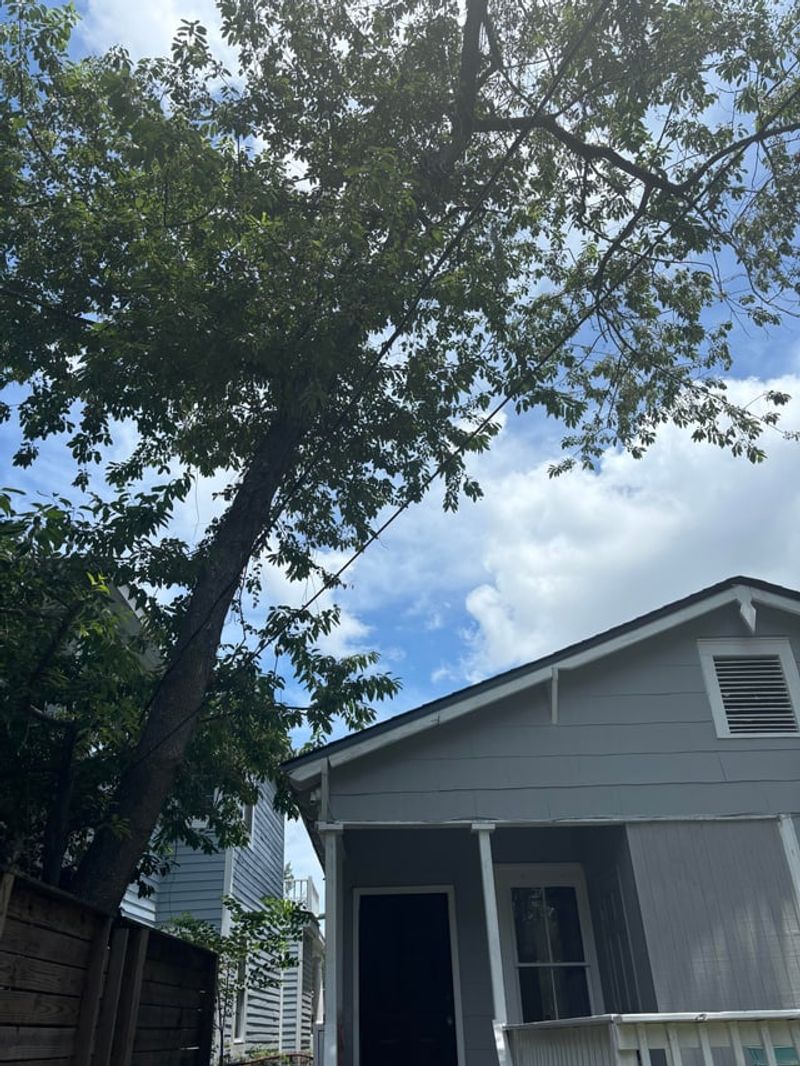
Legal action becomes possible when a tree causes actual damage beyond simple inconvenience.
California recognizes the concept of nuisance, which applies when someone’s property use unreasonably interferes with another’s enjoyment of their land.
Proving nuisance requires showing that the harm is substantial and goes beyond what neighbors should tolerate.
A little shade rarely meets this threshold, but extreme situations might.
Damage to structures, foundations, or utilities strengthens a legal claim. If roots from a neighbor’s tree crack your driveway or invade your sewer line, you have grounds to demand action.
California courts treat physical damage more seriously than aesthetic complaints.
Documentation through photos, repair estimates, and expert opinions supports your case if you need to pursue legal remedies.
Health hazards also elevate shade issues.
A tree that creates dangerous conditions, such as blocking sight lines on a driveway or harboring pests, might qualify as a nuisance. California law allows homeowners to seek court orders for tree removal or trimming when safety is genuinely at risk.
However, you must prove the hazard is real and significant, not just speculative.
Economic harm can factor into nuisance claims, though it is harder to prove. If a tree’s shade demonstrably reduces your property value or destroys a commercial crop, you might have a case.
California judges examine whether the harm outweighs the benefits the tree provides to the owner and community.
5. What Homeowners Can And Cannot Do About Lost Light
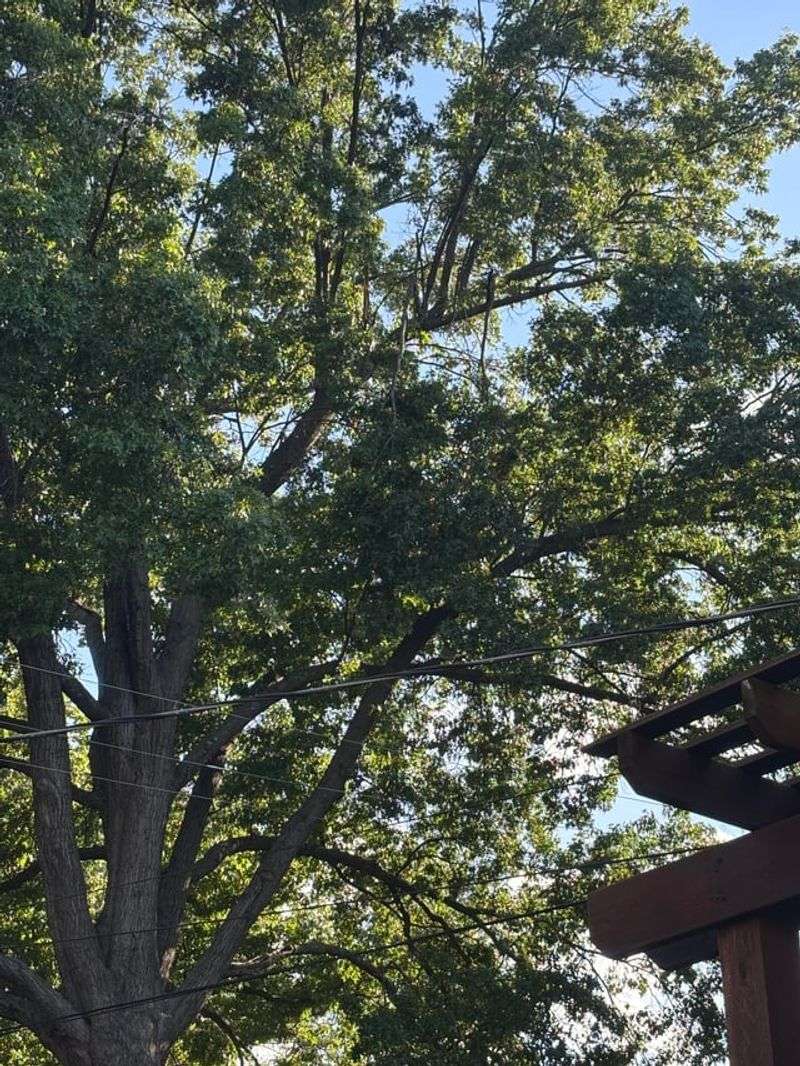
Taking matters into your own hands has limits in California. You can trim branches that extend over your property line, but only up to the boundary.
Cutting beyond that point, even by a few inches, constitutes trespassing and property damage. Your neighbor could sue for the cost of the tree or repairs if you overstep.
Hiring a licensed arborist to do the trimming properly protects you legally and ensures the tree stays healthy.
You cannot apply herbicides, poison, or other harmful substances to your neighbor’s tree, even if branches hang over your yard. California law treats deliberate tree harming as property damage, with potential criminal charges in severe cases.
Frustrated homeowners sometimes take drastic measures, only to face lawsuits and fines. Patience and legal methods always serve you better in the long run.
Installing reflective surfaces or mirrors to redirect sunlight onto your property is generally allowed, as long as you do not create a hazard.
Some California gardeners use this creative solution to brighten shaded areas without touching the neighbor’s tree.
However, check local codes to ensure your setup complies with safety and aesthetic regulations.
Requesting a professional arborist’s assessment can open dialogue with your neighbor.
A neutral expert can suggest pruning methods that preserve the tree while improving sunlight for your garden.
Many California tree services offer consultation specifically for neighbor disputes, providing written recommendations that both parties can review.
6. Situations Where Responsibility May Shift
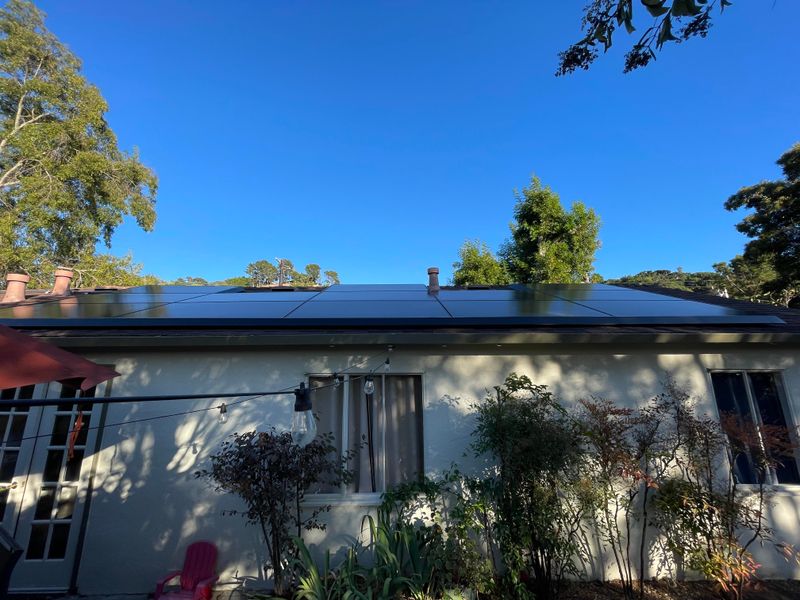
Certain circumstances change the usual rules about tree responsibility in California.
If a tree was planted after a solar energy system was installed, the Solar Shade Control Act may require the tree owner to trim or remove it. This law specifically protects solar access, giving affected homeowners a legal tool to demand action.
Timing matters greatly, so documenting when your solar panels went up and when the tree was planted becomes crucial evidence.
Homeowners association rules can override general property law in California. Many HOAs have specific guidelines about tree height, placement, and maintenance.
If your neighborhood has a homeowners association, reviewing the CC&Rs (covenants, conditions, and restrictions) might reveal requirements that help your situation. Violating HOA rules can result in fines or mandatory compliance, giving you leverage if your neighbor’s tree breaks the regulations.
Easements and deed restrictions sometimes include sunlight protections. If a previous property owner negotiated an agreement guaranteeing light access, that covenant typically runs with the land and binds future owners.
California title searches should reveal such restrictions, though they are relatively rare. Consulting a real estate attorney can clarify whether your property benefits from any recorded agreements.
Government projects or public trees fall under different rules. If a city-owned tree blocks your sunlight, you must follow municipal procedures to request trimming.
California cities have varying policies, with some offering regular maintenance schedules and others requiring formal petitions.
7. Why Sunlight And Views Are Treated Separately
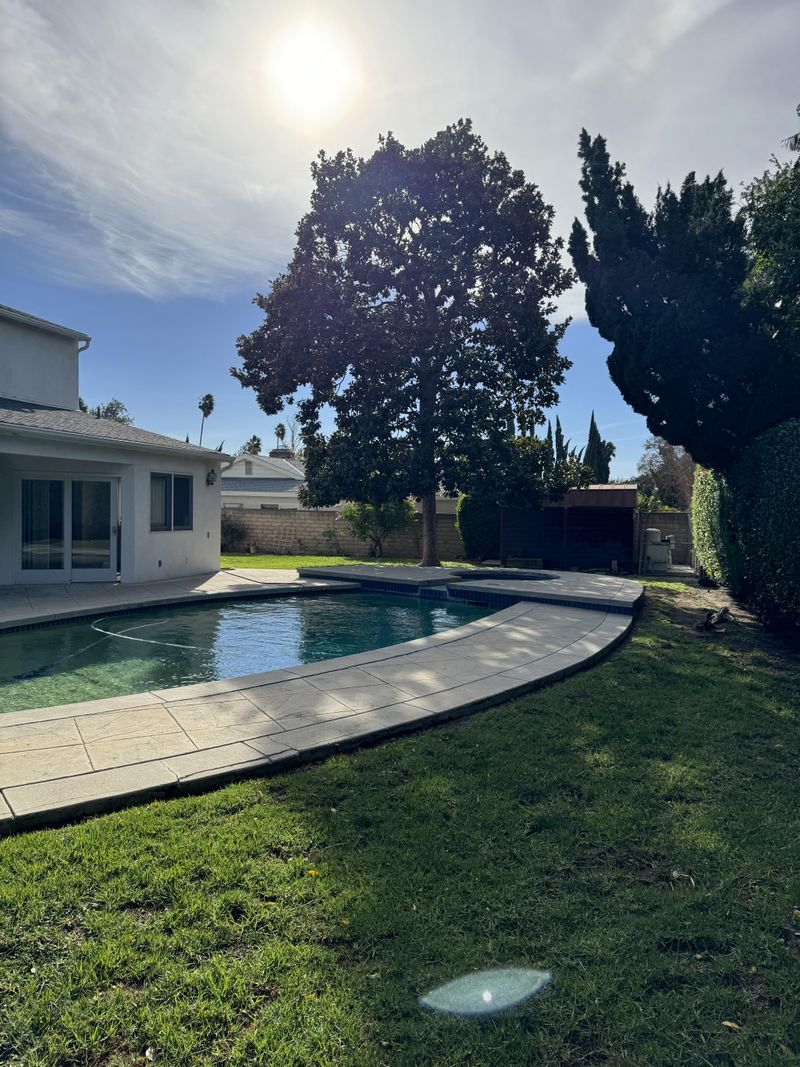
California law distinguishes between losing sunlight and losing a view, though both frustrate homeowners. View ordinances exist in some California cities, protecting scenic vistas from obstruction by trees or structures.
These local laws vary widely, with coastal communities often having stricter protections than inland areas. Sunlight access, however, receives far less legal protection outside of solar energy contexts.
The rationale behind this difference lies in measurability and impact. Views are considered aesthetic amenities that can significantly affect property values, especially in desirable California locations.
Courts and legislators recognize that ocean views or mountain panoramas directly influence real estate prices. Sunlight for gardening, by contrast, is seen as a less quantifiable benefit that varies by personal preference.
Some California cities, like Los Angeles and San Francisco, have specific view ordinance procedures. Homeowners can petition for tree trimming if vegetation blocks protected views.
These processes typically involve public hearings, arborist reports, and balancing tests between the view owner’s interest and the tree owner’s rights. Sunlight disputes lack similar formal mechanisms in most jurisdictions.
Combining view and sunlight concerns sometimes strengthens your position. If a tree both blocks your view and shades your property, you might have multiple avenues for relief.
California homeowners should research local ordinances thoroughly, as some cities bundle these issues together while others treat them completely separately.
8. How Local City Rules Can Affect These Situations
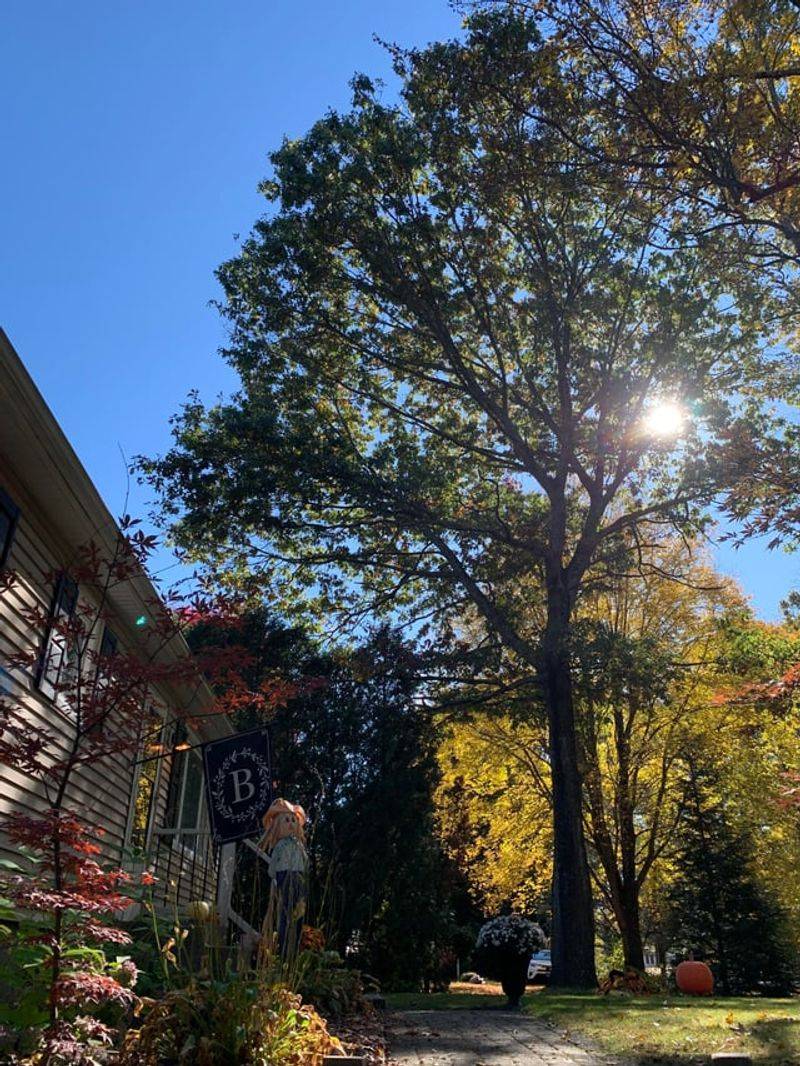
Municipal codes in California cities often include tree preservation laws that protect certain species, sizes, or heritage trees.
Before demanding that a neighbor trim or remove a tree, check whether local regulations classify it as protected. Violating tree ordinances can result in hefty fines, even if you technically had the right to trim branches on your side.
California cities take urban forestry seriously, especially in drought-prone regions where mature trees provide ecological benefits.
Some California municipalities require permits for tree work, even on private property. If your neighbor refuses to trim their tree and you want to hire someone to trim overhanging branches, you might need a permit yourself.
Permit requirements vary by city, tree size, and species. Failing to obtain necessary permits can halt work and create legal complications.
Noise and nuisance ordinances sometimes intersect with tree disputes.
If your neighbor’s tree attracts large flocks of noisy birds or drops excessive amounts of fruit, leaves, or sap onto your property, local nuisance codes might apply. California cities have different thresholds for what constitutes a nuisance, so filing a complaint with code enforcement could prompt an investigation.
Zoning laws occasionally address landscaping and setbacks in ways that affect trees.
New construction in California must often comply with setback requirements that keep structures and sometimes large plantings a certain distance from property lines.
Existing trees usually get grandfathered in, but knowing the rules helps you understand your options and limitations.
9. Steps That Often Resolve Sunlight Disputes Peacefully
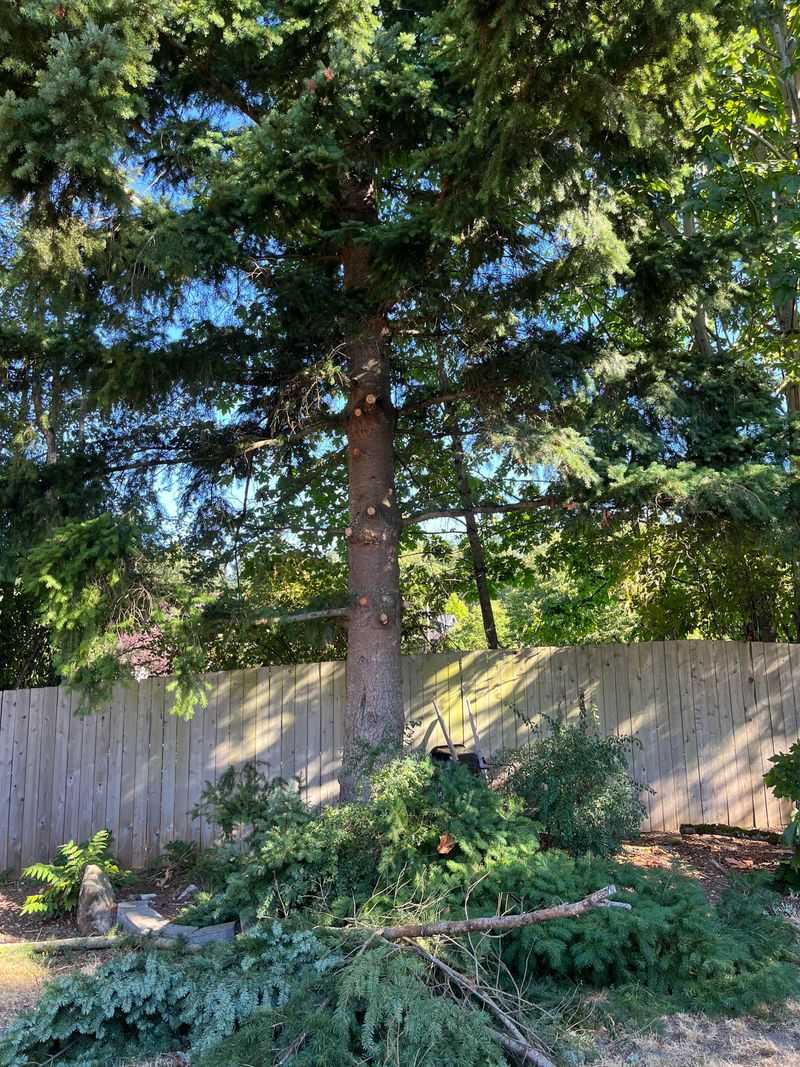
Starting with a friendly conversation remains the most effective first step. Many California neighbors are unaware their tree is causing problems and are willing to compromise once they understand the situation.
Bringing photos of your shaded garden and explaining the impact on your plants can help them see your perspective.
Approaching the discussion as a shared problem rather than an accusation sets a cooperative tone.
Offering to share costs for tree trimming can encourage participation.
Professional tree services in California can be expensive, and your neighbor might appreciate help covering the bill. Splitting costs shows good faith and makes the solution more appealing.
Some homeowners even offer to handle scheduling and coordination, removing the hassle for their neighbor.
Written agreements prevent future misunderstandings. If you and your neighbor reach a compromise, putting it in writing protects both parties.
California law allows neighbors to create binding contracts about tree maintenance, pruning schedules, and cost-sharing. Having a lawyer review the agreement ensures it is enforceable and clear.
Mediation services provide professional help when direct talks stall. Many California counties offer free or low-cost mediation programs specifically for neighbor disputes.
A trained mediator facilitates conversation, helps identify common ground, and guides both parties toward mutually acceptable solutions.
Mediation is faster and cheaper than litigation, preserving relationships while solving problems.