Nevada Gardeners Are Finding A Sticky Substance On Trees — And It Isn’t Sap
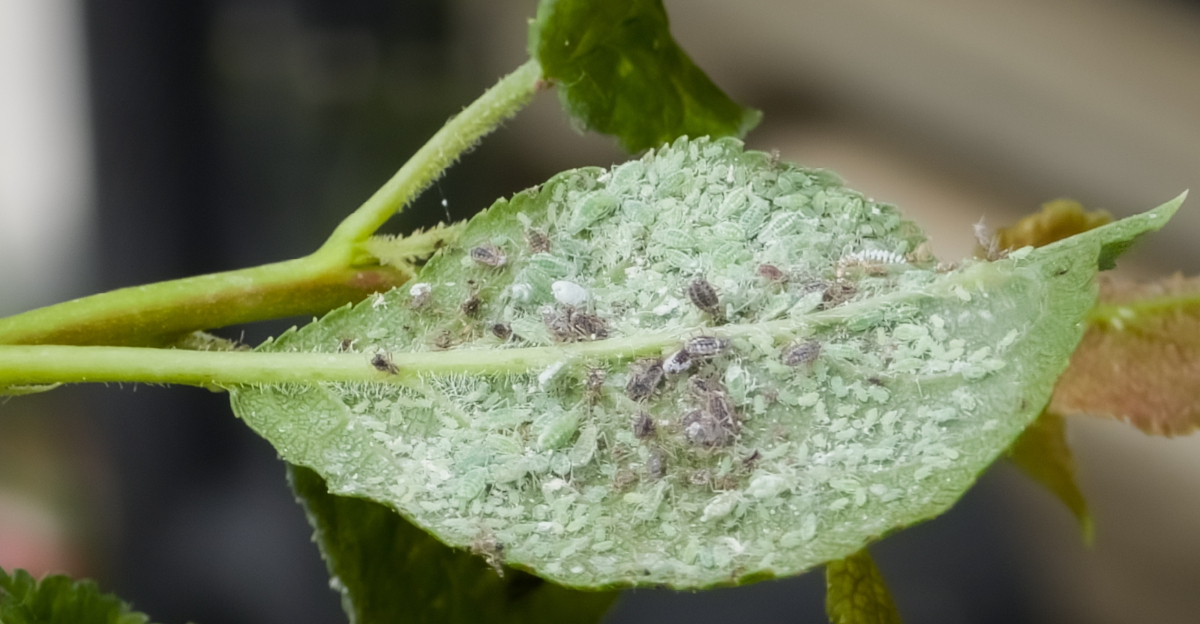
A sticky film suddenly coating trees across Nevada is hard to ignore, especially when leaves start shining unnaturally and everything underneath feels tacky to the touch after what seemed like an ordinary day.
At first glance, it looks exactly like sap, which immediately raises concern about tree health, internal damage, or something leaking that shouldn’t be.
The situation becomes even more unsettling when patios, cars, outdoor furniture, and walkways beneath the branches begin collecting the same stubborn residue. What makes it confusing is that the bark usually looks completely normal, without cracks, wounds, or any clear source for the stickiness.
The substance often appears almost overnight, turning a healthy-looking tree into a messy problem with no obvious explanation.
Warm Nevada weather seems to make the issue more noticeable, intensifying the stickiness and making the coating feel harder to ignore.
Ants, dust, and debris quickly gather on affected surfaces, which makes the situation feel ongoing and increasingly frustrating.
Despite how alarming and messy it looks, the cause behind this sticky substance is far more common and far less harmful than most people expect at first.
1. What That Sticky Substance On Nevada Trees Really Is
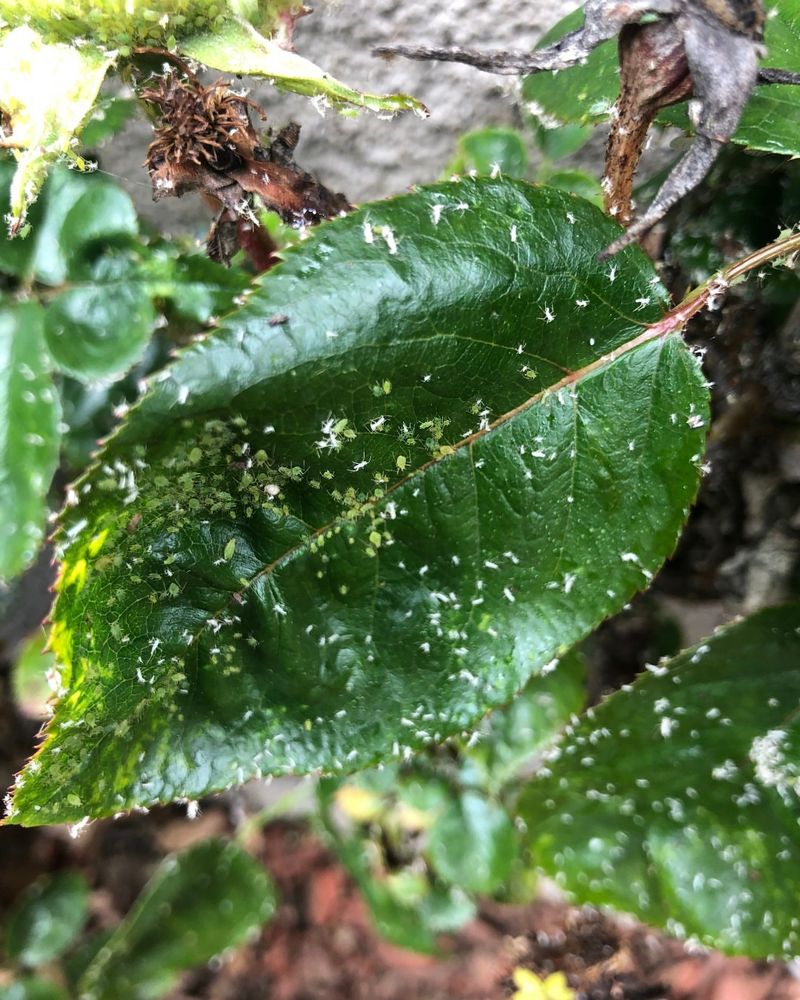
Most people walking under their backyard trees don’t expect a surprise shower of sticky gunk, but that’s exactly what’s happening in yards all over Nevada. The substance isn’t sap at all—it’s called honeydew, and it’s actually insect waste.
Sounds gross, right? That’s because it kind of is.
Honeydew is produced when sap-sucking insects like aphids, scale, or whiteflies feed on tree leaves and stems. They pierce the plant tissue and drink the sugary liquid inside.
After digesting what they need, they excrete the rest as a clear, sticky droplet.
Because these bugs feed in large numbers, the honeydew can quickly coat everything below them. In Nevada, where certain tree species are popular in landscaping, this problem pops up more often than you’d think.
The residue feels tacky to the touch and can harden over time.
It’s not harmful to humans, but it sure is annoying. You might notice it on patio furniture, car windshields, or even your own hair if you stand under an infested tree too long.
The good news is that honeydew itself doesn’t damage trees directly, though it can attract other problems like mold.
Knowing what honeydew is helps you understand where it’s coming from and why it’s showing up in the first place.
Once you know the source, the situation feels less mysterious and a lot more manageable.
Spotting the insects early can prevent the sticky mess from spreading across your yard.
A little awareness goes a long way in keeping Nevada trees enjoyable instead of messy.
2. Why It’s Showing Up So Suddenly
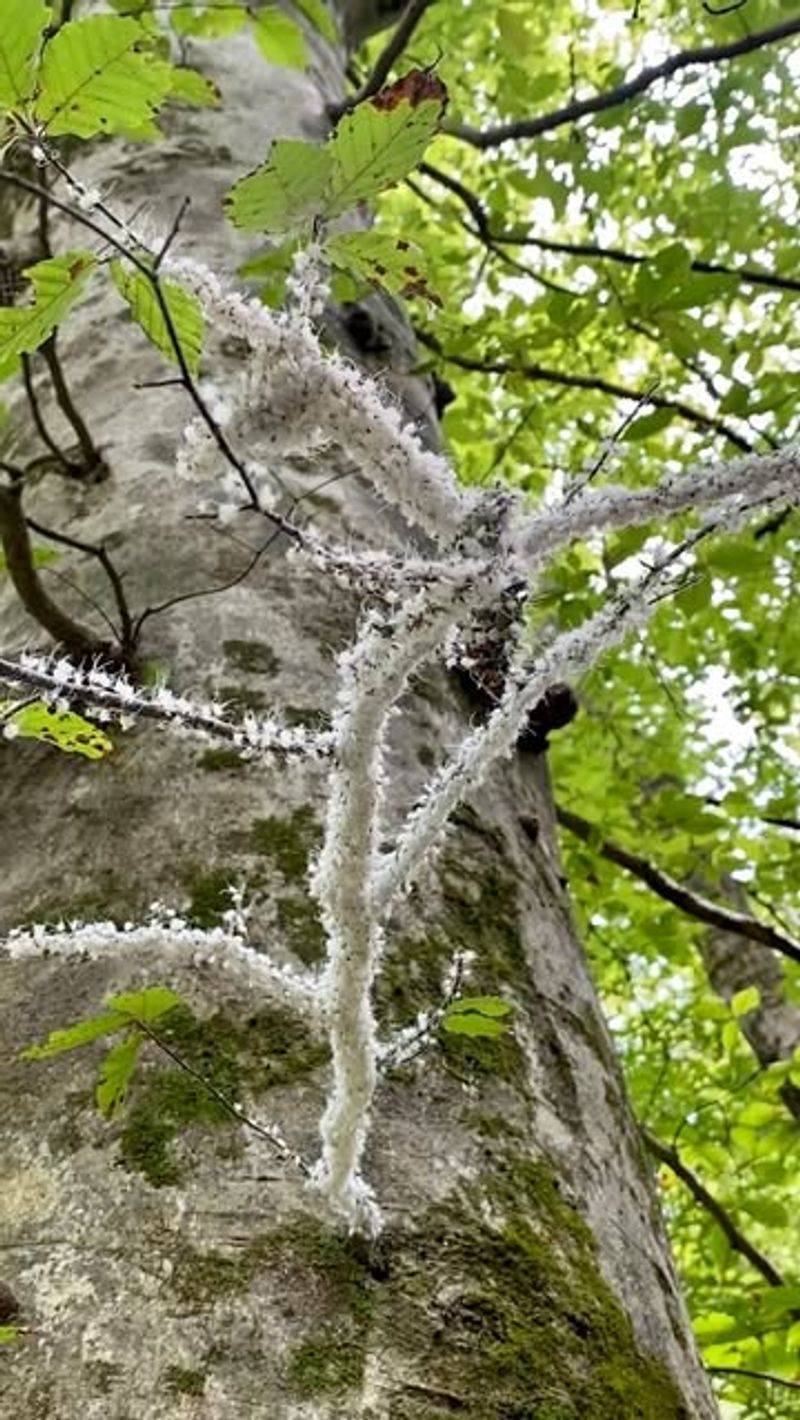
Timing plays a huge role in when honeydew becomes noticeable. Insect populations tend to explode during certain seasons, especially in spring and early summer when temperatures warm up and plants start growing fast.
Your Nevada Garden Changes Every Week. Your Plan Should Too.
Gardening in Nevada changes quickly throughout the season. Every Friday you’ll receive a simple weekly plan showing exactly what to plant, prune, fertilize, harvest, and protect so you never miss the right timing.
Nevada’s dry climate and warm weather create ideal conditions for aphids and other sap-feeders to reproduce quickly.
A single aphid can give birth to dozens of offspring in just a few weeks. When conditions are right, colonies grow exponentially.
Before you know it, hundreds or even thousands of bugs are feeding on a single tree.
Another reason for sudden appearances is the lack of natural predators. Ladybugs, lacewings, and parasitic wasps normally keep aphid populations in check.
But if these beneficial insects aren’t around—maybe due to pesticide use or habitat loss—the pests can run wild.
Weather patterns also matter. A mild winter followed by a wet spring can lead to lush new growth on trees, which insects love.
Nevada gardeners often notice the sticky mess appearing seemingly overnight after a few weeks of ideal bug-breeding weather.
Understanding these cycles helps you anticipate when honeydew might become a problem in your own yard and prepare accordingly.
Because the buildup happens gradually in the canopy, most people don’t realize anything is wrong until surfaces below start feeling sticky and dirty.
By the time honeydew becomes obvious, insect populations are often already well established and actively feeding across multiple branches.
Knowing when these seasonal spikes usually occur gives Nevada gardeners a better chance to react early instead of being caught off guard.
3. The Insects Most Often Behind The Sticky Coating
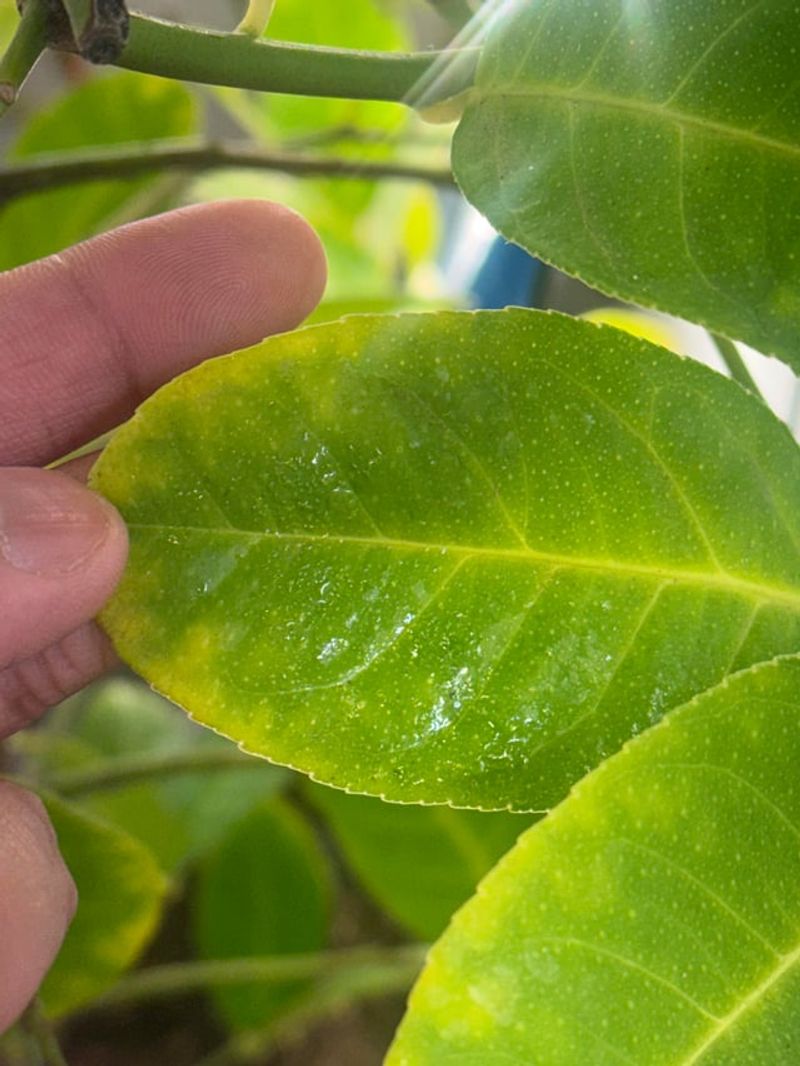
Aphids are the usual suspects when it comes to honeydew production in Nevada. These tiny, soft-bodied insects cluster on new growth and the undersides of leaves.
They come in various colors—green, black, yellow, or even pink—and can be hard to spot without looking closely.
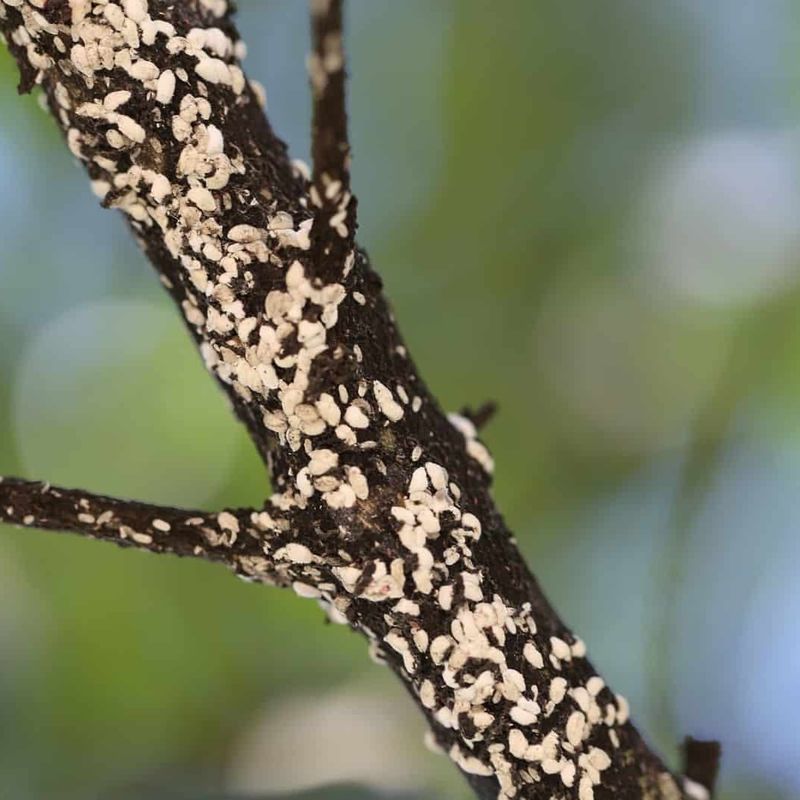
Scale insects are another common culprit. Unlike aphids, scale bugs don’t move much once they settle onto a branch.
They attach themselves and form a hard, shell-like covering that protects them while they feed. You might mistake them for bumps or growths on the bark.
Whiteflies also produce honeydew, though they’re less common on large trees and more likely to infest shrubs and ornamentals. They look like tiny white moths and flutter around when disturbed.
Mealybugs, covered in a white, waxy coating, can also be responsible, especially on certain tree species.
Each type of insect has its own feeding habits and preferred host plants. In Nevada, aphids are by far the most frequent cause of sticky residue on popular landscape trees like maples, elms, and lindens.
Identifying the pest helps you choose the right control method if you decide to take action.
Because many of these insects feed high in the tree, the sticky residue often shows up before the bugs are noticed.
Nevada’s warm spells let populations build quickly without much warning.
Checking leaves and branches early can stop the mess from spreading below.
4. Why Leaves, Cars, And Patios Get Covered
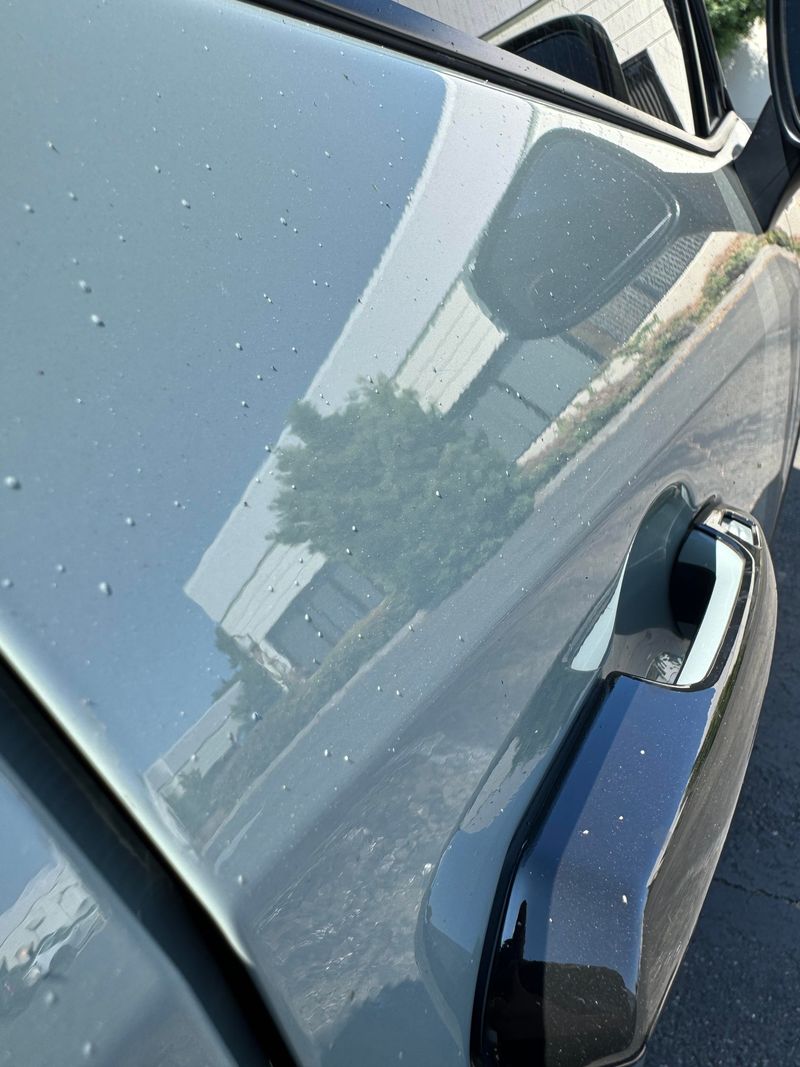
Gravity is the simple answer here. Insects feeding high up in the canopy produce honeydew that drips straight down.
Anything underneath becomes a target—leaves, grass, outdoor furniture, vehicles, and walkways. In Nevada, where many homes have trees planted near driveways and patios, this becomes a real headache.
Cars parked under infested trees can end up with a sticky film that’s tough to wash off. The longer it sits, the harder it gets, and it can even attract dirt and pollen, making your vehicle look filthy.
Patio furniture and grills suffer the same fate, becoming unusable without a good scrubbing.
Lower leaves on the tree itself also get coated. This can block sunlight and interfere with photosynthesis, though it usually takes a heavy infestation to cause serious harm.
The real problem is what comes next: sooty mold.
Sooty mold is a black fungus that grows on honeydew. It doesn’t infect the tree directly, but it covers leaves and reduces their ability to absorb light.
In Nevada’s sunny climate, this can stress trees that are already dealing with heat and drought.
Cleaning up honeydew is tedious, but understanding why it spreads so widely helps you decide where to park your car and how to arrange your outdoor space.
Because honeydew falls continuously as insects feed, the mess builds up layer by layer without you noticing right away.
Over time, this constant drip turns everyday surfaces into sticky traps that collect dust, grit, and debris from the air.
Knowing how far the residue can spread helps explain why the problem often feels bigger than just one tree.
5. When Sticky Residue Is Most Common In Nevada
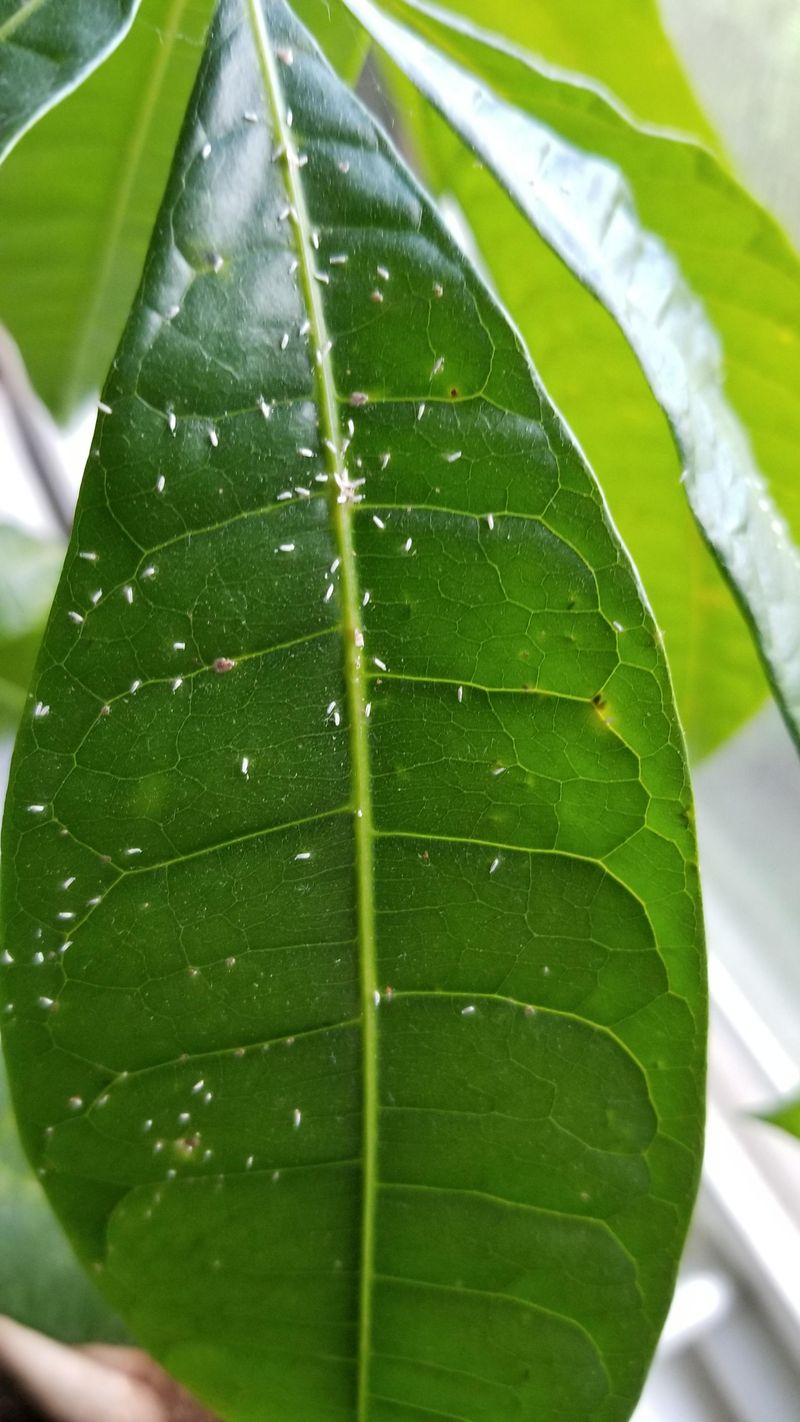
Spring is prime time for honeydew in Nevada. As temperatures climb into the 70s and 80s, aphids and other pests start reproducing rapidly.
Trees push out tender new growth, which is exactly what these insects crave. By late April or early May, many gardeners notice the sticky problem for the first time.
Early summer can be just as bad, especially if spring rains were plentiful. More moisture means more plant growth, which supports larger insect populations.
By mid-June, honeydew production often peaks, and the mess becomes unavoidable.
Fall can bring a second wave, though it’s usually less intense. Cooler temperatures slow insect activity, but some species remain active well into October.
Nevada’s mild autumn weather allows pests to linger longer than they would in colder climates.
Winter is the only real break. Freezing temperatures and dormant trees mean insects either go into hibernation or don’t survive.
However, mild winters can allow some pests to overwinter successfully, leading to bigger problems the following spring.
Knowing when to expect honeydew helps you plan your outdoor activities and decide whether intervention is worth the effort or if you should just wait it out.
For many Nevada homeowners, the timing feels predictable once it’s happened a few times, with the sticky residue showing up almost like a seasonal marker.
The issue often lines up with outdoor plans, catching people off guard right when patios, grills, and cars are getting the most use.
Paying attention to these seasonal windows makes the problem feel less random and easier to anticipate year after year.
6. Is The Substance Harmful To Trees Or Just Messy
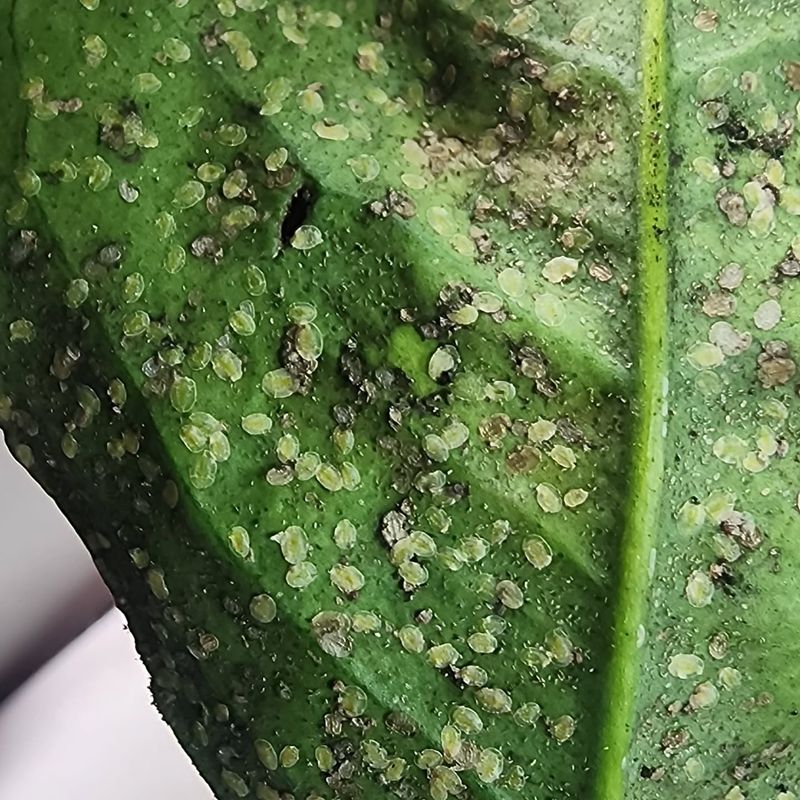
Honeydew itself won’t hurt your trees. It’s just sugar water, essentially, and trees don’t absorb it or react negatively to it directly.
The real issue is what honeydew attracts and encourages. Sooty mold is the biggest concern for Nevada gardeners dealing with sticky trees.
Sooty mold thrives on honeydew and forms a black coating on leaves and branches. While it doesn’t infect the tree’s tissues, it blocks sunlight and reduces photosynthesis.
Over time, this can weaken the tree, especially if the infestation is severe and lasts for weeks or months.
The insects producing the honeydew are the actual threat. Heavy aphid or scale infestations can stress trees by draining their sap.
Young trees or those already struggling with drought, disease, or poor soil can suffer more. In Nevada, where water is often limited, stressed trees are less resilient.
However, most mature, healthy trees can tolerate moderate insect feeding without serious harm. The sticky mess is more of a cosmetic and convenience issue than a health crisis.
If your tree is otherwise vigorous and well-watered, it’ll likely bounce back once the pest population declines.
Assessing your tree’s overall health helps you decide whether the honeydew is just annoying or a sign of a deeper problem that needs attention.
The frustration usually comes from the mess it creates rather than actual tree damage.
Sticky surfaces, dirty leaves, and blackened foliage make the problem feel worse than it often is.
Knowing what’s cosmetic versus harmful helps keep the situation in perspective.
7. Why Some Trees Are Affected More Than Others
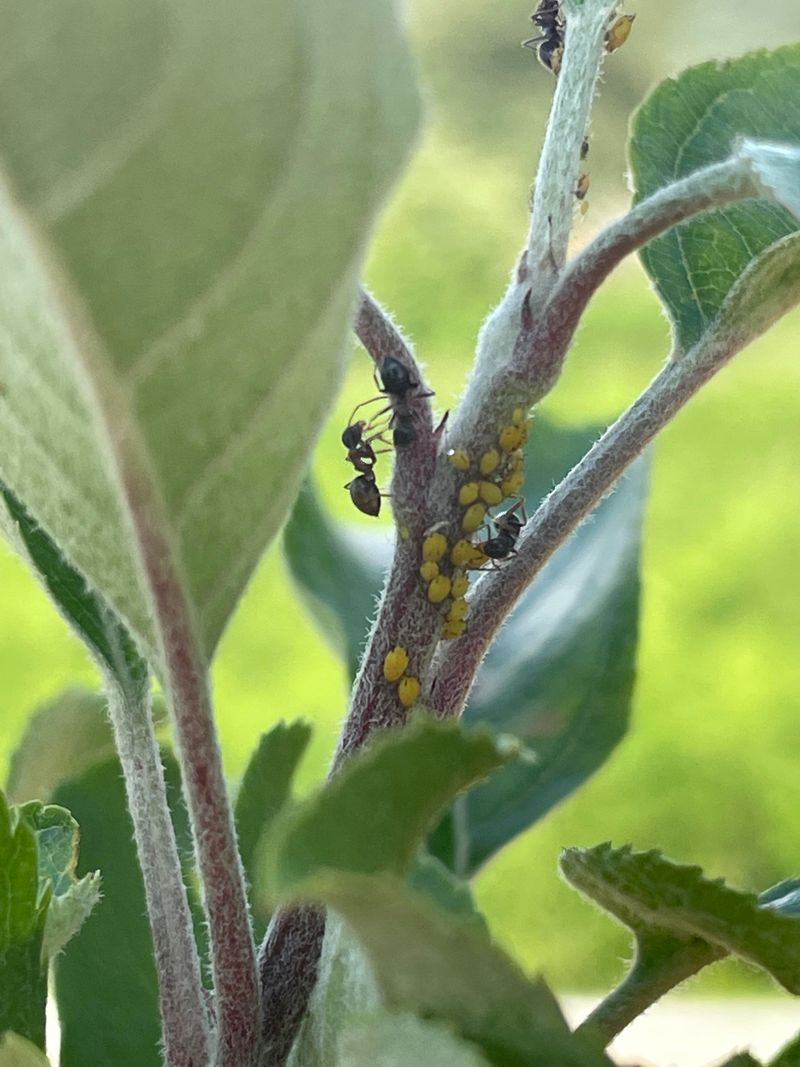
Certain tree species are like magnets for sap-sucking insects. In Nevada, maples, lindens, elms, and birches are frequent targets.
These trees produce the kind of sap that aphids and scale love—rich in sugars and amino acids. Their tender new growth is especially attractive in spring.
Tree health also plays a role. Stressed trees, whether from drought, poor soil, or damage, often produce more of the nutrients insects crave.
Ironically, a struggling tree can become even more appealing to pests, creating a vicious cycle.
Location matters too. Trees planted in urban areas or near buildings may have fewer natural predators around to keep insect populations in check.
Nevada’s desert-adapted landscapes often lack the biodiversity that supports beneficial insects like ladybugs and lacewings.
Young trees are more vulnerable than mature ones. Their smaller size means a heavy infestation can have a bigger impact.
Plus, they’re still establishing their root systems and may not have the reserves to bounce back as easily.
Planting a variety of tree species and maintaining good tree health through proper watering, mulching, and pruning can reduce your chances of dealing with a sticky mess every spring and summer in Nevada.
Mixed plantings also make it harder for insects to spread quickly from one tree to the next.
Healthy, well-spaced trees tend to recover faster even when pests show up. Small choices in planting and care can make a noticeable difference over time.
8. What Happens If The Sticky Buildup Is Ignored
Ignoring honeydew won’t necessarily doom your tree, but it can lead to some unpleasant consequences. Sooty mold will almost certainly develop if the sticky coating persists for more than a week or two.
The black fungus looks alarming and can cover large areas of the canopy.
Sooty mold reduces the tree’s ability to photosynthesize, which can slow growth and weaken the tree over time. In Nevada’s hot, dry climate, trees are already working hard to survive.
Adding the stress of reduced sunlight can push a tree closer to decline.
The insect population may continue to grow unchecked. Without intervention, aphids and scale can multiply to the point where they cause visible damage, including curled leaves, stunted growth, and weakened branches.
Heavy infestations can weaken a tree’s defenses against other pests and diseases.
Your outdoor spaces will remain a sticky nightmare. Furniture, cars, and walkways will need constant cleaning.
Ants and wasps are attracted to honeydew, so you might also notice an uptick in these pests buzzing around your yard.
On the flip side, many infestations naturally decline as predators catch up or weather conditions change. Sometimes doing nothing is a valid choice, especially if the tree is healthy and the mess is tolerable.
The key is recognizing when the situation is staying manageable and when it’s clearly getting worse.
A light, short-lived honeydew episode is usually just a nuisance.
Prolonged stickiness paired with visible insect damage is a sign the balance has tipped.