These 9 Trees And Shrubs Never Go Out Of Style In Arizona Gardens
Arizona gardens don’t have much patience for plants that look good for a season and then struggle once heat and drought set in.
Some trees and shrubs keep their place in Arizona landscapes because they handle extreme sun, dry air, and long summers without losing their shape or presence.
These plants bring a sense of stability, making gardens feel grounded and intentional instead of constantly changing or unfinished.
Rather than relying on trends, they earn their popularity through consistent growth and dependable performance year after year.
Their structure holds a garden together even when flowers fade or seasonal color shifts.
Arizona homeowners often return to these choices because they age well instead of declining or needing replacement.
Strong roots, balanced growth habits, and climate tolerance give them lasting appeal. When a garden feels established rather than temporary, these plants are usually part of the reason.
That staying power is exactly why certain trees and shrubs never go out of style in Arizona gardens.
1. Desert Willow
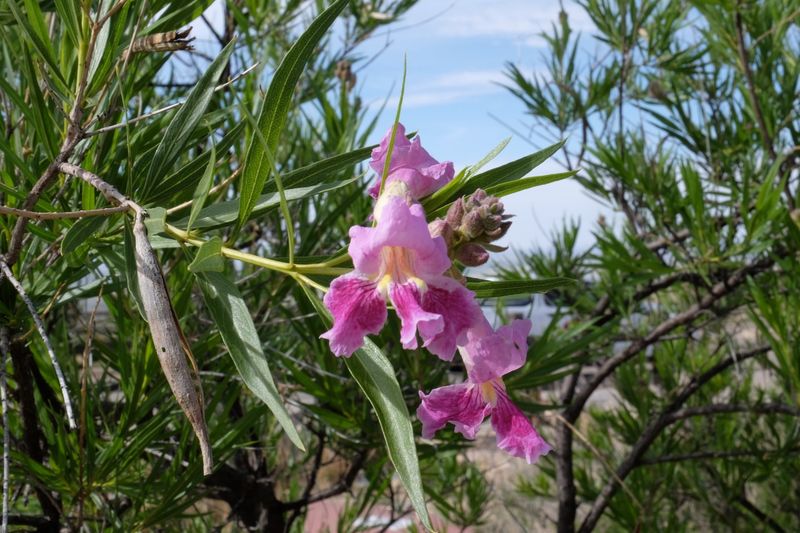
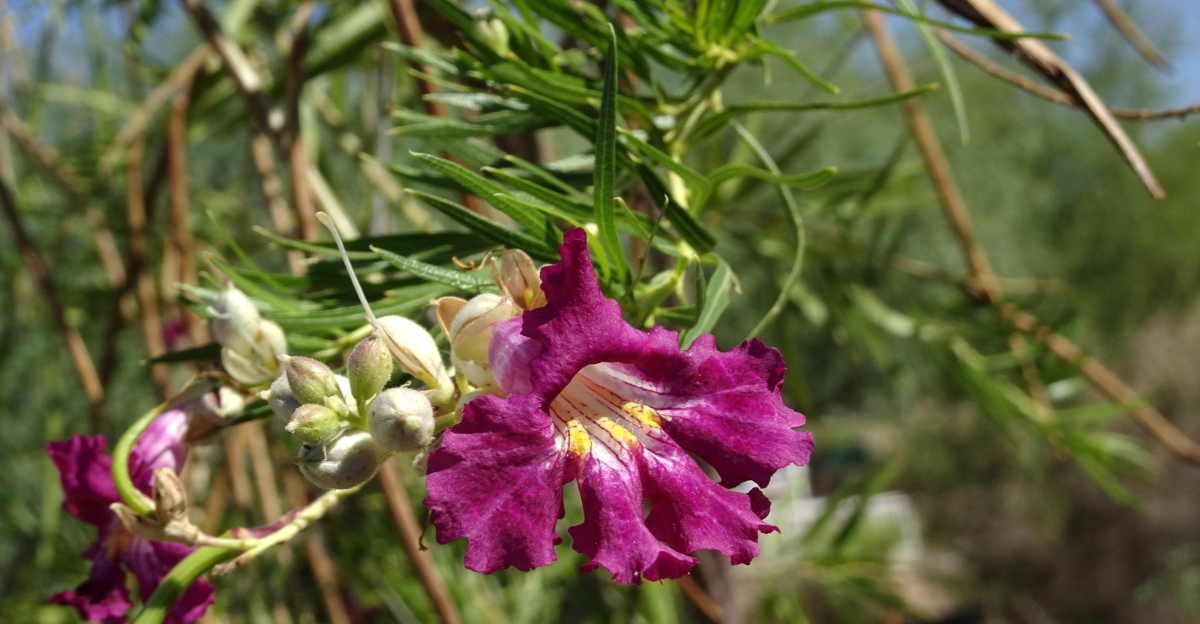
Springtime brings something magical when this beauty starts blooming, filling Arizona yards with trumpet-shaped flowers in shades of pink, purple, and white. Homeowners love how it attracts hummingbirds and butterflies, creating a lively garden scene.
The blooms keep coming from late spring through early fall, providing months of color.
Water needs stay surprisingly low once this plant establishes itself in your landscape. Young specimens need regular watering for the first year, but mature ones can survive on rainfall alone in many parts of the state.
Arizona gardeners appreciate this independence, especially during drought conditions.
Growth happens quickly, with some specimens reaching fifteen to twenty feet tall within just a few years. The graceful, willow-like branches create filtered shade perfect for patios and seating areas.
Many people plant these near outdoor living spaces to enjoy the flowers up close.
Winter brings a deciduous phase, meaning the leaves drop away completely. Some folks see this as a drawback, but others appreciate the extra sunlight reaching their homes during cooler months.
The bare branches have their own sculptural beauty against Arizona’s blue skies.
Pruning needs stay minimal, though you can shape it into either a single-trunk tree or a multi-stemmed shrub. Both forms look fantastic in desert landscapes.
Pests rarely bother this tough plant, making maintenance even easier for busy homeowners throughout the state.
2. Palo Verde
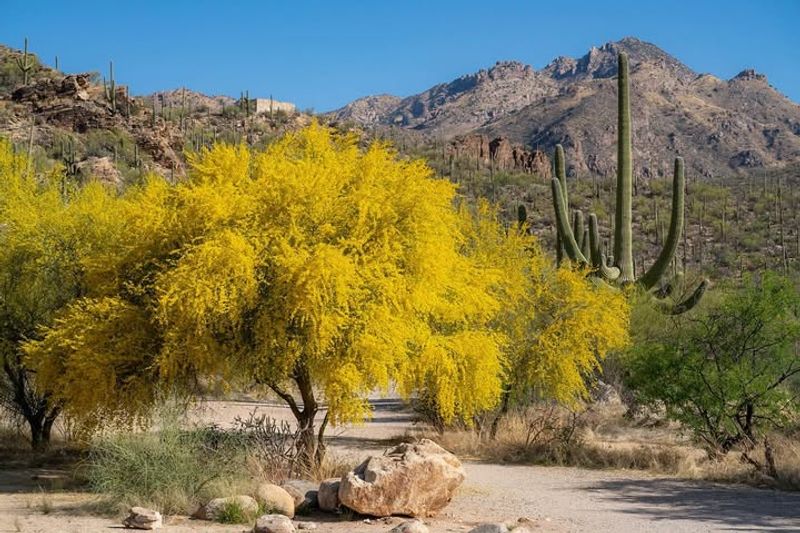
Bright green bark makes this Arizona native instantly recognizable, even when branches stand bare of leaves. Photosynthesis happens right through the trunk and limbs, a clever adaptation to desert life.
This unique feature means the tree stays productive year-round, even without foliage.
Explosive yellow blooms cover every branch in spring, creating one of the most spectacular shows in any Arizona landscape. The flowering period typically lasts several weeks, transforming the entire tree into a golden cloud.
Neighbors always stop to admire these stunning displays.
Shade develops gradually as the tree matures, eventually spreading wide enough to cover cars, patios, or play areas. The filtered canopy allows grass or groundcover to grow underneath, unlike denser trees.
Your Arizona Garden Changes Every Week. Your Plan Should Too.
Gardening in Arizona changes quickly throughout the season. Every Friday you’ll receive a simple weekly plan showing exactly what to plant, prune, fertilize, harvest, and protect so you never miss the right timing.
Arizona homeowners value this versatility in landscape design.
Drought tolerance ranks among the highest of any tree suitable for residential yards. Established specimens thrive on natural rainfall alone, even in the driest parts of the state.
Supplemental watering during extreme heat waves helps maintain optimal health.
Root systems spread widely but stay relatively shallow, so avoid planting too close to foundations or underground pipes. Many people position these trees in open yard areas where roots have room to expand.
Wildlife benefits include shelter for birds and food for desert pollinators throughout Arizona.
3. Texas Ranger
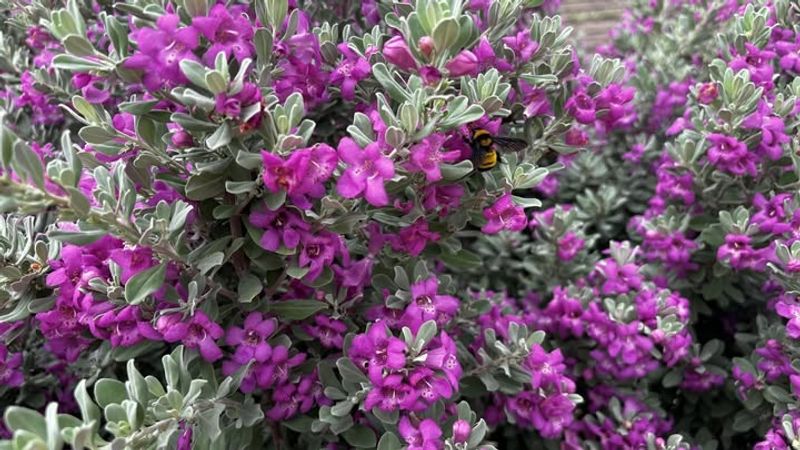
Silvery-gray foliage creates a soft, cooling visual effect that contrasts beautifully with darker green plants in Arizona gardens. The leaves have a fuzzy texture that helps reflect sunlight and conserve moisture.
This coloring stays attractive throughout all seasons, providing consistent landscape interest.
Purple blooms appear after monsoon rains, earning this shrub the nickname “barometer bush” among longtime residents. The timing seems almost magical, with flowers emerging within days of summer storms.
These tubular blossoms attract bees, butterflies, and hummingbirds to your yard.
Compact growth habits make Texas Ranger perfect for foundation plantings, borders, or mass plantings across Arizona properties. Most varieties stay between three and six feet tall, though some cultivars grow larger.
The rounded shape requires little pruning to maintain its natural form.
Heat tolerance exceeds that of many other flowering shrubs, allowing it to thrive in full sun locations that would stress other plants. Arizona’s intense summer temperatures barely faze this tough performer.
It actually blooms better with more sun exposure.
Multiple varieties offer different flower colors, including pink, white, and various shades of purple. Foliage tones also vary from bright silver to sage green depending on the cultivar.
This diversity lets Arizona gardeners choose options that best match their landscape color schemes and personal preferences.
4. Olive Tree
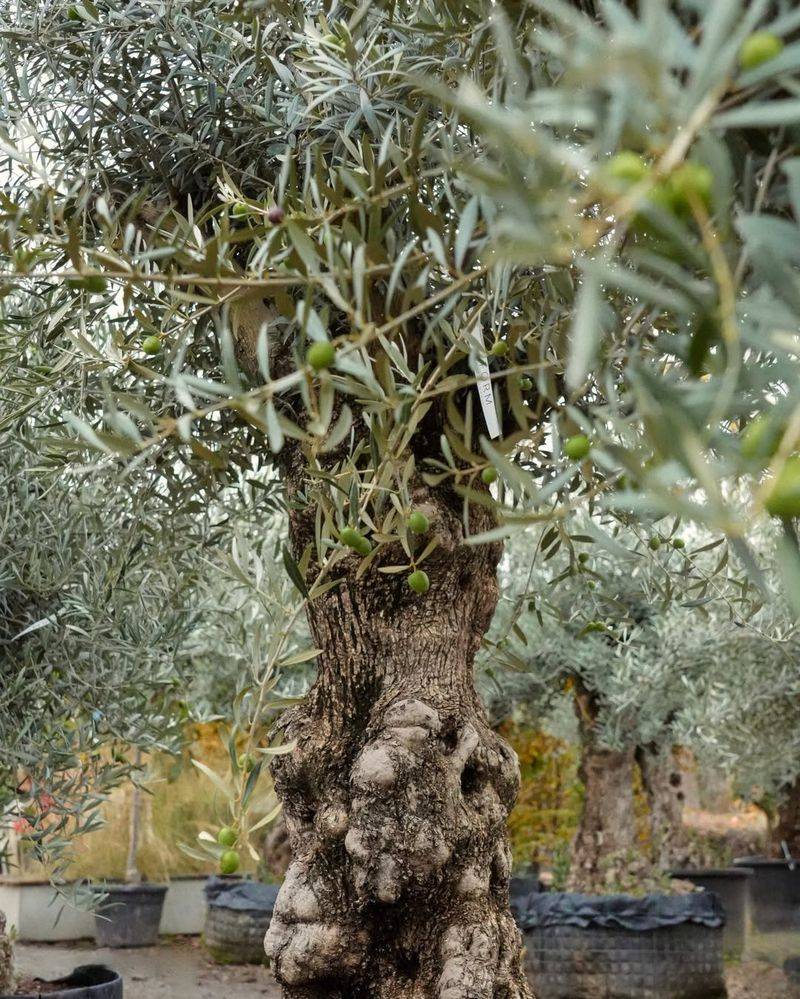
Mediterranean elegance arrives in Arizona landscapes through these graceful specimens with their distinctive silvery-green leaves. The foliage shimmers in breezes, creating movement and visual interest even on still days.
Ancient associations with peace and prosperity add symbolic meaning to their practical beauty.
Fruit production varies depending on whether you choose a fruiting or fruitless variety for your property. Fruiting types produce olives that can be cured and eaten, though the process requires patience.
Arizona gardeners near pools or patios often prefer fruitless cultivars to avoid cleanup.
Evergreen nature means year-round foliage and consistent screening for privacy or wind protection. Unlike deciduous trees, these never leave your yard looking bare and exposed.
The continuous greenery provides structure to garden designs throughout all seasons.
Slow to moderate growth allows better control over size and shape compared to faster-growing alternatives. Mature height typically reaches twenty-five to thirty feet, with spread nearly matching height.
Arizona homeowners appreciate the manageable proportions for residential lots.
Drought resistance develops strongly once roots establish themselves in the ground. Young trees need regular watering for two or three years, but mature specimens handle dry periods remarkably well.
The deep root system helps them access moisture that surface-rooted plants cannot reach across Arizona’s varied soil types.
5. Mesquite
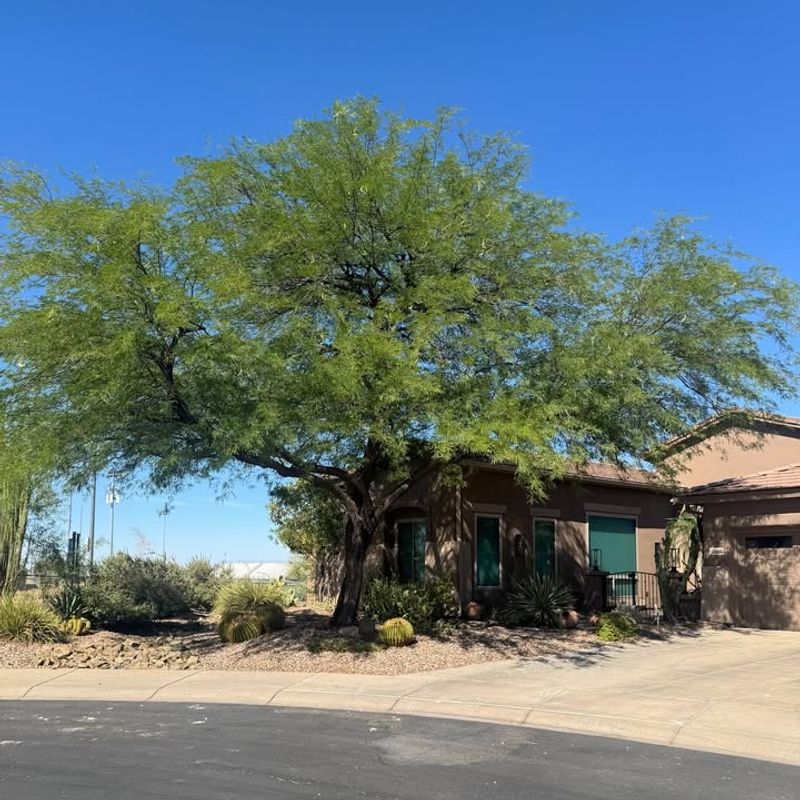
Twisted, sculptural trunks develop character as these Arizona natives mature, creating living artwork in your landscape. The gnarled wood tells a story of survival through decades of desert conditions.
Many homeowners choose mesquite specifically for this rustic, authentic Southwestern appearance.
Feathery, compound leaves provide filtered shade that cools outdoor spaces without blocking all sunlight. The delicate foliage moves gracefully in breezes, creating dancing shadow patterns on the ground below.
Arizona residents can enjoy comfortable seating areas beneath these canopies even during summer.
Fragrant yellow flower spikes emerge in late spring, filling the air with a sweet honey-like scent. Bees absolutely love these blooms, making mesquite valuable for supporting pollinators.
The flowers develop into long seed pods that wildlife consume throughout the year.
Deep taproots allow mesquite to access water far below the surface, explaining its legendary drought tolerance. Once established, these trees survive entirely on natural rainfall across most Arizona regions.
This deep rooting also provides excellent stability against strong winds.
Several species grow throughout the state, including velvet mesquite, honey mesquite, and screwbean mesquite. Each offers slightly different growth patterns and appearances.
Arizona landscapers can select varieties that best suit specific yard conditions and design goals for lasting success.
6. Arizona Cypress
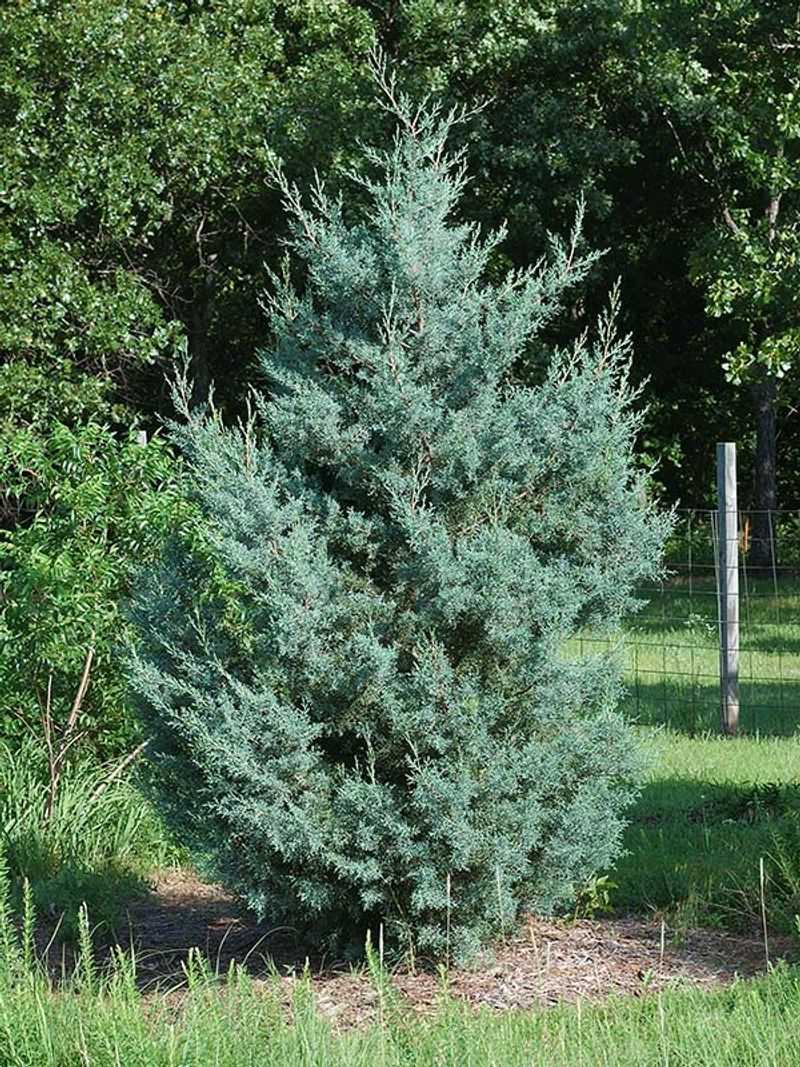
Coniferous evergreen structure brings a different texture to Arizona landscapes dominated by broad-leaved desert plants. The pyramidal shape offers formal appeal, working well as a specimen tree or in rows for screening.
Soft, scale-like foliage stays blue-green to gray-green year-round.
Fast growth rates help this tree quickly reach useful heights for privacy or windbreak purposes. Young specimens can add two to three feet annually under good conditions.
Arizona homeowners appreciate how rapidly these trees fill in to create the desired landscape effect.
Aromatic foliage releases a pleasant scent, especially noticeable after rain or when branches are brushed. The fragrance adds another sensory dimension to outdoor spaces.
Some people describe it as similar to cedar or juniper.
Cold hardiness exceeds that of many desert-adapted plants, making Arizona Cypress suitable for higher elevations and northern parts of the state. It handles freezing temperatures and occasional snow without damage.
This versatility expands planting options beyond low-desert zones.
Small round cones develop on mature trees, adding textural interest though they remain fairly inconspicuous. Birds sometimes use these for nesting material or food sources.
The dense branching provides excellent shelter for wildlife throughout Arizona’s changing seasons, supporting local ecosystems while enhancing your property’s natural beauty and environmental value.
7. Bougainvillea
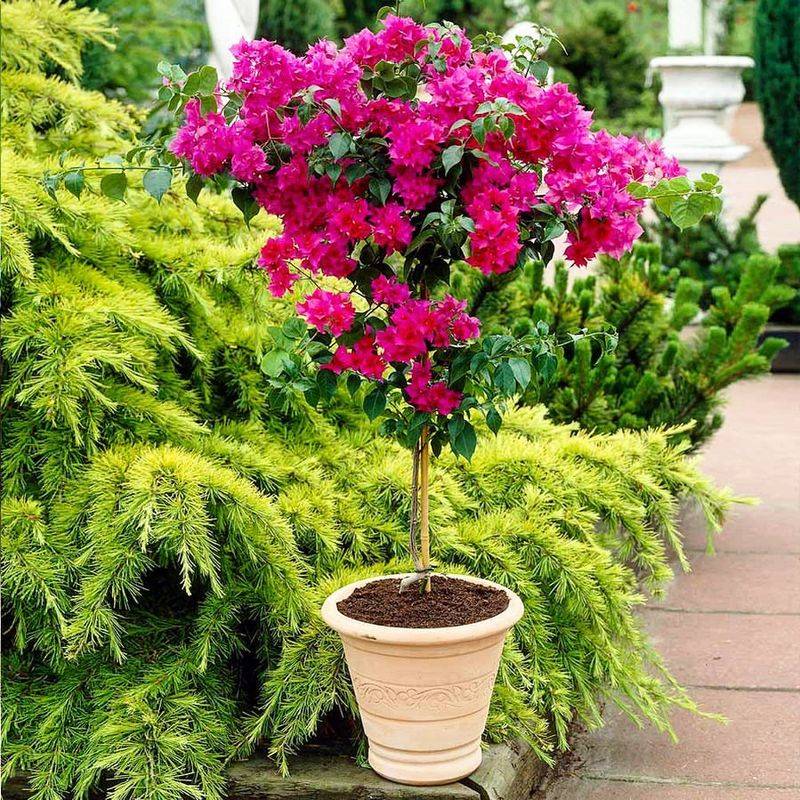
Vivid color explosions define this vine-like shrub, with brilliant bracts in shades of magenta, red, orange, purple, pink, or white. The papery modified leaves create the showy display, while actual flowers remain small and inconspicuous.
Arizona gardens gain instant tropical flair from these vibrant plants.
Versatile growth habits allow training as a shrub, hedge, ground cover, or climbing vine depending on pruning and support. Some gardeners let them sprawl naturally, while others create formal shapes.
The flexibility makes bougainvillea suitable for many different landscape situations across the state.
Blooming occurs most heavily in spring and fall, though plants in warm Arizona microclimates may flower sporadically year-round. The intensity of color increases with sun exposure and mild stress.
Peak displays transform entire walls, fences, or arbors into sheets of brilliant color.
Thorny branches require careful placement away from walkways and play areas where people might brush against them. Gloves become essential for pruning and maintenance tasks.
Despite this minor drawback, the spectacular beauty outweighs the prickly nature for most Arizona homeowners.
Frost sensitivity means providing protection or choosing hardy varieties in areas that experience freezing temperatures. Lower-elevation desert zones rarely see damaging cold, allowing unrestricted planting.
Northern Arizona gardeners must select cold-tolerant cultivars or treat bougainvillea as seasonal color throughout the state’s diverse climate zones.
8. Creosote Bush
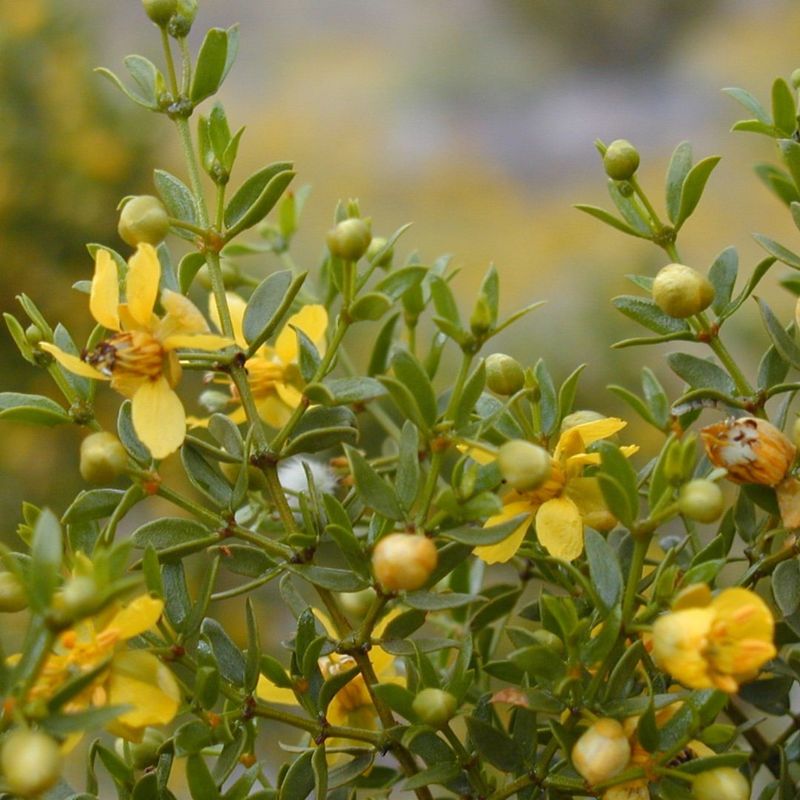
Iconic desert fragrance fills the air after rainfall, as essential oils in the leaves release their distinctive earthy scent. This aroma defines the Arizona desert experience for many residents and visitors.
The smell triggers memories and emotional connections to the Southwestern landscape.
Tiny yellow flowers appear throughout much of the year, providing reliable nectar sources for desert insects and pollinators. Blooming peaks after rains but continues at lower levels during dry periods.
The cheerful blossoms brighten the olive-green foliage.
Extreme longevity characterizes creosote colonies, with some clones estimated at thousands of years old. Individual stems live decades before being replaced by new growth from the root system.
This ancient presence connects modern Arizona landscapes to the deep past.
Minimal water requirements make creosote the ultimate low-maintenance choice for xeriscape designs. Established plants thrive on rainfall alone, even in the driest regions.
Supplemental irrigation actually harms these plants by promoting root diseases.
Evergreen leaves stay small and resinous, coated with compounds that reduce water loss and deter herbivores. The foliage appears varnished, reflecting intense sunlight.
Spacing plants appropriately allows each one to develop its natural rounded form, creating the classic desert landscape appearance that defines Arizona gardens. Natural allelopathy means creosote chemicals inhibit nearby plant growth, so companion plants need careful selection for successful combinations.
9. Oleander
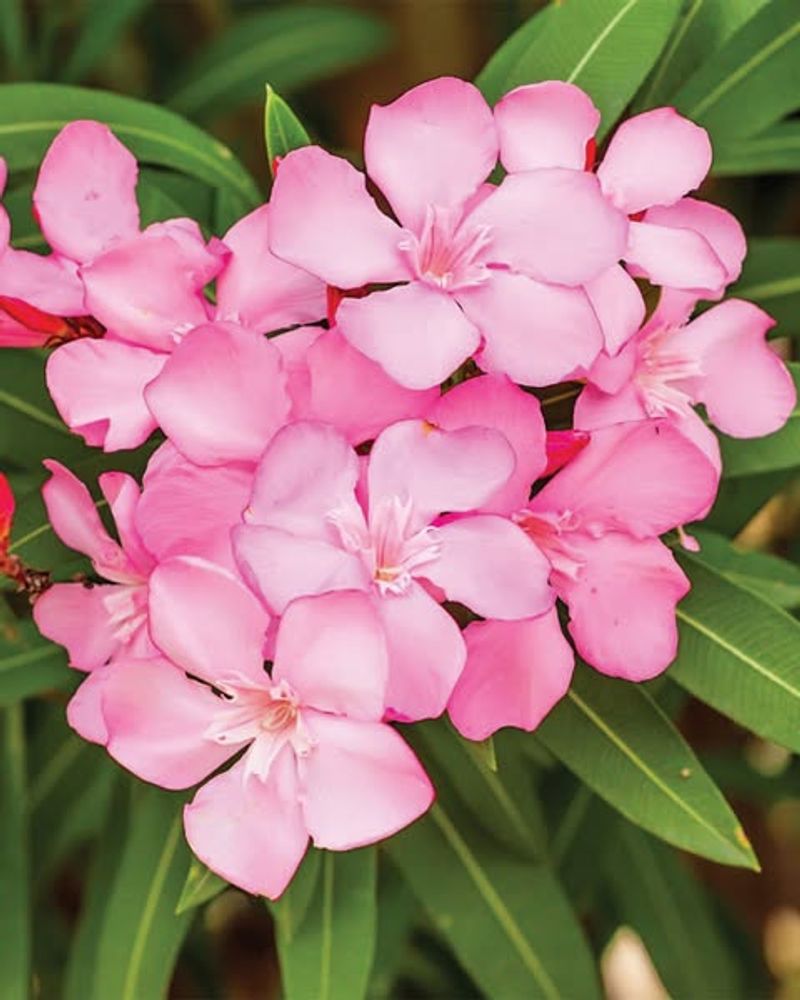
Lush, evergreen foliage creates dense screens for privacy and wind protection throughout Arizona neighborhoods. The long, leathery leaves maintain their deep green color year-round, providing consistent visual weight in landscape designs.
This reliable appearance makes oleander a go-to choice for structured plantings.
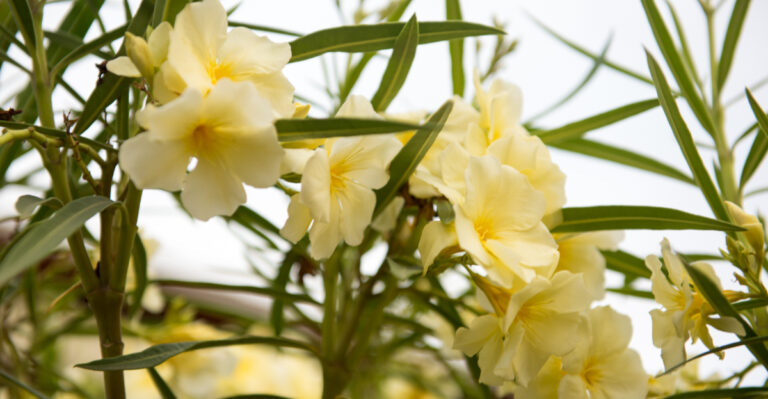
Prolific flowering spans from spring through fall, with clusters of blooms in white, pink, red, salmon, or yellow. Single or double flower forms offer different aesthetic options.
The extended bloom period provides months of color when many desert plants rest.
Size flexibility comes from numerous cultivars ranging from dwarf varieties under four feet to tall selections reaching twenty feet. Arizona landscapers can choose appropriate sizes for specific locations and purposes.
Pruning easily maintains desired heights and shapes.
Heat and drought tolerance rival any ornamental shrub available for desert gardens. Established oleanders handle full sun and reflected heat from walls or pavement without stress.
They continue looking good through Arizona’s toughest summer conditions.
Caution becomes necessary because all plant parts contain toxic compounds harmful if ingested. Families with young children or pets need to consider this carefully before planting.
However, the toxicity also means deer and rabbits leave oleanders alone, solving common browsing problems. Proper placement away from areas where children play allows safe enjoyment of this beautiful, reliable performer throughout Arizona landscapes for generations.