Idaho Gardeners Choose These 10 Perennials For Early Big Blooms
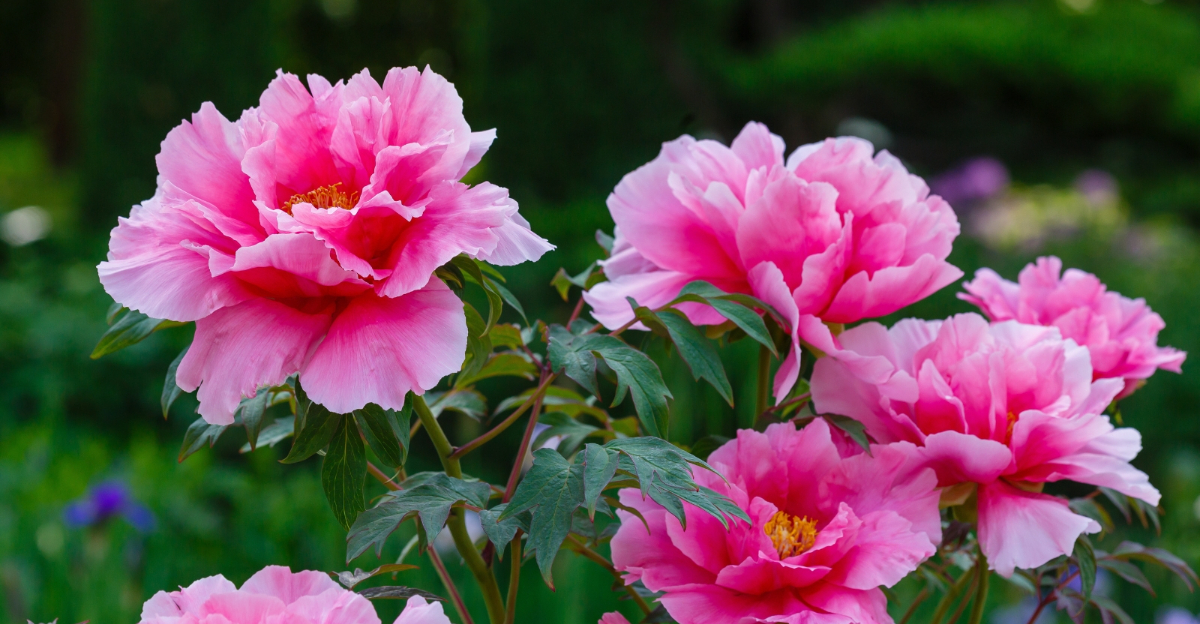
Idaho gardens come alive fast when perennials are chosen for early, bold blooms instead of slow starters.
Cool springs and short growing windows make timing everything, especially for gardeners who want color as soon as the season opens.
Early-blooming perennials stand out because they waste no time settling in once the soil warms. These plants take advantage of Idaho’s spring moisture and cooler temperatures before summer heat arrives.
Big early blooms help gardens look full and intentional instead of bare and unfinished.
They also create momentum, making the entire growing season feel more rewarding from the start. Idaho gardeners often rely on these perennials to anchor beds while later plants catch up.
Strong early performers reduce the frustration of waiting weeks for visible results.
That reliability is why certain perennials become go-to choices for early, impressive blooms in Idaho gardens.
1. Peony
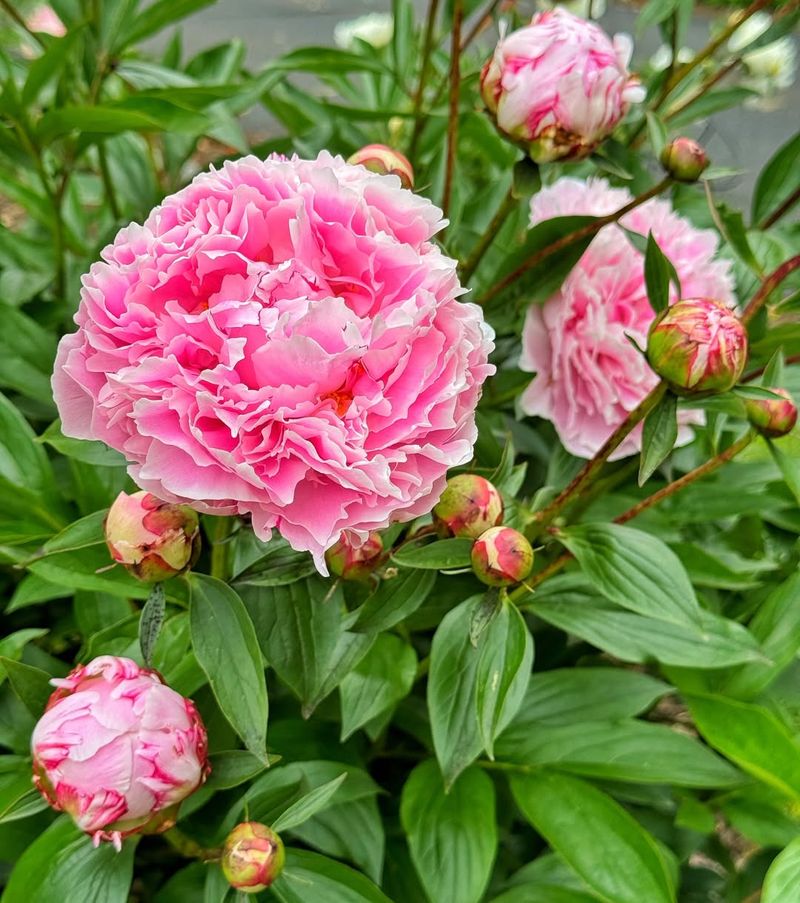
Few flowers command attention quite like a fully opened peony in late spring. Gardeners across Idaho wait all year for these massive blooms, which can reach the size of a dinner plate when conditions are right.
The fragrance alone makes them worth planting. Sweet and slightly spicy, it fills entire garden beds and drifts across yards on warm afternoons.
Bees and other pollinators find them irresistible, adding movement and life to every corner where they grow.
Planting depth matters more than most people realize. Set the roots too deep and you might wait years for flowers, or never see any at all.
Aim for just an inch or two of soil covering the pink buds on the crown.
Idaho’s cold winters actually help these plants thrive. They need that chill period to set buds properly, which is why they perform so well in northern climates.
Southern gardeners often struggle to get the same results.
Staking becomes necessary once the blooms start opening. Their weight can snap stems or pull entire plants sideways, especially after a rainstorm.
Simple wire hoops work better than individual stakes and look less obvious.
Ants crawling all over the buds might seem alarming at first. They’re actually helping the flowers open by eating the sticky coating on the petals.
This relationship has existed for thousands of years and causes no harm to the plant.
Older plants produce more flowers than younger ones. A mature peony can easily put out thirty or forty blooms in a single season.
Patience pays off because these plants can live for fifty years or longer in the same spot.
2. Iris
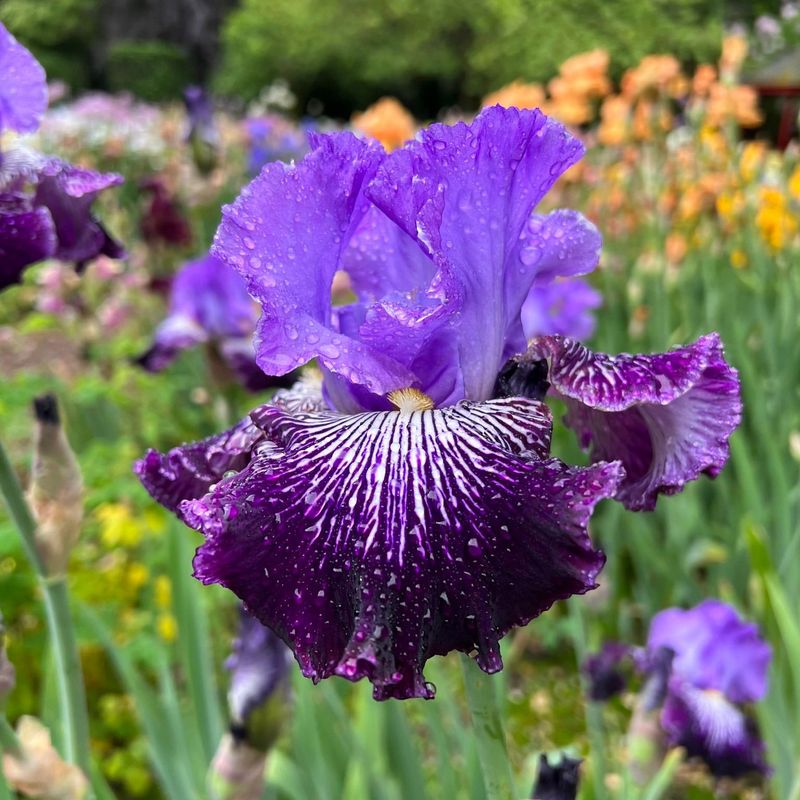
Sword-shaped leaves push through Idaho soil weeks before the flowers appear, creating bold vertical lines in spring borders. When those blooms finally open, they bring colors ranging from deep purple to butter yellow, with patterns and combinations that seem almost painted on.
Bearded varieties remain the most popular choice for a good reason. Those fuzzy caterpillar-like structures on the falls add texture and character that smooth-petaled types just can’t match.
They also tend to be the most cold-hardy option for mountain regions.
Rhizomes need exposure to sunlight to bloom their best. Plant them so the top portion sits right at the soil surface, almost like they’re resting on top of the ground.
Your Idaho Garden Changes Every Week. Your Plan Should Too.
Gardening in Idaho changes quickly throughout the season. Every Friday you’ll receive a simple weekly plan showing exactly what to plant, prune, fertilize, harvest, and protect so you never miss the right timing.
Burying them completely leads to rot and disappointing flower counts.
Spacing might seem excessive when you first put them in. Three rhizomes planted a foot apart look sparse and lonely at first.
Give them two seasons and they’ll fill in beautifully, creating substantial clumps that multiply on their own.
Bloom time varies by variety more than most perennials. Early types can flower in April in warmer parts of Idaho, while late varieties might not peak until June.
Mixing different types extends the show for weeks.
Dividing becomes necessary every three to four years. Crowded clumps produce fewer flowers and more leaves, which defeats the whole purpose of growing them.
Late summer is the ideal time to dig, split, and replant.
3. Bleeding Heart
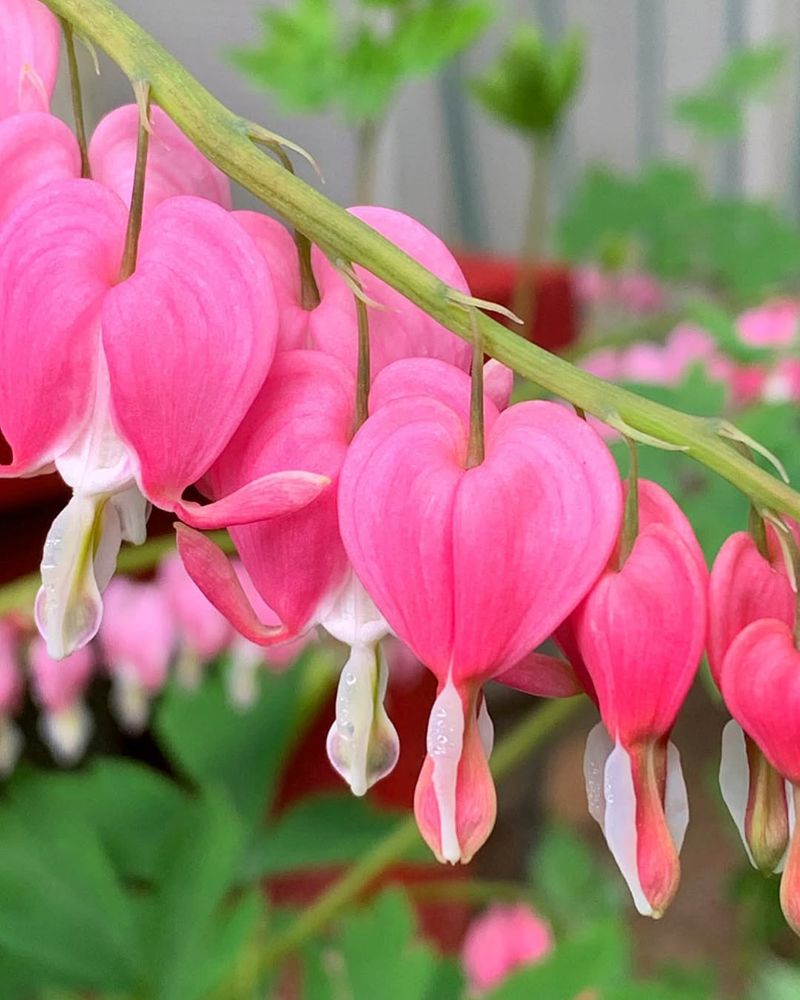
Heart-shaped flowers dangle from arching stems like tiny lockets, creating one of spring’s most romantic displays. Each bloom looks almost too perfect to be real, with its two-toned pink and white coloring and symmetrical shape.
Shade tolerance sets this plant apart from most early bloomers. While many spring perennials demand full sun, bleeding heart thrives in the dappled light under trees or on the north side of buildings.
Idaho gardeners with challenging shady spots rely on it heavily.
The foliage tends to fade by midsummer, especially in warmer microclimates. This natural dormancy isn’t a problem or a sign of poor health.
The plant is simply going to sleep until next spring, conserving energy during the hottest months.
Companion planting helps hide that summer disappearance. Hostas, ferns, and other shade lovers fill in the gaps left behind.
Plan ahead when designing the bed so you won’t end up with obvious bare spots come July.
White varieties offer a different look for gardeners who find the pink too sweet. These pure white forms glow in dark corners and pair beautifully with spring bulbs.
They’re just as hardy and reliable as their colored cousins.
Moisture matters more than most people realize. Consistent watering through the blooming period keeps flowers coming and foliage looking fresh.
Let the soil dry out and the plant will go dormant weeks earlier than it should.
4. Columbine
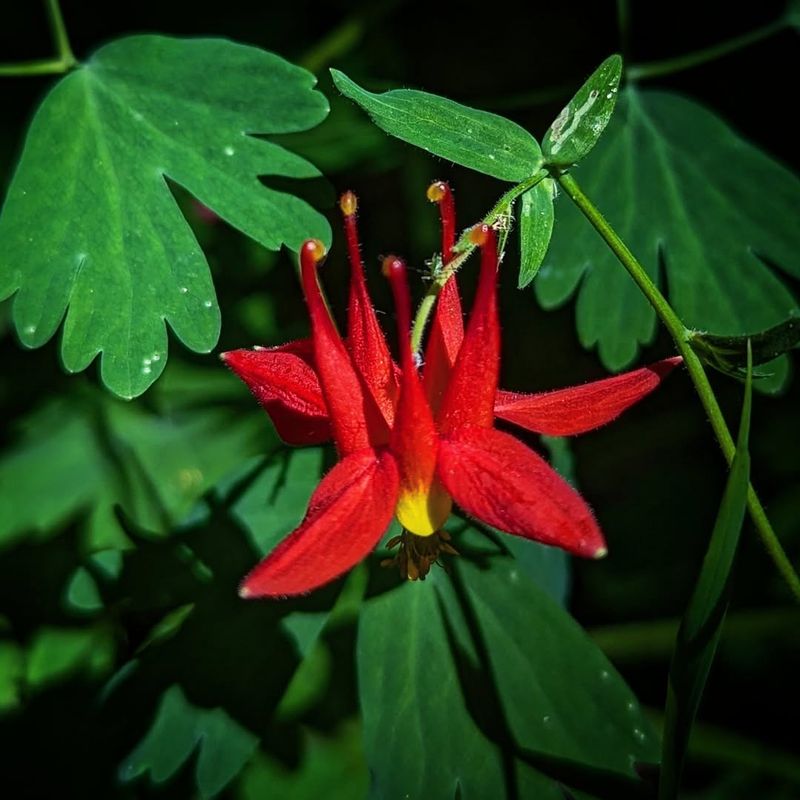
Spurred flowers in wild color combinations bob on thin stems above lacy foliage. Each bloom looks like a tiny dancer caught mid-twirl, with backward-pointing spurs that hold nectar for hummingbirds and long-tongued insects.
Native species grow wild in Idaho mountains and canyons, adapted to local conditions over thousands of years. Blue and white Colorado columbine and red and yellow Western columbine both thrive in cultivation.
They seed around freely and naturalize in woodland settings.
Hybrid varieties bring even more color options to the garden. Breeders have developed forms in nearly every shade imaginable, from deep burgundy to soft coral.
Some varieties feature doubled petals or extra-long spurs for added drama.
Self-seeding can be a blessing or a curse depending on your perspective. These plants drop seeds freely and the next generation pops up everywhere.
Some gardeners love the casual, cottage-garden effect while others find it messy.
Leaf miners create squiggly trails through the foliage by midsummer. These tiny insects tunnel between the leaf layers, leaving pale brown tracks behind.
The damage looks worse than it actually is and rarely harms the plant’s overall health.
Cutting back affected leaves improves appearance without hurting the plant. Once blooming finishes, you can shear the whole plant down to fresh basal growth.
New leaves will emerge and look clean through fall.
5. Lupine
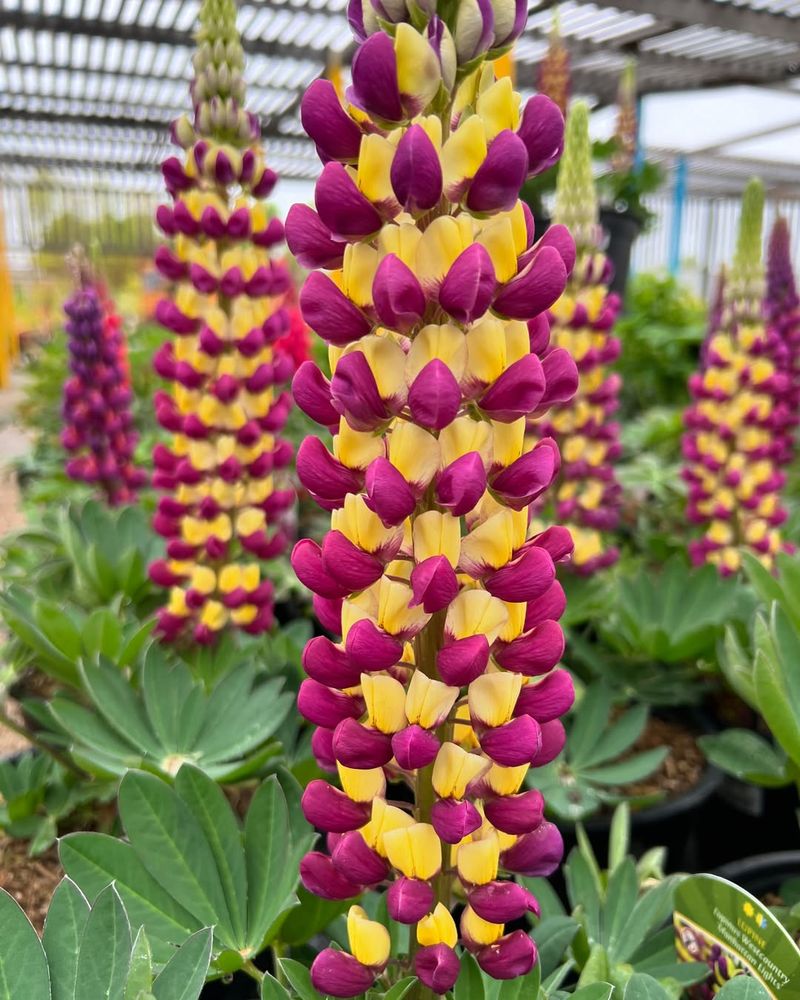
Tall flower spikes packed with pea-like blooms create vertical drama in late spring borders. Colors range from classic blue and purple to pink, white, yellow, and even bicolors.
Each spike can hold hundreds of individual flowers that open from bottom to top over several weeks.
Wild lupines blanket Idaho hillsides and roadsides in early summer. These native plants have adapted perfectly to local soils and climate.
Cultivated varieties bred from European species offer bigger flowers and more color choices but sometimes struggle with heat.
Soil pH affects success more than most other factors. Lupines prefer slightly acidic to neutral conditions.
Idaho’s soil tends toward alkaline in many areas, so adding sulfur or planting in amended beds helps them thrive.
Nitrogen-fixing abilities make them valuable beyond their beauty. Like other members of the pea family, they host beneficial bacteria in their roots.
These microorganisms pull nitrogen from the air and convert it into forms plants can use, enriching the soil.
Deadheading encourages additional flower spikes. Cut off faded blooms before seeds form and many varieties will send up new stalks.
Leave some spikes to mature if you want seeds for next year or to feed birds.
Seeds need scarification to germinate reliably. Their hard coats protect them in nature but slow down sprouting in the garden.
Nick them with a file or soak overnight in warm water before planting for better results.
6. Creeping Phlox
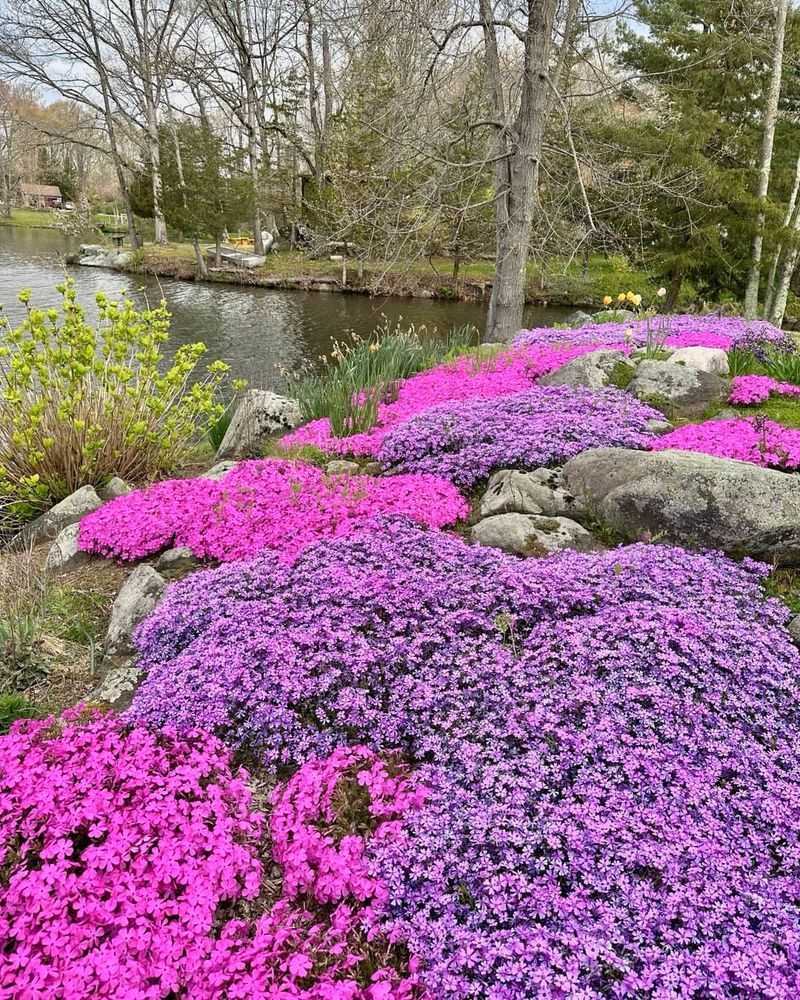
Ground-hugging plants disappear under sheets of flowers in mid to late spring. The blooms come so thickly that you can barely see the needle-like foliage underneath.
This creates a carpet effect that works beautifully cascading over walls or covering slopes.
Color options include every shade of pink imaginable, plus white, lavender, and blue. Some varieties feature contrasting eyes in the center of each flower.
Mixing different colors in the same area creates a patchwork quilt effect that’s both casual and charming.
Spreading happens gradually but steadily over time. Each plant can eventually cover several square feet, rooting where stems touch the ground.
This makes them excellent for erosion control on banks that are difficult to mow or maintain.
Drought tolerance improves once plants establish. Young transplants need regular water their first season, but mature plantings can handle dry spells.
This makes them practical for Idaho gardens where water conservation matters.
Shearing after bloom keeps plants compact and encourages denser growth. Use hedge clippers or string trimmers to cut them back by about a third.
They’ll quickly put out fresh growth and look tidy through summer.
Rocky or sandy soil suits them better than rich, amended beds. Too much fertility leads to loose, floppy growth with fewer flowers.
They evolved to thrive in lean conditions and perform best when not overfed.
7. Basket Of Gold
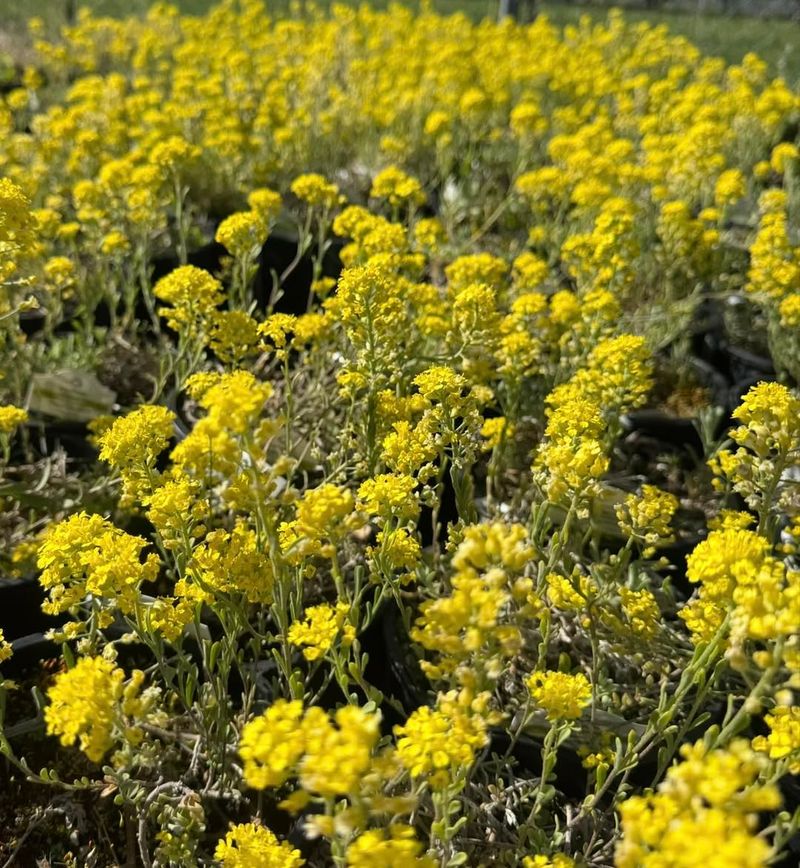
Brilliant yellow flowers smother gray-green foliage for weeks in mid-spring. The color is so intense it almost glows, especially when backlit by morning or evening sun.
This makes it a favorite for brightening rock gardens and stone walls.
Heat and drought tolerance make it surprisingly tough for such a delicate-looking plant. Once established, it can handle Idaho’s dry summers with minimal supplemental water.
The gray foliage reflects light and conserves moisture, adaptations that serve it well in challenging conditions.
Short stature keeps it from overwhelming smaller companions. Plants typically stay under a foot tall even when blooming.
This makes them perfect for edging paths or planting at the front of borders where taller plants would block the view.
Well-drained soil is absolutely essential for success. Wet roots in winter almost guarantee problems.
Sandy or gravelly sites work best, or plant in raised beds if your soil holds too much moisture.
Shearing immediately after flowering extends the plant’s lifespan. Left uncut, basket of gold tends to get leggy and open in the center.
Cutting it back by half encourages compact new growth and keeps plants looking full.
Self-sowing happens readily in gravel paths and between paving stones. Seedlings pop up in cracks and crevices where nothing else will grow.
This creates a naturalized, informal look that suits cottage-style gardens perfectly.
8. Hellebore
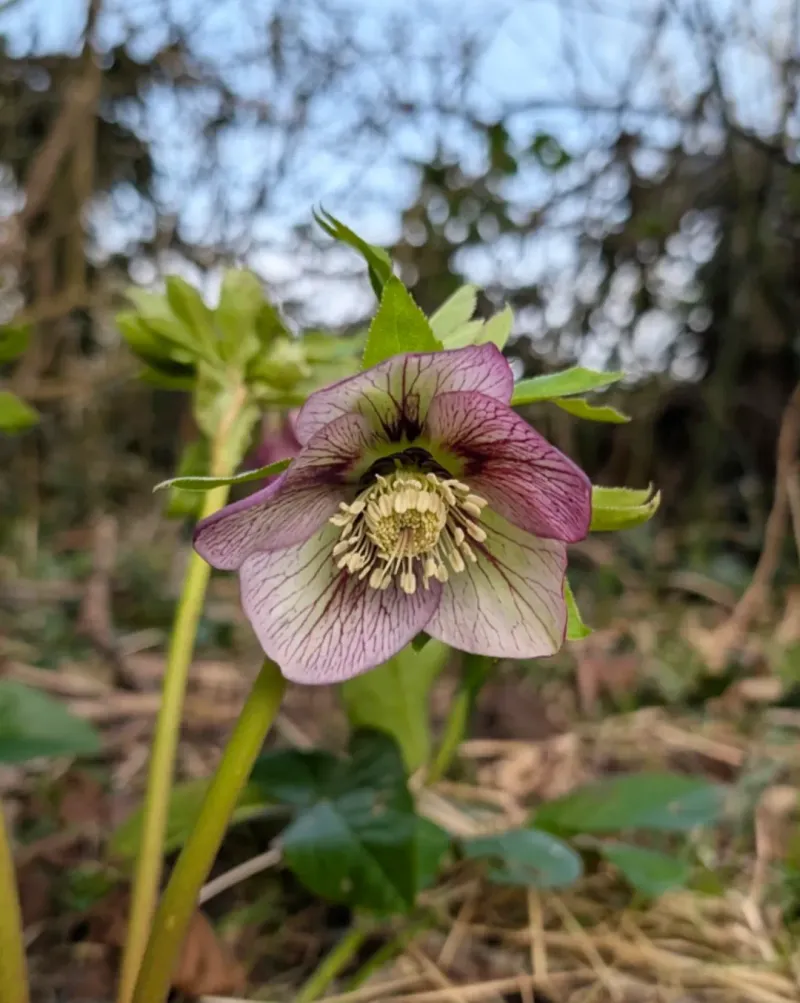
Blooms appear when snow still blankets much of Idaho, sometimes pushing through frozen ground in late winter. These tough plants laugh at cold weather that would flatten most other flowers.
Their nodding blooms in shades of white, pink, purple, and green bring hope that spring will actually arrive.
Evergreen foliage provides structure in the garden year-round. The dark green, leathery leaves look good even in the depths of winter.
This makes hellebores valuable for more than just their early flowers.
Shade tolerance ranks among the best of any flowering perennial. They thrive under deciduous trees where they get winter and early spring sun, then shade during summer heat.
This woodland edge habitat suits them perfectly and matches conditions in many Idaho yards.
Slow growth means patience is required when starting with small plants. They can take two or three years to reach mature size and flower heavily.
Once established, though, they persist for decades with minimal care.
Deer and elk avoid them completely thanks to toxic compounds in all plant parts. This makes them invaluable in areas where wildlife browsing limits plant choices.
Rabbits and other small mammals also leave them alone.
Seed-grown plants show considerable variation in flower color and form. Named varieties propagated by division offer more predictability but cost significantly more.
Either way, you’ll get reliable early bloom and tough, long-lived plants.
Moisture needs remain fairly constant through the year. Unlike spring ephemerals that go dormant in summer, hellebores keep their leaves and need occasional water during dry spells.
Mulch helps maintain even soil moisture.
9. Pasque Flower
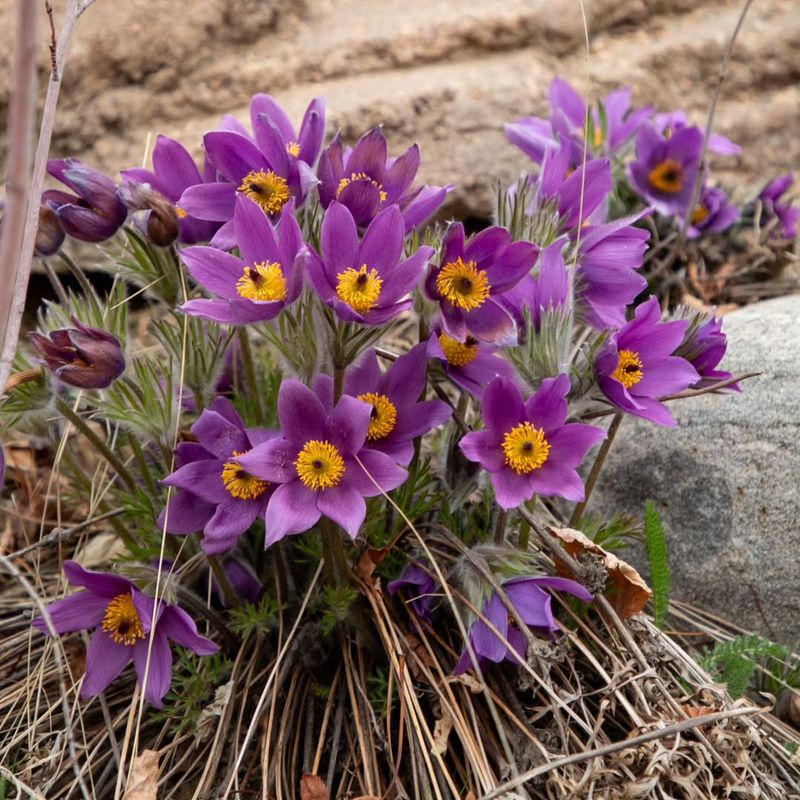
Furry buds push through bare ground in earliest spring, sometimes when frost still threatens. These silky coverings protect the flower buds from cold, allowing them to bloom weeks before most other perennials.
Purple, blue, or white flowers open wide on sunny days, revealing golden centers packed with stamens.
Native habitat includes mountain meadows and prairies throughout the northern Rockies. This wild heritage makes them perfectly adapted to Idaho conditions.
They handle temperature swings, drying winds, and poor soil without complaint.
Ferny foliage emerges after flowers fade, creating attractive mounds of finely divided leaves. This greenery persists through summer and provides a nice textural contrast to bolder-leaved plants.
It stays compact and doesn’t require cutting back or deadheading.
Seed heads rival the flowers for ornamental value. Fluffy, twisted plumes develop where blooms once were, catching light and moving with every breeze.
These structures persist for weeks and add interest long after flowering ends.
Well-drained soil is critical for long-term success. Wet conditions in winter or during dormancy lead to root rot.
Rocky or gravelly sites work best, mimicking the lean soils they prefer in nature.
Slow growth and dislike of disturbance mean they should stay put once planted. These aren’t plants you can easily move or divide.
Choose the location carefully and leave them alone to gradually increase in size.
Early bloom time makes them valuable for pollinators emerging from winter dormancy. Native bees and other insects rely on these early nectar sources when little else is available.
Planting pasque flowers supports beneficial insect populations.
10. Brunnera
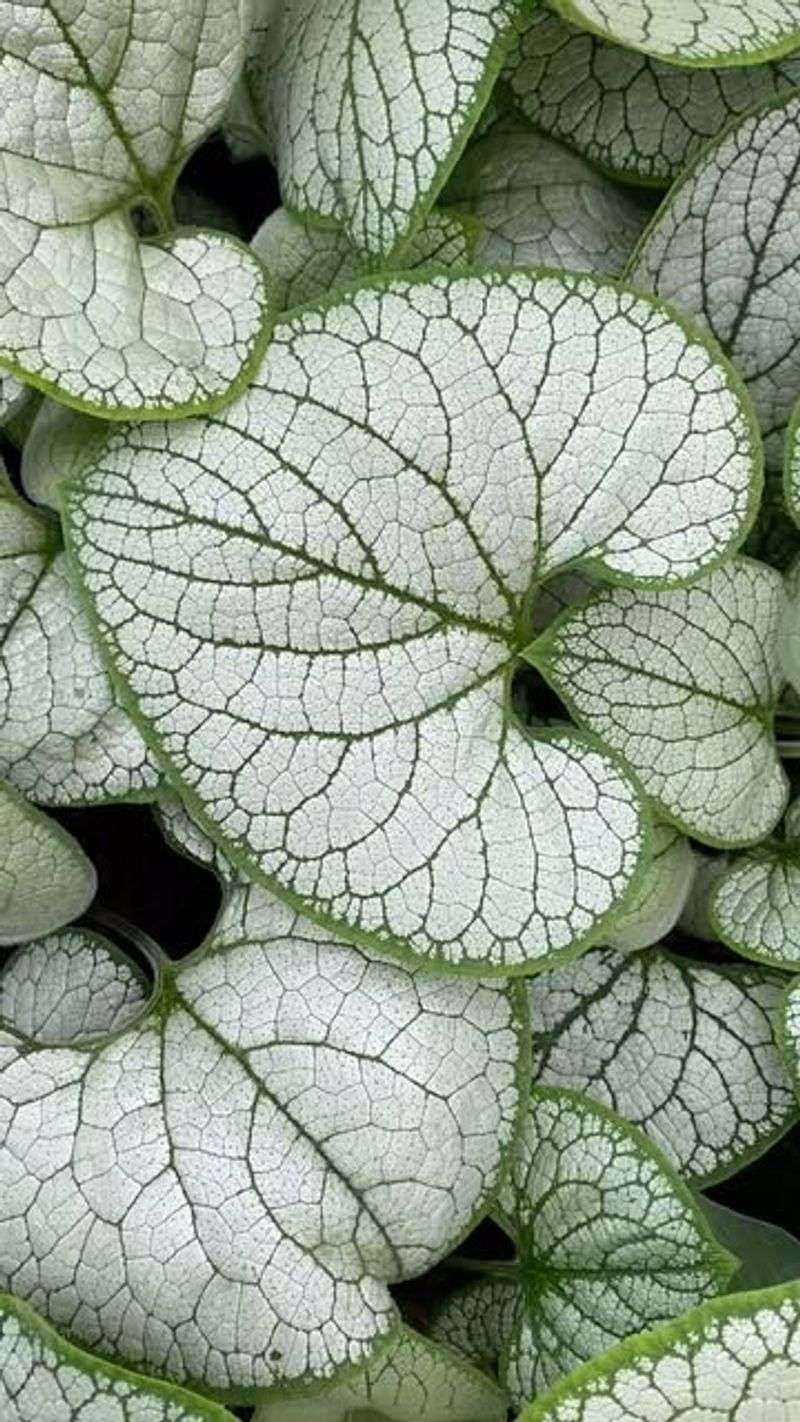
Tiny blue flowers resembling forget-me-nots float above heart-shaped leaves in mid-spring. The airy sprays of bloom bring a delicate touch to shady gardens where bold colors might feel overwhelming.
This subtlety makes brunnera a sophisticated choice for gardeners who appreciate understated beauty.
Foliage remains ornamental long after flowers fade. Many varieties feature silver markings, white veining, or splashes of cream on their large leaves.
These patterns brighten dark corners and provide visual interest from spring through fall.
Shade gardens in Idaho benefit tremendously from this reliable performer. It fills the challenging space under trees where grass struggles and many flowers refuse to bloom.
The combination of spring flowers and attractive foliage makes it more valuable than single-season plants.
Moisture tolerance sets it apart from many drought-loving perennials. While it doesn’t want soggy soil, it handles regular watering and doesn’t sulk during rainy periods.
This makes it easier to work into mixed beds with other shade lovers.
Spreading happens slowly through rhizomes, forming substantial clumps over time. Unlike aggressive spreaders, brunnera stays where you put it and doesn’t become invasive.
Established plants can be divided if you want more, but they’re perfectly happy left alone.
Slug damage can mar the foliage in very wet springs. The large leaves make tempting targets for these pests.
Removing hiding spots like boards and debris helps, as does using organic baits if problems persist.
Variegated forms need more light than solid green types. Too much shade causes the silver markings to fade or turn plain green.
Bright indirect light or morning sun with afternoon shade brings out the best leaf patterns.