Dark Trunk Patches Are Appearing On Pennsylvania Trees — But Rot Isn’t The Cause
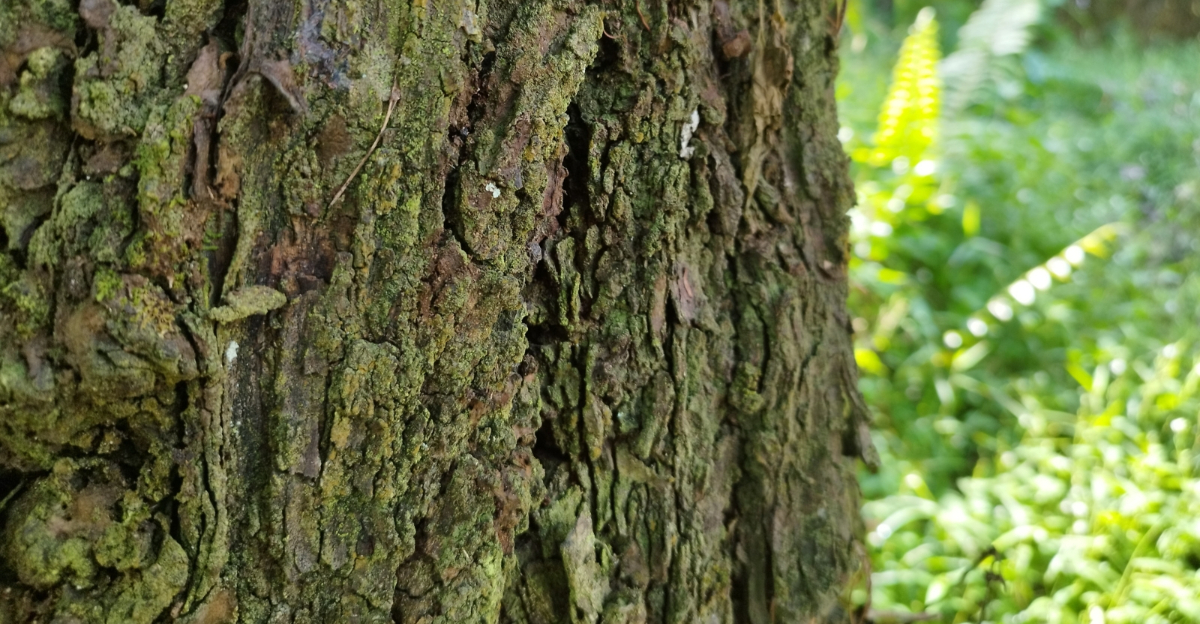
Dark patches spreading across tree trunks in Pennsylvania have been catching attention lately, especially when they stand out sharply against otherwise healthy bark.
The discoloration can look dramatic in certain light, making trees appear damaged or in decline even when nothing else seems wrong.
These marks often show up suddenly, which adds to the assumption that something serious has developed beneath the surface.
Winter and early spring make the contrast even more noticeable, as bare trunks leave nothing to distract from unusual changes.
What makes the situation confusing is how closely these dark areas resemble signs of rot or disease at first glance. In reality, the cause is often far more ordinary and far less threatening than expected.
Understanding what’s behind these patches helps separate harmless surface changes from the rare cases that actually need attention.
1. Why Dark Patches Are Suddenly Showing Up On Tree Trunks
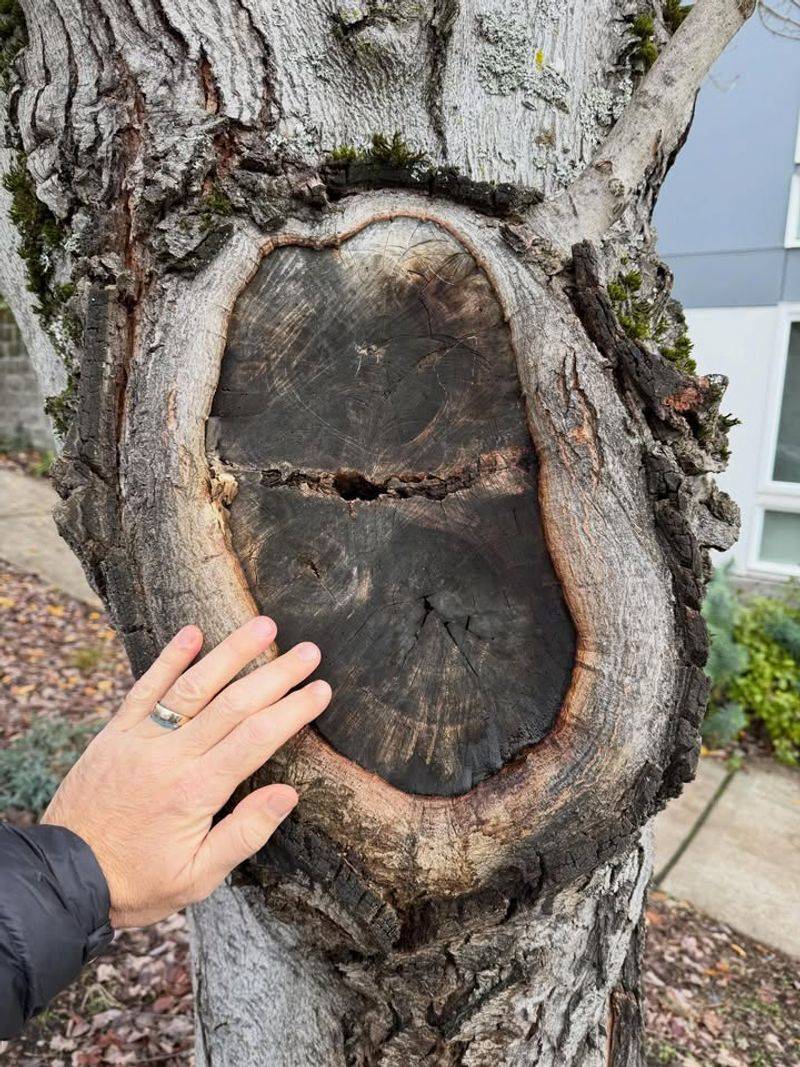
Moisture trapped beneath bark creates ideal conditions for algae and other organisms to grow. Trees in Pennsylvania experience humid summers and wet springs that allow these tiny life forms to thrive.
Bark naturally holds water after rain, and shaded areas stay damp longer than sunny spots.
Algae colonies spread across the surface without penetrating deep into the wood. They feed on nutrients in rainwater and dust particles that settle on bark.
This process happens slowly over weeks or months, making the changes easy to miss at first.
Urban trees face more of this issue because buildings and pavement change air flow patterns. Pennsylvania neighborhoods with dense tree canopy see more moisture retention.
Parks and wooded areas show similar patterns wherever shade and humidity combine.
North-facing sides of trunks develop darker patches faster than sun-exposed areas. Cooler temperatures on those surfaces keep moisture from evaporating quickly.
Morning dew lingers longer, feeding the growth cycle.
Pollution particles in the air also contribute to discoloration over time. Pennsylvania’s industrial history means some areas have higher concentrations of airborne residue.
These particles settle on bark and mix with moisture, creating a darker appearance.
Seasonal changes influence when patches become most visible. Spring rains trigger rapid growth, while summer heat may slow the process.
Fall moisture brings another wave of darkening before winter dormancy.
Tree age plays a role as well, with older bark providing more texture for organisms to cling to. Young smooth bark stays cleaner longer.
Mature trees across Pennsylvania show more pronounced patches as their bark develops ridges and crevices.
Wind patterns affect which trees develop patches first in any given area. Sheltered spots accumulate moisture faster than exposed locations.
Pennsylvania’s varied terrain creates countless microclimates that influence these patterns.
2. What These Marks Look Like Up Close
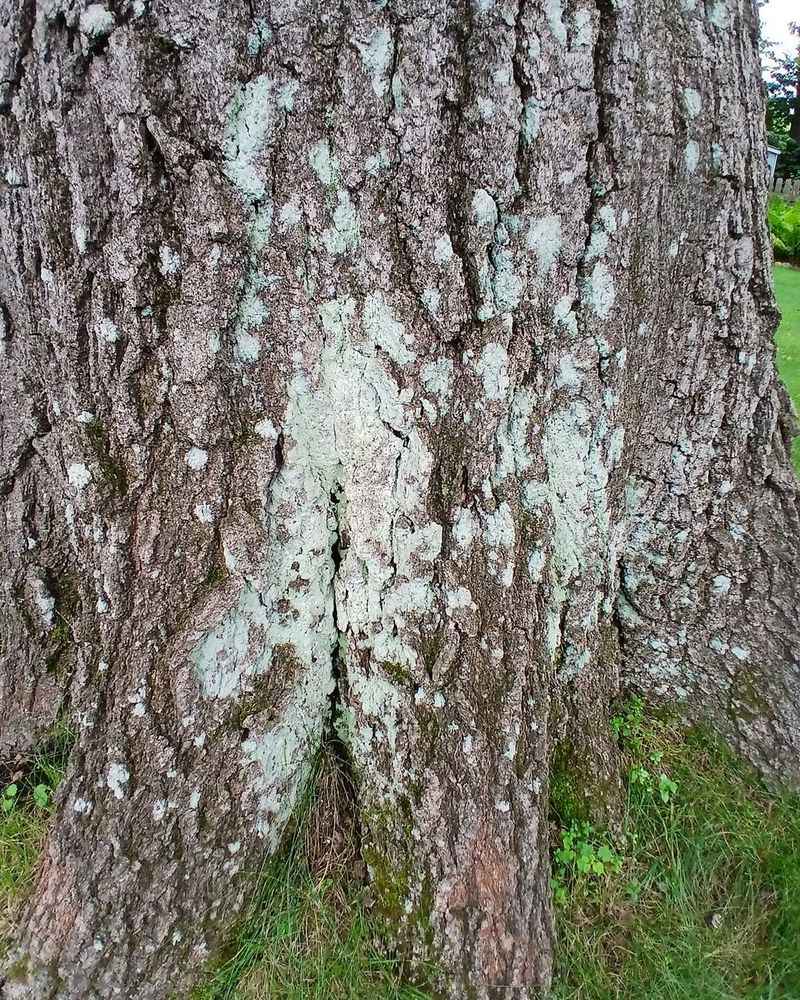
Dark patches typically appear as irregular blotches rather than perfect circles or geometric shapes. Colors range from deep green to nearly black, depending on the organism causing them.
Pennsylvania trees show variations based on species and local conditions.
Texture remains smooth to the touch in most cases, unlike rot which creates soft or crumbly areas. Running your fingers over the surface reveals no major changes in bark structure.
Your Pennsylvania Garden Changes Every Week. Your Plan Should Too.
Gardening in Pennsylvania changes quickly throughout the season. Every Friday you’ll receive a simple weekly plan showing exactly what to plant, prune, fertilize, harvest, and protect so you never miss the right timing.
The discoloration sits on top rather than eating through layers.
Some patches have fuzzy edges where growth spreads gradually outward. Others show sharper boundaries where environmental conditions change suddenly.
Moisture lines often mark where patches start and stop.
Green tints indicate active algae growth, while black suggests older colonies or sooty mold. Pennsylvania’s climate supports both types throughout the year.
Rainy periods make green patches more vibrant and noticeable.
Size varies dramatically from small spots to large swaths covering several feet. Individual patches may merge together as they expand over time.
Trunk diameter and bark texture influence how quickly this happens.
Vertical streaks sometimes form where water runs down from branches above. These paths stay wetter longer, creating ideal conditions for continuous growth.
Pennsylvania storms create consistent water flow patterns on many trees.
Under magnification, tiny plant-like structures become visible within the dark areas. These microscopic organisms cluster together to form the patches we see.
They don’t damage the bark itself but simply live on its surface.
Seasonal changes affect appearance, with patches looking darker after rain and lighter when dry. Summer heat may cause some fading as moisture decreases.
Pennsylvania’s weather cycles create constant visual shifts.
3. Why Rot Is Often The Wrong Assumption
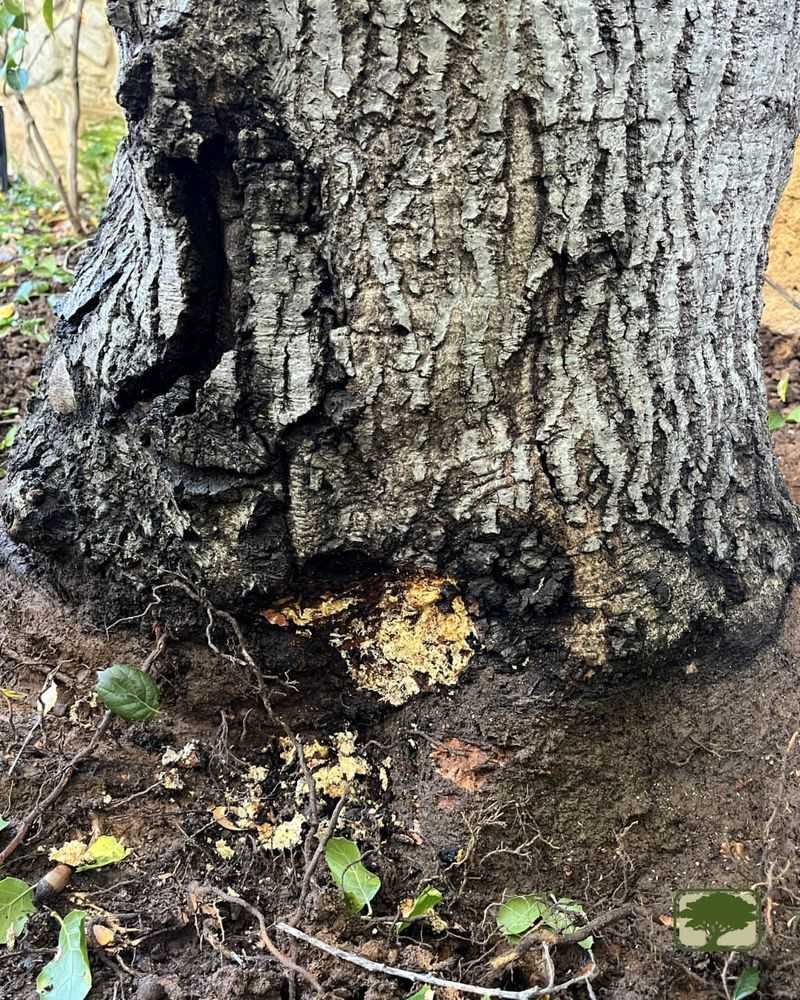
Visual similarity between algae patches and early rot stages causes frequent confusion among Pennsylvania residents. Both create dark discoloration, leading worried homeowners to assume the worst.
However, rot behaves very differently from surface growth.
Rot softens wood and compromises structural integrity, while algae remains entirely superficial. Pressing on rotted areas reveals sponginess or gives way under pressure.
Algae-covered bark stays firm and solid beneath the discoloration.
Fungal rot produces distinct mushroom-like growths or shelf fungi on affected trees. These fruiting bodies signal internal decay that algae never causes.
Pennsylvania forests show clear examples of both conditions on different trees.
Smell provides another diagnostic clue, as rot creates musty or sour odors. Algae patches have no particular scent or smell earthy like damp soil.
Sniffing suspected areas can help distinguish between the two.
Rot typically enters through wounds, broken branches, or damaged bark areas. Algae colonizes healthy intact surfaces without needing any injury.
Pennsylvania trees with clean bark still develop dark patches regularly.
Timing differs as well, with rot progressing steadily once established. Algae growth fluctuates with weather conditions and may even disappear during dry spells.
Seasonal patterns help identify which problem you’re facing.
Rot affects tree health and can eventually cause branch failure or trunk weakness. Algae has virtually no impact on tree vitality or structural strength.
Pennsylvania arborists emphasize this distinction when educating the public.
4. Common Tree Species In Pennsylvania Affected
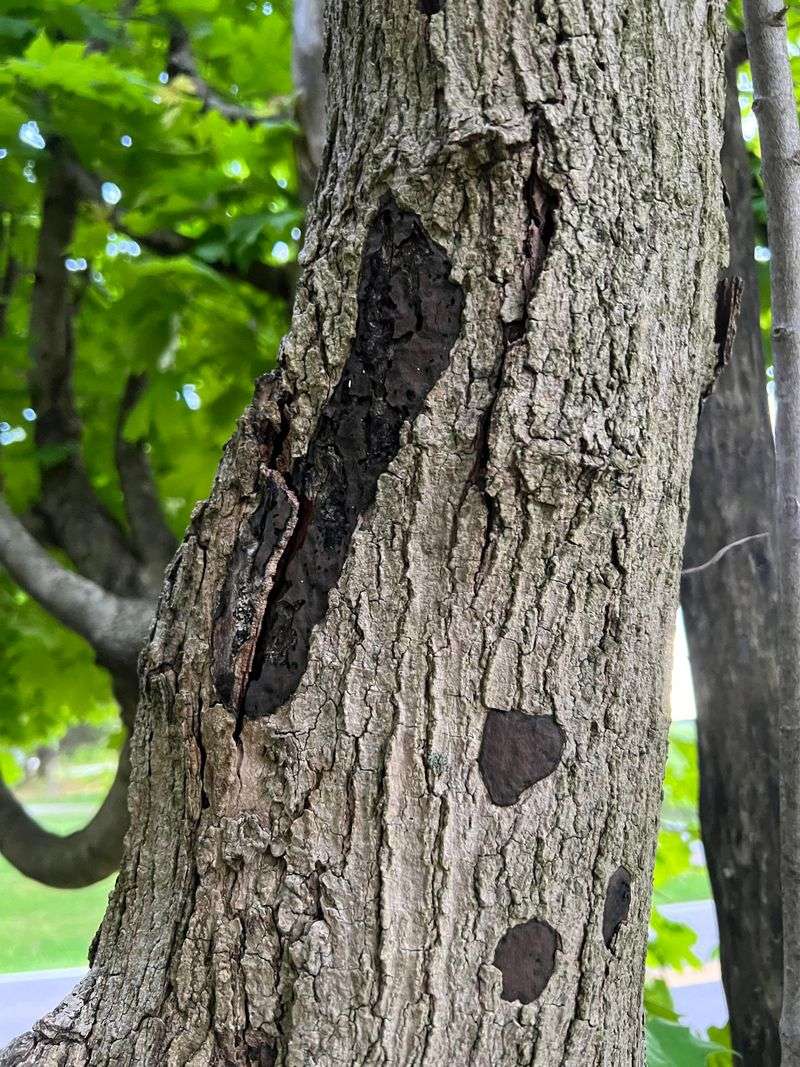
Oaks throughout Pennsylvania show dark patches more frequently than many other species. Their deeply furrowed bark creates perfect spaces for moisture retention and algae growth.
Red oaks and white oaks both display this characteristic regularly.
Maples develop patches on their smoother bark, though patterns differ from oak species. Sugar maples and red maples across Pennsylvania exhibit varying degrees of discoloration.
Younger maple bark shows patches more clearly than older, rougher sections.
Beech trees with their characteristically smooth gray bark make patches highly visible. Pennsylvania forests contain numerous beech specimens showing dark streaks and blotches.
The contrast against light bark makes these marks particularly noticeable to observers.
Birch species display patches that sometimes confuse people familiar with their naturally peeling bark. Paper birch and yellow birch in Pennsylvania show darkening between peeling layers.
The white bark background makes even small patches stand out dramatically.
Ash trees before disease reduced their numbers commonly showed these surface marks. Pennsylvania’s remaining ash specimens still develop algae growth when conditions favor it.
Bark texture on ash provides good colonization surfaces.
Sycamore trees with their distinctive mottled bark add another layer of visual complexity. Dark patches on sycamores blend with natural bark patterns across Pennsylvania.
Distinguishing algae from normal coloration requires closer inspection.
Pine species rarely show dark patches because resin production inhibits algae growth. Pennsylvania’s white pines and pitch pines stay cleaner than deciduous neighbors.
Evergreen bark chemistry creates less hospitable conditions for colonization.
Tulip poplars develop patches on their furrowed mature bark in Pennsylvania woodlands. Young tulip poplars with smoother bark show different patterns than old specimens.
Growth rate affects how quickly bark texture changes over time.
5. How Weather Plays A Role In These Dark Areas
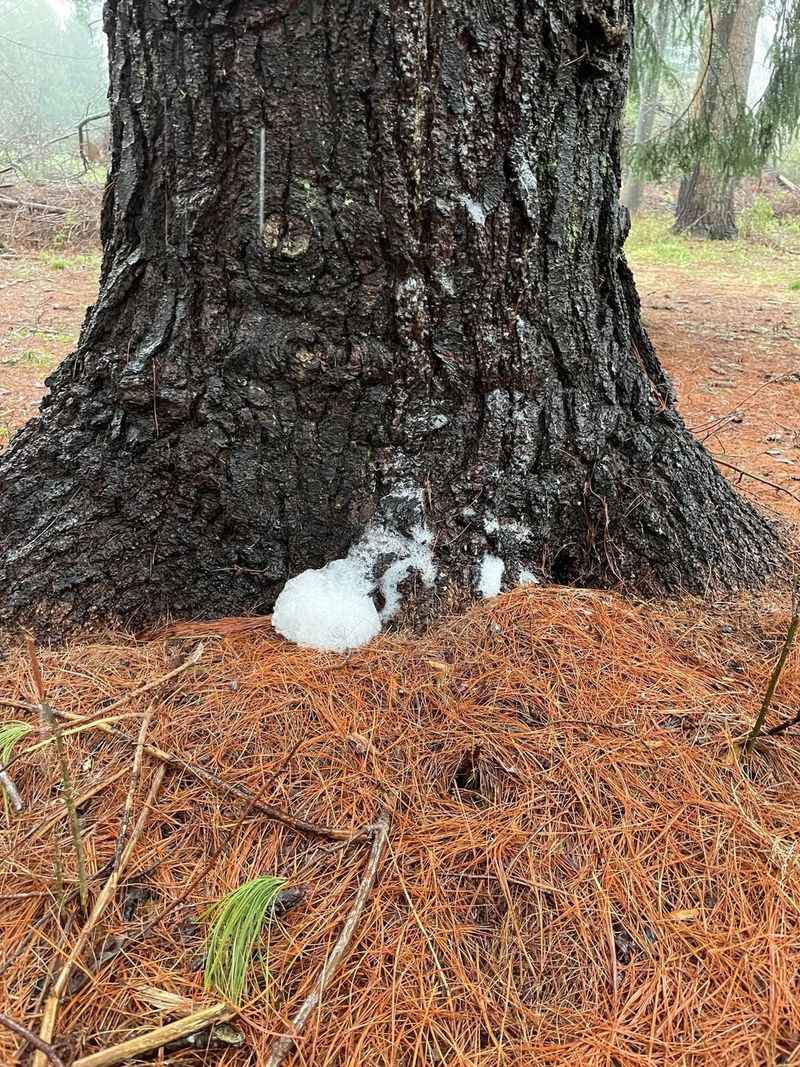
Rainfall patterns directly control how quickly algae colonies establish and spread across bark. Pennsylvania’s average 40 inches of annual precipitation provides ample moisture for growth.
Extended wet periods trigger visible darkening within just a few weeks.
Humidity levels between storms matter as much as the rain itself. High humidity keeps bark damp even without active precipitation.
Pennsylvania summers often combine both factors, creating peak conditions for patch development.
Temperature influences which organisms thrive and how fast they multiply. Warm weather accelerates growth while cold temperatures slow or pause the process.
Pennsylvania’s seasonal temperature swings create cycles of activity and dormancy.
Wind affects moisture retention by increasing evaporation rates on exposed bark. Calm conditions allow dampness to persist longer after rain events.
Pennsylvania’s varied topography creates sheltered pockets where patches develop faster.
Fog and morning dew contribute significant moisture that people often overlook. Valley areas across Pennsylvania experience regular fog that bathes trees in fine water droplets.
This consistent dampness supports continuous algae growth.
Snow melt in spring provides another moisture source as temperatures rise. Water running down trunks from melting snow creates ideal conditions for colonization.
Pennsylvania’s winter snowpack influences spring patch development.
Drought periods cause existing patches to fade or become less noticeable. Dry bark doesn’t support active growth, causing organisms to enter dormant states.
Pennsylvania’s occasional dry summers slow but rarely eliminate surface growth.
Seasonal transitions bring the most dramatic changes in patch appearance. Spring and fall rains combined with moderate temperatures create perfect growth windows.
Pennsylvania residents notice the most change during these transitional months.
6. When Dark Patches Are Harmless
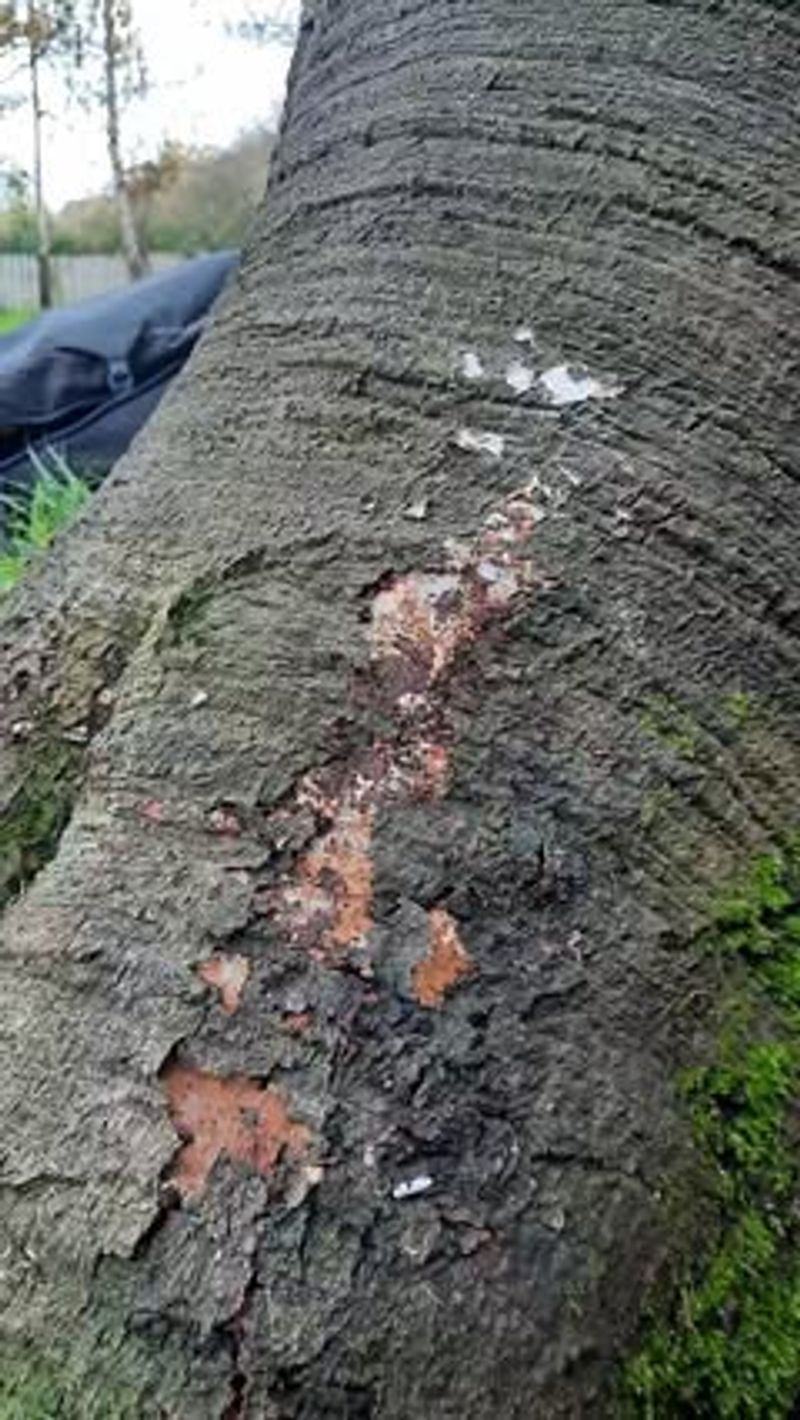
Surface discoloration that remains firm to the touch indicates harmless algae or lichen growth. Pennsylvania tree owners can feel confident when bark maintains its structural integrity.
No intervention becomes necessary for purely cosmetic issues.
Patches appearing seasonally and fading during dry periods show natural growth patterns. This cyclical behavior confirms environmental causes rather than disease.
Pennsylvania’s weather cycles make these patterns easy to observe over time.
Trees continuing to produce healthy leaves and normal growth show no stress from patches. Foliage color, size, and abundance indicate overall tree health better than bark appearance.
Pennsylvania trees with dark patches typically show no decline in vitality.
Widespread occurrence across multiple trees in an area suggests environmental rather than pathological causes. When many specimens show similar patterns, individual tree problems become unlikely.
Pennsylvania neighborhoods often see patches on numerous trees simultaneously.
Absence of other symptoms like unusual leaf drop, visible insect damage, or canopy thinning generally indicates good tree health.
Dark patches on their own, without additional warning signs, rarely signal a serious problem.
Pennsylvania arborists emphasize looking at the whole tree, not just bark appearance.
Growth confined to one side of the trunk based on sun exposure confirms environmental origin. North-facing or shaded areas developing more patches follows predictable patterns.
Pennsylvania’s latitude creates consistent shading effects across the region.
Patches that wipe off partially with rubbing reveal surface-only colonization. While not recommended for routine practice, this test shows the growth isn’t penetrating bark.
Pennsylvania residents can verify harmlessness through gentle examination.
Professional inspection finding no structural issues provides definitive reassurance. Certified arborists in Pennsylvania can quickly distinguish cosmetic marks from serious problems.
Consulting experts prevents unnecessary worry and expense.
Historical presence of patches on mature healthy trees demonstrates long-term harmlessness. Pennsylvania forests contain countless examples of decades-old trees bearing surface marks.
Longevity proves these patches don’t threaten tree survival.
7. Signs That Suggest A Deeper Issue
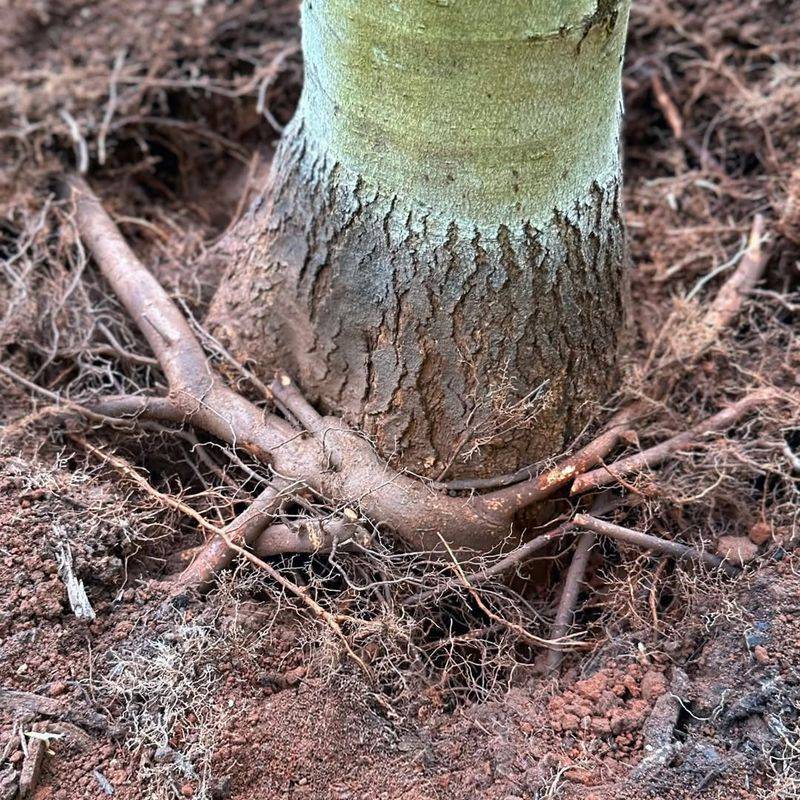
Soft or spongy bark beneath dark patches indicates possible rot rather than harmless surface growth. Pressing gently reveals whether structural integrity remains intact.
Pennsylvania trees showing softness need professional evaluation promptly.
Mushrooms or shelf fungi growing from darkened areas signal internal decay problems. These fruiting bodies mean fungal infections have established inside the trunk.
Pennsylvania forests show clear examples of this serious condition requiring attention.
Bark cracking or peeling away from darkened sections suggests underlying damage. Healthy bark stays attached even when discolored by algae.
Pennsylvania trees with separating bark need careful assessment.
Insect activity concentrated around dark patches may indicate stressed or damaged wood. Beetles and borers target weakened trees rather than healthy specimens.
Pennsylvania’s native insects exploit vulnerable trees showing multiple symptoms.
Leaf problems appearing alongside bark discoloration warrant closer examination. Yellowing, wilting, or premature leaf drop combined with patches suggests systemic issues.
Pennsylvania trees experiencing multiple symptoms require professional diagnosis.
Sap or resin oozing from darkened areas indicates the tree responding to injury or infection. This defensive mechanism shows active problems beyond surface discoloration.
Pennsylvania conifers and some hardwoods exhibit this warning sign.
Cavities or holes developing in conjunction with dark patches reveal advanced decay. Wood-boring insects or rot create these openings in compromised bark.
Pennsylvania trees with cavities face structural risks needing evaluation.
Sudden expansion of dark areas over days rather than weeks suggests aggressive fungal growth. Rapid change indicates active disease rather than slow algae colonization.
Pennsylvania tree owners should monitor patch development speed.
Foul odors emanating from bark patches point toward rot or bacterial infections. Healthy algae growth produces no unpleasant smell.
Pennsylvania residents noticing odors should seek expert assessment immediately.
8. When It’s Smart To Take A Closer Look
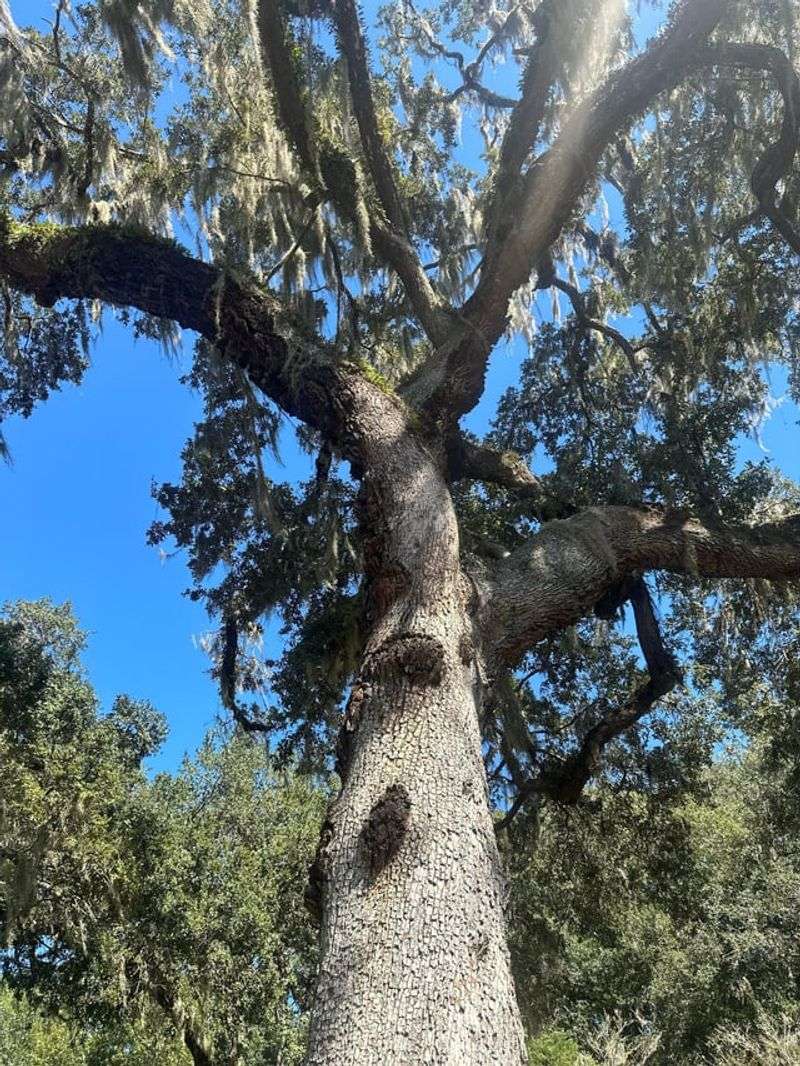
Valuable specimen trees deserve extra attention regardless of apparent patch harmlessness. Pennsylvania homeowners with prized ornamentals should verify conditions through professional inspection.
Peace of mind justifies the modest cost of expert evaluation.
Trees near structures pose potential property damage risks if structural problems develop. Dark patches on trees close to Pennsylvania homes warrant thorough assessment.
Preventing hazards protects both property and people from falling branches.
Rapid changes in patch appearance or size suggest investigating underlying causes. Slow seasonal changes differ from sudden dramatic spreading.
Pennsylvania residents noticing quick expansion should consult arborists promptly.
Multiple symptoms appearing together indicate moving beyond simple observation. Combining bark discoloration with leaf problems or branch issues requires professional diagnosis.
Pennsylvania tree services can identify complex conditions homeowners might miss.
Historical tree problems make new symptoms worth investigating thoroughly. Previous disease, storm damage, or insect issues increase vulnerability.
Pennsylvania trees with past problems deserve extra monitoring attention.
Rare or protected species merit careful evaluation even for apparently minor issues. Pennsylvania’s native species diversity includes specimens deserving special care.
Conservation value justifies thorough professional assessment.
Uncertainty about patch causes makes expert consultation worthwhile. Guessing wrong about tree health can lead to unnecessary loss.
Pennsylvania arborists provide definitive answers that guide appropriate responses.
Property sales or legal considerations may require documented tree health status. Pennsylvania real estate transactions sometimes involve tree condition assessments.
Professional reports provide needed documentation for various purposes.
Community trees in parks or public spaces need evaluation to ensure public safety. Pennsylvania municipalities maintain responsibility for trees in public areas.
Regular professional monitoring prevents hazards while preserving urban forests.