9 Common Trees Arizona Homeowners Are Better Off Keeping Away From Their Houses
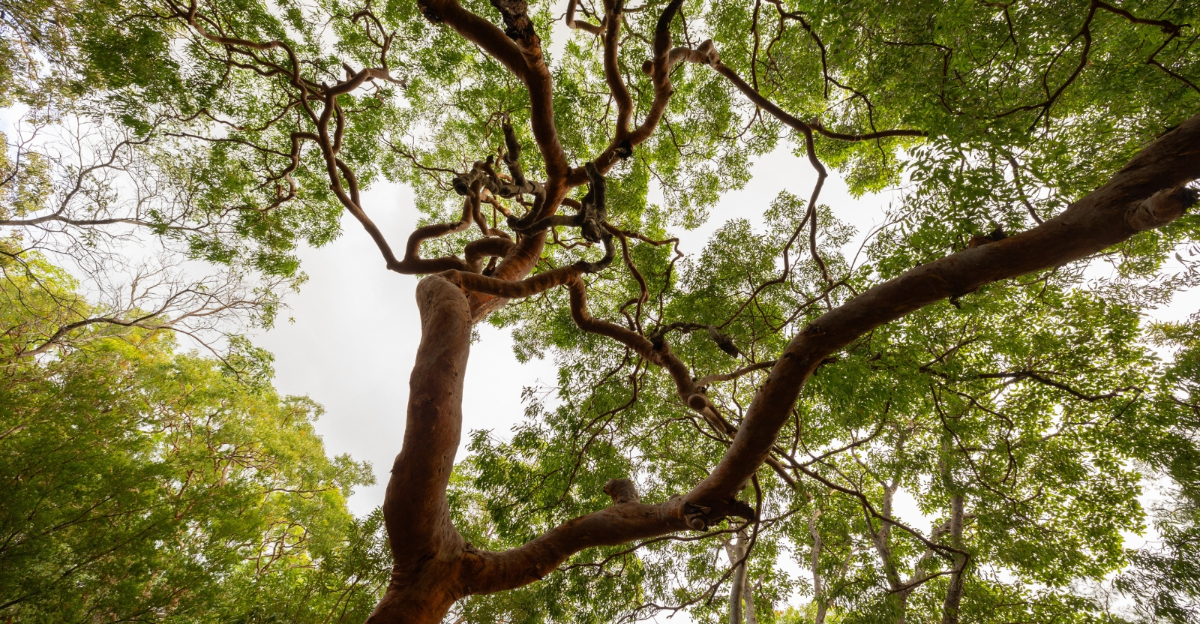
Arizona homeowners often plant trees for shade and curb appeal without realizing how much long-term impact placement can have.
Some trees grow far larger and more aggressive than expected, especially below ground where roots quietly spread.
In Arizona’s dry soil, roots often travel farther in search of moisture, which can put foundations, pipes, and walkways at risk.
Fast-growing trees may look appealing at first, but speed often comes with weak structure or invasive growth habits. Branches that seem harmless early on can later scrape roofs, clog gutters, or become hazards during monsoon storms.
Certain trees also struggle when planted too close to homes, leading to stress, disease, or costly removal down the line.
The damage caused by poor placement often shows up years later, long after the planting decision is forgotten.
Arizona’s climate makes these issues more pronounced, not less, especially during extreme heat and drought cycles.
Knowing which trees are better kept at a distance helps homeowners protect their homes before problems ever take root.
1. Eucalyptus
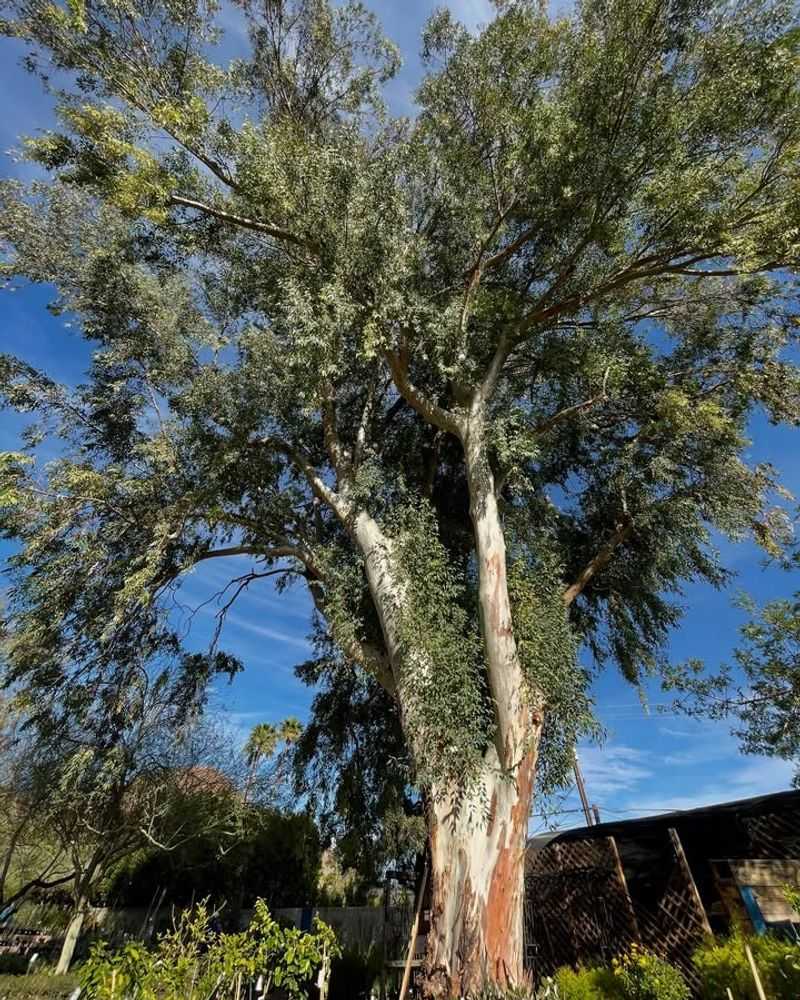
Massive root systems make this Australian import notorious for causing property damage across Arizona neighborhoods.
These roots spread far beyond the canopy, searching aggressively for moisture in our desert soil.
Foundation walls often crack when eucalyptus roots push against them with relentless force.
Sidewalks buckle and driveways develop unsightly breaks as the underground network expands year after year.
Water pipes become targets for these thirsty roots, leading to expensive plumbing repairs.
Sewer lines face similar risks, with roots infiltrating even tiny cracks to access moisture inside.
Strong winds pose another concern because eucalyptus trees have shallow anchoring despite their impressive height.
Arizona monsoons can topple these giants without much warning, crushing whatever sits beneath them.
Bark sheds constantly, creating a messy carpet around the tree that requires frequent cleanup. Branches drop unexpectedly, even during calm weather, threatening cars, roofs, and anyone walking nearby.
Flammable oils in the leaves and bark make eucalyptus trees especially dangerous during Arizona’s fire season. A single spark can turn these trees into towering torches that spread flames rapidly to surrounding structures.
Rapid growth might seem appealing initially, but it means constant maintenance and pruning to prevent hazards. Homeowners quickly discover that the initial savings from fast growth disappear into ongoing care costs.
Many Arizona cities now discourage planting eucalyptus near homes because of documented damage patterns.
Property values can actually decrease when these trees dominate a yard, making them poor long-term investments for residential landscapes.
2. Arizona Ash
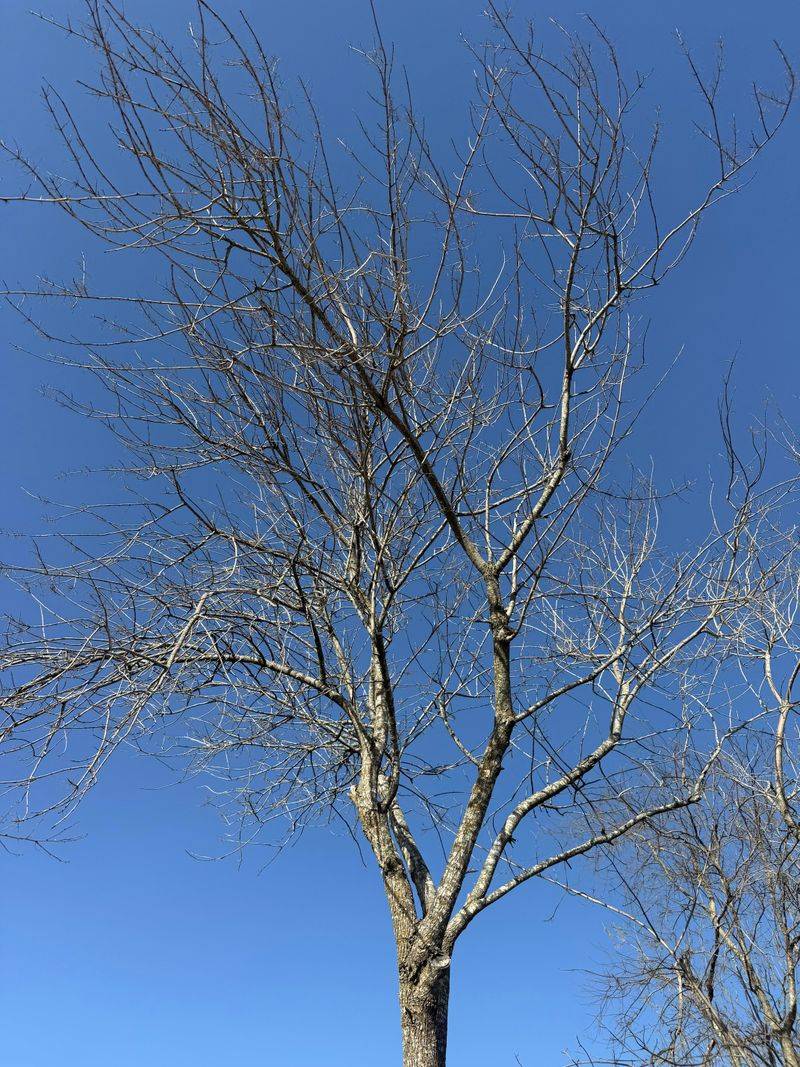
Brittle wood makes this locally named species surprisingly unsuitable for residential areas throughout the state.
Limbs snap easily under stress, creating dangerous situations during storms and windy days.
Homeowners often plant Arizona ash for its fast growth and shade, only to regret the decision within a few years.
Branches begin breaking off once the tree reaches maturity, sometimes landing on roofs or vehicles below.
Root problems develop quickly as these trees mature, with surface roots lifting concrete and invading garden beds.
Underground utilities face constant threats from the aggressive root spread that characterizes this species.
Your Arizona Garden Changes Every Week. Your Plan Should Too.
Gardening in Arizona changes quickly throughout the season. Every Friday you’ll receive a simple weekly plan showing exactly what to plant, prune, fertilize, harvest, and protect so you never miss the right timing.
Short lifespans mean Arizona ash trees decline rapidly after just 20 to 25 years of growth.
Trunks develop hollow sections and structural weaknesses that make the entire tree unstable and hazardous.
Pest infestations plague these trees more than many other species common to Arizona landscapes.
Borers tunnel through the wood, further weakening already brittle branches and accelerating structural decline.
Leaf drop happens multiple times per year, not just in autumn, creating constant yard maintenance. Homeowners find themselves raking and bagging leaves throughout spring, summer, and fall in addition to winter cleanup.
Water demands remain high despite the tree’s Arizona origins, making it poorly suited to drought-conscious landscaping.
Wells and irrigation systems work overtime to keep these trees healthy during our hot, dry months.
Insurance claims related to Arizona ash damage have increased enough that some companies now factor them into homeowner premiums.
Smart property owners choose alternative shade trees that won’t threaten their homes or wallets.
3. Cottonwood
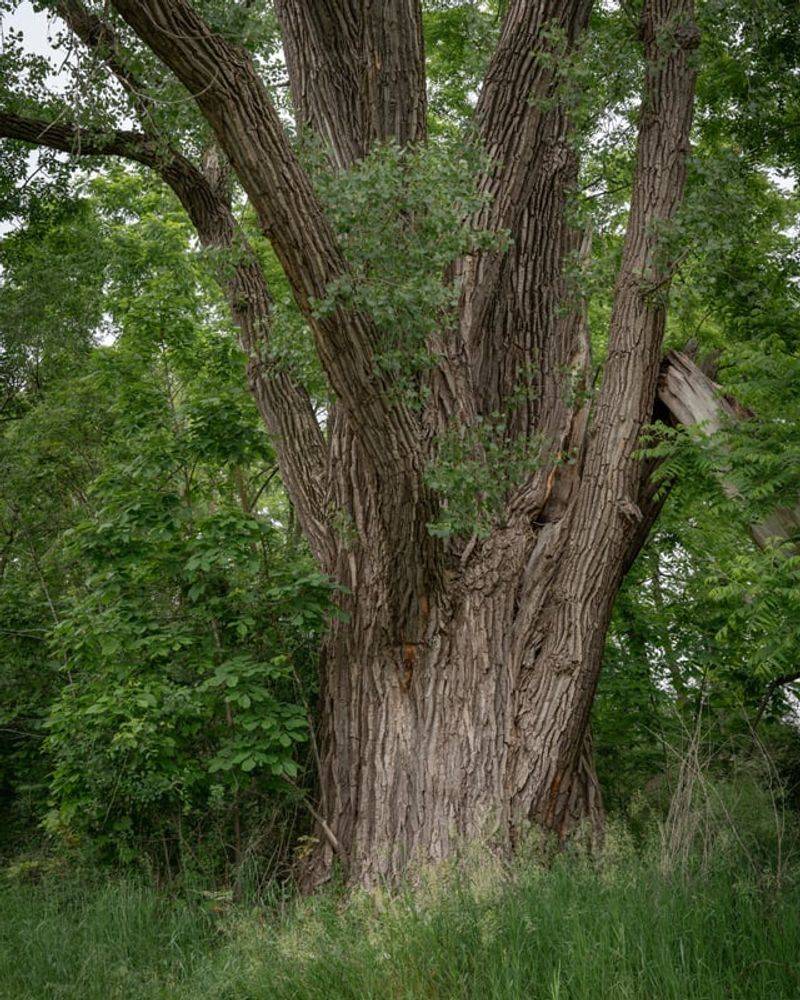
Water-seeking roots from cottonwood trees can travel over 100 feet from the trunk in search of moisture. Arizona homeowners discover this the hard way when their plumbing systems suddenly fail or foundations develop mysterious cracks.
Fluffy seeds blanket yards, pools, and air conditioning units every spring, creating allergic reactions and maintenance nightmares.
The cotton-like material clogs gutters, blocks drainage systems, and covers every outdoor surface with a thick white layer.
Enormous size at maturity means cottonwoods tower over most residential properties, casting deep shade that prevents grass growth.
Their height also creates falling hazards that threaten homes, power lines, and neighboring properties throughout Arizona communities.
Weak wood structure causes frequent branch failures, especially during monsoon season when sudden storms strike.
Limbs crash down without warning, causing thousands of dollars in damage to whatever they strike on their way to the ground.
Suckers sprout constantly from the root system, creating unwanted seedlings throughout your yard and even in neighboring properties.
Removing these shoots becomes an endless battle that consumes weekends and frustrates even patient gardeners.
Massive water consumption makes cottonwoods impractical for desert living, where conservation matters more each year.
A single mature tree can drink hundreds of gallons daily, driving up water bills and straining local resources.
Leaf drop begins in late summer and continues through fall, burying yards under layers of decaying foliage. The decomposition process attracts insects and creates unpleasant odors that drift into nearby homes and outdoor living spaces.
Many Arizona municipalities have banned planting cottonwoods in new developments because of their documented problems.
4. Mulberry
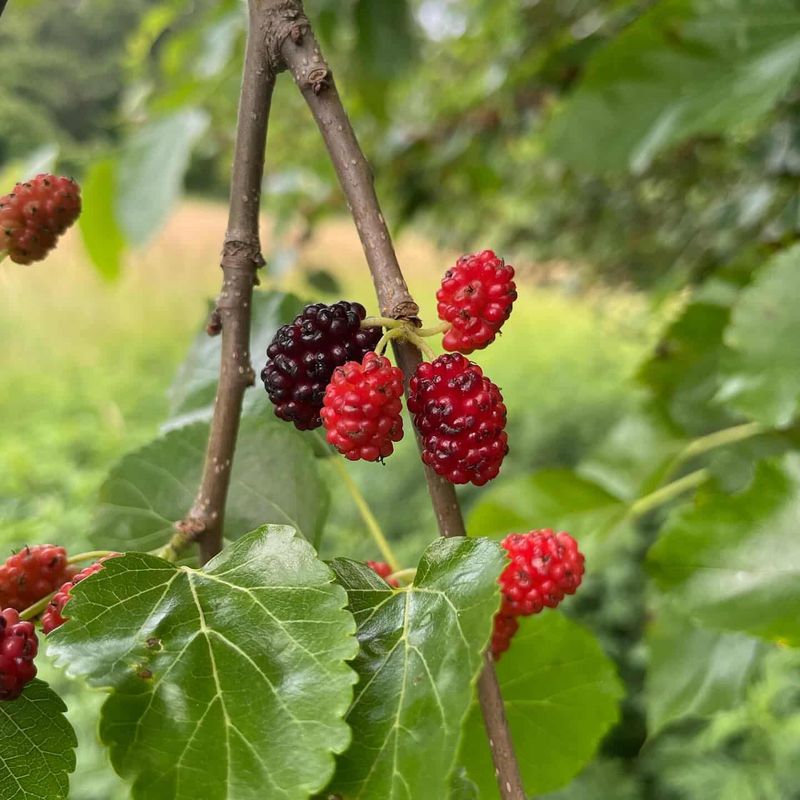
Fruit production sounds appealing until you experience the reality of mulberry trees near Arizona homes.
Berries fall constantly during the growing season, staining driveways, sidewalks, patios, and anything else they touch with purple juice.
Birds feast on the fruit and then leave droppings everywhere, creating secondary messes on cars, windows, and outdoor furniture.
The combination of berry stains and bird waste makes outdoor spaces unusable during peak fruiting months.
Aggressive roots rival those of cottonwoods, seeking water sources with determination that destroys underground infrastructure. Sewer lines, irrigation systems, and foundation walls all face threats from mulberry root invasion throughout Arizona neighborhoods.
Pollen from mulberry trees ranks among the worst allergens affecting desert residents each spring. Sneezing, itchy eyes, and respiratory problems spike when these trees release their pollen into the already challenging Arizona air.
Surface roots create tripping hazards as they lift sidewalks and buckle driveways near homes. Lawn mowing becomes difficult or impossible as these roots spread across yards, forming networks of raised obstacles.
Fast growth initially attracts homeowners, but this rapid expansion leads to weak wood that breaks easily. Arizona winds snap branches regularly, sending them crashing onto roofs, vehicles, and power lines with frustrating frequency.
Maintenance costs add up quickly as mulberries require constant pruning to control their enthusiastic growth patterns.
Professional tree services charge hundreds of dollars annually just to keep these trees from overwhelming residential properties.
Resale value drops when potential buyers see mulberry trees dominating a yard, knowing the problems they bring.
Real estate agents across Arizona often recommend removing these trees before listing homes to attract more serious buyers and better offers.
5. Willow

Graceful appearance hides the destructive nature of willow trees planted too close to Arizona homes.
Their romantic, drooping branches might look beautiful in pictures, but the reality involves constant property damage and expensive repairs.
Root systems rank among the most aggressive in the plant kingdom, specifically engineered to find water at any cost.
Pipes, septic systems, and underground utilities all become targets as willows search desperately for moisture in our dry climate.
Foundation damage occurs regularly when willow roots push against basement walls and concrete slabs. Cracks appear gradually, allowing moisture infiltration that leads to mold growth and structural weakening throughout the home.
Shallow roots mean willows topple easily during Arizona’s monsoon storms despite their flexible branches. Entire trees can uproot and fall onto houses, cars, and other structures when saturated soil loses its grip on the root ball.
Constant leaf and twig drop creates year-round cleanup obligations that exhaust homeowners.
Willows shed material continuously, not just seasonally, filling gutters and covering yards with debris that requires regular attention.
Water requirements make willows completely unsuitable for desert landscapes focused on conservation. These trees demand constant irrigation that wastes precious resources and drives utility costs through the roof in Arizona communities.
Pest problems include aphids, borers, and various diseases that weaken willows and create additional maintenance headaches.
Treating these issues requires expensive professional interventions that recur annually throughout the tree’s life.
Property lines become battlegrounds when willow roots invade neighboring yards, causing disputes and potential legal issues.
Arizona homeowners have sued each other over damage caused by willows planted too close to shared boundaries, creating lasting neighborhood tensions.
6. Aleppo Pine
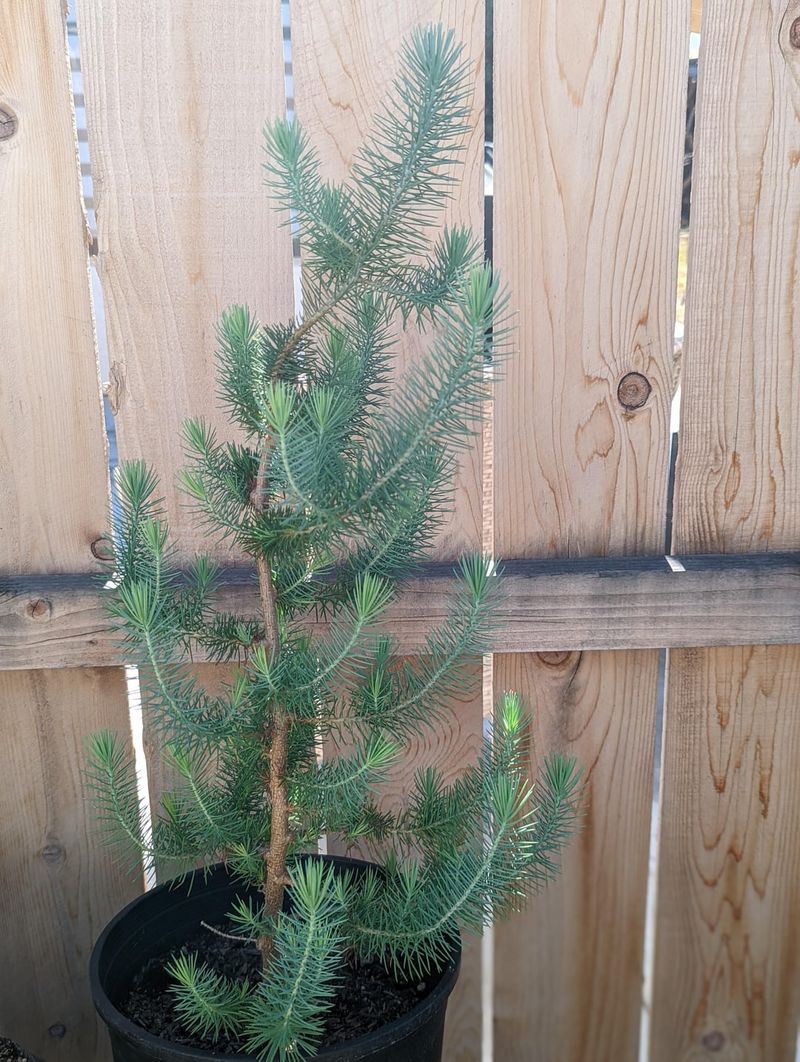
Fire danger reaches extreme levels with Aleppo pines growing near Arizona homes, especially during our increasingly severe wildfire seasons.
Resinous wood and needles burn intensely, creating flames that spread rapidly to nearby structures and vegetation.
Needles accumulate constantly beneath these trees, forming thick layers of highly flammable material.
Removing this fire hazard becomes a never-ending task that many homeowners neglect until it’s too late to prevent disaster.
Root systems spread widely but remain shallow, making mature Aleppo pines unstable during windstorms. Arizona’s monsoon season regularly topples these trees, which then crash into homes with devastating force and damage.
Sap production creates sticky messes on everything beneath the canopy, including vehicles, patio furniture, and outdoor equipment. The resin proves nearly impossible to remove once it hardens, permanently damaging paint and finishes.
Bark beetles and other pests attack Aleppo pines with increasing frequency across Arizona landscapes. Infested trees decline rapidly, becoming even more hazardous as dead branches accumulate and structural integrity deteriorates.
Allergies worsen when Aleppo pines release massive amounts of pollen each spring, coating cars and outdoor surfaces with yellow dust.
Respiratory problems spike in neighborhoods where these trees grow in abundance, affecting sensitive individuals severely.
Shade patterns shift constantly as the irregular canopy develops, making landscape planning beneath these trees nearly impossible.
Grass and other plants struggle to survive in the acidic soil created by decomposing pine needles.
Insurance companies in Arizona now specifically ask about Aleppo pines when assessing wildfire risk for homeowner policies.
Properties with these trees near structures face higher premiums or even coverage denials in areas prone to fire danger.
7. Siberian Elm
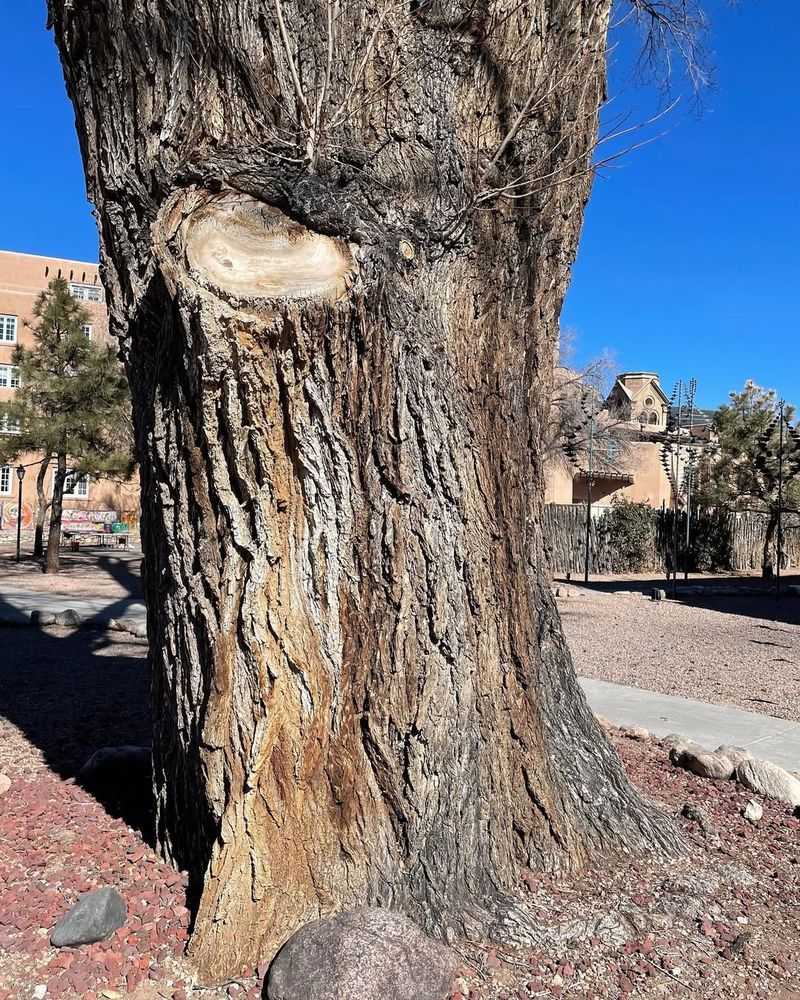
Invasive tendencies make Siberian elms problematic throughout Arizona, where they spread aggressively into natural areas and neighboring properties.
Seeds germinate everywhere, creating forests of unwanted seedlings that require constant removal efforts.
Brittle wood breaks easily during storms, littering yards with branches after every significant wind event. Arizona’s monsoon season turns these trees into hazard generators, dropping limbs that damage roofs, vehicles, and power lines regularly.
Dutch elm disease threatens these trees despite their reputation for toughness, leading to rapid decline once infected.
Affected trees become unstable quickly, requiring expensive emergency removal before they collapse onto nearby structures.
Root systems lift sidewalks and crack driveways as they spread aggressively beneath hardscaping. Underground utilities face constant threats from these invasive roots that seem to find every pipe and cable buried near the tree.
Messy habits include dropping seeds, leaves, and small branches continuously throughout the year. Homeowners spend countless hours cleaning up after Siberian elms, only to find fresh debris covering their yards within days.
Fast growth initially appeals to people seeking quick shade, but this rapid expansion produces weak wood and poor structure.
Trees become hazardous within just a few years, requiring pruning investments that quickly exceed any initial cost savings.
Wildlife problems increase around Siberian elms as birds and insects colonize the dense canopies. Droppings, noise, and pest infestations affect nearby homes, making outdoor living spaces less enjoyable for Arizona residents.
Property values suffer when Siberian elms dominate a landscape, signaling deferred maintenance and poor planning to potential buyers.
Real estate professionals across Arizona recommend removing these trees before listing homes to maximize sale prices and buyer interest.
8. Italian Cypress

Narrow columnar shape makes Italian cypress trees popular for screening, but their shallow roots create serious stability problems near Arizona homes.
Strong winds easily topple these tall, thin trees directly onto structures, vehicles, and other valuable property.
Root systems fail to anchor adequately in our desert soils, especially during monsoon season when saturated ground loses its holding power.
Entire rows of these trees can domino into each other and nearby buildings during severe storms.
Irrigation demands remain high despite the cypress family’s reputation for drought tolerance.
Arizona’s extreme heat and low humidity stress these Mediterranean natives, requiring constant watering that wastes resources and increases utility bills.
Pest infestations include spider mites and bark beetles that thrive in stressed trees struggling with our climate.
Treating these problems costs hundreds of dollars annually and often fails to prevent eventual tree decline.
Fire risk increases significantly when Italian cypress trees grow near homes in wildfire-prone Arizona areas. Their dense, resinous foliage burns intensely, creating towers of flame that spread embers to roofs and surrounding vegetation.
Brown patches develop regularly as sections of foliage struggle with heat stress and inadequate moisture. These dead zones detract from the tree’s aesthetic appeal and create additional fire hazards that require careful monitoring.
Height restrictions in many Arizona neighborhoods make Italian cypress trees problematic for maintaining sight lines and avoiding power lines.
Homeowners associations frequently cite property owners for allowing these trees to grow beyond permitted heights.
Replacement costs add up when these relatively short-lived trees decline after just 15 to 20 years in desert conditions.
Better screening alternatives exist that offer greater longevity and stability without the constant worry of toppling during storms.
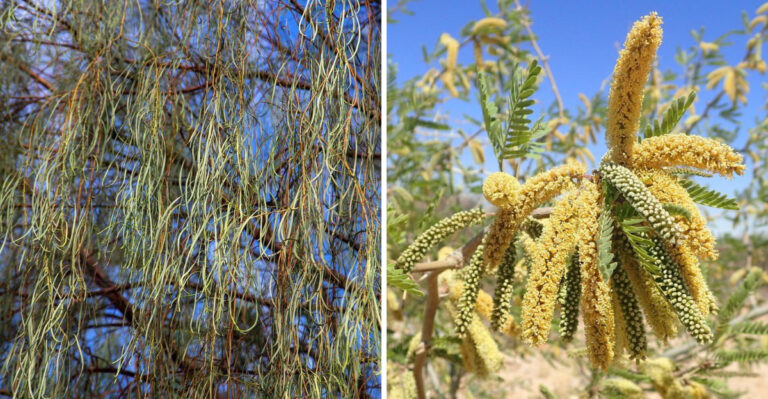
9. Mesquite
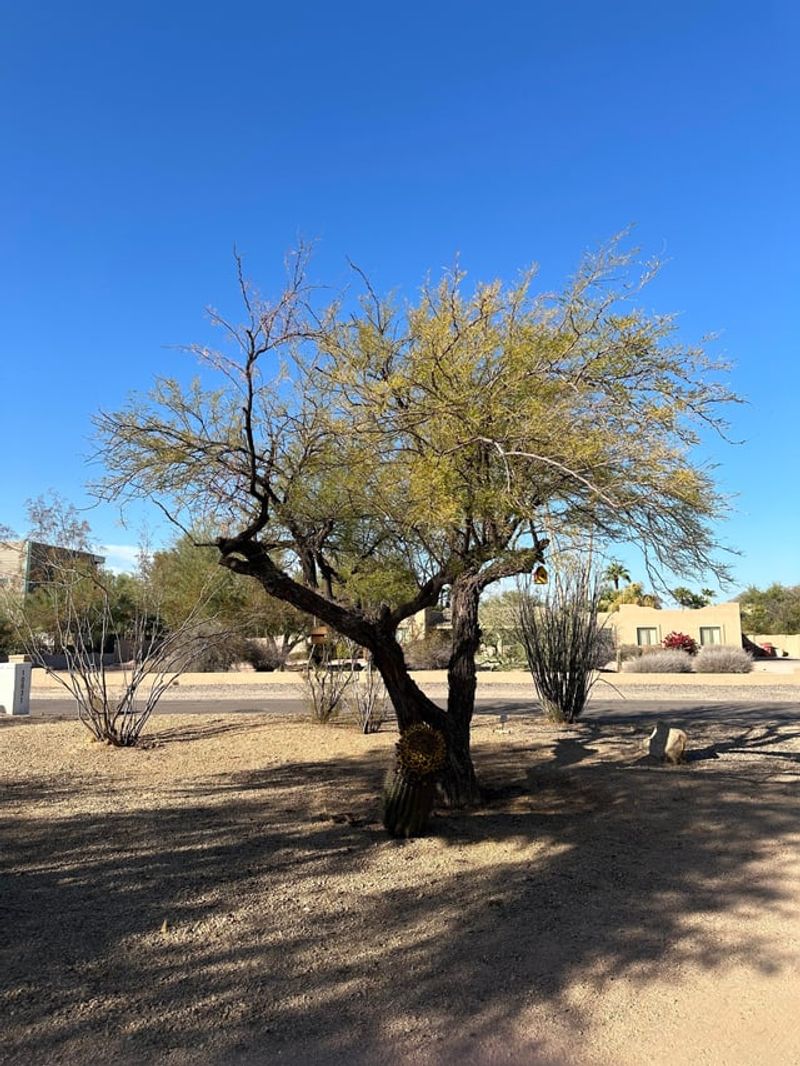
Native status doesn’t automatically make mesquite trees suitable for planting near Arizona homes.
Their natural habitat involves open desert spaces, not confined residential yards where their aggressive characteristics cause multiple problems.
Thorns cover the branches, creating dangerous situations for children, pets, and anyone working near the tree. These sharp spines easily puncture tires, pierce skin, and damage equipment stored beneath the canopy.
Root systems spread extensively underground, traveling surprising distances to find water and nutrients. Foundation walls, pipes, and underground utilities all face threats from mesquite roots that seem to detect and target human infrastructure.
Pods drop constantly during late summer, creating slipping hazards and attracting rodents to residential areas.
Desert wildlife follows the food source, bringing coyotes, javelinas, and other animals uncomfortably close to Arizona homes.
Volunteer seedlings sprout throughout yards and neighboring properties after animals spread the seeds through their droppings.
Removing these thorny invaders becomes an ongoing battle that frustrates homeowners trying to maintain tidy landscapes.
Irregular growth patterns make mesquite trees difficult to incorporate into formal landscape designs. Branches spread unpredictably, often extending over property lines and creating disputes with neighbors about trimming responsibilities.
Allergies affect many Arizona residents when mesquite trees release their pollen each spring.
The fine particles travel long distances on desert winds, triggering respiratory problems and making outdoor activities miserable for sensitive individuals.
Damage to air conditioning units occurs when mesquite roots infiltrate the area around outdoor equipment.
Pods and leaves also clog condensers regularly, reducing efficiency and increasing cooling costs during our brutal summer months when reliable air conditioning matters most.