8 Bed Prep Moves Colorado Gardeners Make Now For Spring Success
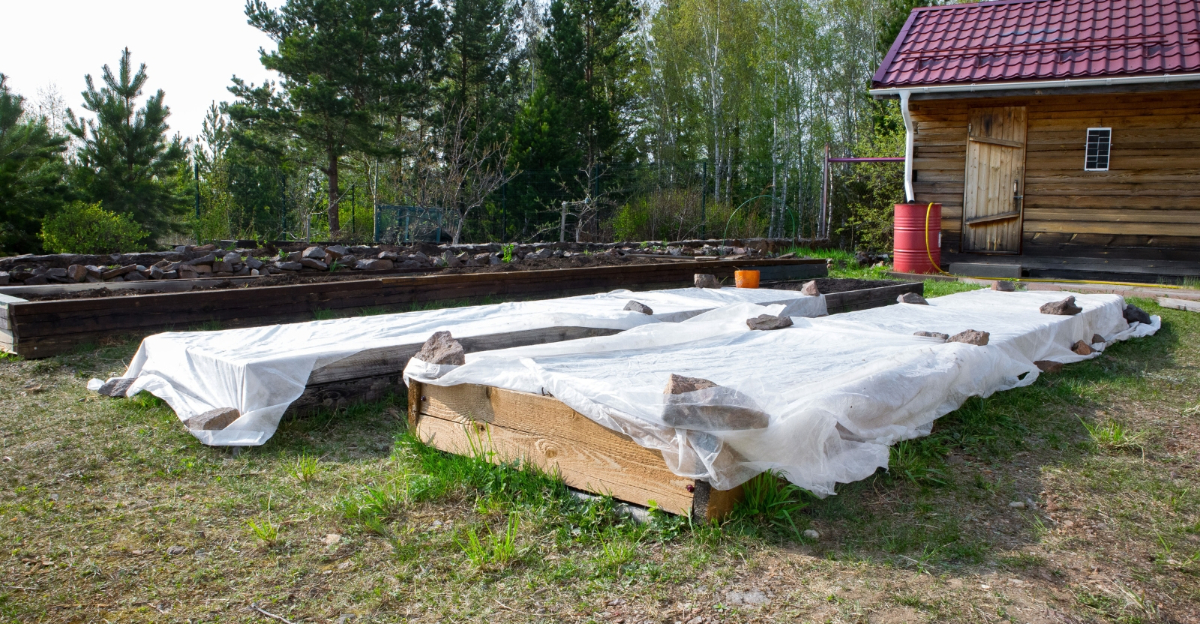
Colorado gardeners know that spring success is rarely decided in spring itself.
The choices made now, while soil is cold and the weather still unpredictable, quietly shape how productive the season will be.
Beds that are ignored until planting time often struggle to warm, drain, and support strong early growth.
Colorado’s freeze-thaw cycles, snowmelt, and compacted soil make early preparation especially valuable.
Clearing, loosening, and adjusting beds now gives soil time to settle instead of fighting last-minute changes. Moisture management becomes easier when beds are shaped and prepared before spring rains arrive.
Gardeners who prep early notice faster planting windows and fewer setbacks once temperatures rise.
These bed prep moves don’t feel dramatic, but they create momentum that carries through the entire growing season.
1. Clearing Out Old Plant Debris Early
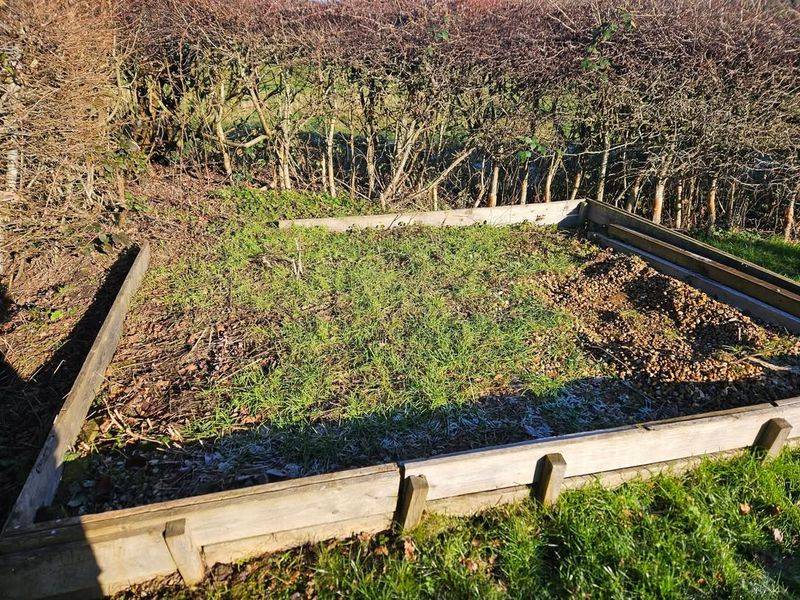
Late winter offers the perfect window for tackling cleanup tasks before new growth begins. Many Colorado gardeners find that frozen or semi-frozen soil makes it easier to pull out stubborn roots and old stems without creating a muddy mess.
Working during cooler temperatures also means you can spend more time outside without overheating or dealing with bugs.
Removing spent plants prevents pests and diseases from overwintering in your beds. Tomato blight, cucumber beetles, and aphids often hide in dead foliage, waiting for warmer weather to emerge and attack your new seedlings.
Taking away their hiding spots now gives your spring plants a healthier start.
Colorado’s unpredictable weather patterns make timing tricky, but most gardeners aim for days when the ground isn’t rock-hard or soaking wet. You want soil firm enough to walk on without sinking but soft enough to pull materials free.
Mid-February through early March typically provides these ideal conditions across much of the state.
Composting healthy plant material enriches your soil for future seasons. Diseased or pest-infested debris should go in the trash rather than your compost pile to avoid spreading problems.
Separating the two types as you work saves time and protects your garden ecosystem.
Bare beds allow sunlight to reach the soil surface and begin the warming process. This head start matters tremendously in Colorado, where late spring frosts can delay planting schedules.
Every extra degree of soil warmth helps seeds germinate faster and transplants establish stronger root systems.
Hand tools work better than power equipment for this task in smaller spaces. A sturdy rake, garden fork, and wheelbarrow handle most cleanup jobs efficiently.
Larger properties might benefit from a leaf blower to gather lightweight debris before raking.
Checking for perennial weeds while clearing debris saves enormous effort later. Bindweed, quackgrass, and dandelion roots are easier to spot and remove when annual plants aren’t crowding the bed.
Colorado gardeners know these persistent invaders require vigilance year-round.
2. Loosening Compacted Soil Before It Warms
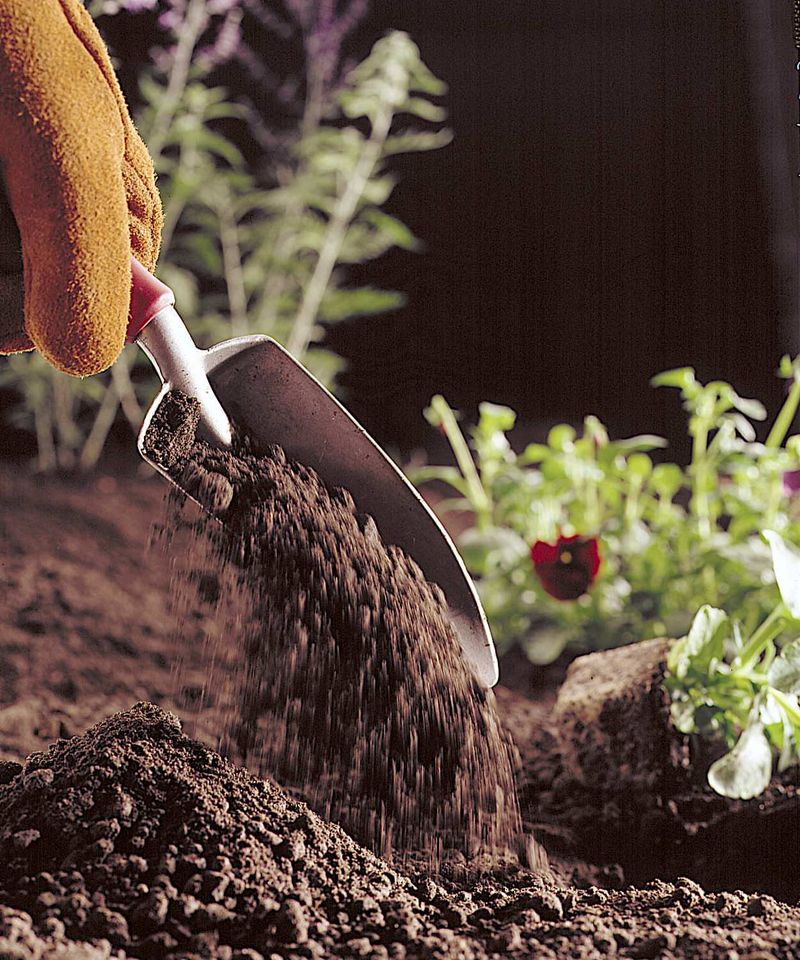
Compaction happens naturally over time as rain, snow, and foot traffic press soil particles together. Colorado’s clay-heavy soils in many regions are particularly prone to becoming dense and hard-packed.
Addressing this issue before spring planting creates better growing conditions from day one.
Your Colorado Garden Changes Every Week. Your Plan Should Too.
Gardening in Colorado changes quickly throughout the season. Every Friday you’ll receive a simple weekly plan showing exactly what to plant, prune, fertilize, harvest, and protect so you never miss the right timing.
Oxygen is essential for healthy root development and beneficial soil organisms. Compacted soil contains fewer air pockets, which suffocates roots and limits their ability to absorb water and nutrients.
Loosening the soil now restores these vital air channels throughout your beds.
Working the soil when it’s slightly moist but not wet produces the best results. Colorado’s freeze-thaw cycles during late winter often create perfect moisture levels for this task.
Soil should crumble in your hand rather than forming a muddy ball or remaining rock-hard.
A broadfork is the ideal tool for loosening soil without destroying its natural structure. This long-handled tool with multiple tines allows you to work standing upright while penetrating deep into the bed.
Colorado gardeners appreciate how it aerates soil without bringing weed seeds to the surface like tilling does.
Starting from one end of the bed and working backward prevents you from walking on freshly loosened areas. Insert the broadfork fully, lean back to lift and loosen the soil, then step backward and repeat.
This methodical approach ensures even treatment across the entire bed.
Pathways between beds often suffer the worst compaction from repeated foot traffic. Don’t forget to address these areas if you plan to plant them or if they affect drainage patterns.
Proper pathway maintenance protects your growing spaces from water problems.
Heavy clay soils in Colorado require extra attention and may need multiple passes with your loosening tool. Sandy soils found in other parts of the state need gentler treatment to avoid over-working them.
Knowing your specific soil type guides your approach.
3. Adding Organic Matter While Beds Are Bare
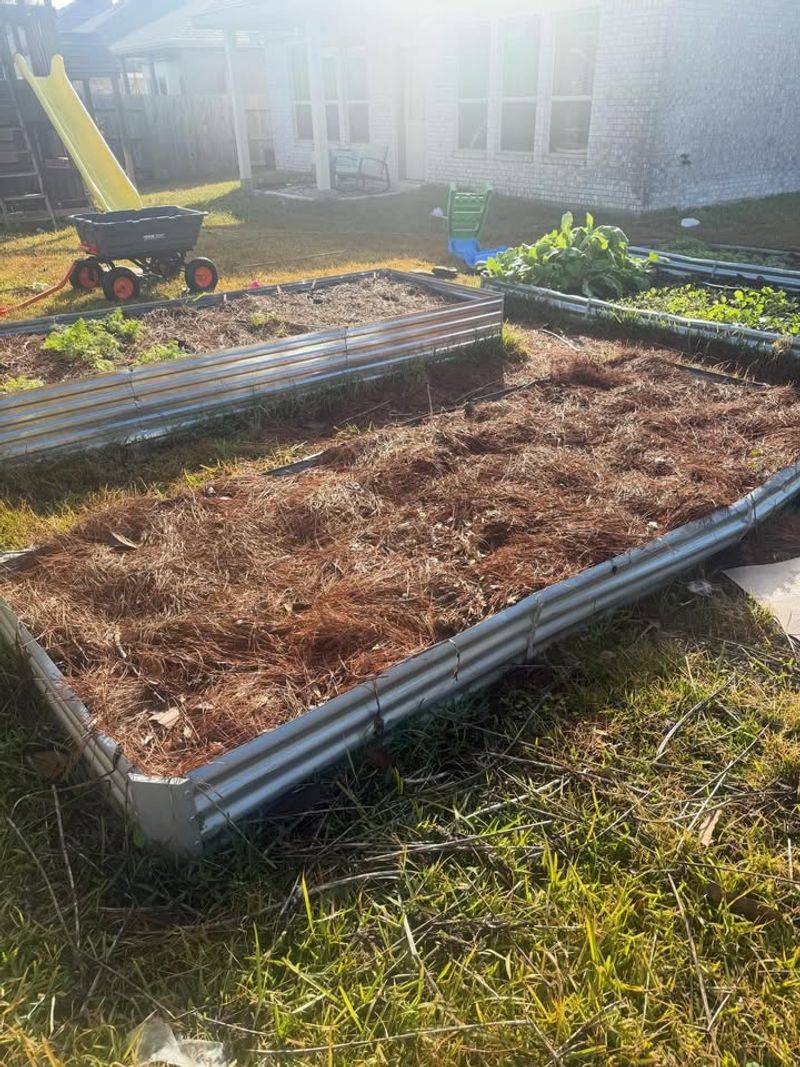
Bare beds in late winter provide unrestricted access for spreading amendments throughout your growing space. Without plants in the way, you can distribute materials evenly and work them into the soil more effectively.
Colorado gardeners take advantage of this window before the spring rush begins.
Compost, aged manure, and leaf mold improve soil structure regardless of whether you have clay or sandy soil. These organic materials help clay soils drain better while helping sandy soils retain more moisture.
Both improvements are valuable in Colorado’s varied climate conditions.
A two to four-inch layer of organic matter across the bed surface provides substantial benefits without overwhelming the existing soil. Spreading it evenly ensures all plants will access improved nutrition and better growing conditions.
Thicker layers work well for beds that haven’t been amended in several years.
Working amendments into the top six to eight inches of soil distributes nutrients throughout the root zone. A garden fork or spade makes this task manageable in most beds.
Colorado’s shorter growing season means plants need quick access to nutrients, which proper incorporation provides.
Timing this task for late winter allows organic matter to begin breaking down before planting. Soil microbes become more active as temperatures rise, processing amendments into plant-available nutrients.
Starting this process early gives your spring plants an immediate boost.
Homemade compost costs nothing if you’ve been maintaining a pile, making this improvement very budget-friendly. Purchased compost or manure represents an investment that pays dividends through better harvests and healthier plants.
Colorado garden centers typically stock up on amendments in late winter.
Checking the moisture content of amendments before spreading helps avoid introducing too much water to your beds. Soggy compost or manure can temporarily create drainage problems and unpleasant working conditions.
Slightly moist materials spread more easily and integrate better with existing soil.
4. Testing Soil Before Spring Planting Starts
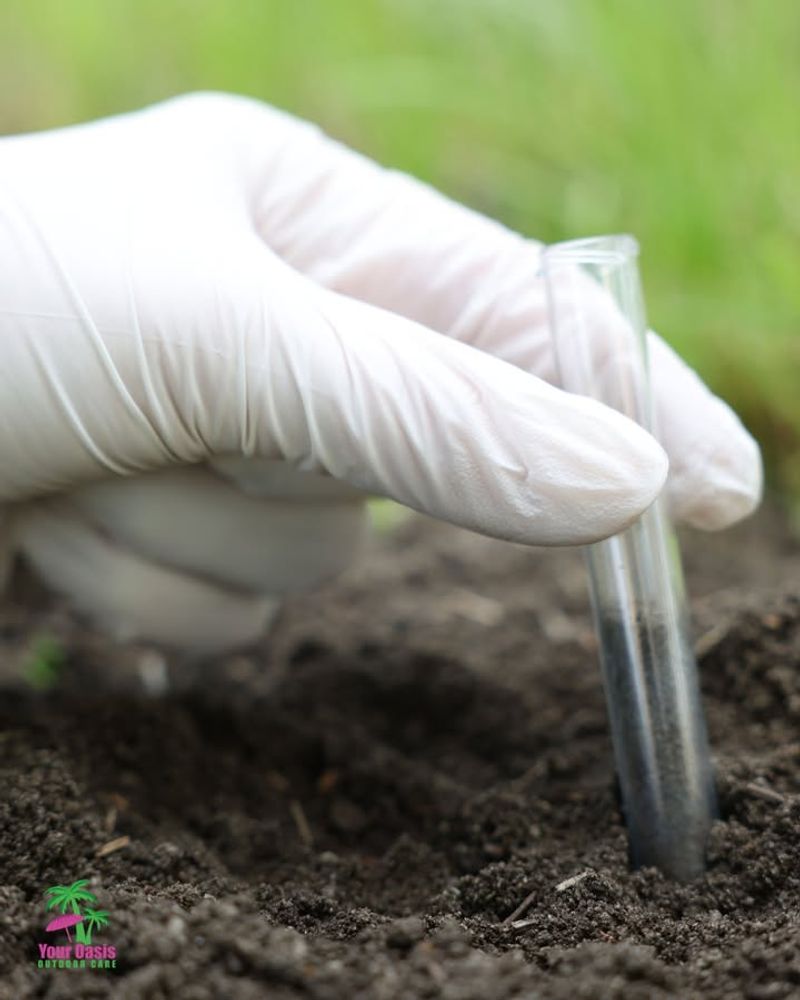
Guessing about your soil’s nutrient levels and pH often leads to disappointing results and wasted money on unnecessary amendments. Professional testing removes the guesswork and provides specific recommendations for your unique situation.
Colorado State University Extension offers affordable testing that many local gardeners rely on each season.
Collecting samples from multiple spots in each bed gives the most accurate picture of your soil’s condition. Take small amounts from different areas, mix them together in a clean bucket, and send the combined sample for analysis.
This method accounts for variations that naturally occur across your garden.
Late winter sampling allows time to receive results and make adjustments before planting begins. Most labs return results within two to three weeks, giving you a clear action plan.
Colorado gardeners who test early avoid the last-minute scramble to correct problems.
pH levels dramatically affect how well plants can absorb nutrients already present in your soil. Colorado soils tend toward alkaline pH, which can lock up iron and other micronutrients.
Testing reveals whether you need sulfur to lower pH or lime to raise it.
Nitrogen, phosphorus, and potassium levels indicate whether you need fertilizer and what type will work best. Over-fertilizing wastes money and can harm plants and local waterways.
Test results help you apply exactly what your soil lacks.
Organic matter content appears on many soil test reports and helps you gauge whether you’ve added enough compost. Higher organic matter percentages correlate with better water retention, nutrient availability, and beneficial microbial activity.
Colorado’s dry climate makes maintaining organic matter especially challenging.
Some tests include micronutrient analysis for elements like zinc, manganese, and boron. Deficiencies in these trace elements cause specific symptoms in plants but are easy to correct once identified.
Colorado’s alkaline soils sometimes create micronutrient availability issues.
Keeping records of your test results over several years reveals trends and shows whether your soil improvement efforts are working.
5. Refreshing Mulch Layers At The Right Time
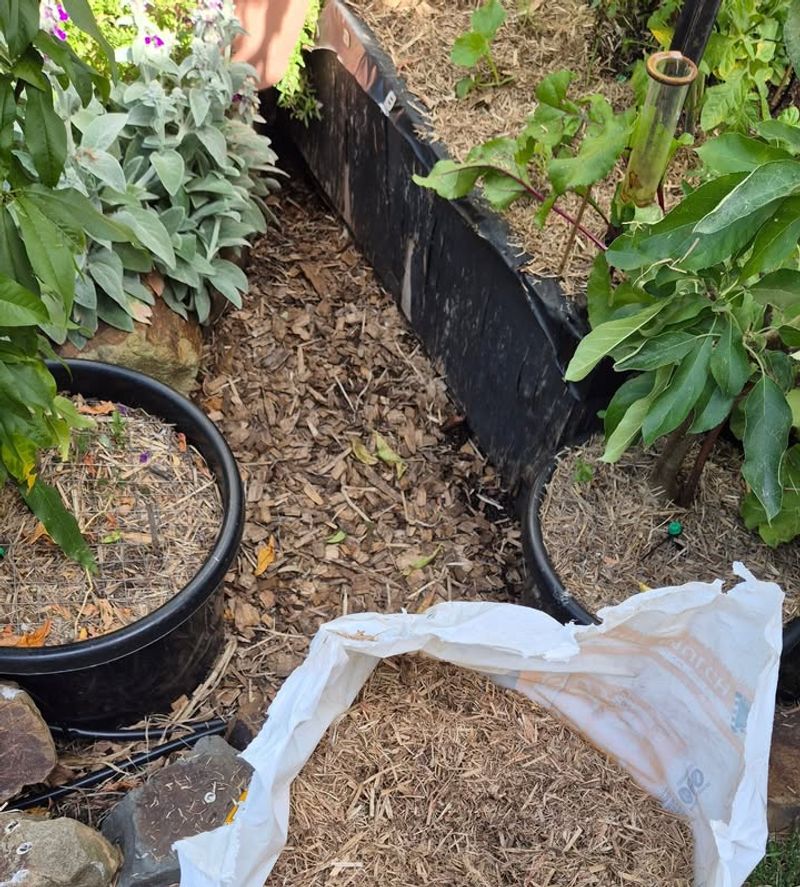
Old mulch breaks down over time, creating a thinner layer that provides less protection for your soil and plants. Late winter inspection reveals how much has decomposed and whether you need to add more material.
Colorado gardeners who refresh mulch now set their beds up for better moisture retention all season.
Pulling back existing mulch to check the soil surface underneath shows whether you have problems brewing. Matted mulch that has formed a water-resistant crust needs breaking up or replacing.
Finding the right balance keeps soil protected without creating barriers to air and water movement.
Adding new mulch before spring planting keeps the process cleaner and easier than working around established plants. You can spread material freely without worrying about covering seedlings or burying transplants.
Colorado’s strong spring winds make early application practical since you can tuck mulch firmly into place.
A two to three-inch depth of mulch provides optimal benefits for most vegetables and flowers. Deeper layers can prevent soil warming in spring, while thinner coverage allows weeds to break through.
Measuring with a ruler at several spots ensures consistent depth across the bed.
Different mulch materials offer varying benefits for Colorado gardens. Straw is inexpensive and easy to spread but breaks down quickly.
Wood chips last longer but can temporarily tie up nitrogen as they decompose. Grass clippings are free but must be applied in thin layers to prevent matting.
Keeping mulch pulled back a few inches from plant stems prevents rot and discourages pests. This small gap allows air circulation around the base of plants while still providing most of mulch’s benefits.
Colorado’s dry climate makes this less critical than in humid regions, but it remains good practice.
Dark-colored mulches absorb more heat and warm the soil faster in spring. Light-colored materials reflect heat and keep soil cooler during summer.
Choosing based on your specific needs and Colorado’s intense sun exposure improves results.
Purchasing mulch in late winter often means better prices and selection than waiting until the spring rush.
6. Fixing Drainage Issues After Snowmelt
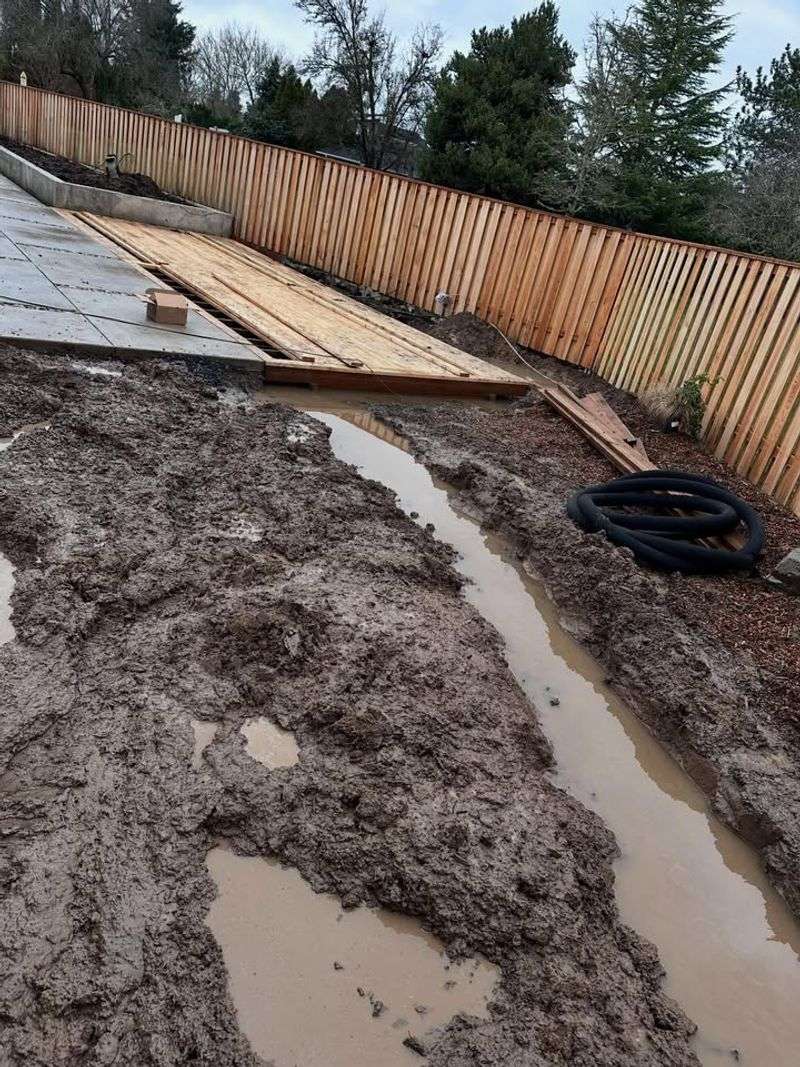
Snowmelt and spring rains reveal drainage problems that might have gone unnoticed during drier months. Puddles that linger for days after moisture events signal compaction or improper bed construction.
Colorado gardeners address these issues now rather than watching plants suffer in waterlogged soil later.
Walking your garden after significant snowmelt shows exactly where water accumulates and how it flows through your space. Low spots in beds collect water and create pockets where roots will struggle.
Marking these areas with stakes helps you remember where to focus your improvement efforts.
Adding drainage amendments like perlite, coarse sand, or fine gravel to problem spots improves water movement through heavy soil. Working these materials into the top twelve inches creates pathways for excess moisture to escape.
Colorado’s clay soils in many areas benefit tremendously from this treatment.
Raising bed height by adding more soil and organic matter lifts the root zone above areas prone to saturation. Even a few extra inches can make the difference between thriving plants and struggling ones.
Many Colorado gardeners build up beds gradually over several seasons.
Installing French drains or dry creek beds diverts water away from growing areas when simple amendments aren’t enough. These solutions require more effort but solve persistent problems permanently.
Consulting with experienced local gardeners or landscapers helps you design effective systems.
Checking that beds slope slightly away from structures prevents water from pooling against foundations or walls. A subtle grade of one to two percent moves water effectively without being noticeable.
Colorado’s dramatic elevation changes make proper grading especially important in hillside gardens.
Compacted pathways often channel water into beds rather than away from them. Loosening pathway soil or adding gravel creates better drainage throughout your garden layout.
This improvement protects beds from receiving excess runoff during heavy moisture events.
7. Shaping Beds To Warm Faster In Spring
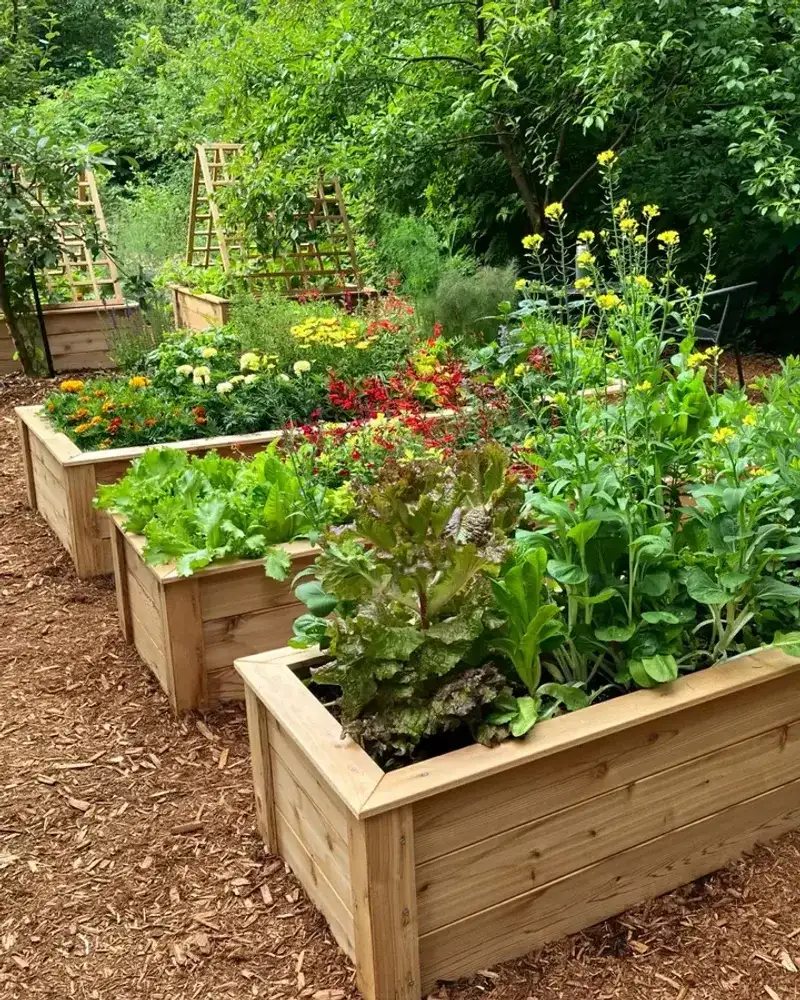
Soil temperature determines when you can successfully plant most vegetables and flowers. Cold soil prevents seed germination and stresses transplants, delaying your entire growing season.
Colorado gardeners use bed shaping techniques to capture maximum solar energy and speed the warming process.
Gently mounding soil toward the center of beds increases surface area exposed to sunlight. This subtle change can raise soil temperature by several degrees compared to flat beds.
South-facing slopes warm fastest and work especially well for heat-loving crops like tomatoes and peppers.
Removing any remaining mulch from areas where you’ll plant earliest allows direct sun exposure to bare soil. You can always replace mulch after plants are established and soil has warmed thoroughly.
Colorado’s bright sunshine provides powerful heating once you remove insulating layers.
Dark-colored materials absorb more heat than light-colored ones, so leaving dark compost on the surface speeds warming. Light-colored amendments like aged manure might be better incorporated rather than left on top.
Understanding these differences helps you make smart decisions about bed preparation.
Covering beds with clear plastic creates a greenhouse effect that dramatically increases soil temperature. Leave plastic in place for two to three weeks before planting, then remove it and plant immediately.
Many Colorado gardeners use this technique to gain a week or more on their planting schedule.
Black plastic also warms soil effectively while providing weed suppression benefits. You can leave it in place and plant through holes cut in the material.
This method works particularly well for crops like melons and squash that appreciate warm soil all season.
Orientation matters when creating new beds or reshaping existing ones. Running beds north-south provides even sun exposure to both sides throughout the day.
East-west orientation creates a sunny south side and shadier north side, which suits gardens with crops having different light needs.
Avoiding walking on shaped beds preserves the fluffy, loosened soil structure that warms fastest.
8. Preparing Edges To Keep Beds Defined
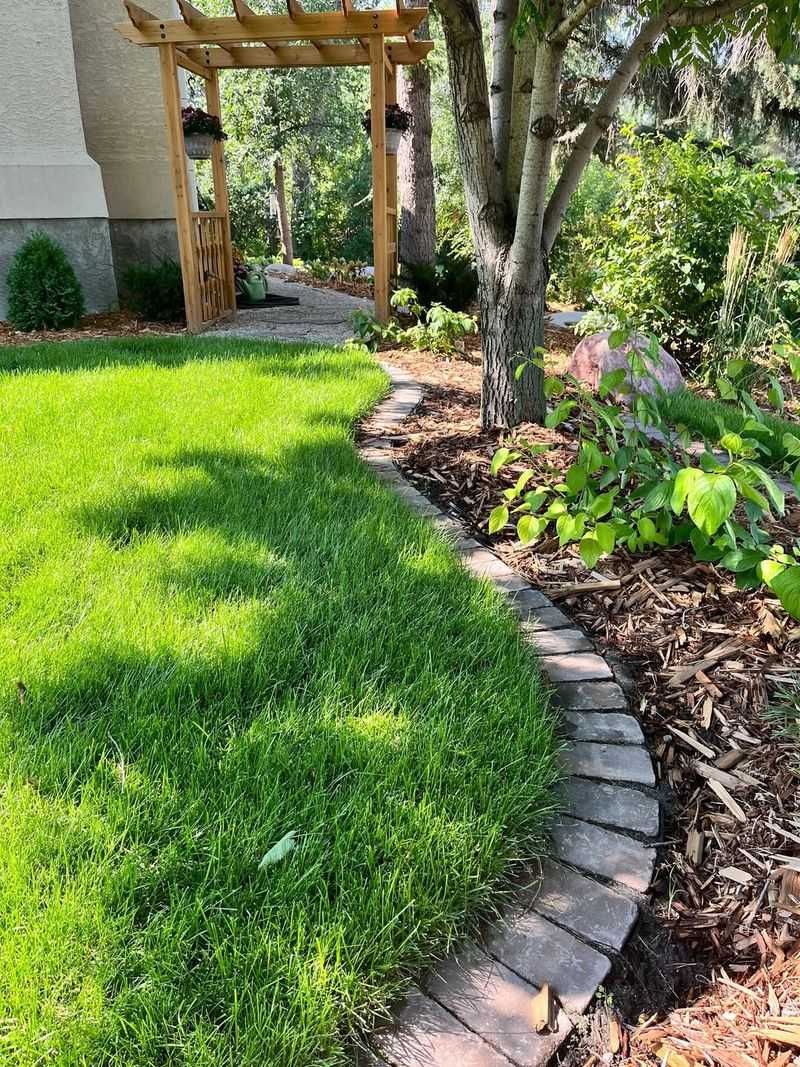
Sharp, clean bed edges create visual appeal while serving important practical functions in your garden. Well-defined borders prevent grass and weeds from creeping into growing spaces where they compete with your plants.
Colorado gardeners who maintain edges now save hours of tedious weeding throughout the growing season.
Using a flat-blade edging tool creates crisp lines between beds and pathways or lawn areas. Insert the tool vertically and cut straight down to create a small trench that grass roots can’t easily cross.
Working your way around the entire bed perimeter takes time but produces professional-looking results.
Installing permanent edging materials like metal, wood, or stone eliminates the need for frequent re-edging. These barriers last for years and clearly mark where beds end and pathways begin.
Colorado garden centers offer numerous edging options at various price points to fit different budgets and styles.
Depth matters when installing permanent edging to effectively block invasive grass species. Burying edging at least four inches deep stops most grass roots from tunneling underneath.
Bermuda grass and quackgrass, common in Colorado, require especially vigilant edge maintenance.
Checking for damage to existing edging reveals spots that need repair before they become major problems. Frost heaving during winter can shift or lift edging materials, creating gaps.
Colorado’s freeze-thaw cycles make annual inspection essential for maintaining effective barriers.
Mulched pathways next to beds benefit from defined edges that keep mulch contained where it belongs. Without edges, pathway mulch gradually migrates into beds, while bed soil spills into pathways.
This mixing creates messy, unclear boundaries that look unkempt.
Painting wooden edging with non-toxic sealant extends its life in Colorado’s intense sun and temperature extremes. Untreated wood breaks down quickly, requiring replacement every few years.
A little maintenance now prevents premature deterioration.
Creating slightly raised edges helps prevent water runoff from carrying soil out of beds during heavy rains.