Rainwater Collection Systems That Aren’t Allowed Without Approval In Utah
Rainwater collection sounds like a smart, eco-friendly upgrade in Utah, especially in a dry climate where every drop feels valuable.
What often surprises homeowners is that collecting rainwater is not always as simple as setting out a barrel.
Certain systems cross into regulated territory once they become permanent, large, or connected to structures.
Utah’s water laws treat rainwater differently than many people expect, which is where confusion usually begins.
Some collection setups are allowed freely, while others require approval before installation even starts. The line between acceptable and restricted often depends on system size, storage capacity, and how water is redirected.
Homeowners sometimes assume good intentions are enough, only to learn rules apply regardless of purpose.
Understanding which rainwater systems need approval helps prevent problems before a project ever gets off the ground.
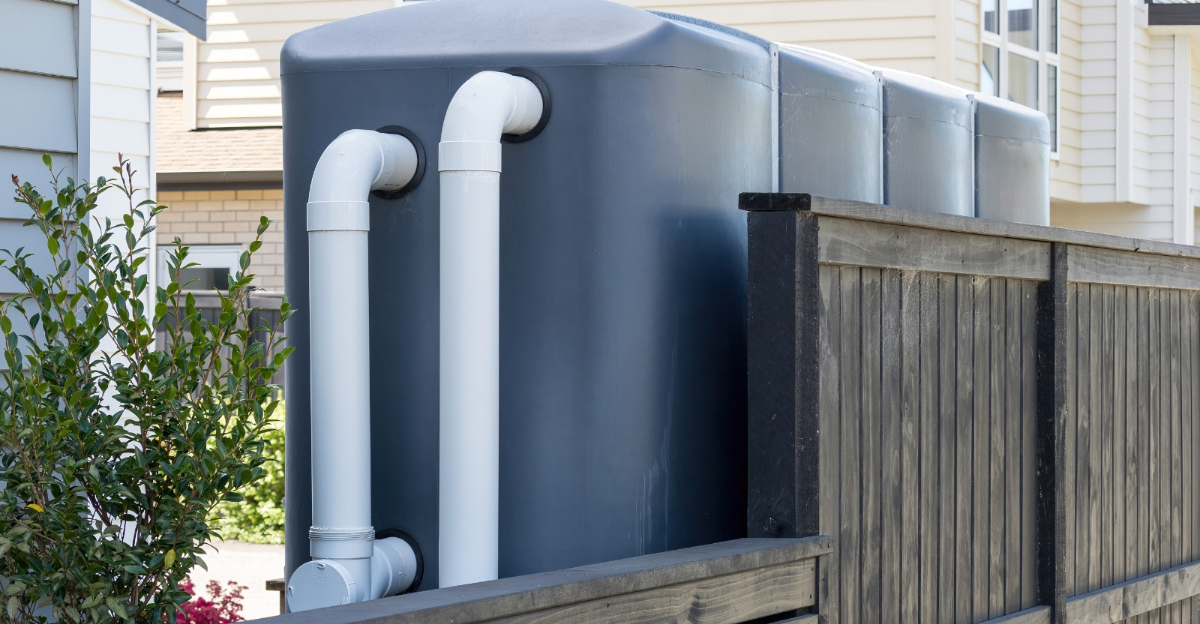
1. Large Above-Ground Storage Tanks

Storing rainwater in containers that hold hundreds or thousands of gallons sounds practical, but Utah places limits on how much rainwater can be stored and how it’s used, and systems that exceed those limits require approval.
Homeowners often assume any barrel or tank is fine, yet size matters when it comes to state regulations.
Most residential properties can use smaller rain barrels without much paperwork.
However, once total storage capacity or intended use exceeds what the state allows without a permit, official approval is required.
The reasoning behind this rule involves water rights and safety concerns.
Utah takes water allocation seriously because of its semi-arid climate, so officials want to track who collects what amounts.
Large tanks can also pose structural risks if not properly installed.
A full 500-gallon tank weighs over two tons, which could damage property or injure people if it tips over or leaks suddenly.
Getting approval means submitting plans showing where you’ll place the tank and how you’ll secure it. Inspectors verify that your setup won’t create hazards or violate water rights held by others in your area.
Many Utah residents find the process straightforward once they gather the right documents.
The state wants to encourage water conservation while maintaining oversight of larger collection systems that impact shared resources.
Large tanks feel like a smart long-term solution, but they move rainwater collection into a regulated space in Utah. The size alone changes how the system is viewed under state rules.
Approval ensures the setup is stable, documented, and aligned with water allocation limits.
Taking this step early avoids costly adjustments later.
2. Underground Cistern Systems
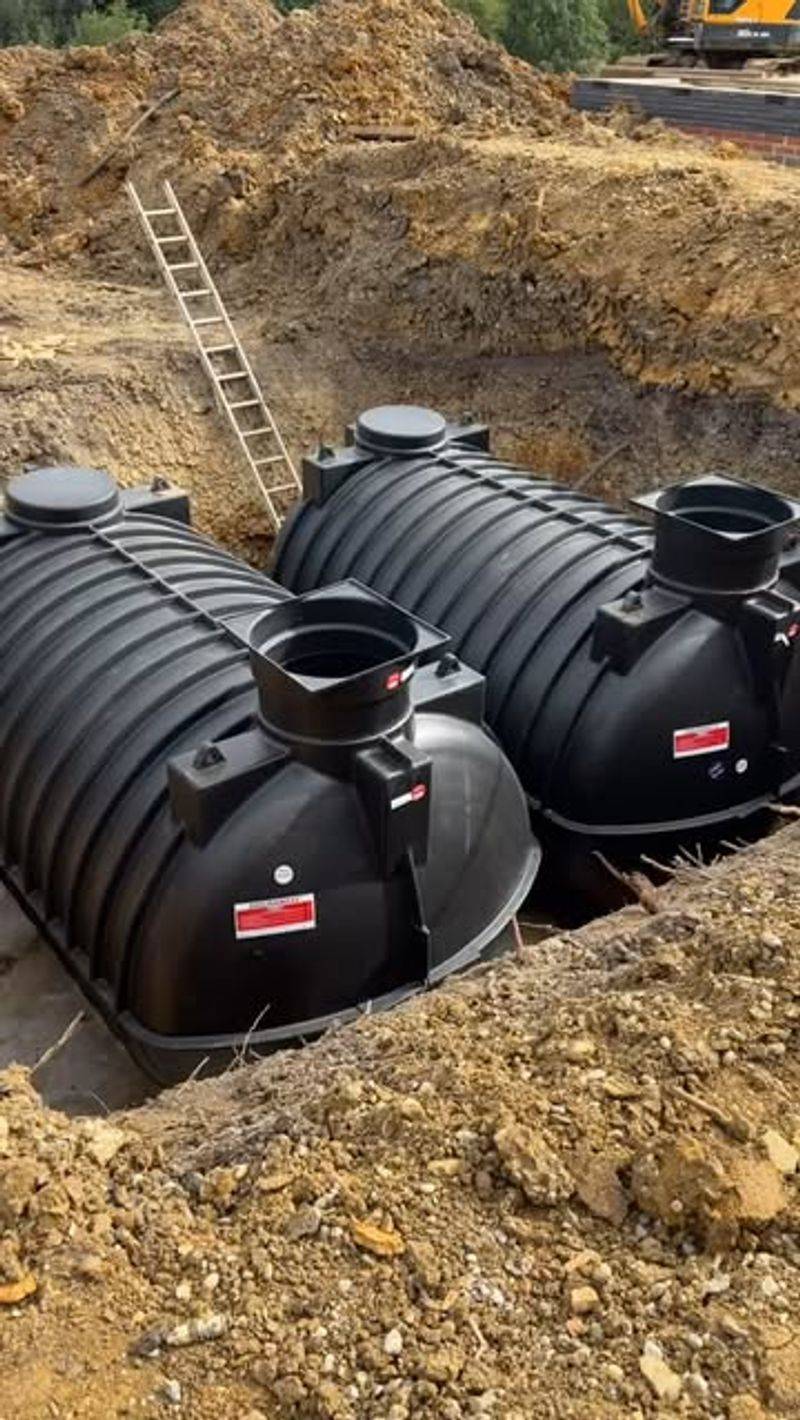
Burying a cistern beneath your yard offers hidden storage that doesn’t clutter your outdoor space.
These underground tanks can hold massive amounts of water, making them attractive for serious rainwater harvesting in Utah.
Installing one requires digging, plumbing, and construction work that goes far beyond setting up a simple barrel.
Because these systems involve excavation and permanent infrastructure, they trigger permitting requirements across most Utah counties.
Water quality becomes a bigger concern with buried tanks since you can’t easily inspect them.
Officials need to ensure your cistern has proper filtration, ventilation, and overflow systems to prevent contamination or flooding.
Your Utah Garden Changes Every Week. Your Plan Should Too.
Gardening in Utah changes quickly throughout the season. Every Friday you’ll receive a simple weekly plan showing exactly what to plant, prune, fertilize, harvest, and protect so you never miss the right timing.
Another issue involves property lines and underground utilities.
Digging deep holes without approval risks hitting gas lines, electrical cables, or water mains that serve your neighborhood.
The permit process includes submitting detailed plans showing cistern location, depth, capacity, and connection points. Engineers may need to review soil conditions to confirm the ground can support a large underground tank filled with water.
Utah homeowners who complete the approval process often enjoy years of reliable water storage.
The upfront effort pays off with a discreet system that provides backup water during dry periods common throughout the state.
Underground cisterns offer serious storage power, which is why they receive closer scrutiny.
Once excavation and permanent infrastructure are involved, permits protect both property and utilities.
Approval helps confirm the system won’t create drainage, safety, or contamination issues.
For homeowners willing to plan ahead, the result is a durable, discreet solution.
Permits are required largely because underground cisterns involve excavation, structural safety, and plumbing considerations, not just water allocation.
3. Multi-Barrel Linked Collection Systems
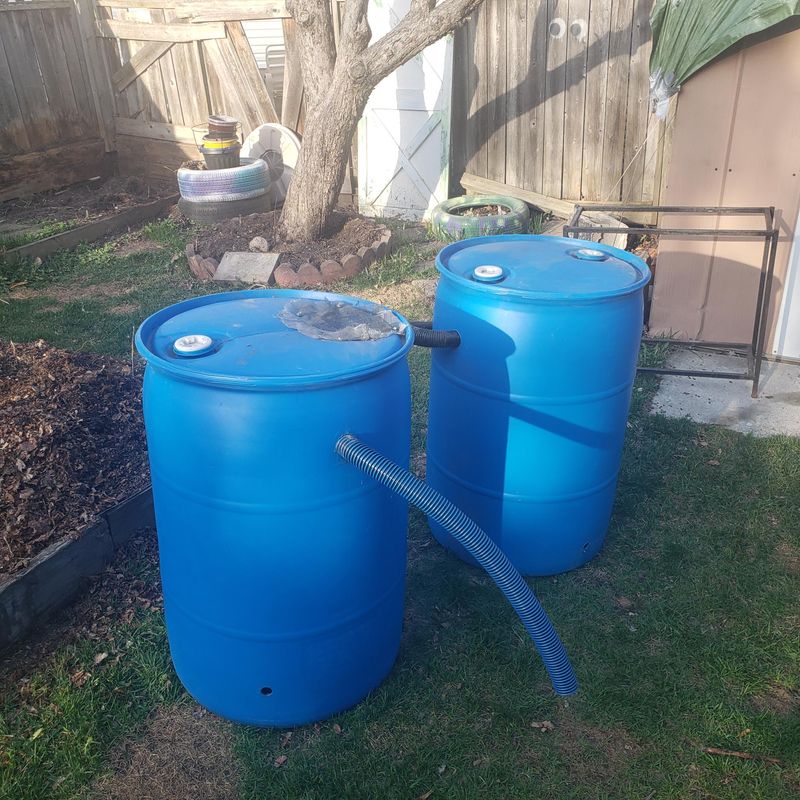
Connecting several rain barrels together multiplies your storage capacity without buying one giant tank. This approach seems clever and cost-effective, but Utah regulations treat linked systems differently than standalone barrels.
Each barrel might hold only 50 or 60 gallons individually, yet connecting five of them creates a 250-300 gallon system.
Once total storage capacity or use exceeds state-allowed limits, official approval is required.
The concern centers on cumulative water collection rather than individual container size.
State officials monitor total rainwater capture to protect water rights and ensure fair distribution across communities in Utah.
Linked barrels also introduce complexity with pressure, overflow, and potential leak points.
Multiple connections mean more places where things can go wrong, which is why authorities want to review these setups.
Homeowners sometimes chain barrels together gradually, not realizing they’ve crossed into permit territory. Starting with one barrel and adding more over time still creates a system that needs approval once it reaches certain volumes.
Getting your multi-barrel setup permitted involves documenting your configuration and showing proper overflow management.
Utah officials appreciate when residents proactively seek approval rather than building first and asking permission later, which can lead to fines or required removal.
Linking barrels can quietly turn a small project into a regulated system.
What begins as a simple upgrade can cross approval thresholds faster than expected.
Utah focuses on total capacity, not individual containers.
Getting clarity early keeps an otherwise practical setup from becoming a compliance problem.
4. Roof-Connected Systems Exceeding Allowed Capacity
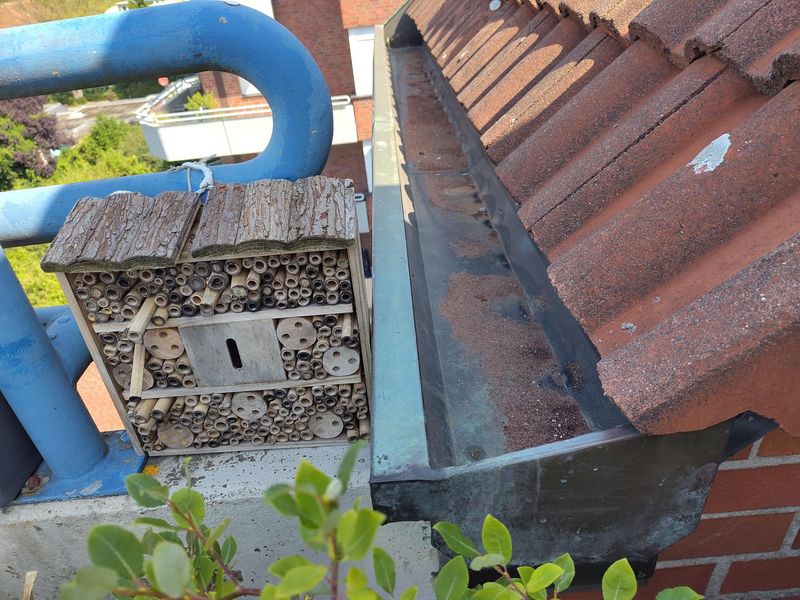
Attaching collection equipment directly to your roof’s downspouts efficiently captures rainfall before it hits the ground.
Utah allows basic roof collection, but size limits determine when you need permits.
A single 55-gallon barrel connected to one downspout typically falls within allowable limits.
Expanding beyond this with larger containers or multiple collection points pushes you into regulated territory.
The state’s water laws recognize that roofs act as excellent catchment surfaces.
A typical residential roof can collect thousands of gallons during Utah’s rainy seasons, which is why capacity limits exist.
Exceeding allowed volumes without approval can trigger complaints from neighbors or water district officials.
Someone might notice your extensive collection setup and report it, leading to inspections and potential penalties.
Permit applications require specifying your roof area, expected collection volume, and storage capacity. Officials calculate whether your system might impact downstream water users or violate existing water rights.
Many Utah homeowners successfully obtain permits by demonstrating their systems won’t harm others. The approval process balances individual conservation efforts with community water needs, ensuring everyone gets fair access to this precious resource in an arid state climate.
5. Systems Connected To Indoor Plumbing
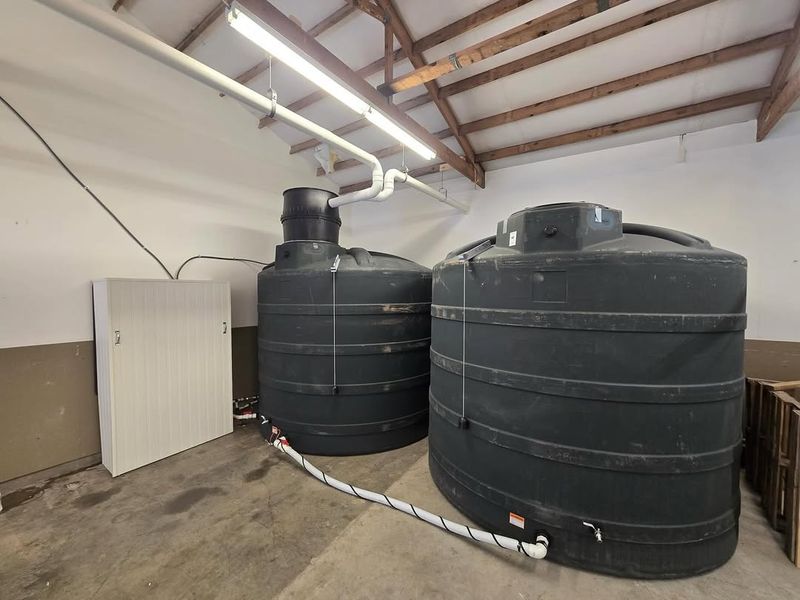
Routing collected rainwater into your home’s plumbing system takes harvesting to another level. This setup lets you use rainwater for toilets, laundry, or other household purposes, but it absolutely requires permits in Utah.
Mixing rainwater with municipal water supplies raises serious contamination concerns.
Backflow into public systems could spread bacteria or pollutants, so officials strictly regulate any connections between collected water and indoor pipes.
Installing these systems involves licensed plumbers and multiple inspections.
Utah building codes require backflow preventers, separate piping, and clear labeling to distinguish rainwater lines from potable water supplies.
Health departments get involved because indoor use affects drinking water safety.
Even if you only plan to use rainwater for non-potable purposes, the potential for cross-connection makes approval mandatory.
The permit process examines your entire plumbing layout, not just the collection equipment.
Inspectors verify that your design prevents any scenario where rainwater could contaminate drinking water or flow back into city mains.
Utah residents who navigate this approval process gain significant water independence.
Using rainwater indoors reduces municipal water bills and conserves treated drinking water for essential uses, making the permitting effort worthwhile for committed conservation enthusiasts throughout the state.
6. Irrigation-Integrated Rainwater Systems
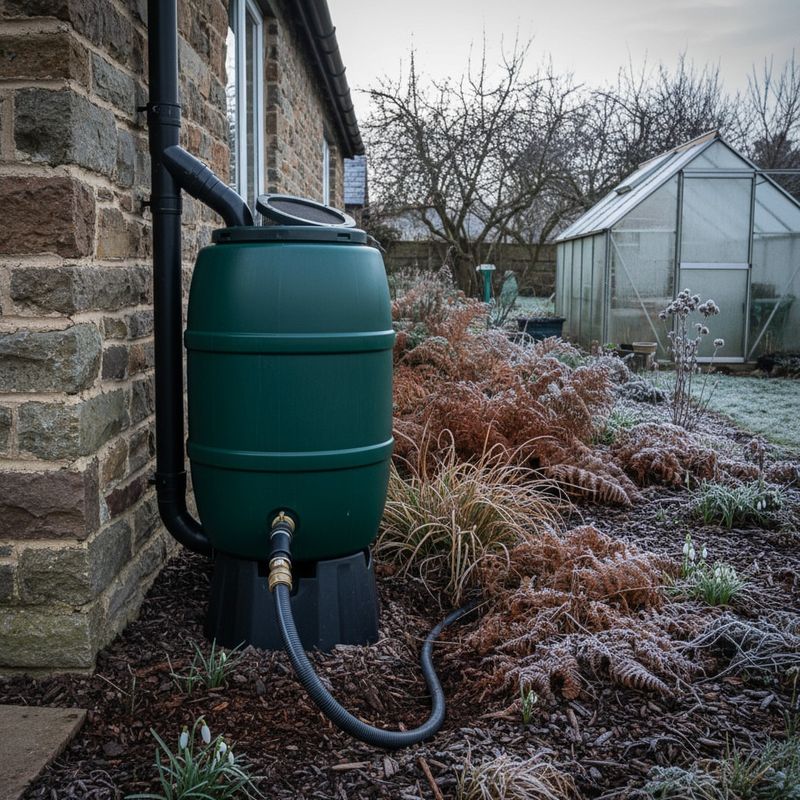
Combining rainwater collection with automatic irrigation systems creates an efficient watering solution. Utah gardeners love this idea, but integrating these technologies triggers permitting requirements due to complexity and water usage implications.
Simple hand-watering from a rain barrel usually doesn’t need approval.
Adding pumps, timers, and underground irrigation lines transforms your setup into something officials want to review.
Automated systems can distribute large volumes of water quickly, which concerns water rights administrators. Utah’s allocation system tracks water use carefully, especially for irrigation that affects agricultural and residential supplies.
Pressure requirements for irrigation often necessitate pumps and controllers.
These electrical components introduce safety considerations that building departments want to inspect before you start operating the system.
Permitting involves documenting your irrigation layout, coverage area, and water application rates.
Officials verify that your rainwater use won’t exceed allowable amounts or interfere with neighbors’ water access.
The approval process also considers landscaping plans and plant types.
Utah encourages xeriscaping and drought-tolerant gardens, so showing water-wise irrigation practices can strengthen your permit application and demonstrate responsible resource management in this water-conscious state.
7. Commercial Or Shared Collection Systems
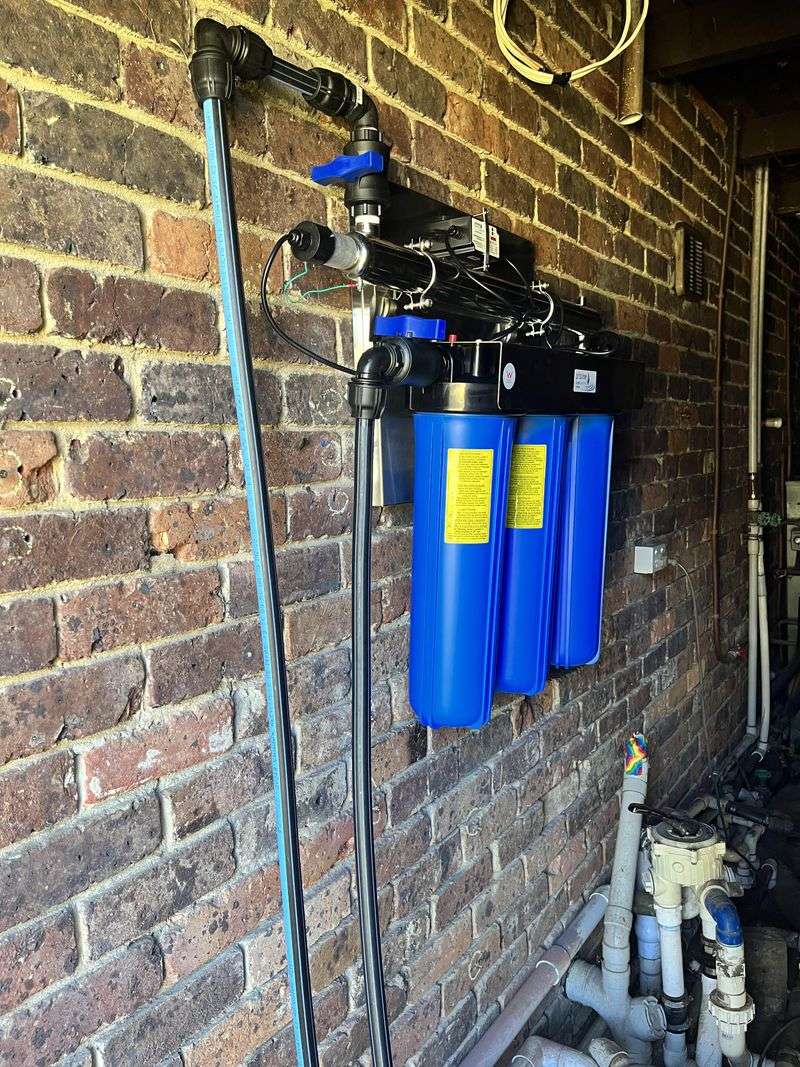
Businesses and organizations often want rainwater systems serving multiple users or large facilities. Utah treats these commercial applications very differently from residential setups, with stricter approval processes.
A business collecting rainwater for landscaping or operations impacts water resources more than a single homeowner.
The scale alone triggers additional regulatory oversight from state and local agencies.
Shared systems in apartment complexes or community gardens also fall into this category. When multiple parties benefit from one collection system, officials need to ensure fair distribution and proper management.
Liability concerns increase with commercial applications.
If collected water causes property damage or health issues, businesses face greater legal exposure than individual homeowners, which is why Utah requires thorough vetting.
Permit applications for commercial systems involve engineering reports, water usage projections, and sometimes environmental impact assessments.
The complexity reflects the larger scale and potential consequences of these installations.
Utah officials work with businesses to approve systems that benefit both the company and community.
Commercial rainwater harvesting can significantly reduce demand on municipal supplies, supporting the state’s water conservation goals while helping businesses lower operating costs through reduced water bills.
8. Systems Installed On Multi-Family Properties
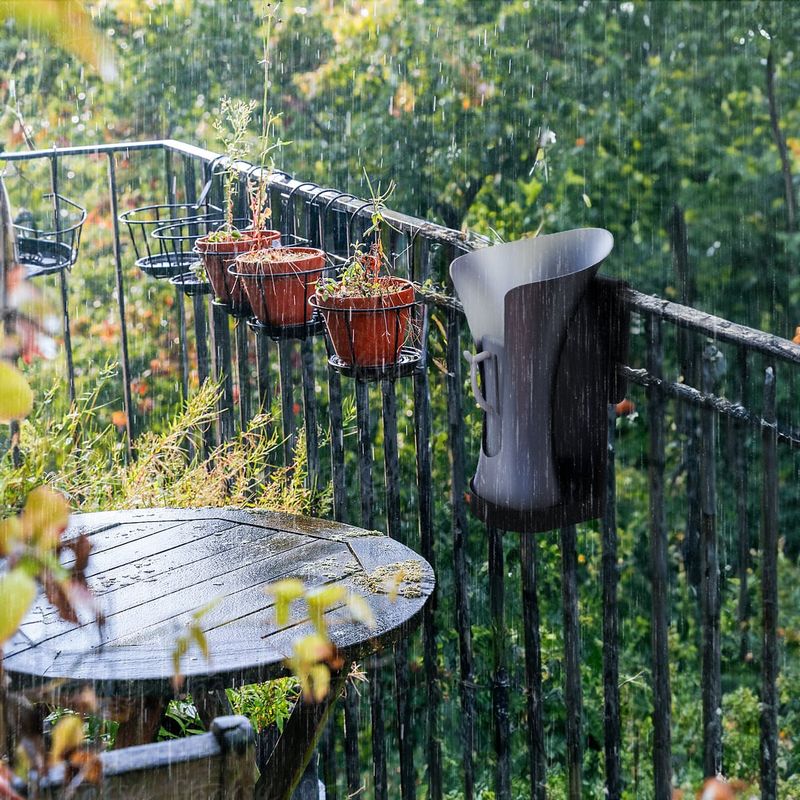
Apartment buildings and condominiums present unique challenges for rainwater collection.
Utah regulations require permits for these installations because they serve numerous residents and involve complex property ownership.
A multi-family property’s roof area can capture enormous amounts of water.
Distributing this resource fairly among tenants while maintaining the system properly requires oversight that single-family setups don’t face.
Property managers must obtain approval showing how they’ll maintain equipment and allocate collected water. Utah officials want assurance that one tenant’s usage won’t deprive others or create disputes.
Structural considerations become critical with larger buildings.
Rooftop storage tanks or extensive collection equipment add weight that engineers must evaluate to ensure safety.
Permit applications include maintenance plans, access protocols, and liability insurance documentation. The approval process protects both residents and property owners from problems that could arise with improperly managed systems.
Multi-family properties in Utah that successfully implement rainwater systems often see reduced water bills benefiting all residents.
The shared savings make navigating the permitting process worthwhile, though it requires coordination between property management, residents, and state officials to ensure everyone’s needs are met throughout the building.
Clear permitting also helps prevent disagreements before they start by setting expectations for access, usage, and responsibility.
When everyone understands how the system is managed, rainwater collection becomes a shared benefit rather than a source of conflict.
9. Modified Or Expanded Existing Collection Systems
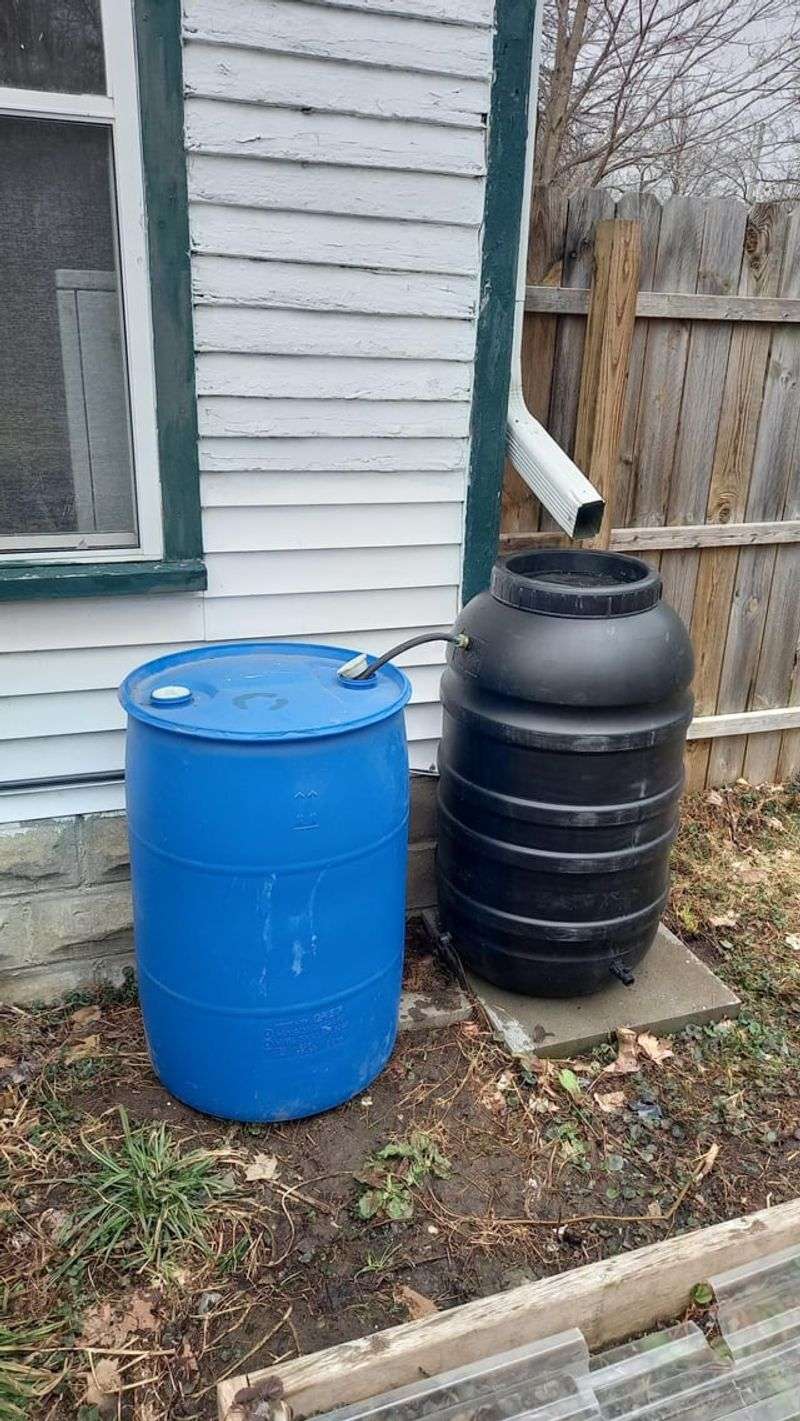
Starting with a permitted system and later modifying it can push you back into regulatory territory.
Utah requires new approvals when you significantly change or expand previously approved rainwater collection setups.
Homeowners sometimes think their original permit covers any future changes.
Adding more storage capacity, connecting new downspouts, or integrating pumps creates a different system that needs fresh review.
The concern involves cumulative impacts rather than individual modifications.
Each small change might seem insignificant, but together they can substantially alter your water collection volume and usage patterns.
Officials want to track modifications to ensure they don’t create safety hazards or water rights violations. What worked for your initial setup might not be appropriate once you’ve doubled the capacity or changed how you use the water.
Seeking approval for modifications protects you from penalties and ensures continued compliance. Utah officials understand that needs change over time and generally support expansions that follow proper procedures.
The modification permit process is usually simpler than initial approval since officials already have your property information.
Documenting your changes clearly and explaining how they maintain or improve safety and water management helps expedite approval, keeping your expanded system legal and functional throughout Utah’s changing seasons.
Making changes without checking approval requirements can turn a compliant system into a violation without much warning.
Even well-intended upgrades may trigger inspections if they alter how much water is captured or how it’s used.
Reviewing requirements before expanding helps keep the system running smoothly and avoids setbacks after installation.