Should You Water Trees In Winter? Here’s What Experts In Utah Recommend
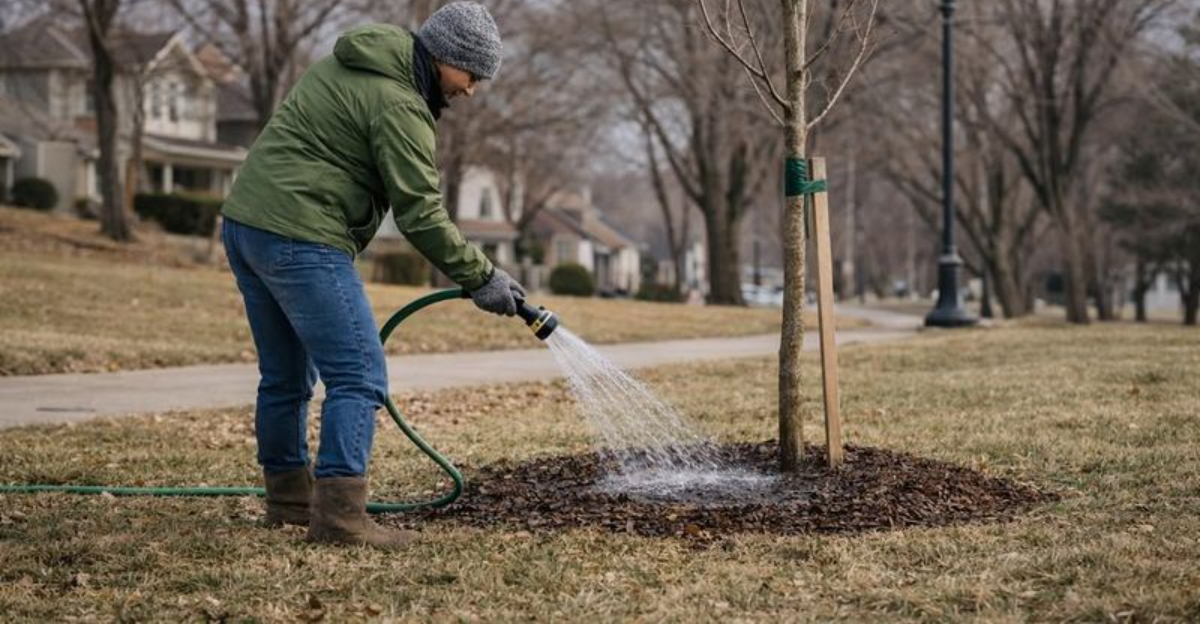
Winter in Utah may look quiet, but trees are still alive and quietly using water to survive cold, dry conditions. Many homeowners wonder if watering in winter is necessary, or even safe.
The truth is, proper winter watering can make a big difference in tree health, especially for young, newly planted, or drought-sensitive species. Don’t assume your trees are “asleep”, they’re quietly growing roots beneath the frost!
Experts recommend checking soil moisture and providing water during dry, mild spells, while avoiding frozen or overly saturated ground. Mulching can help retain moisture and protect roots, reducing stress from harsh winds and freezing temperatures.
Trees that receive adequate winter hydration are stronger, more resilient, and better prepared to thrive in spring. Water smart, and your trees will reward you with stronger growth and healthier blooms come spring.
Trees Still Need Moisture In Winter, Especially In Dry Climates
Utah’s semi-arid climate means that even in winter, the air stays remarkably dry, and precipitation doesn’t always come in forms that penetrate deeply into the soil.
When trees enter their dormant phase, growth slows down significantly, but their root systems remain active beneath the surface, quietly absorbing whatever moisture they can find.
Without adequate water reserves in the soil, roots can become desiccated, weakening the entire tree and making it vulnerable to stress when warmer weather returns.
Experts emphasize that dormancy doesn’t mean trees stop needing water altogether. Roots continue to perform essential functions like nutrient uptake and maintaining structural integrity, and they rely on soil moisture to do so effectively.
In regions where winter snowfall is light or inconsistent, supplemental watering becomes even more critical. Paying attention to your trees during the colder months ensures they have the hydration reserves necessary to support healthy growth when spring arrives.
Checking the soil regularly and providing water during dry spells helps prevent long-term damage that might not become visible until it’s too late. This proactive approach keeps your landscape resilient and beautiful year-round.
Water Before The Ground Freezes Deeply
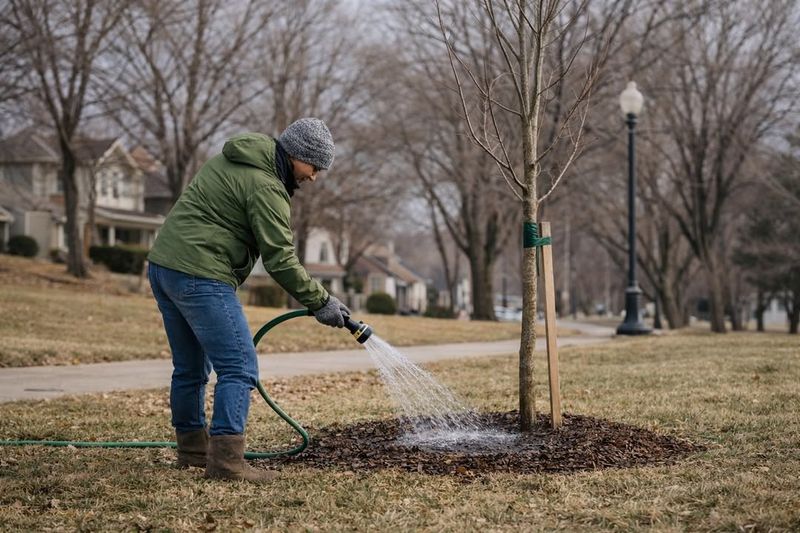
Timing your winter watering correctly can make all the difference in how well your trees survive the cold season.
Utah specialists recommend getting water into the ground before heavy frosts set in and the soil freezes solid, as once the ground is deeply frozen, moisture can’t penetrate down to where the roots need it most.
Planning ahead and watering during late autumn or early winter warm spells ensures that your trees have adequate hydration stored in the root zone.
Frozen soil acts like a barrier, preventing water from soaking in and reaching the deeper layers where tree roots are actively seeking moisture. Even if you water on top of frozen ground, the liquid often runs off or sits on the surface without doing much good.
By watering before the freeze, you give your trees a better chance to absorb and store the moisture they’ll rely on throughout the coldest months. Monitoring weather forecasts and soil conditions helps you choose the best days for watering.
Your Utah Garden Changes Every Week. Your Plan Should Too.
Gardening in Utah changes quickly throughout the season. Every Friday you’ll receive a simple weekly plan showing exactly what to plant, prune, fertilize, harvest, and protect so you never miss the right timing.
Aim for periods when daytime temperatures are above freezing and the soil is still workable, allowing water to move freely through the earth and nourish the root system effectively.
Evergreens Lose Moisture And Benefit Most From Winter Watering
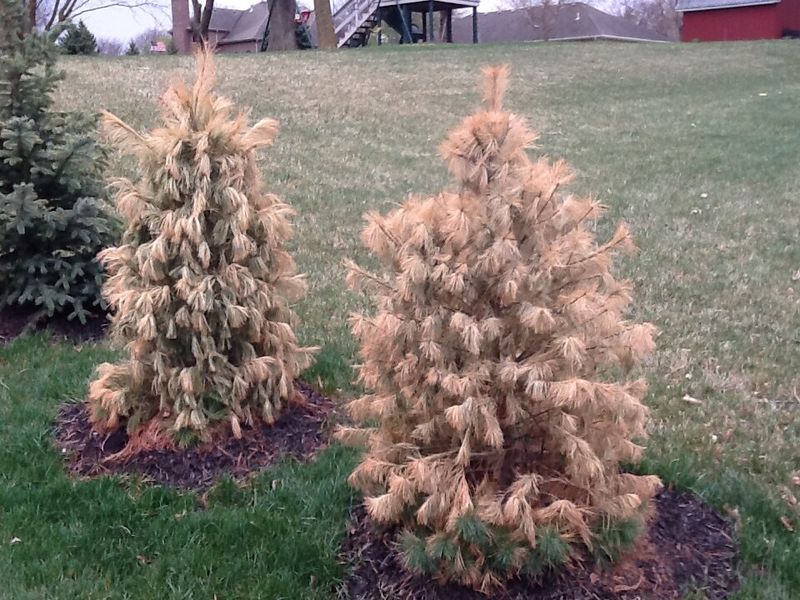
Unlike deciduous trees that drop their leaves and go into a deeper dormancy, evergreen trees keep their needles or foliage throughout the entire winter, which means they continue to lose moisture through a process called transpiration.
Even on cold, sunny winter days, evergreens are actively releasing water vapor through their needles, and if the soil around their roots is too dry, they can’t replace what they’re losing.
This imbalance can lead to needle browning, a condition often called winter burn, which leaves trees looking unhealthy and stressed.
Experts across Utah point out that evergreens, especially those planted in exposed locations or on slopes where moisture drains away quickly, need consistent soil moisture to stay healthy through winter.
Without it, the needles can become desiccated, turning brown or bronze and sometimes dropping off entirely. Providing regular water during dry winter periods helps evergreens maintain their vibrant green color and structural health.
Checking the soil around your evergreens every few weeks and watering when conditions allow ensures they have the moisture reserves needed to keep transpiring without suffering damage.
This simple practice protects your investment and keeps your landscape looking lush and alive all year long.
Newly Planted Trees Need More Winter Water Than Established Ones
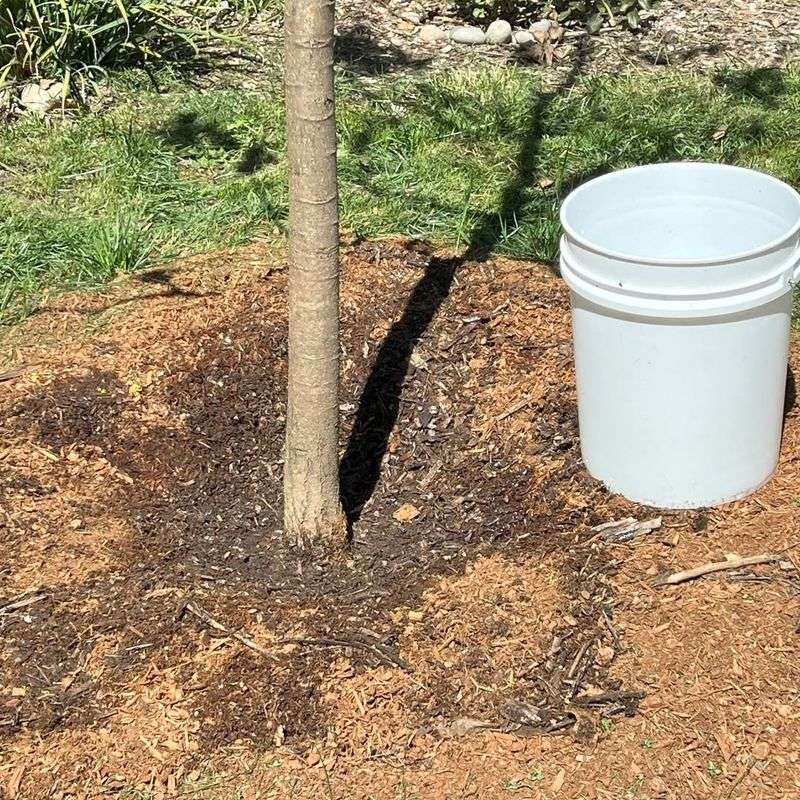
Trees that have been in the ground for less than two years are still establishing their root systems, which means they haven’t yet developed the extensive network needed to seek out moisture deep in the soil.
These young trees are far more vulnerable to winter drought stress and rely heavily on the moisture available in the immediate area around their roots.
Experts recommend watering newly planted trees at least once a month during winter, as long as the ground isn’t frozen solid. Established trees with mature root systems can tap into deeper water reserves and tolerate dry conditions much better than their younger counterparts.
For new plantings, however, every bit of hydration counts, and skipping winter watering can set them back significantly or even jeopardize their survival. Keeping the soil consistently moist helps young roots continue growing and anchoring the tree securely.
Monitoring your newly planted trees throughout the winter and providing water during warm spells ensures they build the strong foundation they need to thrive for decades to come.
This extra attention during their first few winters pays off with healthier, more resilient trees that can better withstand Utah’s challenging climate year after year.
Water Deeply, Not Frequently
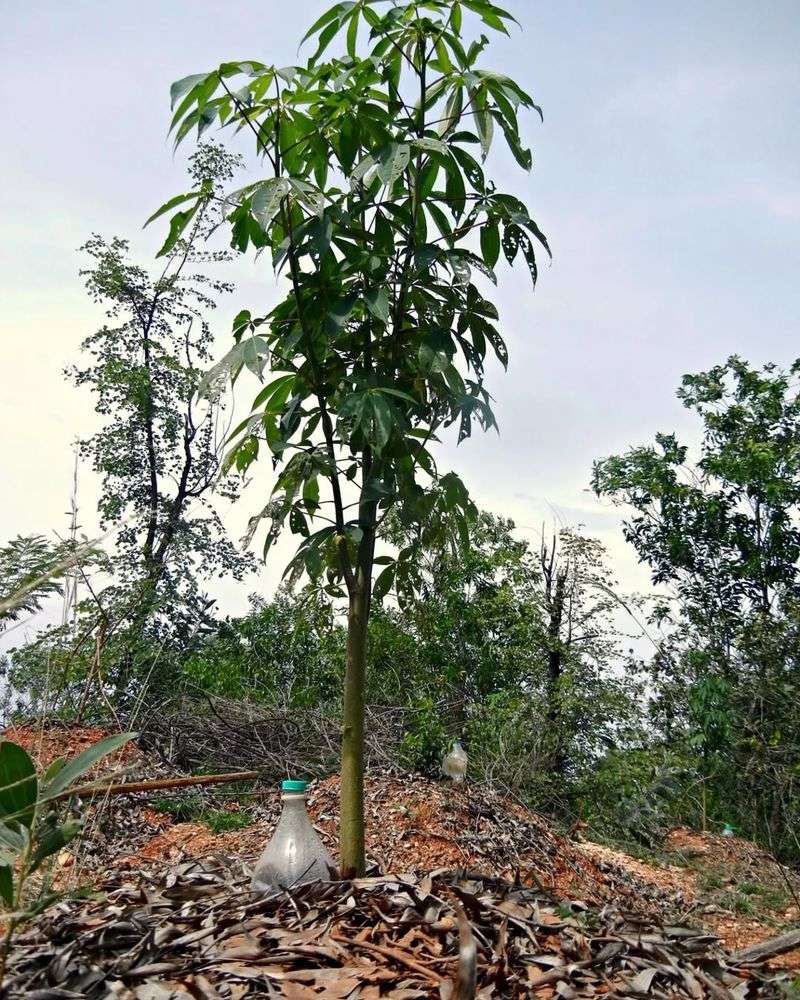
One of the most important principles of winter tree watering is to focus on depth rather than frequency.
Experts recommend applying water slowly and thoroughly so it penetrates deep into the soil, reaching the entire root zone and encouraging roots to grow downward where they’ll be more protected from temperature fluctuations and drought.
Light, frequent watering only wets the surface, which can actually encourage shallow root growth and make trees more vulnerable to stress.
Deep watering means letting the water soak in gradually, allowing it to move through the soil layers and saturate the area around and below the roots. This method promotes strong, healthy root systems that can access moisture and nutrients more effectively.
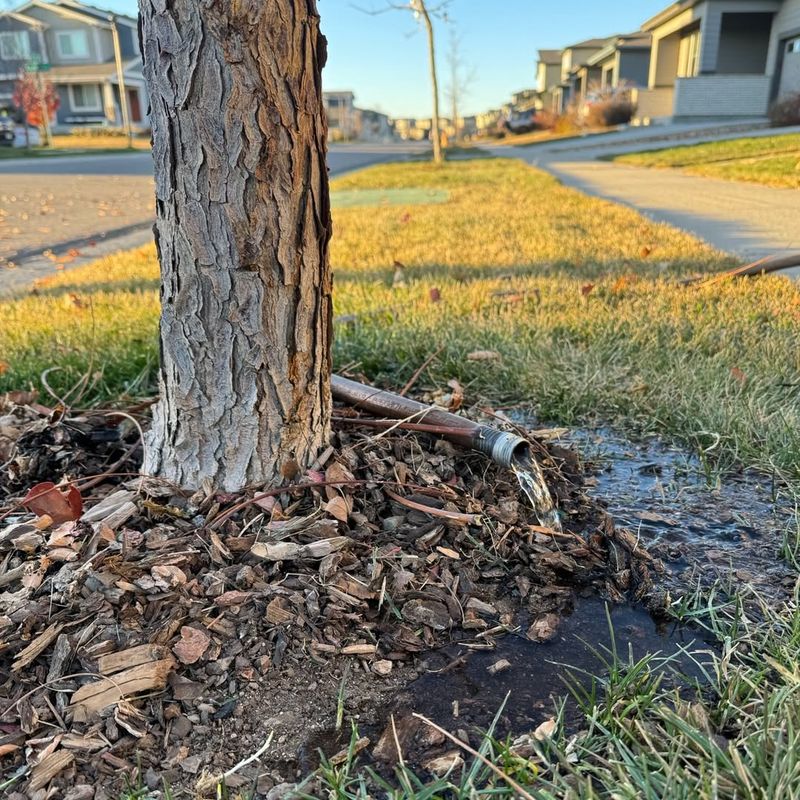
Using a soaker hose or letting water trickle slowly from a regular hose for an extended period works much better than a quick spray.
Aiming for deep watering sessions every few weeks during dry winter periods, rather than light watering every few days, gives your trees the best chance to stay hydrated and resilient.
This approach also conserves water and ensures that every drop you apply is used efficiently by the tree, supporting long-term health and vigor throughout the winter months and beyond.
Use Warm, Dry Days When Temperatures Are Above Freezing
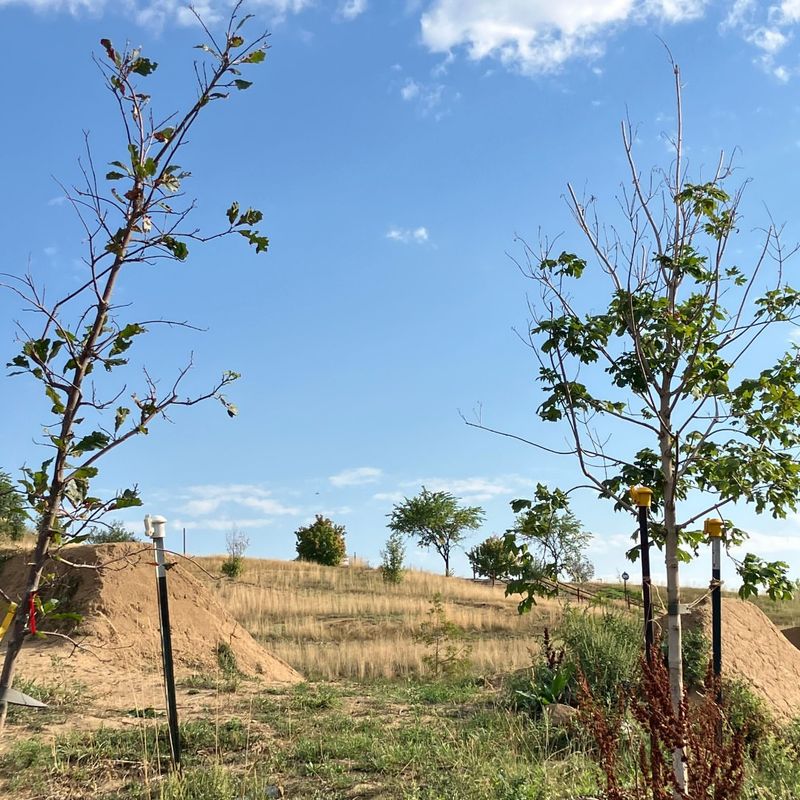
Choosing the right day to water your trees in winter can be just as important as how much water you apply.
Experts advise waiting for warm, dry days when air and soil temperatures are above freezing, typically when daytime highs reach at least 40 degrees Fahrenheit.
On these milder days, the soil is more receptive to water, and the moisture has a chance to soak in before nighttime temperatures drop and the ground begins to freeze again.
Watering when the soil is frozen or when temperatures are expected to plunge overnight can lead to ice formation around the roots, which doesn’t help the tree and can even cause damage.
Instead, taking advantage of sunny winter afternoons when the ground is thawed and workable ensures that the water you apply actually reaches the roots and gets absorbed effectively.
Checking the weather forecast helps you plan your watering schedule around these optimal windows. Being strategic about when you water not only maximizes the benefit to your trees but also prevents wasted effort and water.
By aligning your watering with natural warming periods, you work with the climate rather than against it, giving your trees the best possible support throughout the winter season.
Soil Moisture Helps Insulate Roots Against Freeze-Thaw Damage

Moist soil has a remarkable ability to hold and retain heat much better than dry soil, which means that keeping your tree roots surrounded by adequately hydrated earth provides a natural form of insulation against the harsh freeze-thaw cycles common in Utah winters.
When temperatures fluctuate wildly between day and night, dry soil can freeze and thaw rapidly, putting stress on tree roots and sometimes causing frost cracking or other damage.
Moist soil moderates these temperature swings, creating a more stable environment for roots. Experts explain that water has a high heat capacity, meaning it takes a lot of energy to change its temperature.
When soil contains adequate moisture, it warms up more slowly during the day and cools down more slowly at night, buffering the roots from extreme temperature shifts.
This buffering effect helps protect the delicate root tissues from injury and keeps the tree healthier overall.
By maintaining consistent soil moisture throughout the winter, you’re not just providing hydration but also creating a protective microenvironment around the roots that shields them from some of winter’s harshest conditions.
This dual benefit makes winter watering one of the smartest investments you can make in your trees’ long-term health and resilience.
Snow Alone Often Isn’t Enough In Dry Winters
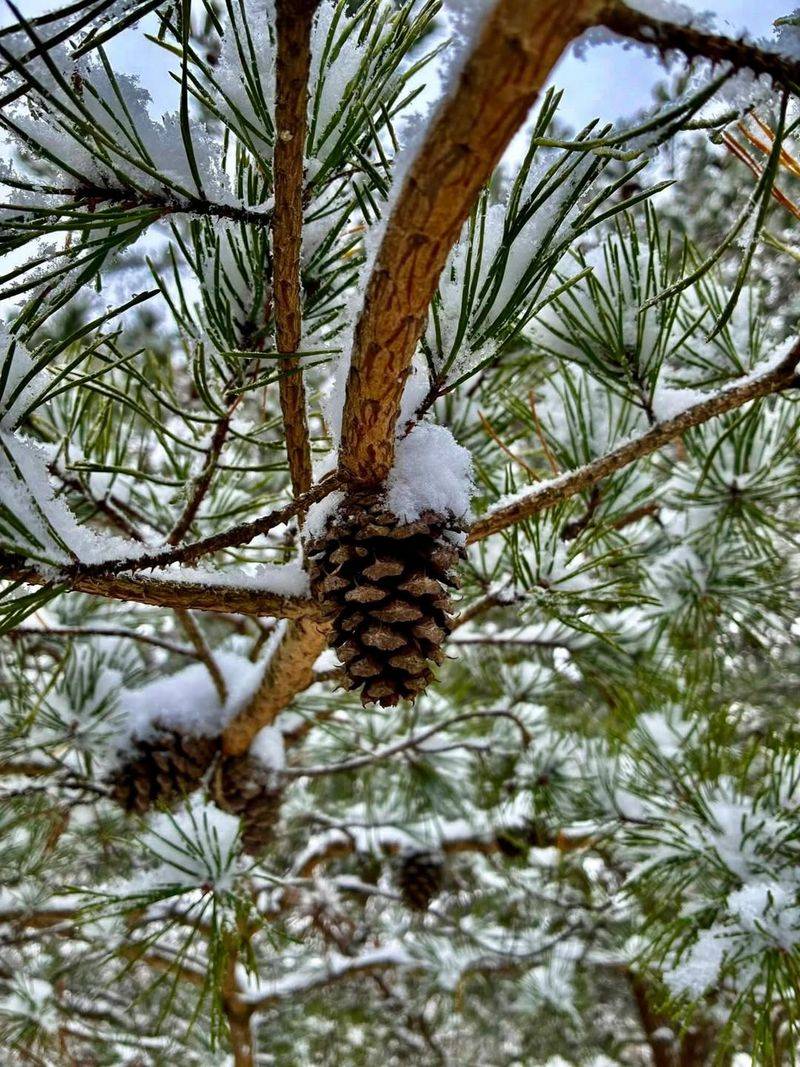
Many people assume that snow cover automatically provides all the moisture trees need during winter, but Utah’s light, fluffy snow often doesn’t deliver enough water to penetrate deeply into the soil and reach the root zone.
While snow does eventually melt and contribute some moisture, a few inches of light snowfall might only add a fraction of an inch of actual water to the soil, which isn’t sufficient for trees, especially larger or more mature specimens with extensive root systems.
During winters with below-average snowfall or long dry spells between storms, trees can become seriously dehydrated without supplemental watering.
Experts recommend treating snow as a helpful supplement rather than a complete solution, and being prepared to water your trees during extended dry periods even if there’s some snow on the ground.
This approach ensures that trees enter spring with strong hydration reserves and are ready to burst into growth when warmer weather arrives.
Monitoring snowfall and soil moisture levels throughout the winter helps you make informed decisions about when to water.
If weeks go by without significant precipitation, or if snow melts quickly without soaking in, it’s time to give your trees a deep drink to keep them healthy and thriving through the cold season.
Always Check Soil Moisture Before Watering
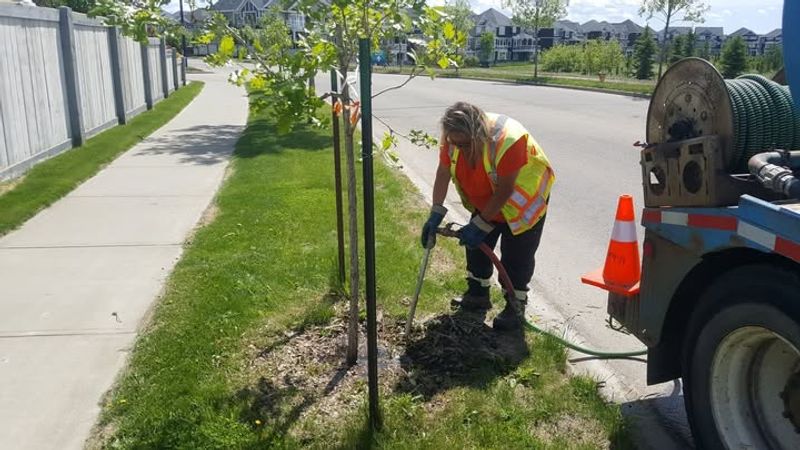
Before you grab the hose and start watering, experts strongly recommend checking the soil moisture around your trees to avoid the common mistake of over-watering when the soil is already adequately moist from rain or snowmelt.
Using a simple soil probe, a long screwdriver, or even digging down a few inches with a trowel can give you a clear picture of whether the soil is dry and in need of water or still holding enough moisture to support the tree.
Over-watering can be just as harmful as under-watering, especially in winter when cold, wet soil can lead to root rot or other problems. By taking a moment to assess the actual moisture level, you ensure that every watering session is truly beneficial and not just wasted effort.
Soil that feels dry several inches below the surface is a good indicator that it’s time to water, while soil that still feels moist or damp means you can wait a bit longer.
Developing the habit of checking soil moisture before watering helps you become a more attentive and effective tree caretaker.
This simple practice prevents guesswork, conserves water, and ensures your trees get exactly what they need when they need it, leading to healthier, more resilient plants that can weather Utah’s challenging winter conditions with ease.