15 Slow-Growing Plants That Stay Neat And Easy In New York Gardens
Not every garden needs fast-growing, high-maintenance plants. In New York, many gardeners are turning to slow-growing species that keep their landscapes tidy, manageable, and beautiful year-round.
These plants take their time, making pruning, weeding, and upkeep far less stressful while still providing structure, color, and interest. Slow doesn’t mean boring, these plants make a big impact without the constant work!
From compact shrubs to modest perennials, these fifteen plants thrive in New York’s climate without sprawling uncontrollably.
They’re ideal for borders, containers, and low-maintenance landscapes, giving gardeners the freedom to enjoy a serene, orderly yard without sacrificing beauty.
By choosing slow-growers, you can create a garden that’s elegant, sustainable, and easy to care for season after season. Smart plant choices make a neat garden simple and stunning.
1. Boxwood (Dwarf Varieties)
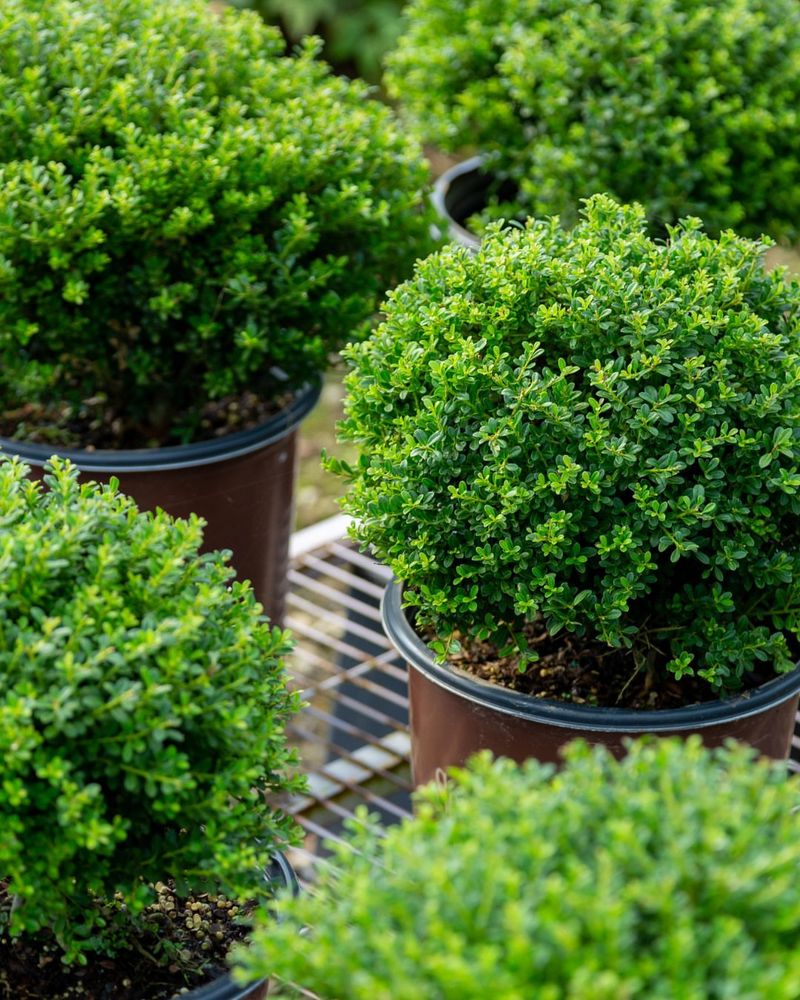
Dwarf boxwoods are the champions of low-maintenance evergreen shrubs, growing at a leisurely pace of just a few inches per year, which means you won’t find yourself constantly trimming them back into shape.
Their naturally dense, rounded form develops without much intervention, making them ideal for gardeners who appreciate structure but don’t want to spend hours with hedge trimmers.
Foundation plantings around New York homes benefit tremendously from these compact beauties, as they provide year-round greenery that looks intentional and polished.
Cold-hardy and adaptable to various soil types, dwarf boxwoods handle New York’s winter freezes and summer heat with remarkable resilience.
They prefer well-drained soil and can tolerate both full sun and partial shade, giving you flexibility in placement around your property.
Their shallow root systems mean they won’t compete aggressively with nearby plants, and they rarely suffer from serious pest problems when properly sited.
Popular dwarf varieties like ‘Green Gem’ and ‘Green Mountain’ stay compact and require pruning only once or twice annually if you want to maintain a formal look. For a more relaxed garden style, you can simply let them grow naturally into their rounded shape.
Their evergreen foliage provides structure during the bare winter months when most perennials have retreated underground, making them invaluable for maintaining visual interest throughout the year in New York landscapes.
2. Japanese Forest Grass (Hakonechloa)
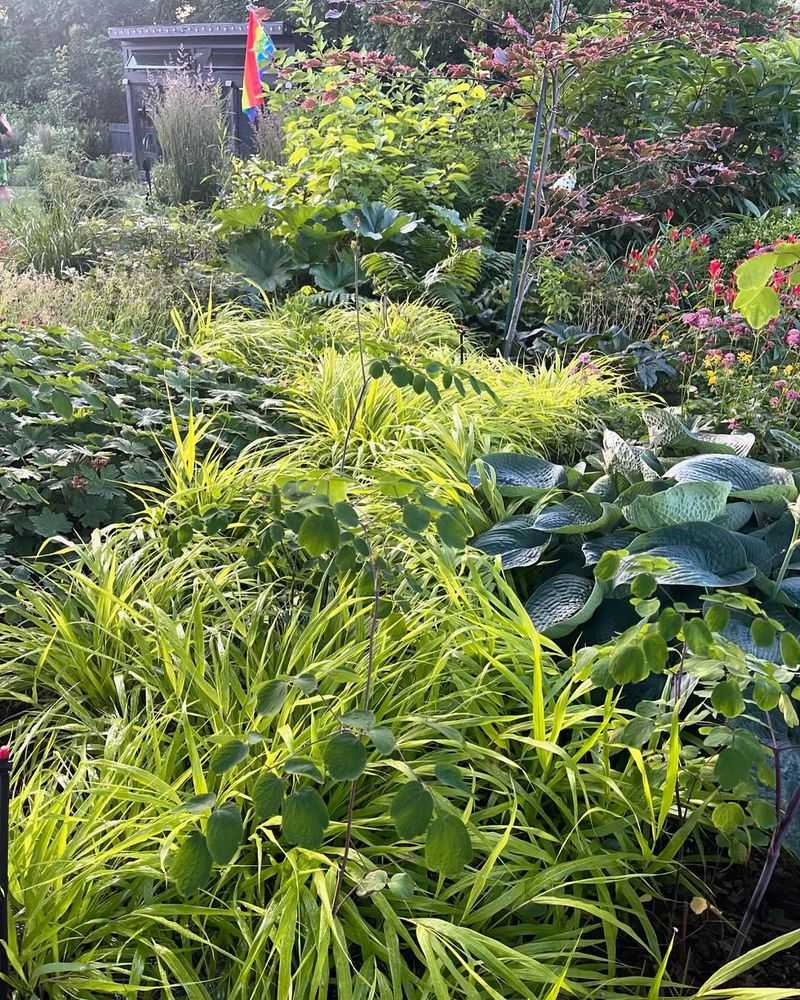
Graceful arching blades cascade like a miniature waterfall, creating movement and texture in shaded corners where many other ornamental grasses struggle to perform.
Japanese forest grass expands at a measured pace, typically adding just a few inches to its clump each season, which means it won’t suddenly overtake your carefully planned shade garden.
This well-mannered spreader respects its boundaries while still providing the soft, flowing texture that ornamental grasses are celebrated for in contemporary landscape design.
Shade gardens in New York benefit enormously from this versatile grass, as it thrives in the dappled light beneath trees where lawn grass fails and many sun-loving perennials languish.
The golden-variegated varieties like ‘Aureola’ brighten dark spaces with their chartreuse and green striped foliage, while ‘All Gold’ creates stunning pools of bright color.
In autumn, the foliage transforms into shades of pink, orange, and bronze before fading gracefully as winter approaches.
Your New York Garden Changes Every Week. Your Plan Should Too.
Gardening in New York changes quickly throughout the season. Every Friday you’ll receive a simple weekly plan showing exactly what to plant, prune, fertilize, harvest, and protect so you never miss the right timing.
Established clumps typically reach about twelve to eighteen inches tall and wide, forming elegant mounds that look intentional rather than messy.
The plant prefers consistently moist soil rich in organic matter, and it appreciates protection from harsh afternoon sun, which can scorch its delicate blades.
Simply cut back the old foliage in early spring before new growth emerges, and your Japanese forest grass will reward you with another season of effortless beauty and refined texture.
3. Hellebores (Lenten Rose)
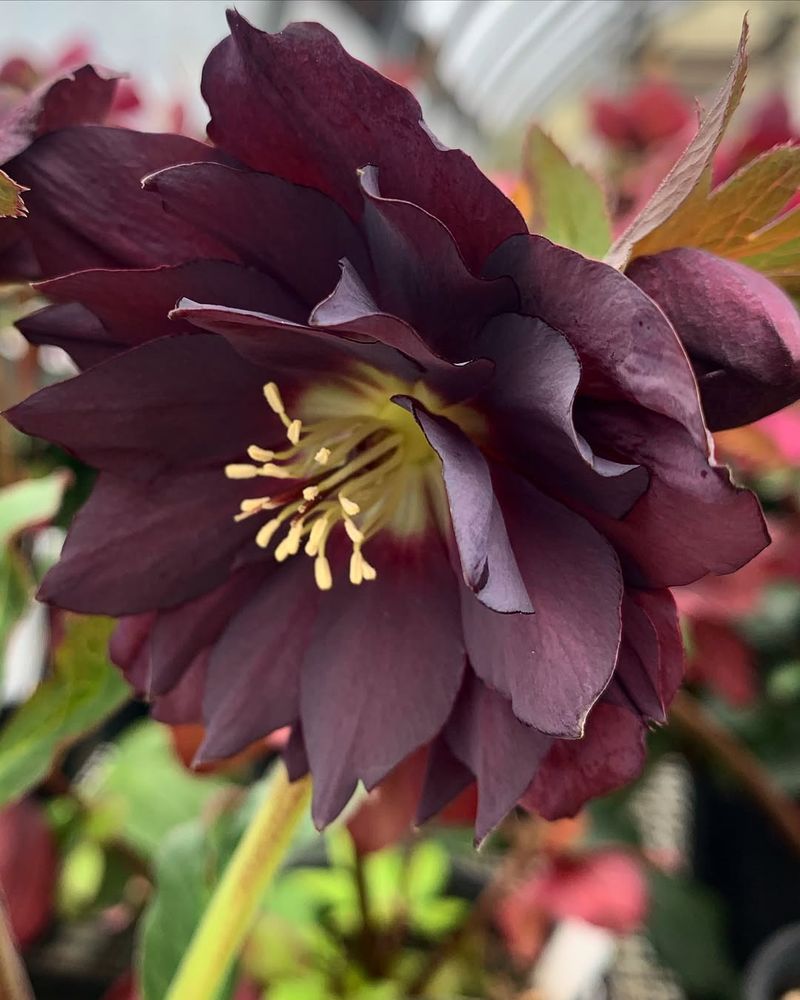
Blooming when most gardens still slumber under snow, hellebores bring early spring color to New York landscapes with their nodding flowers in shades of white, pink, purple, and even near-black.
These evergreen perennials form tidy, well-behaved clumps that expand slowly over the years, never becoming invasive or requiring division to maintain their vigor.
Their leathery foliage remains attractive throughout the growing season, providing textural interest long after the flowers have faded into seed pods.
New York winters hold no terror for these tough perennials, which can survive temperatures well below zero once established in the garden.
They prefer partial to full shade and thrive beneath deciduous trees, where they receive winter sunlight when dormant and protective shade during summer’s heat.
Hellebores are remarkably drought-tolerant once their root systems develop, and they resist browsing from rabbits and deer, making them practical choices for suburban gardens where wildlife pressure is high.
Maintenance requirements are refreshingly minimal with these plants, as they need no deadheading, staking, or frequent division to look their best. Simply remove any tattered leaves in late winter before the flower buds emerge, and your hellebores will continue performing year after year with almost no additional care.
Their slow growth rate means they won’t outgrow their allotted space or require constant editing, and established plants often self-sow modestly, providing free seedlings that you can transplant or share with fellow gardening enthusiasts.
4. Heuchera (Coral Bells)
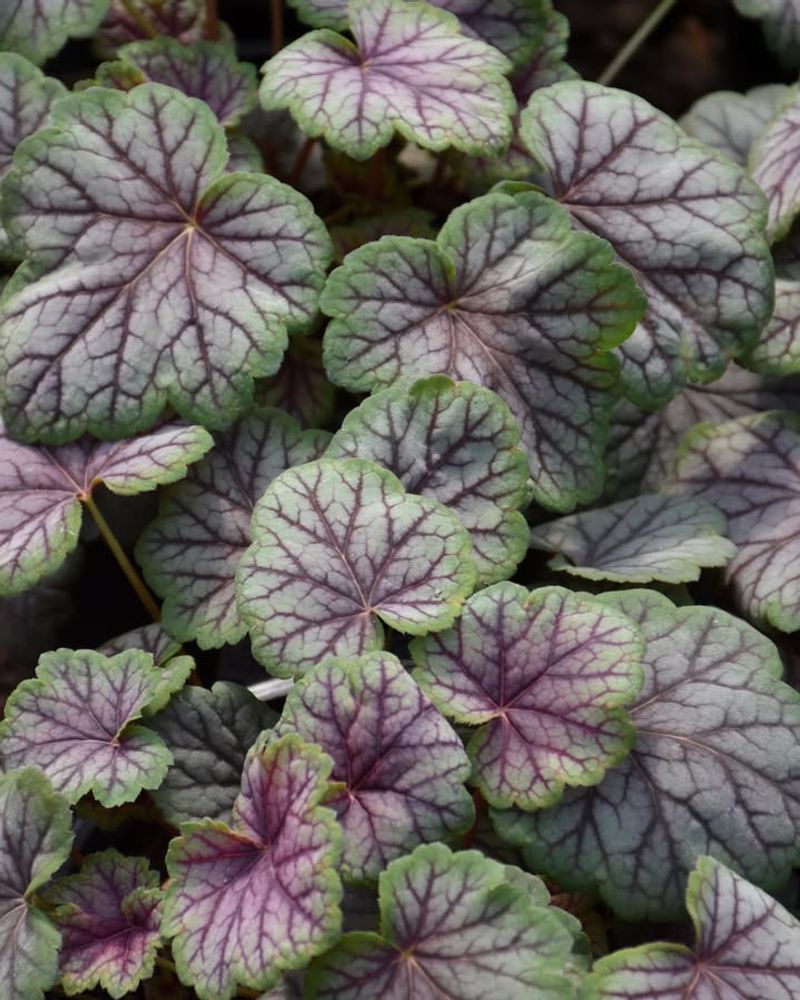
Foliage takes center stage with coral bells, which offer an astonishing array of leaf colors ranging from deep burgundy and bronze to lime green, peach, and silvery purple.
These compact perennials form neat rosettes that stay contained within their designated space, expanding slowly over several seasons without becoming aggressive spreaders.
Delicate flower spikes emerge in late spring and early summer, attracting hummingbirds and adding vertical interest, but the real show comes from the colorful leaves that provide interest from spring through fall.
New York gardeners appreciate heuchera’s adaptability to various light conditions, as most varieties perform well in partial shade to full sun, though foliage colors often intensify with more light exposure.
They tolerate a range of soil types as long as drainage is adequate, and they’re surprisingly drought-resistant once established, making them practical choices for low-maintenance borders and container plantings.
The evergreen or semi-evergreen foliage means these plants provide structure and color even during the cooler months when many perennials have retreated.
Pruning requirements are minimal, as coral bells naturally maintain their tidy mounding habit without intervention from gardeners wielding shears. Simply remove any damaged leaves in spring, and your plants will continue looking fresh throughout the season.
Newer varieties have been bred for improved vigor and disease resistance, performing reliably in New York’s climate without the crown rot issues that plagued older selections, making them more dependable than ever for both novice and experienced gardeners seeking colorful, low-maintenance foliage plants.
5. Lavender (Cold-Hardy Varieties)
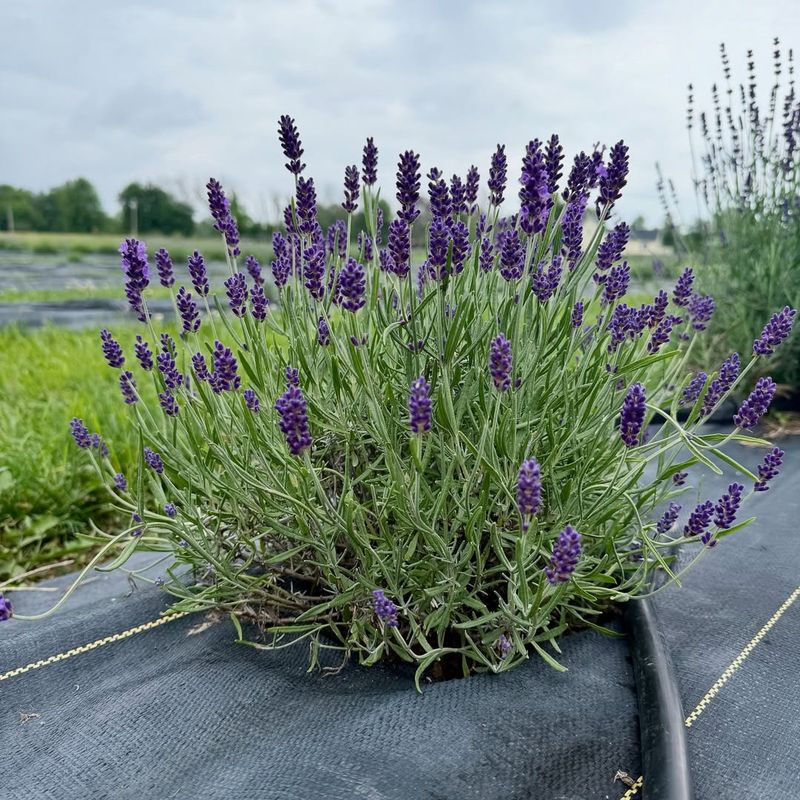
Aromatic silver-green foliage and fragrant purple flower spikes make lavender a beloved addition to herb gardens and perennial borders, and cold-hardy selections like ‘Munstead’ and ‘Hidcote’ perform reliably in New York’s climate zones.
Growth proceeds at a measured pace, with plants typically adding just a few inches annually, forming compact mounds that maintain their shape with minimal intervention.
The woody stems create a naturally rounded silhouette that looks intentional rather than wild, and the plant’s Mediterranean heritage means it actually prefers lean soil and infrequent watering once established.
Placement in full sun with excellent drainage is essential for success with lavender in New York gardens, as soggy winter soil causes more failures than cold temperatures alone.
Raised beds, gravel mulches, and slopes provide ideal conditions, allowing excess moisture to drain away from the crown. The plants thrive in slightly alkaline soil, so adding lime to naturally acidic New York soils can improve performance and longevity.
Light pruning after flowering keeps plants compact and encourages fresh growth from the base, but avoid cutting into old wood, which is slow to regenerate on these slow-growing shrubs.
Harvest flower spikes just as the buds begin opening for the most intense fragrance, and use them fresh or dried in arrangements, sachets, and culinary preparations.
With proper siting and minimal care, lavender plants can persist for many years, gradually developing into woody specimens that anchor herb gardens and sunny borders with their timeless beauty and unforgettable scent.
6. Peonies
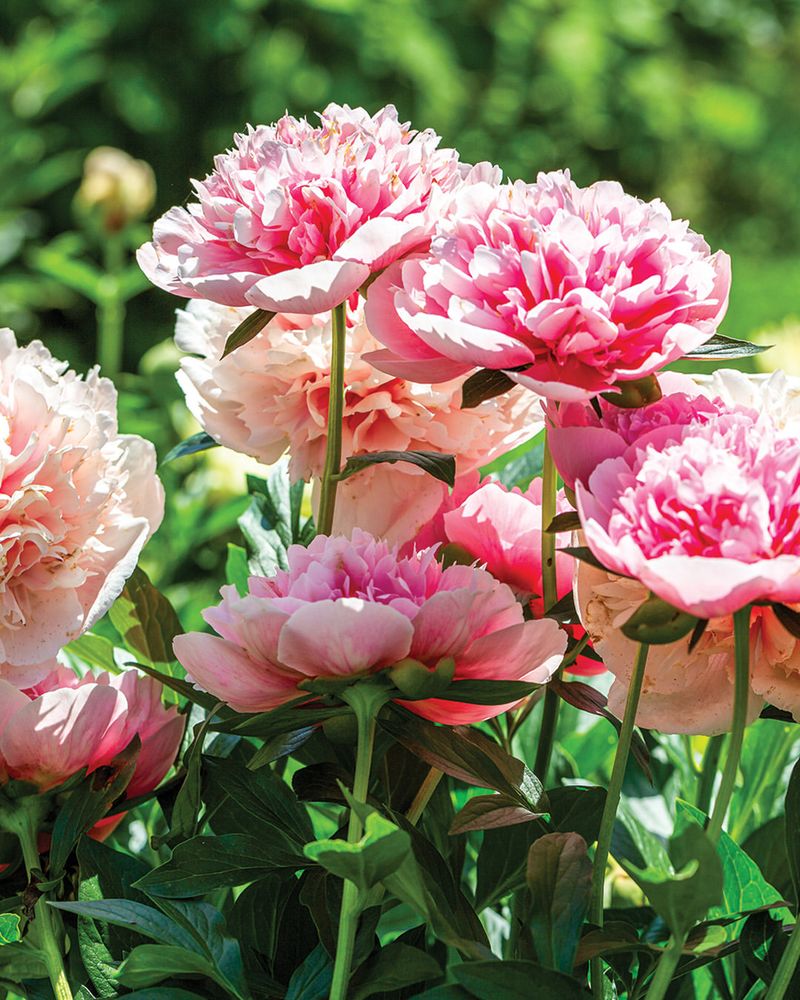
Longevity is the hallmark of peonies, with well-sited plants often outliving the gardeners who planted them, blooming faithfully for decades without requiring division or relocation.
Growth happens deliberately, with young plants taking a few years to reach their full flowering potential, but patience is rewarded with increasingly spectacular displays as the clumps mature.
Unlike many perennials that spread aggressively through runners or self-sowing, peonies stay exactly where you plant them, gradually expanding into substantial but never invasive clumps that anchor perennial borders with their reliable presence.
New York’s cold winters actually benefit peonies, as they require a period of winter chill to set flower buds for the following season.
The plants emerge late in spring, sending up burgundy-tinged shoots that mature into lush mounds of deep green foliage, which remains attractive throughout the growing season even after the spectacular flowers fade.
Herbaceous varieties collapse with the first hard frost, while intersectional and tree peonies retain woody stems that provide winter structure.
Maintenance requirements are refreshingly simple, as established peonies need no staking if planted in full sun, no deadheading to continue blooming, and no division to maintain vigor.
Simply cut back herbaceous types to ground level after frost blackens the foliage, and remove any fallen petals or leaves to discourage fungal diseases.
Plant peonies with their eyes just one to two inches below the soil surface, as deeper planting inhibits flowering, and choose their location carefully since they resent disturbance once established.
7. Dwarf Hinoki Cypress
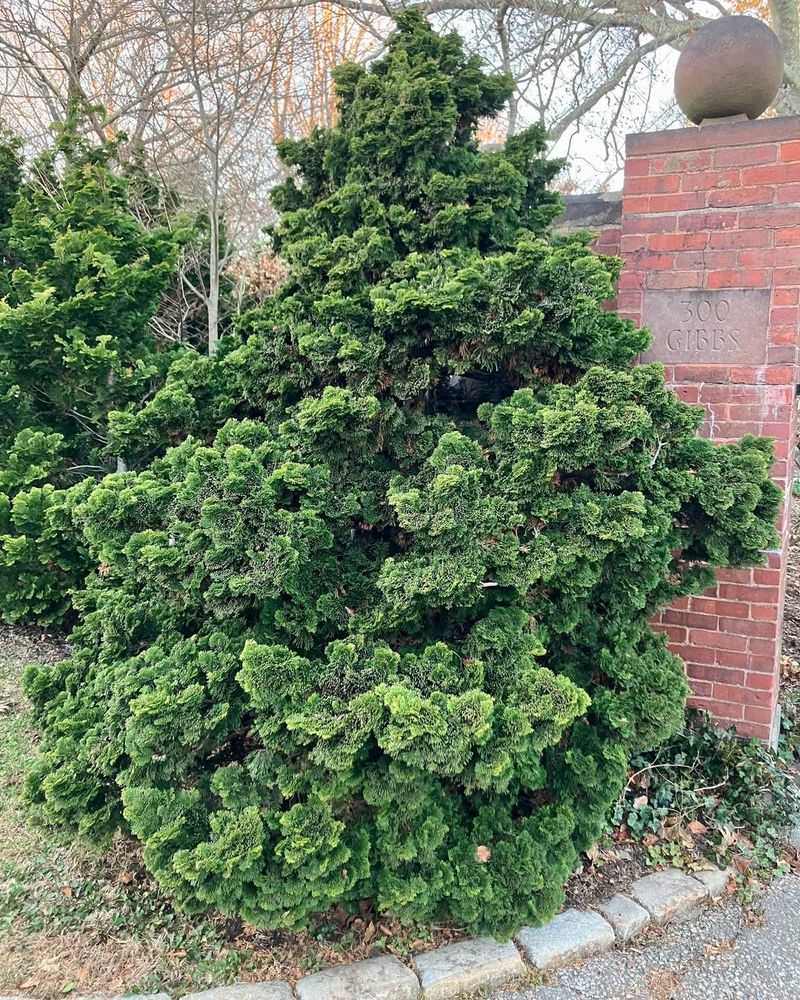
Sculptural presence defines dwarf Hinoki cypress, with its layered branches and scale-like foliage creating architectural interest that remains consistent throughout all four seasons.
Growth proceeds at an almost imperceptible pace, with most dwarf varieties adding just one to three inches annually, which means the plant you install will maintain its intended size and shape for many years without outgrowing its space.
The naturally pyramidal or rounded form develops without any pruning intervention, making these evergreens ideal for gardeners who appreciate structure but want to minimize maintenance tasks.
New York landscapes benefit from the year-round color and texture that dwarf Hinoki cypress provides, with foliage colors ranging from deep green to golden yellow depending on the cultivar selected.
These evergreens tolerate both full sun and partial shade, though golden varieties maintain their best color with more light exposure.
They prefer well-drained, slightly acidic soil and appreciate consistent moisture, though established plants show good drought tolerance once their root systems develop.
Popular dwarf selections like ‘Nana Gracilis’ and ‘Crippsii’ work beautifully in foundation plantings, rock gardens, and mixed borders, where their slow growth ensures they won’t overwhelm neighboring plants or require frequent editing.
The fine-textured foliage provides excellent contrast to broad-leaved perennials and deciduous shrubs, and the plants rarely suffer from serious pest or disease problems.
Winter interest is exceptional, as the evergreen foliage provides color and structure when most other plants have retreated, making dwarf Hinoki cypress invaluable for maintaining visual appeal throughout New York’s long dormant season.
8. Hostas (Small To Medium Types)
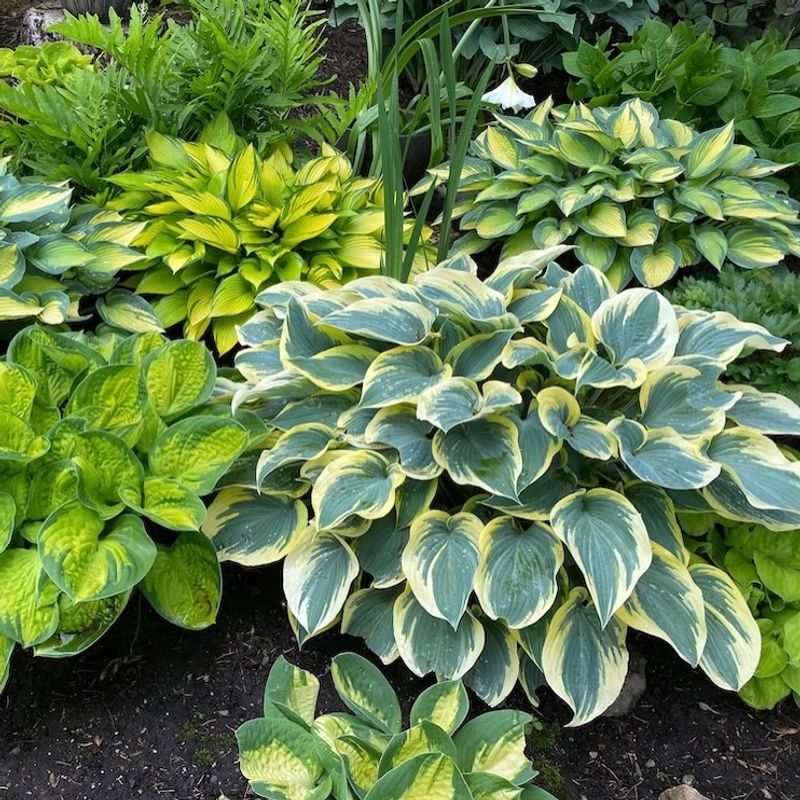
Shade gardens come alive with the textural diversity of hostas, which offer foliage in countless variations of green, blue, gold, and variegated patterns that brighten dim corners where flowering plants struggle.
Small to medium varieties expand gradually through their rhizomatous root systems, taking several years to reach mature size, which gives you time to observe their growth and adjust companion plantings as needed.
Unlike their larger cousins that can eventually dominate entire garden beds, compact hostas stay well-defined and proportional, making them suitable for smaller urban gardens and foundation plantings where space is at a premium.
New York’s climate suits hostas perfectly, as they appreciate the region’s consistent rainfall and tolerate winter cold without protection.
They thrive in partial to full shade, though varieties with more white or yellow variegation can tolerate some morning sun if soil moisture remains adequate.
Slug damage is the primary concern with these plants, but barriers of crushed eggshells, diatomaceous earth, or copper tape can protect emerging leaves without resorting to chemical controls.
Maintenance consists mainly of removing spent flower stalks if you prefer a tidier appearance and cutting back frost-damaged foliage in late fall or early spring before new growth emerges.
Small varieties like ‘Blue Mouse Ears’ and ‘Pandora’s Box’ work beautifully edging shaded pathways or tucked into rock gardens, while medium selections such as ‘June’ and ‘Francee’ provide substantial presence without overwhelming their neighbors, creating reliable focal points that return faithfully year after year with minimal intervention.
9. Astilbe
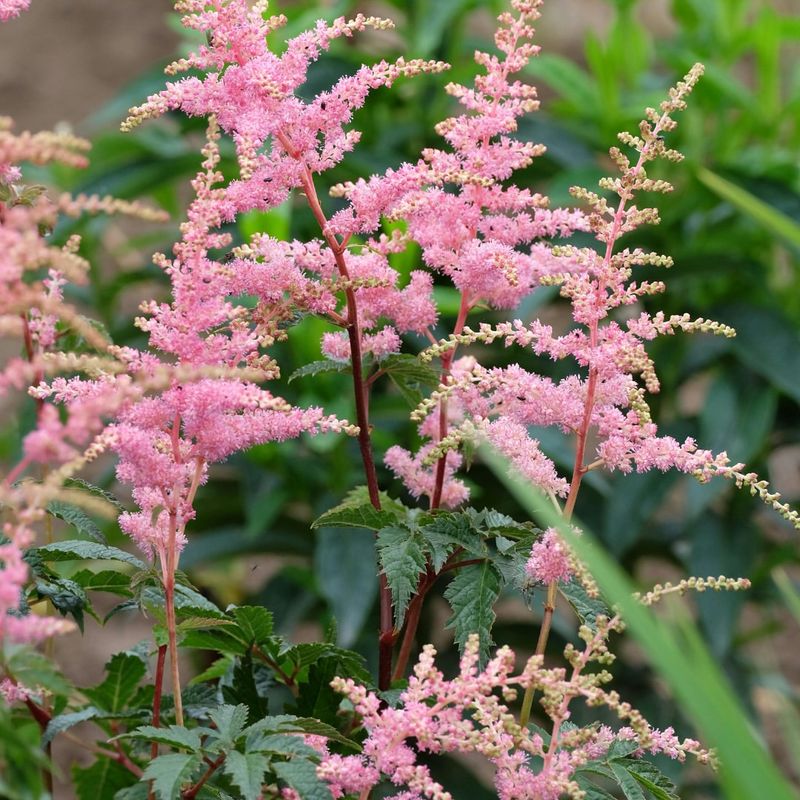
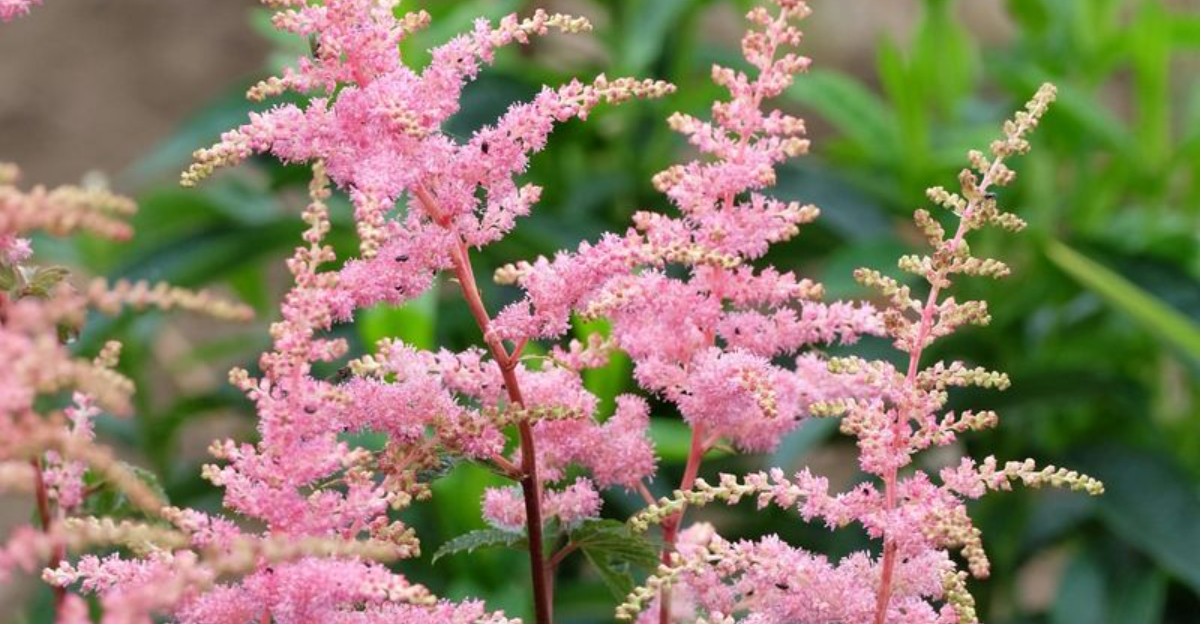
Feathery plumes rise above ferny foliage in mid-summer, bringing color and texture to shaded areas where few other perennials bloom with such exuberance.
Astilbe clumps expand slowly through their fibrous root systems, forming controlled groupings that never become invasive or require aggressive management to keep in bounds.
The compound leaves remain attractive throughout the growing season, providing textural interest even when the plants aren’t blooming, and the dried flower heads persist into winter, offering architectural interest and food for overwintering birds.
Moisture-loving astilbes thrive in New York’s shaded gardens, particularly in areas with consistent soil moisture such as alongside streams, in rain gardens, or beneath the dappled shade of deciduous trees.
They struggle in hot, dry conditions, so mulching around plants helps retain soil moisture and keeps roots cool during summer heat.
Varieties range from compact selections under a foot tall to substantial specimens reaching three feet or more, with flower colors spanning white, pink, red, and purple.
Care requirements are minimal once astilbes establish in appropriate conditions, as they need no staking despite their tall flower spikes, no deadheading to continue blooming, and no frequent division to maintain vigor.
Simply remove old foliage in early spring before new growth emerges, and apply a layer of compost or aged manure around the base to replenish soil nutrients.
These reliable perennials return faithfully year after year, gradually forming substantial clumps that add structure and seasonal color to shaded borders without requiring constant attention or editing to maintain their orderly appearance.
10. Yew (Dwarf Or Spreading Forms)
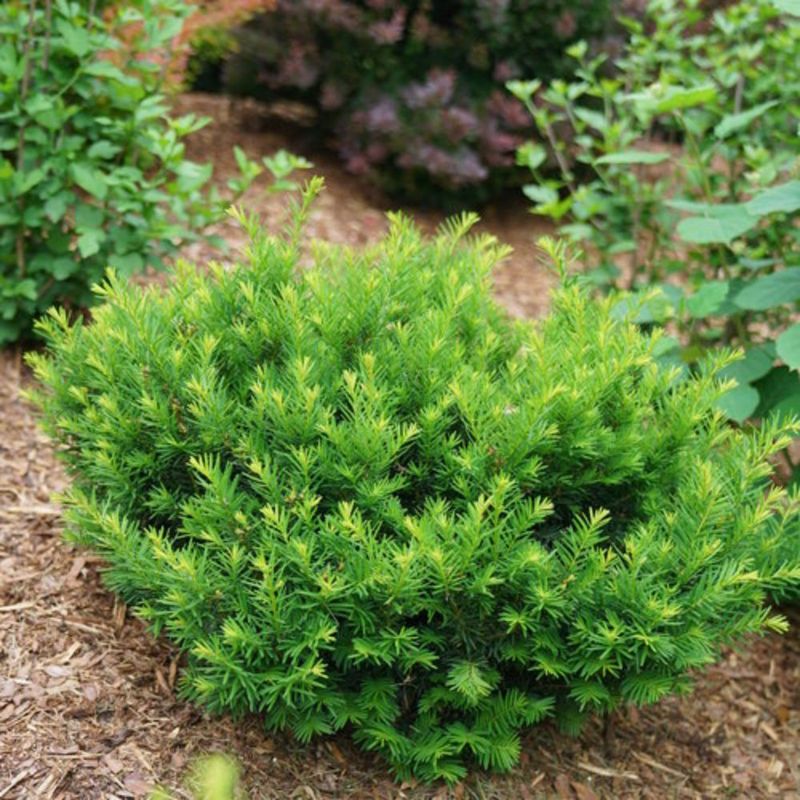
Evergreen reliability defines yews, which have anchored formal and informal New York landscapes for generations with their dense, dark green needles and exceptional cold hardiness.
Dwarf and spreading forms grow at a glacial pace compared to their larger cousins, adding just a few inches annually, which means they maintain their intended size and shape for many years without requiring frequent pruning intervention.
The naturally compact growth habit makes these evergreens ideal for foundation plantings, low hedges, and mixed borders where you want year-round structure without the maintenance demands of faster-growing alternatives.
Adaptability is a hallmark of yews, as they tolerate a wide range of light conditions from full sun to quite deep shade, though growth is slowest in shadier locations.
They’re unfussy about soil type as long as drainage is adequate, and they handle urban pollution, road salt, and deer browsing better than many other evergreens.
The fine-textured foliage provides excellent contrast to broad-leaved plants, and yews respond well to pruning if you need to shape them or control their size.
Popular dwarf selections like ‘Densiformis’ and ‘Emerald Spreader’ work beautifully as low evergreen groundcovers or foundation plants, gradually spreading to form dense mats that suppress weeds while requiring almost no maintenance.
Their tolerance of heavy pruning means you can shear them into formal shapes if desired, or simply let them develop their natural spreading or mounding form.
Year-round interest is guaranteed, as the evergreen foliage provides color and texture during winter when most other plants offer only bare stems and dormant crowns.
11. Sedum (Upright Stonecrop)
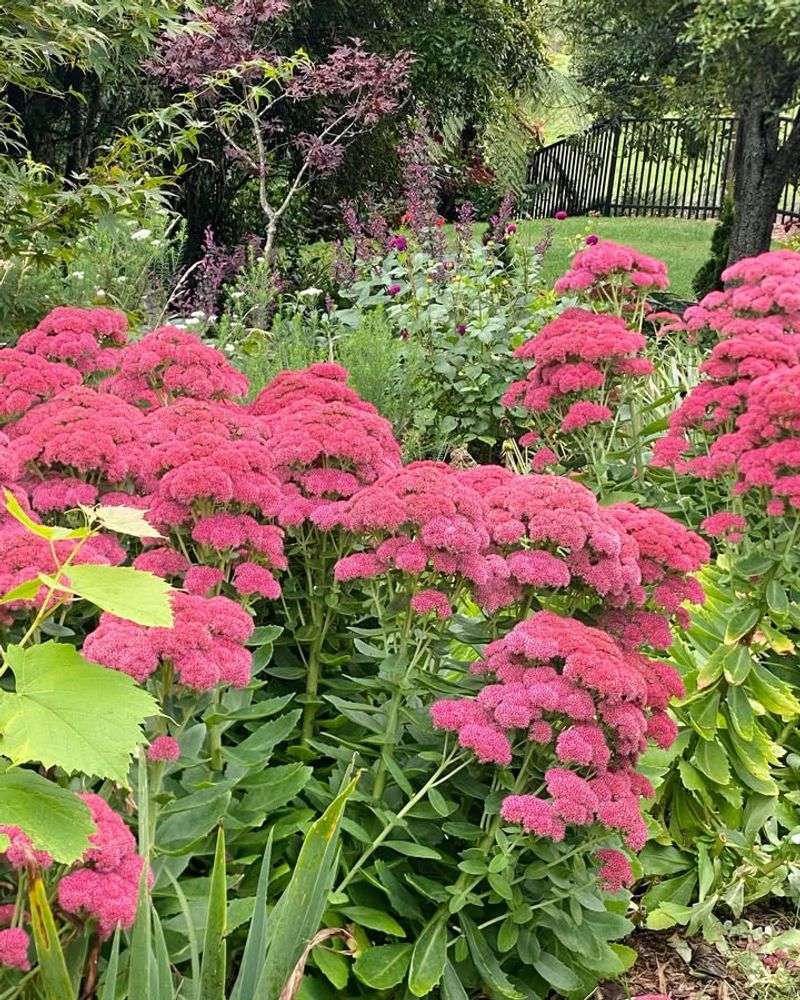
Succulent leaves store water efficiently, allowing upright sedums to thrive in lean, dry soils where many other perennials struggle to survive, making them perfect for sunny spots with less-than-ideal growing conditions.
Clumps expand slowly from the base, forming sturdy, self-supporting mounds that resist the flopping that plagues many tall perennials, even during heavy rain or strong winds.
The thick stems and fleshy foliage create substantial presence in late summer and fall borders, when flat-topped flower clusters in shades of pink, red, or white attract butterflies and beneficial insects by the dozens.
New York gardeners appreciate sedum’s exceptional cold hardiness and drought tolerance, as established plants require no supplemental watering even during dry spells and sail through winter without protection. They prefer full sun and well-drained soil, thriving in conditions that would stress more demanding perennials.
The glaucous foliage emerges in spring with an attractive blue-green or burgundy cast, remaining ornamental throughout the growing season even before flowers appear.
Maintenance is refreshingly minimal with upright sedums, as they need no staking, no deadheading, and no division to maintain their vigor and appearance.
Simply cut back the dried flower stalks in late winter or early spring, though many gardeners leave them standing through winter to provide architectural interest and seeds for birds.
Popular varieties like ‘Autumn Joy’ and ‘Matrona’ have proven their reliability in New York gardens for decades, returning faithfully year after year with their sturdy, compact growth and spectacular late-season flowers that bridge the gap between summer and fall.
12. Ferns (Christmas Fern Or Japanese Painted Fern)
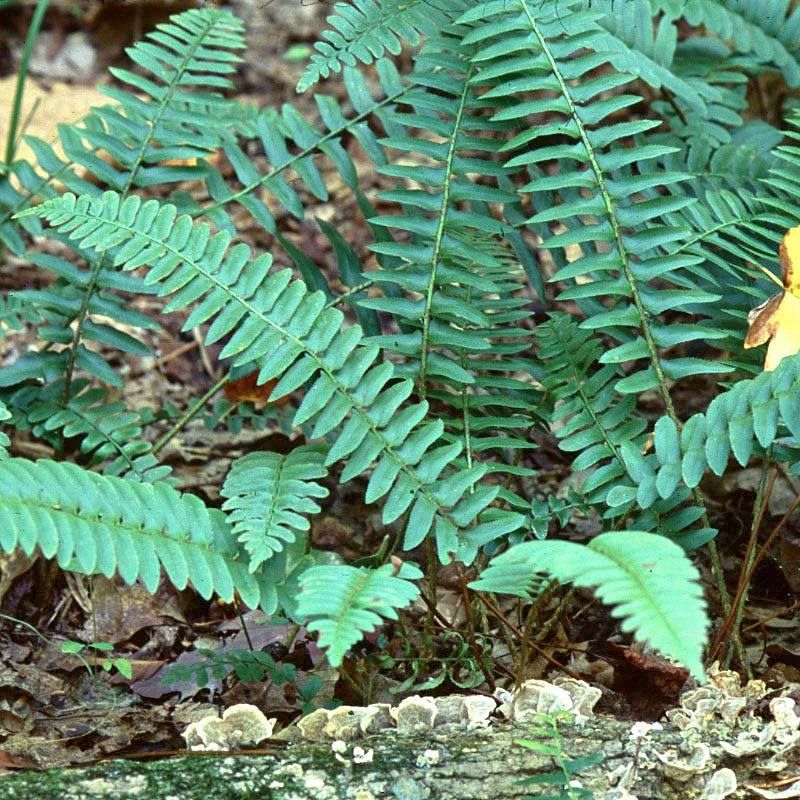
Woodland elegance comes naturally to ferns, which unfurl their delicate fronds in spring like botanical origami, creating lush texture in shaded areas where grass refuses to grow.
Christmas fern and Japanese painted fern expand slowly through their root systems, forming well-behaved clumps that maintain their boundaries without sending runners throughout the garden or self-sowing aggressively.
The arching fronds create a sense of movement and softness that contrasts beautifully with bold-leaved hostas and upright astilbes, contributing to layered, naturalistic plantings that feel peaceful and established.
Christmas fern earns its name from its evergreen nature, with leathery fronds persisting through winter to provide rare greenery when most perennials have retreated underground.
Japanese painted fern offers stunning silver, burgundy, and green variegated fronds that brighten shady corners with their luminous color, though this species is deciduous and disappears with the first hard frost.
Both ferns thrive in New York’s shaded gardens, appreciating consistent moisture and soil rich in organic matter that mimics their native woodland habitats.
Care requirements are minimal once ferns establish in appropriate conditions, as they need no deadheading, staking, or frequent division to look their best.
Simply remove any tattered fronds in early spring before new growth emerges, and apply a layer of shredded leaves or compost around the base to maintain soil moisture and fertility.
These reliable shade plants return faithfully year after year, gradually forming substantial clumps that add texture and movement to plantings beneath trees and along shaded pathways, creating that coveted woodland garden aesthetic with almost no ongoing maintenance.
13. Dwarf Hydrangea Varieties
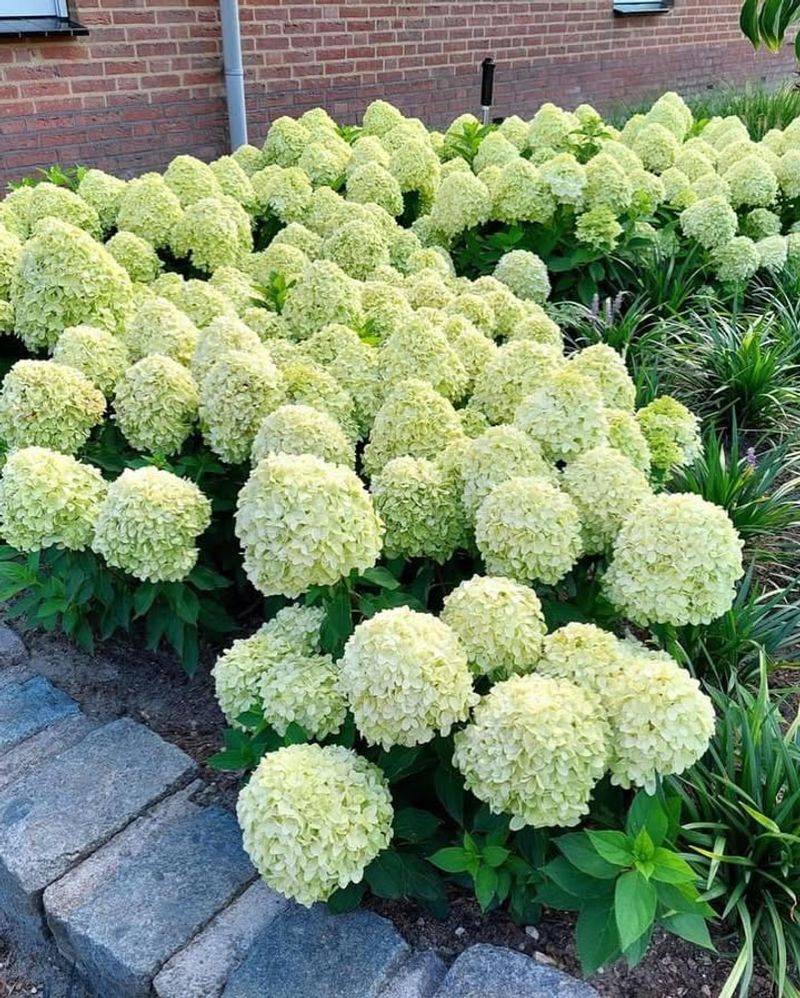
Compact breeding has transformed hydrangeas from sprawling shrubs that overtake foundation plantings into well-mannered specimens that stay within their allotted space year after year.
Dwarf varieties grow at a manageable pace, typically reaching just two to three feet tall and wide at maturity, which means they won’t block windows or pathways or require constant pruning to maintain appropriate proportions.
The generous flower clusters still deliver the show-stopping color that makes hydrangeas beloved, but the smaller plant size makes them practical for contemporary gardens where space is limited and maintenance time is precious.
New York’s climate suits many dwarf hydrangea varieties beautifully, particularly smooth hydrangeas and panicle types that bloom reliably even after harsh winters.
Bigleaf hydrangeas offer stunning blue or pink flowers depending on soil pH, though flower bud hardiness can be an issue in colder zones, so selecting remontant varieties that bloom on both old and new wood improves flowering reliability.
Most hydrangeas prefer morning sun with afternoon shade and consistent soil moisture, though panicle types tolerate more sun and drier conditions once established.
Pruning requirements vary by type but are generally minimal with dwarf varieties, as their compact growth habit means they rarely outgrow their space or become unruly. Simply remove spent flowers if you prefer a tidier appearance, though many gardeners leave the dried blooms for winter interest.
Varieties like ‘Bobo’ panicle hydrangea and ‘Invincibelle Wee White’ smooth hydrangea have proven their reliability in New York gardens, delivering generous flowers on manageable plants that require far less maintenance than their full-sized counterparts.
14. Blue Fescue Grass
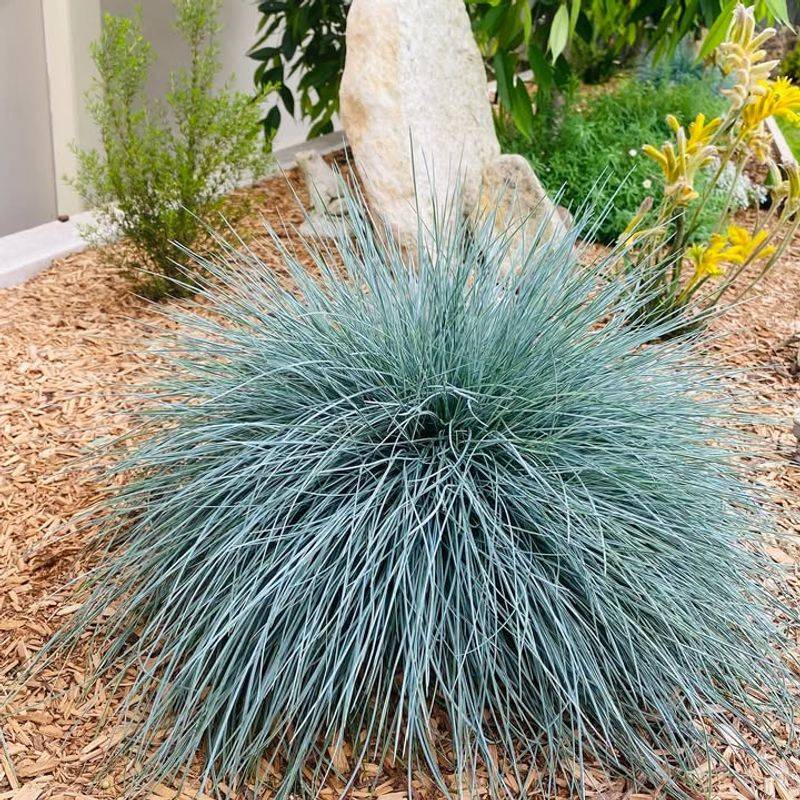
Silvery-blue tufts create striking focal points in sunny borders and rock gardens, with the fine-textured foliage providing color and texture that remains attractive throughout the growing season.
Blue fescue expands very slowly from its central crown, forming tight, rounded mounds that stay exactly where you plant them without sending runners or self-sowing throughout the garden.
The compact habit makes this ornamental grass ideal for edging pathways, punctuating perennial borders, or massing as a groundcover in areas where you want consistent texture and color without aggressive growth.
New York’s full-sun gardens benefit from blue fescue’s exceptional drought tolerance and cold hardiness, as established plants require no supplemental watering and sail through winter without protection.
They prefer well-drained soil and actually perform better in lean conditions than in rich, heavily fertilized beds, making them perfect for challenging sites with poor soil or rocky slopes.
The blue color intensifies with more sun exposure and during cooler weather, providing particularly striking color in spring and fall.
Maintenance consists mainly of combing out old foliage in early spring with your fingers or a small rake, removing the dead blades from the previous season to make room for fresh growth.
Some gardeners prefer to shear plants back to about three inches in early spring for a tidier appearance, though this isn’t strictly necessary for plant health.
Delicate flower stalks emerge in early summer, adding vertical interest, though the real ornamental value comes from the evergreen or semi-evergreen foliage that provides year-round color and texture in New York landscapes.
15. Pieris Japonica (Andromeda)
Cascading flower clusters in shades of white, pink, or red dangle like tiny bells from the branches in early spring, creating a spectacular display just as winter loosens its grip on New York gardens.
Pieris grows at a measured pace, typically adding just a few inches annually, gradually developing into a refined evergreen shrub that maintains its elegant form without requiring frequent pruning or shaping.
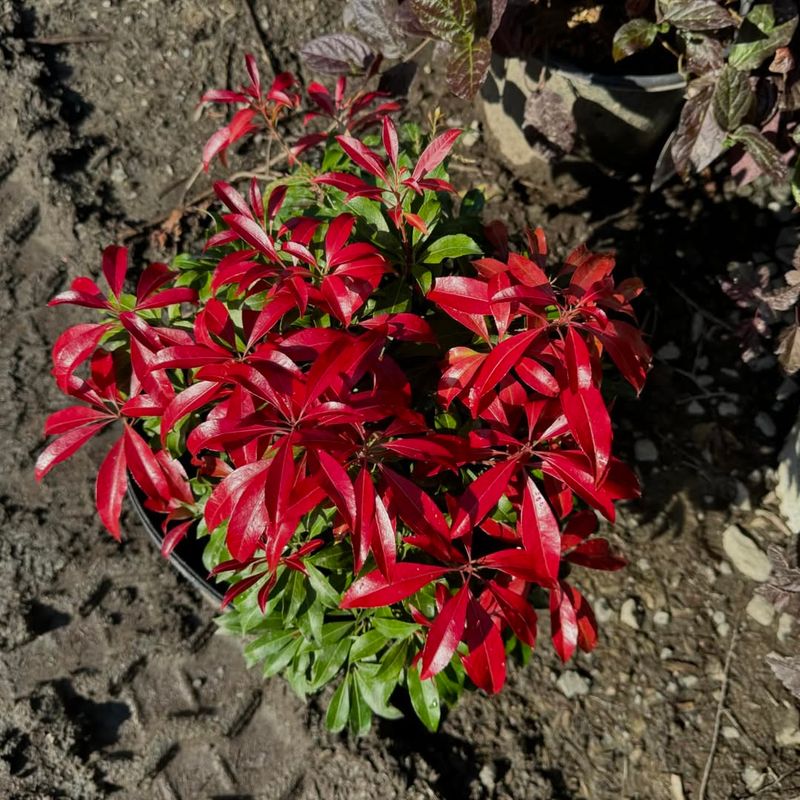
The glossy evergreen leaves provide year-round interest, but the real magic happens in spring when new growth emerges in shades of bronze, red, or pink before maturing to deep green, creating a multi-colored display that rivals any flower.
Acidic soil is essential for pieris success, as these evergreens are members of the heath family and require the same growing conditions as rhododendrons and azaleas. They thrive in partial shade with protection from harsh winter winds, appreciating the shelter of larger trees or buildings.
New York gardeners in appropriate hardiness zones find pieris to be remarkably low-maintenance once established, as the plants resist most pests and diseases and tolerate the region’s winter cold without damage.
Placement in evergreen borders or foundation plantings allows pieris to shine throughout the year, with its refined shape and glossy foliage providing structure even when not in bloom.
The slow growth rate means the plant you install will maintain its intended size for many years, eliminating the need for constant pruning to keep it in bounds.
Simply remove any damaged branches in early spring after flowering, and your pieris will continue performing reliably year after year, adding elegance and early spring color to your New York landscape with minimal maintenance demands.