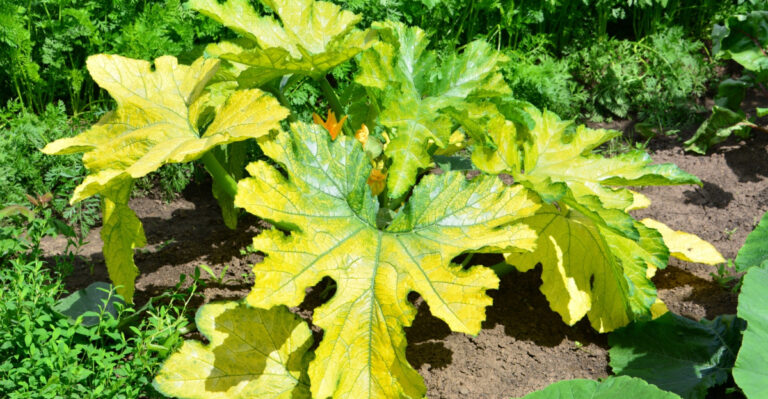
Are Arizona Trees Better Off With Or Without Winter Watering
Ever look at your Arizona yard in winter and wonder whether your trees actually need water, or if watering now could do more harm than good?
The landscape feels quiet, growth seems paused, and it’s easy to assume trees are fine on their own. But winter in Arizona isn’t as inactive as it looks.
Beneath the surface, dry air, sun, and steady winds continue pulling moisture from the soil, even during cooler months.
At the same time, too much water in winter can quietly create stress that doesn’t show up until spring. This leaves many homeowners caught between watering too much and not watering at all.
Winter tree care in Arizona isn’t about sticking to a schedule. It’s about understanding what’s happening underground.
Knowing when winter watering helps, when it hurts, and how seasonal conditions affect roots can be the difference between strong spring growth and problems that surface later.
1. Yes, Winter Watering Helps Most Arizona Trees
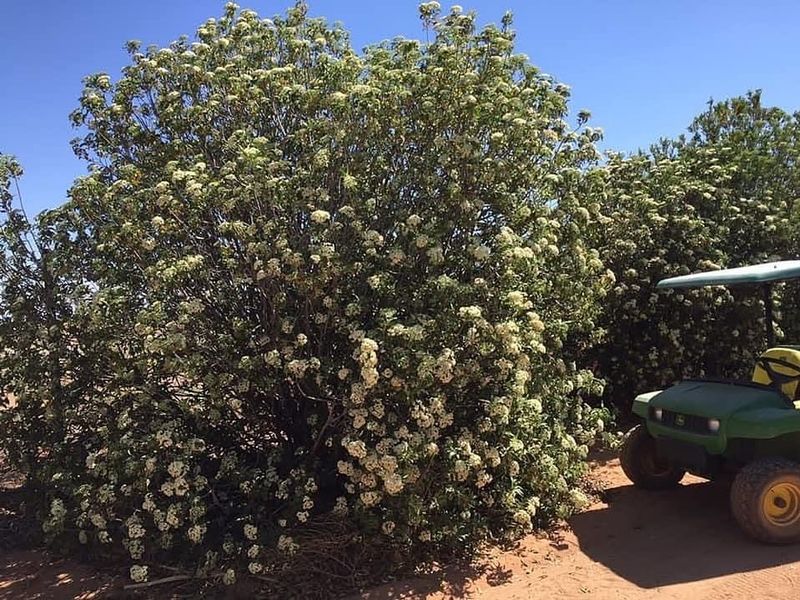
Cold weather slows down nearly every biological process happening inside your trees. Growth comes to a near standstill, and the demand for nutrients drops significantly.
This natural slowdown means trees require far less water than they do during the blazing summer months across Arizona.
Roots continue working even when branches appear dormant. They’re still absorbing moisture and storing energy for the spring growth surge ahead.
The rate of water uptake decreases, but it never stops completely, which is why complete neglect can cause problems.
Temperature fluctuations in Arizona create a unique situation for homeowners. A warm day in January might push into the 70s, causing some transpiration through leaves on evergreen species.
Then temperatures can plummet at night, freezing any excess moisture in the soil.
Deciduous trees lose their leaves and enter full dormancy, reducing their water needs dramatically. Evergreens keep their foliage and continue photosynthesis on sunny days, maintaining a modest need for moisture.
The type of tree you have determines how much attention it needs during Arizona’s winter.
Frost events can damage trees that have too much water in their tissues. Ice crystals form inside cells and cause structural damage that weakens branches.
Keeping soil moisture at moderate levels helps trees stay healthy without making them vulnerable to freeze damage.
2. Why Arizona’s Dry Winters Change The Equation
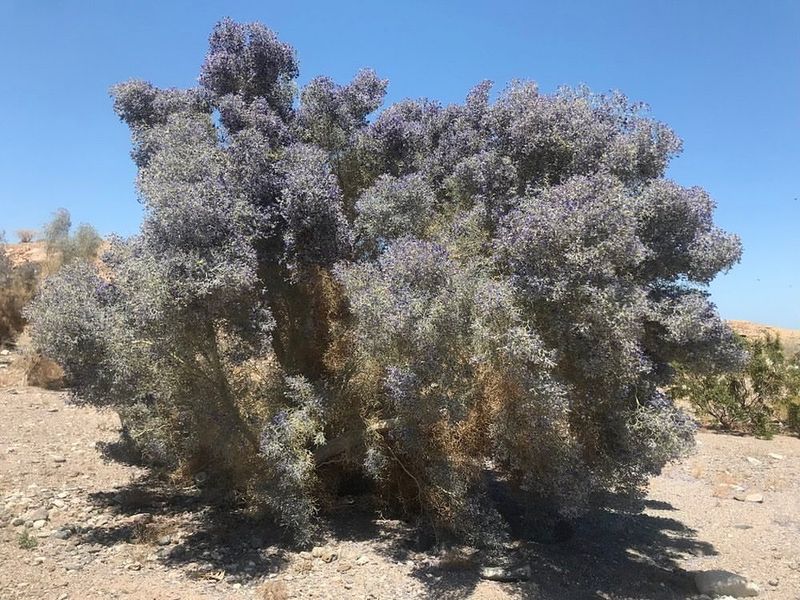
Low humidity defines winter across much of Arizona, creating conditions that can stress trees in unexpected ways. Even when temperatures drop, the air remains remarkably dry, pulling moisture from soil and plant tissues faster than in humid climates.
This constant evaporation means water reserves deplete more quickly than you might expect.
Rainfall becomes scarce during Arizona’s winter months, unlike many other regions that see increased precipitation. Trees can’t rely on regular storms to replenish soil moisture.
What little rain does fall often evaporates quickly rather than soaking deep into the ground where roots can access it.
Wind compounds the drying effect throughout the state. Breezy winter days strip moisture from exposed soil surfaces and increase transpiration rates in evergreen trees.
Your Arizona Garden Changes Every Week. Your Plan Should Too.
Gardening in Arizona changes quickly throughout the season. Every Friday you’ll receive a simple weekly plan showing exactly what to plant, prune, fertilize, harvest, and protect so you never miss the right timing.
Protected areas near buildings or walls retain moisture better than open spaces that face constant air movement.
Desert-adapted native species evolved to handle these harsh conditions. They have specialized root systems that reach deep underground water sources and leaves designed to minimize moisture loss.
Non-native ornamental trees often struggle without supplemental help during prolonged dry periods.
Mulch becomes especially valuable during Arizona winters because it shields soil from drying winds. A thick layer around the tree base slows evaporation and helps maintain consistent moisture levels.
This simple addition can reduce watering needs while protecting roots from temperature extremes.
3. Which Trees Still Need Water During Winter
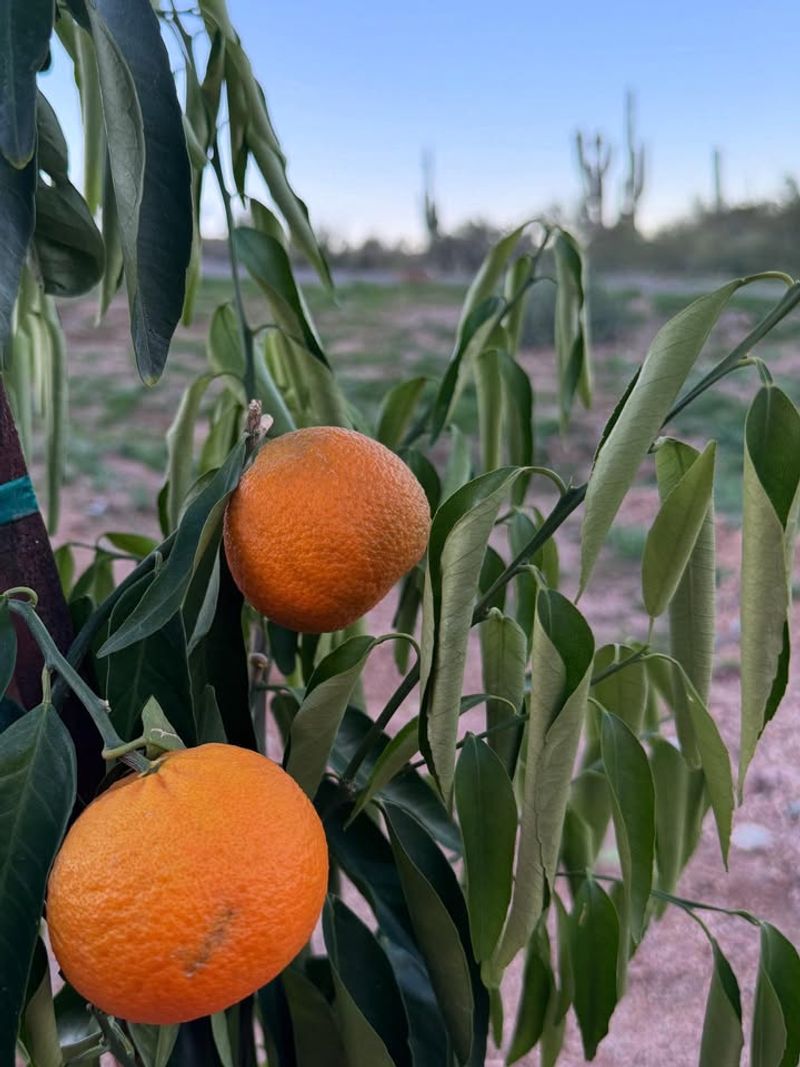
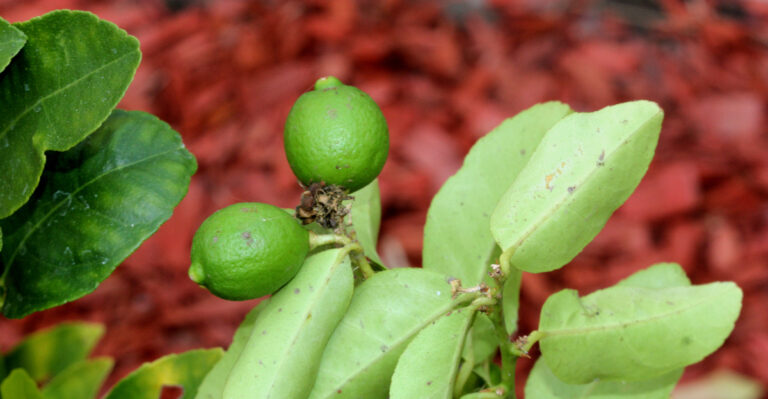
Citrus trees remain active throughout Arizona’s mild winters, continuing to develop fruit and maintain their glossy leaves. They need regular moisture to support fruit production and prevent leaf drop.
Skipping water during winter can result in smaller harvests and stressed trees that struggle when spring arrives.
Newly planted trees of any species require consistent moisture for at least their first two winters. Their root systems haven’t spread far enough to tap into deeper water sources.
Missing even one watering session can set back establishment significantly and compromise long-term health.
Evergreen species including pines and junipers keep their needles year-round and continue photosynthesis. Sunny winter days in Arizona trigger active growth processes that demand water.
These trees can show signs of stress faster than deciduous varieties when moisture runs low.
Palm trees, despite their desert appearance, often need winter watering in Arizona landscapes. Their shallow root systems don’t reach deep moisture, and they continue growing slowly even in cooler months.
Brown fronds often indicate insufficient water rather than cold damage.
Fruit trees beyond citrus, like peaches and apples, benefit from occasional winter watering even while dormant. Adequate moisture helps them break dormancy properly in spring and supports flower bud development.
Completely dry soil can delay blooming and reduce fruit set.
Non-native ornamental trees adapted to wetter climates struggle most during Arizona winters. Species like maples, birches, and certain oaks need supplemental water because they evolved in regions with winter rain or snow.
Their root systems aren’t designed for prolonged drought even in dormancy.
4. Signs Trees Are Stressed From Lack Of Moisture
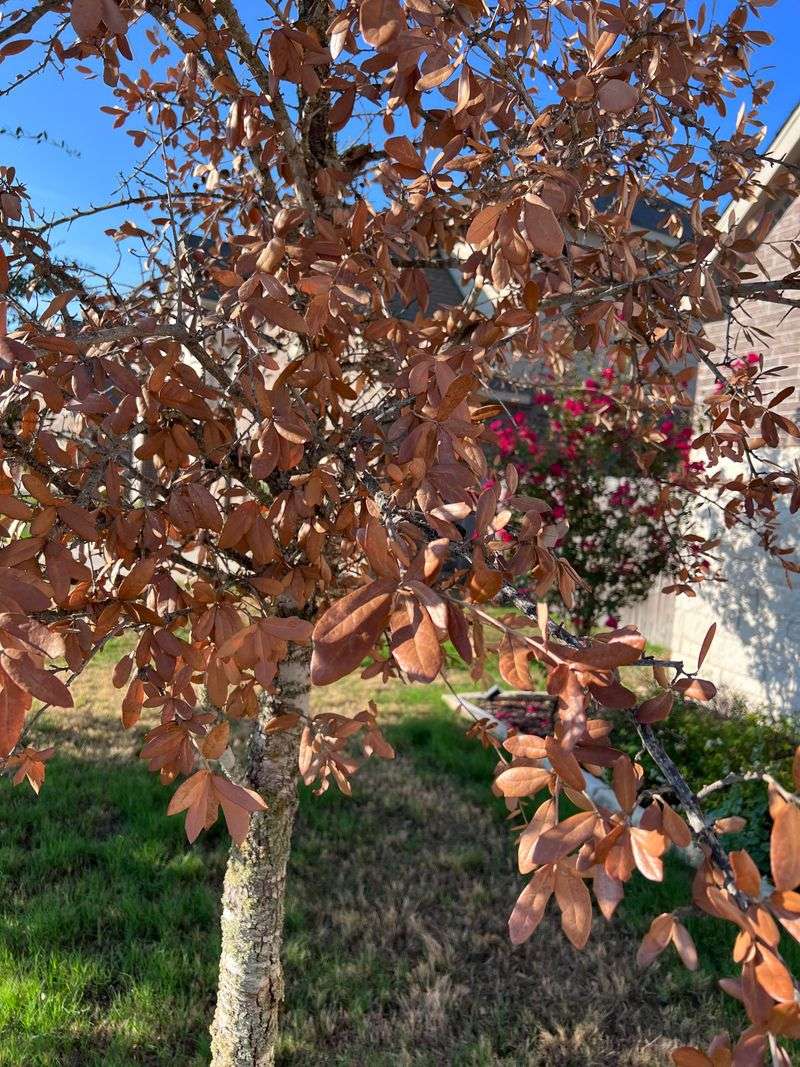
Wilting leaves appear on evergreen trees when water stress becomes severe, even during Arizona’s cool winter months. The foliage looks limp and droopy rather than crisp and upright.
This visible change tells you the tree is struggling to maintain normal functions and needs immediate attention.
Leaf discoloration provides another clear warning sign across the state. Yellowing or browning that starts at leaf tips and spreads inward indicates insufficient moisture.
Evergreen needles might turn brown or drop prematurely when trees can’t access enough water to sustain them.
Bark changes can signal serious dehydration problems in Arizona trees. The outer bark might look unusually dry, cracked, or loose.
Some species develop sunken areas or vertical splits when internal moisture levels drop too low during winter dry spells.
Branch decline often begins at the tips and gradually moves back toward the trunk.
Small twigs become brittle and snap easily instead of bending. This progressive damage indicates the tree is sacrificing outer growth to preserve its core when water becomes scarce.
Premature bud drop happens when trees can’t support normal development. Flower buds or leaf buds that formed in fall might shrivel and fall off before spring arrives.
Arizona fruit trees show this problem frequently when winter watering gets neglected.
Soil pulling away from tree trunks reveals severe drying conditions. Gaps form between the root crown and surrounding soil as moisture disappears.
This separation exposes sensitive roots to temperature extremes and makes it harder for trees to absorb water when you finally provide it.
5. When Winter Watering Can Do More Harm Than Good
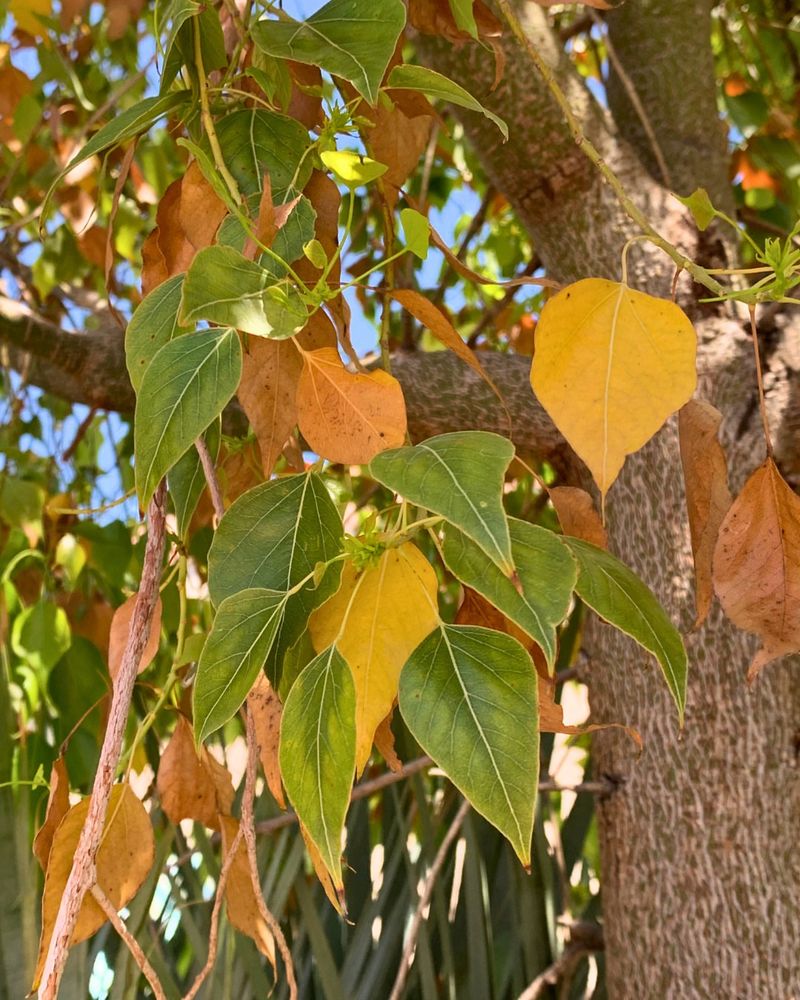
Frozen ground creates a situation where added water can’t penetrate properly. Ice in the soil blocks water movement and forces moisture to pool on the surface.
Arizona experiences this less frequently than northern states, but occasional hard freezes do occur and make watering counterproductive.
Overwatering during dormancy promotes root rot diseases that thrive in cold, soggy conditions. Fungi that normally stay dormant become active when roots sit in waterlogged soil.
Trees weakened by root disease struggle to recover even when growing conditions improve in spring across Arizona.
Waterlogged soil lacks oxygen that roots need to survive. Even dormant roots require some gas exchange to maintain basic functions.
Saturated conditions suffocate root systems and cause damage that might not become visible until months later when trees fail to leaf out properly.
Watering right before a predicted freeze can increase frost damage to trees. Moisture in plant tissues expands when it freezes, rupturing cell walls and causing structural harm.
Arizona’s unpredictable winter weather makes timing tricky, so checking forecasts before watering becomes essential.
Excessive moisture encourages shallow root growth rather than deep, drought-resistant systems. Trees that receive too much winter water don’t develop the extensive root networks they need for Arizona’s harsh summers.
This creates long-term vulnerability and increases maintenance demands.
Certain soil types in Arizona drain poorly and hold water too long. Clay-heavy soils stay saturated for extended periods after watering.
Adding water to already moist clay during winter creates the perfect environment for root problems that compromise tree health.
6. How Soil Type Impacts Winter Watering Decisions
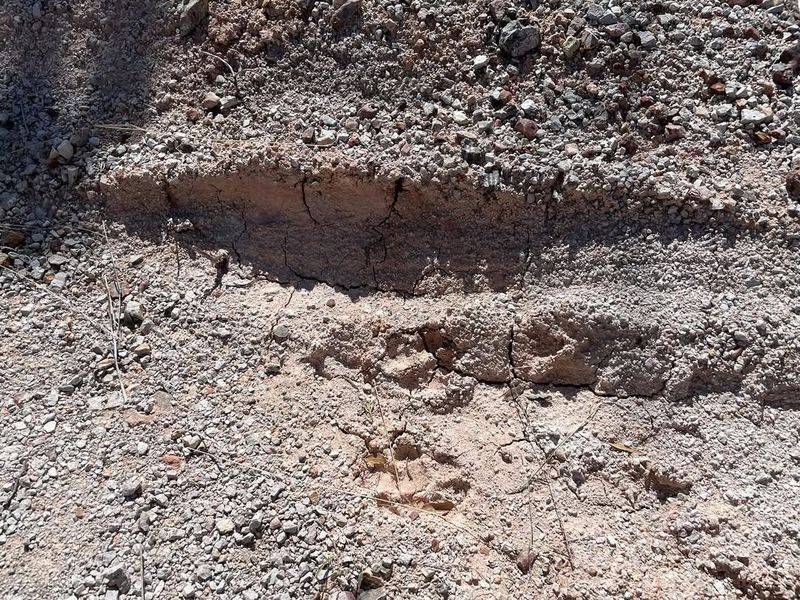
Sandy soils drain quickly and hold very little moisture, a common situation in many Arizona landscapes. Water moves through sand rapidly and doesn’t provide a sustained moisture reserve.
Trees growing in sandy soil need more frequent winter watering than those in heavier soils, though amounts per session should stay moderate.
Clay soils present the opposite challenge across much of the state. Water penetrates slowly and pools on the surface before finally soaking in.
Once saturated, clay holds moisture for extended periods, sometimes weeks. Trees in clay need infrequent but thorough watering during Arizona winters.
Loam offers the ideal balance with good drainage and decent moisture retention. This soil type requires the least adjustment to watering practices.
Trees in loam generally thrive with minimal winter intervention, needing water only during extended dry periods in Arizona.
Caliche layers beneath the surface complicate watering throughout the state. This hardpan prevents water from penetrating deep into the soil profile.
Shallow watering becomes ineffective because roots can’t access moisture trapped above the caliche. Breaking through or working around caliche layers becomes necessary for proper tree care.
Amended soils around newly planted trees behave differently than native ground. The transition zone between rich planting mix and surrounding native soil can create water movement problems.
Arizona homeowners need to water both the amended area and the native soil to encourage roots to spread outward.
Compacted soil from construction or heavy foot traffic resists water infiltration. Even appropriate watering amounts run off rather than soaking in.
Aerating compacted areas improves winter watering effectiveness and helps trees access the moisture you provide across Arizona landscapes.
Organic matter content influences how long soil holds moisture.
7. The Role Of Recent Rainfall In Winter Care
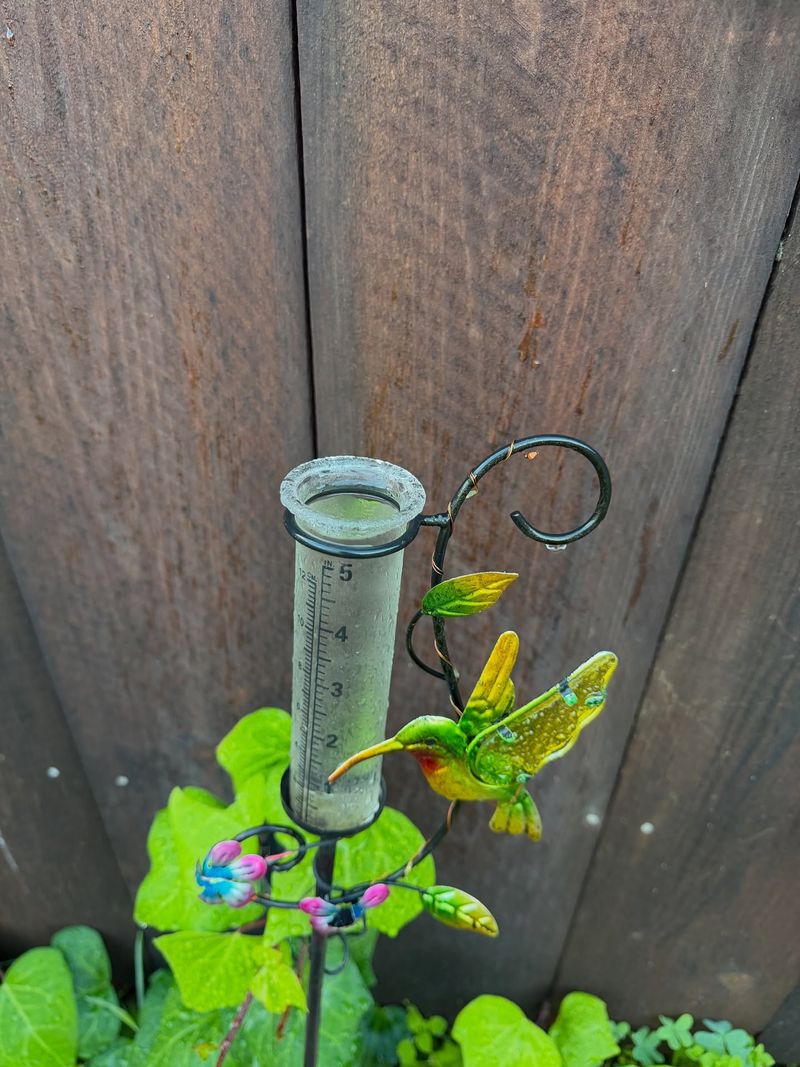
Tracking precipitation helps you determine when trees actually need supplemental water. Arizona winters vary dramatically from year to year, with some bringing regular storms and others staying bone dry.
A single substantial rain event can provide enough moisture to last several weeks, eliminating the need for irrigation.
Rain gauges give you precise measurements rather than relying on guesswork. Knowing exactly how much water fell on your property informs better decisions.
Even a half-inch of rain penetrates several inches into Arizona soil and reduces or eliminates watering needs for a period.
Rainfall distribution matters as much as total amounts across the state. A series of small storms might wet only the surface without reaching root zones.
One thorough soaking rain penetrates deeper and provides more benefit than multiple light sprinkles that evaporate quickly.
Winter storms in Arizona often bring cold temperatures along with precipitation. Trees benefit from the moisture but then enter a period where additional watering becomes unnecessary or harmful.
Waiting for soil to warm slightly after a cold storm prevents problems associated with overwatering in chilly conditions.
Dry spells between storms require attention even during winter months. Three or four weeks without rain can deplete soil moisture enough to stress trees.
Arizona homeowners should count days since the last significant precipitation and plan supplemental watering accordingly.
Snow provides moisture but melts and soaks in slowly. Higher elevation areas in Arizona receive winter snow that gradually releases water.
Trees in these locations need less supplemental irrigation than those in lower desert regions that see only rain or nothing at all.
8. Best Times To Water Trees In Cooler Months
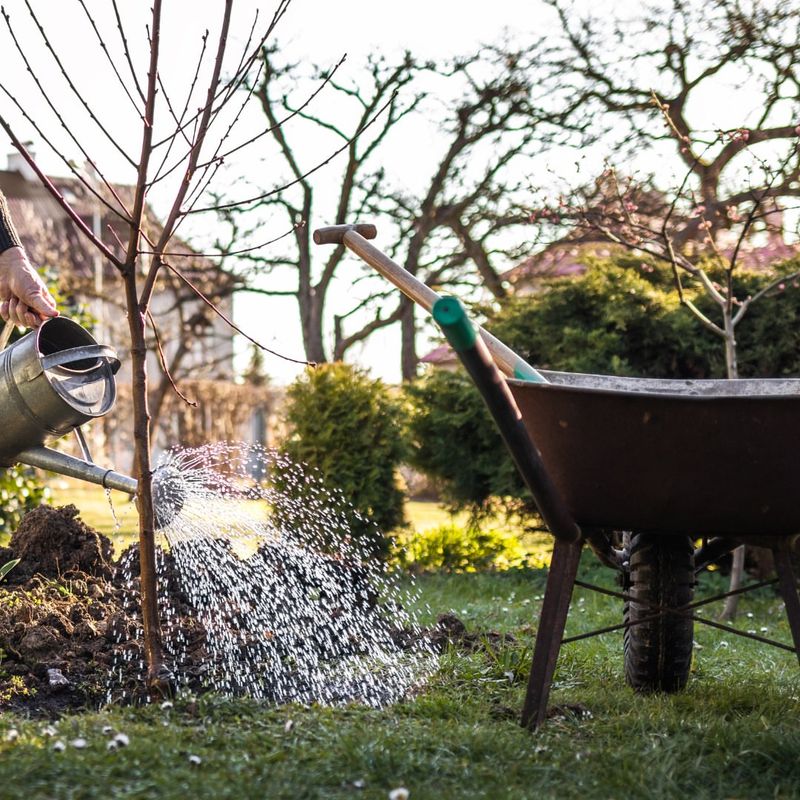
Morning watering allows moisture to soak in before temperatures drop at night. Arizona winter nights can get quite cold, and water applied late in the day might freeze before reaching roots.
Early application gives trees the entire day to absorb what they need while avoiding frost-related problems.
Midday watering during winter isn’t as problematic as summer months across the state. Evaporation rates stay much lower when temperatures remain cool.
You won’t lose much water to evaporation even if you irrigate during the warmest part of a winter day in Arizona.
Avoiding evening watering prevents prolonged soil saturation overnight. Cold, wet soil stays soggy longer and increases root disease risks.
Giving soil time to drain slightly before nighttime temperatures fall protects tree health throughout Arizona winters.
Watering on warmer days rather than during cold snaps makes sense. Soil absorbs moisture better when temperatures rise above 40 degrees.
Trees can actually use the water when conditions allow some root activity rather than when everything stays frozen across Arizona.
Frequency matters more than precise timing during winter months. Watering every two to four weeks usually suffices for most established trees in the state.
Timing your sessions for mid-morning on mild days covers both temperature and absorption concerns effectively.
Deep, infrequent watering beats shallow, frequent applications during Arizona winters. Allowing soil to dry somewhat between sessions encourages deep root growth.
Spacing watering events several weeks apart works better than light weekly irrigation during the dormant season.
9. How To Adjust Watering As Spring Approaches
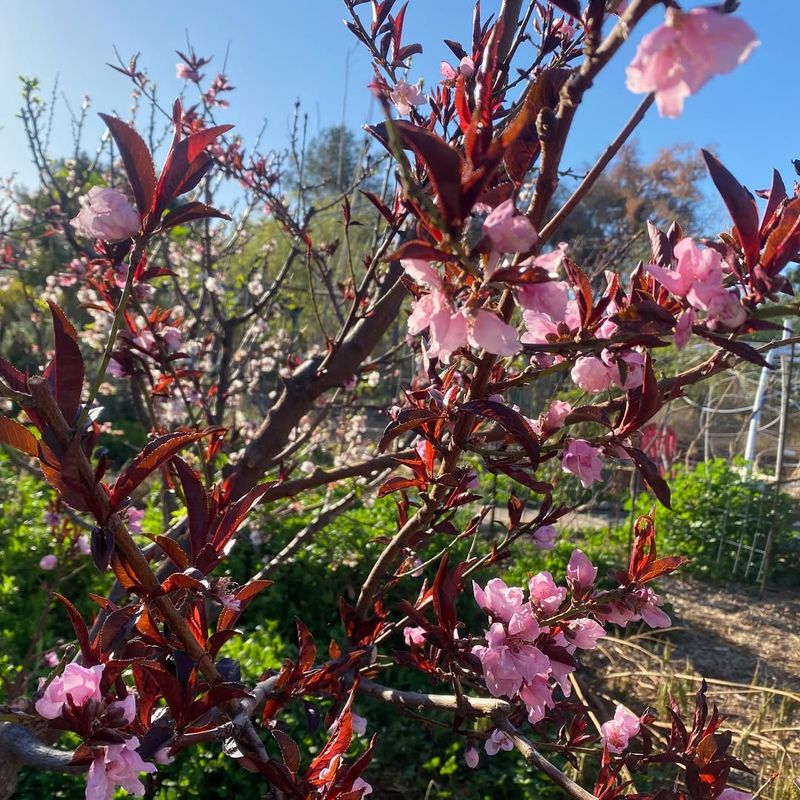
Rising temperatures signal increasing water needs across Arizona landscapes. Trees begin breaking dormancy as daylight lengthens and warmth returns.
Root activity picks up considerably, and water demand starts climbing even before visible growth appears above ground.
Bud swell indicates trees are preparing for active growth. This stage requires more moisture than full dormancy but less than summer peak demand.
Arizona homeowners should increase watering frequency gradually rather than jumping straight to summer schedules when buds start swelling.
Leaf emergence dramatically increases water needs as trees expand their transpiring surface area. Each new leaf pulls moisture from the soil to stay turgid and functional.
Transitioning to weekly watering makes sense once trees across Arizona begin leafing out in earnest.
Spring winds arrive with intensity throughout the state, accelerating moisture loss from soil and plants. Even before temperatures soar, windy conditions can stress trees that don’t receive adequate water.
Accounting for wind when planning spring watering prevents stress during this vulnerable transition period.
Flowering trees need consistent moisture to support bloom development and fruit set. Water stress during flowering can reduce fruit production significantly.
Arizona fruit trees benefit from reliable watering as soon as flowers begin opening in late winter or early spring.
Soil temperature warms faster than air temperature in many Arizona locations. Warm soil triggers root growth before branches show obvious changes.