8 Reasons California Gardeners Always Keep Baking Soda On Hand
Baking soda isn’t just for cookies, it’s a secret weapon in California gardens. Savvy gardeners swear by it for a variety of tasks, from pest control to soil care, making it one of the most versatile, inexpensive, and eco-friendly tools in their arsenal.
One simple pantry staple can solve multiple garden problems!
California gardeners use baking soda to combat fungal diseases, deter pests, balance soil pH, and even clean garden tools without harsh chemicals. Its safe, natural properties make it perfect for edible gardens, ornamental plants, and delicate seedlings.
With a little know-how, it can save time, reduce damage, and keep plants healthy and productive throughout the year. From fighting mildew to boosting soil health, baking soda is a garden multitasker!
Keeping baking soda on hand means you’re prepared for common garden challenges without relying on expensive or toxic solutions. Small doses, big results, and zero guesswork, what’s not to love?
Your secret gardening tool might already be in your kitchen!
1. Helps Control Powdery Mildew In Dry, Sunny Climates
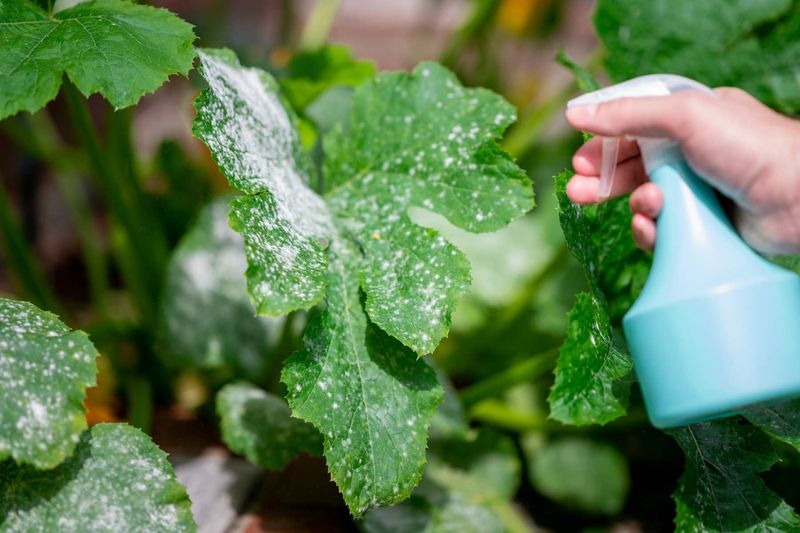
Powdery mildew shows up as white, dusty patches on plant leaves, especially during California’s warm, dry growing season. Squash, cucumbers, zucchini, and roses are particularly vulnerable to this fungal issue.
When you spot those telltale white spots early, a simple baking soda spray can help stop the spread before it damages your entire harvest.
Mix one tablespoon of baking soda with a gallon of water, add a few drops of mild liquid soap to help it stick, and spray the solution on affected leaves in the early morning or evening.
The alkaline nature of baking soda creates an environment where powdery mildew struggles to thrive. Reapply every five to seven days, especially after rain or heavy watering.
Many California gardeners prefer this method because it’s safe around children, pets, and beneficial insects like bees and ladybugs. Unlike harsh chemical fungicides, baking soda won’t leave toxic residues on edible plants.
It’s especially useful for organic gardeners who want effective solutions without compromising their growing principles.
Just remember not to overuse it, as too much baking soda can build up in the soil and affect nutrient balance. Test on a small area first to make sure your plants respond well before treating larger sections of your garden.
2. Neutralizes Acidic Soil In Small Garden Areas
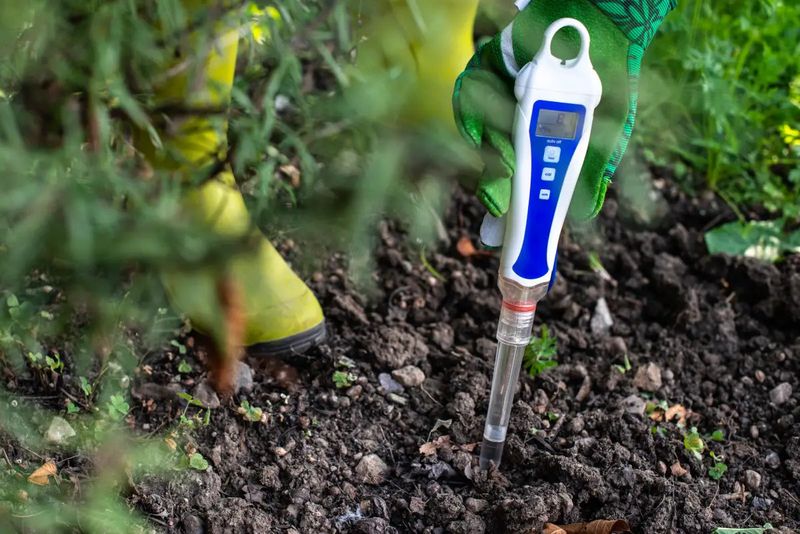
Soil pH plays a huge role in how well your plants absorb nutrients from the ground. California soils vary widely depending on your region, and some areas naturally lean toward being too acidic for certain vegetables and flowers.
Blueberries and azaleas love acidic soil, but tomatoes, beans, and most herbs prefer a more neutral range.
Baking soda can gently raise the pH in very small, targeted spots when you’ve tested your soil and found it’s overly acidic. Dissolve a small amount—about one tablespoon per gallon of water—and apply it carefully around the base of plants that are struggling.
This method works best for container gardens or small raised beds where you can control the application precisely.
Your California Garden Changes Every Week. Your Plan Should Too.
Gardening in California changes quickly throughout the season. Every Friday you’ll receive a simple weekly plan showing exactly what to plant, prune, fertilize, harvest, and protect so you never miss the right timing.
Always test your soil first with an inexpensive pH testing kit available at any garden center. Making changes without knowing your starting point can create more problems than it solves.
Baking soda is not a replacement for larger-scale soil amendments like lime, but it’s perfect for quick adjustments in limited areas.
Gardeners appreciate this approach because it’s fast-acting and doesn’t require expensive products. However, use it sparingly and monitor your plants’ response, as too much sodium from repeated applications can harm soil structure and plant health over time.
3. Acts As A Natural Fungicide For Plant Leaves
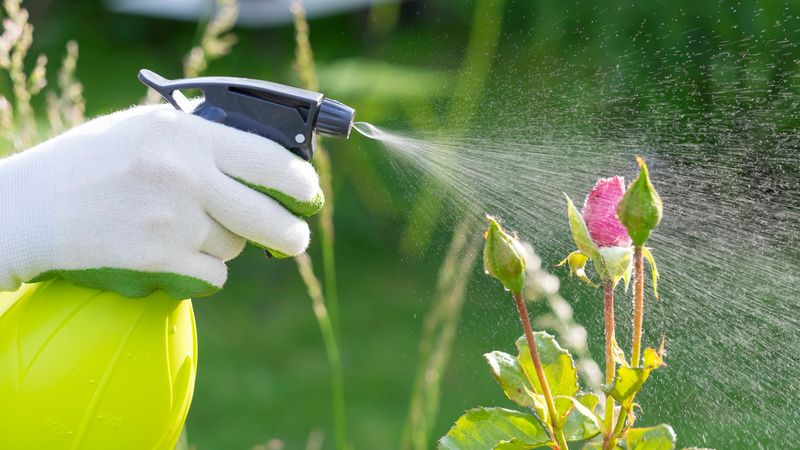
Fungal infections can wreak havoc on your garden, causing leaf spots, blights, and wilting that weaken plants and reduce yields. Commercial fungicides often contain ingredients that many gardeners prefer to avoid, especially when growing food for their families.
Baking soda offers a gentler alternative that disrupts fungal growth without harsh chemicals.
When applied as a spray, baking soda changes the pH on leaf surfaces, making it difficult for fungal spores to germinate and spread. This preventative approach works best when you apply it before problems become severe.
Mix it with water and a small amount of horticultural oil or soap to help the solution adhere to leaves.
Organic-style gardeners across California have used this method for years on everything from tomatoes and peppers to ornamental plants. It’s particularly effective against black spot on roses, early blight on tomatoes, and various leaf spot diseases.
The key is consistency, regular applications during the growing season provide the best protection.
Because baking soda is food-safe, you can use it right up until harvest without worrying about waiting periods or washing concerns. It’s budget-friendly, easy to mix, and gentle enough that you won’t harm beneficial insects or pollinators that visit your garden daily.
4. Helps Deter Ants Without Harsh Chemicals

Argentine ants are everywhere in California, marching across patios, climbing up plant stems, and farming aphids on your prized roses. While ants themselves don’t usually harm plants directly, they protect aphids and scale insects that do cause damage.
Finding a way to discourage them without using toxic baits or sprays is a priority for many gardeners.
Baking soda works as a deterrent when sprinkled in a light line around garden bed edges, along ant trails, and near entry points to your garden. Ants dislike crossing it, and while it won’t eliminate an entire colony, it helps redirect their traffic away from vulnerable plants.
Some gardeners mix it with powdered sugar to create a bait that disrupts the colony from within.
This method is especially popular because it’s safe around pets and children who play in the yard. You can reapply after rain or watering washes it away, and it won’t harm your soil in small amounts.
Many California gardeners use it as part of a broader integrated pest management approach.
For best results, combine baking soda barriers with other strategies like removing aphid-infested leaves, encouraging beneficial insects, and keeping your garden clean. It’s not a magic solution, but it’s a helpful tool that reduces your reliance on chemical pesticides.
5. Cleans Garden Tools Without Rust Damage
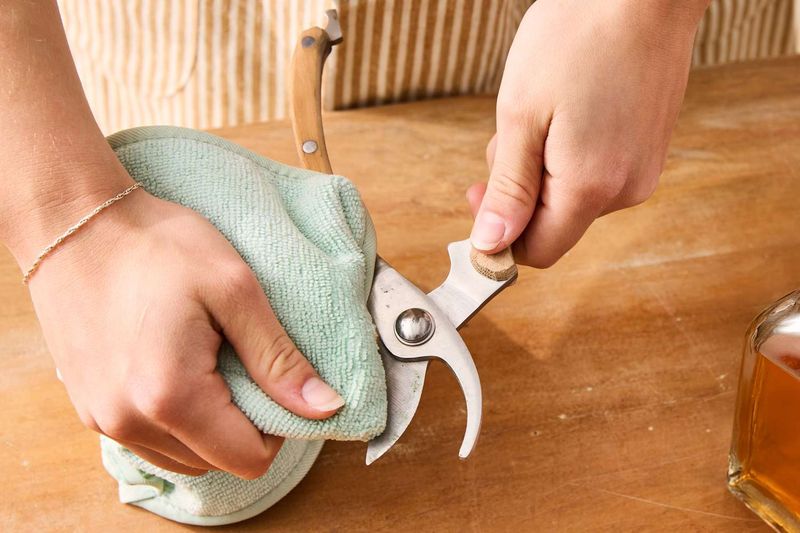
Garden tools take a beating during the growing season, accumulating dirt, sap, and plant residue that can harbor diseases and cause rust. Keeping your pruners, shovels, trowels, and pots clean extends their life and prevents spreading pathogens from one plant to another.
Harsh chemical cleaners can damage tool finishes and leave residues you’d rather not have near your edibles.
Baking soda makes an excellent gentle abrasive cleaner that scrubs away grime without scratching metal or damaging wooden handles. Mix it with a little water to form a thick paste, apply it to dirty tools with an old toothbrush or scrub pad, and rinse thoroughly.
For stubborn sap or rust spots, let the paste sit for a few minutes before scrubbing.
California gardeners appreciate that this method is inexpensive and uses a product they already have in the kitchen. It works on clay pots with mineral buildup, plastic containers with algae stains, and metal tools that need refreshing.
After cleaning, dry your tools completely and apply a light coat of oil to prevent rust.
Regular maintenance with baking soda keeps your equipment in top condition season after season. It’s a quick task that takes just a few minutes but makes a big difference in how well your tools perform and how long they last.
6. Sweetens Tomatoes Grown In Containers (Indirectly)
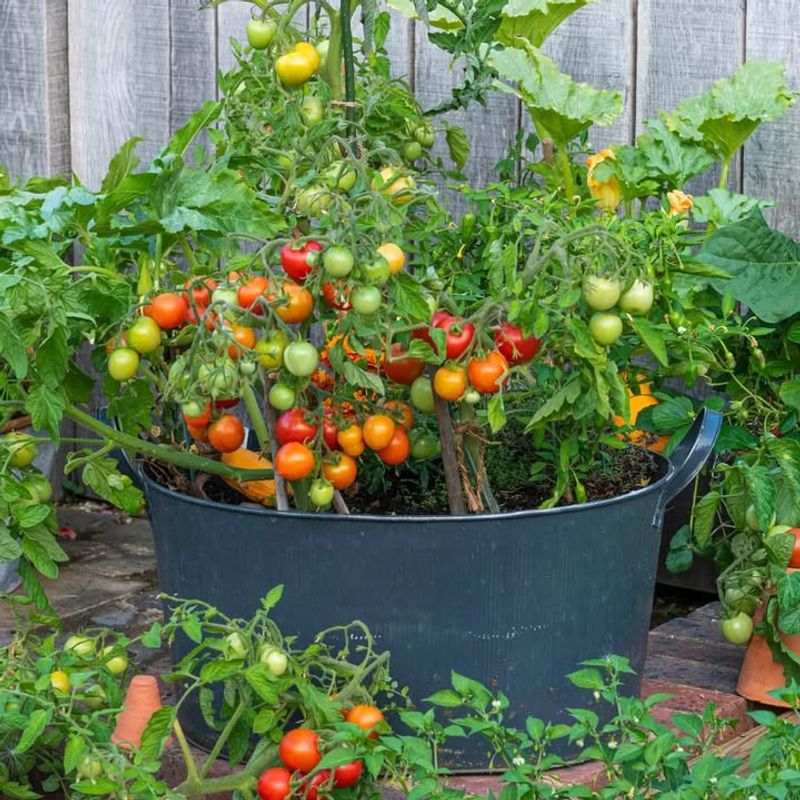
Container gardening is incredibly popular in California, where many people have limited yard space or want to grow tomatoes on patios and balconies. One common complaint is that container-grown tomatoes sometimes taste less sweet than those grown in the ground.
While genetics and sunlight play the biggest roles in flavor, soil pH can also influence how your tomatoes taste.
When container soil becomes too acidic over time from repeated watering and fertilizing, tomatoes may struggle to absorb certain nutrients that contribute to sweetness. Very carefully adjusting the pH with a light baking soda solution can help bring the soil back into the optimal range for tomato growing.
Dissolve a teaspoon of baking soda in a gallon of water and apply it sparingly to your containers once or twice during the season.
This approach works best when you’ve tested your soil and confirmed it’s actually too acidic. Adding baking soda to already neutral or alkaline soil can make things worse, not better.
The goal is balance, not drastic changes, and patience is important since pH adjustments take time to show results.
Many experienced gardeners combine this technique with proper fertilizing, consistent watering, and choosing varieties known for excellent flavor. Baking soda isn’t a miracle cure, but when used correctly as part of a complete care routine, it can contribute to a more delicious harvest from your container tomatoes.
7. Deodorizes Compost Bins And Garden Waste Areas
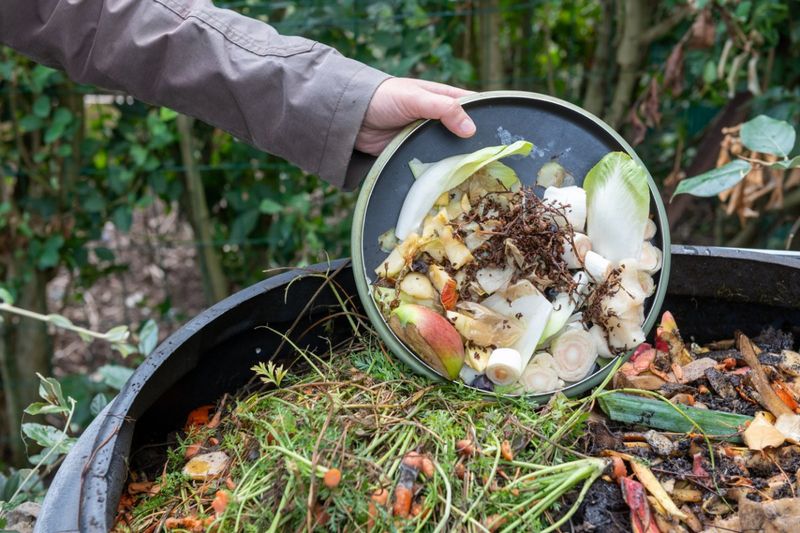
Composting is a cornerstone of sustainable gardening, turning kitchen scraps and yard waste into rich soil amendment. However, during California’s hot summer months, compost bins can develop strong odors that attract flies and bother neighbors.
The smell usually means your compost is too wet, has too much nitrogen-rich material, or isn’t getting enough air circulation.
Sprinkling a light layer of baking soda over smelly compost helps neutralize odors quickly while you address the underlying balance issues.
Baking soda absorbs and neutralizes acidic odors without disrupting the beneficial microorganisms breaking down your organic matter. Use it sparingly: a handful sprinkled over the top layer is usually enough.
This trick is especially helpful when you’ve added a lot of fruit scraps, grass clippings, or other materials that can turn sour quickly in the heat. Follow up by turning your compost to add oxygen, adding dry brown materials like shredded leaves or cardboard, and checking moisture levels.
Proper compost management prevents most odor problems, but baking soda offers quick relief when issues arise.
Gardeners also use baking soda in the bottom of outdoor trash cans where they store garden waste before adding it to the compost pile. It keeps those containers fresher between emptying and makes yard cleanup more pleasant during the peak growing season.
8. Removes Residue From Harvested Produce
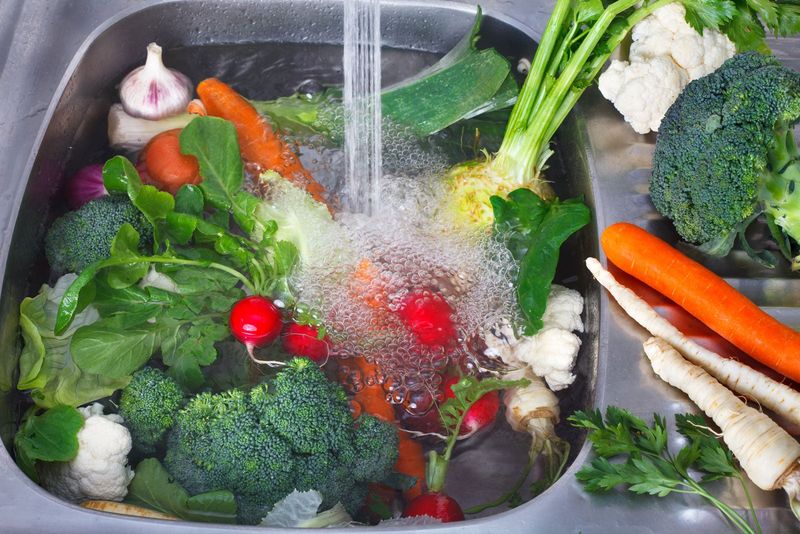
There’s nothing quite like bringing in a basket of freshly picked vegetables and fruits from your own garden. However, even homegrown produce can have dirt, dust, and natural residues that you’ll want to wash off before eating or storing.
Plain water doesn’t always remove everything, especially waxy coatings on some vegetables or stubborn soil particles.
Baking soda creates a gentle cleaning solution that’s more effective than water alone but completely safe for food. Mix about a tablespoon of baking soda into a large bowl or sink full of cool water, add your produce, and let it soak for a few minutes.
The baking soda helps loosen dirt and residues, making them easier to rinse away.
This method works beautifully on tomatoes, peppers, apples, grapes, leafy greens, and root vegetables fresh from the garden. Scrub firmer produce gently with your hands or a soft brush, then rinse everything thoroughly under running water.
Your fruits and vegetables come out cleaner and ready to enjoy or store in the refrigerator.
California gardeners who grow their own food appreciate having a simple, non-toxic way to clean their harvest before bringing it into the kitchen. It’s especially useful during peak harvest season when you’re processing large amounts of produce and want an efficient, safe cleaning method that doesn’t require special products.