9 Common Backyard Wildlife You’ll See In Western Oregon (And What They’re Doing)
Step outside on a quiet morning in Western Oregon and there’s a good chance you’re not alone, even if it feels that way.
Something is usually moving, watching, digging, flying, or quietly passing through your yard while you’re sipping coffee or checking the garden.
Backyards here are busy little ecosystems, whether we notice them or not.
You might spot a bird hopping along the fence, hear rustling near the shrubs, or catch a quick blur darting across the lawn. Sometimes it’s interesting.
Sometimes it’s confusing. And sometimes you’re left wondering, “What is that doing back there?” Each of these visitors has a purpose, even when their behavior looks random or a little strange.
Some wildlife helps control pests. Others are looking for food, shelter, or a safe place to raise young.
A few are just passing through on their daily route. Once you start paying attention, it’s surprising how much activity happens right outside your door.
If you’ve ever been curious about the animals sharing your space or just want to know why they keep showing up you’re in the right place.
These common backyard wildlife visitors are easy to spot in Western Oregon, and understanding what they’re up to can make your yard feel even more alive.
1. Songbirds And Why They’re Always Busy
You’ll notice them first thing in the morning, hopping along fence lines and flitting between branches with quick, jerky movements.
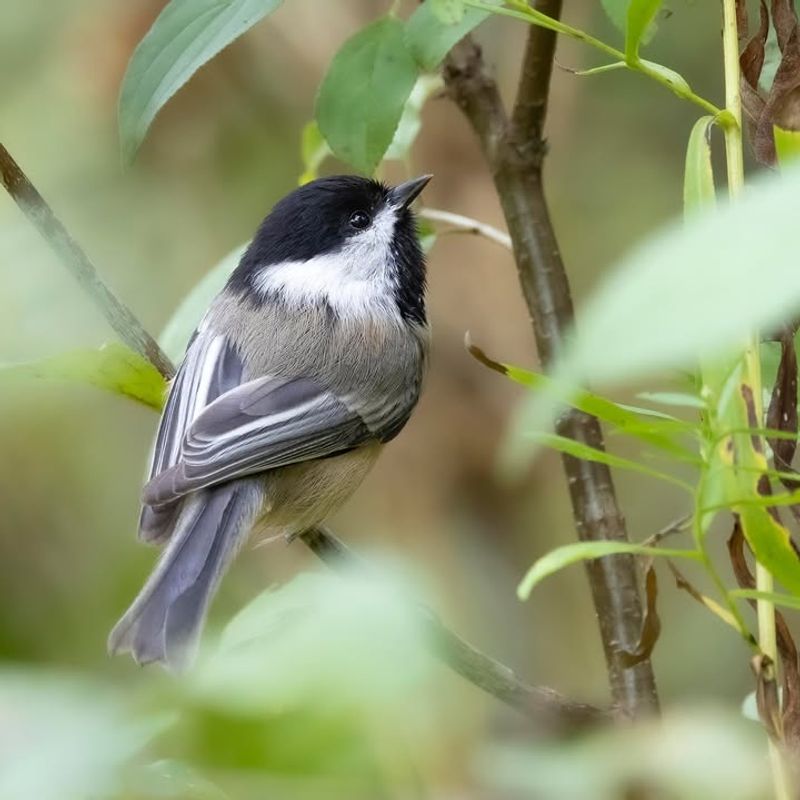
American robins, black-capped chickadees, spotted towhees, and song sparrows are some of the most common faces you’ll see year-round in Western Oregon yards.
They’re not just enjoying the scenery, they’re working nonstop to find food, defend territory, and raise multiple broods each season.
Robins are famous for yanking earthworms from damp soil after a rain, but they also eat berries and insects. Chickadees hang upside down on seed feeders and cache food in bark crevices for later.
Towhees scratch through leaf litter under shrubs, kicking up insects and seeds with both feet at once.
What looks like chaotic activity is actually highly efficient foraging behavior shaped by thousands of years of evolution.
Songbirds need to eat almost constantly during daylight hours to fuel their high metabolism, especially during breeding season when they’re feeding hungry chicks every few minutes.
You can support them by planting native shrubs like Oregon grape and red-flowering currant, leaving leaf litter in garden beds, and keeping your cats indoors. A simple birdbath with fresh water will turn your yard into a neighborhood hotspot.
2. Squirrels And Their Constant Food Hunts
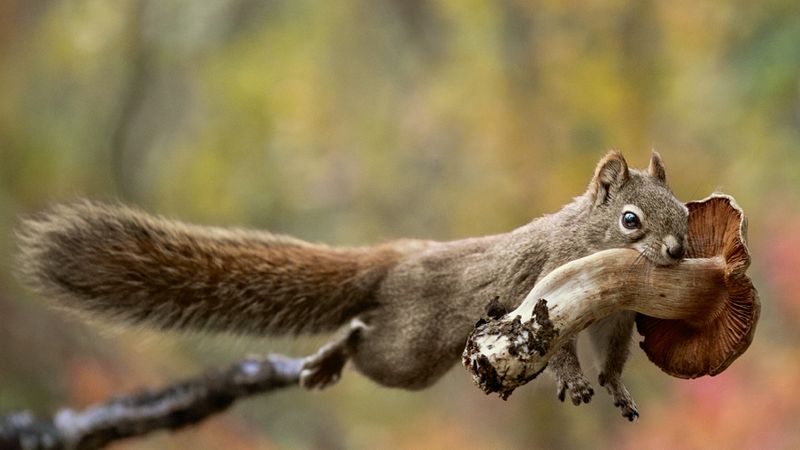
Watch a squirrel for five minutes and you’ll see an animal that never stops moving. Douglas squirrels and eastern gray squirrels are the two species you’ll most likely spot in Western Oregon, and both spend nearly every waking moment searching for, eating, or hiding food.
That frantic energy isn’t nervousness, it’s survival mode turned into a full-time job.
Squirrels don’t hibernate, so they’re busy year-round stashing seeds, nuts, and pine cones in dozens of hidden locations across your yard.
Your Oregon Garden Changes Every Week. Your Plan Should Too.
Gardening in Oregon changes quickly throughout the season. Every Friday you’ll receive a simple weekly plan showing exactly what to plant, prune, fertilize, harvest, and protect so you never miss the right timing.
They remember most of these spots using spatial memory and scent, but they also forget plenty, which accidentally helps replant forests.
In fall, you’ll see them working overtime, stuffing their cheeks and burying hazelnut after hazelnut in your flower beds.
Douglas squirrels are smaller, rust-colored, and incredibly vocal, often scolding intruders with loud chirps from high branches. Gray squirrels are larger, calmer, and more comfortable around humans.
Both will raid bird feeders if given the chance, not out of spite but because seeds are calorie-dense and easy to access.
If you want to coexist peacefully, use squirrel-proof feeders or offer them their own feeding station with corn or sunflower seeds away from your main bird area.
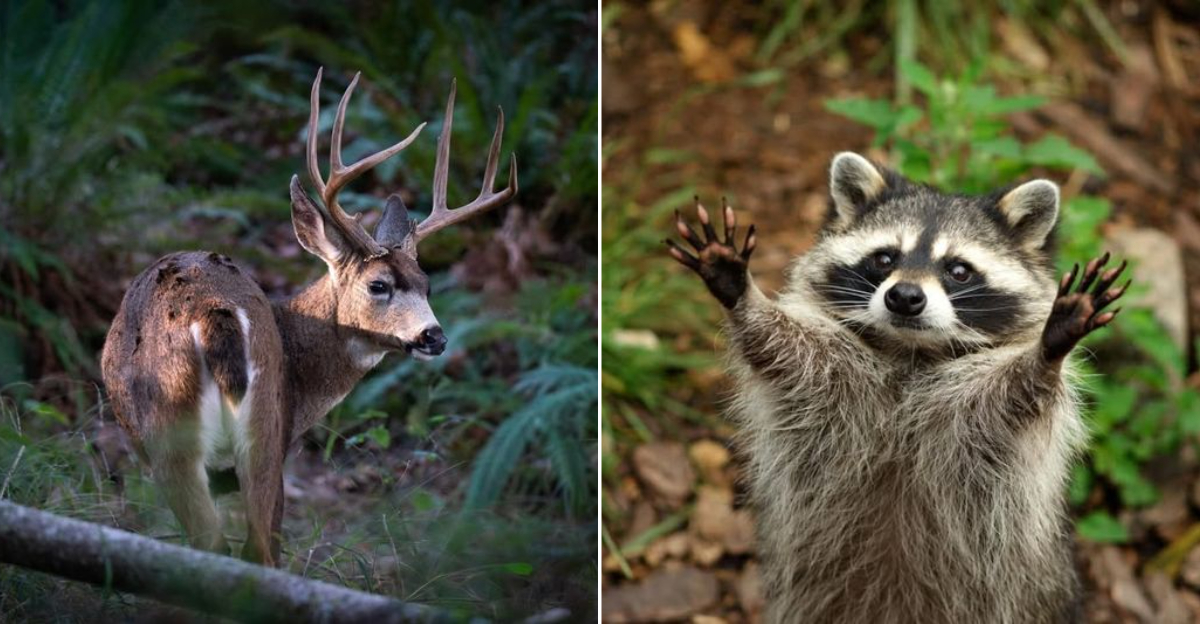
3. Raccoons And Nighttime Yard Visits

If you hear something knocking over your garbage can at two in the morning, it’s probably a raccoon.
These masked bandits are one of the most intelligent and adaptable animals in North America, and Western Oregon’s mild winters make it easy for them to thrive in suburban neighborhoods.
They’re nocturnal, so you’ll rarely see them during the day unless they’re a nursing mother grabbing a quick snack.
Raccoons have nimble, human-like hands that can open latches, unscrew lids, and pull apart compost bins with surprising skill. They’re omnivores, eating everything from insects and frogs to fruit, pet food, and leftover pizza.
In your yard, they’re likely hunting for grubs in the lawn, raiding the compost, or checking under your deck for a cozy den site.
Despite their reputation as pests, raccoons play an important role by eating large quantities of insects, rodents, and carrion. They’re also surprisingly clean animals, often washing their food in water before eating.
To avoid conflicts, secure trash cans with bungee cords, bring pet food indoors at night, and close off crawl spaces under porches. If you spot one in your yard, give it space and let it move on naturally—they’re just passing through on their nightly rounds.
4. Deer And Their Seasonal Feeding Patterns
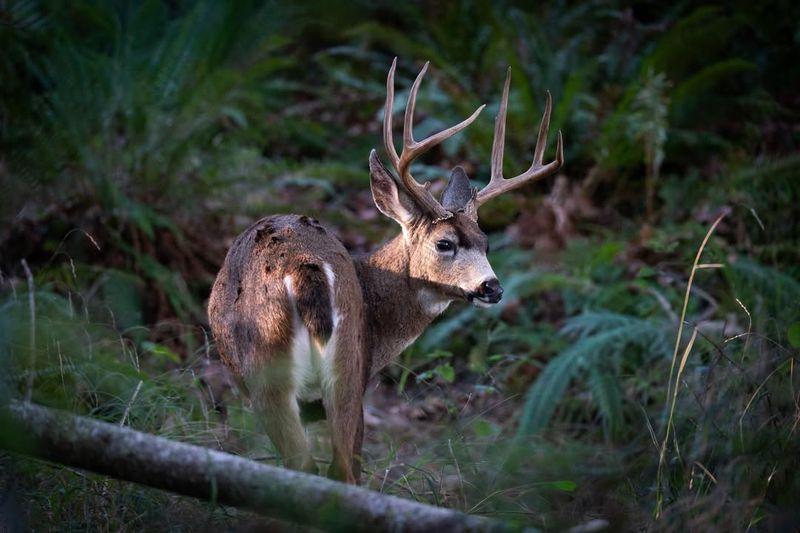
Black-tailed deer are graceful, quiet, and surprisingly bold when it comes to raiding your garden. In Western Oregon, they’re a common sight in both rural and suburban yards, especially during early morning and late evening hours.
What you’re seeing is a carefully timed feeding strategy that shifts with the seasons and available food sources.
In spring and summer, deer browse on fresh green shoots, flowers, and vegetable gardens, which can be frustrating if you’ve just planted tomatoes or roses. During fall, they shift toward acorns, berries, and fallen fruit to build fat reserves before winter.
In the coldest months, they’ll eat bark, twigs, and evergreen foliage when other food is scarce.
Deer are crepuscular, meaning they’re most active at dawn and dusk when predators are less likely to spot them. A single deer can eat up to eight pounds of vegetation per day, so even a small herd can do serious damage overnight.
You’ll notice they prefer certain plants hostas, roses, and fruit trees are deer candy. To protect your garden, use tall fencing, motion-activated sprinklers, or plant deer-resistant species like lavender, rosemary, and Oregon grape.
Understanding their patterns helps you plan around them rather than fighting a losing battle.
5. Rabbits And Garden Browsing Behavior
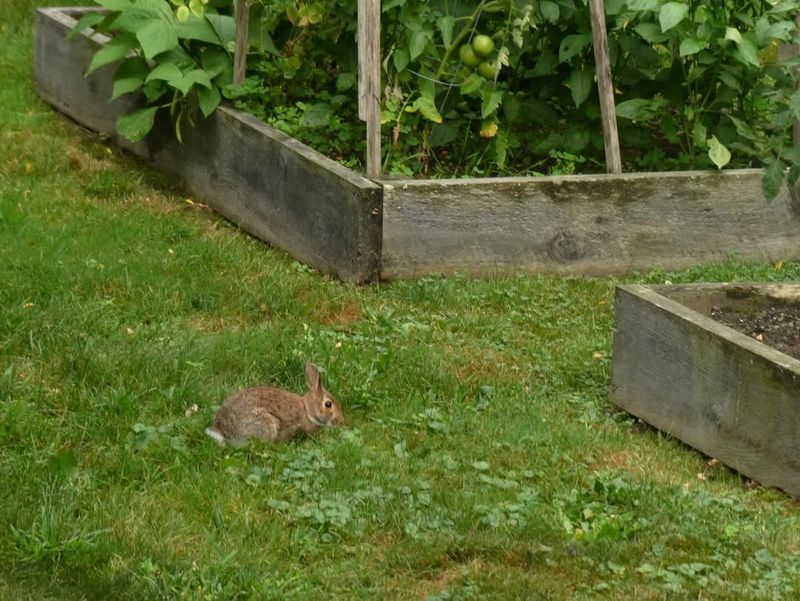
Eastern cottontail rabbits and brush rabbits are both common in Western Oregon yards, and both have a serious appetite for your lettuce, clover, and flower beds.
You’ll usually spot them in the early morning or evening, sitting perfectly still until you get close, then bounding away in a zigzag pattern toward the nearest shrub or wood pile.
Rabbits are herbivores with constantly growing teeth, so they need to chew fibrous plants daily to keep their teeth worn down. In your yard, they’re munching on grass, dandelions, clover, vegetable seedlings, and the tender bark of young trees.
During winter, they’ll shift to eating twigs and bark when greens are harder to find.
What looks like random nibbling is actually selective feeding—they prefer young, tender growth because it’s easier to digest and higher in nutrients. A single rabbit can eat up to a pound of greens per day, and they often return to the same feeding spots night after night.
To live alongside them peacefully, use chicken wire fencing around vegetable beds, wrap young tree trunks with protective guards, and leave wild areas of your yard unmowed so they have natural forage.
Rabbits are prey animals, so they’re naturally skittish and won’t cause trouble if they feel safe and well-fed.
6. Skunks And Their Insect Control Role
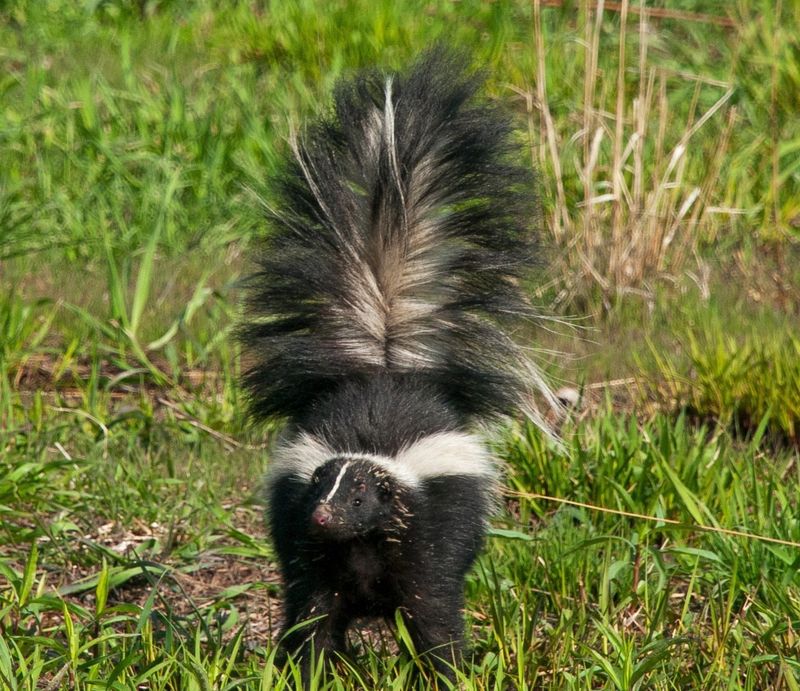
Skunks get a bad reputation, but they’re actually one of the best natural pest controllers you can have in your yard.
Striped skunks are common in Western Oregon, and they’re nocturnal diggers who spend their nights hunting for grubs, beetles, and other insects hiding in your lawn.
Those small, cone-shaped holes you see in the grass each morning? That’s skunk work.
Skunks have a powerful sense of smell and use their long claws to dig up soil and flip over rocks, logs, and mulch in search of food. They eat huge quantities of lawn grubs, which are the larvae of beetles and can damage grass roots if left unchecked.
They also eat mice, snails, and fallen fruit, making them surprisingly helpful neighbors.
Despite their famous defense spray, skunks are gentle and non-aggressive. They only spray when they feel cornered or threatened, and they’ll give you plenty of warning first stamping their feet, hissing, and raising their tail.
If you see one in your yard, just back away slowly and let it finish its work.
To avoid unwanted digging, reduce grub populations by watering less frequently and using beneficial nematodes. Keep garbage secured and avoid leaving pet food outside.
If a skunk takes up residence under your deck, wait until babies are grown, then gently encourage them to leave by placing ammonia-soaked rags near the entrance.
7. Possums And Cleanup Duty After Dark

Virginia opossums are North America’s only marsupial, and they’re surprisingly common in Western Oregon backyards even though they’re not native to the region.
They’re nocturnal scavengers with a slow, shuffling gait and a long, hairless tail that makes them look a bit prehistoric.
What they lack in speed, they make up for in usefulness.
Opossums are nature’s cleanup crew, eating ticks, slugs, snails, fallen fruit, carrion, and just about anything else they can find. A single opossum can eat thousands of ticks in a season, which helps reduce the spread of Lyme disease.
They also eat rats, mice, and insects, making them excellent pest controllers that work entirely for free.
Despite their somewhat scraggly appearance, opossums are gentle, non-aggressive animals with poor eyesight and even worse defense skills. When threatened, they may hiss, drool, or famously “play dead,” entering a catatonic state that can last for hours.
They’re not dangerous to pets or people and rarely carry rabies due to their low body temperature.
If you see one in your yard, consider yourself lucky—they’re doing valuable work. Provide a safe environment by keeping brush piles and leaving overripe fruit on the ground for them to clean up.
They’re transient animals and won’t stay long, so enjoy the visit while it lasts.
8. Coyotes And Why You Hear Them More Than You See Them
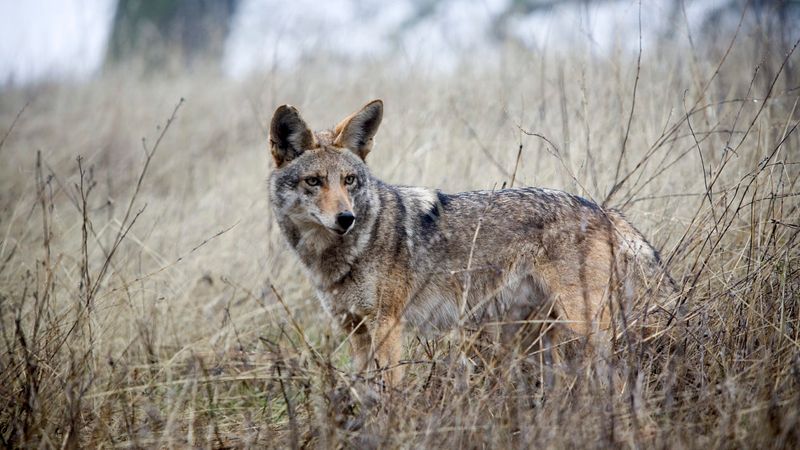
Coyotes are expanding their range across Western Oregon, and you’ve probably heard their haunting yips and howls echoing through the neighborhood late at night.
These vocalizations aren’t random they’re communication tools used to locate pack members, announce territory, and coordinate hunts.
Hearing them means they’re nearby, but seeing one is much less common because coyotes are naturally wary of humans.
In your yard, coyotes are hunting for small mammals like voles, rabbits, and mice, as well as eating berries, insects, and occasionally pet food left outside. They’re most active at dawn and dusk, moving quickly and quietly through open spaces.
If you have a small dog or outdoor cat, coyotes may see them as prey, especially during pupping season in spring when adults are feeding hungry pups.
Coyotes play an important ecological role by controlling rodent populations and scavenging carrion. They’re intelligent, adaptable, and incredibly resourceful, which is why they’ve thrived in suburban areas across the Pacific Northwest.
To coexist safely, never leave pets outside unattended, especially at night. Bring pet food indoors, secure garbage, and remove attractants like fallen fruit.
If you encounter a coyote, make yourself large, yell, and wave your arms—this technique, called hazing, teaches them to fear humans and keeps everyone safer.
9. Frogs And Toads In Moist Oregon Yards
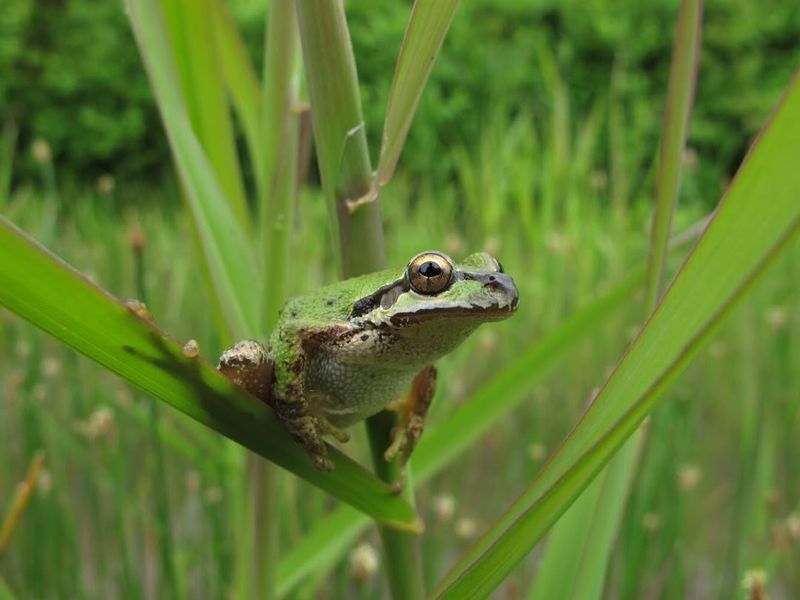
Western Oregon’s damp climate is perfect for amphibians, and if you have a pond, birdbath, or even just a shady corner with leaf litter, you’ve probably got frogs or toads living nearby.
Pacific tree frogs are the most common species you’ll hear, those loud, ribbit-style calls echoing through spring and summer nights are almost always tree frogs, even though they’re only about the size of your thumb.
Frogs and toads are insectivores, eating mosquitoes, flies, slugs, and other garden pests. They hunt by sitting still and waiting for movement, then snapping up prey with their sticky tongues in a fraction of a second.
During breeding season, males call loudly to attract females, and you’ll often see them gathered around water sources where they lay eggs in jelly-like clusters.
Toads, like the Western toad, are more terrestrial and spend most of their time on land, hiding under rocks, logs, and garden debris during the day. Both frogs and toads need moisture to survive because they breathe partially through their skin.
To support them, avoid using pesticides, provide shallow water sources, and leave natural hiding spots like rock piles and logs.
If you hear them calling at night, take it as a sign that your yard is healthy and thriving they’re excellent indicators of a balanced ecosystem.