Why Some Hummingbirds Stay In Oregon Through Winter
When winter rolls into Oregon, most of us assume the hummingbirds packed their bags and headed south. Cold mornings, frosty windows, gray skies it doesn’t exactly feel like hummingbird weather.
And yet, every year, some people glance outside and do a double take. There it is.
A tiny blur of wings hovering at a feeder in the middle of winter.
It feels surprising, almost unreal. How does something so small handle the cold?
Shouldn’t they all be long gone by now? That moment of spotting one in January or February usually comes with a mix of excitement and confusion and maybe a quick text to a friend just to confirm you’re not imagining it.
The truth is, not all hummingbirds follow the same rules. Some have learned that Oregon’s winters, while chilly, still offer enough food and shelter to stick around.
With backyard feeders, winter-blooming plants, and milder coastal and valley temperatures, a few brave birds are choosing to stay put.
If you’ve ever wondered why hummingbirds are still visiting your yard when everything else feels asleep, you’re not alone.
There’s a fascinating reason behind it and once you know, those winter sightings become even more special.
1. The Hummingbirds You’re Most Likely To See In Oregon Winters
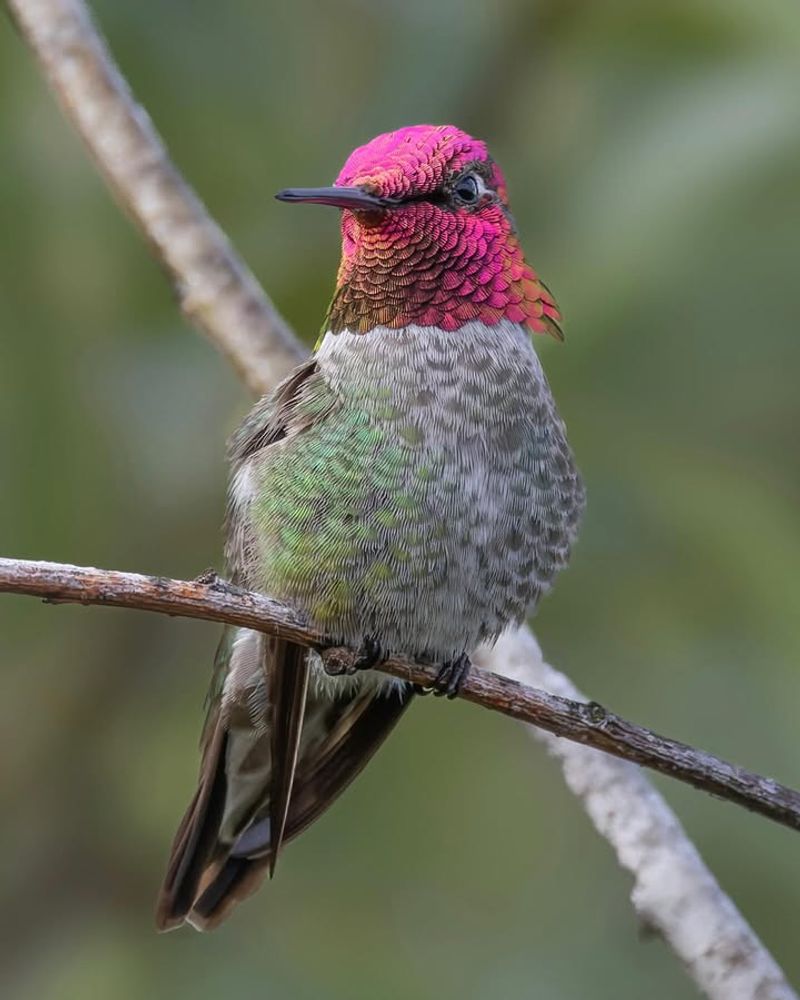
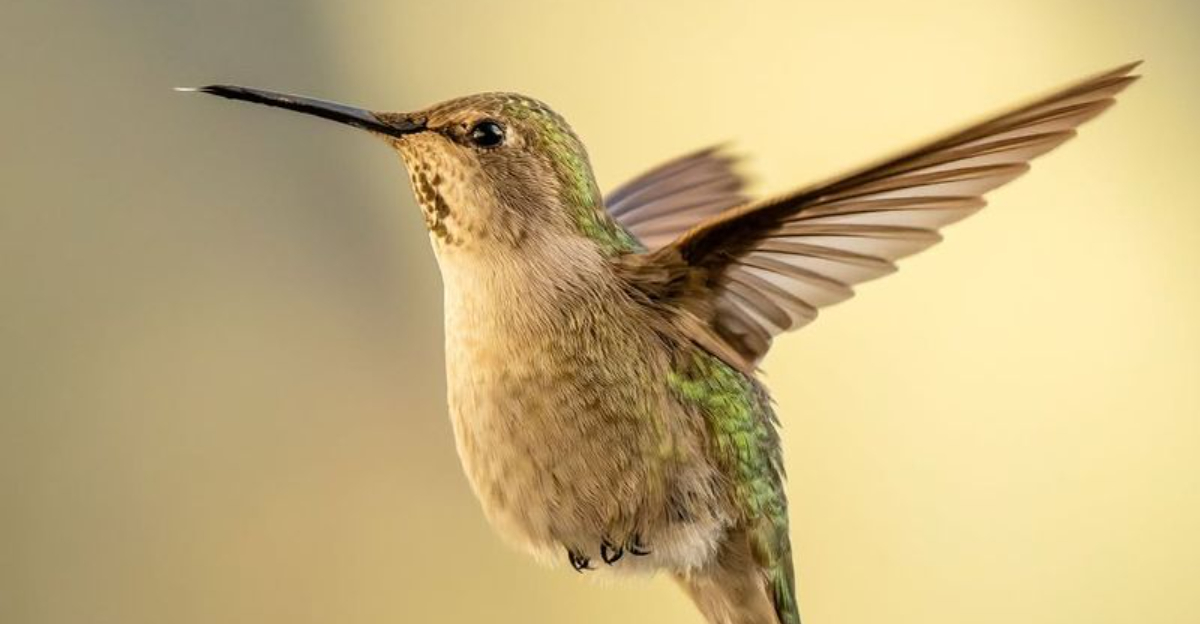
Anna’s Hummingbirds are the stars of Oregon’s winter bird scene, and you’ll recognize them by the males’ brilliant magenta heads that catch morning light even on the dreariest days.
These year-round residents have become increasingly common across the Willamette Valley and coastal regions, often claiming territory around feeders and flowering shrubs throughout December and January.
Rufous Hummingbirds occasionally linger too, especially along the southern coast, though most head to Mexico before winter truly sets in.
Your backyard may host the same Anna’s male all season long, defending his favorite feeder with fierce chirps and dramatic dive displays that sound like a sharp whistle cutting through cold air.
Females are quieter and less flashy, sporting greenish backs and speckled throats, but they’re just as determined to protect their food sources from rivals and curious chickadees.
Both sexes have adapted remarkably well to Oregon’s urban and suburban landscapes, where native plants and supplemental feeders provide reliable energy sources.
Spotting these birds in winter feels almost magical because their presence defies what most of us learned about migration in school.
They remind us that nature constantly surprises us, adapting to changes in climate, habitat, and human behavior in ways scientists are still working to fully understand.
2. Why Some Hummingbirds Don’t Migrate South
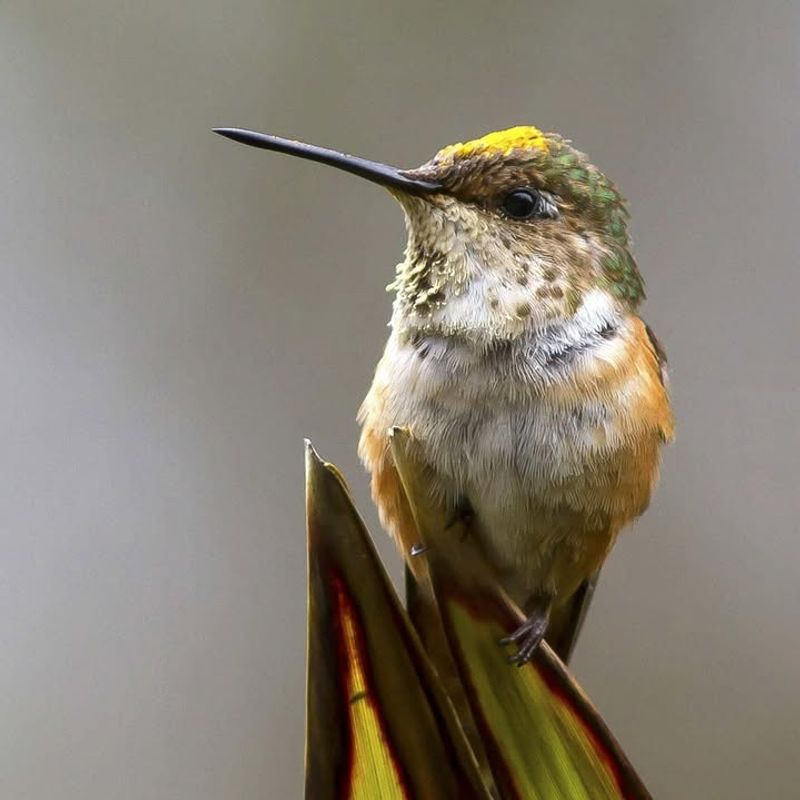
Migration is exhausting and dangerous, requiring hummingbirds to fly hundreds or thousands of miles over mountains, deserts, and open water where predators, storms, and starvation pose constant threats.
Anna’s Hummingbirds evolved in coastal California and Baja, where winters are mild enough that migration never became necessary for survival.
As Oregon’s climate has warmed slightly and urban gardens have proliferated, these non-migratory birds expanded their range northward, finding suitable year-round habitat in places their ancestors never reached.
Your Oregon Garden Changes Every Week. Your Plan Should Too.
Gardening in Oregon changes quickly throughout the season. Every Friday you’ll receive a simple weekly plan showing exactly what to plant, prune, fertilize, harvest, and protect so you never miss the right timing.
Staying put offers real advantages if food and shelter remain available through winter months.
Birds that don’t migrate avoid the energy cost and mortality risk of long-distance travel, allowing them to claim prime breeding territories earlier in spring before migrants return.
Your feeder may be the deciding factor that tips the survival scale in their favor, providing concentrated calories when natural nectar sources dwindle to almost nothing.
Some individual Rufous Hummingbirds also choose to overwinter instead of migrating, though scientists aren’t entirely sure why certain birds break from the migratory norm.
Genetic variation, previous winter survival experience, or abundant local food may all play roles in these decisions, reminding us that bird behavior is far more flexible and individualized than simple instinct-driven programming.
3. How Oregon’s Mild Coastal And Valley Climate Helps Them Survive
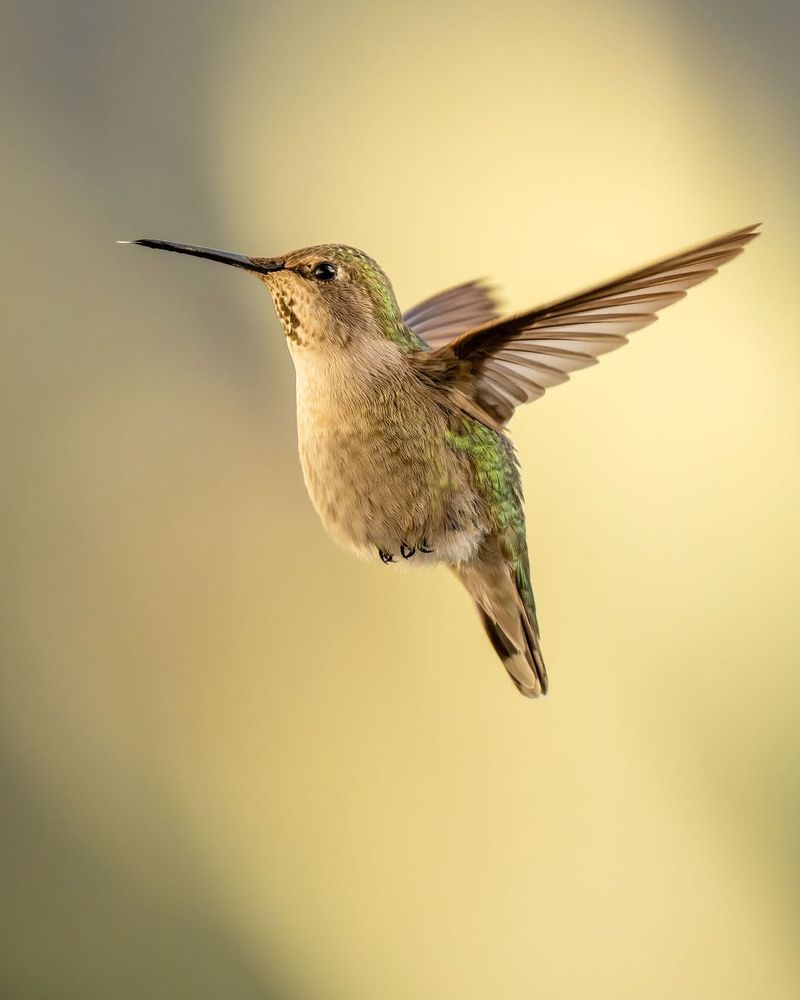
Oregon’s western regions benefit from marine air that moderates winter temperatures, keeping most nights above freezing and many days in the 40s or low 50s even during January and February.
Hummingbirds can survive brief cold snaps by entering a hibernation-like state called torpor, where their metabolism slows dramatically and body temperature drops to conserve energy until morning warmth returns.
Coastal areas and the Willamette Valley rarely experience the prolonged deep freezes that would make torpor too risky or deplete a bird’s fat reserves before spring.
Rain is another Oregon winter trademark, but it doesn’t bother hummingbirds as much as you might think.
Their feathers shed water efficiently, and they can still forage during light drizzle, zipping between sheltered spots under eaves, dense shrubs, and covered feeders.
Wet weather actually benefits them by keeping evergreen plants hydrated and encouraging winter-blooming species like mahonia and flowering currant to produce early nectar.
Mountains east of the Cascades tell a different story entirely, with bitter cold and heavy snow that make hummingbird survival nearly impossible without significant human intervention.
That’s why winter sightings concentrate west of the mountains, where geography and ocean influence create a narrow but vital refuge for these tiny, resilient birds throughout the coldest season.
4. What Winter Food Sources Keep Them Around
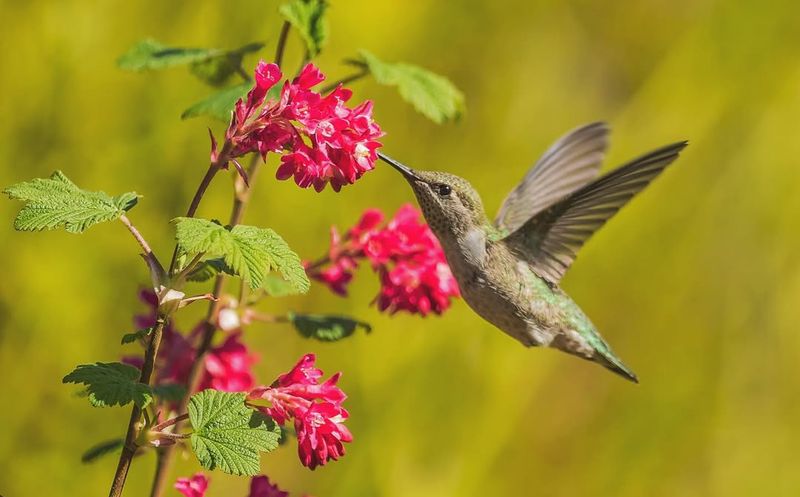
Native plants that bloom during Oregon’s cool season provide critical natural nectar for overwintering hummingbirds, with red-flowering currant, Oregon grape, and manzanita offering early flowers that appear as early as January in milder years.
These shrubs evolved to attract pollinators during the off-season when competition from other blooming plants is minimal, creating a mutually beneficial relationship that supports both plant reproduction and hummingbird survival.
Your yard can become an oasis if you include even a few of these winter-blooming natives in your landscaping.
Insects form another essential food source that many people overlook when thinking about hummingbird diets.
Tiny gnats, spiders, and other invertebrates provide protein and fat that pure nectar cannot supply, and Oregon’s mild winters allow enough insect activity to supplement what birds get from flowers and feeders.
Watch carefully and you’ll sometimes see hummingbirds gleaning insects from bark crevices or snatching them mid-air during brief sunny breaks between rain showers.
Feeders filled with sugar water bridge the gap when natural sources run low, especially during prolonged cold or wet periods when flowers stop producing nectar and insects hide away.
Maintaining clean, fresh feeders throughout winter can literally mean the difference between survival and starvation for individual birds that have staked their entire winter territory around your yard.
5. How Feeders Change Hummingbird Behavior
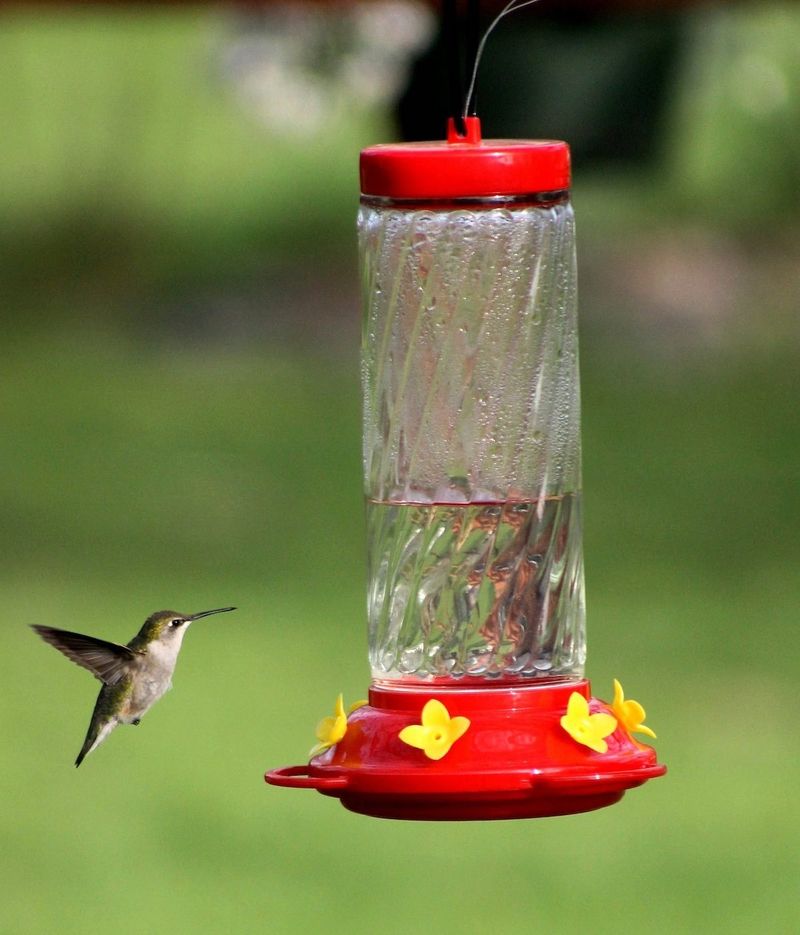
Feeders concentrate food in a small, predictable location, which changes how hummingbirds use energy and defend territory compared to birds that rely solely on scattered natural flowers.
A single well-maintained feeder can support a bird’s entire winter caloric needs within a few square yards, eliminating the need to patrol large areas and allowing more time for rest and torpor during long, cold nights.
Your feeder essentially becomes the center of a bird’s universe, a dependable resource that reduces the uncertainty and energy expenditure of constant foraging.
This reliability can also create dependency, especially if natural food sources fail during unusual weather events like ice storms or early snowfall.
Birds may delay migration or abandon it entirely because feeders provide such easy calories, which works fine as long as humans maintain those feeders consistently through the entire season.
Stopping abruptly in mid-winter can leave birds scrambling to find alternatives when their bodies are already stressed by cold and short daylight hours.
Territorial behavior intensifies around feeders because the resource is so valuable and defensible, leading to dramatic aerial battles and constant vigilance that burns calories but secures survival.
You’ll notice the same male returning hour after hour, perching on a nearby branch between feeding bouts, ready to chase off any intruder that dares approach his winter lifeline.
6. Where Hummingbirds Shelter During Cold Nights
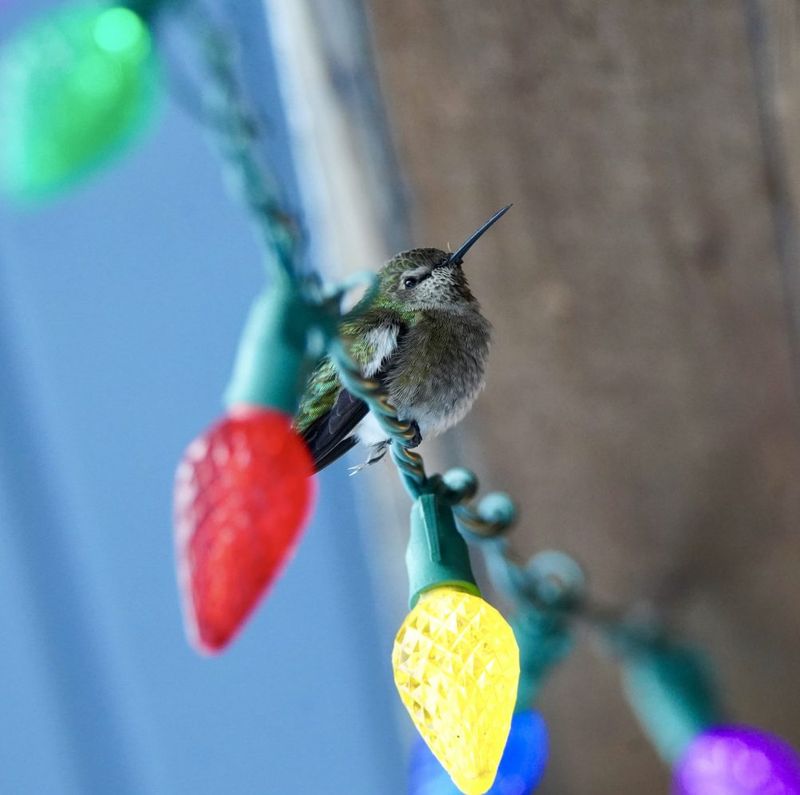
Dense evergreen shrubs, thick ivy tangles, and the protected undersides of building eaves provide critical nighttime shelter where hummingbirds enter torpor to survive temperatures that would otherwise kill them within hours.
During torpor, their heart rate drops from over 1,000 beats per minute to as low as 50, and body temperature falls from around 107 degrees to near ambient air temperature, creating a state that looks almost like death until sunrise triggers their slow reawakening.
This physiological trick allows them to burn minimal fat reserves overnight, stretching limited food supplies across the long winter season.
Your yard’s structure matters more than you might realize when it comes to providing safe shelter options.
Mature conifers, especially those with low, dense branches, create natural roosting pockets that block wind and trap slightly warmer air around a torpid bird’s body.
Man-made structures work too garages, covered porches, and even Christmas lights strung under eaves can provide just enough warmth and protection to help a bird make it through the coldest nights.
Hummingbirds carefully choose shelter sites with escape routes in mind, avoiding spots where predators like cats or owls could trap them against walls or in tight corners.
Watching where your resident bird disappears at dusk can reveal its chosen roost, a secret spot it returns to night after night throughout the winter months.
7. What Homeowners Can Do to Help Them Safely
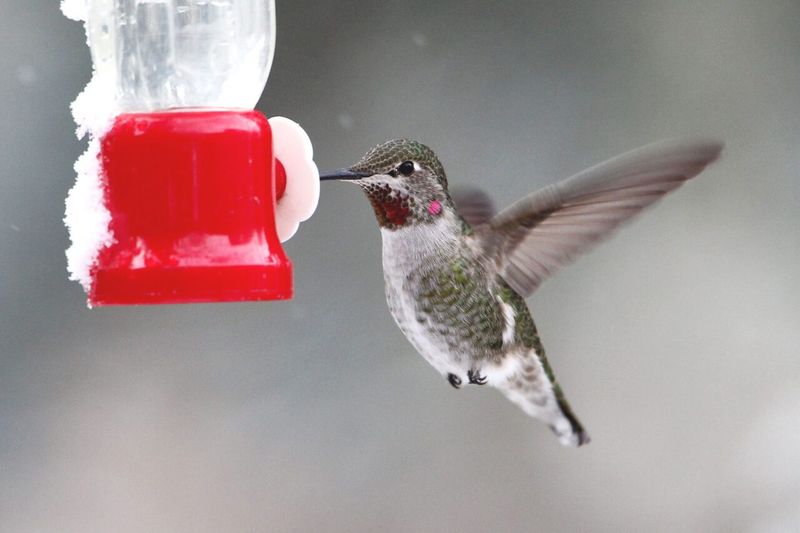
Keeping at least one feeder available and ice-free throughout winter is the single most helpful action you can take, using a 4-to-1 ratio of water to white sugar with no dyes, honey, or artificial sweeteners that can harm birds.
Change the solution every three to five days even in cold weather because mold and bacteria can still grow, and clean feeders with hot water and a bottle brush to prevent disease transmission.
Bringing feeders inside overnight and rehanging them at first light prevents freezing and ensures birds have immediate access to calories when they emerge from torpor and desperately need energy.
Planting winter-blooming natives creates long-term habitat that reduces dependency on feeders while supporting the entire ecosystem of insects, birds, and pollinators that make Oregon’s winter gardens come alive.
Red-flowering currant, Oregon grape, and winter-blooming heather all provide nectar during the coldest months, giving hummingbirds natural options that don’t require your daily maintenance.
Even a small yard can accommodate a few of these shrubs in borders or containers.
Keeping cats indoors protects not just hummingbirds but all the small birds that struggle through winter when energy reserves are low and escape reflexes are slowed by cold.
Your awareness and small actions can make your yard a genuine sanctuary where these remarkable birds safely wait out winter’s challenges.
8. When Winter Hummingbirds Finally Move On
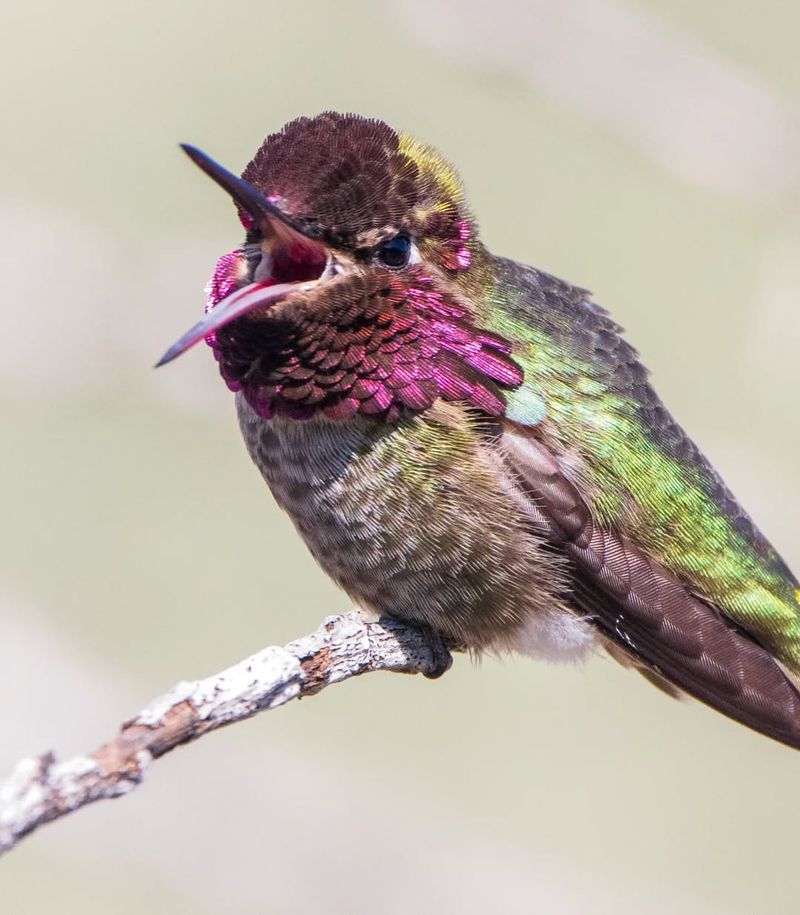
Anna’s Hummingbirds don’t really move on at all because they’re year-round residents that transition seamlessly from winter survival mode into spring breeding season, with males beginning their spectacular courtship dives as early as late January when daylight starts increasing noticeably.
Females begin nest-building in February or March, often in the same yards where they spent winter, using spider silk, lichen, and plant down to construct tiny cups barely bigger than a walnut half.
Your winter visitor may become your spring neighbor, raising babies just a few yards from the feeder that kept her alive through December’s cold and rain.
Rufous Hummingbirds that overwinter instead of migrating typically depart in March or April, heading north toward breeding grounds in the Pacific Northwest mountains and even into Alaska, reversing the migration pattern that brought their relatives south in fall.
These birds follow a complex loop migration, moving up the coast in spring and returning south through interior mountain ranges in late summer, a strategy that takes advantage of flowering patterns across different elevations and regions.
Watching your winter hummingbirds transition into spring brings a special satisfaction because you know your efforts helped them survive the toughest season, giving them a chance to breed, migrate, or simply continue thriving in the place they’ve claimed as home year-round.