These 9 Plants Thrive In Coastal Oregon’s Wind And Salt Air
Living along the Oregon coast comes with some serious perks, fresh air, ocean views, and cooler summers. But when it comes to gardening, that salty breeze and constant wind like to keep things interesting.
One day your plants look fine, and the next they’re leaning, drying out, or acting a little stressed for no obvious reason.
Coastal conditions can get tough. Wind pulls moisture from leaves, salt spray settles on plants, and sandy soils don’t always hold water the way you want them to.
It’s enough to make any gardener question their plant choices. But here’s the good news: some plants actually love this environment.
They’re built for it.
Instead of fighting the elements, successful coastal gardens work with them. When you choose plants that can handle strong breezes and salty air, everything gets easier.
Less replacing, less rescuing, and more time enjoying your outdoor space.
If you’ve ever watched a storm roll in and wondered which plants will survive the season, you’re not alone. Many coastal gardeners face the same challenge.
These plants are well suited for Oregon’s coastal conditions and thrive where others struggle, making them reliable, low-stress choices for windy, salt-air environments.
1. Shore Pine (Pinus contorta var. contorta)
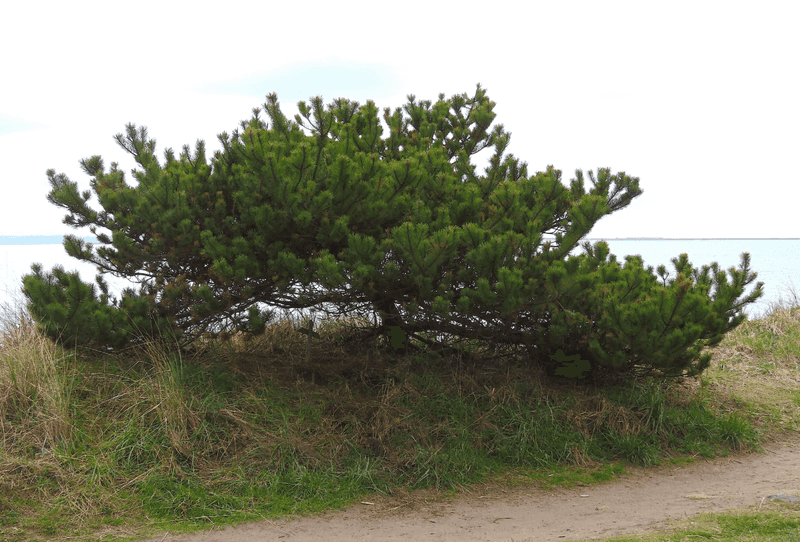
Walk through any coastal neighborhood from Brookings to Astoria and you’ll spot these gnarled, wind-sculpted beauties standing their ground against Pacific gales.
Shore pines grow naturally along the Oregon coast, which means they’re already perfectly adapted to your yard’s challenges.
Their twisted trunks and dense, dark green needles create living sculptures that tell the story of every storm they’ve weathered.
What makes shore pines so tough is their waxy needle coating and flexible branches that bend rather than break when wind howls through. Salt spray doesn’t faze them one bit.
They grow slowly, which actually works in your favor because you won’t be wrestling with an overgrown tree in five years.
Birds love shore pines for nesting, and their cones provide food for squirrels and other wildlife throughout the year. You’ll appreciate how little maintenance they require once established.
No fertilizing, no fussing, just steady, reliable growth that anchors your landscape. Their root systems help stabilize sandy soil too, which is a real bonus if your property sits on a slope or dune.
2. Evergreen Huckleberry (Vaccinium ovatum)
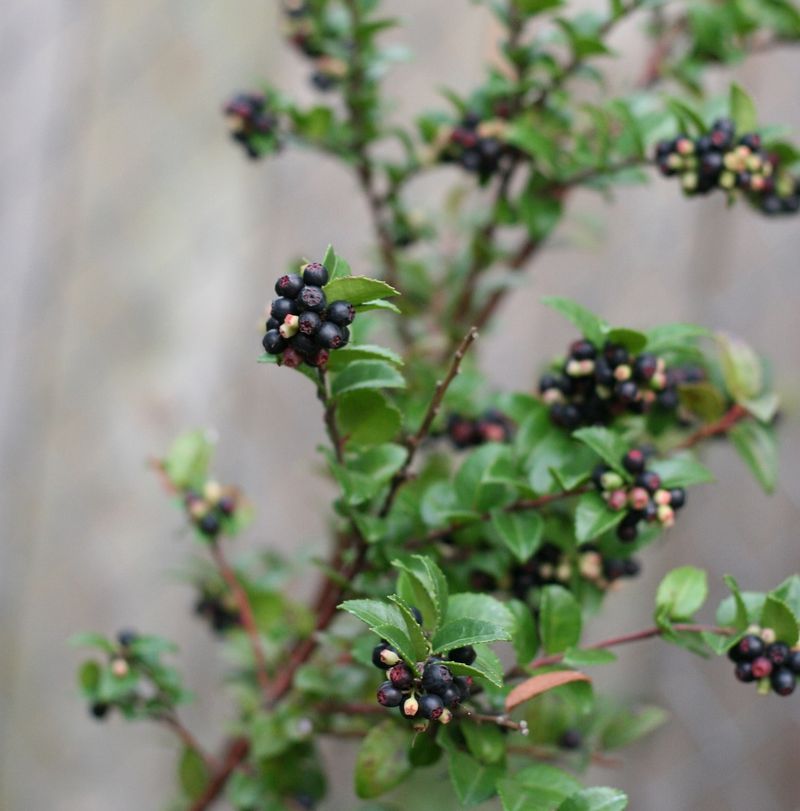
Imagine a shrub that gives you glossy evergreen foliage, delicate spring flowers, and edible berries all while laughing off salt wind. Evergreen huckleberry does exactly that, making it one of the smartest choices for coastal Oregon gardens.
This native shrub typically reaches three to six feet tall and wide, creating a dense, attractive screen that stays green year-round.
The secret to its coastal success lies in those thick, leathery leaves that resist salt damage and hold moisture even when ocean winds try to dry everything out.
Small pinkish-white bell-shaped flowers appear in spring, attracting native bees and other pollinators your garden desperately needs.
Your Oregon Garden Changes Every Week. Your Plan Should Too.
Gardening in Oregon changes quickly throughout the season. Every Friday you’ll receive a simple weekly plan showing exactly what to plant, prune, fertilize, harvest, and protect so you never miss the right timing.
By summer, dark purple berries ripen and trust me, if you can beat the birds to them, they make incredible pies and jams.
Deer usually leave huckleberry alone, which is a huge relief if you’re tired of watching your landscape get nibbled to stubs. Plant it in partial shade with acidic soil and it’ll reward you with decades of reliable beauty.
The berries feed songbirds, the flowers support pollinators, and you get a gorgeous, low-fuss shrub that actually belongs here.
3. Beach Strawberry (Fragaria chiloensis)
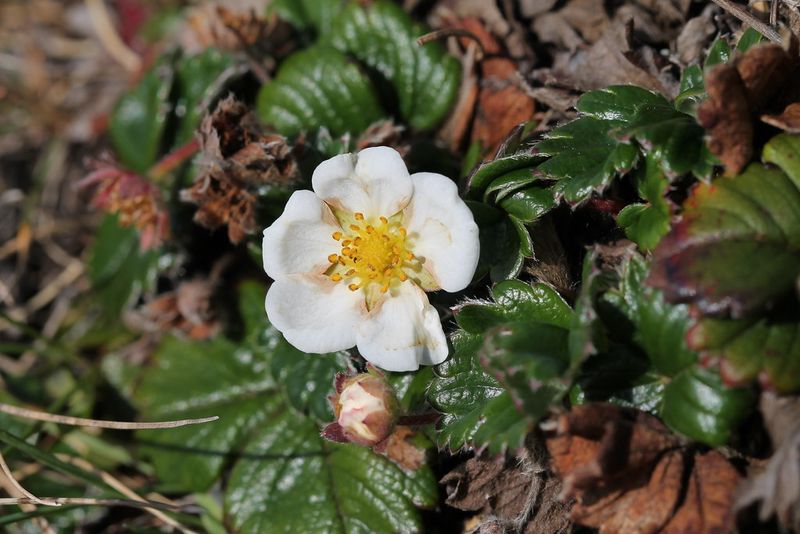
Your lawn might struggle in coastal conditions, but beach strawberry thrives as a tough, beautiful groundcover that handles salt and wind like it was born for the job. Because it was.
This native spreads by runners to form a thick, weed-suppressing mat of glossy green leaves that stay attractive all year long.
White flowers with bright yellow centers bloom from spring into early summer, creating cheerful patches of color that seem to glow against the dark foliage.
Those flowers develop into small, intensely flavored strawberries that taste nothing like grocery store varieties.
Birds, butterflies, and bees all visit beach strawberry regularly, making your yard a wildlife hub without any extra effort on your part.
What really sets this plant apart is how well it stabilizes sandy or disturbed soil with its spreading root system. If you’ve got a slope that keeps eroding or a bare patch where nothing else will grow, beach strawberry will fill in and hold things together.
It tolerates foot traffic better than most groundcovers too, so you can plant it along pathways or between stepping stones.
Once established, it needs almost no water and zero fertilizer, which means more time enjoying your coastal garden and less time working in it.
4. Red-Flowering Currant (Ribes sanguineum)
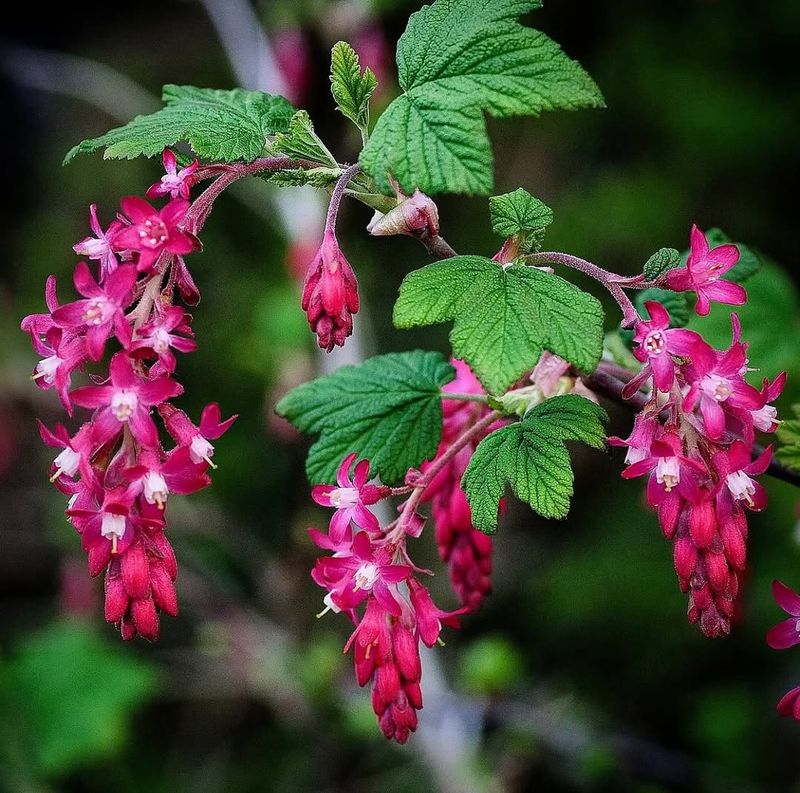
When February and March arrive and most of your garden still looks half asleep, red-flowering currant explodes with drooping clusters of hot pink to deep red flowers that stop traffic.
Hummingbirds arrive almost immediately, hovering and darting through the blooms like tiny helicopters refueling after their long migration.
This deciduous shrub grows six to ten feet tall and wide, creating a substantial presence without overwhelming smaller yards.
Coastal winds don’t bother red-flowering currant at all, and salt spray barely registers on its radar. The leaves emerge fresh green after flowering, providing a soft backdrop for other plants throughout summer.
By fall, small blue-black berries appear and birds devour them within days. The bare winter branches have an attractive reddish tint that adds subtle color even in the dormant season.
Oregon State University Extension recommends this native for coastal gardens specifically because it supports so much wildlife while requiring virtually no care.
You don’t need to water it once established, prune it unless you want to control size, or worry about pests and diseases.
Plant it where you can watch hummingbirds from your window and you’ll never regret giving this hardworking native a spot in your landscape.
5. Pacific Wax Myrtle (Morella californica)
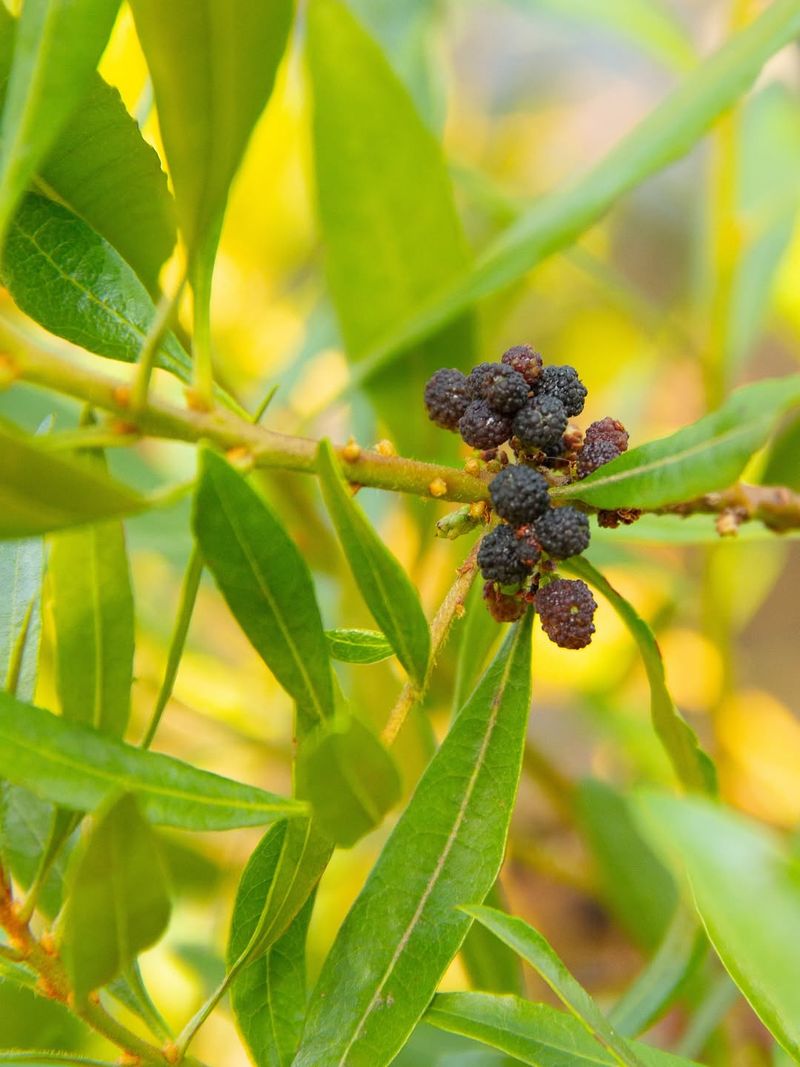
If you need a serious windbreak or privacy screen that can handle whatever the Pacific throws at it, Pacific wax myrtle is your answer.
This evergreen native grows fifteen to twenty-five feet tall and forms a dense, upright column of glossy, aromatic leaves that smell wonderful when you brush against them.
The foliage stays dark green year-round, creating a solid visual barrier that blocks wind, salt spray, and nosy neighbors with equal efficiency.
Wax myrtle’s secret weapon is its ability to fix nitrogen in the soil, which means it actually improves the ground around it while growing in poor, sandy conditions that would starve other plants.
The waxy coating on its leaves sheds salt spray and holds moisture, letting it thrive right in the teeth of coastal winds.
Small grayish berries appear on female plants and songbirds absolutely love them, stripping the branches clean by late winter.
You can prune wax myrtle into a formal hedge or let it grow naturally into a loose screen, depending on your style. Either way, it requires almost no maintenance once its roots establish.
Deer don’t eat it, diseases don’t touch it, and it keeps looking good decade after decade without fertilizer or fussing.
6. Sitka Spruce (Picea sitchensis)
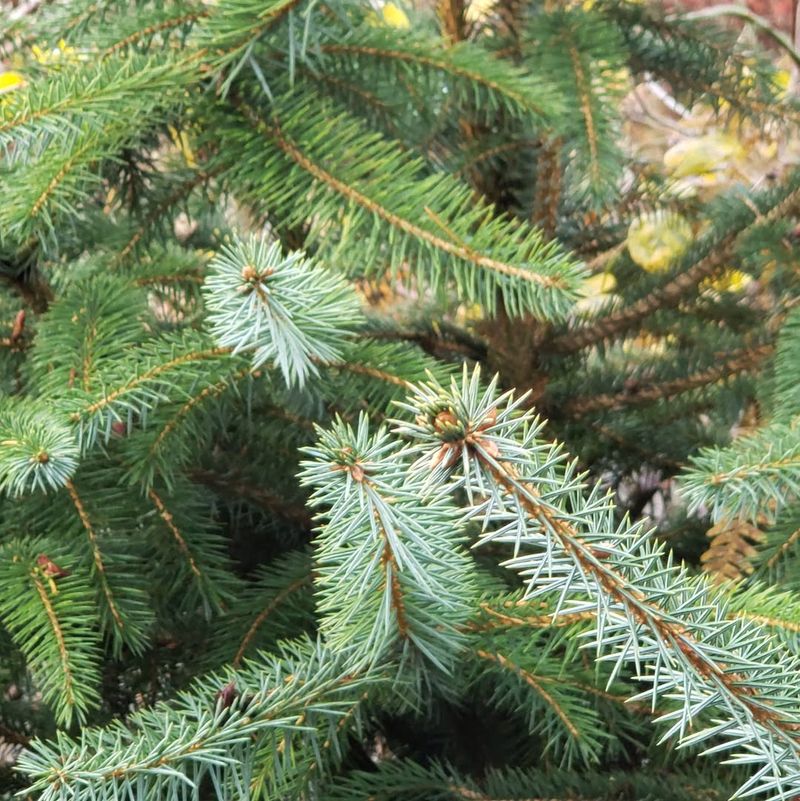
Stand beneath a mature Sitka spruce and you’ll understand why these giants dominate Oregon’s coastal forests.
In home landscapes, young Sitka spruces bring that same majestic presence on a more manageable scale, especially if you have space for a proper shade tree.
Their pyramidal shape and blue-green needles create a striking focal point that tells everyone your garden respects and reflects the natural coastal ecosystem.
Sitka spruce evolved specifically for coastal conditions, which makes them incredibly tolerant of salt spray and constant wind. Their flexible branches sway and bend rather than snapping during winter storms.
The shallow but extensive root system spreads wide to anchor the tree in sandy or rocky soil where other species would topple.
Sharp needles deter deer from browsing, and the dense branching provides excellent nesting sites for songbirds.
These trees grow faster than shore pines, adding one to two feet per year when young, so you’ll see real progress in your lifetime.
They do need room to spread, so plant them at least fifteen feet from buildings and power lines.
Once established, Sitka spruce needs zero supplemental water and thrives on neglect. Their presence connects your yard to the coastal forest ecosystem, supporting native wildlife while creating a living landmark that will outlive you by centuries.
7. Nootka Rose (Rosa nutkana)
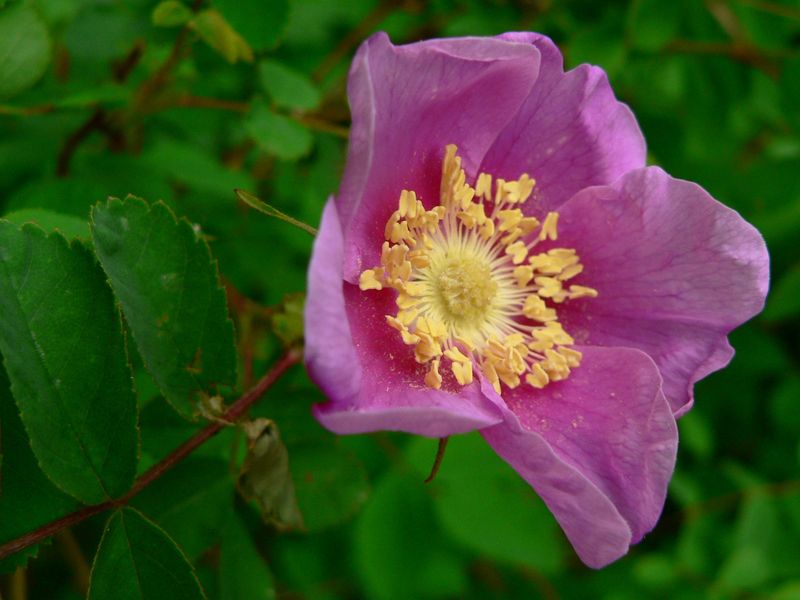
Forget fussy hybrid tea roses that sulk and die in coastal gardens. Nootka rose is a tough native that blooms cheerfully despite salt wind and sandy soil, rewarding you with fragrant pink flowers from late spring through early summer.
This deciduous shrub grows four to six feet tall with an upright, somewhat open habit that fits beautifully into informal cottage-style landscapes.
Each flower features five simple petals surrounding a cluster of golden stamens, and the fragrance is pure, sweet rose without any of the cloying heaviness of hybrid varieties.
After the petals drop, bright red rose hips develop and persist through fall and winter, providing crucial food for birds when other sources grow scarce.
The hips are also edible for humans and packed with vitamin C, making them perfect for teas and jellies.
Thorny stems discourage deer and create secure nesting sites for small birds who appreciate the protection. Nootka rose tolerates salt spray, wind, poor soil, and drought once established, which makes it ridiculously easy to grow.
You don’t need to spray for diseases, deadhead spent blooms, or worry about winter protection. Just plant it, step back, and watch it become a reliable, beautiful part of your coastal landscape that supports wildlife year-round.
8. Sea Thrift (Armeria maritima)

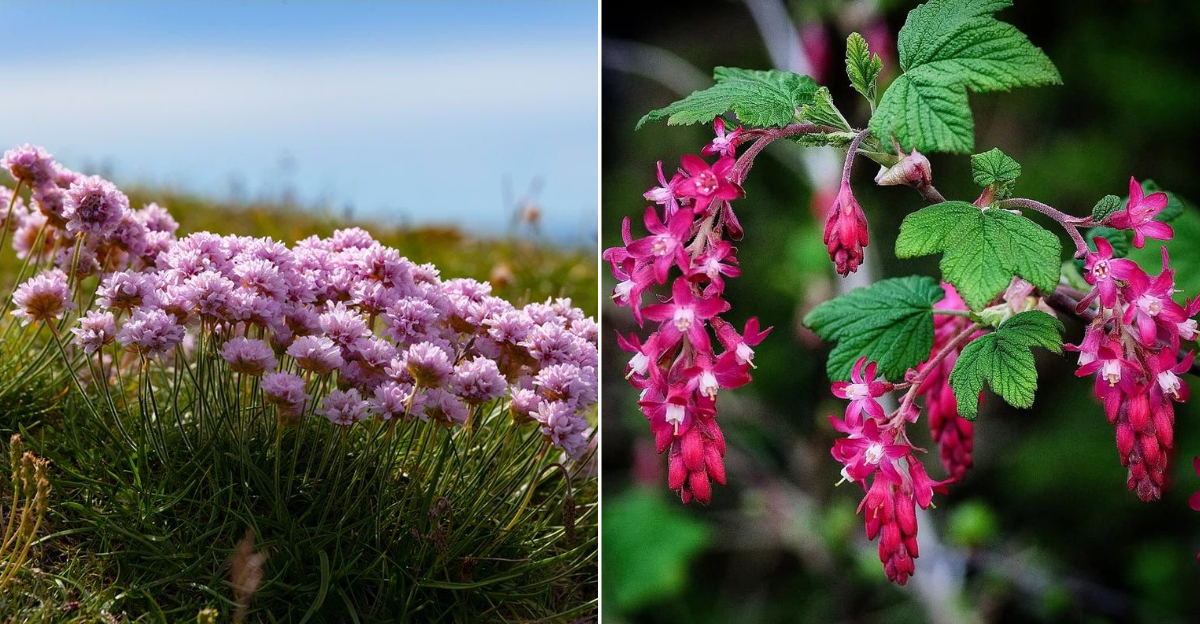
Picture tight clumps of grassy evergreen foliage topped with cheerful pom-pom flowers in shades of pink, and you’ve got sea thrift.
This tough little perennial grows naturally on coastal cliffs and rocky outcrops throughout the Northern Hemisphere, which tells you everything you need to know about its ability to handle harsh conditions.
In your garden, it forms neat six-to-eight-inch mounds that work perfectly along pathways, in rock gardens, or tucked into cracks in retaining walls.
Sea thrift blooms from late spring through summer, sending up slender stems topped with globe-shaped flower clusters that butterflies and native bees adore. The flowers hold up remarkably well in wind and salt spray, keeping their color for weeks.
Even when not blooming, the dense tufts of narrow leaves stay attractive and evergreen, providing year-round structure in your planting beds.
What makes sea thrift especially valuable is how well it grows in sandy, poor soil with excellent drainage. It actually performs better when you don’t fertilize or fuss over it.
Once established, it tolerates drought, salt, wind, and neglect with equal grace. Use it to edge paths, fill gaps in rock walls, or plant in drifts for a naturalistic meadow effect that looks completely at home in the coastal landscape.
9. Dune Grass (Elymus mollis)
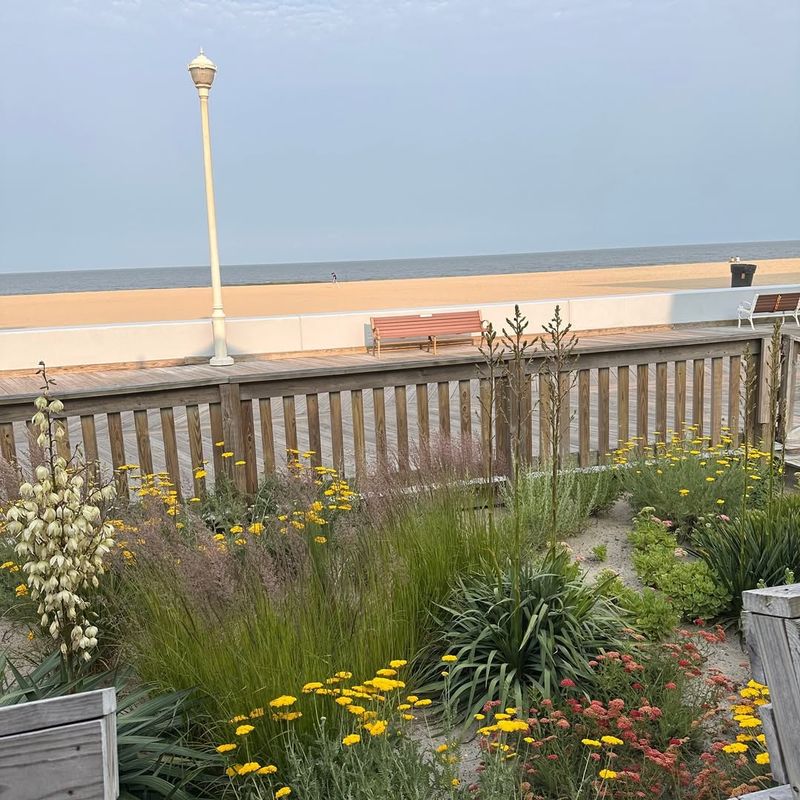
Some plants just look like they belong near the ocean, and dune grass is definitely one of them. This native perennial grass grows two to four feet tall with broad, blue-green blades that ripple and wave in coastal breezes like living sculpture.
If you’ve ever walked Oregon beaches, you’ve seen dune grass anchoring sand dunes and stabilizing fragile coastal areas, and it can do the same protective work in your yard.
The extensive root system spreads horizontally underground, sending up new shoots to form dense colonies that hold soil in place even during winter storms.
Those roots can extend several feet deep, finding moisture and stability in loose sand where other plants would wash away.
Salt spray and wind don’t just fail to harm dune grass, they actually make it thrive because those are exactly the conditions it evolved to dominate.
Oregon coastal restoration projects rely heavily on dune grass to stabilize disturbed areas, which should tell you how tough and reliable this plant is.
In home landscapes, use it on slopes, along property edges, or anywhere you need erosion control with minimal maintenance.
It needs zero fertilizer, tolerates poor soil, and spreads to fill space without becoming invasive. The movement and texture it adds to your garden creates a genuine coastal feel that honors the landscape you call home.