Why Oregon Backyards Are Important For Bird Migration
When you think about bird migration, it’s easy to picture wide-open forests, wetlands, and remote wildlife areas. But some of the most important stops along the way are much closer to home.
In Oregon, everyday backyards are playing a bigger role in migration than most people realize.
Each spring and fall, thousands of birds pass through the state looking for food, water, and safe places to rest. Long flights take a lot of energy, and even small pockets of shelter can make a difference.
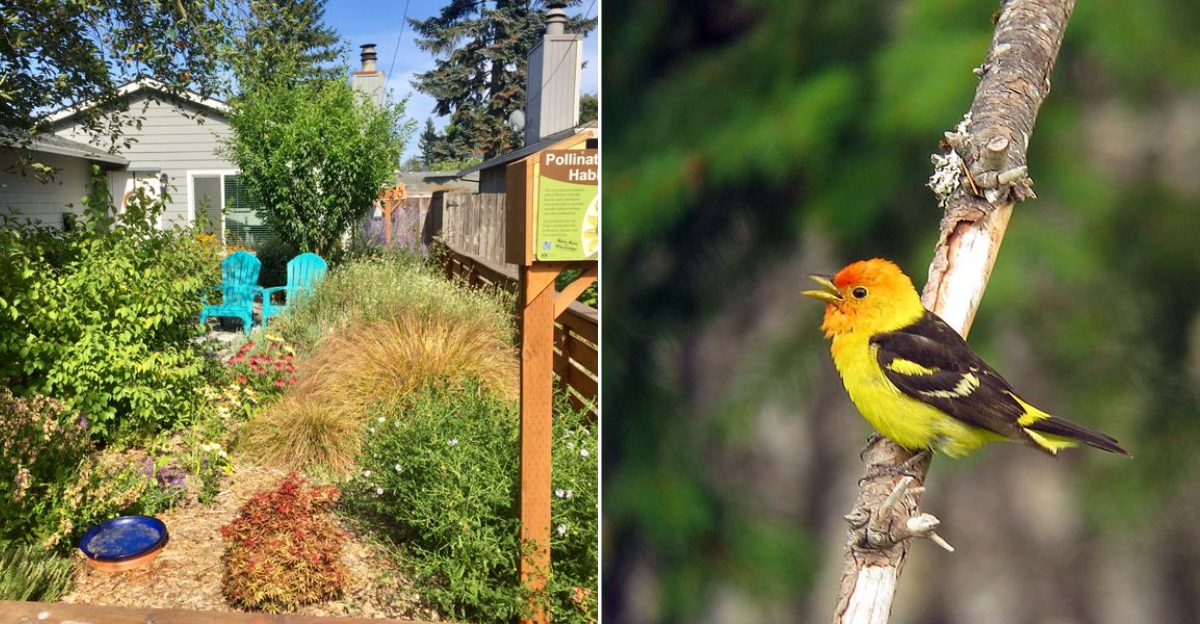
A backyard with native plants, feeders, trees, or even a shallow water source can become a much-needed break spot for tired travelers.
What makes this especially meaningful is how connected it feels. You don’t need acres of land to help.
A single yard can offer seeds, insects, berries, or cover from predators. Those small contributions add up when many homeowners participate.
If you’ve ever spotted unfamiliar birds during certain times of year and wondered where they came from, you’ve probably witnessed migration in action. Oregon backyards are part of that journey.
With a few thoughtful choices, your outdoor space can support migrating birds and help keep these incredible seasonal movements alive.
1. How Oregon Sits Right In The Middle Of Major Migration Routes
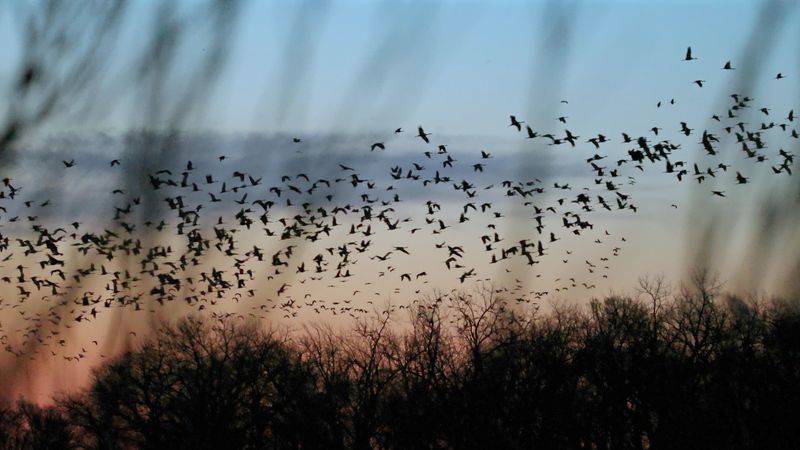
Stand in your yard on a spring morning and look up, you’re standing right under one of the busiest bird highways in North America.
Oregon sits along the Pacific Flyway, a massive route that stretches from Alaska all the way down to South America, and your backyard is part of that ancient corridor.
Geography makes all the difference here. Birds follow the coastline, mountain ranges, and river valleys, and Oregon has all three in spades.
The Willamette Valley funnels songbirds northward each spring, while the coast offers food-rich stopover sites for shorebirds and waterfowl.
Your yard might seem ordinary, but to a Swainson’s Thrush or a Western Tanager, it’s a landmark. Birds don’t just fly nonstop, they need places to rest, eat, and recover, especially after crossing open water or high mountain passes.
Oregon’s position means your space gets used by birds heading to Canadian forests, Arctic tundra, or tropical rainforests.
When you plant a berry bush or leave seed heads standing in fall, you’re not just gardening. You’re maintaining a rest stop on a route that’s been used for thousands of years, and that matters more than most people realize.
2. Why Backyard Habitats Matter More Than You Think
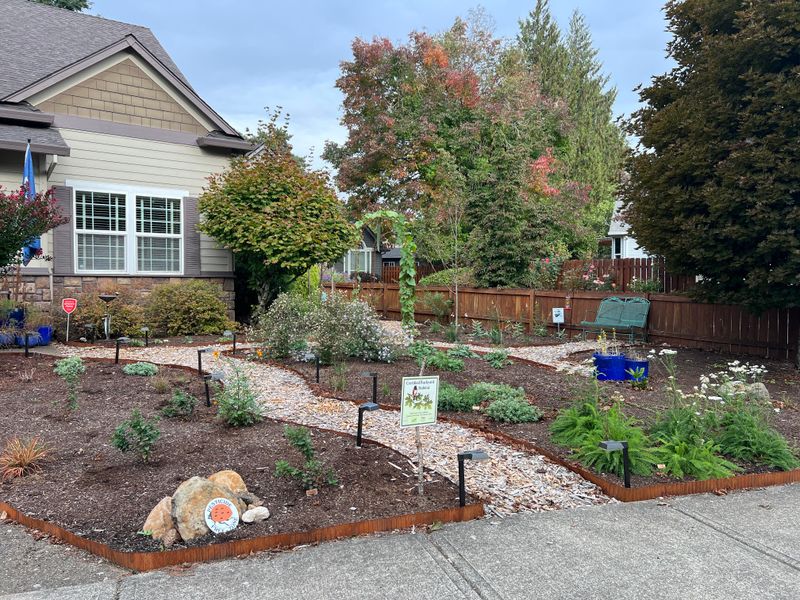
Walk through any Oregon neighborhood and you’ll see something most people don’t notice, a patchwork of tiny habitats that together create something bigger than any single park.
Your yard, your neighbor’s yard, and the one down the street form a network that migrating birds actually depend on.
Natural habitat has been shrinking for decades. Wetlands get drained, meadows turn into parking lots, and forests get fragmented.
Birds that once stopped in wild spaces now find themselves landing in suburban backyards instead, and those yards need to offer what the wild places used to provide.
Your Oregon Garden Changes Every Week. Your Plan Should Too.
Gardening in Oregon changes quickly throughout the season. Every Friday you’ll receive a simple weekly plan showing exactly what to plant, prune, fertilize, harvest, and protect so you never miss the right timing.
A single yard with native plants, water, and shelter can support dozens of species during migration. Multiply that by every backyard in Portland, Eugene, Bend, or Medford, and you’ve got thousands of acres of habitat that didn’t exist before.
Birds don’t care if it’s wild or cultivated—they care if it has food, water, and safety.
Your quarter-acre lot might feel small, but when a Wilson’s Warbler drops in exhausted after a night of flying, your yard becomes the most important place in the world for that bird at that moment.
3. What Migrating Birds Are Looking For When They Stop

Picture yourself running a marathon, except you can’t eat or drink during the race.
That’s what migration feels like for most songbirds they fly all night, burning through fat reserves, and by dawn they’re desperate for food and rest.
Birds aren’t picky about property lines, but they are incredibly picky about what a stopover site offers. They need high-energy food like insects, berries, and seeds.
They need dense cover where they can hide from hawks and house cats. They need water for drinking and bathing, which helps them maintain their feathers for the next leg of the journey.
Your yard gets evaluated fast. A bird lands, looks around, and decides in minutes whether to stay or keep moving.
If your space has a variety of plants at different heights, some water, and places to perch safely, birds will stick around for hours or even days to refuel.
During peak migration in April and May or again in September and October, your yard might host a dozen species in a single morning, each one grabbing what it needs before continuing north or south.
4. Native Plants That Act Like Fuel Stations For Birds
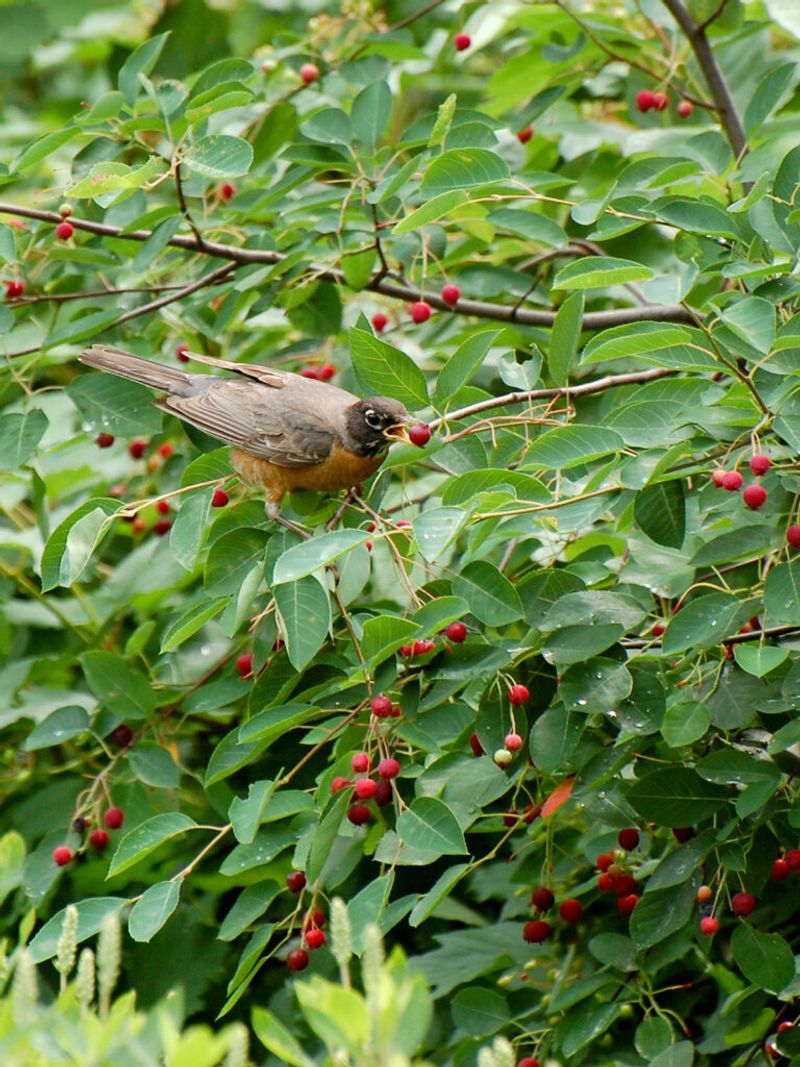
You’ve probably driven past those highway rest stops with vending machines and bathrooms, native plants are basically that, but for birds.
Oregon natives evolved alongside the birds that migrate through here, so they produce food exactly when birds need it most.
Serviceberry bushes fruit in early summer just as birds are heading north with hungry chicks. Red-flowering currant blooms in late winter, offering nectar to early hummingbirds.
Oregon grape produces berries that robins and waxwings devour in fall before heading south.
Native plants also host the insects that birds really need. A single native oak can support over 500 species of caterpillars and other bugs, while most ornamental plants from other continents support almost none.
Warblers, vireos, and flycatchers don’t eat seeds, they need protein, and that means insects.
Planting even a few natives makes your yard more valuable during migration. You don’t need to rip out everything, but swapping a few shrubs or adding a native groundcover can double the number of birds that stop by your place each season.
5. Water Sources That Make A Big Difference
Most people think birdbaths are just decorative, but during migration they’re lifesaving infrastructure.
Birds lose moisture during flight, and they need to drink and bathe regularly to stay healthy and keep their feathers in flying condition.
Oregon’s dry summers mean natural water sources can be scarce, especially east of the Cascades. A simple birdbath or shallow dish refilled daily becomes a beacon for tired migrants.
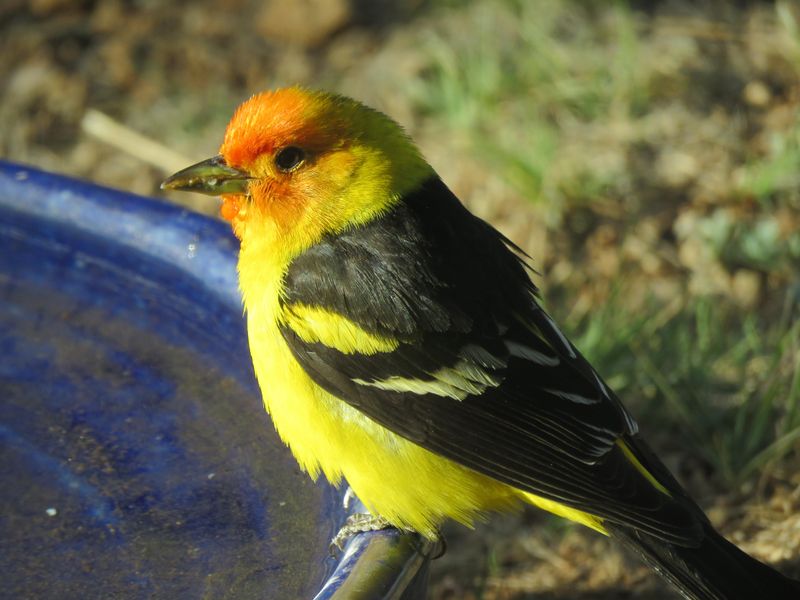
You’ll see warblers, tanagers, and grosbeaks that normally hide in treetops come down for a quick drink.
The best water features are shallow no more than two inches deep, with rough surfaces so birds can grip without slipping. Moving water is even better because birds can hear it from a distance.
A small fountain or dripper turns your birdbath into a magnet during peak migration weeks.
Keep the water clean and change it every couple of days to prevent mosquitoes and disease.
During spring and fall, check your birdbath in the morning and you might find five or six species lined up waiting their turn, each one refueling for the next hundred miles.
6. How Urban And Suburban Yards Fill Critical Gaps
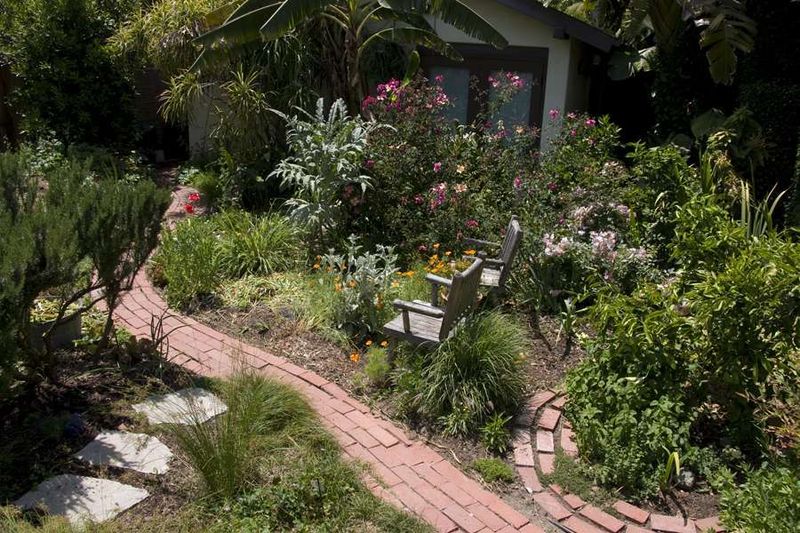
Cities and suburbs might seem like the last place you’d find important bird habitat, but the opposite is often true.
As rural areas get converted to industrial agriculture with pesticides and monocultures, urban yards with diverse plantings become surprisingly valuable.
Oregon’s cities sit right in migration corridors, and birds don’t skip over them, they fly straight through, often at night. When dawn breaks, they need to land somewhere, and a yard with trees, shrubs, and water is far better than a lawn or parking lot.
Suburban neighborhoods can actually support higher bird diversity than some rural areas during migration.
The variety of plants people grow, the water features they install, and the lack of agricultural chemicals create little oases that birds desperately need.
Even downtown Portland yards get used by warblers, thrushes, and flycatchers passing through.
Your urban or suburban lot isn’t second-rate habitat, it’s frontline conservation. Every native shrub you plant and every pesticide you skip makes your yard more valuable to the hundreds of birds that will pass through it twice a year for decades to come.
7. Simple Backyard Changes That Help Migrating Birds
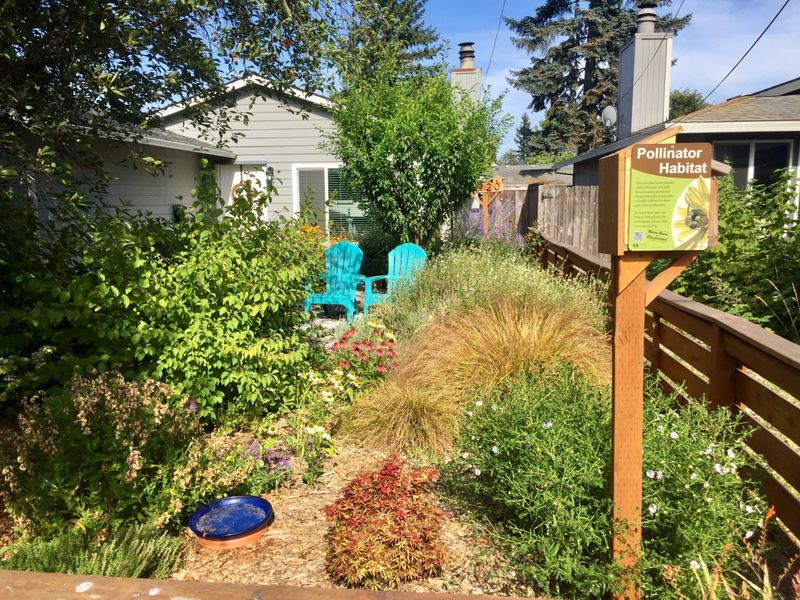
You don’t need to hire a landscaper or spend a fortune to make your yard better for migrants.
Small changes add up fast, and birds respond almost immediately when you give them what they need.
Start by reducing your lawn, even converting a small section to native shrubs or wildflowers creates foraging space. Leave dead trees or large branches standing if they’re safe, because they provide perches and insect habitat.
Skip the pesticides, since migrating birds need caterpillars and beetles to fuel their journey.
Add layers to your yard. Birds use different heights for different purposes, groundcover for foraging, shrubs for shelter, and trees for perching and singing.
A yard with all three layers will host more species than one that’s just grass and a couple of trees.
Keep your windows safe by adding screens, decals, or exterior netting to prevent collisions. Turn off outdoor lights at night during migration season, since artificial light disorients night-flying birds.
These changes cost almost nothing but save lives every single spring and fall when millions of birds pass overhead.
8. What You’ll Notice When Birds Start Using Your Yard
There’s a moment every spring when you step outside with your coffee and realize your yard sounds different.
More songs, more movement, more color flashing through the branches. that’s migration in action, and it’s one of the best parts of living in Oregon.
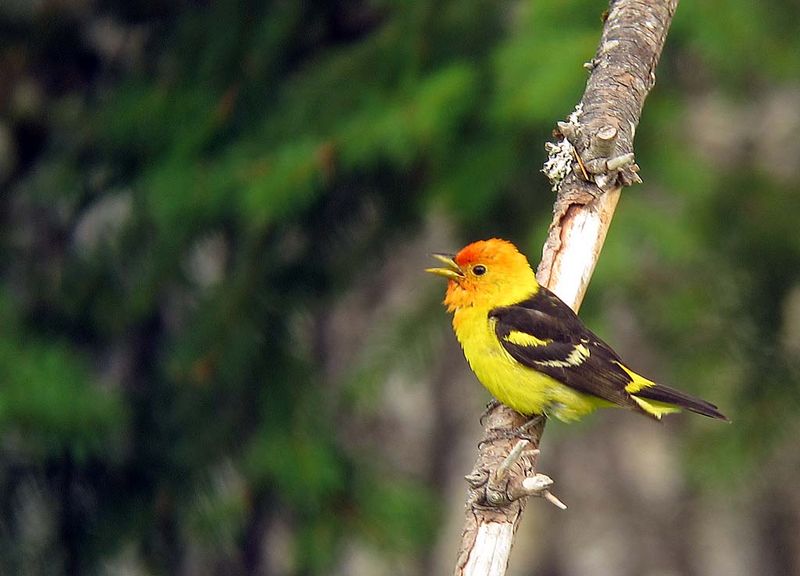
Once you start paying attention, you’ll notice patterns. Certain species show up like clockwork, Rufous Hummingbirds in March, Yellow-rumped Warblers in April, Western Tanagers in May.
Fall migration is quieter but just as busy, with warblers and sparrows passing through in September and October.
You’ll see birds you’ve never noticed before, even in your own neighborhood. A Black-headed Grosbeak might spend a week in your cherry tree, or a Lazuli Bunting might stop by your water feature for an afternoon.
These aren’t rare birds, they’re common migrants that most people just never slow down to observe.
The best part is knowing your yard made a difference. Every bird that stops, eats, drinks, and rests in your space has a better chance of completing its journey, and that’s something worth celebrating every single migration season.