These 11 Vegetables Are Ideal For Low-Effort No-Till Gardens In Arizona
No-till gardening is gaining popularity in Arizona for its low maintenance, water efficiency, and soil-friendly approach.
But not all vegetables thrive without tilling, so choosing the right crops is key to a successful, easy-care garden. Less digging, less work, and more harvest, these vegetables love no-till methods!
These eleven vegetables, from leafy greens to root crops, are perfect for no-till beds. They benefit from mulch, compost, and minimal soil disturbance, producing healthy, productive plants with far less effort than traditional gardening.
No-till techniques help retain moisture, reduce erosion, and keep soil life thriving, making your garden more sustainable and resilient in Arizona’s hot, dry climate.
Low-effort gardening doesn’t mean low rewards, these crops prove it. By selecting the right vegetables and using no-till practices, Arizona gardeners can enjoy abundant harvests, healthier soil, and a simpler gardening routine.
Grow smarter, conserve water, and reap the rewards!
1. Swiss Chard
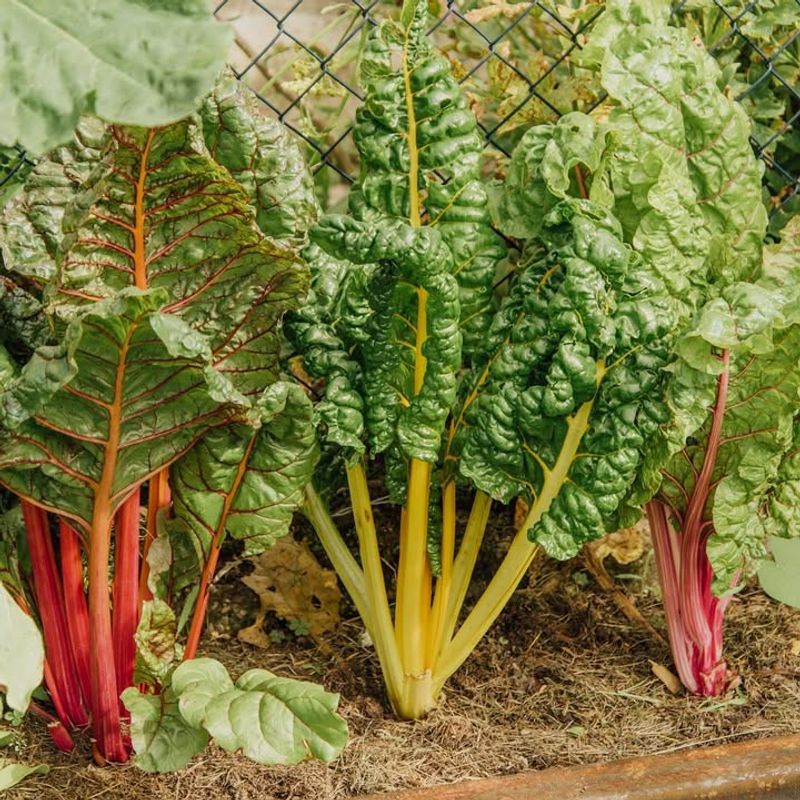
Colorful stalks and crinkly leaves make Swiss chard one of the most visually stunning vegetables you can grow in your Arizona garden.
This leafy green sends roots deep into the soil, which means it can tap into moisture and nutrients that other shallow-rooted plants miss entirely.
When you leave the ground undisturbed, those roots travel downward without hitting compacted layers, creating natural channels that improve drainage and aeration over time.
Heat tolerance is another superpower of Swiss chard, especially in Arizona’s intense climate. While many greens wilt under the desert sun, chard stands tall and keeps producing leaves throughout warm seasons.
A thick layer of mulch on top of your no-till bed keeps the soil cooler and more consistent, which chard absolutely loves.
Harvesting is a breeze because you can pick outer leaves as needed while the plant continues growing from the center.
This cut-and-come-again method means you get fresh greens for weeks or even months from a single planting.
The deep root system also means less frequent watering, which is a huge bonus when you want to conserve water and effort in a low-maintenance garden setup.
2. Kale
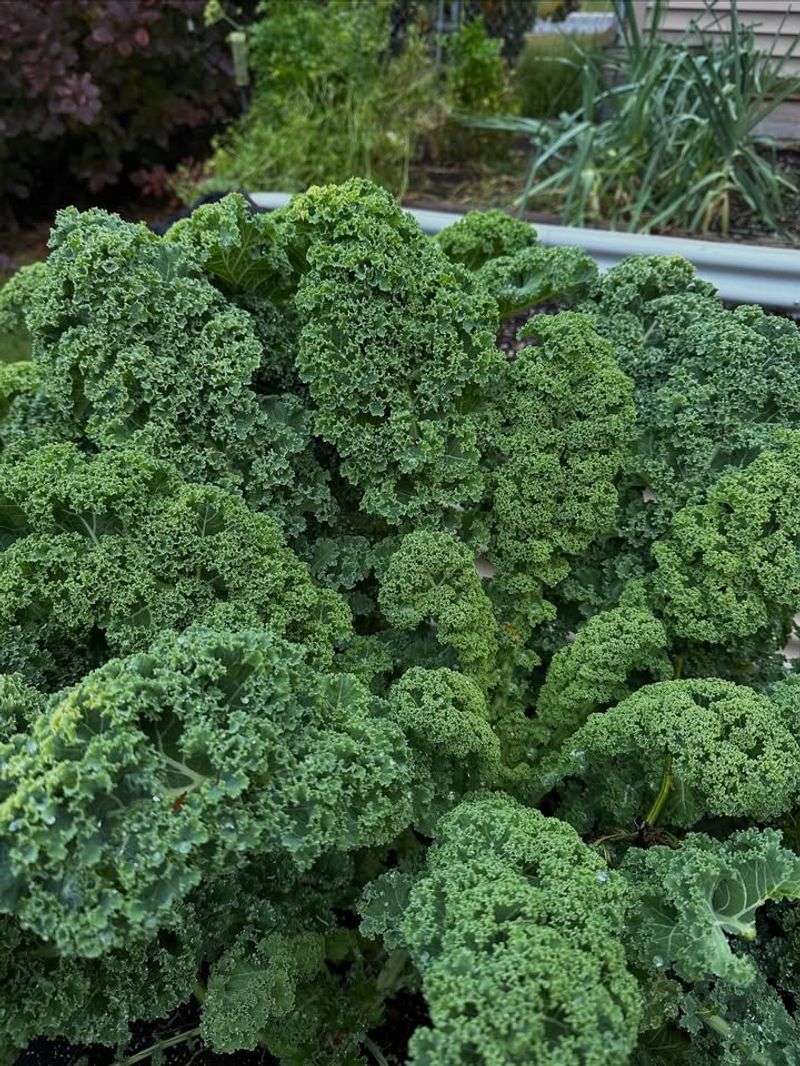
Kale has earned its reputation as a superfood, but it also deserves recognition as a champion of no-till gardening in Arizona.
Biologically active soil is where kale truly shines, because the microbes and earthworms that thrive in undisturbed beds break down organic matter into nutrients that kale roots absorb effortlessly.
When you avoid tilling, you protect these beneficial organisms and create a living ecosystem that feeds your plants naturally.
Arizona’s temperature swings can be dramatic, with chilly mornings giving way to warm afternoons, especially during fall and spring planting seasons. Kale handles these fluctuations like a pro, staying productive when other crops might struggle.
Mulch acts as insulation, buffering those temperature changes and keeping the soil environment stable so kale can focus on growing robust leaves instead of stressing out.
Pests tend to be less of an issue in healthy no-till beds, and kale benefits from this advantage. The diversity of life in the soil creates a balanced environment where beneficial insects help keep harmful ones in check.
Your Arizona Garden Changes Every Week. Your Plan Should Too.
Gardening in Arizona changes quickly throughout the season. Every Friday you’ll receive a simple weekly plan showing exactly what to plant, prune, fertilize, harvest, and protect so you never miss the right timing.
You can harvest kale leaves from the bottom up, allowing the plant to keep producing new growth at the top for an extended harvest period.
3. Lettuce (Loose-Leaf Varieties)
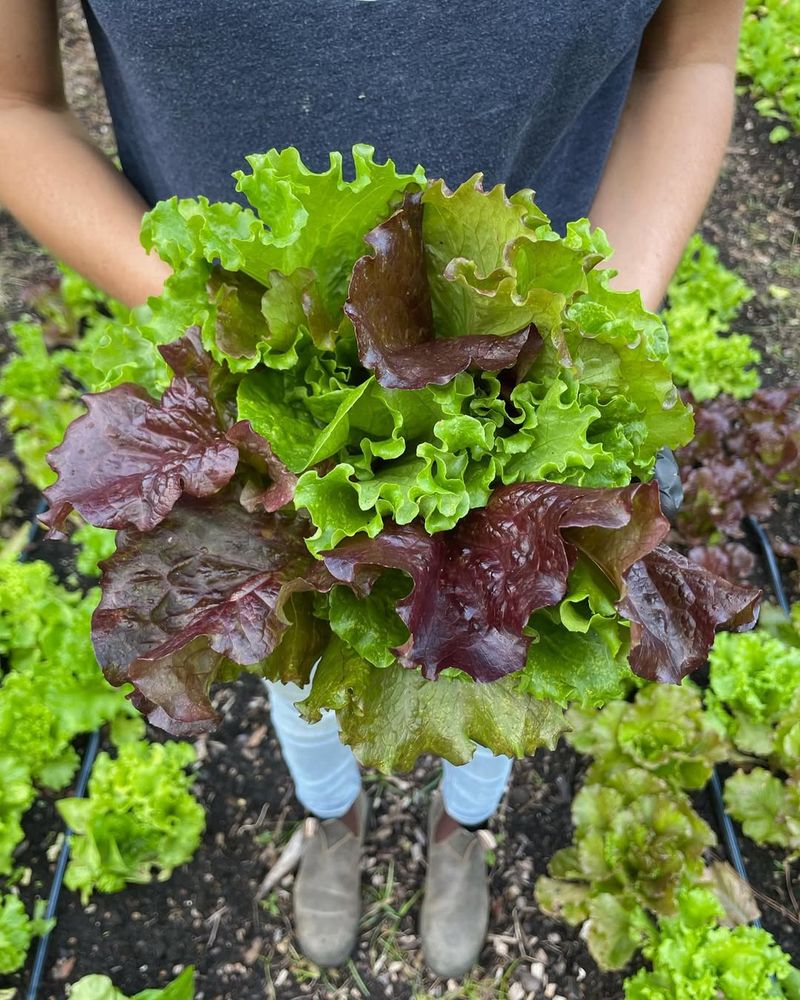
Loose-leaf lettuce varieties bring quick results and tender leaves to your Arizona no-till garden without demanding much from you.
Shallow roots mean these greens stay near the surface, where thick mulch creates the perfect microclimate by keeping temperatures cooler and moisture levels more consistent.
Arizona’s sun can be brutal on delicate lettuce leaves, but when the soil stays protected under a blanket of organic material, your lettuce plants respond with lush growth.
Speed is a major advantage with loose-leaf lettuce, as many varieties reach harvest size in just a few weeks. This rapid growth cycle lets you enjoy fresh salads quickly and replant multiple times throughout cooler seasons.
No-till beds retain moisture better than tilled soil, which is crucial for lettuce since it needs consistent hydration to prevent bitterness and bolting.
Harvesting loose-leaf lettuce is wonderfully simple because you can snip outer leaves while letting the center continue producing new ones. This approach gives you a continuous supply of greens instead of a single harvest.
The undisturbed soil structure in no-till beds also means fewer weed seeds get brought to the surface, so you spend less time pulling weeds and more time enjoying your crisp, homegrown lettuce.
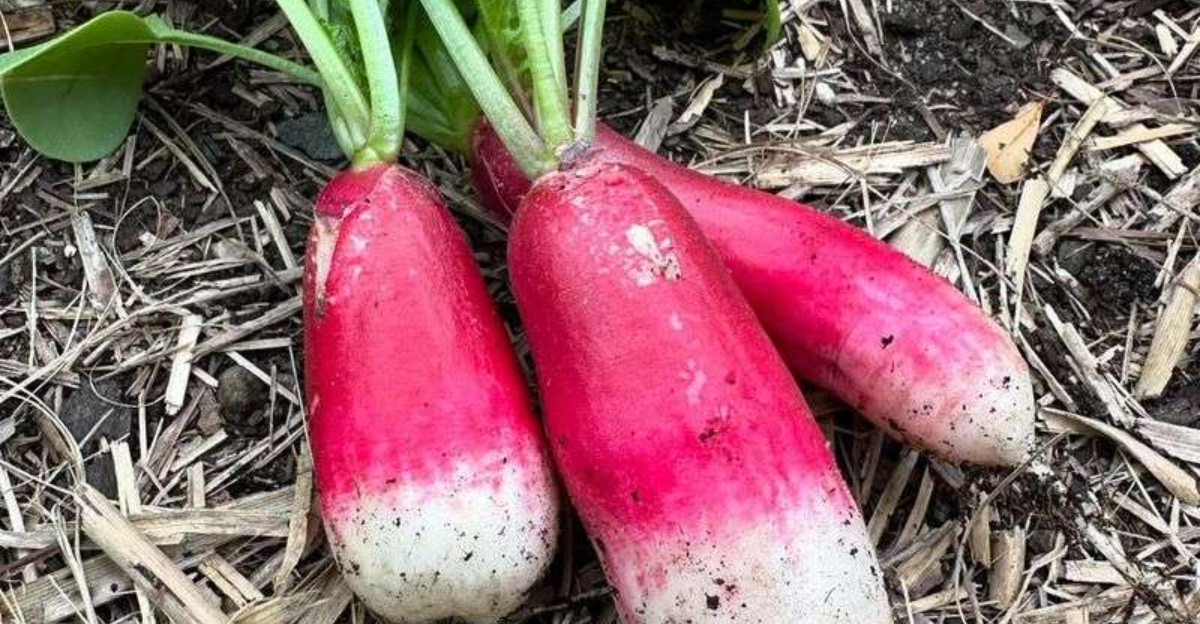
4. Radishes
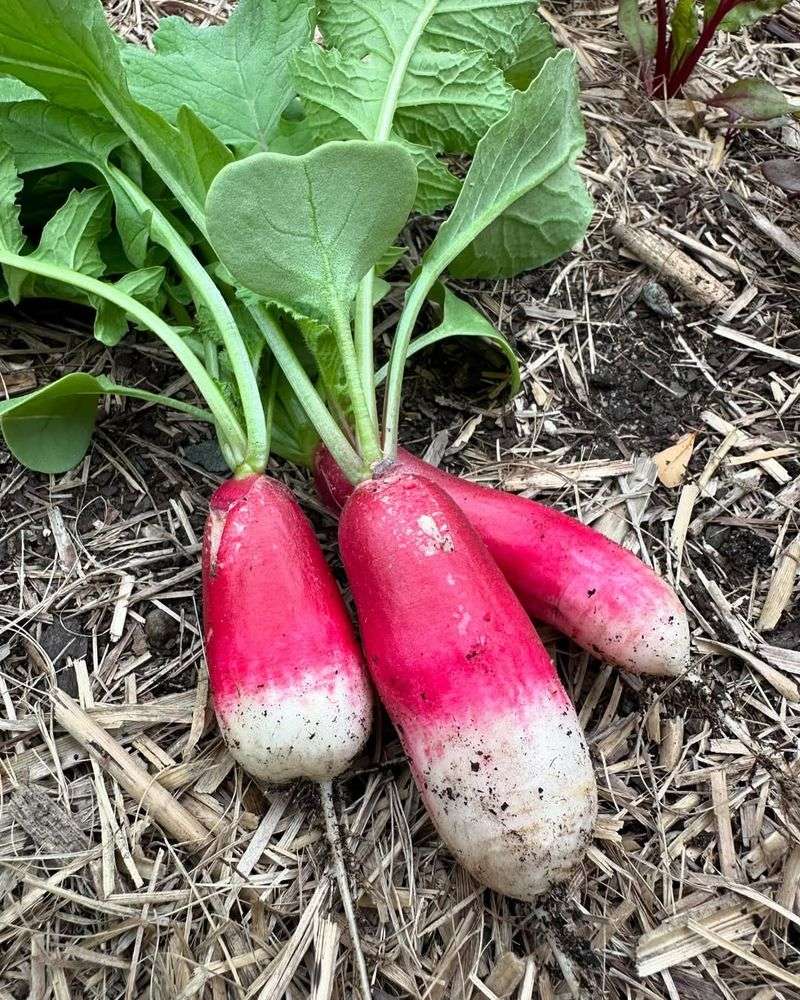
Radishes work like tiny gardeners beneath the soil surface, naturally loosening compacted areas as they push their round roots downward.
This makes them perfect companions for no-till beds, where you want to improve soil structure without breaking out the shovel.
Their fast growth means you can harvest radishes in as little as three weeks, giving you quick results and making them ideal for impatient gardeners or those new to the no-till approach.
Minimally disturbed beds provide the perfect environment for radishes because the soil maintains its structure while staying loose enough for roots to expand.
Mulch keeps the surface moist and cool, which radishes appreciate since they prefer consistent conditions rather than the wild swings that can happen in bare Arizona soil.
The peppery crunch of fresh radishes straight from your garden is a rewarding treat that takes minimal effort to achieve.
Another benefit of growing radishes in no-till systems is their ability to break up hardpan layers without mechanical intervention. As their roots penetrate deeper, they create channels that improve water infiltration and air circulation for future crops.
You can succession plant radishes every couple of weeks to ensure a steady supply, and their quick turnaround means you can fit them into small spaces between slower-growing vegetables.
5. Garlic
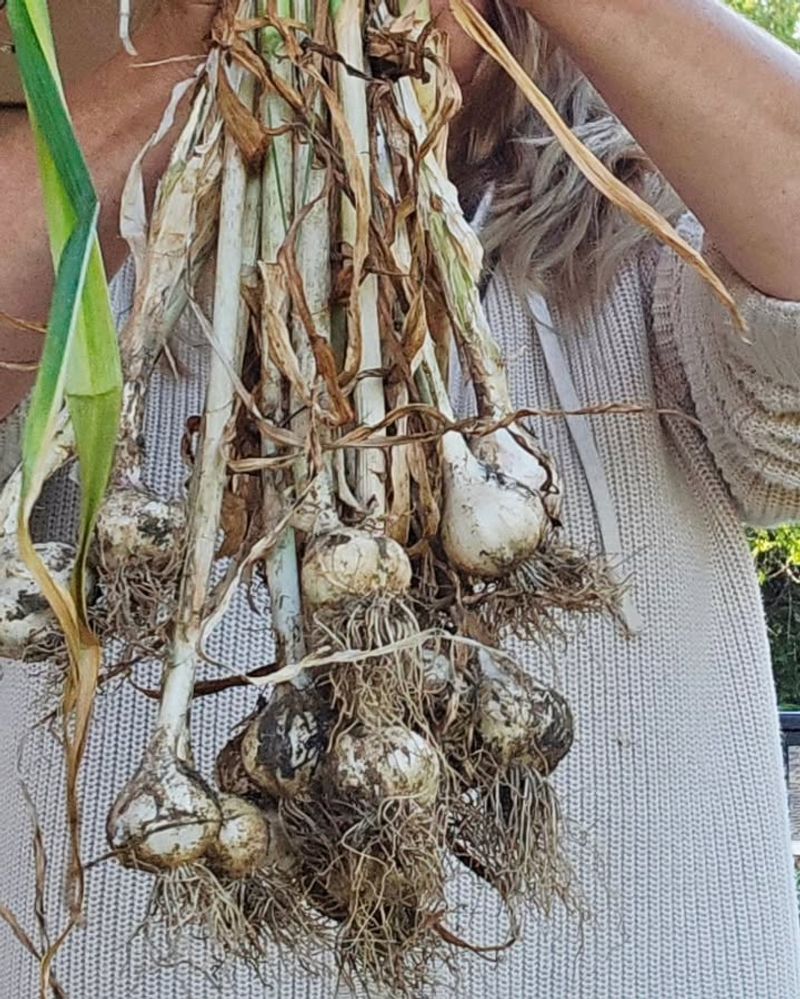
Garlic cloves push through mulch layers with surprising determination, sending up green shoots that eventually develop into flavorful bulbs beneath the surface.
This ability to grow through organic material makes garlic a natural fit for no-till gardens, where thick mulch is a key component of success.
Arizona’s dry climate can make moisture management tricky, but no-till systems excel at holding water in the soil, which garlic roots appreciate throughout their long growing season.
Consistent moisture is essential for developing large, well-formed garlic bulbs, and the undisturbed soil in no-till beds retains water far better than tilled ground.
Mulch acts as a protective barrier, reducing evaporation and keeping the soil environment stable so garlic can focus its energy on bulb development rather than stress responses.
You plant garlic cloves in fall, and they spend months slowly growing beneath the surface before harvest in late spring or early summer.
The beauty of growing garlic in a no-till system is that you can simply push cloves into the soil through the mulch without extensive preparation.
The bulbs benefit from the rich, biologically active environment that develops in undisturbed beds, often resulting in larger and more flavorful garlic than you might achieve with traditional tilling methods.
6. Onions
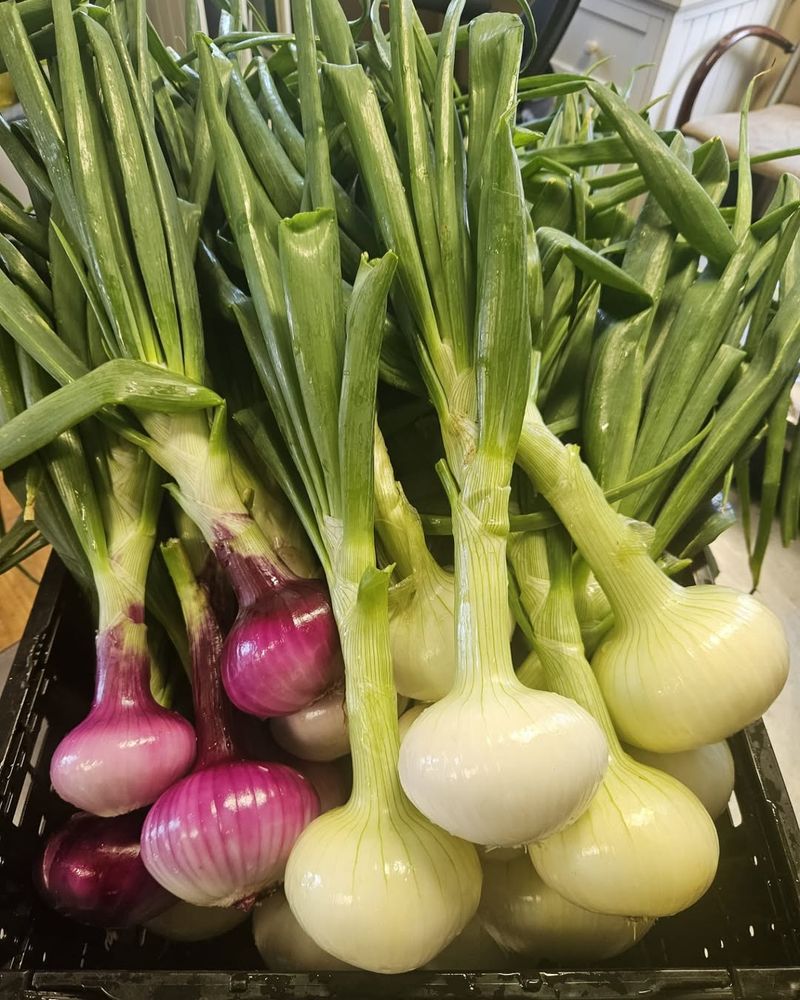
Onions ask for very little but give you versatile bulbs that enhance countless dishes in your kitchen.
Their shallow root systems spread horizontally near the soil surface, making them perfectly suited for no-till beds where the top layers stay loose and well-aerated under mulch.
Arizona gardeners appreciate onions because they handle the state’s unique growing conditions without fuss, especially when the soil structure remains undisturbed and healthy.
Low nutrient demands mean onions won’t exhaust your soil the way heavy feeders might, which is ideal for maintaining a balanced no-till system. They grow steadily through cooler months, developing bulbs as days lengthen in spring.
Mulch protects their shallow roots from temperature fluctuations and helps retain the moderate moisture levels onions prefer, preventing the stress that can lead to bolting or poor bulb formation.
You can start onions from sets, transplants, or seeds, and all three methods work well in no-till gardens. The key is ensuring good contact between roots and soil, which happens naturally when you gently press plants into prepared beds.
Harvest time arrives when tops begin to fall over, and you can cure bulbs in a shaded, dry spot before storing them for months of use in your favorite recipes.
7. Bush Beans
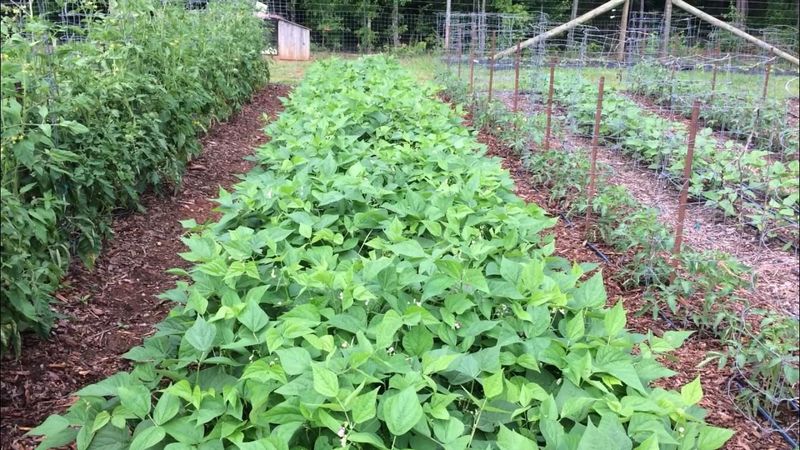
Bush beans bring more than just tasty pods to your no-till garden because they actively improve the soil while they grow.
These legumes form partnerships with nitrogen-fixing bacteria that live in nodules on their roots, converting atmospheric nitrogen into a form that plants can use.
When bean plants finish producing and you leave the roots in the ground to decompose, that captured nitrogen becomes available for whatever you plant next, creating a natural fertilizer system.
Undisturbed beds provide the stable environment that beneficial soil bacteria need to thrive, which means your bush beans can form those important nitrogen-fixing partnerships more effectively.
Arizona’s warm soil temperatures are perfect for beans, and mulch helps moderate heat during the hottest parts of the growing season.
Beans appreciate consistent moisture, and no-till systems deliver this by protecting soil from rapid evaporation.
Harvesting bush beans is a pleasant task because the compact plants stay low to the ground and produce heavily over several weeks.
You can pick pods when they reach the perfect size for fresh eating, and the more you harvest, the more the plants produce.
The combination of food production and soil improvement makes bush beans a smart choice for any low-effort Arizona garden focused on building long-term soil health.
8. Peppers
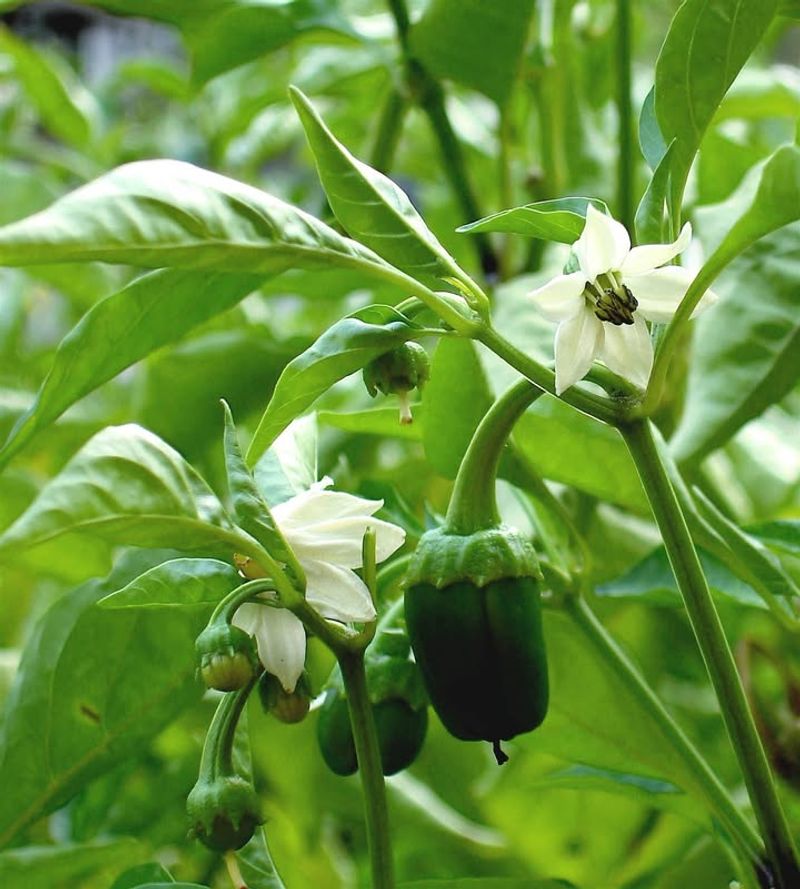
Peppers love warmth, and the microbially rich soil created by no-till practices gives them exactly what they need to produce abundant fruit.
When you skip tilling, beneficial microorganisms flourish in the soil, breaking down organic matter and making nutrients readily available to pepper roots.
This biological activity creates a living soil ecosystem that supports healthy plant growth without relying heavily on synthetic fertilizers or frequent interventions.
Arizona’s heat can be intense, but peppers are naturally adapted to warm conditions and actually struggle in cool temperatures.
No-till beds with thick mulch maintain warmer soil temperatures throughout the growing season, which keeps pepper plants happy and productive.
The mulch also prevents soil from crusting over after irrigation, ensuring that roots can breathe properly and access the moisture they need.
Transplanting pepper seedlings into established no-till beds gives them a head start because the soil structure is already perfect for root growth.
You avoid the shock that can come from planting into freshly tilled ground, where soil structure is disrupted and beneficial organisms are disturbed.
Peppers respond with vigorous growth, producing colorful fruits that range from sweet bells to spicy varieties, all thriving in the stable, nutrient-rich environment your no-till garden provides.
9. Tomatoes (Transplants Only)
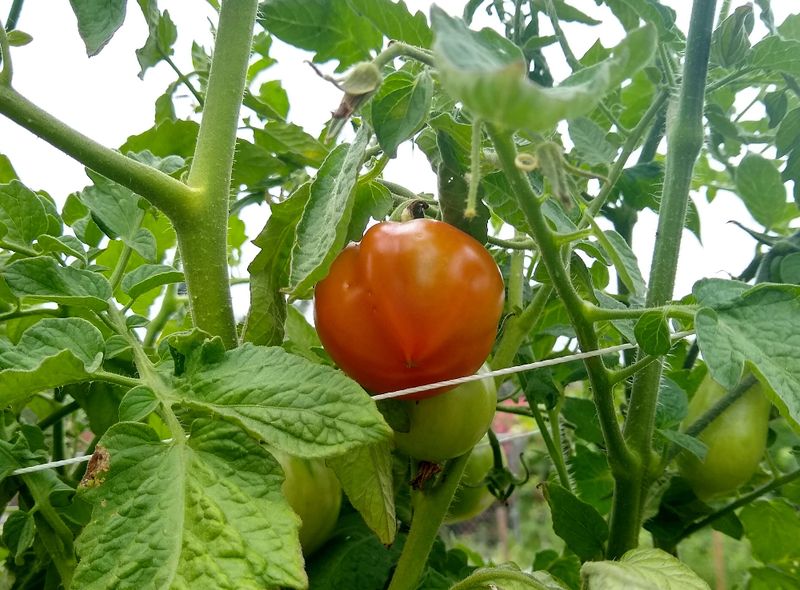
Transplanting tomatoes into no-till beds rather than direct seeding gives you stronger plants with better disease resistance from the start.
Established transplants have developed root systems that can immediately take advantage of the moisture retention and biological activity present in undisturbed soil.
Arizona gardeners face challenges with soil-borne diseases, but no-till practices reduce these problems by maintaining beneficial microorganisms that compete with pathogens and create a more balanced soil ecosystem.
Moisture retention is crucial for tomatoes because inconsistent watering leads to problems like blossom end rot and cracked fruit.
No-till beds excel at holding water in the root zone, where tomato plants need it most, while mulch prevents evaporation and keeps soil temperatures more stable.
This consistent environment allows tomatoes to focus energy on producing fruit rather than dealing with stress from fluctuating conditions.
You can plant tomato transplants deeper than they grew in their containers, burying part of the stem to encourage additional root development along the buried portion.
This technique works especially well in no-till beds where the soil structure supports strong root growth without compaction issues.
The result is robust tomato plants that produce heavily throughout the growing season, rewarding your minimal effort with baskets full of flavorful fruits perfect for fresh eating or preserving.
10. Beets
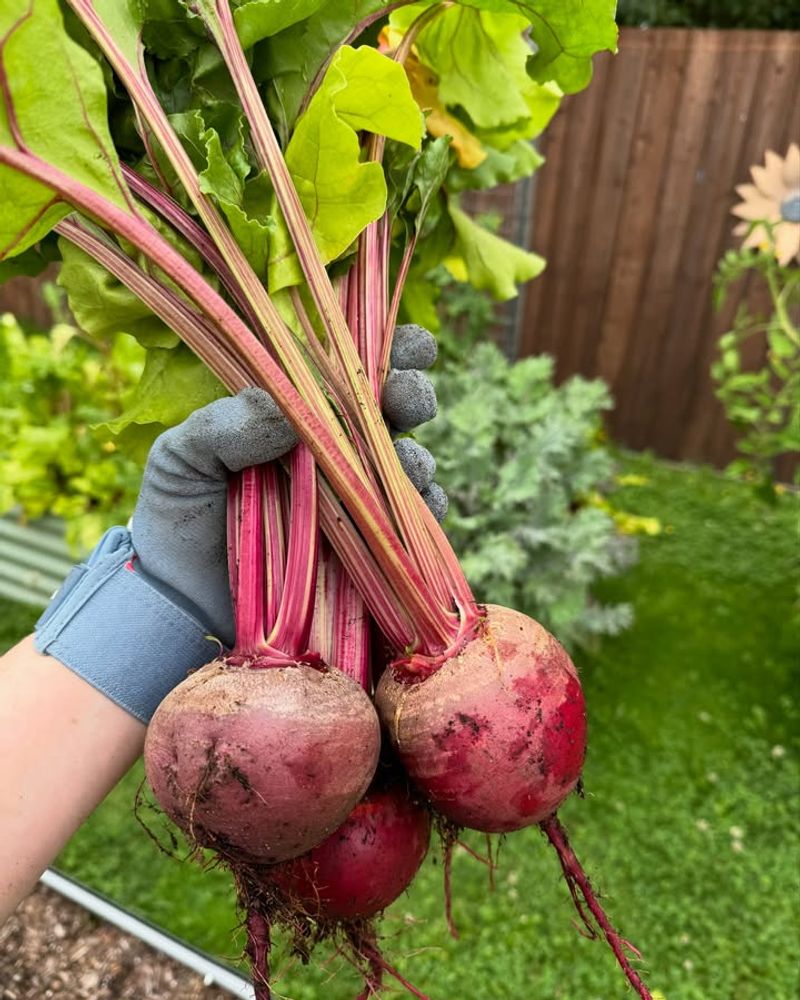
Beets handle compacted soil layers better than many other root vegetables, making them surprisingly successful in no-till gardens where you might worry about hard subsurface layers.
Their roots are strong enough to push through moderately dense soil, especially when mulch keeps the surface soft and workable.
Arizona soil can develop tough layers from mineral deposits and lack of organic matter, but consistent mulching gradually improves soil structure by adding organic material that breaks down and creates a more hospitable environment.
The key to growing great beets in a no-till system is maintaining that protective mulch layer, which keeps soil from crusting over and drying out.
Beets need steady moisture to develop sweet, tender roots, and the water-holding capacity of undisturbed soil delivers exactly that.
You can harvest beets at various sizes, from baby beets perfect for roasting whole to larger roots ideal for pickling or storing.
Both the roots and greens are edible, giving you two vegetables from one plant and maximizing your garden’s productivity. The greens taste similar to Swiss chard and can be harvested lightly without harming root development.
Beets add beautiful color to your garden with their deep red or golden roots and often show attractive red-veined leaves that make them as ornamental as they are productive in your low-effort Arizona garden.
11. Sweet Potatoes
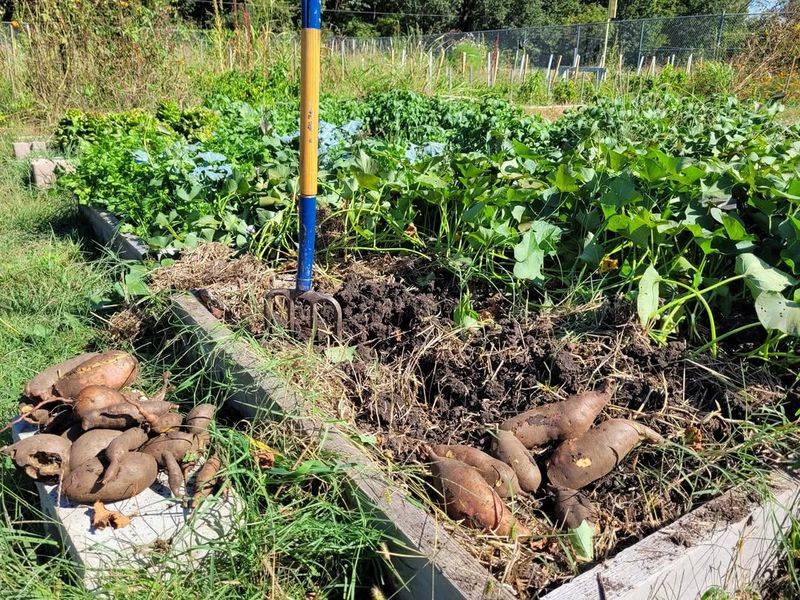
Sweet potatoes spread their vines across the surface of your garden like a living mulch, covering the ground and shading out weeds before they can establish.
This vigorous growth habit makes them perfect for no-till systems because they naturally suppress competition while producing substantial yields beneath the surface.
Arizona’s heat is no challenge for sweet potatoes, which originated in tropical climates and actually thrive when temperatures climb, turning sunshine into starchy, nutritious tubers.
Starting sweet potatoes is simple because you plant slips, which are rooted cuttings from existing plants, directly into your mulched no-till bed without any digging required.
The vines root at nodes along their length, creating a network that stabilizes soil and continues expanding throughout the growing season.
This spreading growth means you need to give sweet potatoes plenty of space, but the payoff comes at harvest time when you unearth multiple pounds of tubers from each plant.
Harvesting sweet potatoes feels like a treasure hunt because you never know exactly how many tubers have formed until you start carefully pulling back mulch and exploring beneath the vines.
The undisturbed soil in no-till beds makes harvesting easier because the soil structure stays loose enough to extract tubers without excessive digging, and you can cure harvested sweet potatoes to concentrate their sugars and improve storage quality.