11 Fast-Growing Houseplants That Instantly Bring Greenery Into Colorado Homes
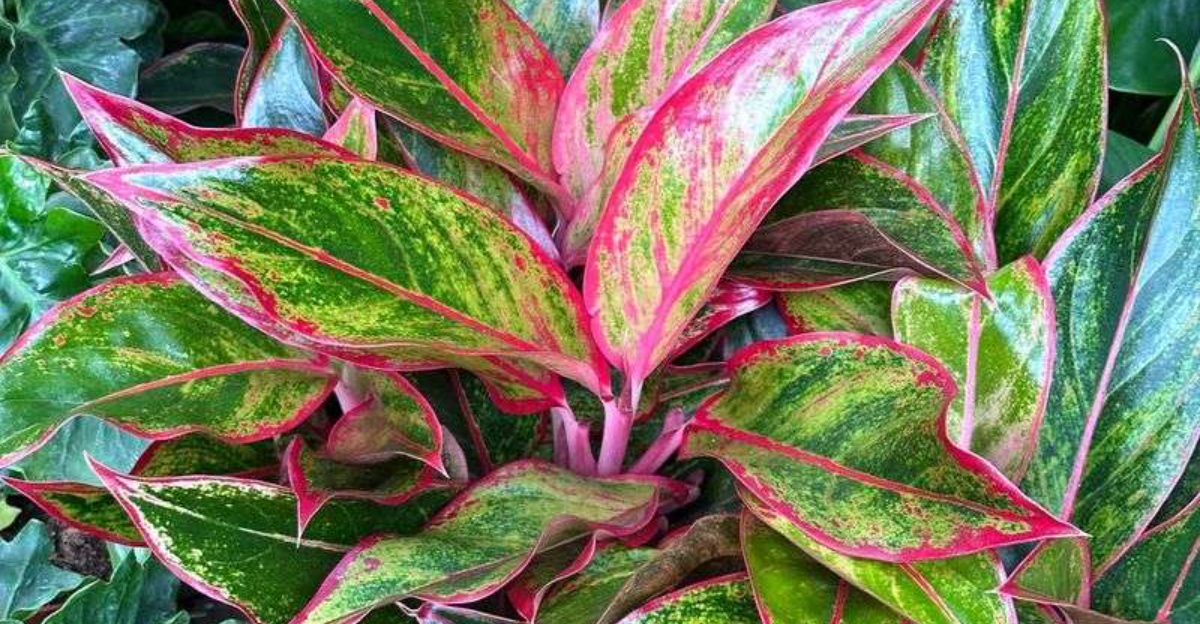
Colorado winters can feel long and gray, making it the perfect time to bring life indoors with fast-growing houseplants.
These green companions don’t just fill empty corners—they transform spaces with lush foliage, vibrant textures, and a refreshing pop of color. Who says your home has to wait for spring to feel alive?
From trailing vines to upright foliage plants, these eleven varieties grow quickly, thrive indoors, and adapt well to Colorado’s dry winter air.
With minimal effort, they provide instant greenery, improve air quality, and create a cozy, inviting atmosphere. Their rapid growth makes them perfect for apartments, living rooms, and offices alike.
Fast growth, low maintenance, and maximum impact—your home will feel refreshed in no time!
For Colorado residents seeking a simple way to brighten their indoor spaces, these houseplants offer beauty, vitality, and a touch of nature—no backyard required. Bring greenery home and enjoy a lively, thriving interior all year long!
1. Pothos (Epipremnum Aureum)
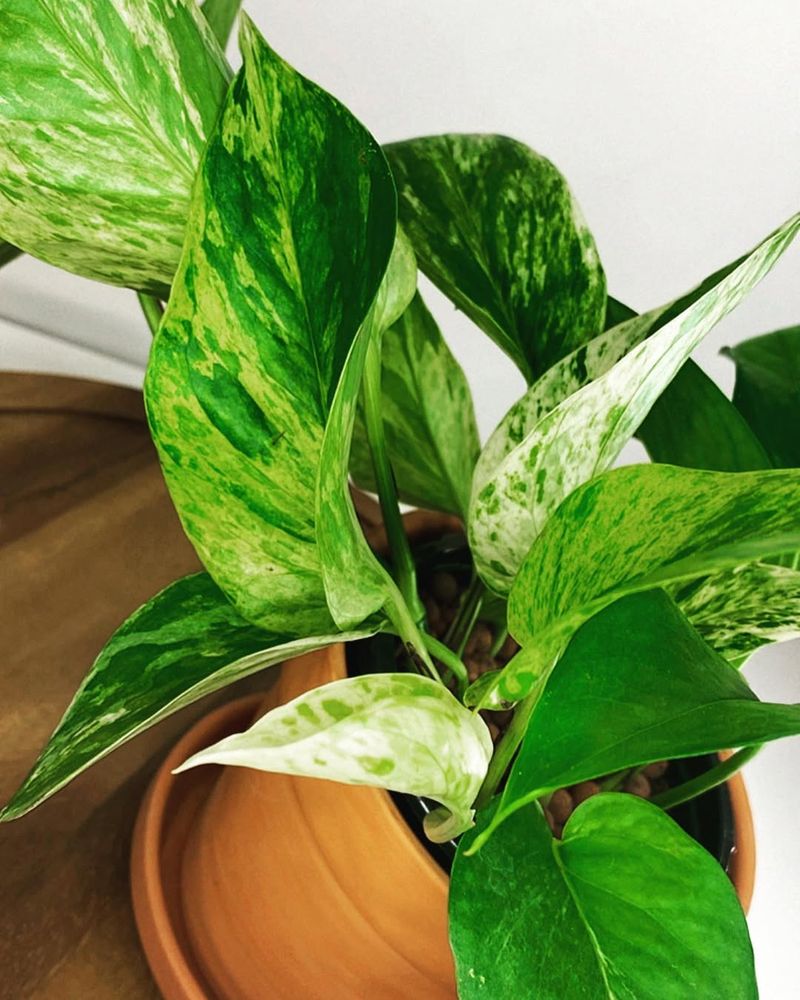
Golden pothos earns its reputation as one of the most forgiving houseplants you’ll ever encounter, and its speedy growth makes it particularly appealing for Colorado gardeners eager to see results.
This trailing vine adapts remarkably well to the dry indoor air that characterizes most homes along the Front Range, continuing to push out new leaves even when humidity levels drop during winter heating season.
The glossy, heart-shaped foliage emerges in shades ranging from deep green to variegated patterns splashed with cream and yellow, creating visual interest that evolves as the plant matures.
What makes pothos especially valuable in Colorado’s climate is its ability to thrive in lower light conditions common during shorter winter days.
While it grows faster in bright, indirect light, this plant won’t sulk if placed several feet from a window, making it perfect for interior rooms or north-facing spaces.
New leaves unfurl regularly when conditions are right, and you’ll notice vines can extend several inches each week during active growing periods in spring and summer.
Pothos requires minimal watering compared to many houseplants, which suits Colorado’s naturally drier environment perfectly.
Allow the soil to become somewhat dry between waterings, and watch for leaves that begin to curl slightly as your signal to water again.
This plant’s forgiving nature means occasional neglect won’t spell disaster, making it an excellent choice for busy households or beginning plant parents who want impressive greenery without demanding care routines.
2. Spider Plant (Chlorophytum Comosum)
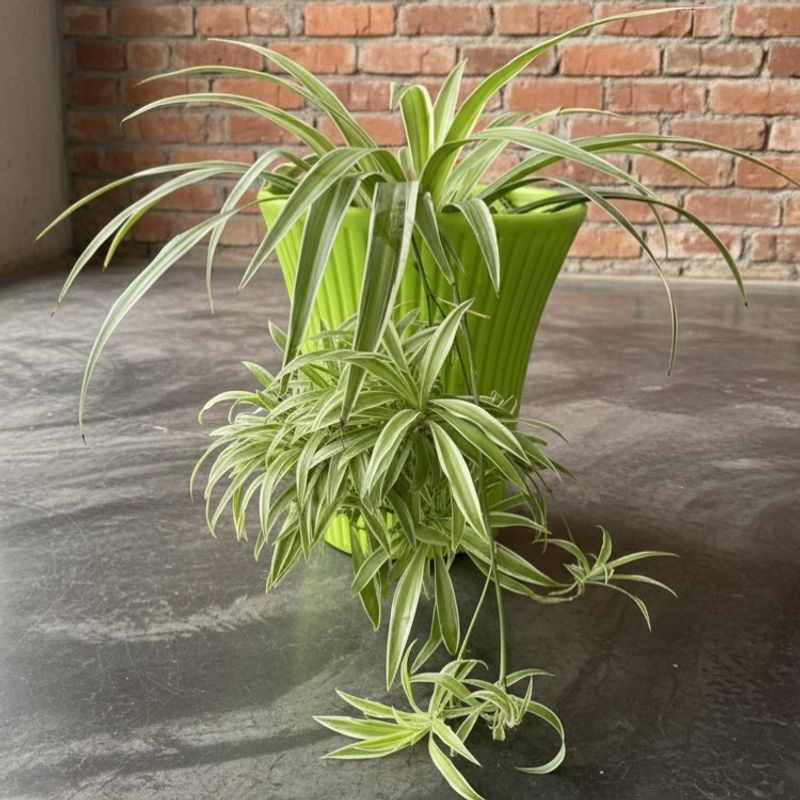
Few houseplants multiply as enthusiastically as the spider plant, which sends out graceful arching leaves that fountain outward from the center in a display of effortless elegance.
This plant’s claim to fame lies in its production of baby plantlets called spiderettes that dangle from long stems, creating a cascading effect that adds dimension to any room.
These miniature versions of the parent plant develop roots while still attached, making propagation incredibly simple and allowing you to expand your collection or share with friends.
Colorado’s challenging indoor conditions barely slow down this resilient grower, which continues producing fresh foliage even when humidity stays low.
Your Colorado Garden Changes Every Week. Your Plan Should Too.
Gardening in Colorado changes quickly throughout the season. Every Friday you’ll receive a simple weekly plan showing exactly what to plant, prune, fertilize, harvest, and protect so you never miss the right timing.
The striped leaves feature creamy white or yellow bands running lengthwise through bright green, creating a cheerful appearance that brightens darker corners.
Spider plants tolerate a wide range of light conditions, though they produce spiderettes most prolifically when given bright, indirect light and consistent care throughout the growing season.
Growth happens quickly once this plant settles into its new home, with mature specimens capable of producing multiple baby plants simultaneously.
The arching habit makes spider plants perfect for hanging baskets or elevated shelves where the plantlets can dangle freely, creating a living curtain of greenery.
Watering needs remain moderate, and this plant communicates clearly when thirsty by showing slightly wilted leaf tips, making it nearly impossible to misread its needs even for novice gardeners.
3. Philodendron (Heartleaf Types)
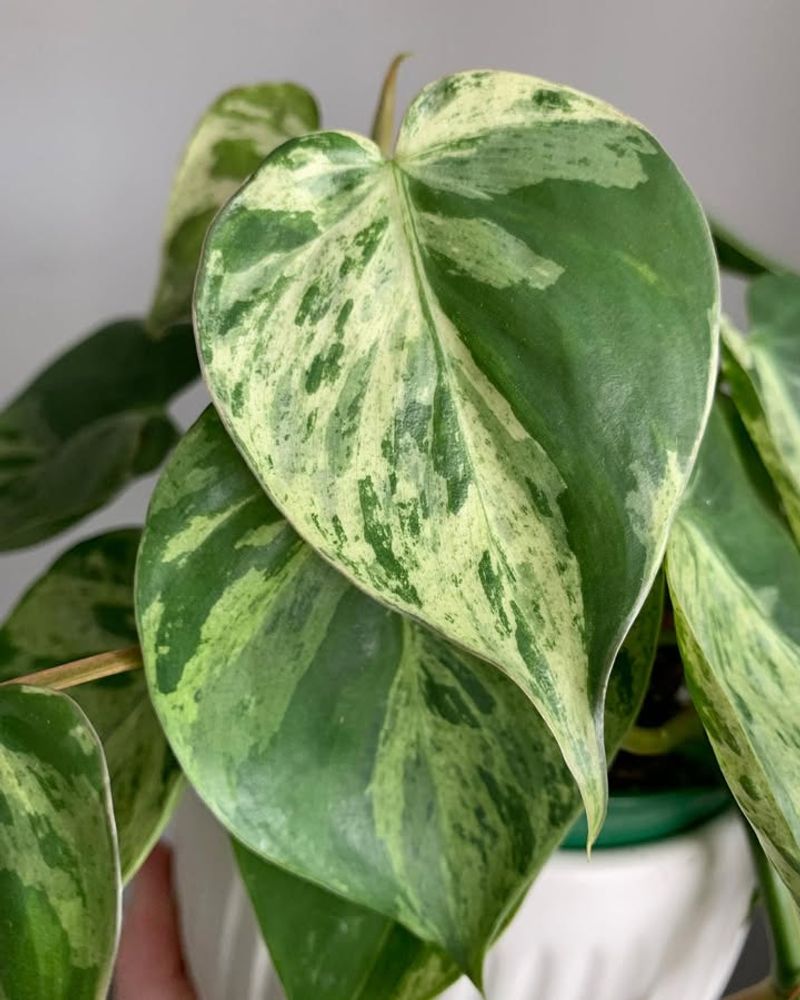
Heartleaf philodendrons bring an almost tropical vibe to Colorado homes despite the state’s semi-arid climate, thanks to their lush, glossy foliage that emerges in abundance throughout the growing season.
The distinctive heart-shaped leaves start small and deepen in color as they mature, creating a rich tapestry of green that flows along trailing vines or climbs up supports depending on how you train the plant.
This versatility makes philodendrons suitable for various display options, from hanging planters to climbing moss poles that showcase their natural inclination to ascend.
Adaptation comes naturally to these plants, which tolerate the lower humidity levels found in most Colorado residences without showing signs of stress.
New leaves unfurl regularly when basic needs are met, and the growth rate accelerates noticeably during spring and summer months when natural light increases.
Philodendrons aren’t particularly fussy about their location, thriving in medium to bright indirect light while tolerating shadier spots better than many houseplants, though growth slows somewhat in dimmer conditions.
Care requirements remain refreshingly straightforward, with moderate watering needs and tolerance for occasional lapses in attention.
The soil should remain lightly moist during active growth but can dry out slightly between waterings during winter dormancy.
These plants signal their needs clearly through leaf appearance, with drooping foliage indicating thirst and yellowing leaves suggesting overwatering, making it easy to adjust your care routine and keep your philodendron flourishing year-round in Colorado’s unique indoor environment.
4. Tradescantia (Wandering Dude)

Bursting with personality and color, tradescantia stands out among houseplants for its incredible growth speed and striking foliage that goes far beyond simple green.
The leaves display stunning combinations of purple, silver, green, and pink depending on the variety, with some cultivars featuring bold stripes while others show subtle iridescent sheens that catch light beautifully.
This plant’s common name reflects its vigorous spreading habit, as stems extend rapidly and root easily wherever they touch moist soil, creating full, lush specimens in remarkably short timeframes.
Colorado gardeners appreciate how tradescantia adapts to indoor conditions while maintaining its vibrant coloration, though colors intensify when plants receive adequate bright, indirect light.
Growth happens so quickly that you’ll notice visible changes week to week, with new shoots emerging from nodes along the stems and leaves unfurling in rapid succession.
The trailing habit makes this plant ideal for hanging baskets or elevated containers where cascading stems can display their full glory, creating living artwork that evolves constantly.
Maintenance stays minimal despite the dramatic appearance, with regular watering during active growth and occasional trimming to maintain shape and encourage bushier development.
Stem cuttings root with almost ridiculous ease in water or soil, allowing you to propagate new plants effortlessly or refresh tired sections of an older specimen.
This forgiving nature combined with fast growth makes tradescantia perfect for impatient gardeners who want impressive results without waiting months to see their plants fill in and flourish in Colorado’s challenging indoor climate.
5. Monstera Deliciosa
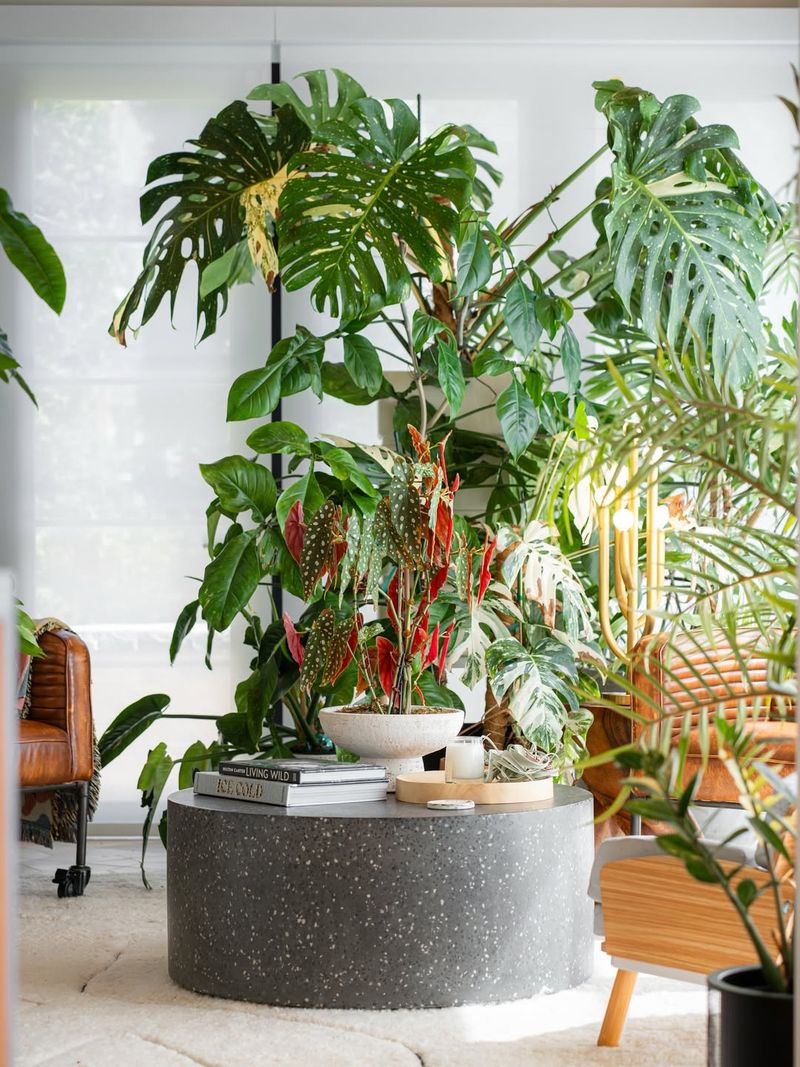
Making a bold architectural statement, monstera deliciosa transforms ordinary rooms into dramatic spaces with its enormous fenestrated leaves that develop iconic splits and holes as the plant matures.
Young plants start with solid heart-shaped leaves, but as growth accelerates, new foliage emerges increasingly perforated in patterns that seem almost designed by an artist.
This transformation happens relatively quickly when conditions suit the plant, with mature specimens capable of producing leaves measuring two feet or more across, creating an instant jungle atmosphere that feels worlds away from Colorado’s prairie landscape.
Bright, indirect light fuels rapid growth in monstera plants, which can extend several feet in a single growing season when properly situated near east or west-facing windows.
The climbing nature of this plant means it benefits from support structures like moss poles or trellises, which encourage upward growth and larger leaf development compared to specimens allowed to sprawl.
Colorado’s dry indoor air doesn’t significantly hinder monstera growth, though occasional misting or placement near a humidifier can encourage even more impressive leaf size and fenestration.
Watering needs remain moderate, with the plant preferring consistently moist soil during active growth but tolerating brief dry periods between waterings.
The substantial presence of a mature monstera makes it perfect for filling empty corners or flanking furniture, serving as a living focal point that draws the eye and softens hard architectural lines.
Fast growth means you’ll need to plan for eventual repotting and space requirements, but the dramatic transformation from small starter plant to impressive specimen happens surprisingly quickly.
6. Snake Plant (Dracaena Trifasciata)
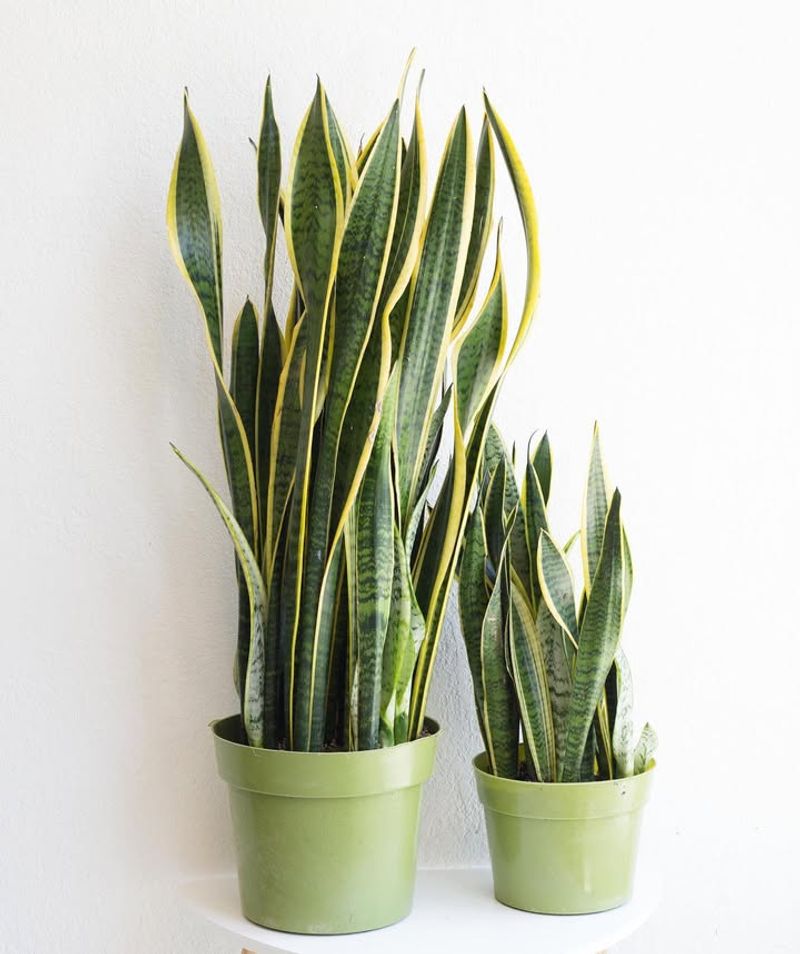
Standing tall with sword-like leaves that rise vertically from the soil, snake plants bring sculptural elegance to Colorado homes while demonstrating remarkable resilience in low-humidity environments.
The thick, succulent-like foliage stores moisture efficiently, allowing this plant to weather the dry conditions created by forced-air heating systems that run constantly during long mountain winters.
Variegated patterns of dark green banded with lighter green or yellow edges create visual interest that looks intentionally designed, and the upright growth habit makes snake plants perfect for narrow spaces or contemporary interiors.
New shoots emerge regularly from the rhizomes beneath the soil surface, gradually filling containers and creating fuller displays over time.
Growth happens steadily rather than explosively, but you’ll notice new leaves pushing up from the base throughout the year when conditions remain favorable.
Snake plants tolerate an impressive range of light levels, from bright indirect light to quite dim corners, though growth accelerates and colors intensify when plants receive more illumination.
Perhaps the most appealing aspect for busy Colorado residents is the minimal care required to keep snake plants thriving.
Watering needs stay low, with plants preferring to dry out completely between waterings, making them nearly impossible to neglect.
This drought tolerance makes snake plants ideal for travelers or anyone who occasionally forgets watering schedules.
The combination of steady growth, striking appearance, and effortless care creates a winning formula for gardeners seeking reliable greenery that adapts seamlessly to Colorado’s unique indoor climate challenges.
7. Peace Lily (Spathiphyllum)
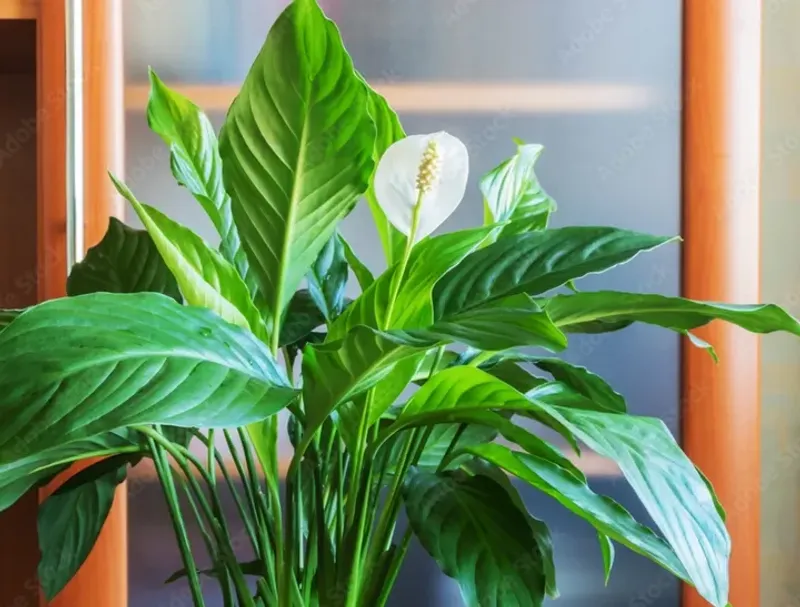
Elegant white blooms rise above glossy green foliage like graceful flags, making peace lilies instantly recognizable and beloved among houseplant enthusiasts throughout Colorado.
While technically the white parts are specialized leaves called spaths rather than true flowers, their showy appearance adds a refined touch that elevates this plant beyond simple greenery.
The lush, arching leaves emerge regularly from the base, creating full, rounded specimens that soften hard edges in rooms and bring a sense of tranquility to any space they occupy.
Growth accelerates noticeably when peace lilies receive consistent moisture, as these plants prefer soil that stays evenly moist rather than cycling between wet and dry extremes.
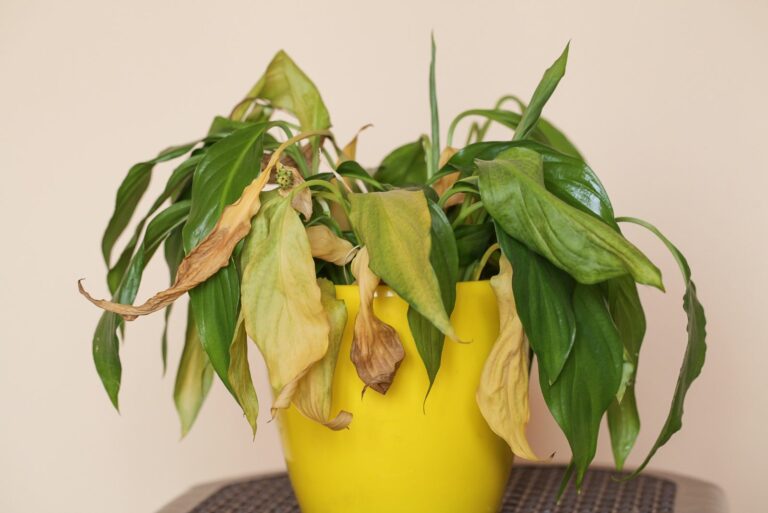
Colorado’s dry air means you’ll water more frequently than gardeners in humid climates, but the plant communicates its needs clearly by drooping dramatically when thirsty, then perking up within hours of watering.
This responsive nature makes it easy to learn your plant’s rhythm and adjust care accordingly, preventing guesswork about watering schedules.
Peace lilies tolerate lower light conditions better than many flowering houseplants, making them suitable for rooms without direct window access, though blooming happens more prolifically in brighter indirect light.
The combination of attractive foliage and periodic blooms creates year-round interest, with mature plants producing multiple flower stalks throughout the growing season.
Regular removal of spent blooms and yellowing leaves keeps plants looking tidy and encourages continued growth, while occasional fertilization during spring and summer supports robust development that quickly fills containers with lush, tropical-looking greenery perfect for Colorado interiors.
8. ZZ Plant (Zamioculcas Zamiifolia)
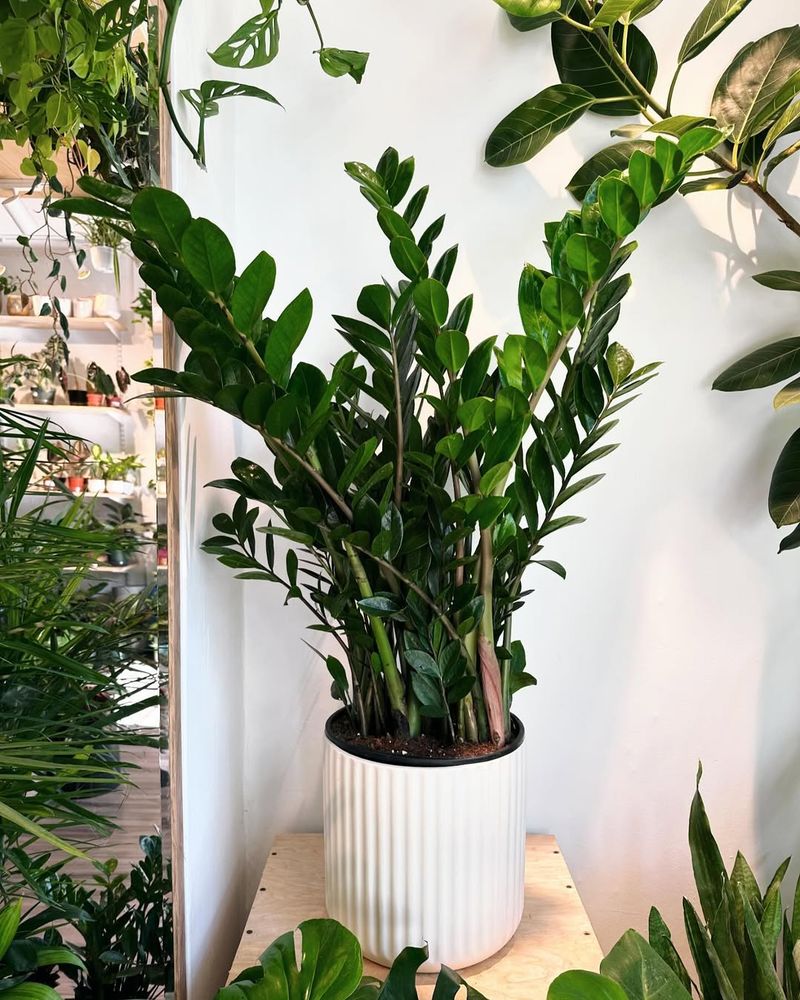
Glossy, almost waxy leaflets line upright stems in a pattern that looks deliberately arranged, giving ZZ plants an architectural quality that appeals to modern design sensibilities.
The thick, succulent-like stems and leaves store water efficiently, making this plant exceptionally well-suited to Colorado’s dry indoor climate where humidity often drops to uncomfortable levels during winter months.
New growth emerges from underground rhizomes as bright lime-green shoots that gradually darken to deep emerald as they mature, creating a subtle color gradient that adds depth to the plant’s appearance.
Establishment happens quickly once a ZZ plant settles into its new environment, with new stems pushing up from the soil line throughout the growing season.
While growth isn’t explosively fast, the steady production of new shoots creates noticeably fuller plants within months rather than years.
ZZ plants tolerate extremely low light conditions that would leave most houseplants struggling, making them perfect for offices, bathrooms, or interior rooms far from windows, though moderate indirect light encourages faster, more robust growth.
Care requirements rank among the lowest of any houseplant, with ZZ plants preferring infrequent watering and tolerating neglect better than constant attention.
Allow the soil to become quite dry between waterings, erring on the side of too little rather than too much moisture.
This drought tolerance combined with pest resistance and general toughness makes ZZ plants ideal for beginning gardeners or anyone seeking impressive greenery without demanding maintenance schedules, proving that beautiful, fast-establishing houseplants don’t need to be high-maintenance to thrive in Colorado homes.
9. Rubber Plant (Ficus Elastica)
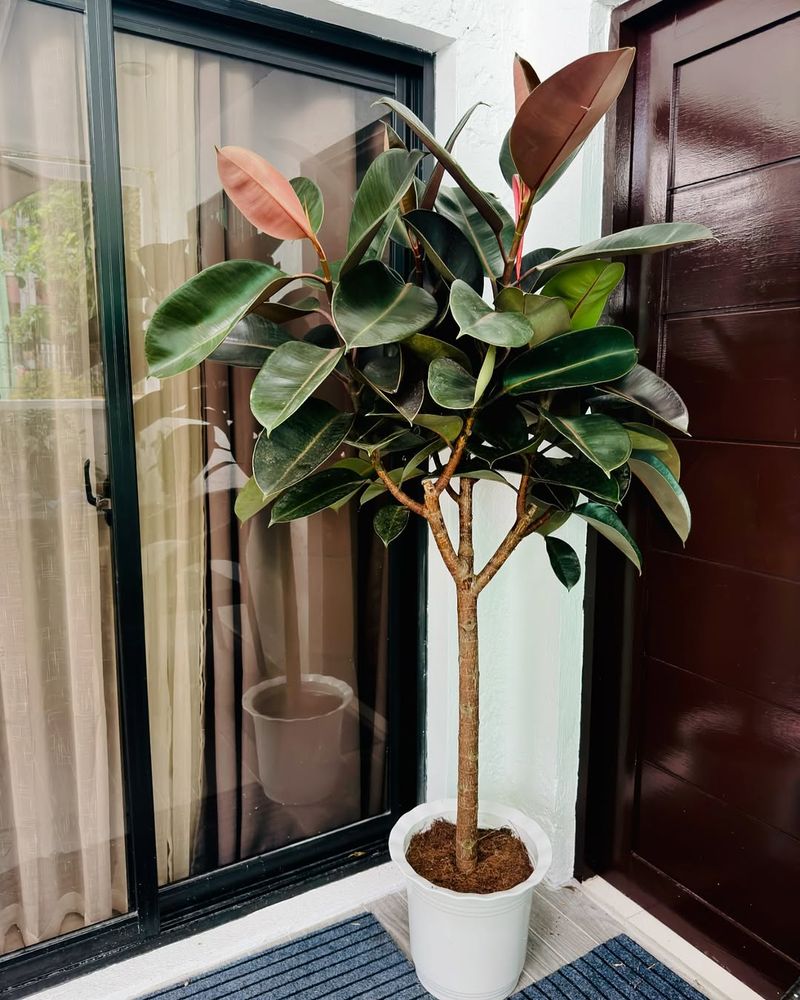
Bold, oversized leaves with a distinctive rubbery texture make ficus elastica an instant statement piece that commands attention in any Colorado room.
The deep burgundy or variegated varieties add extra visual punch beyond standard green cultivars, with some featuring cream and pink markings that create artwork-worthy foliage.
Growth happens impressively fast when rubber plants receive adequate bright, indirect light, with new leaves unfurling at the top of the main stem in a tightly rolled formation before expanding to full size over several days.
Vertical growth comes naturally to rubber plants, which can reach several feet tall within a couple of years when conditions suit them, making them perfect for filling vertical space in rooms with high ceilings.
The substantial trunk thickens as the plant matures, creating an almost tree-like presence that anchors a room visually and provides a sense of permanence.
Colorado’s bright sunshine streaming through windows provides ideal conditions for rapid growth, though some filtering through sheer curtains prevents leaf scorch during intense afternoon exposure.
Watering needs stay moderate, with plants preferring to dry out slightly between waterings rather than remaining constantly moist.
The large leaves collect dust in Colorado’s dry climate, so occasional gentle wiping with a damp cloth keeps foliage looking its best while allowing maximum light absorption for photosynthesis.
Rubber plants occasionally produce new branches from lower on the trunk, creating bushier specimens, though many gardeners prefer the dramatic single-trunk form that emphasizes height and makes a strong architectural statement in bright Colorado interiors seeking fast-growing focal points.
10. Coleus (Grown Indoors)
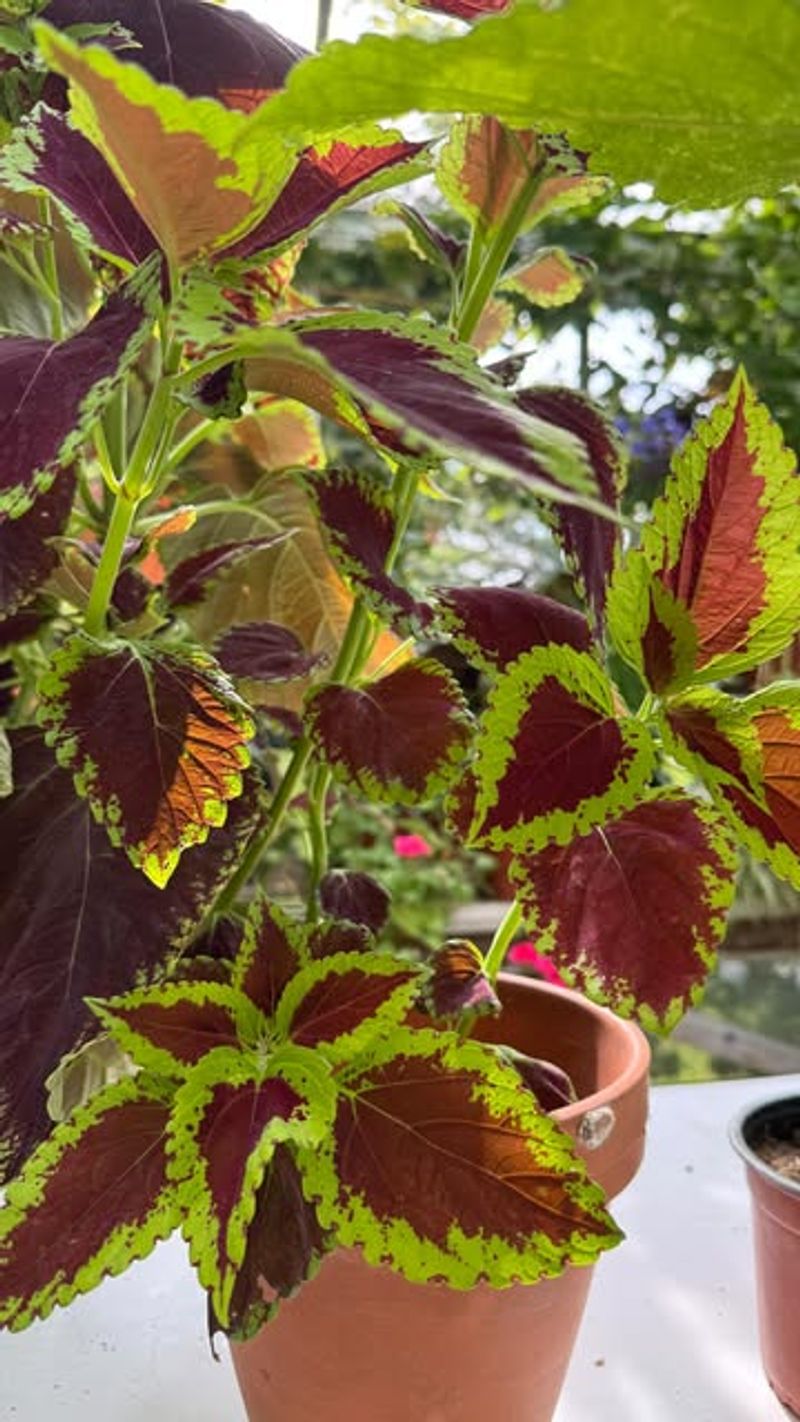
Exploding with color combinations that rival any flower garden, coleus plants bring vibrant foliage indoors that transforms ordinary spaces into eye-catching displays.
The serrated leaves feature wild patterns mixing burgundy, chartreuse, pink, orange, and purple in combinations that seem almost too bold to be real, yet these plants thrive indoors when given proper conditions.
Growth happens at an astonishing pace, with plants doubling in size within weeks during active growing periods, making coleus perfect for impatient gardeners seeking immediate gratification.
While traditionally grown outdoors as annuals, coleus adapts surprisingly well to life inside Colorado homes, particularly near bright windows where intense light maintains the vivid coloration that makes these plants so appealing.
The more light coleus receives, the more intense the leaf colors become, though some protection from harsh direct afternoon sun prevents scorching.
Regular pinching of growing tips encourages bushier growth and prevents the leggy appearance that can develop if plants reach for insufficient light.
Watering requirements stay higher than many houseplants, with coleus preferring consistently moist soil that never becomes soggy or completely dry.
Colorado’s low humidity means checking soil moisture frequently, especially during winter when heating systems run constantly.
The fast growth rate means occasional fertilization supports continued vigor and color development.
Stem cuttings root easily in water, allowing you to propagate favorite varieties or refresh plants that become overgrown, ensuring a constant supply of bold, colorful foliage that grows incredibly fast and brings unmatched vibrancy to Colorado interiors year-round.
11. Chinese Evergreen (Aglaonema)
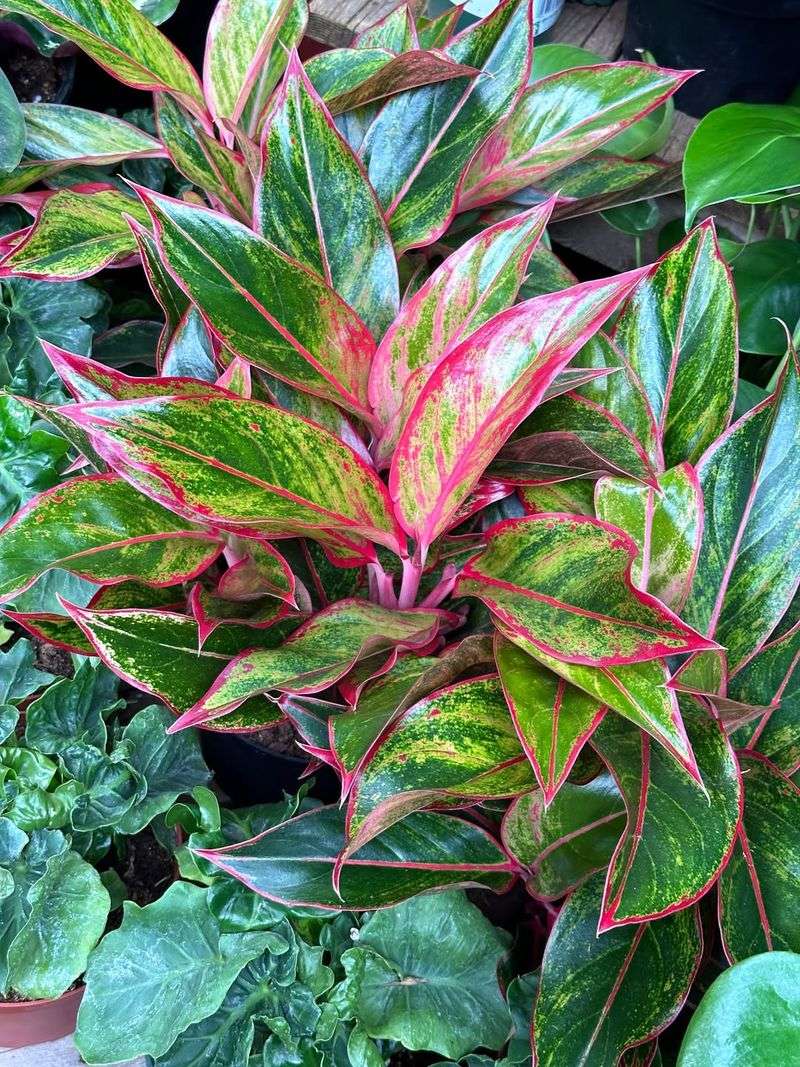
Patterned leaves in shades of green, silver, pink, and red make Chinese evergreens among the most decorative foliage plants available for Colorado homes seeking both beauty and easy care.
The oblong leaves emerge from a central crown, creating full, rounded plants that fill containers attractively without requiring constant pruning or shaping.
Modern cultivars offer increasingly bold color combinations, from subtle silver-dusted green varieties to shocking pink and red hybrids that provide color impact rivaling flowering plants.
Steady growth characterizes Chinese evergreens, which produce new leaves regularly from the center of the plant throughout the year when basic needs are met.
While not explosively fast, the consistent emergence of fresh foliage means plants visibly fill out their containers within months, creating substantial specimens that look mature and established.
These plants tolerate low light conditions exceptionally well, making them perfect for interior rooms or north-facing spaces where many houseplants would struggle, though brighter indirect light intensifies leaf coloration in variegated varieties.
Colorado’s dry indoor climate barely fazes Chinese evergreens, which continue growing steadily despite low humidity levels that stress more finicky tropical plants.
Watering needs remain moderate, with plants preferring to dry slightly between waterings but showing tolerance for occasional lapses in care.
The combination of attractive foliage, steady growth, and minimal maintenance requirements makes Chinese evergreens ideal for filling indoor planters quickly with reliable greenery that adapts seamlessly to Colorado’s unique challenges, providing year-round beauty without demanding complicated care routines or perfect growing conditions.